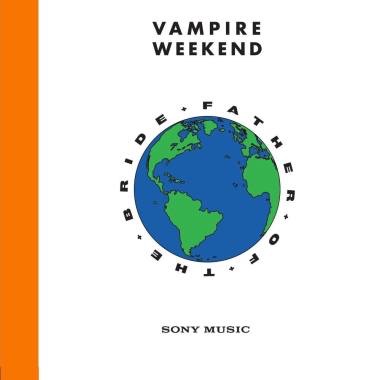
It has been six years since Vampire Weekend last released an album – a millennium in pop years. I wasn’t sure what to expect given the lapse of time and the loss of sonic architect Rostam Batmanglij. I did not listen to the teaser singles. If I had, I would not have been concerned. Lead single “Harmony Hall” is an outstanding pop song and represents everything that is great about Vampire Weekend.
The new album is terrific: poppy, quirky and as ambitious as ever. It is not out of character with its three predecessors. All of which have Paul Simon Graceland influences. Like those three albums, Graceland is merely an influence on Father of the Bride and not a tribute – this is a highly original band. Vampire Weekend is fearless about its arrangements and edits.
First, a word of warning: listen to this album through a good rig. I listened to this album a few times on a factory car stereo and on average headphones/iPhone and it was fine. But when I listened via my big boy stereo, the album blossomed.
I hear so many many musical flavors:
- Jerry Garcia’s marimba like guitar
- Stevie Wonder’s funky yet quirky arrangements
- Brian Wilson & Beach Boys elaborate yet accessible orchestrations
- Prince’s divinely weird funk
- Kanye’s, My Dark Twisted Fantasy era insanity
- George Harrison sophisticated pop
- The jangly and lighter side of Van Morrison
- And of course Paul Simon’s afro-pop fusion
All these influence are blended together resulting in a totally fresh take on the Vampire Weekend sound. This may be their quirkiest and best record.
As usual, there are lots of guitars used in unconventional ways. Ezra Koenig duets with Hiam’s Danielle Hiam on a few cuts and the result is a twisted take on classic country boy/girl duets. All and all, Father of the Bride is an excellent addition to the Vampire Weekend canon.
Coda: I have been listening via Tidal HiFi and I picked up the vinyl edition and it sounds great! Nice clean pressing and master.
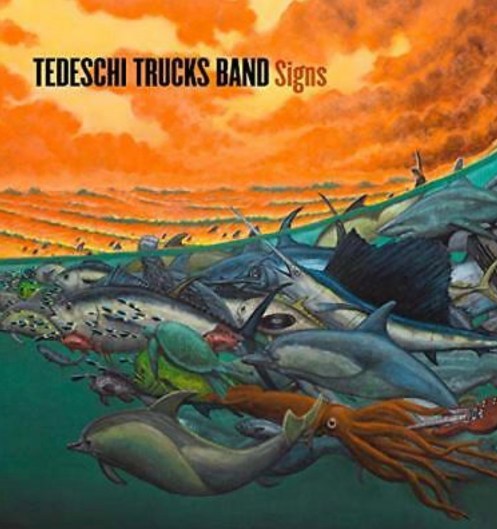
I am a long time fan of Derek Trucks – since his days as a young buck when he and Warren Haynes revitalized the Allman Brothers. Trucks’ several solo albums are great, but his work in the Tedeschi Trucks Band (TTB) is even better. Susan Tedeschi was an established solo artist when she and Trucks (a married couple) decided to also merge their musical talents in 2011 and form the TTB. Their debut album is one of my all time favorites.
This is their fourth studio album. They are a big band (12 piece) that plays blues rock in the tradition of the Allman Brothers, Bonnie Raitt and Delaney & Bonnie.
For fans of analog music, this an outstanding sounding LP. Per their web site:
The album was recorded at Derek and Susan’s home studio, Swamp Raga, on two-inch analog tape giving it a warmth and richness that recalls the ambience of the best vintage recordings. Vinyl mastering and lacquers were cut from the analog master tape and pressed on 180 gram black vinyl for highest sound quality. Vinyl mastering and lacquers cut from the analog master tapes by KEVIN GRAY at COHEARENT.
The band is not mining new ground here, just continuing to craft high quality and perfectly executed blues rock as they have on their previous live and studio albums. If you miss the Allman Brothers, this album will fill that hole.
The main features of the TTB are Trucks channeling his inner Duane Allman, Tedeschi channeling her inner Bonnie Raitt (including slide guitar) and a jamming big band with double drummers, horns, vocalists, etc. It is a well oiled machine that effortlessly pumps out the jams.
Derek Trucks is a special kind of guitar-god: his solos are always in service to the songs. Signs is classic Trucks supporting songs with his gorgeous slide guitar. Like Raitt, Susan is standing on the shoulders of previous generations not as an imitator, but as an innovator.
TTB is a slick and tight outfit – imagine if Steeley Dan was a blues band. The recording is pristine and the arrangements are sublime.
TTB is not just a guitar god and great rock vocalist, this is a band. TTB is a fresh dose of classic rock. If you like classic rock, but are tired of the same old war horses, this is the album for you.
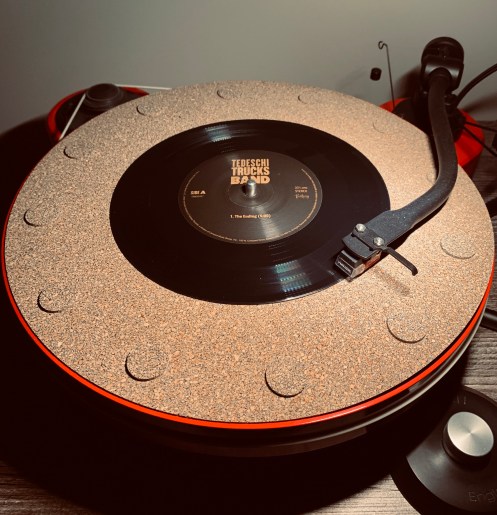
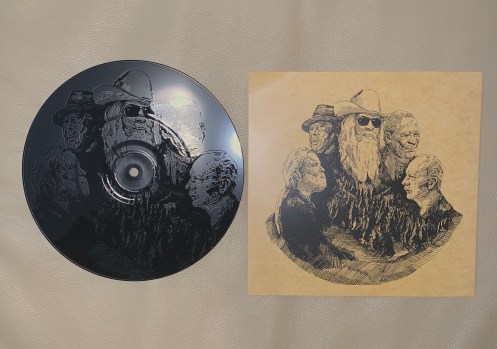
P.S. the vinyl edition comes with a nice little bonus: the final song, “The Ending,” is issued as a seven inch single. The song is dedicated to the great ones who recently passed that inspired the TTB. The album morns, in a joyful way, the passing of Allman Brothers Gregg and Butch (Derek’s uncle), BB King, Colonel Bruce Hampton and Leon Russell. The day the album was released (2/15/19) TTB longtime keyboardist and flautist Kofi Burbridge passed away after a battle with heart issues.
The B-side has a cool image of those fallen heroes etched into the wax:
A coda to Signs is the TTB’s 2019 Record Store Day Release: High & Mighty a 12-inch special edition vinyl release with three unreleased tracks culled from the Signs sessions along with a live version of “Shame.”

Jenny Lewis’ The Voyager is one of my favorite albums of this decade. It has taken five years for the sequel to arrive and I have been looking forward to it.
On the Line is clearly Jenny Lewis, but not The Voyager II despite similar torso branding on the cover. It’s something all together different – not radically different, but its own thing.
Here is the short review: it lives up to The Voyager. Just to make sure I wasn’t suffering from amnesia, I re-listened to The Voyager – it was a high bar to clear and On The Line easily reaches The Voyager’s height.
The Voyager was Jenny’s Court And Spark – a California Laurel Canyon pop folk rock masterpiece. Super accessible, yet uncompromising. On the Line is edgier. It is a rock record, lest we forget Lewis’s origin as an indie-rocker.
I preordered the deluxe vinyl because it’s kind of epic:

We recently saw Lewis live (at The Palace in St Paul) and this new material translates well live and weaves nicely with her back catalog. Seeing her live was a great reminder of what a great set of pipes she has. She has such an effortless vocal delivery, it is easy to forget what a great and powerful voice she has. 
Lewis’ music is fun, yet biting; humorous, yet solemn; light, yet deep. Overall, it has a complexity without being fussy or pretentious. On The Line is another masterpiece in Lewis’ catalog.
P.S. If you are interested in where an amazing artist like Jenny Lewis comes from, check out this article.
Here is a playlist of Jenny’s recent show in St. Paul MN:
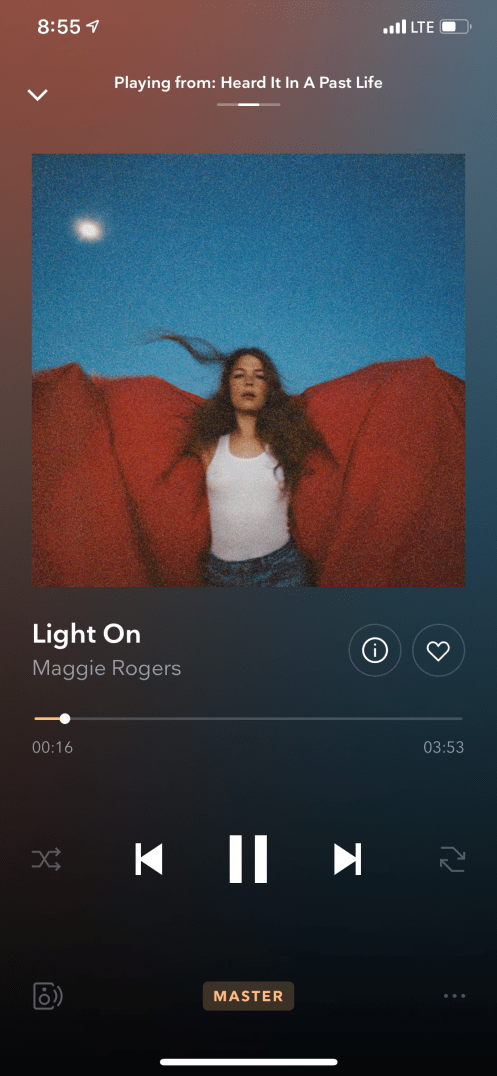 I am streaming a lot of music these days. I wanted to try MQA in the least expensive way, so I picked up an AudioQuest Dragonfly Black ($100) to play MQA tracks on Tidal.
MQA is a controversial digital music format and I’m not going to try to explain or argue it is a legitimate hi-rez digital format. Google MQA and you will find passionate lovers and haters.
I will say that for twenty bucks a month, Tidal is damn convenient and a hell of a value. It’s a music streaming subscription with CD quality (at minimum) and often better than CD quality streaming (Tidal HiFi) from a deep catalog. The MQA tracks (called Masters) sound great. Do the MQA tracks sound as good as similar resolution lossless tracks? I don’t know, but they sound better than CDs and Spotify MP3 tracks by far. And given you can stream them, they can’t be beat.
The difference between audio hi-rez and CDs is not as profound as video’s VHS to Blu-Ray, but hi-rez audio is better than standard digital: more detail and a more open soundstage. In general, a more natural sound.
And it it just got better, because Tidal Masters are now available on your iPhone or iPad (previously MQA tracks were only available on the desktop application and Android). However, you can’t take advantage of this new feature on your iOS device without a DAC (don’t get haughty Android fans, neither can you). See this post for more details. For me, the DAC of choice is an AudioQuest Dragonfly Black.

The Dragonfly is a DAC, preamplifier and headphone amplifier that looks like a USB stick. The Dragonfly has processing capabilities to 24-bit/96kHz resolution, it has MQA capabilities and best of all it is only a hundred bucks.
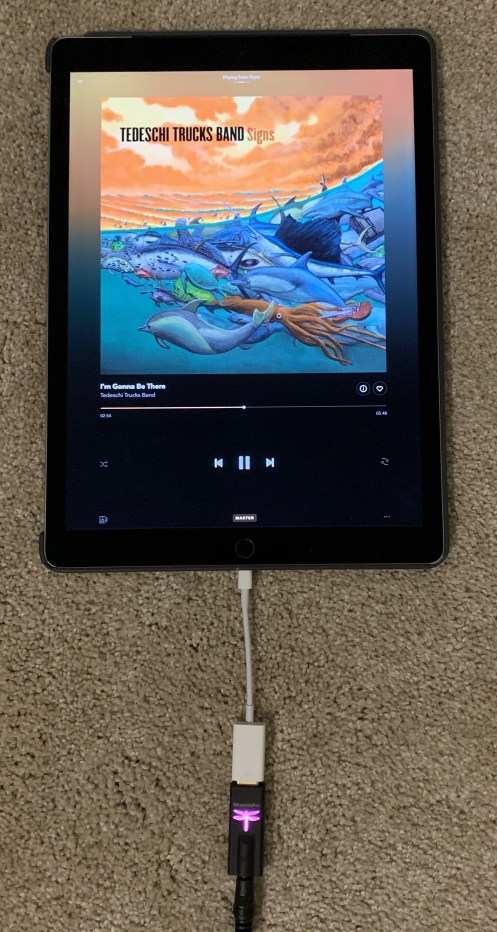
If you want portability and don’t have an audiophile or record collector’s budget, yet you care about great sound, this combo is recommended:
- Tidal streaming
- A smartphone or tablet
- An MQA compatible DAC
- A good pair of headphones or stereo rig you can aux cord into
The Dragonfly works great with a desktop or laptop computer too.
Better sound takes some extra effort and some additional cost, but it is worth it. With services like Tidal and products like the Dragonfly Black, the barrier to entry for great sound has never been easier or cheaper.
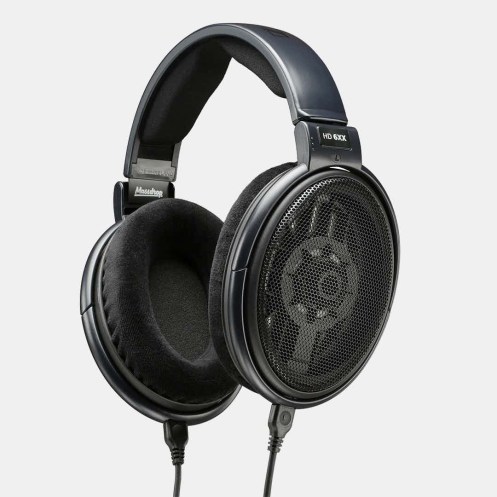
I was in the market for some audiophile headphones with a $500 budget. I got turned on to the Sennheiser HD 650 by the Needle Doctor when they lent me an original pair to test drive as a way of gaging my taste. Based on what I thought of the cans would help them in their consulting. The HD 650s sounded extraordinary and were the most comfortable cans I had ever worn. They are no longer being manufactured. Used ones are available for $250 and the current version, the HD 660 S, are $500 new. The HD 660 S were within my $500 budget, so I did not feel the need to research any further – these would be the ones.
Then I noticed a Facebook ad for a Sennheiser HD 6XX headphones for $200. That did not seem right – were they counterfeits? Turns out it is a legit deal from a legit company. The company is Massdrop that works with manufacturers to reissue, at liquidation retail prices, in exchange for a massive wholesale order. They also do some crowd funding for new products. Companies like Sennheiser are willing to cannibalize sales of their current products in order to move 72,000 units of a discontinued model (that is how successful the Sennheiser “drop” has been over the last few years). Hard to pass that up as a manufacture of boutique products I guess – that is gross retail sales of $14.5 million! That is a lot of headphones, but that is still a rounding error in Sennheiser’s annual sales – so it is still a baffling move by an audio giant. Perhaps they assume that these are sales (to budget minded audiophiles like me) that never would have happened.
I returned the borrowed cans to the Needle Doctor and told them about the Massdrop deal and they told me to snap them up – that is a confident retailer. Kudos to the Needle Doctor for putting their customer’s best interest first. I ended up buying the Massdrop Sennheisers and I am thrilled with the product. I did come back a week later to the Needle Doctor and spent my headphone budget savings on a Dragonfly Black DAC and an Audioquest aux-cord – so it all worked out.
These Sennheiser HD 6xx sound magnificent. The best sounding headphones I have ever owned. A very natural sound – no additional color: not too bright and no pounding bass. They just sound right, close to listening to good speakers in a good room. The comfort on the ears is a bonus.
Per Massdrop:
If you know audio gear, you know the Sennheiser HD 650. The company’s flagship from 2003 to 2009, this open-back headphone has shown serious staying power. Praised for its richly detailed, effortlessly enjoyable sound, it remains one of the most talked-about products on Head-Fi today—and is still widely considered among the best headphones under $1,000.
The only complaint is that they let in a lot of ambient noise (and anyone in close proximity will be well aware of what you are listening to), but that is also why they sound so good. You just need a quiet place to listen with them. Sennheiser is the open-back headphone originator/innovator (they first introduced the concept in 1968). Open-back headphones sound less like music trapped in your head and more like music in a room. In other words, more realistic and natural.
I highly recommend these headphones for audiophiles who have a quiet place to listen. They are a great value at $200 – according to reviews comparable cans can cost five times their price. They are comfortable enough to wear for several hours. They don’t need a lot of power (some high end headphones do) so you can play them through your smartphone. Most importantly they sound great.
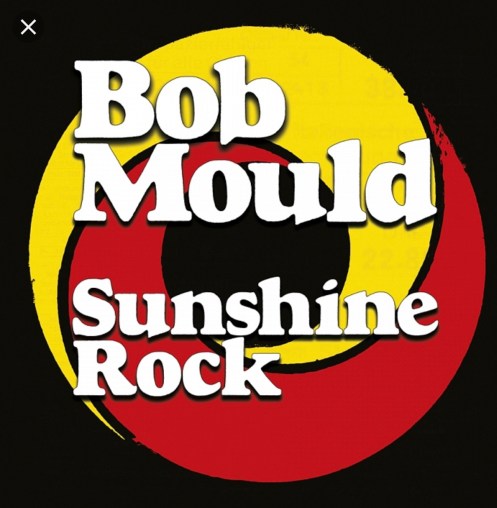
For most Minneapolis rock fans of my age, Bob Mould means Hüsker Dü. But I came to Bob Mould post Hüsker Dü – specifically his brilliant solo debut Workbook from 1989. I followed him into Sugar and then backtracked to Hüsker Dü. What I learned, is that despite all the guitar noise, Mould is bubble gum: sweet, melodic and hooky as hell.
As far as I am concerned, Bob Mould has never made a bad album, but some of them resonate with me more than others. Sunshine Rock is a resonator.
It is a classic Bob Mould power trio, occasionally augmented (perfectly) with strings and keys. It is a difficult time for rock, having fallen out of fashion. But Mould has pulled off a miracle 40 years into his career: a perfect pop punk album – authentic and enthusiastic.
One of my favorite Bob Mould album is File Under: Easy Listening with his band Sugar. Sunshine Rock has a similar beauty. The buzz saw guitar is as melodic as ever. The speed is mostly breakneck (although there is one gorgeous reflective slow song – “Final Years.”). The most endearing quality of the LP is how joyful this noise is. There is not a dud on the LP.
There is a reason that Bob Mould is a legend and important influence: he is a punk founding father who has never faltered in 40 years. Bob Mould has managed to make the most accessible album of his career with out a drop of sellout. This album is a capstone on an already great career.
Thanks Bob! Looking forward to celebrating 40 years of your cacophony at the Electric Fetus in Minneapolis and the Palace in St. Paul Minnesota later this month!

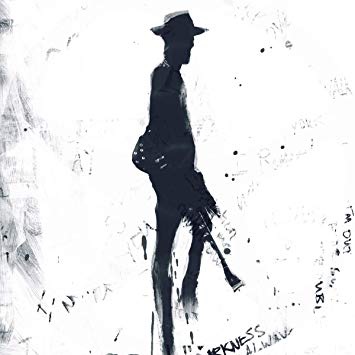
Gary Clark Jr. has got it all: Texas guitar gunslinger, great voice, songwriter, musician, performer, the look, married to a super model and a nice little career on the edge of the star making machine beholden to no one. Thus, he guiltlessly spills out genres: blues, rock, soul, reggae and hip hop. He refuses to be pigeonholed as a guitar god or submit to the blues police. Each of his studio LPs tends to be a wonderful hot mess – driving the blues purists crazy and keeping it interesting for the rest of us.
This Land continues Clark’s tradition of the brilliant hodgepodge. Like Hendrix, at his core, Clark is a bluesman. Again like Jimi, he refuses to be a slave to the blues. The blues are merely a point of reference for their genre bending explorations.
This may be my favorite Gary Clark Jr. album. This LP is all over the map: classic rock, the blues, R&B, punk, reggae, Prince and hip hop infused neo-soul. Despite the stylistic chaos there is cohesion. That cohesion is the total persona of Gary Clark Jr. He has become a rock star. No simple accomplishment in these times.
The coolest thing Clark does is that he’s an old school rock star with a complete and total understanding of hip hop. A man of his times, this is a serious artistic statement. A dude on top of his game. This Land has the similar ambition as D’Angelo’s Voodoo.
Clark gets political at times, but what do you expect from an African-American rock star? Silence would be inappropriate.
Oh and the guitar playing, it is superb as expected. The innovation is that the guitar playing is in total support of the song. The guitar never overpowers – save that shit for the live show. The production is pretty solid too. Clark’s secret ingredient is his singing voice. He is an extremely gifted vocalist with a wide range of textures. It is easy to forget the voice, given the guitar, but it is just as big of a deal.
This is going to be a top-ten 2019 album for me. Can’t wait to see this new stuff live when he visits my town (Surly Brewing Festival Field Minneapolis/St.Paul) on a hot August Friday night.

This is one of my favorite albums of the 00s. I got to see Secret Machines live twice. Once when they warmed up and seriously upstaged the Kings Of Leon at First Avenue. The second time was at the same venue where they headlined and performed “in the round.” Both were amazing shows.
Now Here Is Nowhere was issued in 2004 on CD and reissued as a limited release LP (vinyl) in 2017 on Run Out Groove (a vinyl-only reissue subsidiary of Warner Music Group). I recently found a new copy at the Electric Fetus.
Secret Machines sounds like the bastard love child of Pink Floyd and The Clash. It has Floyd’s spacey sound, but with a garage rock/punk vibe. It is a full sounding trio (in the way that Rush is a full sounding trio). The band self describes their sound/style as space rock.
Although, the band did not do well commercially, this album and its follow-up were critically acclaimed and they counted David Bowie as a fan.
I like the big guitars, whooshing keyboards, artful use of stereo channels (why don’t more recording artist take advantage of stereo more?) and gorgeous clear vocals. As the Run Out Groove website states:
Anyone interested in Pink Floyd, NEU, Ride, Spacemen 3, Mercury Rev, the Flaming Lips, U2, Super Furry Animals, Sparklehorse & Broken Social Scene should have this album in their collection.
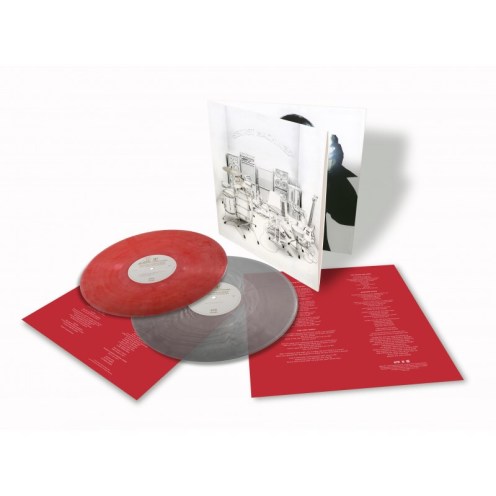
The vinyl edition was mastered for vinyl from the original master recordings with edits removed. The vinyl edition is not significantly different from the CD version, other than the typical organic feel of wax. The soundstage on the vinyl is a bit more open and airy. Overall, the vinyl is easier on the ears. But at forty bucks for the wax, you better be a pretty serious fan (the album is on streaming services and a used CD can be found for cheap – under two bucks per Discogs). The visual presentation of the packaging is pretty spectacular.
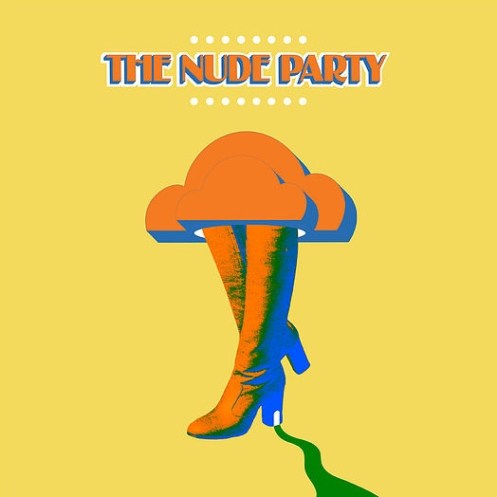
I missed this release when it came out 2018. I recently heard “Chevrolet Van” on The Current and it grabbed me, I was an instant fan. The song pokes fun at being a young rocker:
Got some free advice the other day
From an older relative of mine
He said, I dig what you do
But I think you’re wasting your time
Cause driving around, getting drunk with your friends in a van every night
Sounds like a lotta fun, but you need a plan B, cause it ain’t gonna last long past twenty-one
I dialed up the album on Spotify and was blown away – the whole album is great. It is pure joyous garage rock. It is the perfect hybrid of The Velvet Underground, Television, The Rolling Stones, Gram Parsons and a dash of Quentin Tarantino.
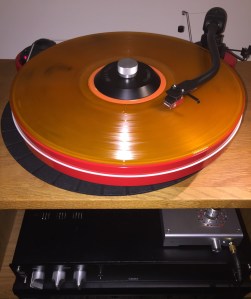
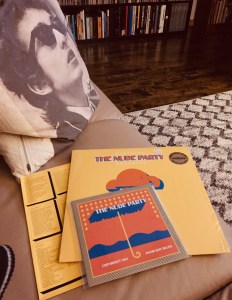
The LP is a quality pressing in orange vinyl with a bonus 45.
If I had discovered this LP in 2018, it would have placed on the upper end of my best of 2018.

Every few years I do some kind of upgrade to my stereo. I have never really thought of myself as an audiophile, since I prefer to spend most of my disposable income on software (music) vs. hardware (gear). However, I am at the point where I have spent enough on stereo gear that it is pretty hard to avoid the label of audiophile. All the same, I am on the budget side of the audiophile spectrum. I like high quality gear, but I am looking for value. I don’t think you have to pay the price of a car for a component.
This year’s upgrade was a new amplifier. It replaces a Jolida FX10 (a 10 watt tube amp which has served me well, but had some limitations). How I ended up with the Croft is a long story that I will save for another post. This post will focus on reviewing the Croft.
I was unfamiliar with the Croft brand and did no research – instead I completely relied on the fine crew at the Needle Doctor for their recommendation (a special shout out to @cellphono for his patience and insights). They did not lead me astray. It turns out this is a highly recommended component from Stereophile magazine and other experts. Croft is in that class of gear that is moderately priced (but still not cheap) and considered at the top of its class. This amp is $1,895.00 USD which makes it the most expensive stereo component I have ever owned. I got a small discount by purchasing a demo model (no risk and broken in by guys who know what they are doing). Finding the Croft was serendipitous, but again that story will have to wait for another post.
What I learned is that Glenn Croft, designs and builds hand crafted audio in the UK. This is like buying art from an artist, it is brilliantly designed and crafted. Croft has been at his craft for 30 plus years. I am very curious as to who this guy is. I have met these kinds of dudes before. For example, in my own town, there is Frank Van Alstine. He is serious about sound and oblivious to gimmicks and fads. I am still trying to learn more about the Croft brand and Glenn Croft the man. Don’t expect to learn anything on the Croft website. This is one low profile company. Croft is the definition of bespoke.
This is an austere unit: an input selector, right and left volume knobs, a mute switch and an on/off switch all in an unassuming black case without a remote. It does not have a headphone jack (which has turned out to be a weird kind of benefit – the opportunity to head down the headphone amp rabbit hole).

The backside is a set of gold-plated jacks for a phono, three other inputs and a line out. In addition, there are speaker connectors, a phono ground and power.

The Croft is a tube hybrid amplifier. It has a top-notch MM phono preamp – that is its most prominent feature. LPs sound outstanding through the Croft.
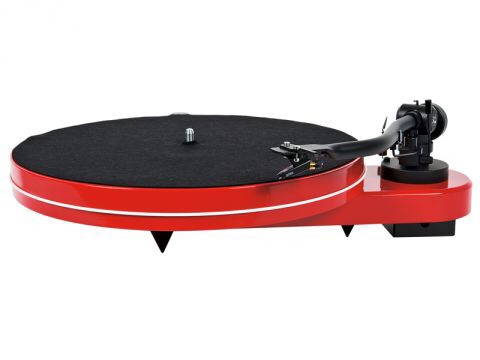
No piece of gear can be considered on its own, you need to understand the context of the listener. My inputs to the Croft are a Pro-Ject RPM 1 Genie 3 (turntable) with an Audio-Technica VM540ML cartridge (another new arrival due to tragedy – another teaser to an upcoming post) and an Oppo 105D (disc player and DAC). I predominately listen to vinyl through this rig.
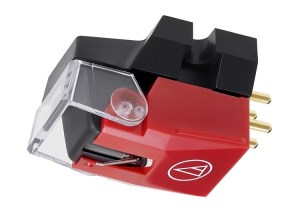
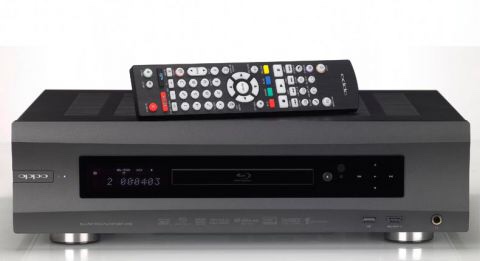
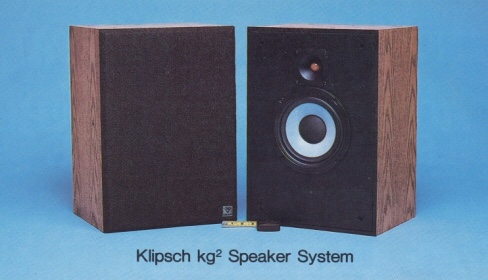
The outputs are Klipsch KG2s (speakers) and a Schiit Vali 2 (headphone amplifier – this is a new addition to my rig along with the Croft – remember no headphone jack) with some AKG K240 Studio (ancient) and Grado SR80e headphones – depending on my mood (the Grados are my preference for sound, but the AKG are physically more comfortable on my head and provide some isolation).
The Klipsch are my oldest component. I picked them up in 1985 when I got my first bonus from my first “real” job. They were the best speaker I could afford at the time. I have listened to them consistently since I got them. Other stereo components have come and gone, but the KG2s still prevail. I have listened to a lot of other speakers over the years, but in the end I am loyal to the Klipsch. They pair well with the Croft (this is not a given – I tried a Rouge Audio Pharaoh and it conflicted with the Klipsch). It was a requirement that the new amp complement the Klipsch. The Klipsch get along nicely with the Croft.


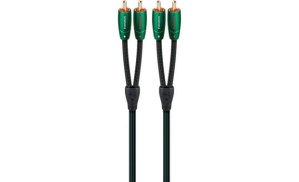
All the hardware is connected with AudioQuest Evergreen cables and the speakers are connected with Monster Cable XP HP 14 Gauge High Performance speaker wire.
I am not qualified to explain the electronics of the Croft, so I will defer to Stereophile:
Phono-stage gain is provided by a stereo pair of ECC83 (12AX7) dual-triode tubes, made by JJ Audio of Slovakia, while RIAA equalization is applied by passive parts. A third ECC83, using a pair of P9NK50 MOSFETs as a constant-current source, is the voltage amplifier for the output section, which is built around a complementary pair of J162 and K1058 MOSFETs. In the right-rear corner of the Croft amp—as far as one can get from those small-signal tubes—is a simple and very cleanly executed analog power supply, with separate rectifiers for tubes and transistors. Apart from a small circuit board containing the bipolar timer and relays for the amp’s warm-up circuitry, the Phono Integrated is hand-wired, point to point, with neatly made solder joins and Bakelite terminal strips.
I will provide a subjective review. The overall sound is clear, lifelike and “tube warm.” As mentioned earlier, the phono stage is outstanding, but it handles digital inputs just fine. My Oppo sounds great through the Croft (CDs, SACDs, DVD-Audio and Tidal Hi Fi). I listen to pretty much every genre, with exception of Classical and EDM. The Croft sounds great with everything I listen to. It has a nice stereo sound stage. Everything is even keeled – not too much bass and not too bright – it is just right. I seek a non-biased reproduction from a stereo and not an opinion. The Croft tells the story straight up (the audio equivalent of neat if you are a whiskey drinker).
Besides the overall sound, my favorite feature is the dual left/right volume knobs. My listening space is a loft, where my right side is a large open space. It is great to have independent channel volume controls to compensate for the room – much better than a balance knob.
I love the no-nonsense look of the face and case of the unit.
 I am very satisfied with the Croft. It is a good match with my other equipment. It plays into my listening habits, as it is a vinyl focused unit. With so many options on the market I feel lucky to have found the right amp for my needs and taste. It is a reminder of the importance of a quality retailer and informed salesperson (thanks again Needle Doctor and @cellphono). I am not suggesting the Croft for everyone, but it is the one for me.
PS – I now predominantly listen to this rig through Sennheiser HD 6XX headphones. See this post for more about that.


