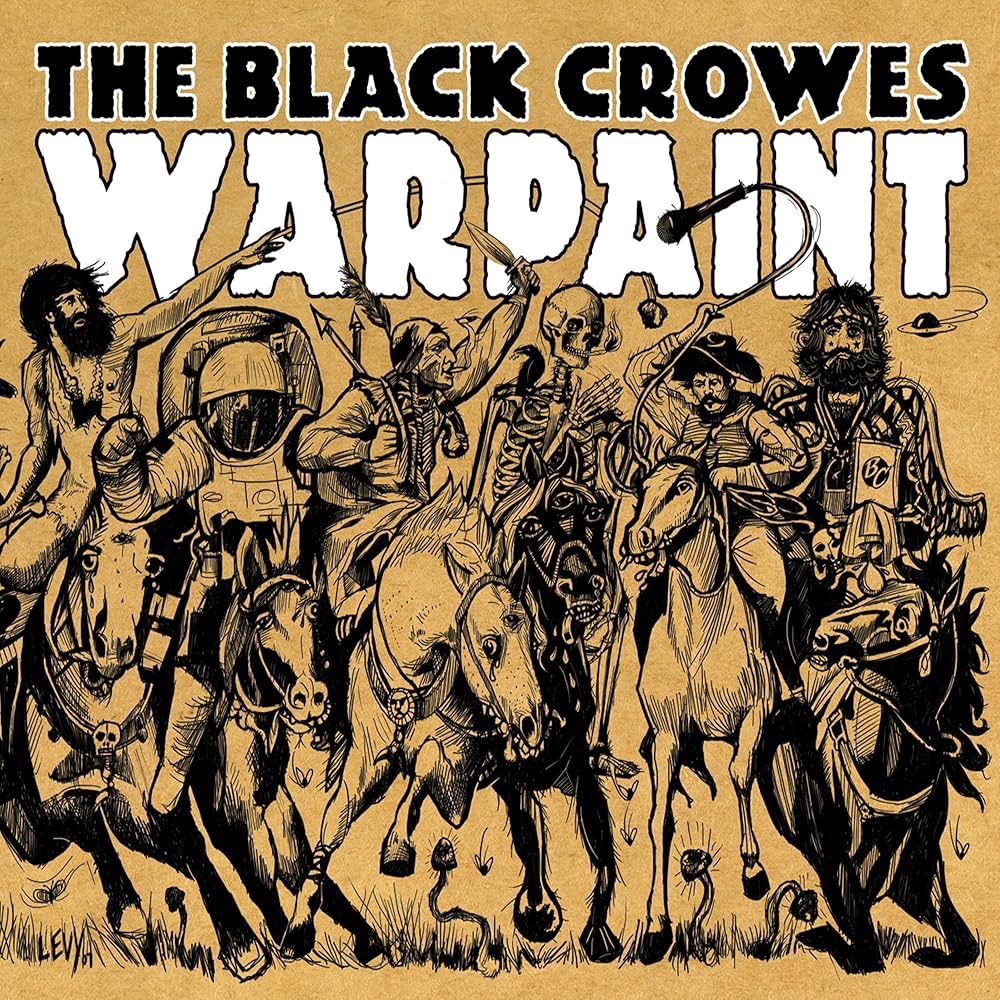
Warpaint
Silver Arrow Records
March 3, 2008
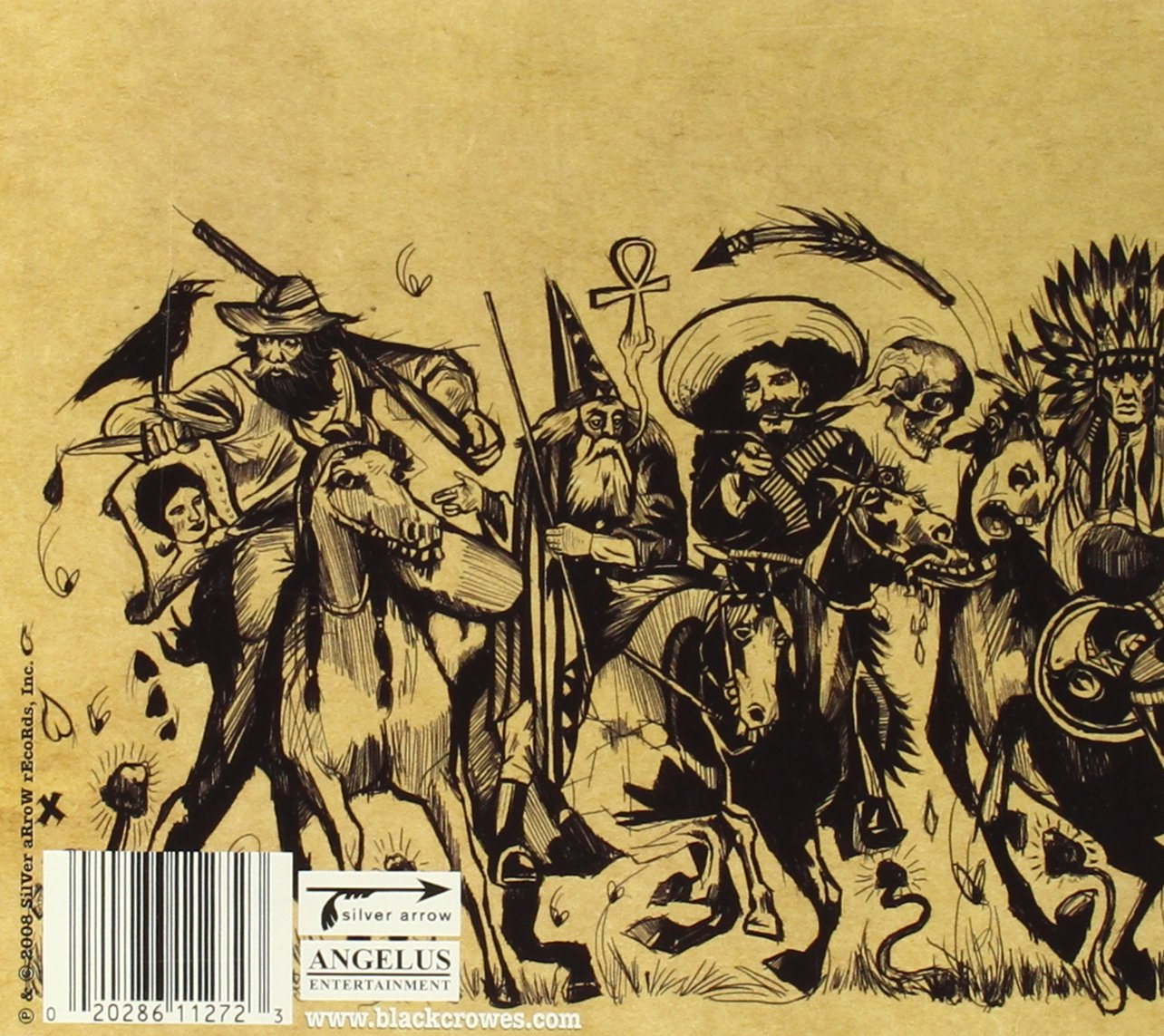
What a pleasant surprise this album was when it arrived in the spring of 2008. I had stopped listening to the band after Amorica (1994) – although I did buy the following three albums, they never resonated with me. Eventually, the band went on hiatus, but in the mid-2000s, they started touring and found the magic to record Warpaint. That album became my favorite Crowes album, and I had the good fortune to see the band touring in support of it at the Minnesota State Fair in the fall of 2008.
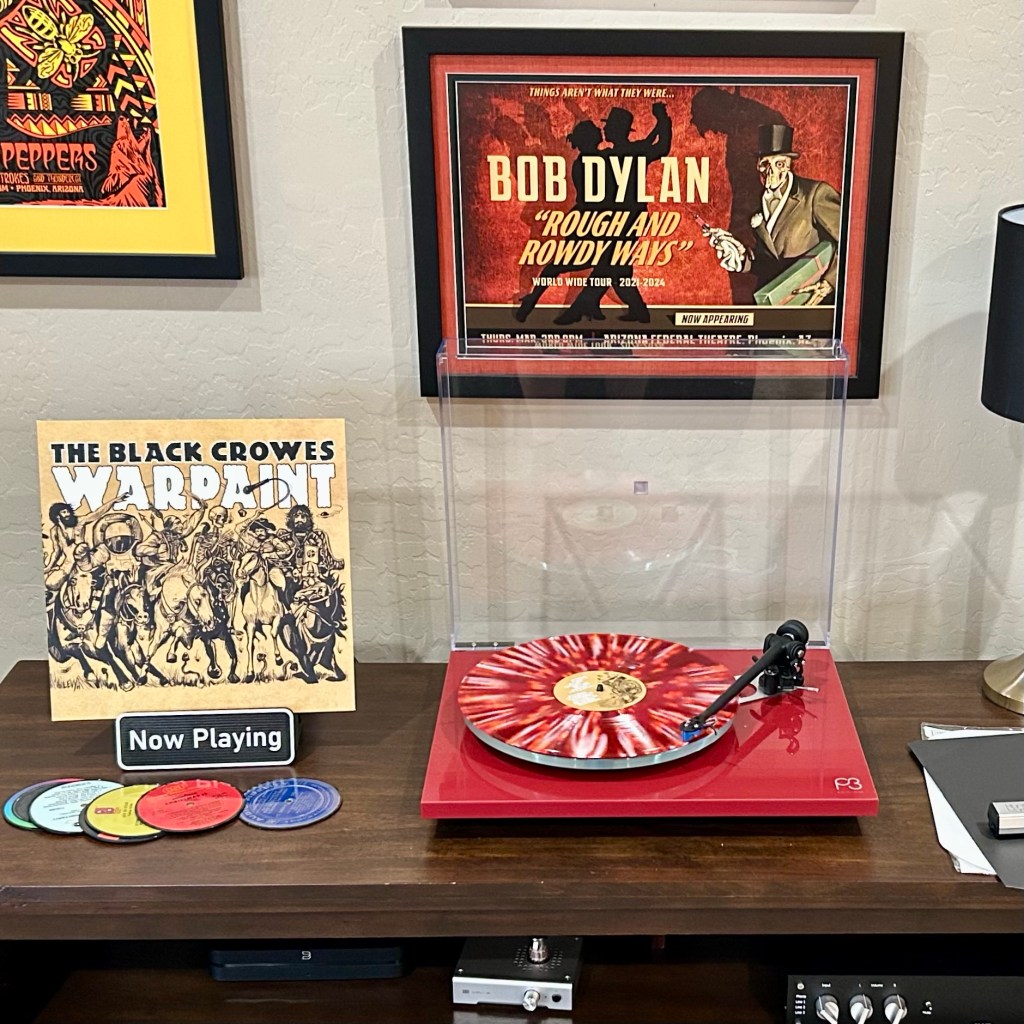
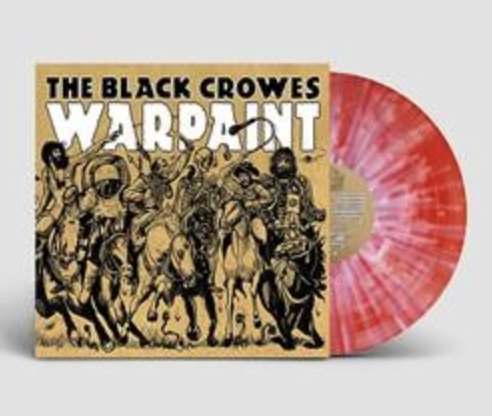
Warpaint sounded great on first listen, and it has never gotten old, revealing itself to this day. I loved that the CD was released as a Digipak (I hate jewel cases). Later, during the vinyl renaissance, I picked it up on vinyl. I recently picked up a lovely Red/White Splatter vinyl reissue from Vinyl Record Dude for the Desert 🌵 Session.
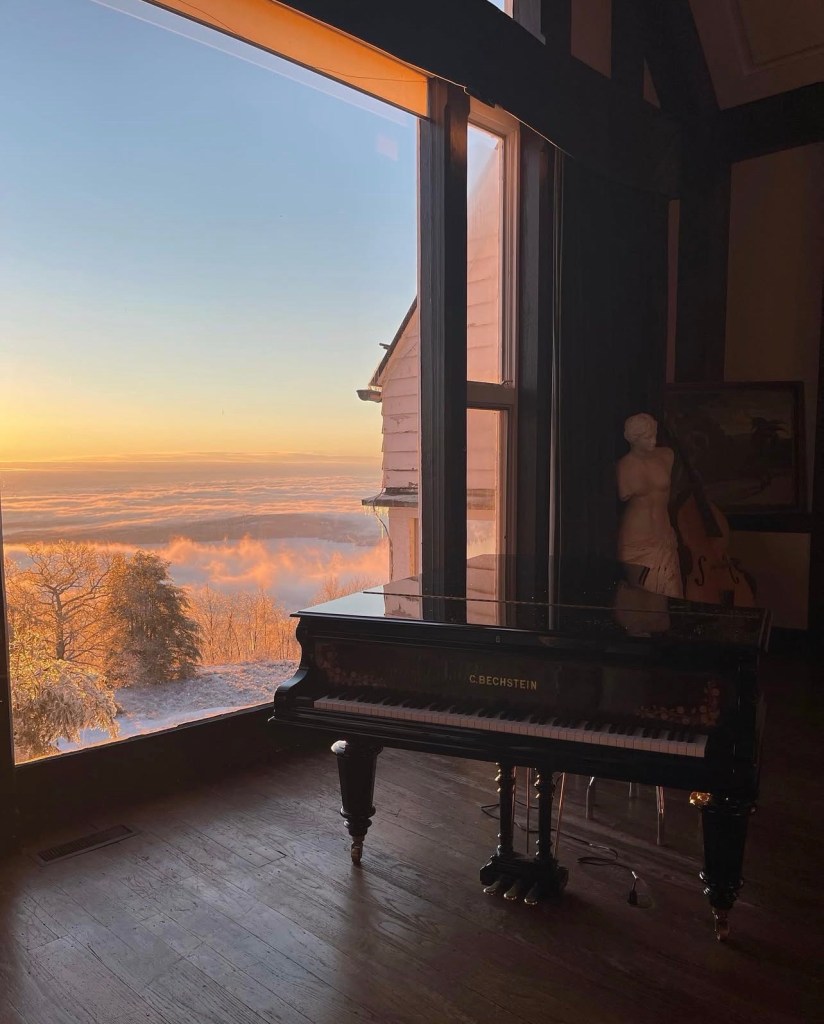
Warpaint reenergized the band by the addition of guitarist Luther Dickinson (North Mississippi Allstars) and the then relatively unknown Adam MacDougall (later in Chris Robinson Brotherhood and Circles Around the Sun) on keys. This was a short-lived but excellent version of the band. The album was recorded quickly and without distractions at Allaire Studios in the Catskill Mountains of Upstate New York. Looking at photos of the studio, it seems idyllic.
The band is its usual blues-rock self, but it also has a hippie jamband vibe and, at times, foreshadows the Chris Robinson Brotherhood (which was clearly a jamband). The album is an example of how the Crowes are the missing link between Aerosmith and jambands.
Chris Robinson’s vocals are at their peak. Rich Robinson has always relied on a team approach to guitar and is clearly inspired by playing with Luther Dickinson. The Brothers Robinson’s songwriting is the best of their career. Adam MacDougall’s keys add wonderful textures. The new blood was clearly a spark for the band; they were smart enough to go off the grid to record with focus and no distractions. It worked. The results are bluesy, psychedelic, and Americana – sometimes in the same song.
Side One
“Goodbye Daughters of the Revolution” is a high-energy blues-rock track. I love the song, but I have no idea what it’s about lyrically. The additions of Dickinson and MacDougall are a pleasant update to the Crowes’ sound. Not a radical change, but just different enough that it is clear there are some tasty new ingredients.
“Walk Believer Walk” is a slow blues. I love the lead guitar in the left channel and a dirty rhythm guitar in the right. Lyrically, it sounds like the narrator is mocking someone’s piety. Chris singing reminds me of the Jeff Beck Group era, Rod Stewart.
“Oh Josephine” is another slow blues. Lyrically, it is a drug song, and the narrator is no longer having fun with drugs – now he is in trouble, and it is messing up his life. Music appears to be the only salvation. Chris’ vocals are wonderfully longing. Although you can hear Chris’ vocal influences, this is pure Chris Robinson.
“Evergreen” opens with a big fat riff that could be out of the Led Zeppelin catalog, but the band quickly becomes the Crowes. Vocally, Chris evokes Robert Plant, and you can see why Jimmy Page wanted to play with these guys. Lyrically, this is a song of the narrator’s infatuation with a love interest.
“Wee Who See the Deep” sounds like an early ’70s Stones track, except for Chris’ distinctive vocals. Lyrically, I feel existential dread.
Side Two
“Locust Street” – On this song, Chris sounds like a country-rock Rod Stewart. The arrangement is acoustically focused. I sense the song is about how our narrator has been on a dead end, and a new love has redeemed him.
“Movin’ On Down the Line” sounds like a template for what Chris and MacDougall would do in the Chris Robinson Brotherhood a few years later. MacDougall’s keys are transcendent. Bar band Chris is rockin’ here. The song sounds like a mid-70s stoner anthem – and also pretty Stonesy. A similar vibe to “Goodbye Daughters of the Revolution” once the song gets moving in the second half. Our narrator has been in a rut, and it’s time to move to the next chapter. A short but excellent harp solo shines midway through the track. This may be my favorite track on the album.
“Wounded Bird” classic Black Crowes: big riffs, sassy vocals, and a rockin’ arrangement.
“God’s Got It” is an excellent cover of a gospel-blues song by Reverend Charlie Jackson. The cover is a louder and more rockin’ version of the original. The Crowes grungy blues remind the Black Keys and the White Stripes that the Crowes know the game.
“There’s Gold in Them Hills” sounds like Bob Dylan meets the Rolling Stones—gorgeous acoustic-focused song.
“Whoa Mule” intro is like a work song, then it eases into a country blues. Very light and airy. Sounds like it is an ancient Celtic folk song. The melody has traces of the banjo classic “Whoa Mule” by Raymond Fairchild.
Overall, this is an essential title in the Black Crowes’ catalog. It is not a significant departure from their sound, but a perfect execution of it.
I am a fan of the album art for Warpaint from Joshua Marc Levy. It is a collection of surreal characters and the band members.
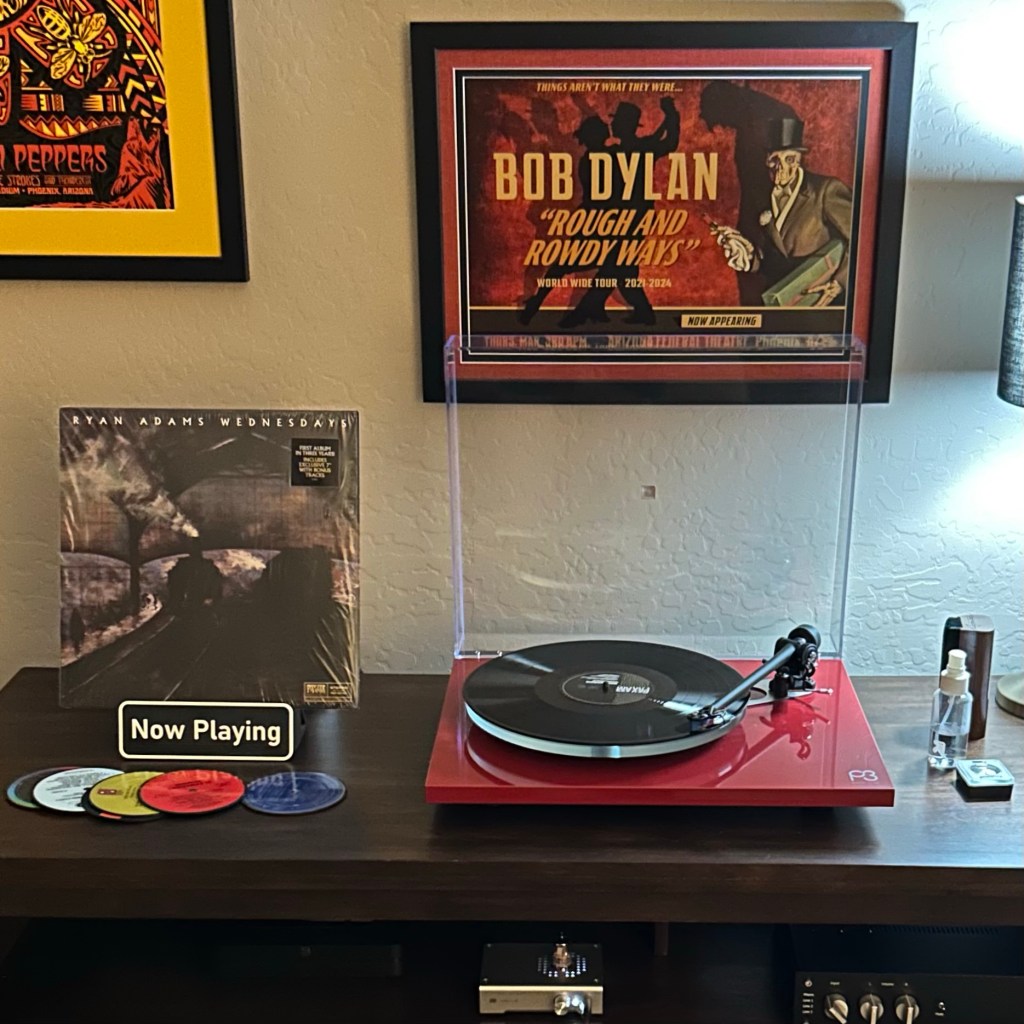
I picked up a used copy of Ryan Adams’ Wednesdays from Vinyl Record Dude (Scottsdale, AZ) for the Desert 🌵 Sessions. My original plan was not to buy records for the Desert 🌵 Sessions that were already in my Minneapolis collection. Still, I find that about a third of my Valley purchases of the albums are redundant with my Minneapolis collection. Obviously, I like Wednesdays enough to buy it twice.
See my original review of the album from the summer of 2021 here. I love the arrangements, vocals, and the melancholy vibe on Wednesday. The lyrics are not Ryan at his best, but the overall product is solid. Don Was’ production is exquisite (I am in a Don Was state of mind these days). This is a gorgeous recording sonically, with lots of space.
I can understand why someone might generally hate Ryan Adams and Wednesdays specifically. For example, here is a hater:
“With their spare arrangements and threadbare melodies, the songs collectively create an impression of a singer/songwriter who feels quite sorry for himself, but not necessarily sorry for anything he may or may not have done.”
The context of Wednesdays was that it was Ryan’s first album released after a self-imposed exile following a scandal in which he was partially cancelled. A normal artist would have been fully canceled, but Ryan Adams is a special kind of asshole that his fans have learned to tolerate. If you are going to be a Ryan Adams fan, you need to accept a lot of his bullshit. For example, in a recent live show I witnessed, the performance was brilliant (he played all of Heartbreaker), but the clock management was maddening (an intermission that was too long, cutting short the second set due to “curfew”). Part of the deal with Adams is exploring his fucked up head, which I find interesting. Ultimately, I love the music and Ryan’s high and lonesome voice. I find the whole clusterfuck entertaining, if not artsy. The annoying part of Ryan is the most engaging for me. He is like an old friend you love, but don’t trust.
My first listen of this new edition to the Desert 🌵 Sessions was on headphones, and it sounded great. But my second listen via speakers was even better. The open and airy production really shines on speakers. The vinyl LP is generally pristine and great-sounding, but it does have a few pops and clicks. Vinyl has always been hit-or-miss when it comes to quality, unless you are buying a specifically audiophile edition. Given how great this album sounds, I pine for an audiophile edition (which seems unlikely).
In addition to the arrangements that I am fond of, Ryan’s vocals are impressive – you can hear the emotion. Wednesdays is not an essential album in his catalog, but in the tsunami of releases since 2020 (there have been 15), it does stand out as a gem (although I have to admit I have not been able to keep up with his volume).
This version of the album (along with my Minneapolis version) came with a 45 featuring “Red And Orange Special” on side one and “Somewhere It Is Spring.” As best I can tell, these songs are not on streaming services. “Red And Orange Special” is delightful jangling Americana, Ryan. “Somewhere It Is Spring” is meh. Other versions of the album include a 45 of “It’s Not That Kind of Night” backed by “Sunflowers.”
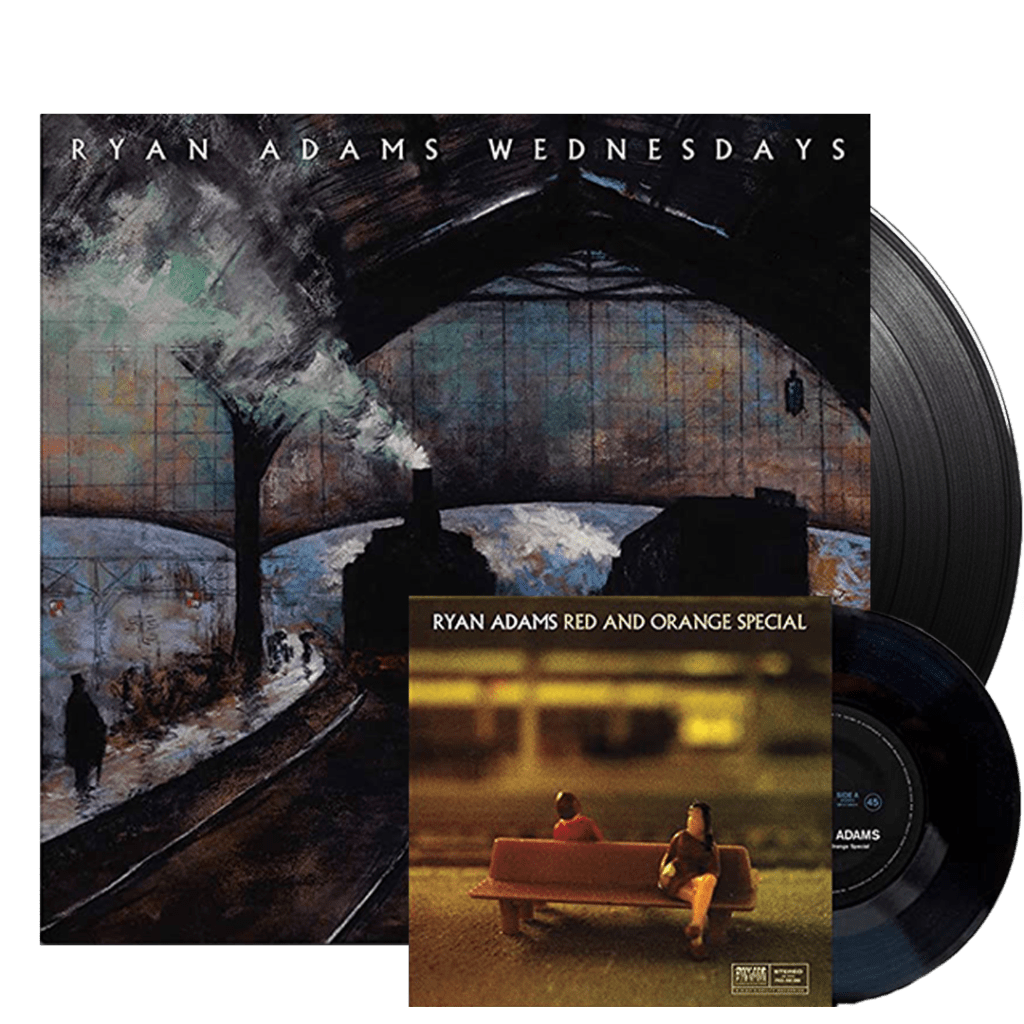
Ryan revisited Wednesdays himself in 2025 with a new version called Another Wednesday. The songs are performed live with even sparser arrangements. It is mostly the same songs, but in a different running order and a couple of covers, “Tracks of My Tears” and “Moon River,” which, per Ryan’s website, are “thoughtfully chosen cover tracks —paying homage to the music that inspired the original album’s creation.” He did not include “Lost in Time,” but did include “Lost in Time,” which was a bonus 45 on some vinyl versions. As a fan of Wednesdays, it is fun to check out Another Wednesday, but it is purely for completists.
Groove in the Face of Adversity
Mack Avenue Records
2025
I was aware of this album when it came out, but I never got around to listening to it. I was listening to a podcast interview with the world’s most interesting man, Don Was, and he talked about this project, which persuaded me to give it a listen. Wow, it’s good!
Don Was is a musician (bassist), band leader – most famously of Was (Was Not), producer (Rolling Stones, Dylan, and Willie Nelson, to name drop just a few of his credits), six-time Grammy winner, and head of the iconic Blue Note label. He is also a Detroit guy, and this album is a love letter to Detroit.
From Was’ website:
Groove in the Face of Adversity blends steamy jazz, juke joint blues and loose-limbed funk in a thoughtful, sonic cross-pollination that reflects both Was’ deep roots and sensibilities. The album’s title draws from a formative moment in his youth: stuck in the car and in a sour mood while his mother ran errands, he turned on the radio and stumbled upon Joe Henderson’s “Mode for Joe.” The music changed everything.
“There was a nonverbal message that came through the music,” Was recalls. “Don, you got to groove in the face of adversity,” meaning just relax and chill and just go with the flow with your mom, a musical philosophy Was has employed ever since.
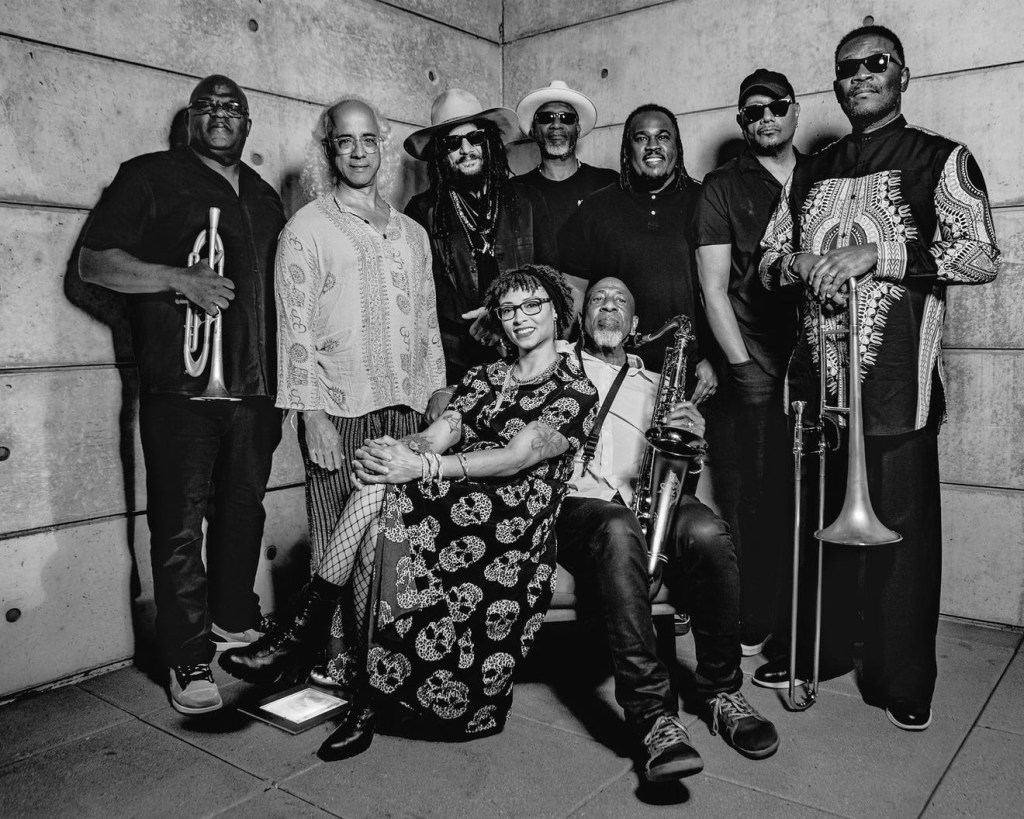
Don Was and The Pan-Detroit Ensemble
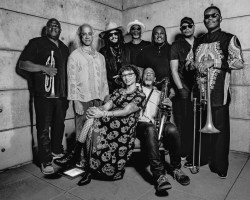
Rear: trumpeter John Douglas, keyboardist Luis Resto, bassist Don Was, percussionist Mahindi Masai, drummer Jeff Canaday, guitarist Wayne Gerard, and trombonist Vincent Chandler
Front: vocalist Steffanie Christi’an, saxophonist Dave McMurray
Don Was has assembled a fantastic cast of Detroit musicians for the album, and the group has also been touring. The album is a collection of covers performed in a jazz-funk style. Interestingly, most of the songs are not drawn from Detroit artists.
The album opens with New Zealand’s Joe Dukie & DJ Fitchie/Fat Freddy’s Drop “Midnight Marauders” (I assumed inspired by A Tribe Called Quest). It has a jazz-reggae vibe and Steffanie Christi’an’s vocals are retro and modern at the same time.
Next is Yusef Lateef’s “Nubian Lady,” which has an acid jazz vibe similar to the original. The band struts its jazz chops—amazing flute solo just like the original. Lateef does have a Detroit connection. This song is from a live show.
“I Ain’t Got Nothin’ But Time” is a Hank Williams cover that the band completely reinvents into a soul jazz powerhouse. Christi’an’s vocals are fantastic. No one would ever confuse Hank with a Detroit guy, but you might wonder after hearing this cover. This song is from a live show.
“This Is My Country” is a cover of the Curtis Mayfield/The Impressions civil rights anthem. This is a pretty straight cover. The song was initially recorded by The Impressions in 1968, and sadly, the song’s message is still relevant today. By the way, Mayfield was a Chicago guy.
“You Asked, I Came” is from a Don Was movie soundtrack, Backbeat (1994). The movie was a biopic of the Beatles’ early days. There were two soundtrack albums for Backbeat: the songs performed in the movie by a who’s who of indie/alt rockers (check out this Wikipedia page), and the score. “You Asked, I Came” comes from the score. The version on this album is a straight cover of the song from the movie score. The song is a jazz version of the Bo Diddley beat. This song is from a live show.
The album ends with a Cameo cover: “Insane.” What could be more Detroit than a cover of a 14-member group known initially as the New York City Players? The Was cover is another pretty straightforward cover, but with more horns, female lead vocals vs. the male lead of the original, and the length doubled for an amazing horn jam.
Overall, it is a delightful jazz album. The genius of the album lies in the group of musicians that Was has recruited and the brilliant song choices – and isn’t that the definition of a great producer?
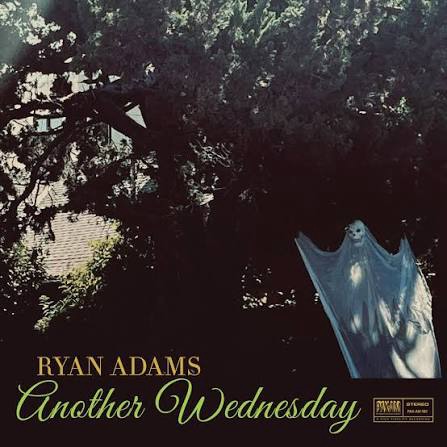
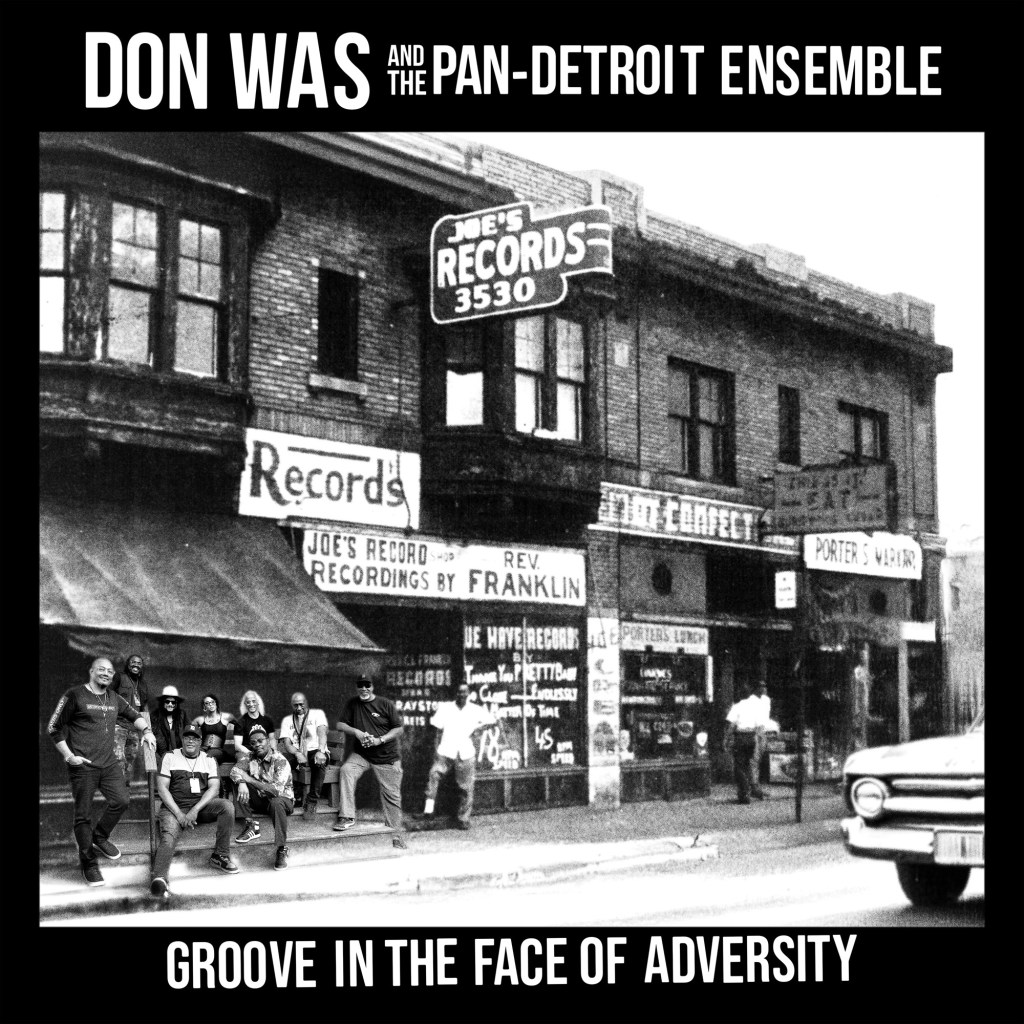
P.S. – a note on the album cover art. It is an old photo of Joe’s Records in Black Bottom, Detroit, which Don Was’ wife, photoshopped to include the Pan-Detroit Ensemble. In addition to being a record store, Joe’s was also a recording studio where Aretha Franklin’s earliest recordings were cut – now that is Detroit AF!
Below is the album and a playlist of the original songs featured on it.
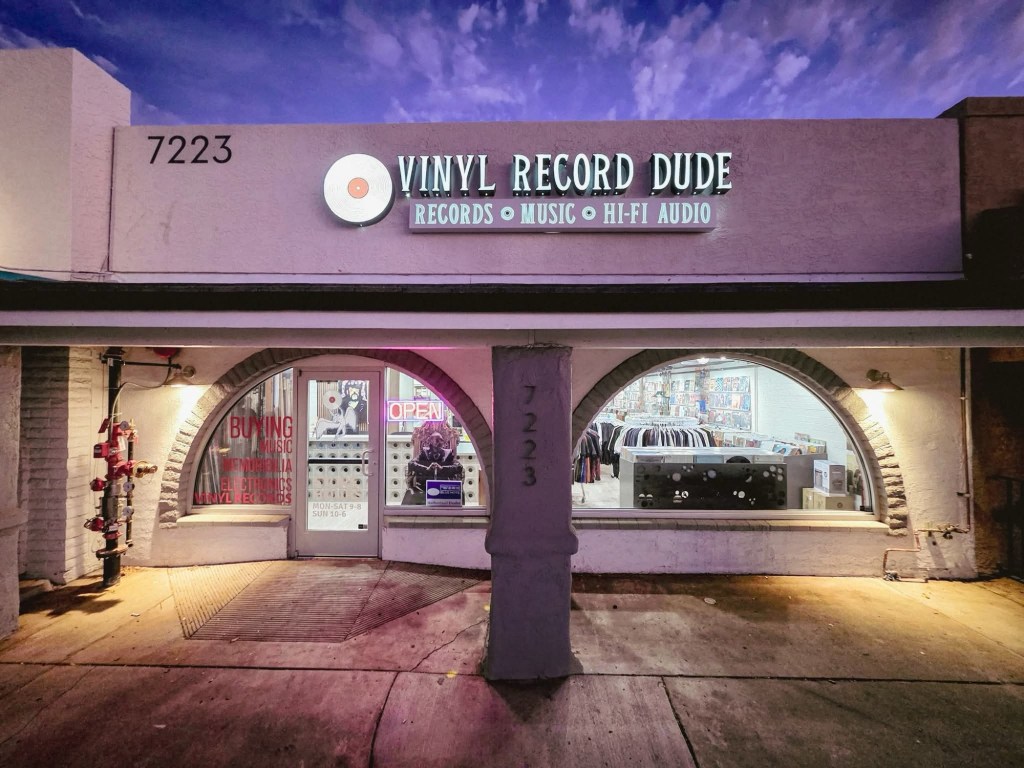
7223 East Shea Boulevard
Scottsdale, AZ 85260
I have only been to about a half dozen record stores in The Valley, and the bulk of my vinyl purchases have been from Stinkweeds and Zia. That is about to change after a recent visit to Vinyl Record Dude (VRD) in Scottsdale. My wife discovered the store – she discovers most of the interesting things in our lives.
The most essential characteristics in a record store are vibe, selection, and value. VRD checks all those boxes.
Vibe: a record store needs to be somewhere you enjoy spending time crate-digging. My reference point is the Electric Fetus in Minneapolis, which is one of the coolest record stores in the nation (don’t just trust me – Rolling Stone magazine says so). The Fetus is famous for being a favorite shopping spot of Prince, who made his last music purchases there just days before his death. In Phoenix, Stinkweeds has a great vibe (but an average selection), and Zia has a great selection but not the vibe.
VRD has a nice vibe. The store is well laid out and organized by genre. It is well-lit. It is decorated with music memorabilia (they also sell collectible posters, buttons, stickers, shirts, autographs, etc.). In addition to vinyl records and collectables, they also have some used stereo equipment in a listening room (where you can sample the goods). The equipment is not audiophile-quality, but it is decent for someone starting the hobby of record collecting.
The staff is friendly and helpful. Per VRD’s website, they state: “We are a non-judgmental group of record enthusiasts. You won’t find any Barry’s here (ie, Jack Black in High Fidelity). Our staff has worked at various record shops all the way back into the early 80’s. We are always willing to talk music and learn about your favorite artists.” That is an accurate assessment. A bonus was that one of the store clerks was the most attractive woman I have ever witnessed working in a record store (her knowledge as a record collector was equally impressive). The other clerk on duty used the phrase/word “ubetcha” – a Midwest colloquialism (meaning certainly or absolutely) that was music to my ears. Vibe: A
Selection: When I visited, I had one urgent wish list item: Thelma Houston’s “Any Way You Like It” (1976, on Tamla). Sure enough, they had two used copies (one Spanish and one American edition). I picked up the American edition graded VG+ (the grading was accurate – always a plus, as many stores don’t rate, and if they do, there is typically grade inflation). I browsed the “new” used record section, which was substantial, and was tempted by several titles, but settled on a used copy of Ryan Adams’ Wednesday (2020 on PAX AM). Every few days, VRD posts a video on social media of “new” used records. Wednesday was not graded because it was new, but it had a broken seal. I examined the album and found a scuff. The staff assured me it was cosmetic, but thanks to the aforementioned listening room, I was able to confirm that it was cosmetic and had no impact on the LP’s playability. I am ever on the hunt to fill out my Black Crowes vinyl catalog and found a new/sealed version of Warpaint (2007 on Megaforce/Silver Arrow Records) in the Crowes’ section at a reasonable price. I didn’t dig through every section, but from what I could see, they have a substantial inventory. Under the record racks, there are crates of value (under $3) records – I did not have time to dig through them. Per the store’s website, the “retail store and warehouse combined currently contain over half-a-million records.” Selection: B+
Value – What impressed most about VRD was their pricing – it was fair. New records show slight variation across stores, but used is a crapshoot. Since the vinyl Renaissance, many stores have gouged on used record pricing and shown little regard for discounting lower-quality items. I don’t mind paying top dollar for a record – if it is reasonably priced for the grade and rarity. VRD has fair pricing – within the middle range for what you would see for something on Discogs. My limited experience is that they grade accurately, and the pricing reflects that. Value: A
I am guessing I have been to over a hundred record stores in my life, and most are unimpressive – either bad vibe, poor selection, or overpriced (value) – sometimes all three. Viny Record Dude is impressive with its vibe, selection, and value. I’ll be back!
I got a kick out of this logo the store uses. Vinyl collectors of certain age will recognise this LP hype sticker.
After a few years of contractual exile, Gerry Rafferty delivered a pop-rock masterpiece with City to City in 1978 and a respectable follow-up with Night Owl in 1979. Unfortunately, Rafferty struggled with alcoholism and was not able to sustain the artistic and commercial success of these two albums.
I was 19 and 20 years old when these albums came out. I was a fan of the radio hits, but I did not own City to City until much later in life (when I had more disposable income). I never owned Night Owl. Back in the day, when albums cost real money (not a low-priced subscription), you had to be judicious with your purchases. For me, that meant that albums with songs on the radio were less essential – enjoy that artist for free on the radio.
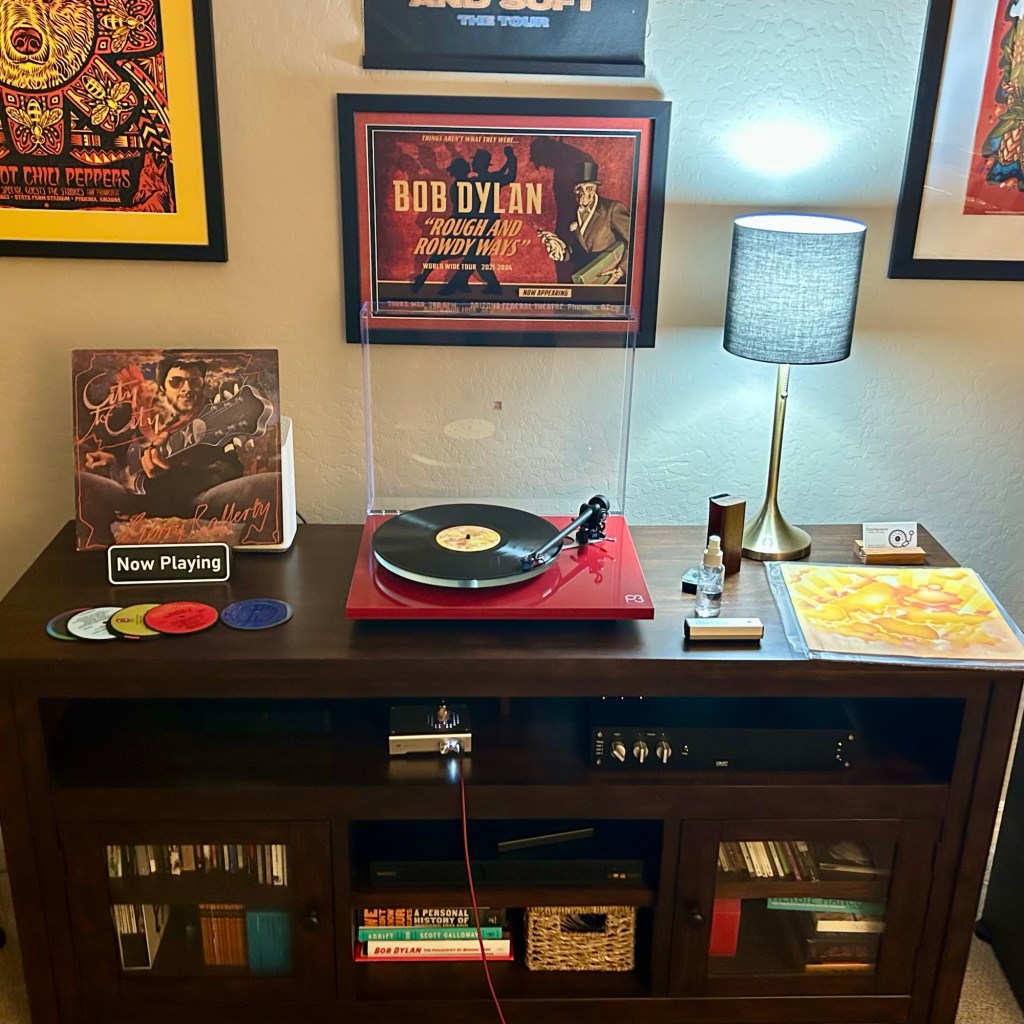
I am in a Gerry Rafferty mood as my son and his fiancée made a contribution of these two LPs to the Desert 🌵 Sessions over the holidays. I prefer vintage wax (versus reissues), and both of these used LPs are in great condition (both cover/insert art and the vinyl). City to City and Night Owl are albums that should be listened to on vinyl, as that is how they were artistically conceived to be consumed (that and on the radio). It is great to have the Desert 🌵 Sessions collection.
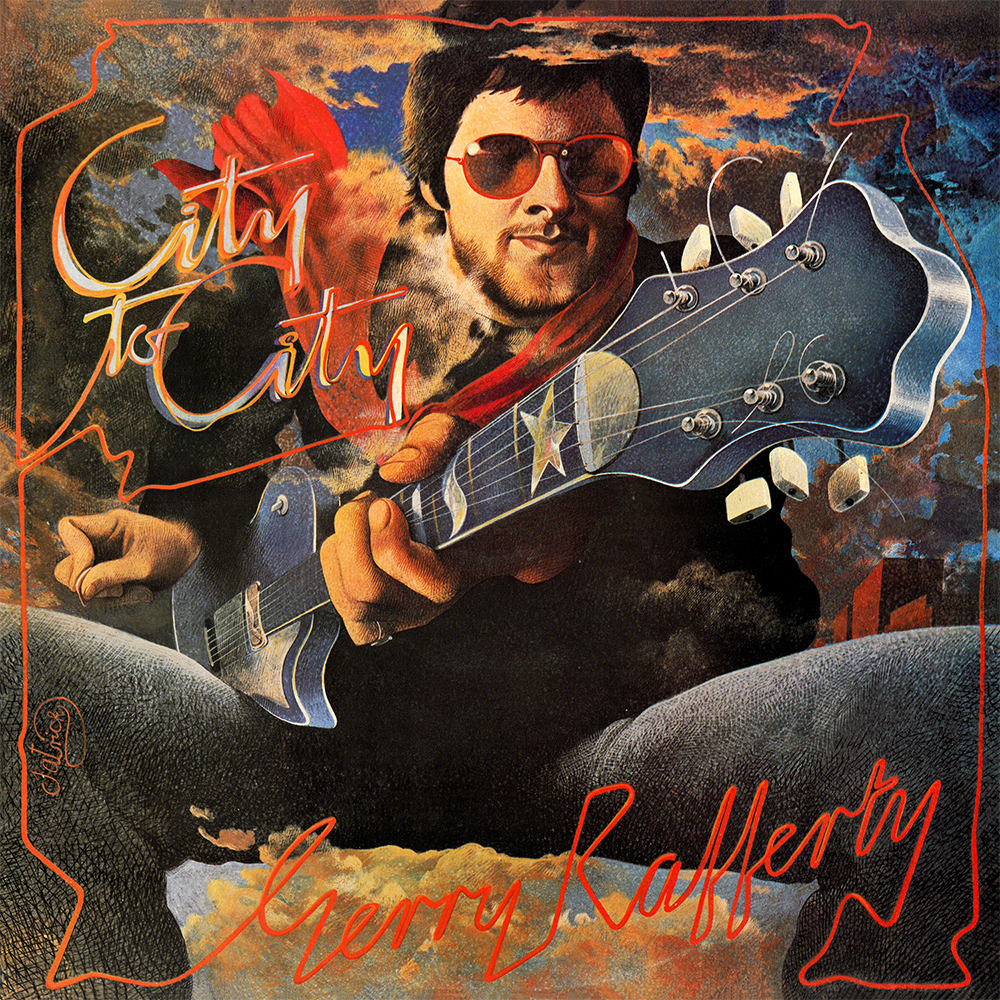
Dropping the needle on side one of City To City at the Desert 🌵 Sessions and I am instantly reminded of what a pop-rock masterpiece it is – on par with top-tier ‘70s Elton John (of course, Elton is superior as he did it over a career versus one album). The album’s big single, “Baker Street,” is a favorite of mine. However, it was not until the early 90s that I got a CD of City To City and learned it was a great album, far more than just three hit singles. Later, I picked up a used vinyl version.
“The Ark” opens side one of City To City, sounding like a Celtic rock amalgam of Pink Floyd, Elton John, and Paul McCartney.
“Baker Street,” Rafferty’s biggest hit, starts with a Steely Dan-like (or Court And Spark era Joini) intro. It then surges into a folk-rock verse, crescendoing into a sax solo that extends the melody. Then it is back to another folk-rock verse, which then crescendos into the sax solo. The sax hands off to a searing guitar solo, and then a final handoff to the sax for an outro. Strings are added throughout the song. Baker Street is a brilliant single.
“Right Down The Line” is another hit single. I bet Mark Knophler liked this song – this is the blueprint for Dire Straits.
“City to City” is a train song and is a little bit corny. I love it when the Brits, Scots, and Irish try to play country music. It is earnest, but way off – in a good way. Fun little ditty, but not an essential track – surprisingly it was the first single, not surprisingly it flopped.
“Stealin’ Time” is a pretty piano ballad. Evidently, George Michael was a Rafferty fan, and you can hear the influence here.
“Mattie’s Rag” opens side two with a Beatlesque take on ragtime (specifically a George Harrison take). I’m a nice little ditty.
“Whatever’s Written in Your Heart” is a grandiose piano power ballad that would not have sounded out of place on a late ’70s Billy Joel album. This was a single and minor hit. It sounds like a breakup song with fond regrets.
“Island” opens with a great sax solo. The song has a nice Caribbean vibe and a soulful vocal. It sounds like a couple on the verge of a breakup but savoring some end-of-relationship vacation sex.
“Home and Dry” is another single and a minor hit. The track has a nice a muscular strutting bass line (not sure if it is a bass or synth).
“Waiting for the Day” opens with a great tambourine beat and synth riff. The song features a nice, muscular rock-and-roll guitar solo and gorgeous vocals. I would love Lady Gaga to cover it in her rock mode.
City To City is a way better album than I remember. Rafferty’s songwriting and arrangements are great. His vocals are distinctive and soulful. After being a one-hit wonder with Stealers Wheel (“Stuck in the Middle with You”), Rafferty proved that he had the goods with City To City.
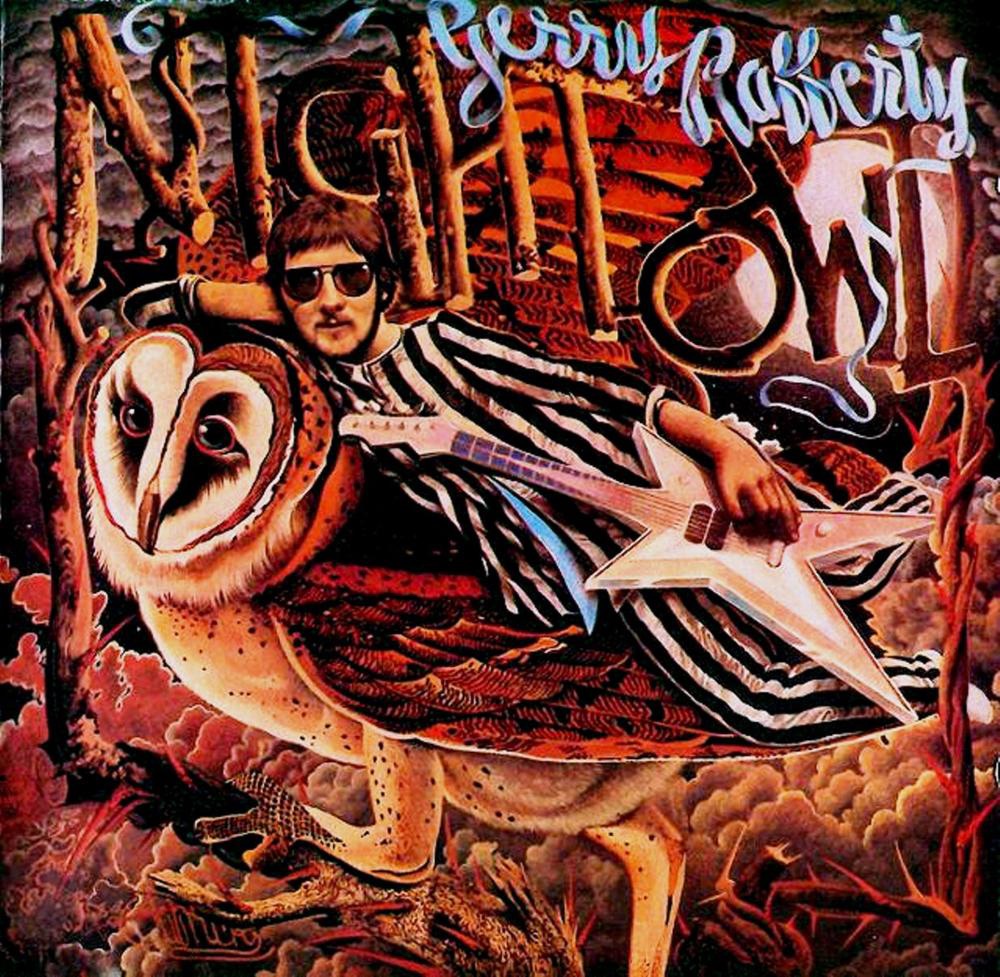
Rafferty quickly followed up City To City with Night Owl. It is a respectable follow-up, but it is not nearly as strong as City To City.
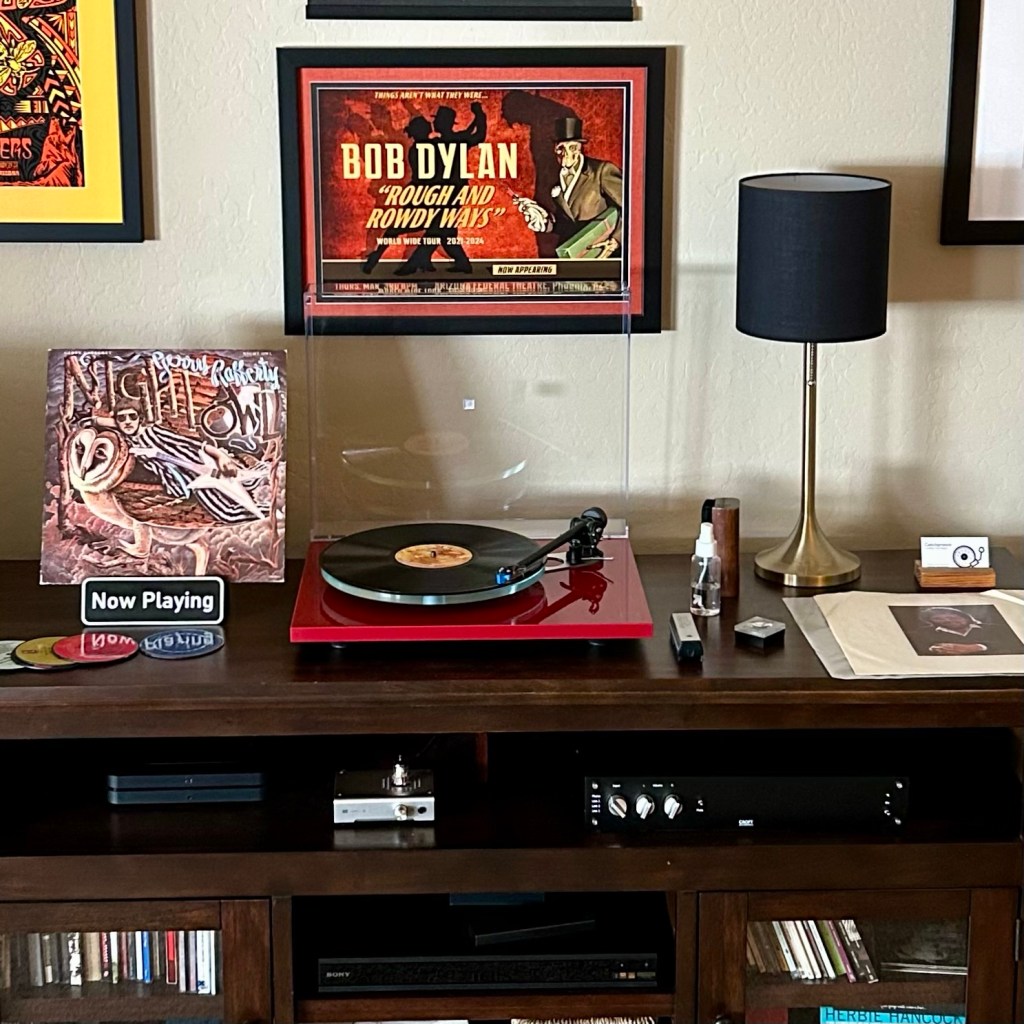
Side one of Night Owl opens with “Days Gone Down (Still Got the Light in Your Eyes),” a solid single that was a moderate hit in the US and internationally. It would fit nicely on City To City.
The titular track, “Night Owl,” was a UK hit, and I don’t recall hearing it back in the day. I could imagine this at a club, catching myself grooving to it. It anticipates a new wave genre that was about to emerge. It is a break from the City To City vibe and reminds me of Steve Winwood’s 80s hits, or a less gloomy Roxy Music.
I can’t tell if “The Way That You Do It” is a sexy love song or a lovers’ quarrel. A nice evolution of the City To City vibe.
“Why Won’t You Talk to Me?” is about the silent treatment, and the narrator does not know why. Its song has some nice country flourishes as only a Scot can pull off.
“Get It Right Next Time” was a moderate hit with a Pink Floyd vibe. This sounds like it could be on a contemporaryJonathan Wilson album.
Side one of Night Owl is a worthy follow-up to City To City, but side two is weaker.
“Take the Money and Run” is another song that sounds like a direct influence on Dire Straits. “Family Tree” reminds me of an overly sweet Christmas song – skip. “Already Gone” sounds like a City To City outtake – another weak track. “The Tourist” is more filler. “It’s Gonna Be a Long Night” has a weird vocal effect on Rafferty’s vocals that I find distracting.
Overall, Night Owl has an excellent side one and a weak side two – better than most albums.
Spending time with Rafferty reminds me that he comes from a UK tradition of singer-songwriters who are instantly recognizable vocalists (Al Stewart, Cat Stevens, Richard Thompson, Sting, McCartney, etc.). Even if you have never heard a song before, you know who it is. In addition, he is a strong songwriter and arranger. The older I get, the more Beatlesque a lot of pop-rock music sounds. These two albums are clearly influenced by the Beatles’/post-Beatles solo careers. And that is not a bad thing, when a Beatles-influenced singer-songwriter nails it, it can’t be beat. Rafferty nails it on City To City and half of Night Owl.
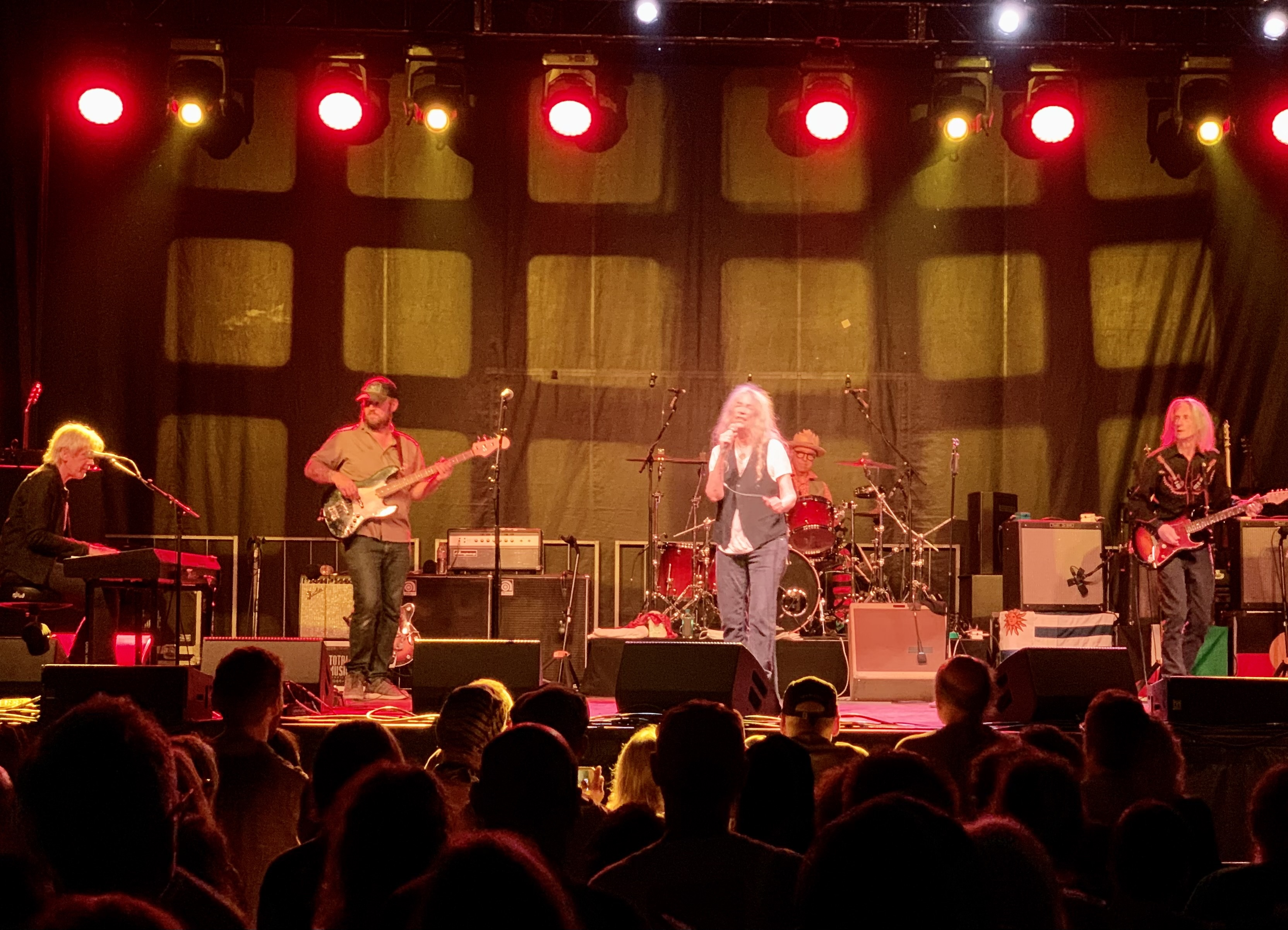
My old friend Bob recently texted me: “If you’re a fan of Patti Smith…. Someday, over a beer, you will have to explain it to me. I have never quite gotten her popularity…” I am a fan of Patti Smith – in fact, more than ever, due to seeing her live. The first live show I witnessed after the COVID lockdown (August 7, 2021, at Surly Brewing Festival Field) was Patti and her band, and it was one of the top live shows that I have ever experienced. It was transcendent and cathartic.
I get Bob’s question – there are lots of certifiably great artists who just have never resonated with me. Bob has a wonderfully eclectic taste in music. He is very open-minded in what he likes. He is the rare old guy (we are in our late 60s) who has open ears to contemporary artists. So it kind of surprised me that he didn’t get Patti Smith. But to repeat myself, there are lots of artists who, on paper, I should like, but I don’t, so it makes sense that a musichead like Bob would have some blindspots just like I do.
I have been writing this blog since 2011 and have over 800 published posts – mostly record reviews. My primary purpose has been to try to articulate why I like a particular artist and, more specifically, why I like a specific album. It has been an unsatisfying experience. I don’t feel like I have ever successfully captured why I like a song, an album, or an artist. It clicks, or it doesn’t. Sometimes it is love at first sight, sometimes it is an acquired taste, and sometimes you lose the love. But in general, what clicks or doesn’t is unexplainable. Yet I write on.
As for Patti Smith, after the Surly show, I wrote about it and noted that her performance was a collection of contradictions:
- Organic and transcendent
- A real down-to-earth person and a rock star
- Angry and compassionate
- Humorous and dead serious
- Ragged and beautiful
- Loud and soft
Patti is a singer, songwriter, poet, painter, author, and photographer. She started as a poet but clearly understood that poetry needed to be performed, not merely read, and so she soon transitioned to performing her poetry as rock music. Her 1975 debut album, Horses, made her an influential member of the New York City–based punk rock movement. She has been hugely influential, per Wikipedia, she has influenced: Todd Rundgren, The Waterboys, Hole, R.E.M., Garbage, KT Tunstall, and Madonna – a pretty diverse set of musicians.
It is impossible to convince someone to like a musician or band; the best you can do is explain why you like them and recommend some tracks to listen to. Then it is out of your hands.
Why do I like Patti Smith?
- She is an articulate punk. She can emote like a punk, but she also has a fantastic way with words
- She has exquisite taste in cover songs that she makes her own, for example, her take on the Byrds’ “So You Want to Be a Rock ’n’ Roll Star“
- Back in the 70s and 80s (her artistic and commercial prime), she had an unconventional, sexy image (see Easter cover art below)
- She is a great live performer – the fact that she rocked at Surly in her mid-70s is breathtaking.
- She has aged gracefully
- She has written some truly great songs
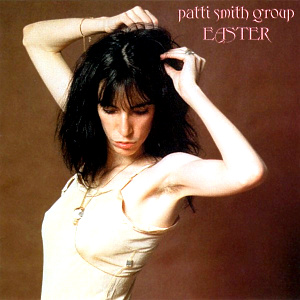
Easter
(1978)
Suggested tracks to sample:
- “Because the Night” – this is Patti’s one big hit (co-written with Bruce Springsteen).
- “Gloria: In Excelsis Deo” Smith mashes up her poem “Oath,” and Them’s garage-band staple “Gloria” to create her first hit to help spark punk rock.
- “People Have the Power” – after a long break from performing and recording, Smith comes back with a conventional rock anthem that is also her personal manifesto.
- “Redondo Beach” has a playful reggae arrangement juxtaposed by heavy lyrics about the suicide by drowning of a young woman following an argument with the song’s female narrator.
- “So You Want to Be a Rock ’n’ Roll Star” – a sample of her brilliance with covers
If, after listening to these five tracks, you are not hooked on Patti, I respectfully accept that she is not for you.
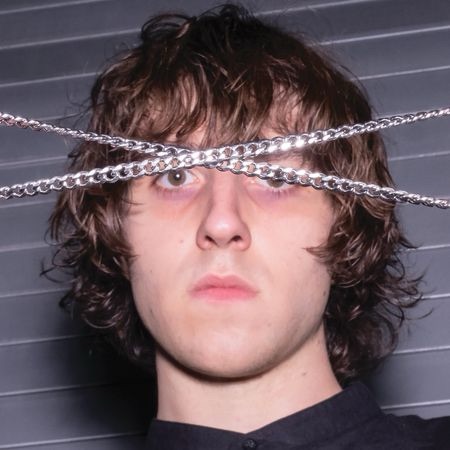
I was aware of Geese because they weren’t Goose (one of my favorite bands). Geese are the rock band of 2025 – proof that indie-rock is not dead. Getting Killed is a consensus album – it is on all the year-end lists. Geese’s year started at the end of 2024 with the release of Geese’s frontman, Cameron Winter’s, debut solo album Heavy Metal. Too late in the year to be on 2024 year-end lists, it was in a bit of an album-release-cycle wasteland, yet it still earned critical acclaim and attention. It put men on base for Getting Killed‘s grand slam.
I am only now listening to Heavy Metal, a year after its release. It has been on my to-do list, but I just have not gotten around to it. A family friend made a special request that I review the album, and that finally got me off my ass to listen to it.
My reaction to my first listen was that I was put off by the album – it seemed weird for the sake of being weird. Heavy Metal doesn’t sound like Geese – except it does because Cameron Winter’s voice is so distinctive. Heavy Metal, with its quieter, more sparse arrangements than Geese, which puts Winter’s vocals front and center. He has a voice like Neil Young – he doesn’t sound like Young – but he is like Young in that no matter what context you place him in, he sounds like Cameron Winter. Which is to say you either like it or you don’t – at best it is an acquired taste. By the second listen, about half the songs hooked me. By the third listen, I am sold on the album; however, I do struggle with Winter’s vocals on certain tracks – it is a speedbump that keeps me from fully embracing the album.
Geese is a rock band, and given this album’s title, I was expecting a rock album. I don’t know how to describe the music on Heavy Metal, but it is not rock. It is kind of an artsy take on folk music. The closest reference point that comes to mind is Nick Drake. It is soulful and somehow baroque and austere at the same time.
The backstory of the album, per a story in GQ, is that a 22-year-old Winter, still living with his parents:
“…has spun a story around Heavy Metal. He’s said that he made the album with musicians found on Craigslist, that his bass player is a five-year-old named Jayden, and the cellist is a steelworker from Boston. He’s claimed that he recorded the album, or parts of it, in various Guitar Center locations in New York City, moving on to a different store each time management wised up and kicked him out, which feels like something a shitty emo band would have done in the late 1990s.”
Given the album’s sonic quality (I am listening to a 24-bit/88.2 kHz FLAC on Tidal), which sounds great, that story sounds like bullshit. It is such a good story, and the story matches the aesthetics of the music, so I am going with it.
“The Rolling Stones” is an ambitious story in which the narrator compares his self-destructiveness, stemming from a lost love, to the Stones’ Brian Jones’ drowning (1969) and John Hinckley Jr.’s attempted assassination of Ronald Reagan (1981). Instrumentally, it is also ambitious, with a light classical-folk fusion. Reminds me of something Bon Iver might do. Vocally, Winter shows off his pipes, which, depending on your taste, are amazing or annoying.
“Nausicaä (Love Will Be Revealed)” has a nice, quiet storm, funky vibe. Nausicaä is a character in Homer’s The Odyssey. She is a young, resourceful princess of the Phaeacians, who discovers the shipwrecked Odysseus and helps him. Winter’s narrator is looking for his own Nausicaä. This is my favorite track on the album.
“Love Takes Miles” is a mature view of love: it takes time. Musically, the song has a nicely jangly feel. This is one of the more conventional vocal takes on the album.
“Drinking Age” is one of the songs on the album where Winter’s vocals lose me – it is too weird. But it is his #3 song on Spotify – so what do I know.
“Cancer of the Skull” is the song that references the album title. The song suggests that the drive to create art is like a disease. This song has a mellow folk-rock vibe similar to Nick Drake. Although this song’s quirky vocals are similar to “Drinking Age,” they work for me in this context.
“Try as I May” is a song of unrequited love. Sonically, it is as desperate as the lyrics.
“We’re Thinking the Same Thing” is a mystery to me. I am not clear on what the narrator is talking about, but it seems he can’t communicate with a friend, despite the assumption that they are on the same emotional page.
“Nina + Field of Cops” is both lyrically and musically busy. So many words and so many musical ideas going on at once, it reminds me of Springsteen’s debut album (Greetings from Asbury Park, N.J.), which is similarly busy. The Nina may be a reference to Nina Simone, whom Winter is a big fan of.
“$0” was the lead single of the Heavy Metal album cycle. A couplet is repeated several times during the song: “You’re making me feel like a dollar in your hand / You’re making me feel like I’m a zero dollar man.” I am not sure what it means. I am guessing that, as an artist, he feels owned by the star-making machinery of the music business. Musically, it reminds me of late-period Radiohead.
“Can’t Keep Anything” is another song with a Nick Drake vibe. It is the most conventional and accessible song on the album. The song quotes one of David Bowie’s last songs: “But I can’t just give everything away.” This seems like another song against the music industry and how it wants to manage its artists.
I love the ambition of this album, both musically and lyrically. Although I struggle with Cameron Winter’s vocals on some songs, the songwriting, arrangements, and production are so innovative that I am willing to overlook them – perhaps with time, they will grow on me. On the latest Geese album, Getting Killed, Winter tones down the weirdness, which I appreciate, but on Heavy Metal, he lets his freak flag fly, which is incredible for a young artist with mainstream ambitions. Winter and Geese deserve all the hype they are getting.
In 2025, my music blogging has taken a backseat to my politically focused Substack blogging. But I continue to listen to a lot of music and have started more music posts than I have finished and published. I have been posting a best-of list since 2011. When I look back at the old lists, I am struck by a few thoughts:
- I am not embarrassed by what is on the list, despite the fact (next point)
- My taste is not particularly hip
- I have forgotten about half of these albums, but the other half have remained in my psyche, and I continue to listen to them
Earlier this year, I published a best of the first half of 2025, and you can find it here:
This post will focus on the second half of the year, and I will also rank my top-5 albums of 2025. First, the second half of 2025, in no particular order.
Brandi Carlile: Returning to Myself – After her last album, 2021’s In These Silent Days, Brandi has been busy doting on others (Joni Jams, Elton collaboration, producing Brandy Clark). Returning to Myself is literally that, returning to music for and about Brandi Carlile. Carlile worked on Returning to Myself with Andrew Watt (super-producer to ancient rock stars like the Stones and Ozzy), Aaron Dessner (The National and Americana-era Taylor Swift), and Justin Vernon (Bon Iver). Per Brandi, the Inspiration for the album came from Emmylou Harris’ Wrecking Ball (a collaboration with Daniel Lanois). Returning to Myself is another solid addition to the Brandi catalog.
Taylor Swift: The Life of a Showgirl – Can you be a 66-year-old male and be a Swiftie (and not be creepy)? It turns out yes. I got totally sucked into this album release cycle. I am a sucker for any Taylor and Travis gossip, and I am disappointed if we don’t get a camera shot of Taylor at a Chiefs game. Sonically, the album is a return to the ear candy of 1989 and Red. Lyrically, it is mature in a slightly wine-drunk, soccer-mom sort of way. Pure trash, but I love it! In my review, I said:
“I love its upbeat and cheeky tone as an antidote to our dark times. Mega-success and love have not ruined Taylor Swift – she can still churn out the bops and bangers!”
Atmosphere: Jestures – Hip-hop is typically not my thing, but I have always had a soft spot for Atmosphere. A big part of that is that they are from Minneapolis, but the bigger thing is that I love Slug’s narratives and Ant’s retro soul and funk beats, which resonate with my senior citizen brain. Jestures is not mind-blowing or something new from the three-decade-old band; it is meeting an old friend you haven’t seen in years and picking up where you left off, as if it were yesterday when you last talked. See this link for the full review.
Jeff Tweedy: Twilight Override – I am a huge Wilco fan. I have enjoyed Jeff Tweedy’s side and solo projects, but none of them have rivaled a Wilco album, until now. Twilight Overdrive rivals the best of the Wilco catalog. In my review of the album, I said:
“The collection is generally more relaxed and mellow compared to a Wilco album. Not sloppy, just casual. It is not entirely acoustic, but acousticish (with some trademark Tweedy cacophony, too). It is how I imagine a song sounds before Wilco, the band, “Wilco’s it up.” You forget that, despite Tweedy’s prominence in Wilco (as lead vocalist, composer, lyricist, and frontman), Wilco is first and foremost a band. Twilight Override has a singer-songwriter vibe that differs from Wilco’s. I am reminded of John Lennon’s work after the Beatles – a whole other thing.“
I got to see the live show in support of the album recently in Minneapolis at the legendary First Avenue, and it was so good that I plan to see it again when it passes through Phoenix this winter.
Margo Price: Hard Headed Woman. After a detour through psychedelic rock, Margo is back to pure country. I loved the rock detour, but I am more than happy to have her back to twanging. With Hard Headed Woman, she has achieved Steven Hyden’s five-album test. The five-album test is an artist or group releasing five consecutive albums ranging from very good to flat-out excellent. Many artists have five good-to-excellent albums over their careers, but very few string five together consecutively. In my review, I said:
“As much as I enjoyed Margo’s rock and roll detour, I am happy to have her back in the arms of country – especially her East-Nashville take on the genre, which aligns with my alt-country/Americana taste.”
Margo released a deluxe edition of Hard Headed Woman with extra tracks on streaming services in December.
Goose: Chain Yer Dragon – Goose delighted me by surprise-releasing a second studio album in 2025! The 12 songs follow the April release of Everything Must Go. Both records were produced by D. James Goodwin, who was also behind the board for 2022’s Dripfield. The album doesn’t sound significantly different from Everything Must Go or Dripfield; however, it has a looser live vibe and explores the band’s jazz-rock fusion side. The band also plays around with a muscular arena rock sound on songs like “Factory Fiction.”
Goose: Live at Madison Square Garden – I have to say I like this even more than the two studio albums released in 2025. It is well-recorded, an excellent sampling of thier catalog, and has some great covers. My favorite cover is “Don’t Leave Me This Way,” originally performed by Harold Melvin & the Blue Notes, but made famous by Thelma Houston. A horn section joins the band on several tracks. The album clocks in at just over four hours. Playing at MSG was a landmark event for the band. This album was also produced by D. James Goodwin, and so it has a more professional sound than the typical Goose shows offered on Bandcamp.
Matt Berninger: Get Sunk. – This is a late entry. It came out in the spring, but I did not listen to it until early December. It showed up as a CD in my Record Store Day Black Friday grab bag from Stinkweeds Records (Phoenix). I am a fan of The National, so it did not take much persuasion to give it a spin. The album is fantastic. A little less busy and mellower than a The National album, but in the same ballpark. Sonically, it is gorgeous. Still absorbing the lyrics. But I have heard enough to give it a thumbs up. I will be spinning and streaming this more now that I am hooked.
Morgan Wade: The Party Is Over (recovered)– The backstory on this album is that a handful of the songs date back to before Wade signed her major-label deal and have been “recovered” on this album with all-new versions. I love Morgan’s contemporary take on country rock. I love it when a singer-songwriter can lead a rock band with a sound that is instantly recognizable and ambitious – like Tom Petty, Springsteen, Pete Townsend, Lindsey Buckingham (Fleetwood Mac), etc. I don’t mean to oversell Morgan, but she is swinging for the fences here. Session guitarist Clint Wells is Wade’s primary collaborator on this album and her last. Wells plays guitar and is the producer on both albums. Well’s must add some kind of magic as Obsessed and The Party Is Over (recovered) are giant steps forward in the Wade catalog.
Geese: Getting Killed – For the longest time, I was only aware of Geese because they were not Goose (one of my favorite bands). This album got so much critical hype that I had to check it out, and damn, it’s fantastic. Rock and roll is not dead!
St. Paul & The Broken Bones: Self-Titled (2025) – I am a long-time fan of St. Paul & The Broken Bones. I discovered them shortly after their 2014 debut, Half the City. I am not really into the retro-soul thing, but this band somehow works for me. The absurdity of a guy who looks like a disheveled bookkeeper delivering amazing soul-music vocals is a hook (Paul Janeway is an epic frontman). The band is excellent – a horn band with a sprinkle of weird (their past couple of albums got a little too odd, and this is a return to the basics). Their live shows are amazing.
Bruce Springsteen: Nebraska ’82: Expanded Edition and the Deliver Me from Nowhere biopic document Springsteen’s existential crisis in the wake of the upward trajectory of consistently releasing commercially and critically successful albums, which led Bruce to deliberately adopt a non-commercial approach. The decision was so profound that it warranted a movie. The Nebraska album (original and reissue) and the film are for Springsteen obsessives only. Nebraska ’82: Expanded Edition is a great collection, but, as music critic Steven Hyden has pointed out, it should have been a Nebraska/Born In The U.S.A. box set. Nebraska ’82 includes the legendary “Electric Nebraska,” which turns out to be a kind of dud – turns out Bruce knew exactly what he was doing by releasing what has become a lo-fi bedroom classic with the original Nebraska. As a fan, I found the movie and the expanded album a welcome addition to the Springsteen legend. See my full review here.
The Replacements: Let It Be (Deluxe) is another archival reissue in this year’s best-of list. Let It Be is arguably The Mats’ best album and one of the albums that helped invent ’80s indie rock. This is what I said in my review of the collection:
“There is not a bad cut on Let It Be, and several are Mats classics like ‘I Will Dare,‘ ‘Favorite Thing,‘ ‘Androgynous,‘ ‘Unsatisfied,‘ ‘Sixteen Blue,‘ and ‘Answering Machine.” On Let It Be the band perfectly captures the angst of late adolescence into young adulthood. If I had to recommend one Mats’ album for the uninitiated, it would be Let It Be.”
The Mats’ genius was the perfectly balanced stupid-and-smart, and Let It Be is exhibit number one. In addition to the original album, there is an LP of extras and a double LP of a live show. The live show is not sonically great, but the performance is so excellent that even my audiophile ears are willing to put up with the lo-fi production values.
The Necks: Disquiet The Necks are an Australian avant-garde jazz trio known for their extended instrumental improvisations (typically an hour per song). The trio is Chris Abrahams on piano and Hammond organ, Tony Buck on drums, percussion, and electric guitar, and Lloyd Swanton on bass guitar and double bass. Disquiet is a three-CD album (streamed as three volumes) comprising four songs, totaling just over three hours of music. The general vibe is ambient music that is intriguing enough for active listening – this is more than musical wallpaper, this is art.
Top-5:
Combining my first half and second half lists, these are my favorites (top-5) – in order of preference:
#1: Jeff Tweedy: Twilight Override – see above
#2 Margo Price: Hard Headed Woman – see above
#3: Goose: Live at Madison Square Garden – see above
#4 Larkin Poe: Bloom. Although the Lovell sisters have been doing their thing for two decades now, I have only recently become aware of them. This album is excellent blues rock. My wife and I had the opportunity to see the band live at First Avenue in Minneapolis this spring, and they put on a great show. It is a wonderful juxtaposition: suburban soccer moms playing cock rock.
#5 Craig Finn – Always Been A fantastic pairing of indie rock royalty: The Hold Steady’s frontman and singer-songwriter Craig Finn, produced by The War On Drugs’ frontman Adam Granduciel. The first time I heard this album, I was struck by the slickness in a good way. I saw a show on a tour supporting this album, and it made me love the songs even more.
Happy Holidays and Happy New Year! Enjoy checking out the various year-end lists – I always make new discoveries from them.

Nebraska, Springsteen’s first intentional non-commercial album, was a brilliant mistake.
Nebraska is the sixth studio album by the American singer-songwriter Bruce Springsteen, released on September 30, 1982, through Columbia Records. Springsteen recorded the songs unaccompanied on a four-track recorder in the bedroom of his home in Colts Neck, New Jersey. He had intended to rerecord the tracks with the E Street Band but decided to release them as they were after the full-band renditions were deemed unsatisfactory. The tape contained seventeen songs, of which ten were used for Nebraska; the others appeared in full-band renditions on the follow-up album Born in the U.S.A. (1984) or as B-sides.
My original copy was purchased on release day.
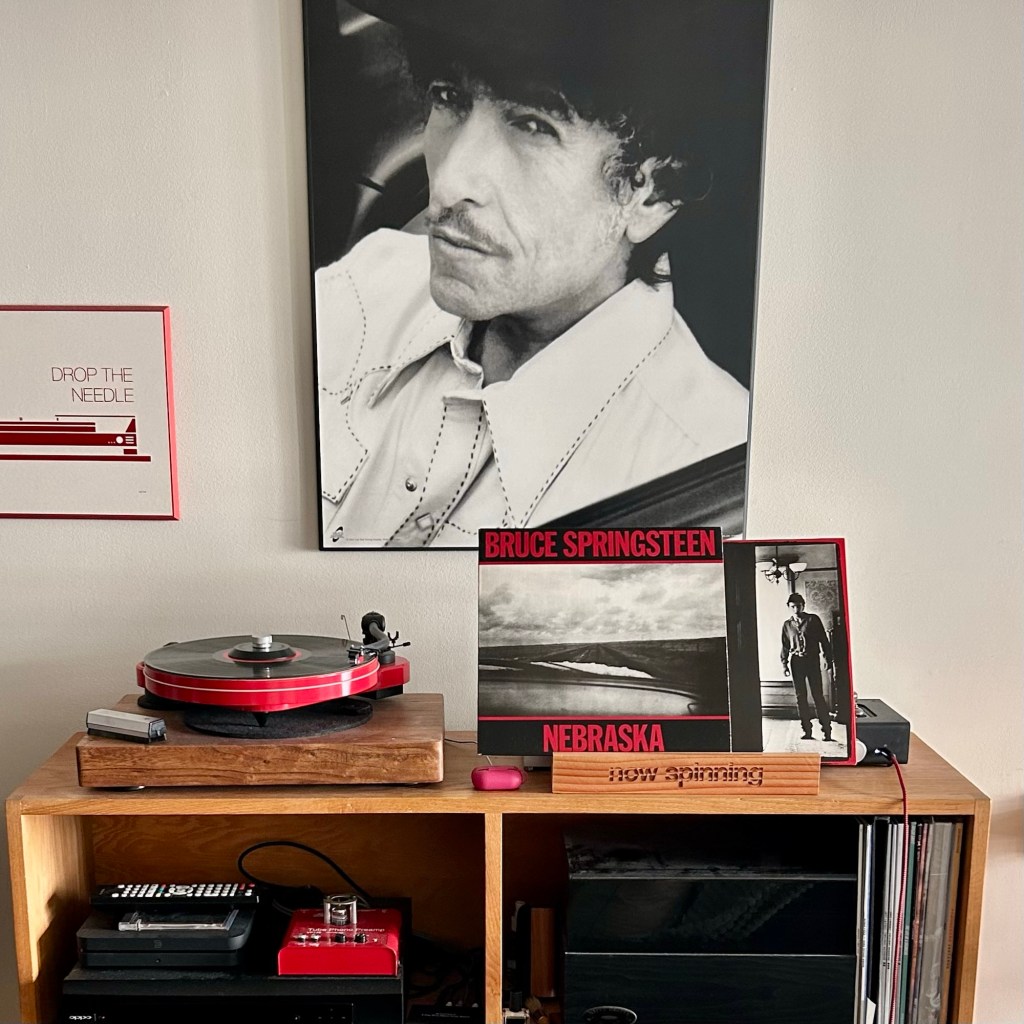
When Nebraska came out, I was a pretty big Springsteen fan, and I appreciated that he chose to take a career detour. Over time, Nebraska’s backstory became a vital chapter in Springsteen’s biography. Big enough to warrant books* and, recently, a biopic (Deliver Me from Nowhere). The quick story is that Bruce was seriously questioning whether he wanted to take his career to the next level. He was confident that he had new songs that could push him to the stratosphere (e.g., the song “Born In The U.S.A.”). He paused to try on the role of a simple folk musician for size. He got that out of his system and decided to go for the brass ring with the Born In The U.S.A. album and subsequent tour. In the process, with Nebraska, he invented the concept of the bedroom singer-songwriter.
Nebraska ’82: Expanded Edition is a nice collection, but, as music critic Steven Hyden has pointed out, it should have been a Nebraska/Born In The U.S.A. box set. Nebraska ’82 includes the legendary “Electric Nebraska,” which turns out to be a kind of dud – turns out Bruce knew exactly what he was doing by releasing what has become a lo-fi bedroom classic with the original Nebraska. Nebraska and Born In The U.S.A. are inseparable. The collection is augmented by outtakes and rarities from the period, as well as a recent live performance of the album. The collection is essential for Springsteen obsessives but not for casual fans. I found the Deliver Me from Nowhere and the expanded Nebraska album to be welcome additions to the Springsteen legend.
The collection is well presented on streaming (24-bit/192 kHz FLAC), but listening to the vinyl feels more real. The vinyl is well-mastered, and the pressing is pristine.
*Books about the Nebraska/Born In The U.S.A. period:
- Deliver Me from Nowhere by Warren Zanes
- Born To Run (the Springsteen autobiography, not the album of the same name)
- There Was Nothing You Could Do by Steven Hyden
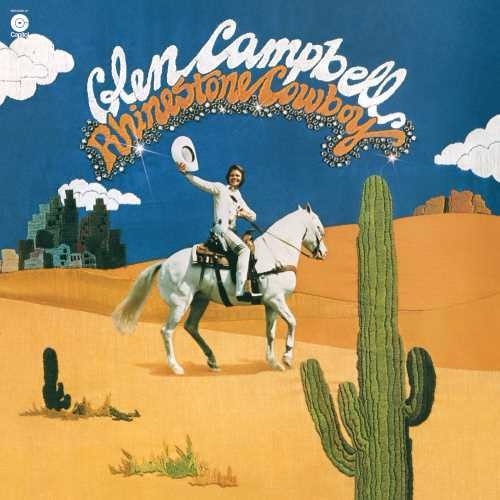
I assume the contemporary audience has no idea how huge Glen Campbell was in the 1960s and 1970s. He was a revered session guitarist (he was part of the Wrecking Crew), had crossover pop hits (Campbell is classified as country and sold over 45 million records), was an actor (True Grit), and had a hit TV variety show. In 2010, he was diagnosed with Alzheimer’s, yet managed to pursue a career encore with a tour, documentary, and a couple of great final studio albums.
I found this album while crate-digging at the Sun City audio shrine in February of 2025, but I am only just listening to it now (December 2025). The LP is in Good condition*. Glen Campbell was one of the few pop stars who got through to me as a kid (I was pop-music illiterate). The song “Rhinestone Cowboy” was a massive hit for Campbell and remains one of his signature songs.

Rhinestone Cowboy is a concept album about an over-the-hill country musician who is uneasy about his past fame. It was produced by Dennis Lambert and Brian Potter, who also wrote about half the songs. In addition to the hit song “Rhinestone Cowboy,” there was a second hit: “Country Boy (You Got Your Feet in L.A.).” There are also some great covers, including Smokey Robinson’s “My Girl,” Randy Newman’s “Marie,” and Barry Mann and Cynthia Weil’s “We’re Over” (a country hit a few years earlier for Johnny Rodriguez).
Campbell’s style is easy listening pop with just a pinch of country. It runs right to the edge of the cliff of schmaltz, but never falls over that cliff. It was a very successful formula, and Rhinestone Cowboy is a perfect example of the formula. Although I was familiar with a few of these songs (either from Campbell or from other artists), I had never listened to this album. It turns out to be an excellent album and a reminder of Glen Campbell’s greatness.
*An LP in Good (G or G+) condition has significant surface noise, groove wear, or cover damage; still playable but not pristine.

 Axl's Catch Groove