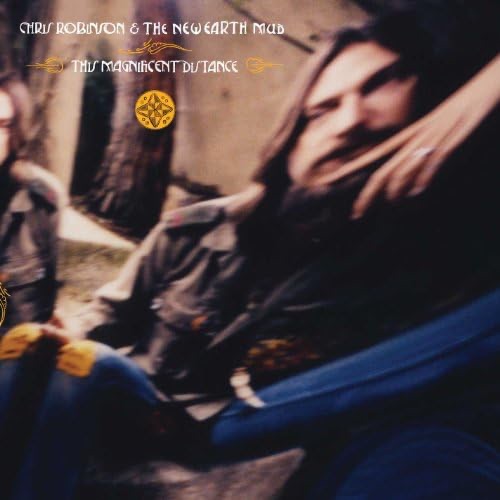
This Magnificent Distance
Vector
2004
When the Black Crowes went on hiatus in 2002, Chris Robinson pursued a solo career, releasing New Earth Mud later that year. That is a good album, but its follow-up, This Magnificent Distance, is even better, rivaling the best of the Black Crowes and Robinson’s side project catalogs. Robinson’s primary collaborator for those first two solo albums was British guitarist and producer Paul Stacey, who had done some production work for the Black Crowes before thier hiatus. Stacey’s most high-profile gig was with Oasis. When the Crowes got back together, he served as co-producer (with the rest of the band) for the Crowes’ brilliant reunion album Warpaint (2008). He is a co-writer on most of the songs on This Magnificent Distance and co-produces the album with Robinson.
This Magnificent Distance foreshadows the jam band vibe of the Chris Robinson Brotherhood, blending rock, blues, folk, country, Americana, and soul styles. Robinson is at the top of his game with his songwriting and vocal performance. Stacey’s guitar playing is muscular, but it is focused on serving the song rather than showing off. The Black Crowes and Robinsons’ side projects have never been particularly original; they are contemporary classic rock. The genius of the Crowes and Robinson is thier excellent execution and craft. I get bored hearing the same old classic rock songs, but I love the classic rock format. The Crowes and Robinson write new classic rock, which appeals to my bored ears.
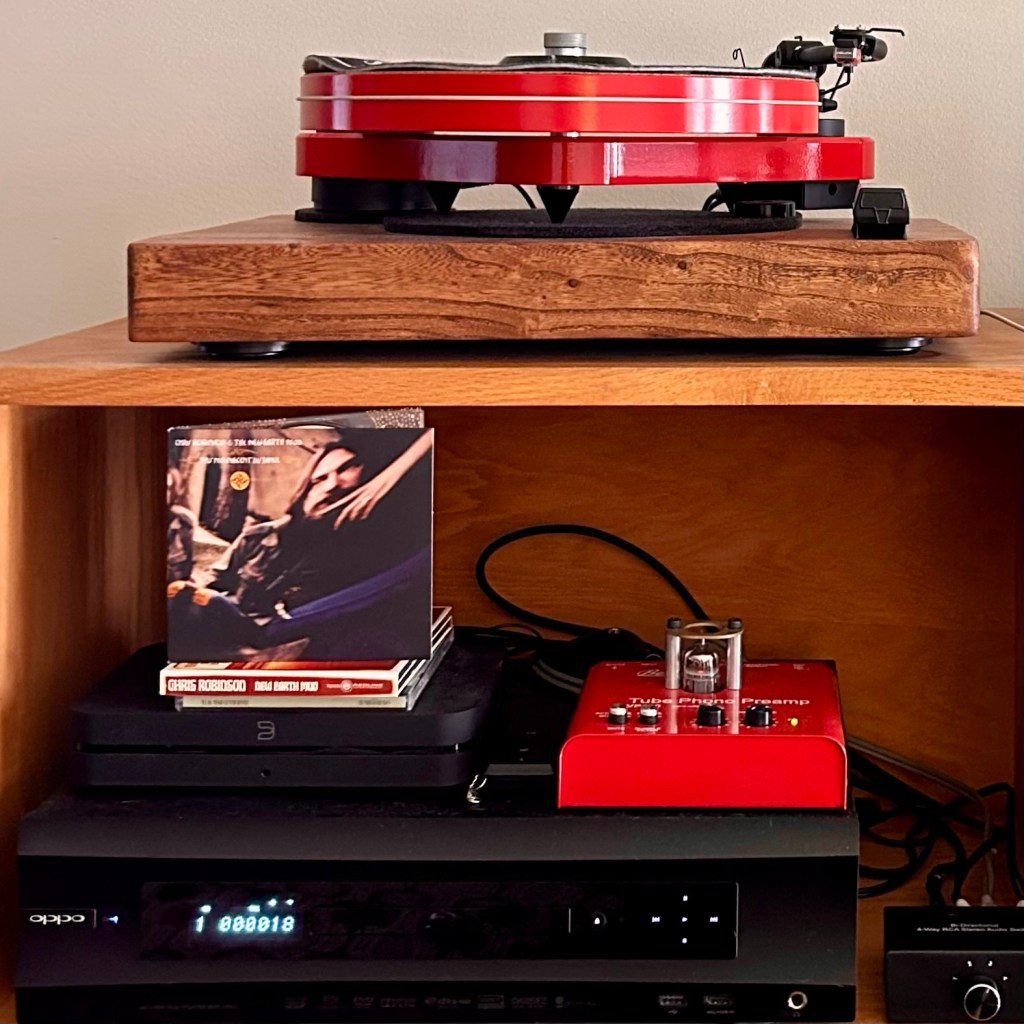
There is not a bad song on the album, but my favorite is “Girl on the Mountain.” Quick takes on each track:
- “40 Days” is classic Crowes’ style hard rock.
- “Girl On The Mountain” is gorgeous folk rock psychedelia and could easily be on a Grateful Dead album.
- “Mother Of Stone” is blissed-out rock that would sound great on a CSNY album.
- “Train Robbers” is more dreamy psychedelia. Paul Stacey has a fantastic guitar solo.
- “Like A Tumbleweed In Eden” is a gentle folk rock ballad.
- “When The Cold Wind Blows At The Dark End Of The Night” is a power ballad with loud/quiet dynamics.
- “…If You See California” has a sunny acoustic vibe.
- “The Never Empty Table” is a piano-driven ballad.
- “Eagles On The Highway” has a nice Americana feel.
- “Surgical Glove” is an epic rocker with a Dylanesque vibe.
- “Sea Of Love” is mistakenly listed as the final (12th) song on the CD. It has a heavy riff in the style of Black Sabbath.
- “Piece Of Wind” is mistakenly listed as the penultimate (11th) song on the CD. It is classic Black Crowes’ swagger. Tracks 11 and 12 are accurately listed on streaming services.
This is one of my favorite albums in the Black Crowes/Chris Robinson catalog. It has a strong Southern California/Laurel Canyon vibe. I assume Robinson was in marital bliss with his actress wife, Kate Hudson, as there are a lot of love songs here. Highly recommended.

An old work colleague, now a friend, Jim L., recently suggested I listen to Dead Letter Office (he will hopefully delight in the double meaning). Wow, this was overlooked in my collection. The album gathers B-sides from before and through thier first four albums (1981-1986). It included orignals and covers of three Velvet Underground songs (“There She Goes Again,” “Pale Blue Eyes” and Femme Fatale”) and songs by Aerosmith (“Toys in the Attic”), Roger Miller (“King of the Road”), and fellow Athenians (GA) Pylon (“Crazy”). Here is how Peter Buck, the band’s guitarist, described the project:
“I’ve always liked singles much more than albums. A single has to be short, concise and catchy, all values that seem to go out the window as far as albums are concerned. But the thing that I like best about singles is their ultimate shoddiness. No matter how lavish that packaging, no matter what attention to detail, a ’45 is still essentially a piece of crap usually purchased by teenagers. This is why musicians feel free to put just about anything on the b-side; nobody will listen to it anyway, so why not have some fun. You can clear the closet of failed experiments, badly written songs, drunken jokes, and occasionally, a worthwhile song that doesn’t fit the feel of an album. This collection contains at least one song from each category. It’s not a record to be taken too seriously. Listening to this album should be like browsing through a junkshop. Good hunting.“
I didn’t get on the bandwagon until their debut album, Murmur, in 1983. I loved Murmur, but I somehow didn’t keep up with the band’s following three albums. I did a bit of checking in with Document in 1987, but I didn’t really fully embrace the band until Out of Time in 1991. Although I purchased Dead Letter Office when it was released in 1987, it has been gathering dust on my CD shelf ever since. At the time, I appreciated the novelty that it was – even though its primary purpose was likely to accelerate the end of R.E.M.’s record contract with I.R.S.
Now at the age of 66, comfortably retired with my lovely Laura, I have the time and the frame of mind to listen intently to albums that I missed or dismissed. Coming back to the Dead Letter Office now with an open mind and heart, coupled with 40 years of listening experience, I love it. It is the founders of indie rock letting their freak flag fly.
R.E.M. ultimately became so big, critically, influentially, and commercially, that it is easy to forget their origins as college music nerds who appeared to come out of thin air with a fully realized vision with their first single, “Radio Free Europe,” in the summer of 1981, followed by the equally fully realized EP Chronic Town a year later. This collection serves as a reminder of their genius, quirkiness, and vision during their early days as the original indie-rock band, before they reached the top of the charts and began snagging Grammys once they transitioned to a major label.
My big takeaways from Dead Letter Office are:
- They are a rock band. Well, of course they are, but their easy listening jangle and ultimate success kind of undermines the fact that they are rockers.
- Michael Stipe is a great singer. On the early albums, he became famous for mumbling and being buried in the mix. But this collection helps you appreciate his underrated pipes.
- We all know guitarist Peter Buck can jangle, but he can also shred.
- Every rock band needs an excellent rhythm section, and R.E.M. had one with drummer Bill Berry and bassist Mike Mills.
- Mike Mills is the perfect backup singer for Stipe.
- Although the band had a sound from day one, and they perfected that sound over time, Dead Letter Office gives you a sense of how that sound was formed and the band’s influences.
I am so glad that old friend Jim L. prompted me to pull Dead Letter Office off the CD rack and give it an attentive listen. This is a wonderful collection if you have any interest in R.E.M.
The collection is available on streaming services, but as the 15-song Dead Letter Office and the 5-song Chronic Town.
P.S. The liner notes were written by Peter Buck and are reason enough to buy a physical copy of the collection. They are informative and fun. The CD can easily be found used for under $5.
*I consider the CD the best value of the formats available (CD, vinyl, and cassette), as it included the songs from the EP Chronic Town as bonus tracks, and that is why I bought that format at the time.

Live 1975–85
Columbia Records
1986
My introduction to Bruce Springsteen was Darkness On The Edge Of Town in the summer of 1978. I had a summer job at a window-washing company headquartered in North Minneapolis. As I commuted to and from work, the radio played songs from the album frequently. On November 29, 1978, a buddy in the dorm and I decided at the last minute to attend Bruce’s show at the Saint Paul Civic Center. The epic performance we witnessed blew me away.
The next day, I went to a record store and bought Greetings From Ashbury Park, N.J., because it was his first album, had a cool cover, and it had two hit songs (for the Manfred Mann’s Earth Band) I liked: “Blinded by the Light” and “Spirit in the Night.” When I returned to my room, I dropped the needle on Greetings From Ashbury Park, N.J. and was disappointed. This was nothing like what I heard the night before. “Blinded by the Light” and “Spirit in the Night” were like Manfred Mann, but not as good. A few days later, I bought Darkness, and it was closer to the live performance, but it still disappointed. I grew to love Darkness over the next few months, but it was not the live show. Several years later, when Born In The U.S.A. was the best-selling album of 1985, topping the charts in nine countries, including the U.S., and transforming Springsteen into a worldwide superstar, I still pined for the energy of that live show on vinyl—seeing the opening night of Born In The U.S.A. Tour in the summer of 1984 (also at the Saint Paul Civic Center) strengthened the desire.
Finally, in November of 1986, Live 1975–85 was released. I wasn’t the only one waiting; the album generated advance orders of more than 1.5 million copies, making it the largest dollar-value pre-order at the time. It was a 40-song behemoth released as a box set of five vinyl records, three cassettes, or three CDs. There was also an exclusive record club release of three 8-track cartridges. I had recently bought a CD player and bought the CD version. It was everything I hoped; the live magic had been captured. I only had a handful of CDs in 1986, so I played Live 1975–85 a lot.
Fast-forward to now, and I went to the RockNRoll Music Sale—a used vinyl and CD garage sale that Jeffery Larson hosts a few times a year out of his home in Maple Grove (a suburb of Minneapolis, Minnesota). I started crate digging and was gobsmacked to find a vinyl edition of Live 1975–85 in excellent condition for $25! Wow!
It turns out Live 1975–85 is not particularly valuable—on Discogs, the range is $19 to $115. But that has not tempered my joy, as I have long regretted not buying the vinyl vs. CD. Plus, Tracks II has rejuvenated my Springsteen fandom.
I have not listened to this album in at least 30 years. Listening to it now brings me back to that night in 1978 and an equally epic opening night of the Born In The U.S.A. Tour. I am impressed: the sonics are excellent, and the mix is clear, yet this is the antithesis of a studio album. I have heard a lot of live records, and this one is special.
Springsteen took a unique approach to this collection. It is not a single show, it is not even cherry-picked from a single tour; it is drawn from fifteen concerts at eight venues between 1975 and 1985. It is a “best of Bruce” from that time and includes songs from his albums, songs he penned for others, and four cover songs. Despite the diversity of concerts that the album was drawn from (the 500-capacity Roxy to the Giants’ football stadium), the collection feels like a single concert. The 3.5 hours of music are not unusual for a Springsteen concert. Songs are generally grouped by a single show rather than by album.
Once I had this collection, I was able to relax and appreciate the studio albums. I became a Bruce Tramp. After Live 1975–85, dozens of live Springsteen performances have been made available, but ironically, I have ignored most of them. This is the only live Springsteen you need.
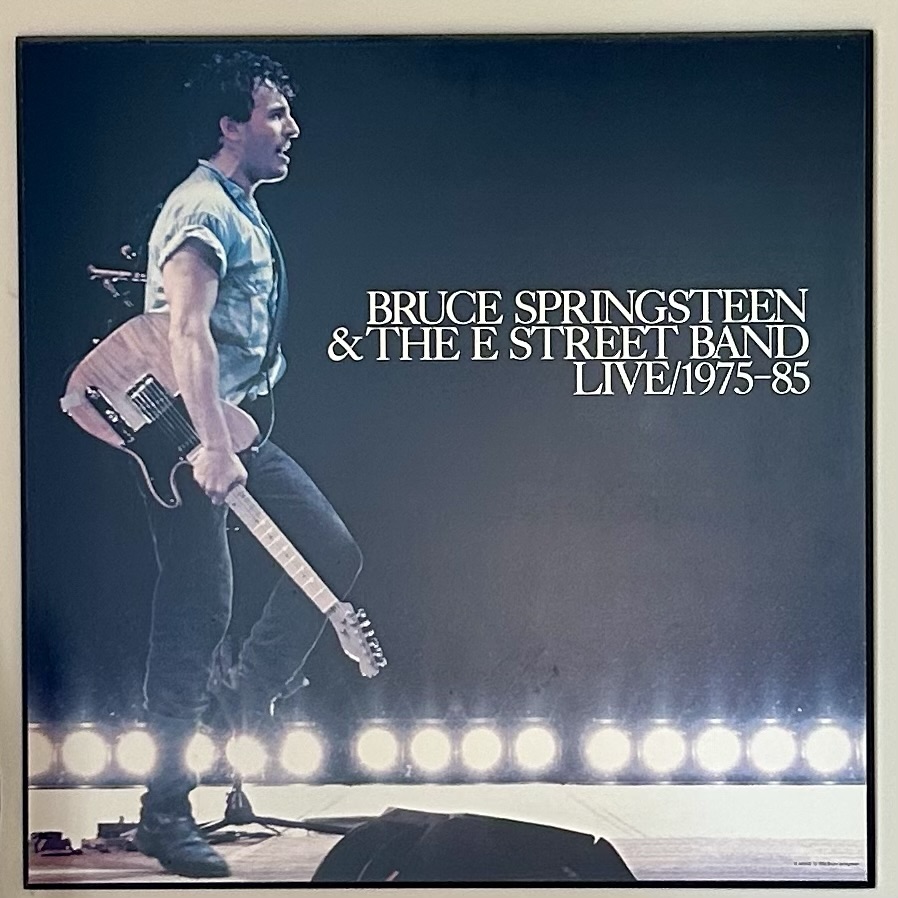
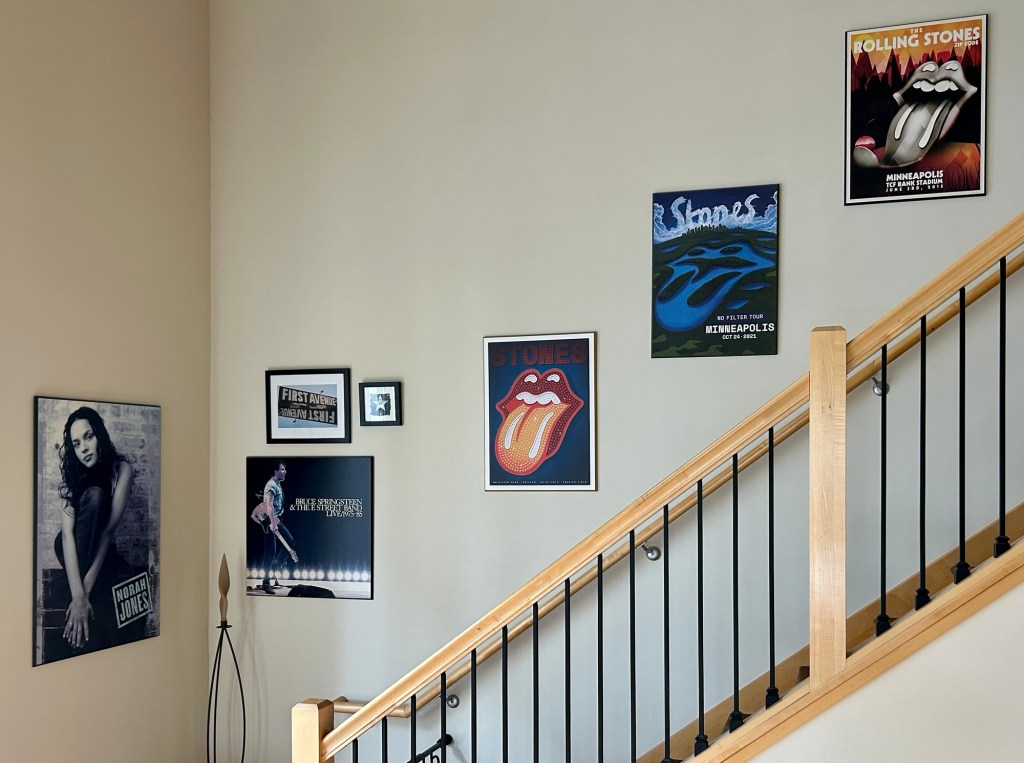
Postscript: My wife and I have collected dozens of concert and promo posters over the years. We have them mounted rather than framed at Posters On Board (POB) in Richfield, Minnesota. I am pretty sure the Live 1975–85 promo poster was the first we had mounted at POB.
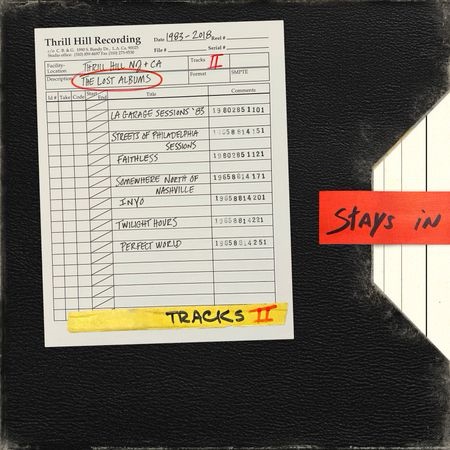
This collection is for serious Bruce Springsteen fans. It is 83 tracks (nearly five and a half hours) of mostly previously unreleased music. Unlike Tracks I (1998), which was a collection of unreleased songs, this is a collection of seven unreleased albums.
Catchgroove’s quick take: This collection does not revise Springsteen’s career arc, but it does fill in some blanks and satisfies my craving to hear music that has been rumored over the years. It is a satisfying listen that rivals other major archival projects by my favorite artists (e.g., Bob Dylan, Prince, Wilco, Neil Young, Joni Mitchell, etc.). What I really like about the project is its diversity and that it reveals Springsteen’s musical curiosity.
Let’s start with what Bruce’s PR machine is saying. Per Bruce’s website/store:
TRACKS II: THE LOST ALBUMS are seven unheard Bruce Springsteen records made between 1983–2018. Featuring 82 previously unreleased songs, Tracks II: The Lost Albums fill in chapters of Springsteen’s expansive career timeline, while offering invaluable insight into his life and work as an artist. “The Lost Albums were full records, some of them even to the point of being mixed and not released,” said Springsteen. “I’ve played this music to myself and often close friends for years now. I’m glad you’ll get a chance to finally hear them. I hope you enjoy them.” From the lo-fi exploration of LA Garage Sessions ’83, serving as a crucial link between Nebraska and Born in the U.S.A., to the drum loop and synthesizer sounds of Streets of Philadelphia Sessions. Tracks II: The Lost Albums offers unprecedented context to 35 prolific years of Springsteen’s songwriting and home recording. “The ability to record at home whenever I wanted allowed me to go into a wide variety of different musical directions,” Springsteen explained. Throughout the set, that sonic experimentation takes the form of film soundtrack work (for a movie that was never made) on Faithless, country combos with pedal steel on Somewhere North of Nashville, richly woven border tales on Inyo, orchestra-driven, mid-century noir on Twilight Hours and E Street favored rock on Perfect World. Tracks II: The Lost Albums is available in limited-edition nine-LP and seven-CD formats, including original packaging for each previously unreleased record, with a 100-page cloth-bound, hardcover book featuring rare archival photos, liner notes on each lost album from essayist Erik Flannigan and a personal introduction on the project from Springsteen himself.
Springsteen has a 17-minute video explaining the project:
One of my favorite music writers, Steven Hyden, has a great review and profile of the project at The Ringer.
I will comment on each of the “albums” in the collection.
ALBUM #1: L.A. Garage Sessions ’83 is the missing link between Nebraska and Born In The U.S.A. Springsteen fans are well aware of the gap and juxtaposition between Nebraska (released in September 1982) and Born In The U.S.A. (released in June 1984). After a decade of toiling and an upward trajectory that resulted in a number-one album, The River (1980), and an epic year-long tour in support of it, Bruce was trying to figure out his next artistic chapter. He recorded solo demos in his bedroom and decided to release them as is (rather than record them in a commercial studio with the E Street Band) under the name Nebraska. This was pretty mindblowing at the time – not the kind of thing a major rockstar would do on thier upward trajectory. It seemed like a side project, yet it opened up a new way of working for Springsteen. He learned that he could compose and record at home at his own whim. No need to book an expensive studio, manage the team (recording staff and band), and, most importantly, schedule his creativity. This would impact his record-making for the rest of his career.
As soon as he was done with Nebraska, he proceeded to record most of Born In The U.S.A. but had self-doubt about releasing what he could see was going to be a pop phenomenon. So he toiled in his L.A. home studio to create something more fleshed out than Nebraska, but not as over-the-top as Born In The U.S.A. L.A. Garage Sessions ’83 was the result. In the end, he shelved this and put out Born In The U.S.A., and as they say, the rest is history. This is a fascinating chapter in Bruce’s career – numerous books have been written about this period, and a biopic focused on this period is in the works (Springsteen: Deliver Me from Nowhere, with The Bear’s Jeremy Allen White playing Bruce). For true fans, L.A. Garage Sessions ’83 has been available on bootlegs, but for the rest of us, Tracks II is a chance to finally discover what Bruce was thinking in anticipation of the biggest album of his career.

L.A. Garage Sessions ’83 are low-fi and sound like demos, just like Nebraska, but with more fleshed-out instrumentation than Nebraska. I find this low-fi presentation distracting; I wish that these songs had been finished by the E Street Band in a proper studio. Whereas the austere instrumentation of Nebraska allowed you to focus on the songs. All the same, it is nice to have this batch of songs, and there are some gems here.
Unfortunately, there is no “Electric Nebraska” that is rumored to exist (the E Street Band versions I am pining for) – maybe we will get that on Tracks III (a follow-up collection that Bruce has teased). My guess is that the E Street Band only recorded a handful of the Nebraska and L.A. Garage Sessions songs, and thus, there was not a whole album of material to release in the spirit of the Tracks II project.
Sidebar: My introduction to Bruce Springsteen was KQ (a Twin Cities FM radio station) hyping his new album, Darkness on the Edge of Town, in the summer of 1978, as I drove to and from my window washing job in North Minneapolis. It hooked me enough that later that year, I hitchhiked from college (the College of St Thomas) to the St. Paul Civic Center Arena on November 29, 1978, to witness the Darkness on the Edge of Town tour. I was blown away by the show – a standout among the hundreds I have attended. It converted me to become a fan of the Boss. I was late to the Springsteen party (Darkness was his fourth album and his first after appearing on the covers of Time and Newsweek) – he was already a big deal at this point. But I have made up for it over the last four decades, keeping up with new releases and archival releases.
ALBUM #2: Streets of Philadelphia Sessions is the long-rumored drum loops album, a further exploration of the electronica sound of the Oscar-winning song “Streets of Philadelphia.” This album was recorded from 1993 to 1994.
One of the things I never realized about Bruce until this Tracks II project is how self-aware and deliberate he is about the narrative of his career. One of the things that has been bugging him for years is the perception that the 1990s was a lost decade for him. Some of his motivation for Tracks II was to correct the narrative. He wants everyone to know he was productive during the decade, and the Streets of Philadelphia Sessions is Exhibit Number One.
For me, this is the strongest lost album in the Tracks II collection. I loved the moody and dreamy atmosphere of “Streets of Philadelphia” when it came out. That Bruce sound has been hugely influential – The War On Drugs has made a career of it.
We will never know, but I think this would have been an artistically and commercially successful album if it had come out in 1995. However, Bruce decided to focus instead on his Greatest Hits album, which was a huge commercial success, and this album was set aside until now.
ALBUM #3: Faithless is the commissioned soundtrack to a movie that never got made, recorded between 2005 and 2006. This is the least satisfying of the seven albums. It is a combination of lyrical songs and instrumental music. This is not a bad album; it simply isn’t resonating with me.
ALBUM #4: Somewhere North of Nashville is Bruce’s stab at country and rockabilly music. It was recorded in 1995, concurrently with the sessions for The Ghost of Tom Joad. The fact that those two projects were happening simultaneously (Joad in the daytime and Nashville at night) is mind-blowing. Joad is stark and dark, whereas Nashville is rowdy and playful. Would Nashville have been a hit in the Grunge and Garth era? It’s hard to say, but the music is enjoyable, and the style suits Bruce well. I like that Bruce sings like Bruce. No country music affectations. He makes it his own. This is an excellent record, and I’m surprised he didn’t release it in the ’90s. Exhibit Number Two in the 90s was not a Springsteen wasteland argument.
ALBUM #5: Inyo is a companion to Joad, inspired by the culture of Mexican immigrants in the American Southwest, and appears to have been recorded during the Ghost of Tom Joad tour (1995–1997). It is a timely album in 2025. Although it features Mexican themes and music, this doesn’t sound like cultural appropriation; it’s simply Springsteen’s continued fascination with ordinary working men and women. Mexican influence on American culture is significant, and it seems only natural that Springsteen would be drawn to it. Despite the Mexican themes, this sounds remarkably like a Springsteen album. It is just as much a love letter to Southern California as it is about Mexican American culture. Inyo is Exhibit Number Three that the ’90s were not a Springsteen wasteland.
I went back to The Ghost of Tom Joad in light of how much I like Somewhere North of Nashville and Inyo. Joad never resonated with me, and my recollection was that it had starker arrangements. Returning to it in the context of Nashville and Inyo, Joad is a more energetic and enjoyable album than I recall. But I like Nashville and Inyo more than Joad.
ALBUM #6: Twilight Hours is a companion to 2019’s Western Stars, recorded between 2010 and 2011 and 2017 and 2018 during the Western Stars sessions. Western Stars was Bruce’s attempt at recreating the ’60s pop aesthetic of Burt Bacharach and Jimmy Webb. Bruce said Western Stars was his Jimmy Webb and Glen Campbell album, and Twilight Hours is his Burt Bacharach album. Western Stars was Bruce dipping his toe in the water, and Twilight Hours is the full body plunge. Only “There Goes Miracle” on Western Stars sounds like Twilight Hours.
I grew up on the sounds of Jimmy Webb and Burt Bacharach, so I can understand why a pop musician a decade older than me would be intrigued by this music. I fully appreciate Webb and Bacharach. In case you don’t know these songwriters, here are some huge songs in thier catalogs:
- Jimmy Webb is one of America’s most acclaimed songwriters – here are a few of his hits:
- “Up, Up and Away” The 5th Dimension
- “By the Time I Get to Phoenix” Johnny Rivers and Glen Campbell
- “MacArthur Park” Richard Harris
- “Wichita Lineman” Glen Campbell
- “Worst That Could Happen” 5th Dimension
- “Galveston” Glen Campbell
- “All I Know” Art Garfunkel
- “The Highwayman” The Highwaymen
- Burt Bacharach wrote fifty-two US Top 40 hits, including:
- “This Guy’s in Love with You” Herb Alpert, 1968
- “Raindrops Keep Fallin’ on My Head” BJ Thomas, 1969
- “(They Long to Be) Close to You” Carpenters
- “Arthur’s Theme (Best That You Can Do)” Christopher Cross
- “That’s What Friends Are For” (Dionne Warwick, 1986),
I re-listened to my vinyl copy of Western Stars, and it’s great, but Bruce is still Bruce. On Twilight Hours, he becomes a new character. Bruce takes this assignment seriously, evident in his songwriting, lush arrangements, and his crooning vocal performance. He leans over the precipice of Shmaltz but never falls off that cliff. Bruce, as a crooner, works better than I would have ever expected. This version of Bruce, despite my familiarity with Western Stars, is a pleasant surprise. This is not a typical rock star playing around with the American songbook. This is clearly an obsession. This album is the most pleasant surprise in the collection.
ALBUM #7: Perfect World is the one non-album track in the collection; it is a compilation of odds and ends from the E Street Band recordings from 1994 to 2011. I am not sure why Bruce didn’t save this for Tracks III, but after all the experimentation on the previous six albums of Tracks II, it’s nice to have some comfort food for dessert.
Conclusion: Typically, recording artist focus their archival releases on a specific era, but Bruce has taken a different approach: filling in the blanks from over three decades. Springsteen has stated that he did not release these albums at the time he recorded them because he did not feel they were essential. There must have been some dissatisfaction with them, causing him to leave them on the shelf. One of the benefits of the COVID pandemic was that several artists were motivated by thier boredom to create new work or excavate their archives. I am grateful for Bruce’s COVID boredom, as we have Tracks II to show for it. When Bruce came on the scene in the early 70s, he was touted as a new Dylan (many artists were struck with this curse, and Bruce is one of the few who was not smothered by it). I am a big Dylan fan and never recognized the comparison. But Tracks II is outright Dylanesque: the shape-shifting, the use of Dylan tropes (both acoustic and electric), the fascination with “old music” and the habit of leaving some of his best work in the can. Tracks II is my favorite release of 2025 so far.
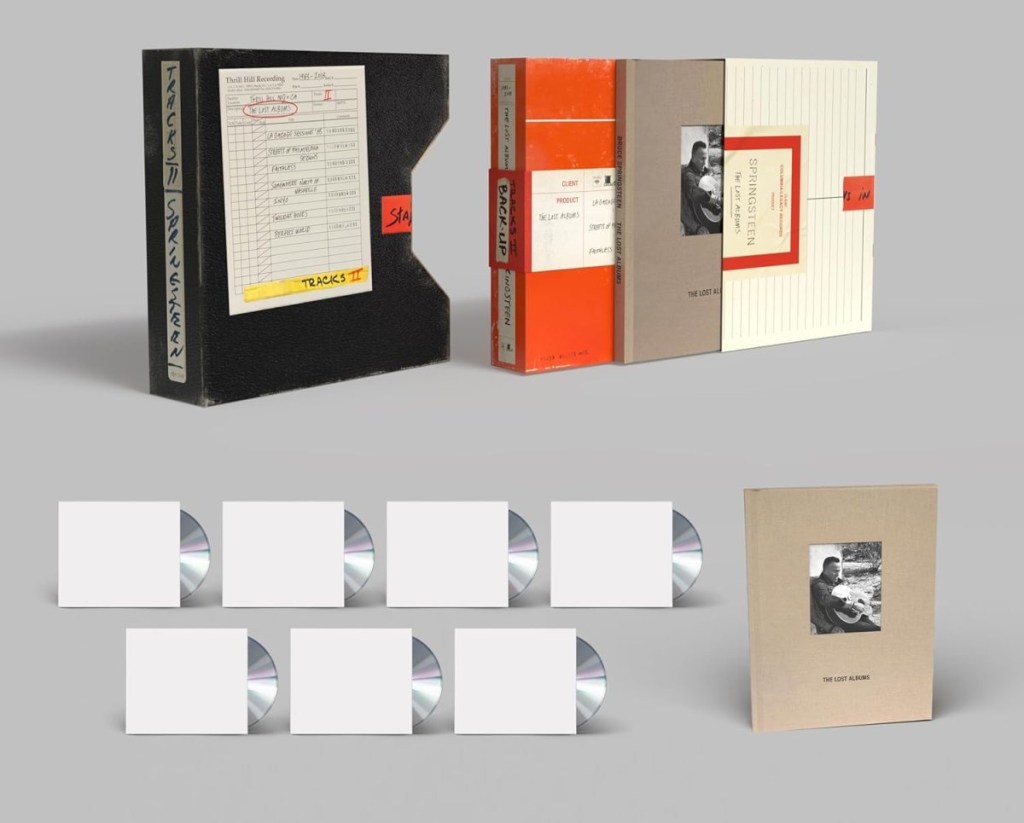
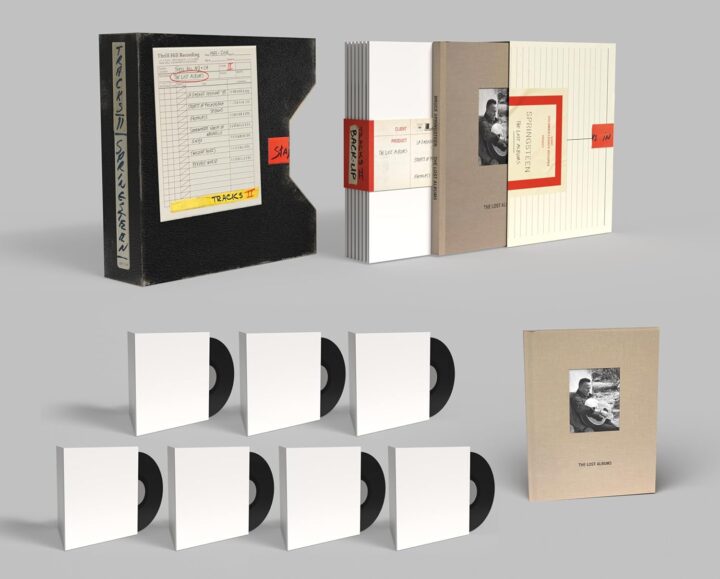
Formats: The album was released in four formats: CD ($300), Vinyl ($360), lo-fi streaming (e.g., Spotify), and hi-fi streaming (most of the material is 24-bit/96 kHz FLAC, and the rest are 24-bit/44.1 kHz FLAC). The physical versions are nicely packaged (gatefold jackets, original art, etc.) with a 100-page coffee table book with liner notes and photos. I have been consuming it via hi-fi streaming (Tidal) and vinyl. There is also a single CD/double vinyl LP sampler (Lost And Found: Selections From The Lost Albums).
I tried my best to resist purchasing the vinyl, but I finally gave in, as this is my favorite release of 2025 so far, and so I couldn’t stop myself. The first LP I played was Twilight Hours, and it sounds fantastic – its retro sound is even better in analog. All the vinyl pressings sound great.
The price point on this package is steep. I judge a box set’s pricing by the number of discs it contains. In today’s market, a new single vinyl LP typically costs between $25 and $40, while a single CD is usually priced under $20. Tracks II is $40 per LP and $43 per CD, so it’s on the high end, particularly with the CD edition, which seems overpriced. That being said, I have no regrets procuring this collection on vinyl.
There is not an album on this list that blew me away, but there were several excellent albums that I have consumed in the first half of 2025. Here is my list of my favorites from the first half of 2025 in no particular order.
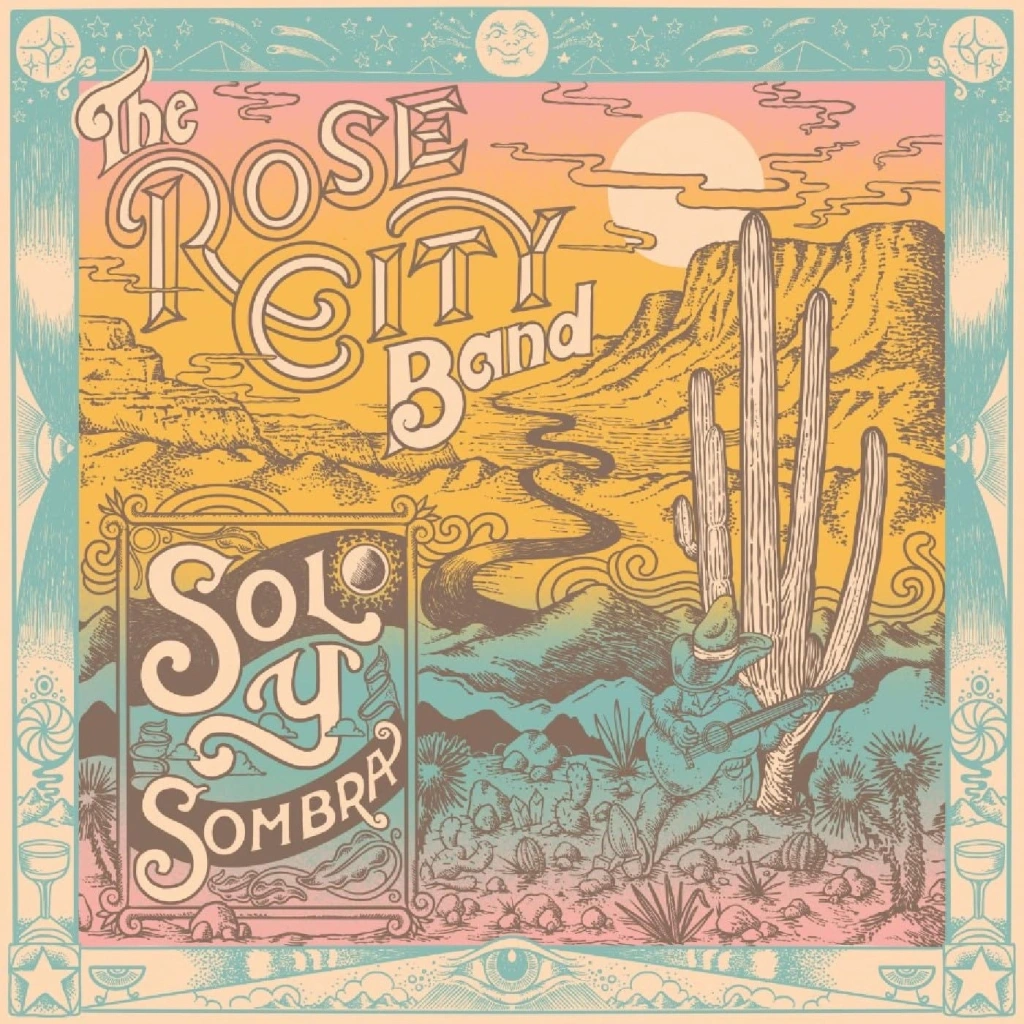
Rose City Band – Sol Y Sombra I have been a fan of the Rose City Band since thier debut. The new album is similar to their prior albums; the band is simply refining its craft.
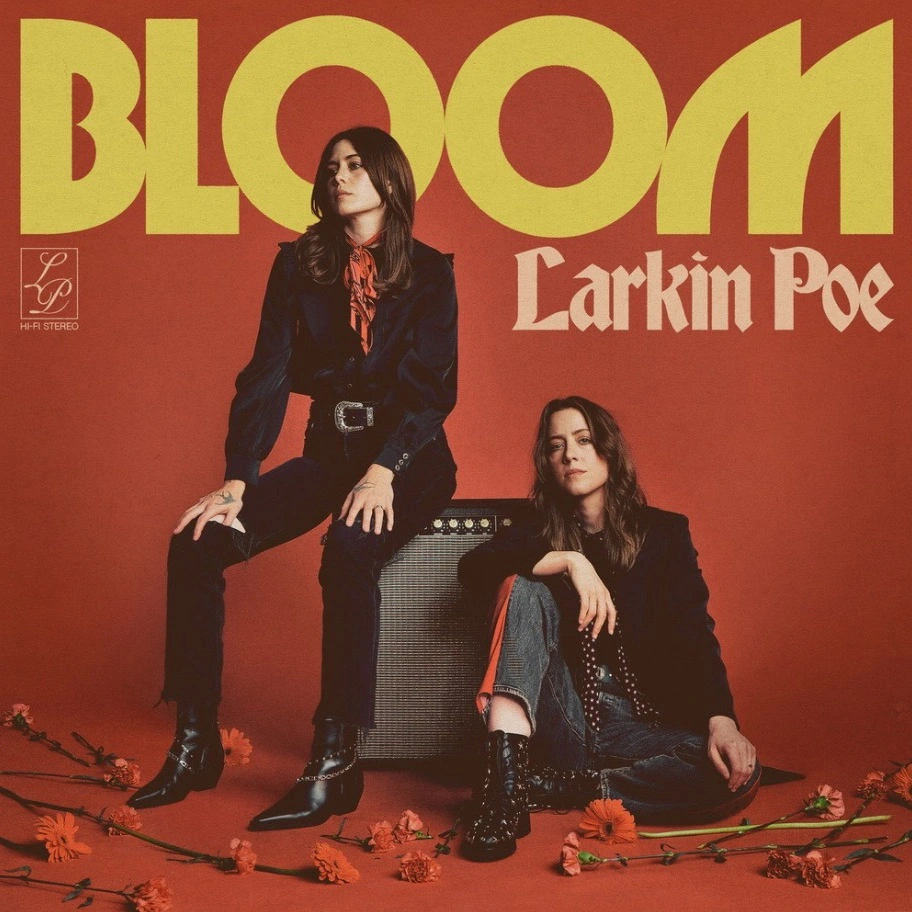
Larkin Poe – Bloom. Although the Lovell sisters have been doing their thing for two decades now, I have only recently become aware of them. This album is excellent blues rock. My wife and I had the opportunity to see the band live at First Avenue in Minneapolis this spring, and they put on a great show. It is a wonderful juxtapositon: suburban soccer moms playing cock rock.
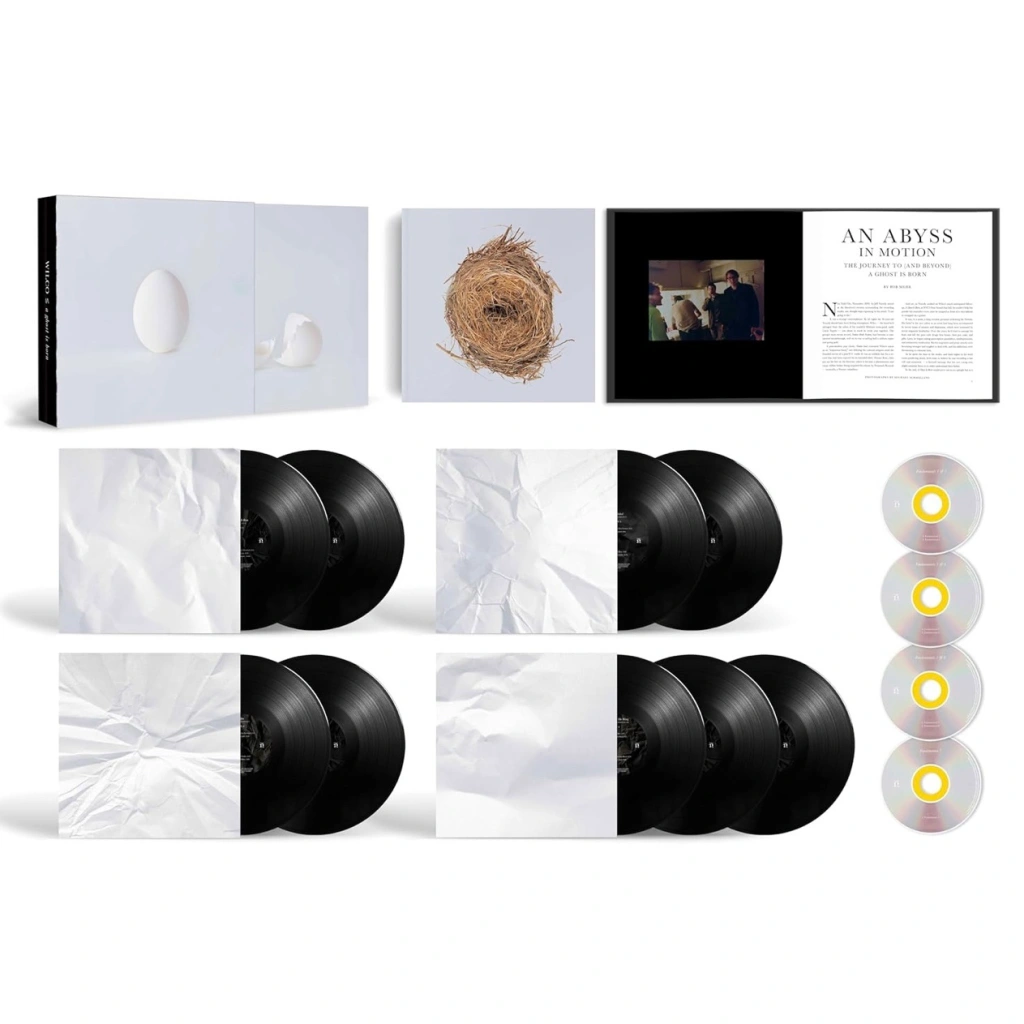
Wilco – Ghost Is Born Deluxe Vinyl (9xLP/4xCD) As a record collector, I’m a sucker for deluxe reissues. Wilco’s reissues are tremendous and this is one of thier best so far.
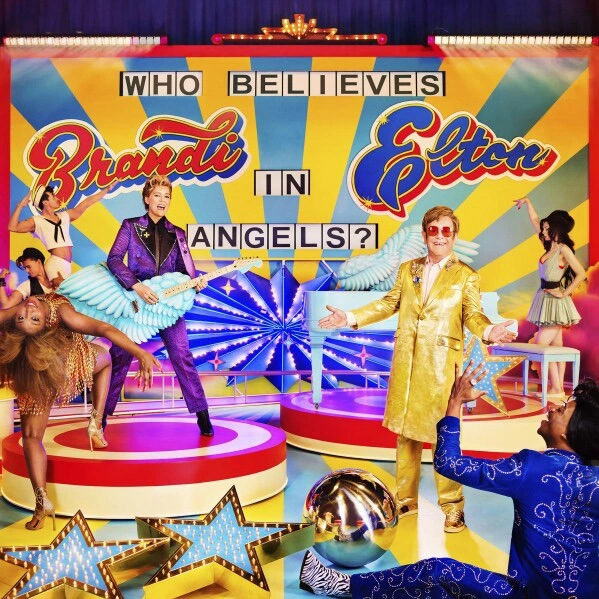
Brandi Carlile and Elton John – Who Believes in Angels? Although I enjoy this album, it is not a high-water mark for Brandi or Elton. It’s just friends having fun, and as a fan of both, it’s easy to get sucked into the hijinks. So enjoy it for what it is.
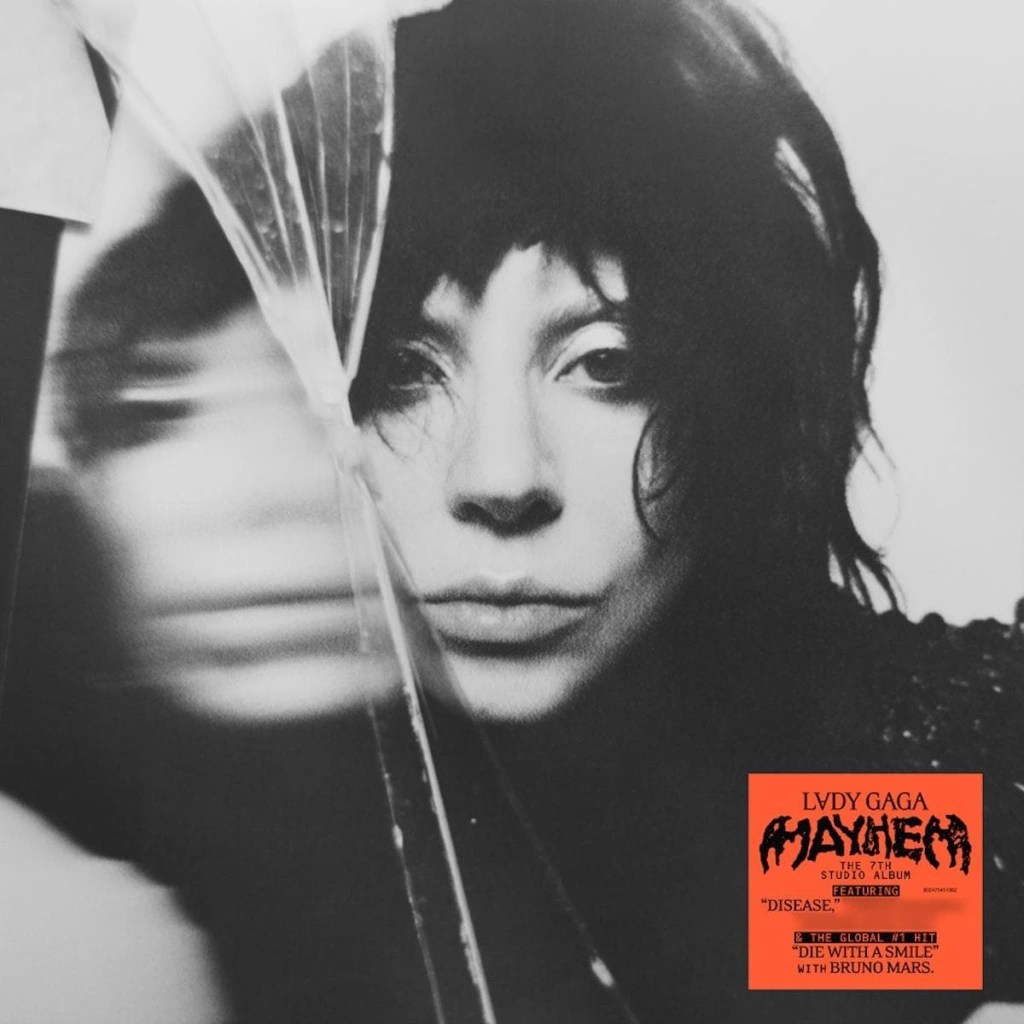
Lady Gaga – Mayhem Mayhem is a good Lady Gaga pop album (vs. an American Songbook album). I don’t need her to reinvent herself; I just need to make an album of songs I don’t want to skip – there are no skippers on Mayhem.
Wilco Live (Orange) The quality of the performances is excellent, but the recording quality is merely good. That being said, having this live Wilco document is great. It’s a great setlist, and a bonus is that I’ve been to three of the shows represented in this compilation. It is a lovely gift from the band to thier fans.
Wilco Live (Blue) is a more obscure playlist than Orange. Where Orange is kind of a greatest hits, Blue is deep cuts, mainly from the second half of Wilco’s catalog. I tend to undervalue some of the albums that Wilco features on this live playlist, such as Ode to Joy (2019), Schmilco (2016), and Star Wars (2015). This collection has encouraged me to revisit those albums from the second half of the 2010s.
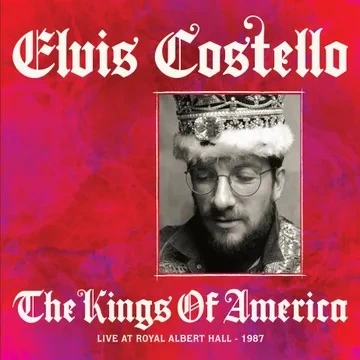
Elvis Costello – The Kings Of America Live At Royal Albert Hall — 1987 (Record Store Day 2025 vinyl release). This is an excellent live recording, both sonically and in the performance. I am a fan of the King Of America album, and it’s great to have those songs live, but the real treat here is the covers.
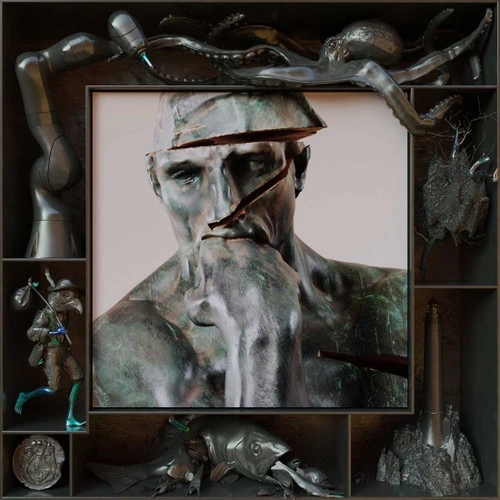
Mark Pritchard and Thom Yorke: Tall Tales. I approached this album with curiosity but skepticism. The initial listen hooked me, and each subsequent listen drew me in even further. I enjoy this album as much as Yorke’s current band, The Smile. If you are a fan of Radiohead, especially Kid A and beyond, you will likely enjoy this album.
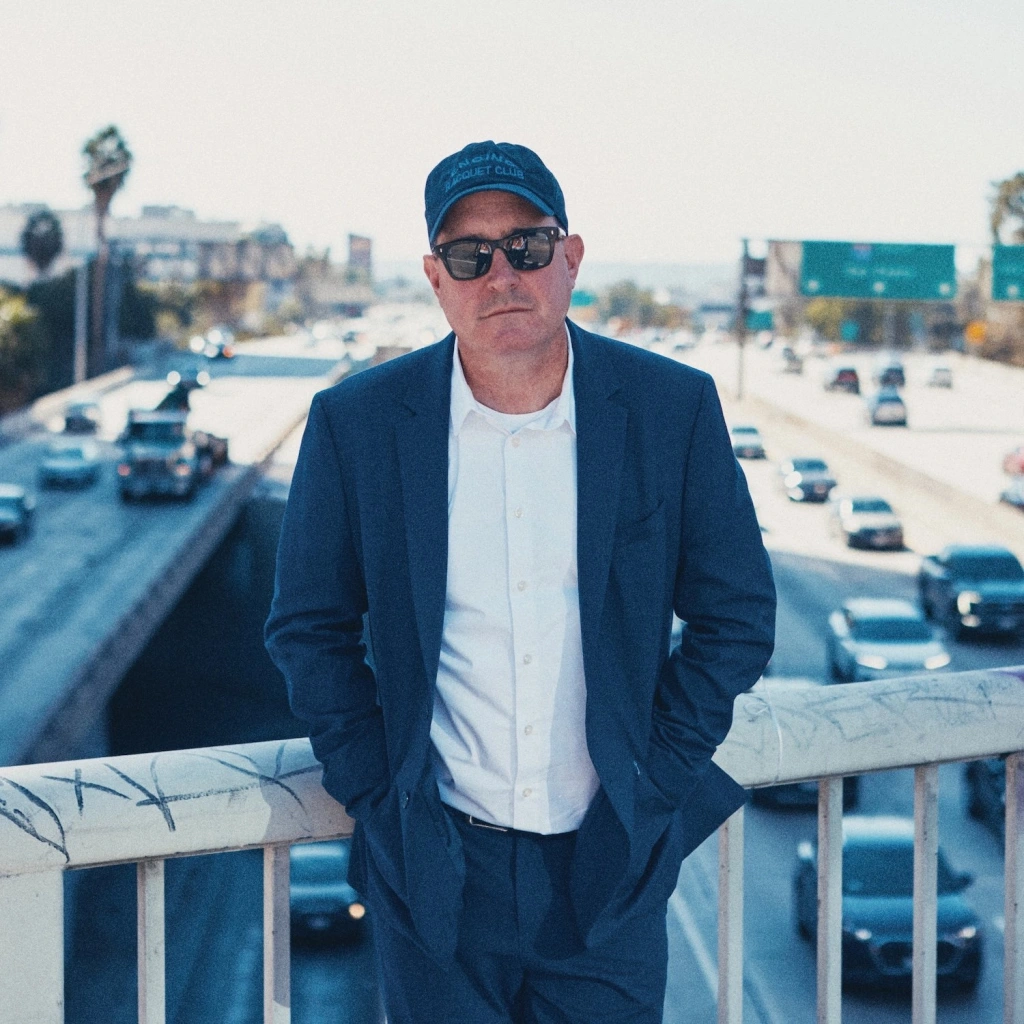
Craig Finn – Always Been A fantastic pairing of indie rock royalty: The Hold Steady’s frontman and singer-songwriter Craig Finn, produced by The War On Drugs’ frontman Adam Granduciel. The first time I heard this album, I was struck by the slickness, in a good way.
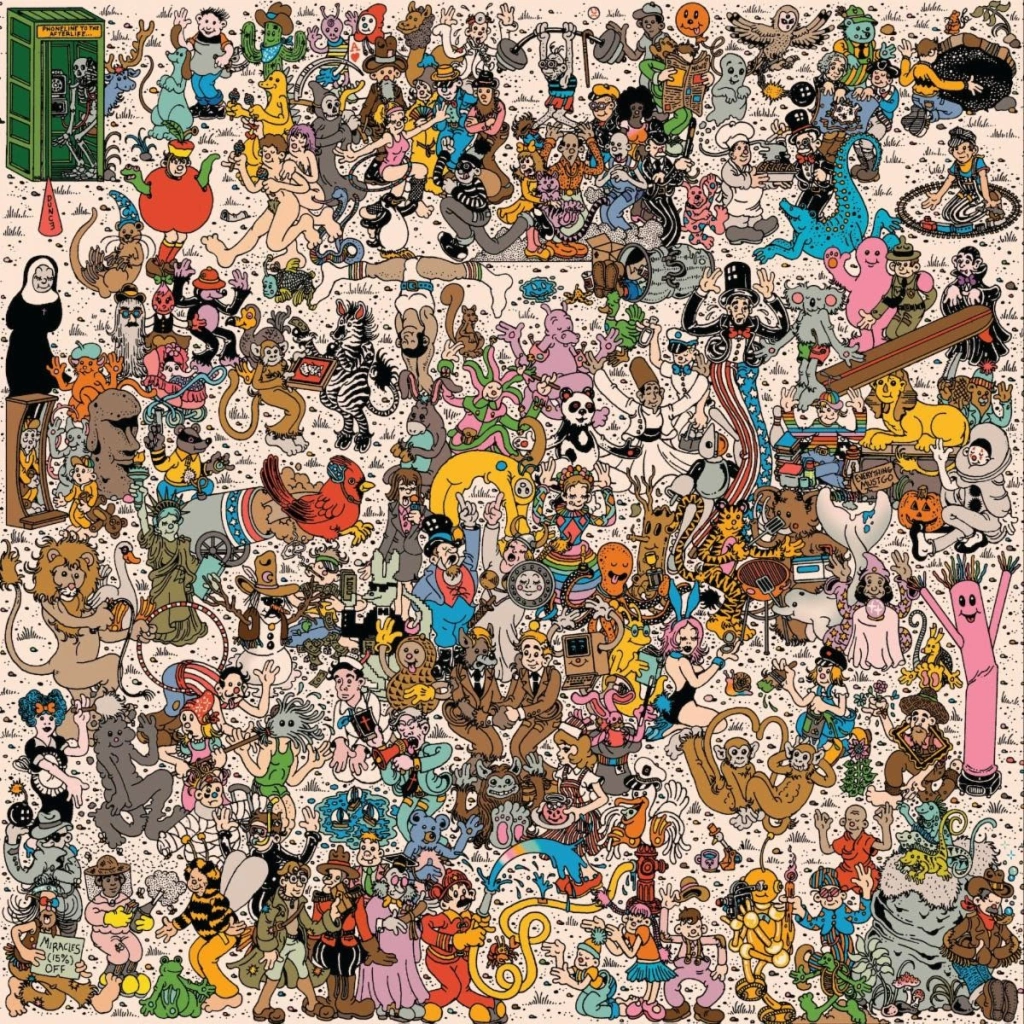
Goose – Everything Must Go. I really liked the band’s last album, Dripfield. Everything Must Go is not a departure from that sound but a perfection of that sound.
Turnstile – Never Enough. Turnstile’s pedigree lies in the hardcore punk scene; however, they have evolved into a pop-metal band in the grand tradition of Def Leppard and Van Halen, as well as pop-punk acts like Blink-182 and Green Day. The teaser single “Never Enough” is a lethal combination of Pat Metheny’s pop-jazz and Smashing Pumpkins.
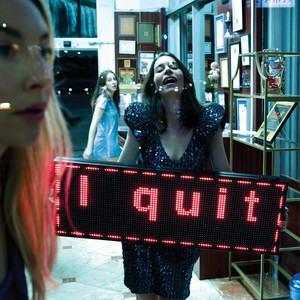
Haim – I Quit is a band that gets better with each album. This is my favorite so far.
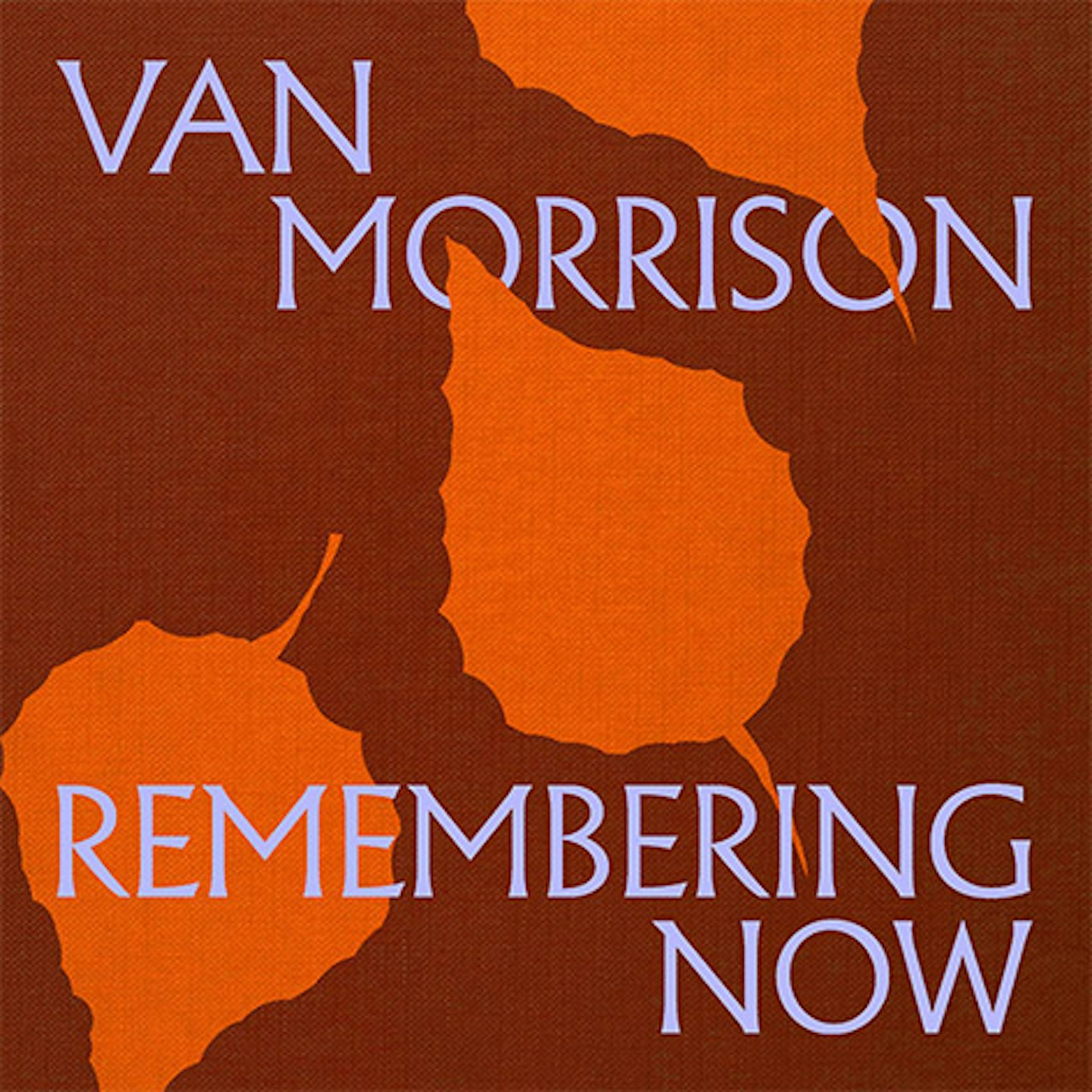
Van Morrison – Remembering Now I heard that the new Van Morrison album was good, so I gave it a listen, and it is indeed good! Many of Van’s recent albums have been cover albums, but Remembering Now is a return to original music. It seamlessly blends soul, jazz, blues, folk, and country. All the songs are good; there are no clunkers in the bunch.
Gary Louris – Dark Country Per Louris: “‘Dark Country’ is a love letter to my wife Steph, plain and simple,” Louris said in a statement. “It was written and recorded in my little studio in our home in the mountains of Quebec. Just my guitar and my voice, occasionally piano, and on two songs a bit of magic from my friends. It is the most intimate and straightforward record I have ever made. Just me in a room with my songs and you the listener. I am not typically an autobiographical lyricist but these songs are as literal as can be … all directed to my love.” Hard not to be in a good mood when living in Canada with your new wife.
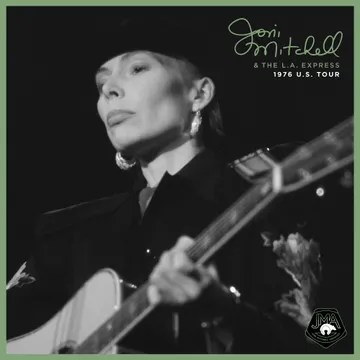
Joni Mitchell & The L.A. Express: 1976 U.S. Tour (Record Store Day 2025) – This “first time on vinyl” is live music from the digital/CD Joni Mitchell Archive Vol 4. box set. Not one of my favorite trends that Record Store Day releases are merely vinyl presentations of recent digital releases, but I still bought it!

Bon Iver – SABLE, fABLE It has been a long time since we have had a Bon Iver album (2019), although there have been singles and EPs. This is a continuation of the Sable EP (2024). This is a more accessible Bon Iver with more natural vocals from Justin Vernon. This is a shining star in the Bon Iver catalog.
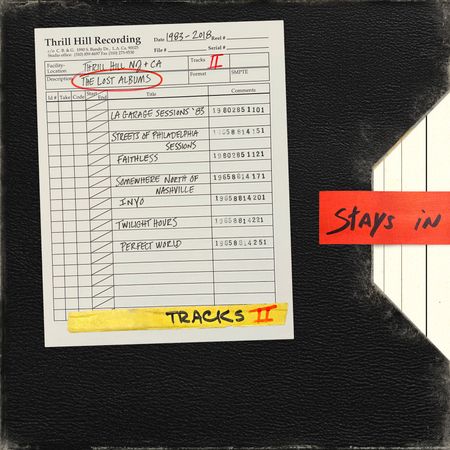
Bruce Springsteen – Tracks II: The Lost Albums – Like his peers, Neil Young and Bob Dylan, Springsteen has a shadow career of unreleased music that would be another artist’s whole career. This collection is for serious Bruce Springsteen fans. It is 83 tracks (nearly five and a half hours) of mostly previously unreleased music. Unlike Tracks I (1998), which was a collection of unreleased songs, this is a collection of seven unreleased albums. For a fan of Bruce, these lost albums are a true gift. None of this revises Bruce’s career arc, but they sure do fill in the blanks.
Looking forward to the second half of 2025. My guess is that some of these albums will increase in stature with time, while others will fade into memory.
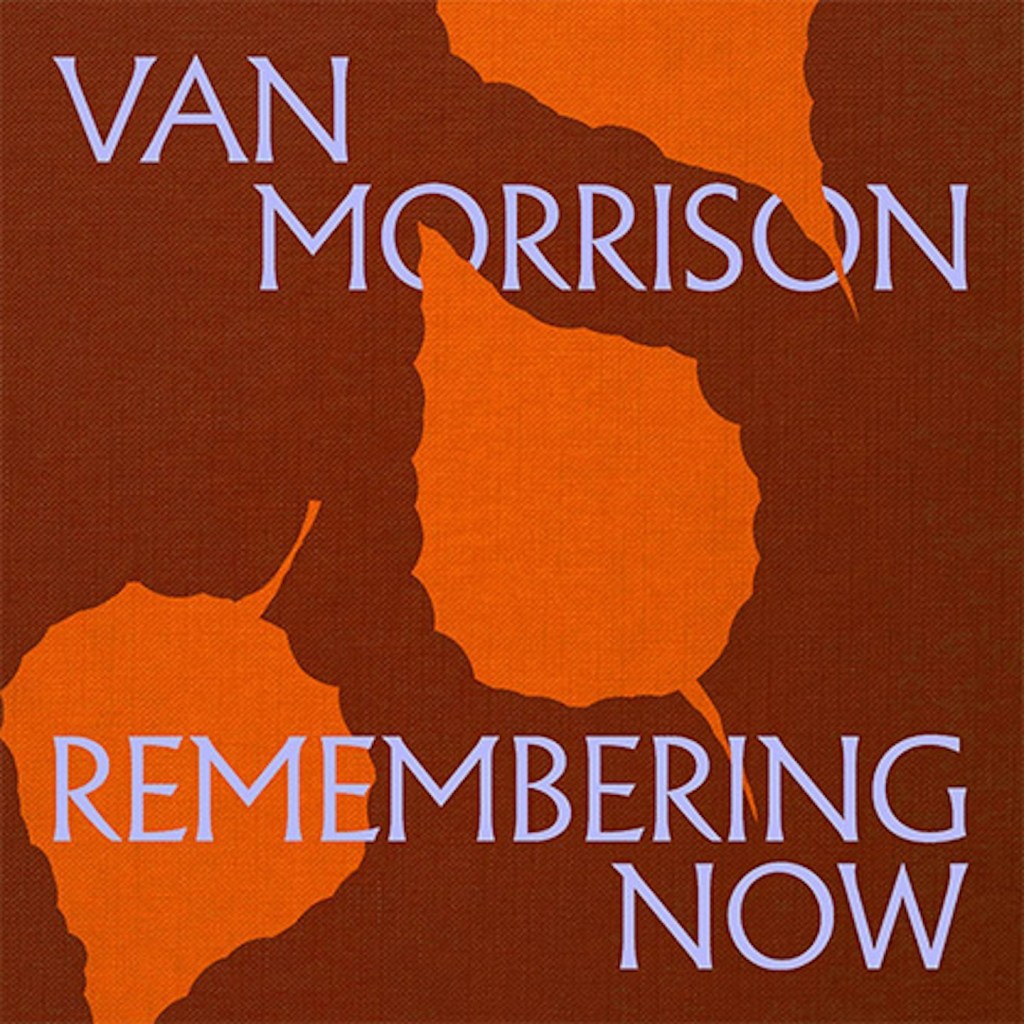
I heard that the new Van Morrison album was good, and so I gave it a listen, and it is good! I lost interest in Van’s new releases a couple of decades ago. Even in the streaming era, I rarely could muster enough interest to check out his new stuff, and when I did, I was disappointed. Then he turned up the volume on his cranky personality during COVID, and that was an additional turnoff for me.
There was a time when I was a huge Van Morrison fan. His 1982 release, Beautiful Vision, is one of my favorite albums, and an outdoor concert from that era (where Van’s band included horns, backup singers, and a string quartet) was the best concert I have ever experienced. Remembering Now harkens back to that ’80s Van vibe that I love.
Many of Van’s recent albums have been cover albums, but Remembering Now is a return to original music. It seamlessly blends soul, jazz, blues, folk, and country. All the songs are good, no clunkers in the bunch.
Many of the songs are focused on memories of an older gentleman, which is not surprising, given that Van is 79 years old. The memories are mostly sentimental vs. bitter. A pleasant surprise is how great Van’s vocals are – he sounds downright youthful. It is wonderful to have a warm and cuddly Van back with Remembering Now.

This is Wilco’s second live playlist this year. The first, Orange, was kind of a greatest hits. Blue is a collection of deep cuts drawn mainly from the back half of the Wilco catalog. Most of the songs in this set are mellow with quiet arrangements. I appreciate how different Blue is from Orange. Similar to Orange, I was at some of the shows (see posters below), so this makes the collection extra special to me.
As with Orange, the recording quality on Blue is good but not great. Jeff Tweedy’s vocals are mixed front and center at the expense of the instruments (an artistic decision I support).
I tend to undervalue some of the albums that Wilco features on this live playlist, for example, Ode to Joy (2019), Schmilco (2016), and Star Wars (2015), and so this collection has encouraged me to return to those albums from the second half of the 2010s.
Track list (songs’ first album appearance is noted in bold italics)
Bright Leaves – St. Paul, MN (2019) Ode to Joy

We Aren’t the World (Safety Girl) – Seattle, WA (2016) Schmilco
White Wooden Cross – Brooklyn, NY (2019) Ode to Joy
Nope – Los Angeles, CA (2016) Schmilco
Country Song Upside-Down – North Adams, MA (2022) Cruel Country
Pittsburgh – Chicago, IL (2023) Cousin
Country Disappeared – Riviera Maya, Mexico (2022) Wilco (The Album)
Forget the Flowers – Austin, TX (2024) Being There
A Lifetime to Find – New Haven, CT (2022) Cousin
Hell is Chrome – North Adams, MA (2024) A Ghost Is Born
Sunlight Ends – Chicago, IL (2023) Cousin
Please Be Wrong – North Adams, MA (2022) Cruel Country
Sunken Treasure – Reykjavik, Iceland (2023) Being There
The Joke Explained – Los Angeles, CA (2016) Star Wars
Blue Eyed Soul – North Adams, MA (2024) A.M.
An Empty Corner – Brooklyn, NY (2019) Ode to Joy
Just Say Goodbye – North Adams, MA (2024) Schmilco
At Least That’s What You Said – Reykjavik, Iceland (2023) A Ghost Is Born
Everyone Hides – Kansas City, MO (2019) Ode to Joy
Locator – Seattle, WA (2016) Schmilco
The Universe – Reykjavik, Iceland (2023) Cruel Country
Quiet Amplifier – North Adams, MA (2024) Ode to Joy
Where Do I Begin/Cold Slope/King Of You – Brooklyn, NY (2016) Star Wars
Candyfloss – St. Paul, MN (2017) Summerteeth

Kicking Television – New Haven, CT (2022) Kicking Television: Live in Chicago

Never Enough
Roadrunner Records
2025
Turnstile’s pedigree is in the hardcore punk scene; however, they have evolved into a pop-metal band in the grand tradition of Def Leppard and Van Halen and pop punk like Blink 182 and Green Day. For example, the teaser single “Never Enough” is a lethal combination of Pat Metheny’s pop-jazz and Smashing Pumpkins.
I became aware of Turnstile from their last album, Glow On (2021), which introduced them to a wider audience. Never Enough is not an artistic departure from Glow On but is even more accessible. It is not a sellout, but a continued pop rock evolution from Glow On.
When I listen to Turnstile, I hear The Police, Blink-182, Black Sabbath, Smashing Pumpkins, Green Day, etc. It is on the punk side of the rock spectrum, but with a healthy dose of pop and melody, it creates pleasing earworms.
I think what happens with bands like Turnstile is what happens to many great bands (for example, The Who and The Replacements): They start out with great ideas and limited skills; over time, their skills match their ideas. Turnstile has been a fun band to watch progress, and Never Enough is an example of that progress.
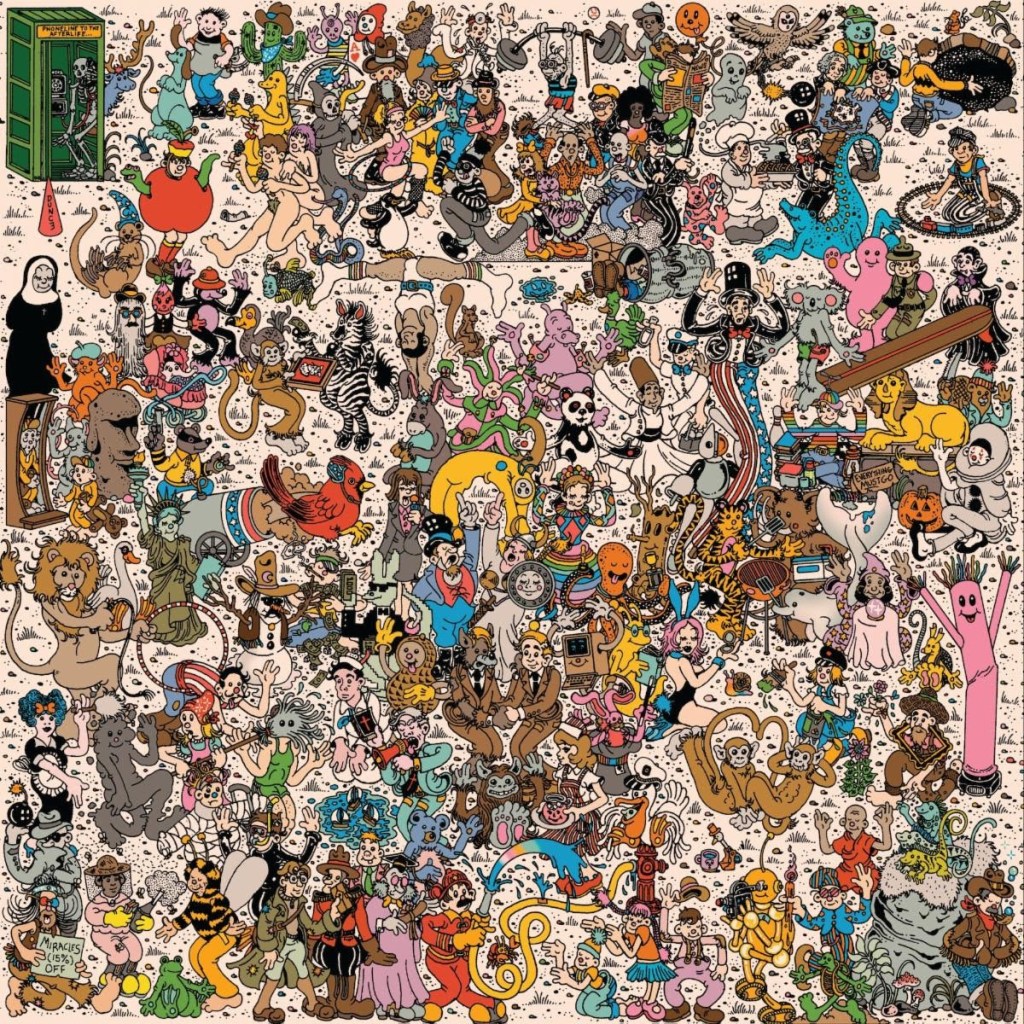
Goose is a New England jam band that follows the tradition of the Grateful Dead, Phish, Dave Matthews Band, etc. They are known for their (from the band’s website):
“…genre-blending sound, improvisational live performances, and dedicated fan base. Their music — a deft union of indie-rock hooks, sprawling improvisation, and driving rhythm — has propelled them from performing in Connecticut basements to headlining some of the most revered stages in the country.”
When I listen to the band, I hear jazz, classic rock, prog rock, funk, folk rock, and pop elements. Their songs are well-arranged and expertly played, yet there is playfulness. They are a four-piece band: Rick Mitarotonda (vocals, guitar), Peter Anspach (vocals, keys, guitar), Trevor Weekz (bass), and Cotter Ellis (drums). Generally, their songs are weighted toward the instrumental side, but they typically have vocals; it is just that the instrumental aspect of their songs is more memorable. Their vocals and lyrics are pleasant, but they are the weak link here.
In a previous Goose album review, I said, “Most jam bands favor the groove, but Goose favors the melody—they play songs!” On Everything Must Go, the band has doubled down on the hooks, producing their most pop-sounding album thus far. This pop-oriented sound works well for them. This does not sound like a sell-out, but the band’s natural evolution. I equate it to when Genesis went from prog to pop in the early 80s – from my perspective, Genesis was even better when they went pop. Goose has never sounded better. I love that they have augmented some of the songs with horns. Again, from the Goose’s website:
“Everything Must Go marks the band’s evolution since its inception in 2014. Drawing from the feel of its live performances, the album features a carnivalesque cast of characters — primarily songs written throughout the band’s recent years of growth, including re-imagined live staples and songs that capture the band’s evolving, dynamic sound.”
I have seen the band live a few times and can attest to their greatness as a live act. But unlike many jam bands that thrive only live, Goose is also a brilliant studio band. Their recordings are Steely Dan slick—in a good way. Everything Must Go is the slickest yet. Again, I don’t see this as a sell-out but an example of their growth as musicians, composers, arrangers, and studio rats.
As you can see by the tracklist below, the album is front-loaded with singles, but the second half is just as good. Although it is a long album—just over an hour and a half—it never drags. If you are not ready to commit to the whole album, I recommend these two singles: “Your Direction,” which shows off their pop chops, and “Thatch,” which highlights their jam band side.
I really liked the band’s last album, Dripfield. Everything Must Go is not a departure from that sound but a perfection of that sound. It will be on my best of 2025 list!
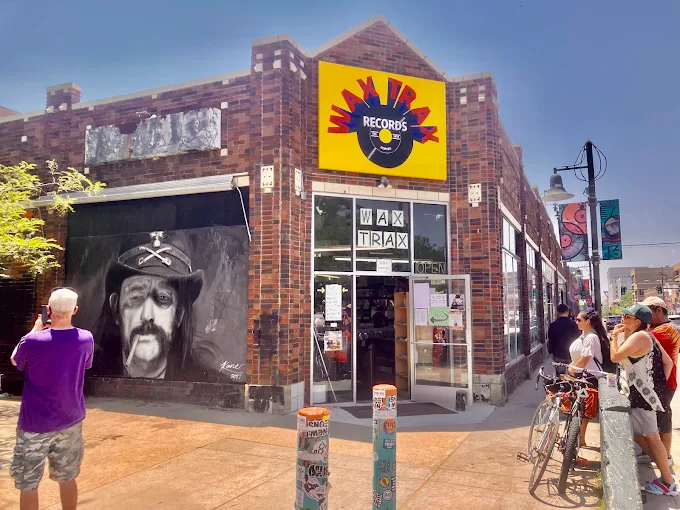
I have been listening to the digital stream (24-bit/96 kHz FLAC via Tidal), which sounds great. I recently picked up a vinyl copy of the album from Wax Trax Records in Denver (Capitol Hill location). Wax Trax is a well-stocked independent record store. It has a large and diverse inventory of LPs. Per thier website, they have three locations.
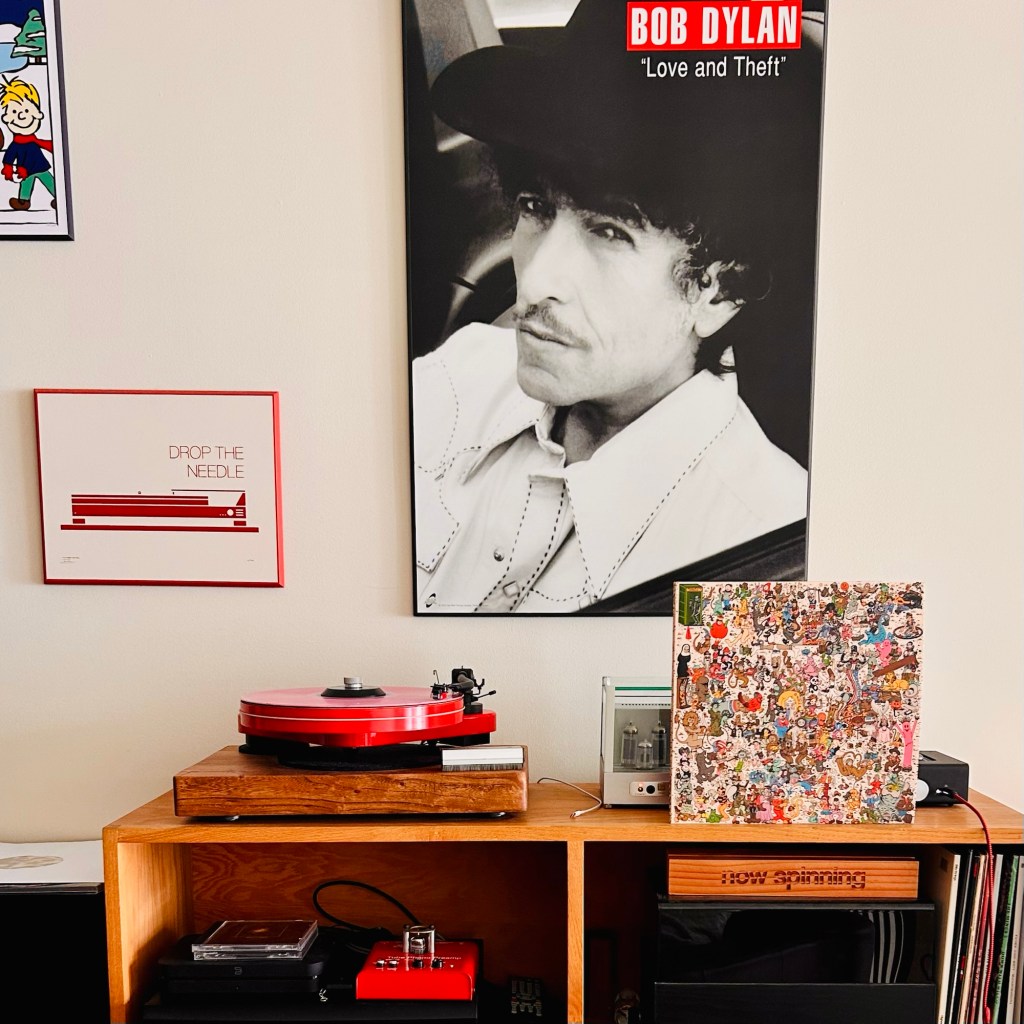
The vinyl edition of Everything Must Go is a nice, clean pressing. My version is 180-gram magenta vinyl. It sounds slightly warmer than the high-resolution stream. The packaging is high quality, and the LPs are in audiophile quality sleaves.
Tracklist:
- Everything Must Go
- Give It Time – first single
- Dustin Hoffman
- Your Direction – third single and in a different era, would be a radio hit
- Thatch – forth single
- Lead Up – second single
- Animal
- Red Bird
- Atlas Dogs
- California Magic
- Feel It Now
- Iguana Song
- Silver Rising
- How It Ends
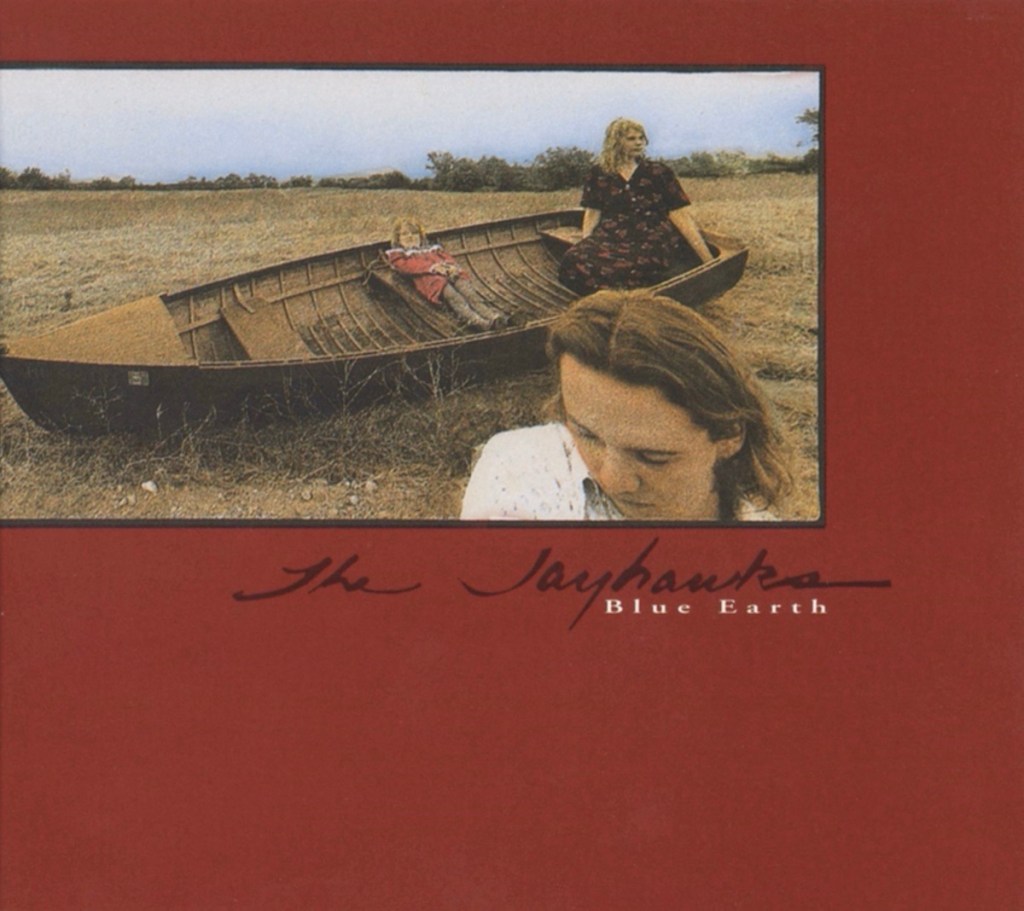
Blue Earth
1989
Twin/Tone Records
Blue Earth was my introduction to The Jayhawks. They checked a lot of boxes related to my music preferences:
- They were severely under the influence of Gram Parsons-era Flying Burrito Brothers
- Amazing vocal harmonies
- Epic riffs and searing country guitar solos
Famed music critic Robert Christgau gave the album an A-rating, noting, “Gram Parsons comparisons get you nowhere, but I’m not kidding—this is the obliquely songful follow-up the Burritos never made.”
I am a sucker for alt-country / Americana. The Jayhawks and this album were my first alt-country love. Elvis Costello introduced me to the Gram Parsons era Flying Burrito Brothers years earlier via “I’m Your Toy” on 1981’s Almost Blue. However, this album, along with contemporaries like Uncle Tupelo and Lucinda Williams, among others, suggested this could be a genre. Something different than 70s country rock. Alt-country was informed by punk, the British New Wave, and R.E.M. It was urban country.
The top features of the band were:
- Gary Louris’ guitar – unique voice on the instrument – just a touch of Neil Young.
- Vocals – Mark Olson and Louris share leads and harmonize at a near Everly Brothers quality, which is magical
- Gorgeous arrangements
Blue Earth was The Jayhawks’ second album, released on Twin-Tone Records. It has not been on LP since it was initially issued in 1989. This Record Store Day 2025 release includes a 7” EP with four bonus tracks never on vinyl (the album plus four-song bonus tracks is how the album is presented on streaming services). I have had this album for years on CD, and it is nice to have it on vinyl. This vinyl release is well-mastered and a nice, clean pressing.


