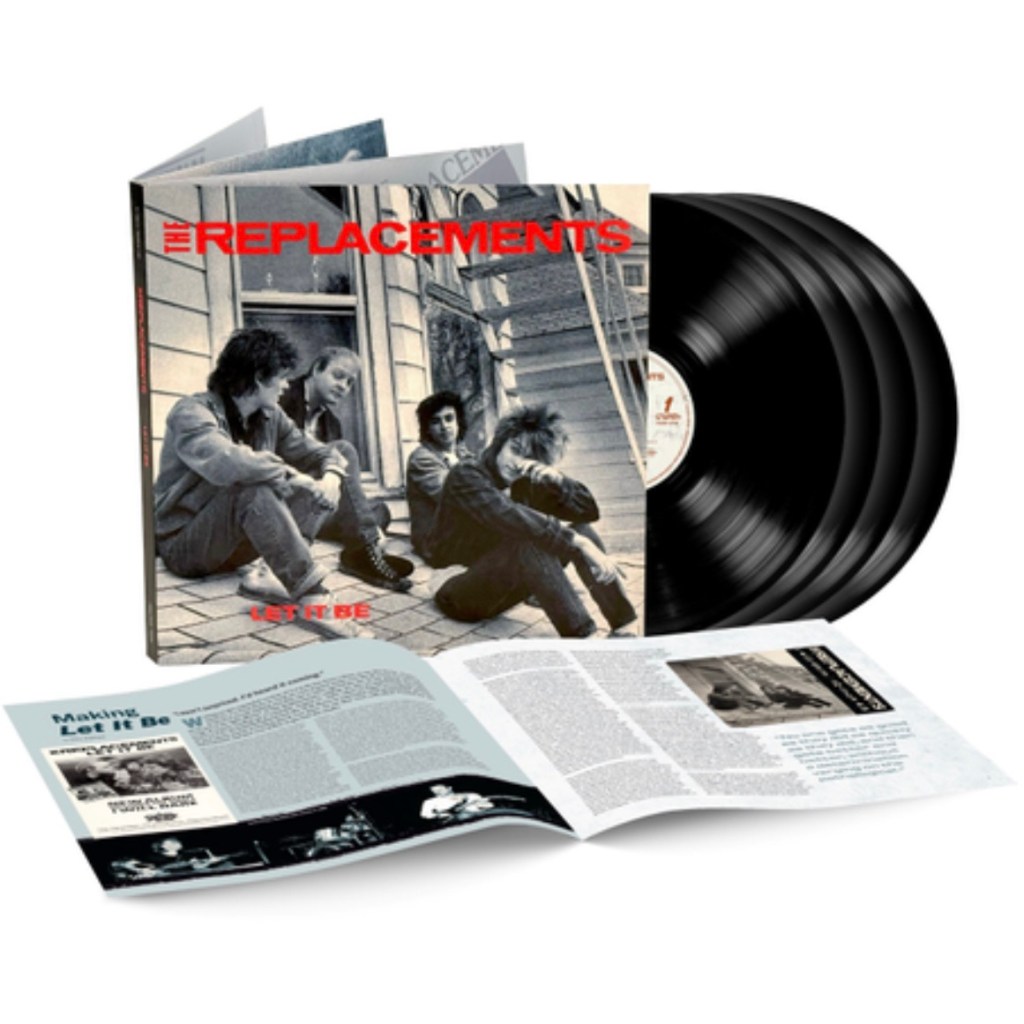
Although The Replacements started as a punk band, they quickly transcended that genre. Similar to their contemporaries, R.E.M., their songwriting was too good to stay in the punk gutter for long. On their third studio album, 1984’s Let It Be, they found their voice and helped invent indie rock. The hat-trick of their final indie-rock album Let It Be, their major label debut, Tim (1985), and its follow-up Pleased To Meet Me (1987) is their apex. There would be a couple more albums after those, but they ended up being closer to Paul Westerberg’s solo albums than to band albums. By the end of the 80s, the band was spent.
There is not a bad cut on Let It Be, and several are Mats classics like “I Will Dare,” “Favorite Thing,” “Androgynous,” “Unsatisfied,” “Sixteen Blue,” and “Answering Machine.” On Let It Be the band perfectly captures the angst of late adolescence into young adulthood. If I had to recommend one Mats’ album for the uninitiated, it would be Let It Be.

This deluxe edition is the original album remastered (it sounds fantastic), a disk of demos, outtakes, and B-sides (essential for Mats’ fans), and a double disk of a live show a couple of months before the release of Let It Be, at the legendary Chicago rock/sports bar The Cubby Bear. The live show is pretty lo-fi, but the performance is so excellent that I can look past the audio quality. The live covers are to die for. Let It Be (Deluxe) is an essential compilation for Mats’ fans, and it was a no-brainer as an addition to the Desert 🌵 Sessions (I have an original Twin/Tone LP back at the mothership in Minneapolis).
LP One – original remastered
1. I Will Dare (2025 Remaster)
2. Favorite Thing (2025 Remaster)
3. We’re Comin’ Out (2025 Remaster)
4. Tommy Gets His Tonsils Out (2025 Remaster)
5. Androgynous (2025 Remaster)
6. Black Diamond (2025 Remaster)
7. Unsatisfied (2025 Remaster)
8. Seen Your Video (2025 Remaster)
9. Gary’s Got a Boner (2025 Remaster)
10. Sixteen Blue (2025 Remaster)
11. Answering Machine (2025 Remaster)
LP Two – demos, outtakes, and B-sides
12. Gary’s Got a Boner (Alternate Version)
13. Favorite Thing (Alternate Version)
14. Perfectly Lethal (Outtake) [2025 Remaster]
15. Temptation Eyes (Outtake) [2025 Remaster] cover of the 1970 hit song by The Grass Roots
16. Who’s Gonna Take Us Alive
17. Heartbeat, It’s a Lovebeat (2025 Remaster) cover of 1973 single by the Canadian group The DeFranco Family
18. Answering Machine (Home Demo #1)
19. Answering Machine (Home Demo #2)
20. Street Girl (Takes 1 and 2)
21. Sixteen Blue (Alternate Version) [2025 Remaster]
22. Unsatisfied (Alternate Mix) [Full-Length Version]
23. Androgynous (Alternate Version)
24. 20th Century Boy (2025 Remaster) T-Rex cover (1973)
25. Hey Good Lookin’ (Live at Merlyn’s, Madison, WI) [2025 Remaster] Hank Williams cover (1951)
LP Three – live
26. Can’t Hardly Wait (Live at Cubby Bear, Chicago, IL, 8/17/84) – still a couple of LPs away
27. Left in the Dark (Live at Cubby Bear, Chicago, IL, 8/17/84) The Vertebrats cover
28. Unsatisfied (Live at Cubby Bear, Chicago, IL, 8/17/84)
29. I Will Dare (Live at Cubby Bear, Chicago, IL, 8/17/84)
30. Favorite Thing (Live at Cubby Bear, Chicago, IL, 8/17/84)
31. Kids Don’t Follow (Live at Cubby Bear, Chicago, IL, 8/17/84)
32. Run It (Live at Cubby Bear, Chicago, IL, 8/17/84)
33. Color Me Impressed (Live at Cubby Bear, Chicago, IL, 8/17/84)
34. Hayday (Live at Cubby Bear, Chicago, IL, 8/17/84)
35. Nowhere Is My Home (Live at Cubby Bear, Chicago, IL, 8/17/84) – pre Tim
36. Love You Till Friday (Live at Cubby Bear, Chicago, IL, 8/17/84)
37. Help Me Rhonda/Little G.T.O. (Live at Cubby Bear, Chicago, IL, 8/17/84) Beach Boys cover
38. Takin a Ride (Live at Cubby Bear, Chicago, IL, 8/17/84)
LP Four – live continued
39. Tommy Gets His Tonsils Out (Live at Cubby Bear, Chicago, IL, 8/17/84)
40. Gary’s Got a Boner (Live at Cubby Bear, Chicago, IL, 8/17/84)
41. Johnny’s Gonna Die (Live at Cubby Bear, Chicago, IL, 8/17/84)
42. Can’t Get Enough (Live at Cubby Bear, Chicago, IL, 8/17/84) Bad Company cover
43. I’m in Trouble (Live at Cubby Bear, Chicago, IL, 8/17/84)
44. Don’t Ask Why (Live at Cubby Bear, Chicago, IL, 8/17/84)
45. Take Me Down to the Hospital (Live at Cubby Bear, Chicago, IL, 8/17/84)
46. Shiftless When Idle (Live at Cubby Bear, Chicago, IL, 8/17/84)
47. Mr. Whirly (Live at Cubby Bear, Chicago, IL, 8/17/84) Beatles cover
48. Hitchin’ a Ride (Live at Cubby Bear, Chicago, IL, 8/17/84) Vanity Fare cover
49. Black Diamond (Live at Cubby Bear, Chicago, IL, 8/17/84) KISS cover
50. 20th Century Boy (Live at Cubby Bear, Chicago, IL, 8/17/84) T-Rex cover
51. Go (Live at Cubby Bear, Chicago, IL, 8/17/84)
52. Gimme Noise (Live at Cubby Bear, Chicago, IL, 8/17/84)
53. White and Lazy (Live at Cubby Bear, Chicago, IL, 8/17/84)
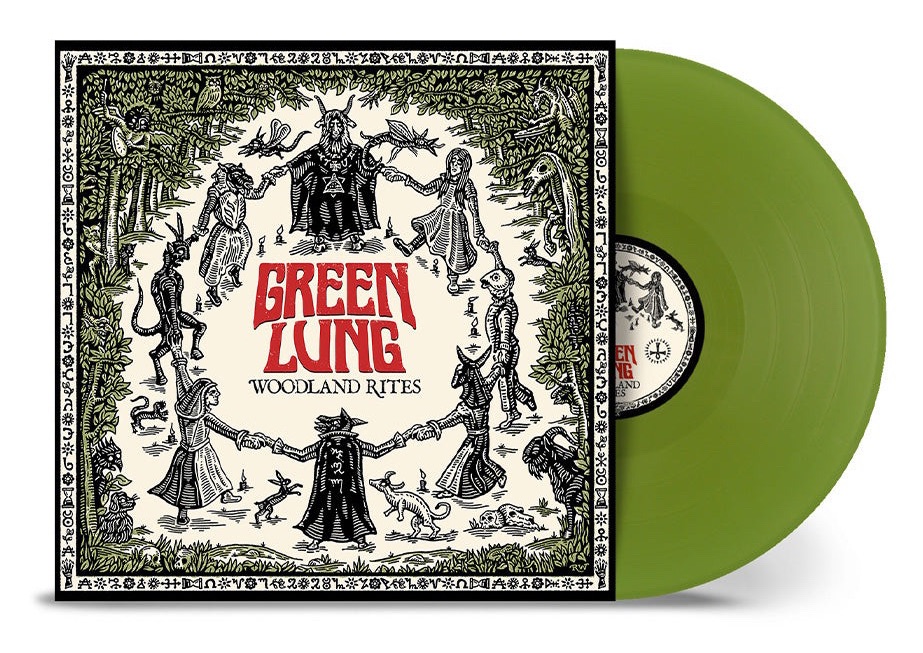
Woodland Rites
Nuclear Blast Records
2019 (2015 reissue)
Nothing beats finding an LP on your wishlist. I recently found Green Lung’s Woodland Rites (2019) while browsing at my favorite record store (Minneapolis’ Electric Fetus). A bonus was finding the British folk horror classic during the Fetus’ Halloween sale (20% off) – cosmic!
From my best of 2019 blog post:
“One of the best things I have done on Instagram has been to follow hashtags – I have discovered so many cool things from that. The album cover for Green Lung’s Woodland Rites showed up in my Instagram feed and it caught my attention. I decided to give it a listen and instantly loved it. It reminded me of Ozzy-era Black Sabbath. Physical versions are hard to obtain (there is not a domestic release), but it is available on streaming services.”
I have been looking for a vinyl copy since then. I recently found a copy at the Electric Fetus in the new LP Metal section (not my normal section, but I have seen other Green Lung titles there in the past). I didn’t exactly stumble upon the album, as almost every time I go to a record store, I look for this record (and Soft Machine Bundles). I could have ordered it from the band, but that would have meant ordering it from England (currency conversions, expensive shipping, etc.). I assumed, given the buzz the band was getting, it would eventually show up in U.S. record stores. I refuse to use Discogs, eBay, etc., as I prefer to find my crate digger’s gold in the wild.
Green Lung is a British stoner/doom metal band formed in 2017 in London. The band’s first signing was with German independent label Kosmic Artifactz, with whom they released their first EP, Free the Witch, in 2018, and then their first LP, Woodland Rites, in March 2019 (I would love to find a Kosmic Artifactz version of Woodland Rites – there is one copy on Discogs at the moment for $230!). They then signed with Finnish doom metal label Svart Records in 2020, releasing Black Harvest in October 2021. The band eventually signed with Nuclear Blast Records in July 2022, who reissued Free the Witch and Woodland Rites.
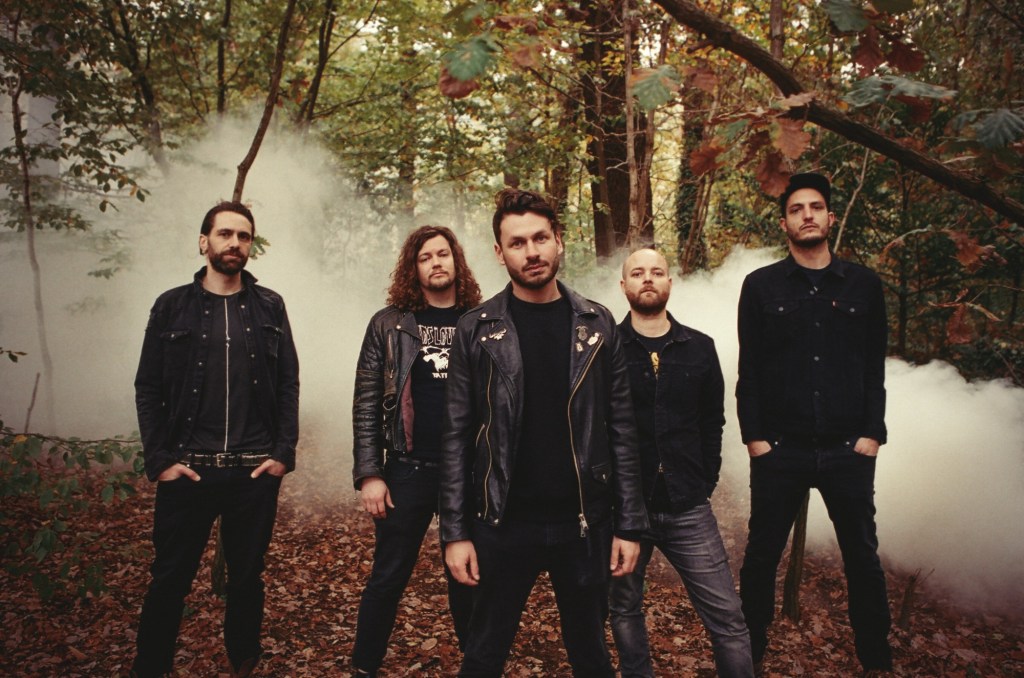
Googling, I learned that Green Lung is a kind of big deal in the UK’s metal, stoner, and doom scenes (whatever the hell that means). They have headlined UK metal festivals and have grown to fill 1500 capacity rooms (the equivalent of First Avenue here in Minneapolis).

I am not much of a contemporary metal guy, but I do love what we called heavy metal/hard rock back in the ’70s. Green Lung evokes the bands from that era (Black Sabbath, Deep Purple, Led Zeppelin, Judas Priest). They sound like a lost band from that era.
Lyrically, the album explores British folk horror and pagan/occult spirituality—complete nonsense, but the perfect pairing with the heavy metal music. This is tricky territory; it worked for Sabbath and Zeppelin, but it comes off as cringy when Gretta Van Fleet does it. Somehow Green Lung threads the needle.
I love their woodcut UK folklore iconography on Woodland Rites, which was created by the renowned woodcut artist Richard Wells. Wells is known for his work in folk horror.
The vinyl version is a nice, clean pressing, and its analog warmth feels appropriate for their vintage sound.
The LP I found is a 2025 U.S. reissue on Nuclear Blast Records, pressed on olive-green vinyl (a perfect aesthetic choice). Oddly, this release is not even on Discogs. There is a UK/Europe version that does match up; however, the Discogs notes state: “Features a remaster by John Davis, the same remaster used in a previous reissue. Exclusive band variants as well as standard editions from the Green Lung store, Nuclear Blast, and other retailers exist.”
After listening to this album for years, it has become one of my favorites—it is great to finally have it on vinyl.

Quick take: Mopey Carmy from The Bear is a plausible stand-in for what brooding Bruce was going through while making Nebraska.
I am suspicious of music biopics—they typically suck. The 2005 film Walk the Line about Johnny Cash was a box-office success (and I liked it), grossing over $186 million and costing a mere $28 million. The big box-office success was 2018’s Bohemian Rhapsody about Queen’s Freddie Mercury, which nearly earned a billion dollars on a $50 million budget. I hated it, but then I never really got Queen, even after seeing them live back in the day. Queen hits were novelty records. Bohemian Rhapsody was such a success that studios keep betting that lightning will hit twice. 2024’s A Complete Unknown (about the start of Dylan’s career) did well, doubling its investment.
I am a huge Dylan fan, and I liked A Complete Unknown. I was worried the movie would pull it off, but it did: it captured Dylan’s magic. The best part of that movie for me is that it helped my wife to understand my obsession with Dylan.
I am also a Bruce Springsteen fan, just not as obsessively as Dylan. I was worried about Springsteen: Deliver Me from Nowhere even more than usual for a biopic, since the actor playing Springsteen is Jeremy Allen White, Carmy from the TV series The Bear—a role he may never recover from. White has such distinct facial features that I assumed it would be impossible for him to impersonate anyone. But I had hopes for the movie because I liked the movie’s premise: the making of Springsteen’s Nebraska. Springsteen’s Nebraska is one of the top pop star gambles of all time, and it paid off handsomely for Springsteen.
Nebraska is a legendary album. Springsteen had been on a nice upward trajectory. His previous album, The River, had been a critical and commercial success (and his first pop hit: “Hungry Heart”). However, Bruce wasn’t feeling it. His depression had caught up with him, and he wasn’t sure he wanted to become a pop star. Springsteen was a rarity: he was on a roll and had new hit songs in his back pocket that were sure things, like “Born In The U.S.A.” He could choose to become the biggest rock star of his generation if he wanted to be. Springsteen was having an existential crisis: he wasn’t sure he wanted to claim his ticket to the big time.
He followed his muse and left the hits in the can, instead releasing an album, Nebraska, an emotionally dark, lo-fi collection of original folk songs recorded as bedroom demos, as his follow-up to The River. It somehow worked (for obsessive fans at least) and became a palate cleanser for the biggest album of his career: Born In The U.S.A. Over time, Springsteen’s reluctance to go for the brass ring has given him Dylanesque credibility. It also sparked desire among his fans for Electric Nebraska, as it was common fan knowledge that Springsteen had recorded the Nebraska songs with the E Street Band while they were working through what would become Born In The U.S.A. Springsteen is now drafting off the movie by finally releasing Electric Nebraska as part of the Nebraska ’82: Expanded Edition box (more about that in a future post).
The Nebraska story is a good idea for a biopic if you want to appeal to a niche audience. Mopey Carmy from The Bear is a plausible stand-in for what brooding Bruce was going through while making Nebraska. Thankfully, the movie makers mostly avoided White impersonating the Born In The U.S.A. version of The Boss (when they do it fails), but mopey Carmy playing mopey Bruce works.
However, this will probably not work for the general public. I went with my wife, who is a good proxy for the general public. She knows the hits and has seen the E Street circus live. She is a fan of sexy Born In The U.S.A. Boss and not existential angst, Bruce. She was disappointed in Springsteen: Deliver Me from Nowhere. I assume her point of view is normal, and my appreciation is a minority one.
The movie captured my understanding of the Nebraska gamble, which wasn’t a gamble; Bruce couldn’t help himself. I didn’t learn anything beyond what I already knew as a Springsteen fan. But I did enjoy seeing the story on the big screen. I am now ready to sink my teeth into Nebraska ’82: Expanded Edition box.
White is as effective at impersonating Nebraska Bruce’s voice and personality as Timothée Chalamet was at impersonating Dylan, that is a B+. There was an early scene in the movie where White was recreating a show performance from The River, and he can’t pull off Epic Bruce – but who could? But brooding bedroom Bruce, White pulls that off.
Overall, I was satisfied with the movie, but I give it a qualified recommendation—this is for Boss obsessives only. I also assume that historical literalists will struggle with artistic licence, for example, the composite character, Bruce’s love interest Faye Romano.
P.S. We saw the movie at a Dolby Cinema at AMC. Per AMC:
Dolby Cinema unlocks the emotional impact of every film, allowing you to see the subtle details and ultravivid colors of Dolby Vision© and hear the immersive sound of Dolby Atmos© while seated in cutting-edge, reservable, spacious recliners. This unmatched combination is so lifelike – you’ll forget you’re at the movies.
My take:
- It looked great
- Atmos was too loud and too harsh; the vibrating bass was a distraction; amazingly, the dialogue is hard to hear; in summary, overrated
- The seats are not that comfortable
- I never forgot I was in a movie theater

In the Spring of 1988, I walked into my favorite record store at the time, Dave Biljan’s The Flip Side, in St. Paul, across from St. Kate’s. I loved the shop because it had a great selection of quality used records, reasonable prices, and Dave was a rarity in a record store – a friendly and unpretentious guy. Many who work in record shops are aloof.

On this particular day, I asked Dave, “What’s new?” And he immediately pulled a promo copy* of Tracy Chapman’s debut and insisted that I buy it. I had no idea what it was, but I trusted Dave. When I brought it home and dropped the needle, I was blown away. Dave never led me astray.

Within a month, I saw that Tracy Chapman was playing at First Avenue/7 Street Entry. My memory is foggy, but I think she played solo at the Entry, not the Main Room (I could only verify that she did play at one of the venues on Friday, May 06, 1988).
Tracy Chapman’s debut album was a critical and commercial success. It was certified 6× platinum (that is, 6 million copies) by the Recording Industry Association of America. It received six Grammy Award nominations (1989), including one for Album of the Year, three of which she won: Best New Artist, Best Female Pop Vocal Performance for her single “Fast Car,” and Best Contemporary Folk Album.
The song “Fast Car” experienced a recent resurgence with country star Luke Combs’ cover, which became a number-one single on the Billboard Hot Country Songs and Country Airplay charts in 2023. This achievement earned Chapman the Country Music Association Award for Song of the Year, making her the first black person to win the award. Chapman had a viral moment in 2024 when she performed the song with Combs at the Grammys.

(Credit: Getty Images)
The album’s folk-rock music style, political lyrics, queer, and soul-searching themes really stood out in the late 80s – a period dominated by glam metal, the rise of electronic genres like techno and house music, the “golden age of hip hop” with artists like Run-D.M.C., and the development of alternative rock styles such as noise rock and industrial rock. Chapman’s album arrangements were characterized by an acoustic guitar at the forefront, along with some light folk-rock flourishes. But the most prominent feature is Chapman’s contralto (a lower register for females) vocals, which were unique, reminding me of British singer-songwriter Joan Armatrading, and are somewhat androgynous. The album’s arrangements and Chapman’s vocals are the perfect fit for her songwriting. The whole presentation is simple but elegant. It is an impressive debut.

The album opens with “Talkin’ ‘Bout a Revolution,” which is a simplistic protest song with the lyric:
Poor people gonna rise up
And get their share
Poor people gonna rise up
And take what’s theirs
The song was written during the age of Reagan and Bush, when the saying “Greed is Good” was a cultural mantra. The song has been invoked in actual revolutions and was the unofficial theme song for Bernie Sanders’ 2016 presidential campaign.
“Fast Car” was the first single and the song that catapulted Chapman to stardom. The song wonderfully captures the feeling of being stuck in a dead-end situation and yearning to escape.
The intro of “Across The Lines” sounds like a R.E.M. song and quickly shifts to a Tracy Chapman song. Lyrically, it speaks of tensions between the races in America.
“Behind the Wall” is an a cappella tale of domestic violence. The a cappella performance makes the song particularly haunting, coupled with the bleak lyrics.
“Baby Can I Hold You” is a conventional love song with the simple message: treat me right, apologize when you are wrong, and love me.
“Mountains O’ Things” is a song about consumerism with a percussive keyboard riff that would not sound out of place on an ’80s Peter Gabriel album. The arrangement sounds a bit out of place on the album.
“She’s Got Her Ticket” has a slight reggae lilt. The character in “Fast Car” who wants to escape now has a ticket out in this song.
“Why?” is a conventional protest song that lists a series of contradictions.
“For My Lover” is a song about forbidden love. Chapman has been evasive about her sexual orientation, but this song is clearly about a gay relationship, which in 1988 had a stigma.
“If Not Now…” is a gorgeous piano-forward live-for-the-moment ballad.
“For You” ends the album on a plaintive note. The song talks about trusting your heart over your head.
Many protest songs are heavy on the protest and light on the song. Chapman’s gift is that she knows how to write a hook – the songs on this album are genuine earworms, which is why she had such commercial success. The melodies lure you into the message, ultimately enhancing it. Another unique feature of this album is the exceptional quality of the recording; it is so sonically well-executed that it is one of my go-to recordings for test-driving stereo equipment. This is one of the most impressive debut albums, and unfortunately, it overshadowed the rest of her career.
*Promo copies often feature distinctive marks, like “Promotional Use Only” or “Not for Sale” printed on the label or sleeve, a different colored label, or a plain white label. These special pressings were often sent to radio stations and DJs in limited quantities. I sought them out because they were like new (but about half the price) and for their higher sound quality, as they are often among the first pressings made using the original stampers. My copy of Tracy Chapman’s debut is a pristine promo with outstanding sound quality—significantly better than the Redbook CD quality (16-bit/44.1 kHz) found on streaming services.


For the TL;DR crowd: Mega-success and love have not ruined Taylor Swift – she can still churn out the bops and bangers, the upbeat and cheeky tone is an antidote to our dark times.
Taylor Swift didn’t resonate with me until her album 1989 (released in 2014). And I only got into that because of the Ryan Adams cover of the album. Once on the bandwagon, I have not gotten off. I am not obsessive enough to be considered a Swifty, but I am definitely a fan. I don’t fit the stereotypical demographic as a 66-year-old male who primarily listens to Americana, jam bands, indie rock, and jazz. However, I do have a soft spot for the occasional pop star, such as Swift, Gaga, and Madonna.
I was concerned about The Life of a Showgirl. Would the massive success of the Eras Tour and the Travis Kelce romance ruin her art? The good news is no. The new album is sparkling pop music at its finest. Swift wrote and produced “The Life of a Showgirl” with mega-producers Max Martin and Shellback, marking the duo’s first collaboration since “Reputation“ (2017). They were also responsible for the big tracks in 1989 (“Blank Spaces,” “Shake It Off,” and “Bad Blood”).
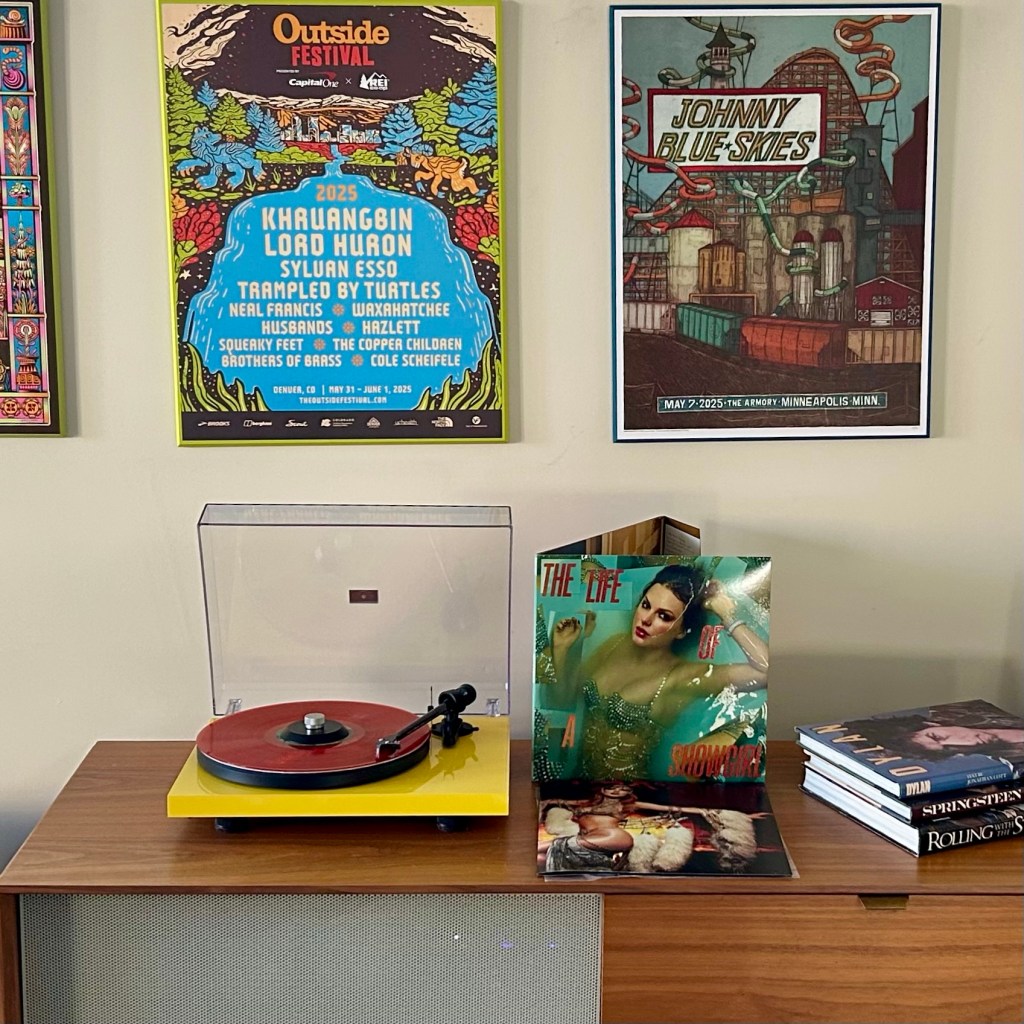
The album opens with “The Fate of Ophelia,” which is dance pop, or as we oldsters call it, disco. This is a Travis Song – the opening line: “I heard you callin’ on the megaphone” is a reference to him using his platform as a famous NFL player and podcaster to get a date with Swift. The title refers to William Shakespeare’s famous play Hamlet, where Ophelia goes insane and commits suicide by drowning herself after her father’s death. The song suggests Travis saved Swift from this fate. Swift is promoting this as the album’s first single, and it is, as the kids say, a banger.
“Elizabeth Taylor” has a singer-songwriter vibe, and I interpret it to be a recognition that Tay and Big Yeti are the biggest celebrity couple since Liz Taylor and Richard Burton.
The “Opalite” sound is a nod to late 1970s Fleetwood Mac (hopefully Taylor and Travis have a better fate than Stevie and Lindsey). Opalite is a milky, iridescent glass substitute for genuine opals. This is another Travis song (Easter egg alert: the opal is Travis’ birthstone) – after a bunch of failed relationships, this is the one: “Never met no one like you before.”
“Father Figure” is a nod to George Michael (it contains an interpolation of “Father Figure,” a 1987 song written and performed by George Michael). The song appears to be about her nemesis, former record label CEO Scott Borchetta, whom she equates to a mafioso. However, Taylor gets the last laugh: “You made a deal with this devil, turns out my dick’s bigger” – I assume this is a reference to Taylor gaining control of her catalog.
“Eldest Daughter” has a classic Swift sound with a sparse piano-focused arrangement. On Amazon Music, Taylor has a commentary introduction to each of the songs. On this one, she says:
“It’s a love song about kind of the roles that we play in our public life, because nowadays everyone has a public life. You have a life that you portray to other people or what you portray on social media, and then you have the you that everyone gets to know who has earned the right to be closest to you. And it’s really hard to be sincere publicly because that’s not really what our culture rewards. People reward you for being like tough and unbothered and like too busy to care. And you may be that about some things, but everyone has things that matter to them and people that matter to them. This song really kind of gets to the heart of when someone gets close enough to you to earn your trust, that’s when you can admit to them that you actually really do care about some things.”
“Ruin The Friendship” features a fantastic bass line, classic Taylor, making it easy to sway and sing along to. I love the flutter pop vocal. Per Taylor, the song is about “the idea of if you told this person you had feelings for them or if you kissed this person, you might ruin the friendship. And it kind of goes back in time and, and explores what really would have been so bad about that.” The key lyric: “Should’ve kissed you anyway.”
“Actually Romantic” is a signature Taylor diss track about someone who is insulting toward you, and the comeback troll is suggesting their bile is actually a sign of how infatuated they are with you. According to the internet, the song is a response to Charli xcx, who has called Swift a “Boring Barbie.”
“It’s actually sweet
All the time you’ve spent on me
It’s honestly wild
All the effort you’ve put in
It’s actually romantic“
“Wi$h Li$t” – after all the fame and fortune, the song’s narrator just wants a mundane life, married with kids living in the suburbs.
“I just want you, huh
Have a couple kids, got the whole block looking like you
We tell the world to leave us thе fuck alone, and they do, wow
Got me drеaming about a driveway with a basketball hoop
Boss up, settle down, got a wish list (Wish list)
I just want you“
“Wood” evokes the Jackson 5, but the lyrics are not so innocent. It is cheeky and filled with sexual humor:
“Forgive me, it sounds cocky
He ah-matized me and opened my eyes
Redwood tree, it ain’t hard to see
His love was the key that opened my thighs”
CANCELLED! is typical rock star complaining – it is tough to be on top. Musically, it has a Lady Gaga vibe. The chorus says it all:
“Good thing I like my friends cancelled
I like ’em cloaked in Gucci and in scandal
Like my whiskey sour
And poison thorny flowers
Welcome to my underworld
Where it gets quite dark
At least you know exactly who your friends are
They’re the ones with matching scars“
“Honey” can be a term of endearment, but it can also be used as a weapon. Taylor plays with that contradiction. Apparently, Travis is the good honey.
“You can call me ‘Honey’ if you want because I’m the one you want
I’m the one you want
You give it different meaning, ’cause you mean it when you talk”
“The Life of a Showgirl” (featuring Sabrina Carpenter) is Taylor’s commentary on show business. It is a hard life, but: “And now I know the life of a showgirl, babe / Wouldn’t have it any other way” Per Taylor:
“It is the story of a fictional showgirl named Kitty and how my character in the song goes to see her perform and is completely inspired by her. But rather than responding with, like, fakeness, she tells it like it is. And she kind of warns me off of this lifestyle because it’s much more than just the glitter and the glamour. There’s a lot else that comes with it. so it’s kind of an ode to show business and the women who move through those pitfalls and obstacle courses I thought who better to ask to be a part of this song than the ultimate show girl Sabrina Carpenter.”
Overall, The Life of a Showgirl is a success, but it is too early to rank it in her catalog (this post is based on mere 24 hours with the album). I love its upbeat and cheeky tone as an antidote to our dark times. Mega-success and love have not ruined Taylor Swift – she can still churn out the bops and bangers!

Since 1996, the Minneapolis hip-hop duo Atmosphere, comprising rapper Slug (Sean Daley) and DJ/producer Ant (Anthony Davis), has remained remarkably consistent. Three decades in, Jestures is proof that they are still on top of their game.
Atmosphere is one of a handful of hip-hop acts that I actually like. I dig Ant’s vintage funk and soul beats, as well as Slug’s flow and storytelling lyrics. The fact that we are all Minneapolis southsiders doesn’t hurt either. Atmosphere are aging gracefully which has made it easy for this old man to follow their career.
From the Rhymesayers Entertainment website:
On Jestures, Atmosphere’s sprawling new album, Slug digs deep into the complexities of life, confronting the unexpected points of friction in middle-aged domesticity and stability. Long past the belief that great art needs great pain, he challenges the notion that creativity must stem from trauma. Instead, their fifth release of the 2020s explores a different kind of tension—one rooted in reflection, responsibility, and the quiet revelations of daily life. The result is a record that captures personal evolution without romanticizing the past or fearing the future.
The album’s format is as ambitious as its themes: 26 songs, each beginning with a different letter of the alphabet, sequenced in order from A to Z. Even the guest features follow suit—Evidence appears on “Effortless,” Kurious on “Kilowatts,” and Musab, Muja Messiah, and Mike the Martyr all land on “Mash.” While the tracklist might seem sprawling, many of these songs are deceptively short—often just one or two verses—delivering their core ideas with surgical precision. The effect is a curated, flowing mosaic that captures a full emotional and creative arc without overstaying its welcome.
More than a retrospective, Jestures is a meditation on movement and meaning—on how time shapes us, and how even the mundane can be transformative. Slug blends past and present with ease, referencing iconic Atmosphere sounds while exploring evolving relationships, memory, and self-awareness. Ant’s rich production provides the perfect backdrop, shifting between electro-glitch, somber drones, and playful twang. At its heart, Jestures is a story of progress, building toward a future defined by resilience and creative clarity.
Despite the restrictions of the alphabet concept, the song sequence doesn’t feel forced. The album flows smoothly.
I have met Slug and Ant a few times (Minneapolis is ultimately a small town, and these are the least pretentious “rock stars” you could ever imagine), and they are totally relatable. Slug declares he is an optimistic skeptic in “Ophidiophobia,” which is my brand – I can relate.
Jestures is not mind-blowing; it is just like meeting an old friend you haven’t seen in years and picking up where you left off, as if it were yesterday when you last talked.
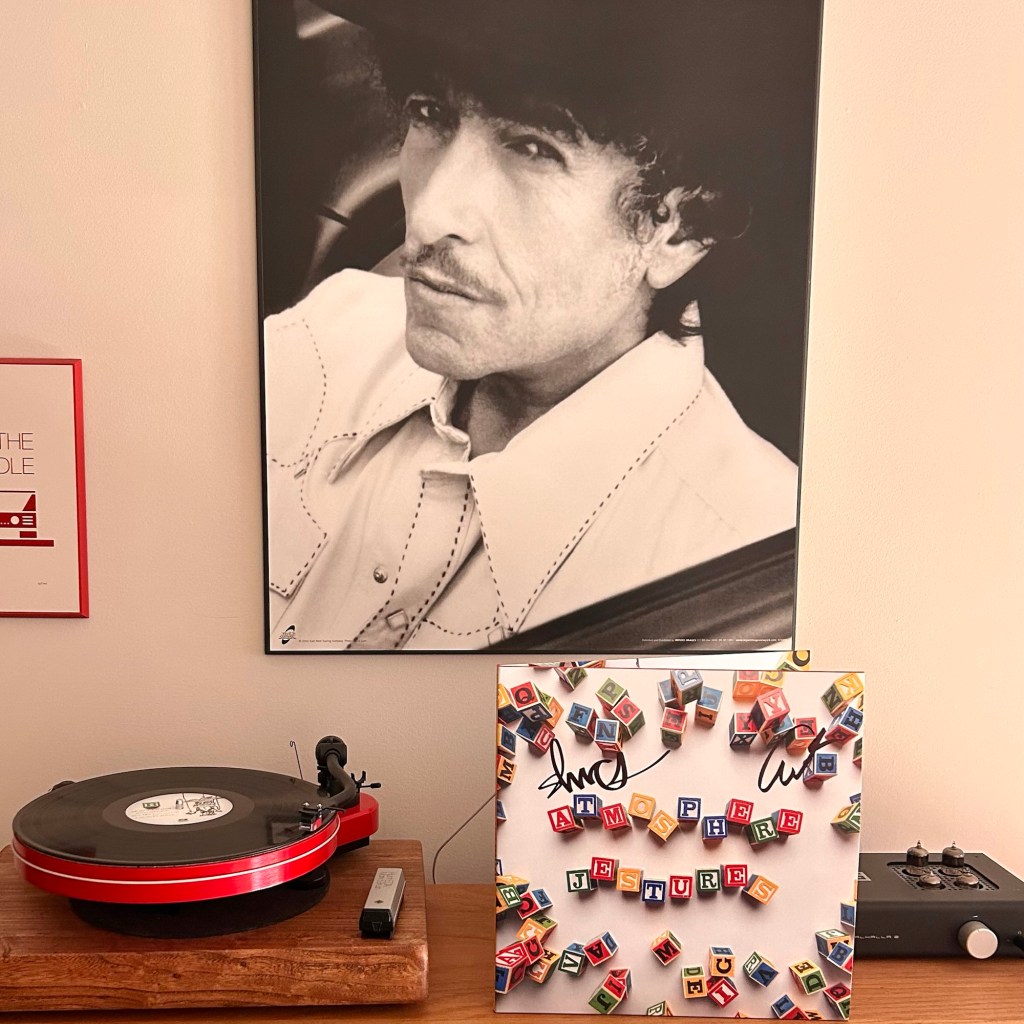
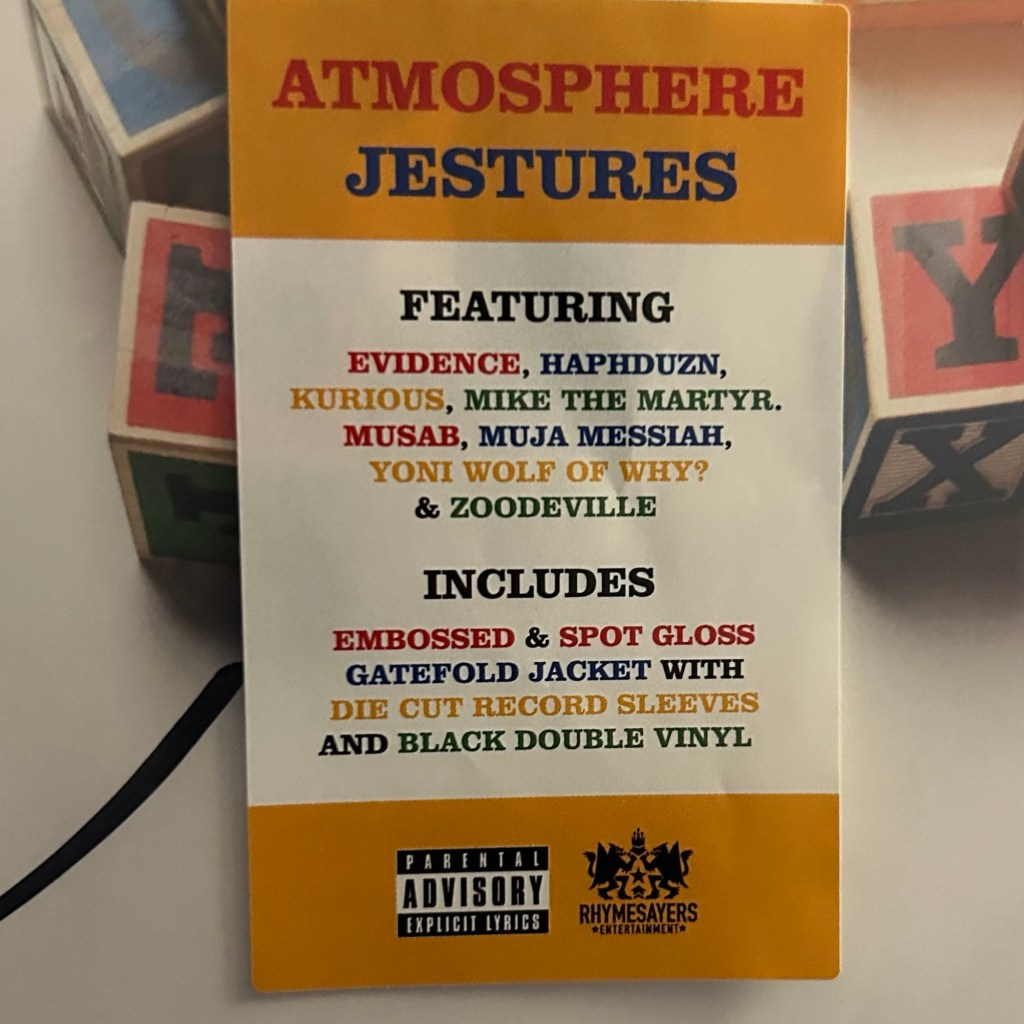
Postscript: I picked up Jestures at my favorite record store, Electric Fetus, in Minneapolis, and when I brought it up to the cash register, the clerk swapped it out for an autographed copy. Rhymesayers, Atmosphere’s label, does such a great job with packaging – per the hype label:
EMBOSSED & SPOT / GLOSS GATEFOLD JACKET / WITH DIE CUT RECORD SLEEVES
Tracklist:
Side A
- Asshole
- Baby
- Caddy
- Daley
- Effortless (feat. Evidence)
- Furthermore
- Grateful
Side B
- Heavy Lifting (feat. Haphduzn)
- Instrument
- Jester
- Kilowatts (feat. Kurious)
- Locusts
- Mash (feat. Mike the Martyr, Musab, and Muja Messiah)
Side C
- Neptune
- Ophidiophobia
- Past
- Quicksand
- Really
- Sean
Side D
- Trying
- Used To
- Velour
- Westbound
- XXX
- Yearning (feat. Yoni Wolf of WHY?)
- Zorro (feat. ZooDeVille)
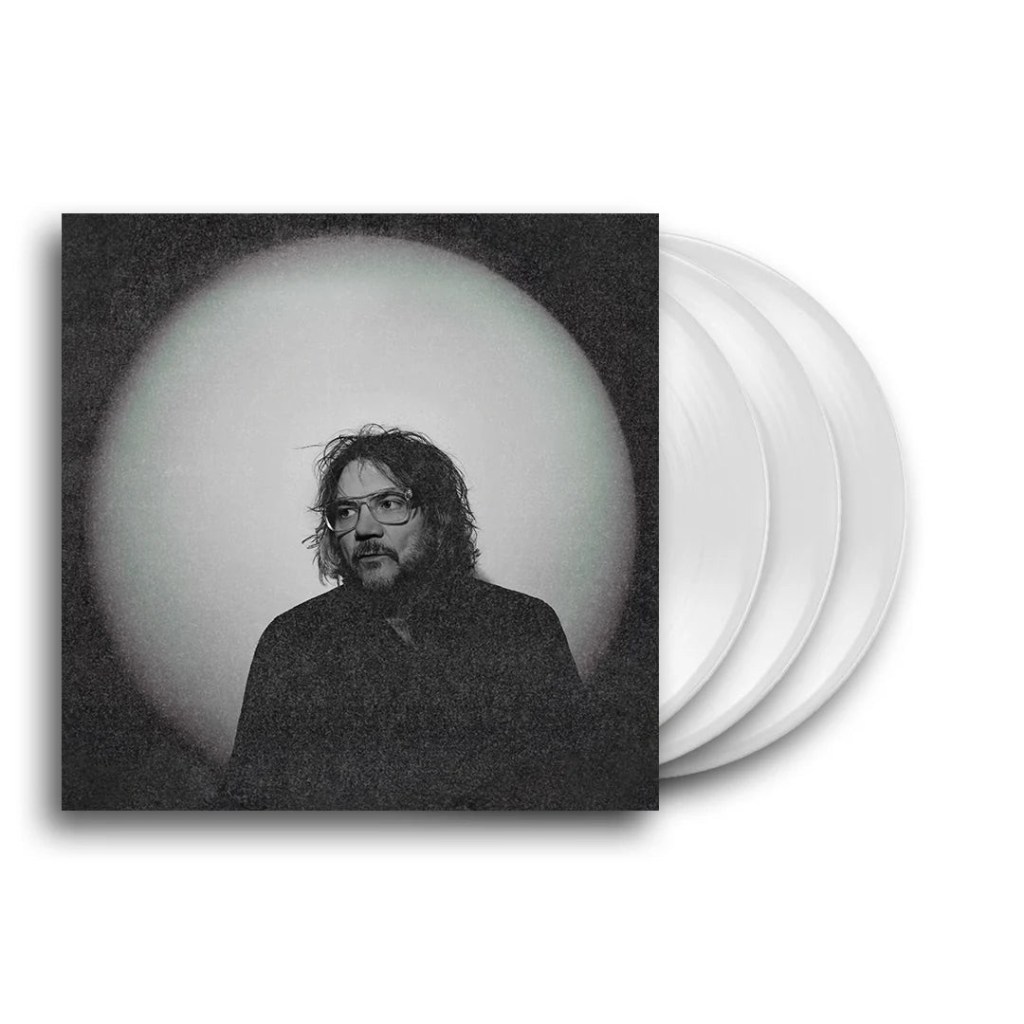
I am a huge Wilco fan, but Jeff Tweedy’s solo and side projects have generally not resonated with me—until now. Twilight Overdrive is as good as anything in the Wilco catalog.
Per Jon Pareles, in his album review/profile in the New York Times, he provides some of the backstory:
The way Jeff Tweedy tells it, “Twilight Override” — his new triple album, with 30 songs on three discs — got its start on a road trip.
Tweedy, who leads the long-running band Wilco, was planning a four-hour drive with his two sons, Spencer and Sammy. He decided it was a good occasion to listen all the way through “Sandinista!,” the 1980 triple album by the Clash: a sprawl of brash, style-hopping songs and studio experiments. Soon, the idea of making his own triple album took hold. In a video interview, he jokingly dubbed the new album “Sad-inista.”
A triple album is “counterintuitive,” he said. “By giving somebody a lot of music to luxuriate in, you’re setting up a little barrier. But it’s also for a certain type of listener to be rewarded. And I just thought that it flies in the face of a culture that’s gotten faster, more surface level.”
In a pre-release profile in Pitchfork, Tweedy is quoted:
“When you choose to do creative things, you align yourself with something that other people call God, and when you align yourself with creation, you inherently take a side against destruction. You’re on the side of creation. And that does a lot to quell the impulse to destroy. Creativity eats darkness.”
In interviews, Tweedy has suggested his ideal would be for the listener to consume the entire album in one sitting (that would be just shy of two hours). I have yet to do that, but Twilight Overdrive has been in my primary rotation since its release day (in the car, on bike rides, as background music, and active listening, etc.). So I am certainly luxuriating. With each listen, I am not growing tired of it, nor am I tempted to skip a song, and with every listen, I discover a new favorite song.
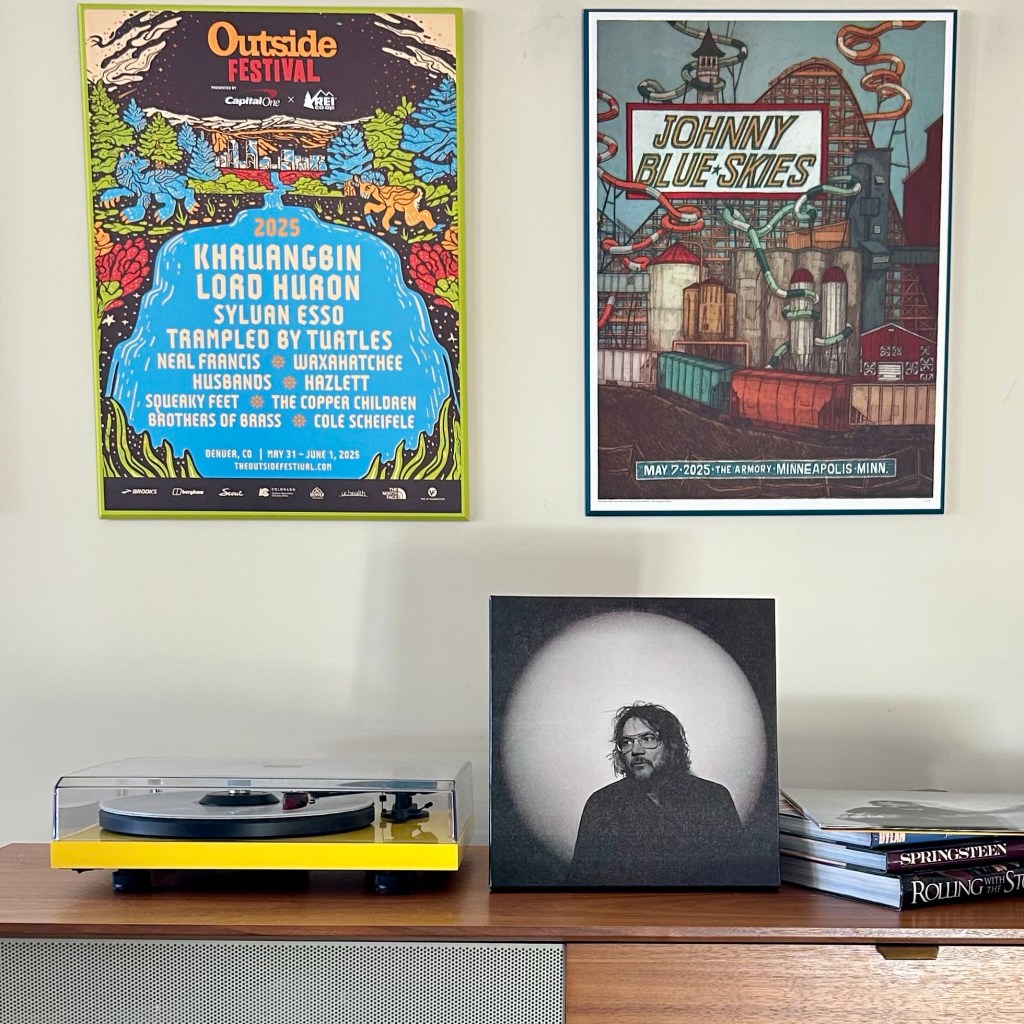
The collection is generally more relaxed and mellow compared to a Wilco album. Not sloppy, just casual. It is not entirely acoustic, but acousticish (there is some trademark Tweedy cacophony too). It is how I imagine a song sounds before Wilco, the band, “Wilco’s it up.” You forget that, despite Tweedy’s prominence in Wilco (as lead vocalist, composer, lyricist, and frontman), Wilco is first and foremost a band. Twilight Override has a singer-songwriter vibe that is different than Wilco. I am reminded of John Lennon’s work after the Beatles – a whole other thing.
The more I listen, the more I understand that Tweedy did not intend these songs for Wilco. Twilight Override is just Tweedy, which is very Wilcoish, but different. Twilight Override is performed as a band, but not as Wilco: Tweedy (vocals, guitars, and a variety of instruments), Tweedy’s sons Spenser (on drums, vocals, and a variety of other instruments) and Sammy (keys and vocals), Kids These Days’ Kazar (bass, guitar, piano, and vocals), Finom the singer-songwriter and multi-instrumentalist duo Sima Cunningham and Macie Stewart (vocals and keys) and English singer-songwriter James Elkington (guitars, mandolin and piano).
I look forward to seeing Jeff Tweedy, with a full band, supporting this album cycle live later this fall at First Avenue in Minneapolis.

My first exposure to HAIM was a late afternoon performance at Lollapalooza in Chicago in 2016. Their 2013 debut, Days Are Gone, was well hyped, but didn’t catch my attention. The live performance was great, and so I checked out Days Are Gone, but I found my reaction was meh (although time has enlightened me – I now see its greatness). Their next album, Something to Tell You (2017), did hook me – “Want You Back” was a banger!
Women in Music Pt. III (2020) was even better– more experimental and quirky (in a good way). I quit (2025) is their best yet, and “Relationships” is their greatest single.
HAIM is a sibling band made up of three Haim sisters, Este (bass guitar and vocals), Danielle (lead vocals, guitar, and drums), and Alana Haim (guitars, keyboards, and vocals). Their Israeli-born father, Mordechai “Moti” Haim, and their American mother Donna, were both musical; though he had been a professional soccer player in Israel, Moti also played drums, while Donna won a contest on The Gong Show in the 1970s, singing a Bonnie Raitt song. The sisters played in various bands, and Danielle was a musician in various touring bands (Jenny Lewis, Julian Casablancas, etc.). In 2012, they released an EP and started gaining traction. They are famously close friends of Taylor Swift. Sibling bands are generally corny, yet when they work, they are sublime. HAIM works. HAIM has a dash of punky mischief, and they come off as if the Beastie Boys were a ’60s girl group – they are brilliantly ridiculous.
Since they first came on the scene, their Fleetwood Mac influence is obvious – something the band admits. I would specifically narrow that down to Lindsey Buckingham. Buckingham is the mad professor in Fleetwood Mac with the ability to create pop perfection and stay weird (and annoying). That is what I see them stealing from Fleetwood Mac: Lindsey Buckingham’s pixie dust. HAIM is on the weird to pop-perfection spectrum, leaning into the rock – despite being pop as AF, they are ultimately a rock band, and this becomes obvious when you see them live.
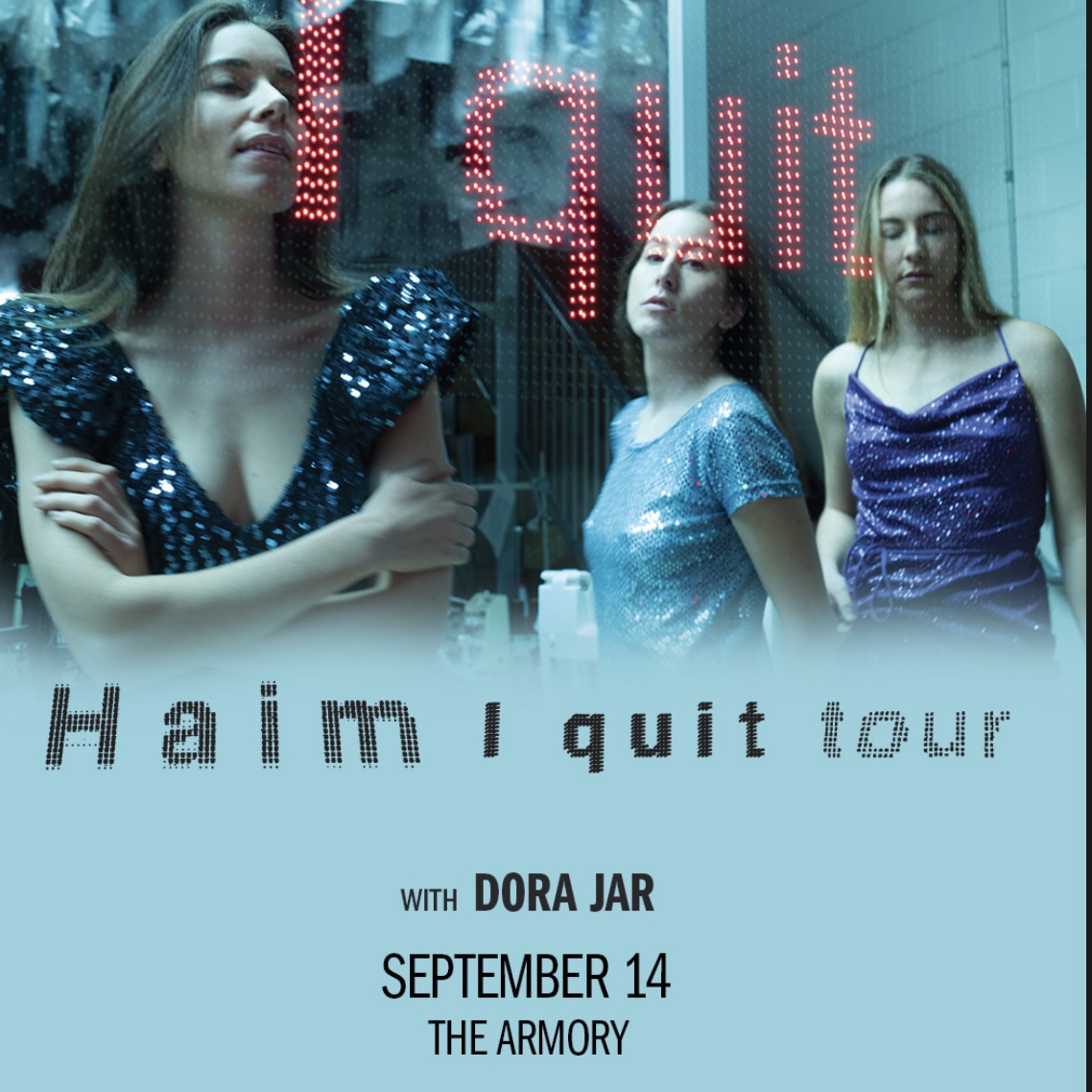
I quit is a perfection of the sound they have been evolving. It rocks, it’s funky, but also has a singer-songwriter vibe – they remind me of Sheryl Crow in her prime. I recently saw Haim live in Minneapolis, and the I quit songs were prominent in the set list (12 of the 15 songs from the album in a 21-song set). After hearing I quit live, I like it even more.

Margo Price has passed Steven Hyden’s five-album test. The five-album test is an artist or group releasing five consecutive albums ranging from very good to flat-out excellent. Many artists have five good to excellent albums over their career, but very few string five together consecutively. Margo’s five-album run:
- Midwest Farmer’s Daughter (2016) After years of struggling in Nashville, Margo took her last shot, pawned her car and wedding ring to record the album at Sun Studios in Memphis. She couldn’t get any labels to bite, but somehow convinced Jack White and Third Man Records to release a traditional country album, and she suddenly became an “overnight success.” I said at the time: “With a voice somewhere between Emmy Lou and Dolly and with the pen of Loretta Lynn, Margo Price storms out of a Memphis studio in a Nashville state of mind. This is one hell of a debut.”
- All American Made (2017) Her Third Man follow-up was solid, I said at the time: “This is no sophomore slump. Midwest Farmer’s Daughter was not the work of a rookie – Price was a mature talent in her early thirties with plenty of life and musical experience when she recorded it. So it is not surprising she has released a solid follow-up.“
- That’s How Rumors Get Started (2020) – After two albums produced by Matt Ross-Spang, Margo turned to her old buddy Sturgill Simpson to record a rock album. In my original review, I said: “Margo Price does not want to be boxed into a genre. After two magnificent country albums (I mean real country, not Nashville pop) she has released a 70s rock album and it is fantastic! There are so many influences: Stevie Nicks/Fleetwood Mac, the Stones, Tom Petty and The Heartbreakers, Linda Ronstadt – so many influences that it sounds original. Rather than copying her influences, she has been inspired by them.“
- Strays and Strays II (2023) – Margo brilliantly went down a psych-rock rabbit hole with Jonathan Wilson (Father John Misty’s producer) and perfected her rock sound into a female Tom Petty. It was perfect.
- Hard Headed Woman (2025) – Margo returns to her country sound with her original producer, Matt Ross-Spang, recording the album at the legendary RCA Studio A. Hard Headed Woman might be her best yet!
Per Jeremy Ivey, Margo’s husband and primary musical collaborator, hyping Hard Headed Woman on his Instagram:
“People seem to put so much emphasis on the current authentic no bullshit country revival, but don’t remember how it started. She was one of the ones to put up two middle fingers up and definitely the first woman since the likes of Lorretta Lynn to take a swing at the behind the times male centric universe of country music filled with bigotry and backwards thinking. The Nashville system that for so long has only used women as lustful objects and vapid ornaments. Fuck them! Here’s your villain you weak ass bitches! She’s a hard headed woman and she don’t owe you shit”
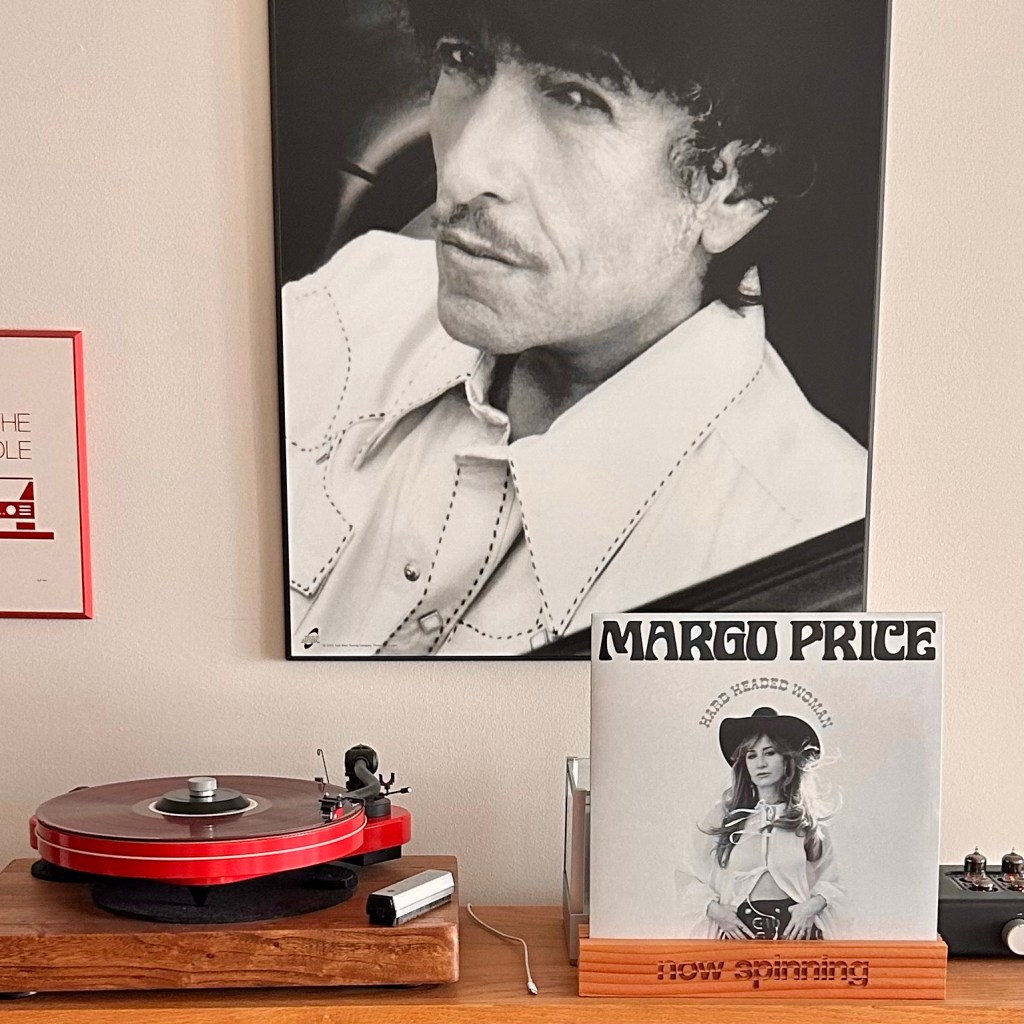
Hard Headed Woman track by track:
“Prelude {Hard Headed Woman}” is a brief opener that is based on everything I know about Margo, her elevator speech:
“I’m a hard-headed woman, and I don’t owe you shit
I ain’t ashamed, I just am what I am
And I am high as the heavens
I’m stubborn as hell
I ain’t ashamed, I’m just a hard-headed woman”
“Don’t Let The Bastards Get You Down” is classic Outlaw country. Coming out of Margo’s mouth, this sounds like a Nashville industry survival anthem, but its themes are universal to anyone trying to survive a soul-crushing line of work.
“Red Eye Flight” has a late 70s Emmylou Harris vibe. It combines breakup and traveling – a need to get out of town fast.
“Don’t Wake Me Up” (featuring Jesse Welles) is a song where the narrator would rather live in the dream world than the conscious world: “Don’t wake me up, I ain’t up for that.” Jesse Welles is the perfect male voice to subtly harmonize with Margo. Nice timing, Margo – just as Jesse Welles is having a moment!
“Close To You” has a Lucinda Williams vibe (and Margo namechecks Lu in the lyrics).
“Nowhere Is Where” is a gorgeous traveling song – yet another get out of town song.
“Losing Streak” is a lovely country-rock song that evokes both Dylan and Ryan Adams with universal sentiment: “Peace of mind is hard to find when you’re on a losin’ streak.”
“I Just Don’t Give A Damn” is a George Jones cover done as country funk with Bonnie Raitt sass.
“Keep A Picture” is a sad remembrance of a lover before things went south.
“Love Me Like You Used To Do” (featuring Tyler Childers) is a perfect bittersweet duet dripping with twang. The song was written by Steven Knudson, who appears to be an obscure Nashville Songwriter.
“Wild At Heart” is a lovely up-tempo country song that remembers a better time between a couple.
“Kissing You Goodbye” is an obscure Waylon Jennings song from an equally obscure 1996 Waylon album, Right For The Time. Love the Outlaw humor of the lyric: “So get your tongue out of my mouth, I’m kissing you goodbye.”
“Too Stoned To Cry” (featuring Billy Strings) is a bonus track on the CD edition (but is also available as a single on streaming services). The song was released as a single in September of 2024 and has been out there for a while. Classic country weeper with this chorus:
“There’s whiskey and wine
And pills for the pain
Fast easy women and a little cocaine
I’m walkin’ the line between hell bent and high
I ain’t happy, just too stoned to cry“
As much as I enjoyed Margo’s rock and roll detour, I am happy to have her back in the arms of country – especially her East-Nashville take on the genre which aligns with my alt-country/Americana taste. Great album and will for sure be on my best of 2025.
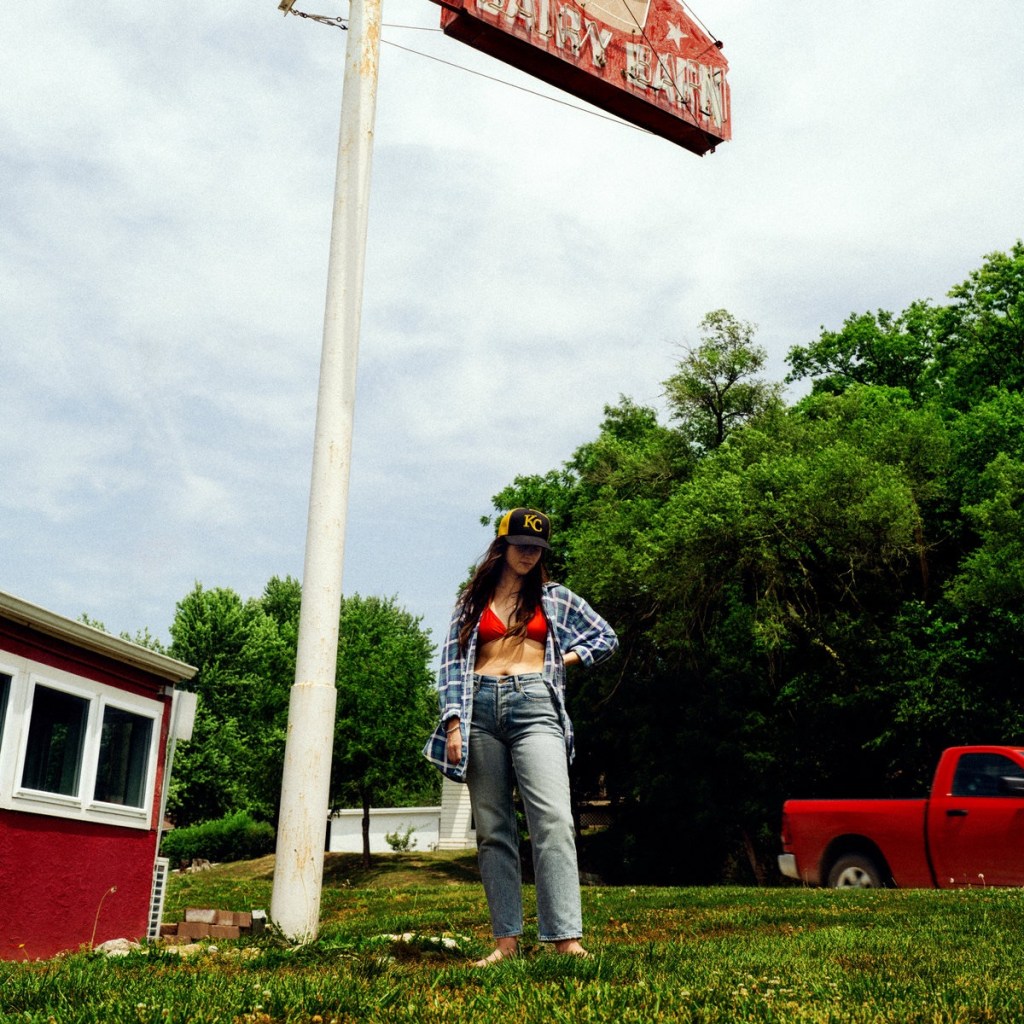
Sometimes you need to see an artist live in order to get it. For example, seeing Springsteen live at the St. Paul Civic Center in November of 1978. I recently witnessed Waxahatchee live at a music festival and was blown away. Now, when I listen to Tiger’s Blood, I get it.
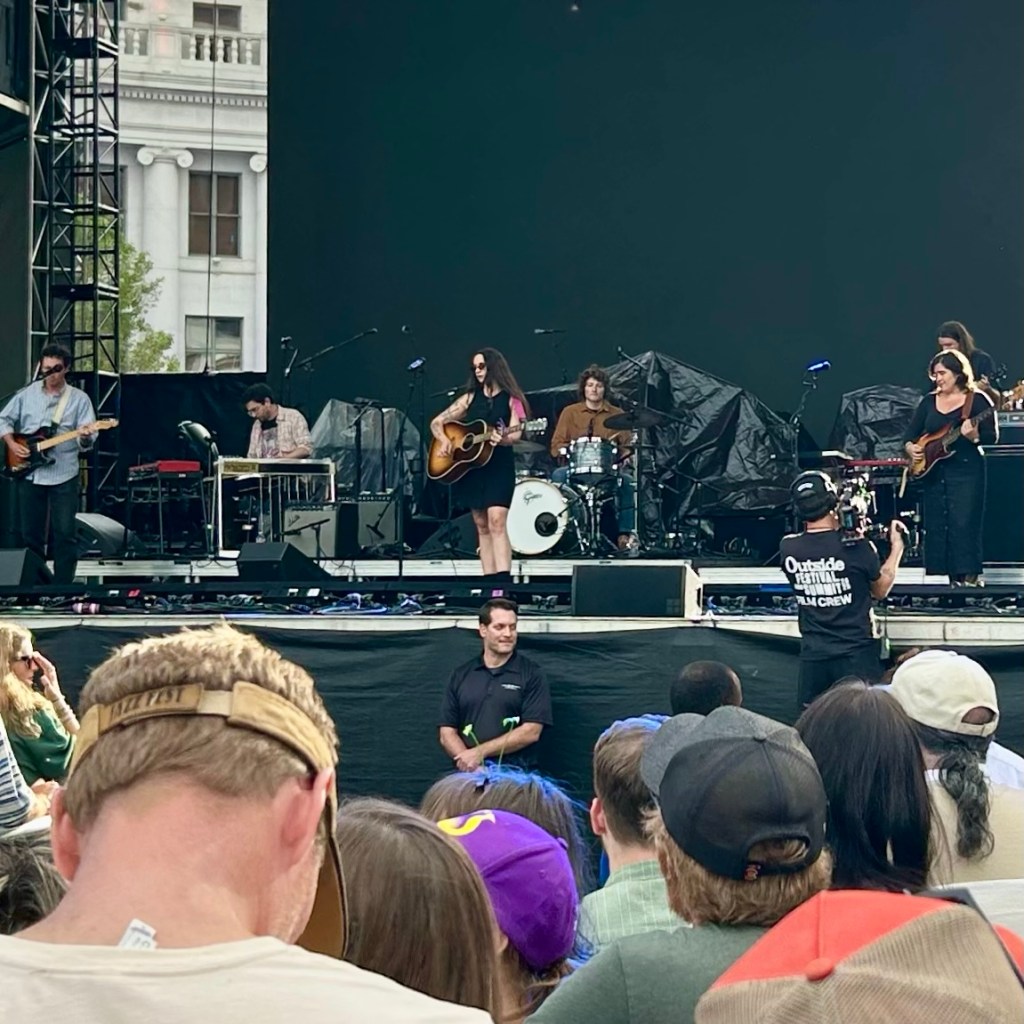
Waxahatchee is a musical project of singer-songwriter Katie Crutchfield. It started as an acoustic solo project but has evolved into a full band on recordings and in concert. On a paper, Waxahatchee checks a lot of my musical boxes:
- Female singer-songwriter
- Folky/Americana genere
- Crutchfield is an Alabama native, as are some of my favorite musicians (clearly, there is something in the water): Brittany Howard/Alabama Shakes, Jason Isbell, Sun Ra, St. Paul & The Broken Bones, Emmylou Harris, etc.
- She has a distinctive voice like her musical inspiration Lucinda Williams (whose music Crutchfield describes as being “printed on [her] soul”
I am not sure why it took me so long to get into her music, but now I am all in.
Tiger’s Blood has a low-key vibe and a lo-fi aesthetic, but it is the perfect aesthetic for the songs. It has some unique twists like the kick drum and rumbling bass that I can feel in my throat. It has some nice instrumental flourishes like banjo, slide guitar, and harmonica. MJ Lenderman, who is also having a moment in the Americana scene, is all over the record, playing guitars and providing harmony and backup vocals.
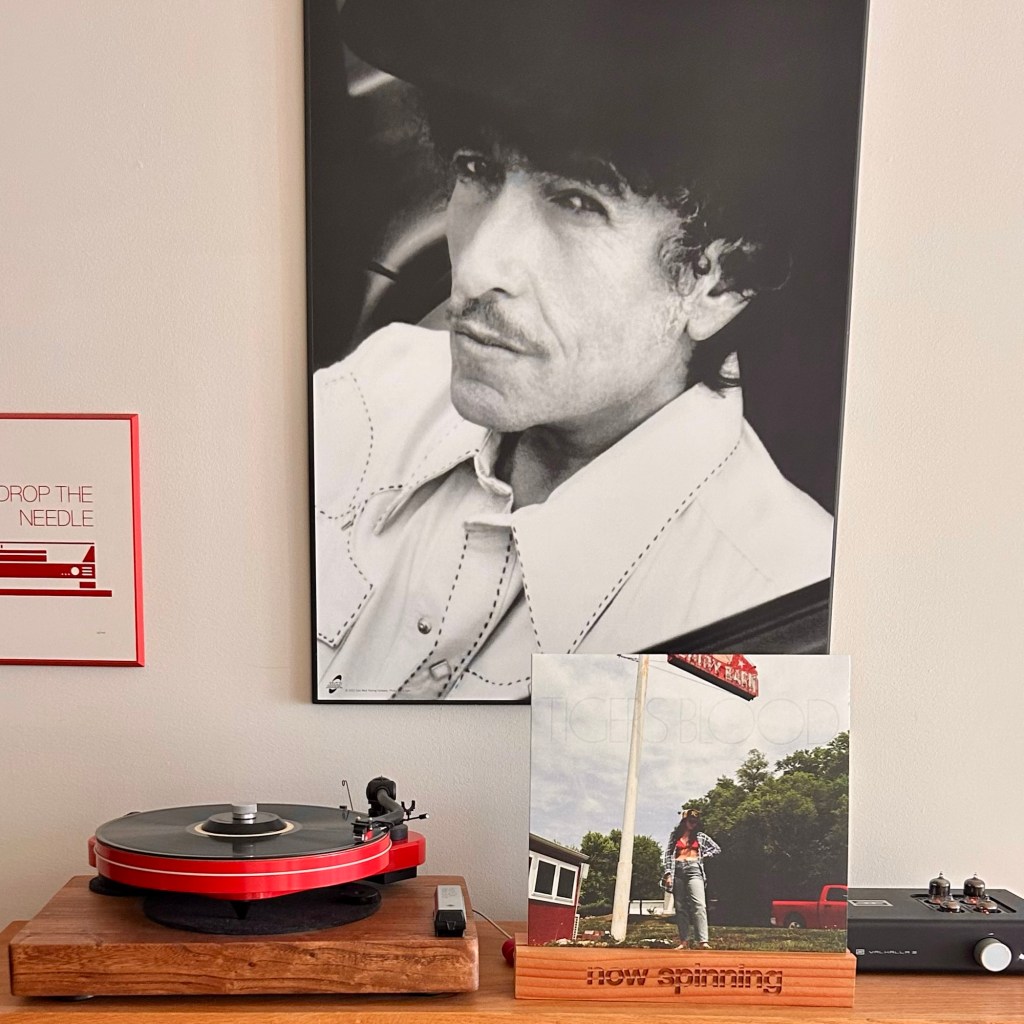
Tiger’s Blood
2024
The album received acclaim from critics, and it received a nomination for the Grammy Award for Best Americana Album. If I had given this album a chance in 2024, it would have been on my best-of list. One of the things I love about music festivals is that they open my ears to artists I would not normally listen to or, as in this case, an artist I had underestimated. I will be digging deeper into the Waxahatchee catalog after falling for Tiger’s Blood.


