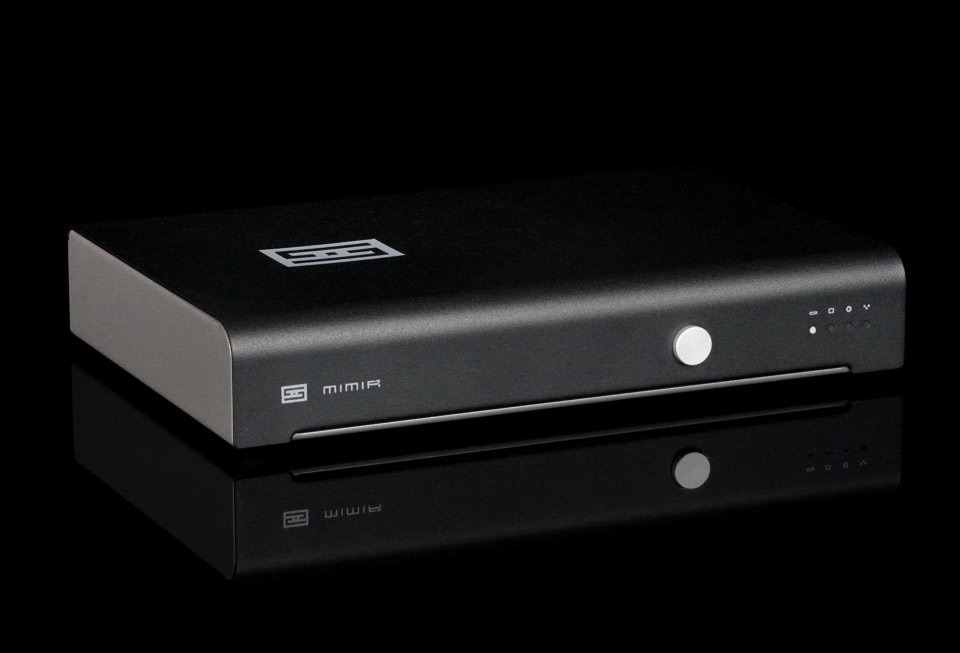
Balanced Mesh™ DAC, EQ, and
Preamp with Forkbeard™
How does Mimir sound? It sounds great – it has a nice warm analog sound, natural bass, and a wide soundstage. This is the perfect DAC for a vinyl record/tube guy like me. For a $300 DAC, it punches way above its weight.
If you are going to be an audiophile, you need to have a DAC. A DAC (Digital-to-Analog Converter) converts digital audio files (the 1s and 0s on your phone or computer) into analog electrical signals that your headphones or speakers use to produce sound. Every digital device you own (smartphone, laptop, TV) already has a built-in DAC. However, these built-in DACs suck. Built-in DACs on CD players and dedicated streamers are better, but still can be a compromise. Audiophiles use dedicated external DACs to get better sound and clarity. I purchased my first DAC (Jolida FX DAC Mini) about fifteen years ago (which coincided with my first tube amp). A decent DAC costs $100, but obviously, you can spend a lot more (the MSB Technology Sentinel DAC is $375K).
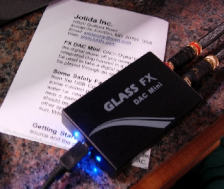
We have returned to Minneapolis for the summer, and I needed to add some reinforcements to the Loop Sessions (Minneapolis). I had brought the Oppo (used for CDs) from Minneapolis to the Desert 🌵 Sessions (Phoenix), and brought the Sony back from Phoenix to the Loop Sessions to replace the Oppo (long story; if you care, see the links). I discussed my predicament (a DAC that could serve both the Sony Blu-ray and the Bluesound Node at a reasonable price -sub $500) with my buddy Audiophile Paul from the Arizona Audio Visual Club (AAVC), who recommended the Schiit Mimir. I was easily convinced, as I have a couple of Schiit items already and love them. There are plenty of good DACs in this price range, but I dig the whole Schiit aesthetic.
From Schiit’s website regarding the Mimir:
An affordable balanced DAC with our own Mesh™ digital conversion, that’s also a full preamp and EQ via Forkbeard™? And it’s made in the USA? Yes. Welcome to Mimir, maybe the first truly new thing in DACs in, like, ever.
I am like warm sounds, low volume, and reasonable prices. My ears are drawn to tube-based components. I am pretty illiterate when it comes to the technical aspects of the audiophile hobby, yet I think I have discriminating ears.
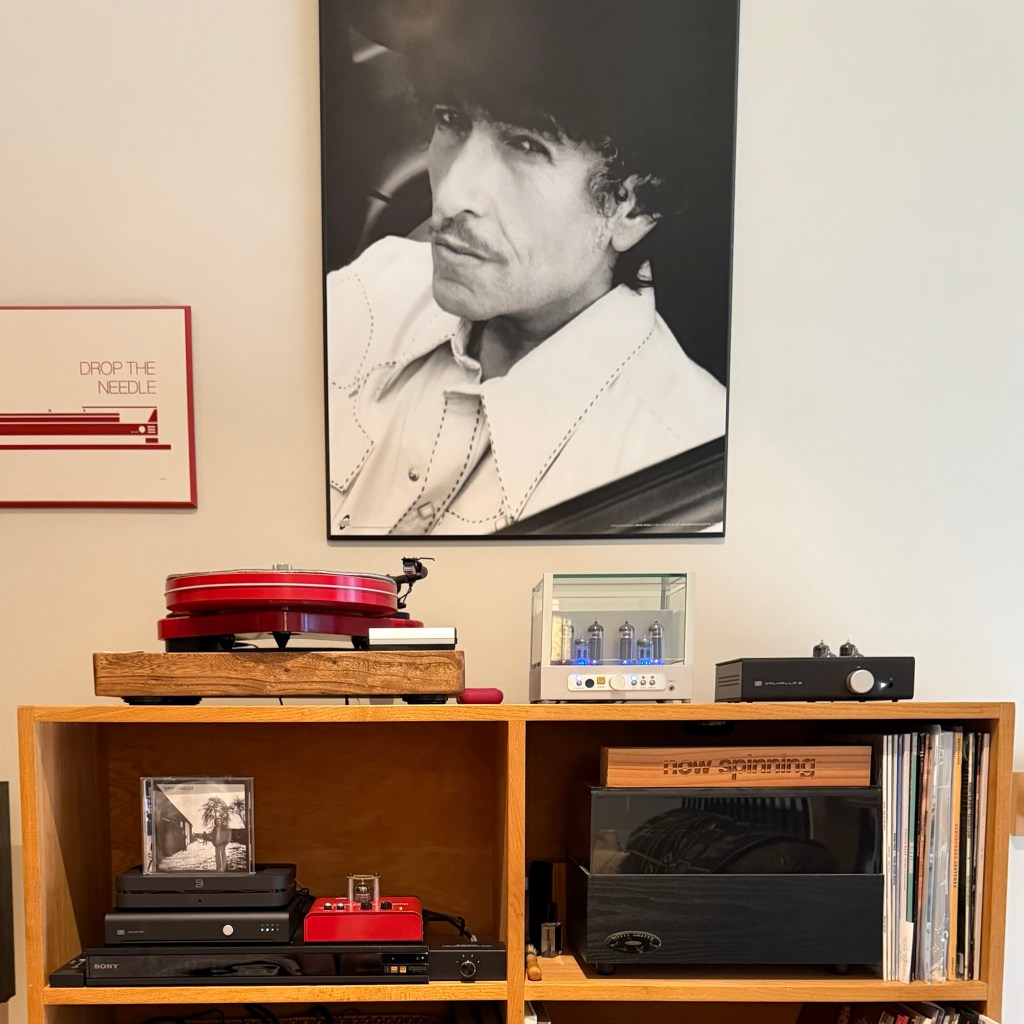
My Loop Sessions rig includes:
- Bluesound Node 2i streamer
- Schiit Valhalla headphone amp
- Schiit Mimir DAC – my latest addition and the point of this post
- Sony UBP-X800M Blu-ray (for playing CDs)
- Jolida FX10 integrated amp
- Bellari VP130 phono preamp
- Pro-Ject Audio RPM 1.3 Genie turntable with Audio-Technics VM540ML cartridge
- Klipsch R-51M speakers
- HiFiMan HE5XX Planar Magnetic headphones
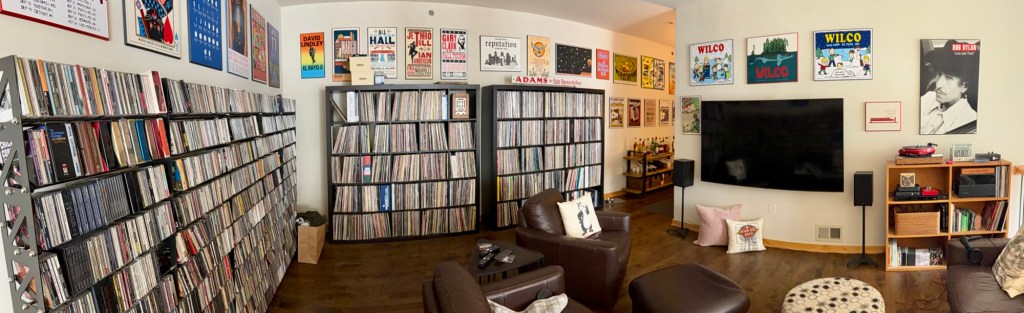
The Loop Sessions rig is located in our Minneapolis condo loft, which is dedicated to entertainment – namely, watching TV and listening to the stereo. I primarily listen to the stereo on headphones as my wife watches TV with earbuds. Our music collection is like a warm blanket surrounding us.
Now, back to the Mimir, and how does it sound? It sounds great – it has a nice warm analog sound, natural bass, and a wide soundstage. This is the perfect DAC for a vinyl record/tube guy like me. For a $300 DAC, it punches way above its weight.
Sony’s on-board DAC is not even mid-fi quality – it is harsh. The Mimir turns this budget Blu-ray into an acceptable CD transport. I got spoiled at the Desert 🌵 Sessions by bypassing the Bluesound’s DAC (Texas Instruments PCM5122, which is decent), so it is a nice upgrade for the Loop Sessions.
I don’t understand Mimir’s technology beyond that Schitt uses a standard ESS ES9028 delta-sigma DAC chip used in lots of mid-fi DACs and hotrods it. Instead of using the standard, generic internal digital filters built into the ESS chip that most manufacturers rely on, Schiit bypasses them entirely. They route the audio through their proprietary “MegaComboBurrito” time and frequency domain digital filter. This filter is run on a 32-bit Microchip processor before feeding the delta-sigma modulator—a unique hybrid implementation Schiit calls Mesh™ architecture. In other words, a DAC is more than its chip. I don’t understand any of this mumbo-jumbo, but I love the way the Mimir sounds.
The Mimir has multiple inputs:
- USB 32 bits/384kHz
- Optical SPDIF 24-bit/192 kHz – I am using this for the Bluesound streamer
- Coaxial SPDIF 24-bit/192 kHz – I am using this for the Sony CD player (Blu-ray)
- AES 24-bit/192 kHz
It has SE (RCA jacks) or Balanced Outputs – I use RCA.
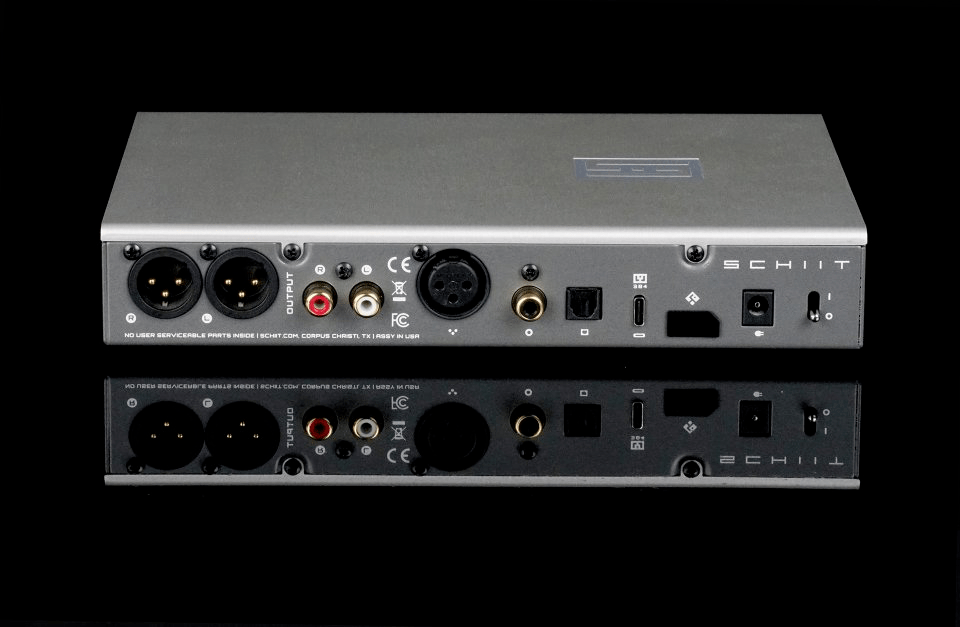
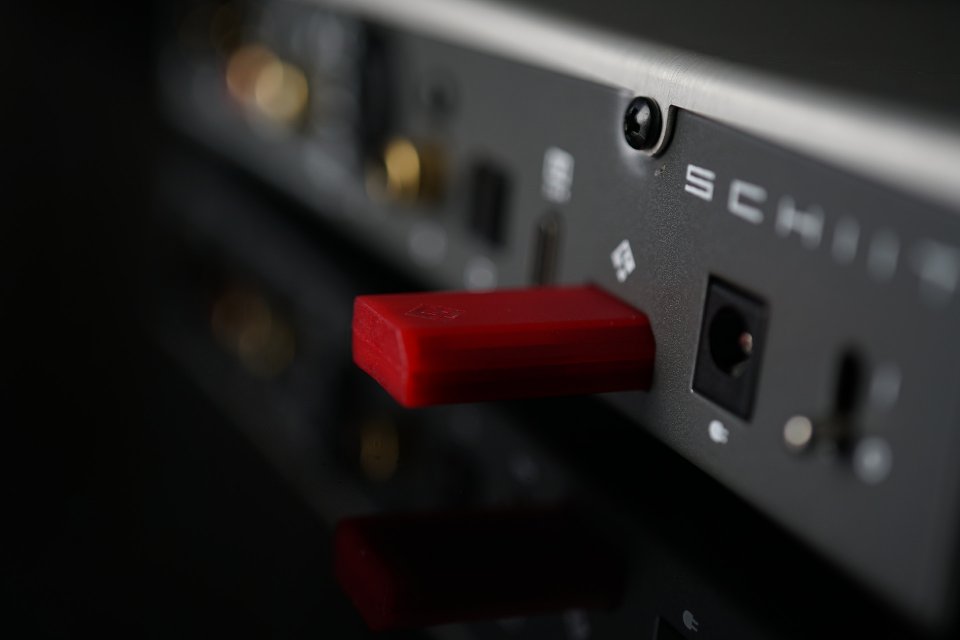
I purchased the Forkbeard™ modification, which allows an app on your phone to serve as a remote for volume, balance, a 3-band parametric EQ, Loudness, digital filter switching (Mesh and NOS), absolute phase inversion, and input selection. A great $50 feature for convenience and to open up additional functionality. For some users, the Mimir with Forkbeard™ could allow the Mimir to serve as a digital preamp. Forkbeard™ can do more – but it is not relevant to the Mimir. Forkbeard™ is a red stick inserted into the back of the unit (see below). Volume control alone was reason enough for me, as none of my existing components have remotes.
As far as Forkbeard’s tone controls, the only feature I have played with is “loudness.” Loudness boosts low-frequency (bass) and high-frequency output as you lower the master volume. It compensates for the human ear’s decreased sensitivity to quiet bass notes (the Fletcher-Munson curve), ensuring the audio sounds full even at low listening levels. Given my preference for low volume, it is a great feature (a standard feature on amps back in the day). So far, I like running the loudness at 50% and the extra bass punch it provides. My only complaint is that the 50% setting doesn’t persist after the unit is turned off (though the volume retains its setting).
Overall, I am very happy with the purchase. I get an odd sensation when audio is working for me, a kind of synesthesia where the sound in my ears invokes the pleasurable taste and feel of chewing a high-end soft caramel in my mouth. The Mimir is mouth-watering good. Special thanks to Audiophile Paul for being dialed into my mid-fi aesthetic and recommending the Mimir!
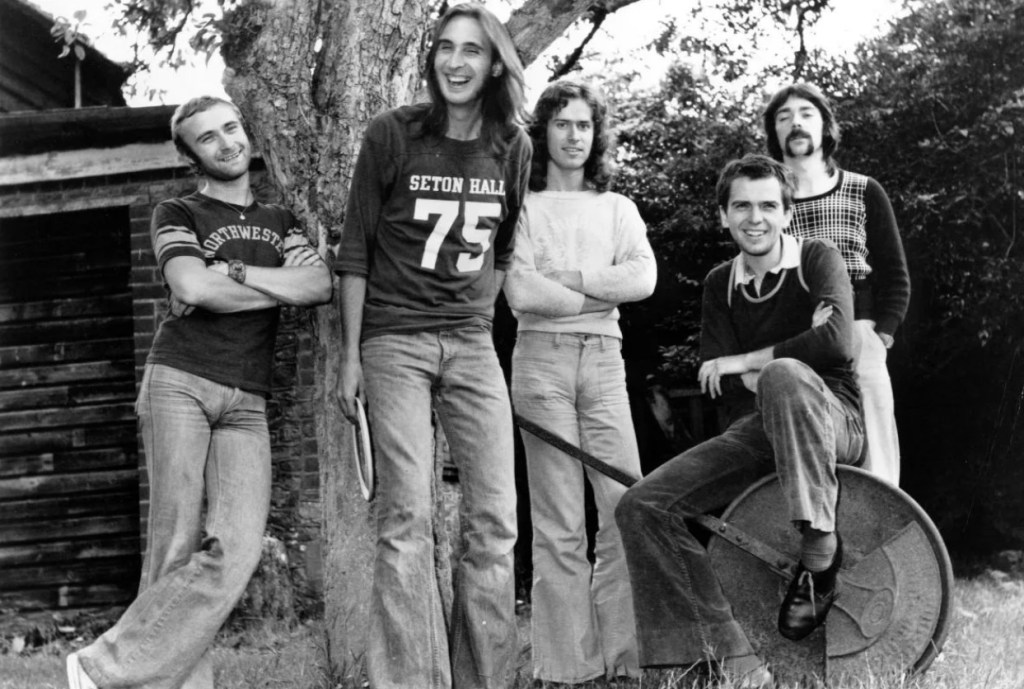
L-R: Phil Collins, Mike Rutherford, Tony Banks, Peter Gabriel, and Steve Hackett
I have never been a Genesis fan – I am not a hater, just never taken the time to dig into their catalog. In general, I am not much of a prog guy, so I was not motivated. I always liked “The Carpet Crawlers” from The Lamb Lies Down on Broadway (1974), and I liked the pop radio hits from the Phil Collins era. I am a fan of the Peter Gabriel solo albums. So I am theoretically warm to the band.
I recently saw one of those catalog rankings of the band and sent it to my buddy Nik, who is the biggest Genesis fan I know, to get his appraisal of the list. He gave it a thumbs up, but gave me a shorter assignment: listen to his three favorites (in his order of preference) from the prog era:
- Selling England by the Pound (Peter Gabriel version of the band) from 1973 (which was #1 on the list I sent him)
- Lamb Lies Down on Broadway (Peter Gabriel version of the band) from 1974 (which was #3 on the list)
- Trick of the Tail (Phil Collins version of the band) from 1976 (which was #4 on the list – the highest ranking from the Collins era)
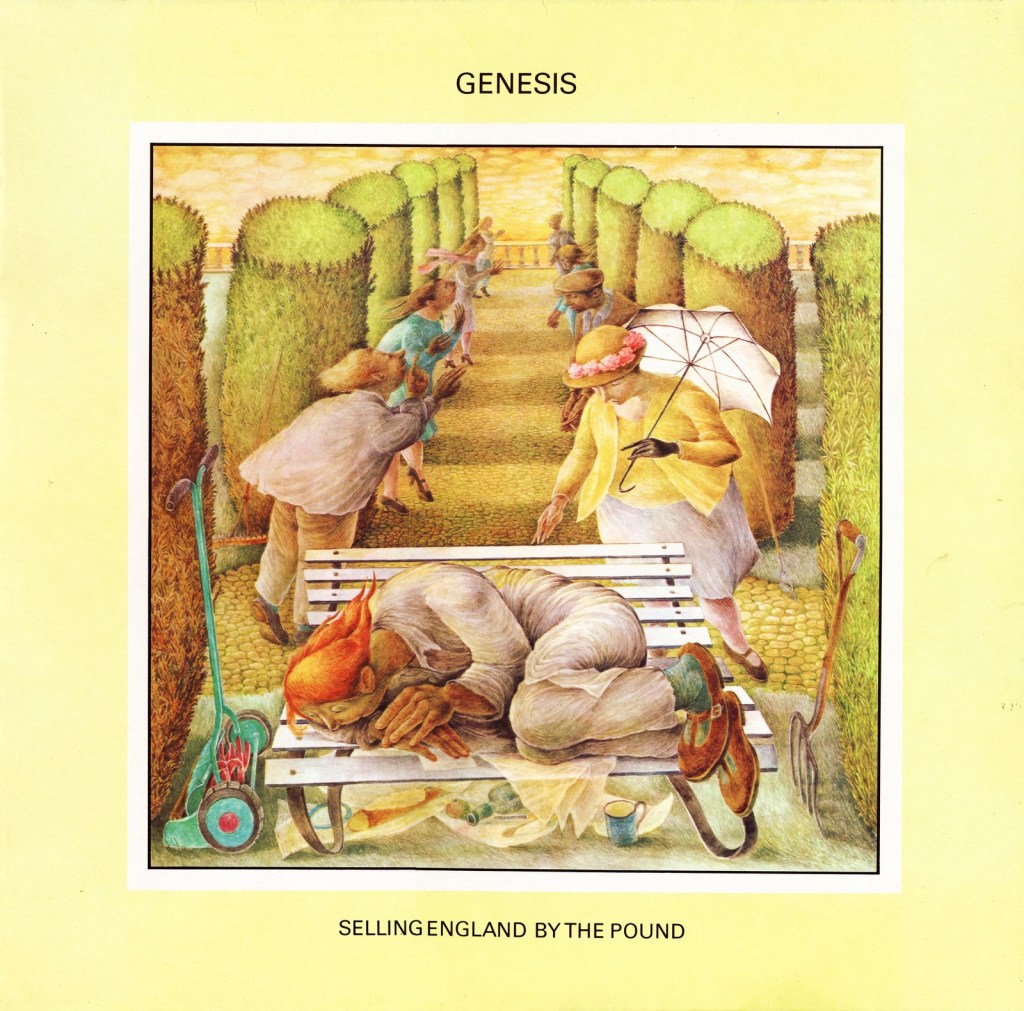
Reviews for the album were mixed when it first came out, but it has aged into a prog masterpiece and fan favorite (as indicated by my friend’s ranking it as his favorite).
For a non-fan like me, I certainly recognize Gabriel’s vocals (which I am naturally sympathetic to, given my love of his solo career), and I am impressed by the musicianship and elaborate arrangements. It is what I think of when I think of prog, which would normally put me off, but it is melodically so engaging that I am hooked. The solos, although technically complex, are not showy just for the sake of it; they always serve the song.
There is not a bad track on the album, but a standout is “Firth of Fifth.” I can see why my Genesis fan buddy told me to start with it first. It is nearly ten minutes of prog heaven with an amazing solo piano intro from Banks and a face-melting solo by Hackett.
Another standout is “The Cinema Show,” which is just plain gorgeous. It is like a prog version of Simon Garfunkel. Impressive vocals from Gabriel. I had no idea that Gabriel played the flute and oboe. The first half is delicate, and then in the second half it goes full prog. Great track.
This is a great album, and I understand it’s why it is acclaimed.
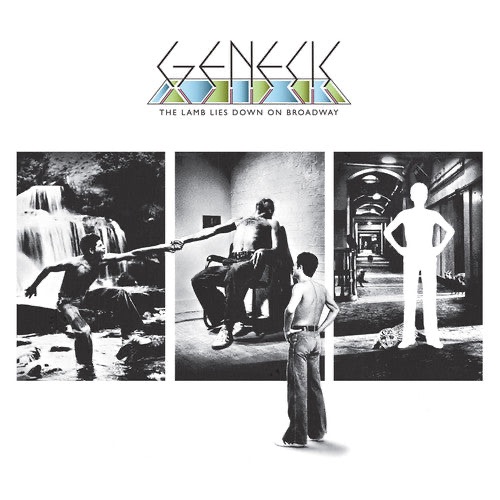
This is an album I am actually familiar with. I have a CD and have listened to it many times. But for some reason, it never motivated me to dig into their catalog. I am listening to the 50th anniversary edition on Tidal streaming (24-bit/96 kHz), and the recording sounds fantastic – sharper without being harsh compared to the 2007 16-bit/44.1 kHz version.
I have never paid attention to the plot in this rock opera, but I appreciate the theatricality of the performance. As far as I am concerned, I like the songs (several are outright catchy), the keyboards, guitars, and Peter Gabriel vocals (he is at his best, despite this being the end of the line for him and the band). However, at over 94 minutes, it is a long haul. You need to be in the mood for that kind of listening commitment.
Highlights are: the titular song, “Cuckoo Cocoon,” “Back in N.Y.C.,” “Counting Out Time,” and “The Carpet Crawlers” (basically all of side two).
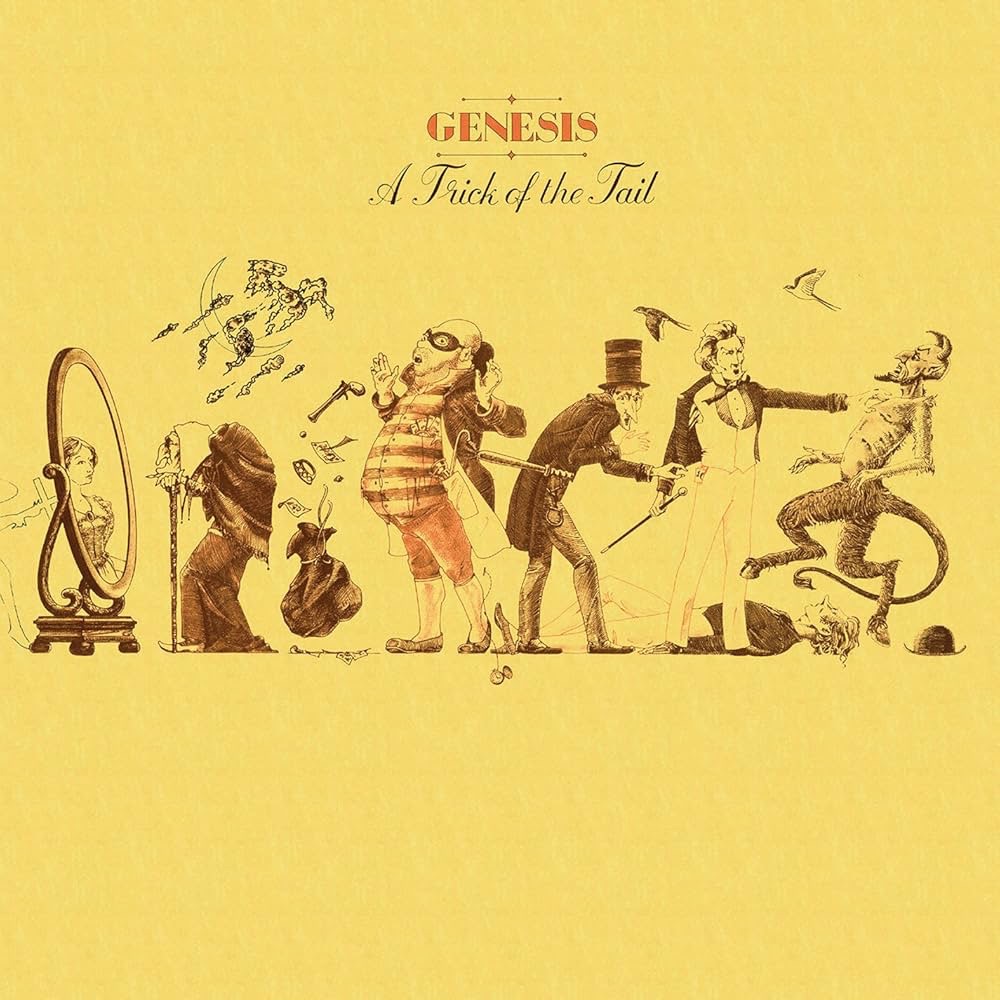
Trick of the Tail was the first post-Peter Gabriel album – drummer Phil Collins became the new frontman. His vocals are remarkably similar to Gabeiels’ and so it was not much of a change. I feel like Collins has more vocal textures than Gabriel – dare I say he is a better singer?
The album sounds more like a sequel to Selling England by the Pound than the follow up to Lamb Lies Down on Broadway. Although it doesn’t have standout tracks like Lamb, I like it better as an album.
My favorite track on the album is “Squonk” which opens was the a pulsing bass sound. There is an anthem quality to the song and Collins’ vocals are terrific. Per Wikipedia the song is based on a tale of the Squonk which, when captured, dissolves in a pool of tears.
I enjoyed this exploration. I am not a convert; I am just a casual fan. I appreciate who Genesis is, and I can see the appeal; they have not entered my list of favorite artists.
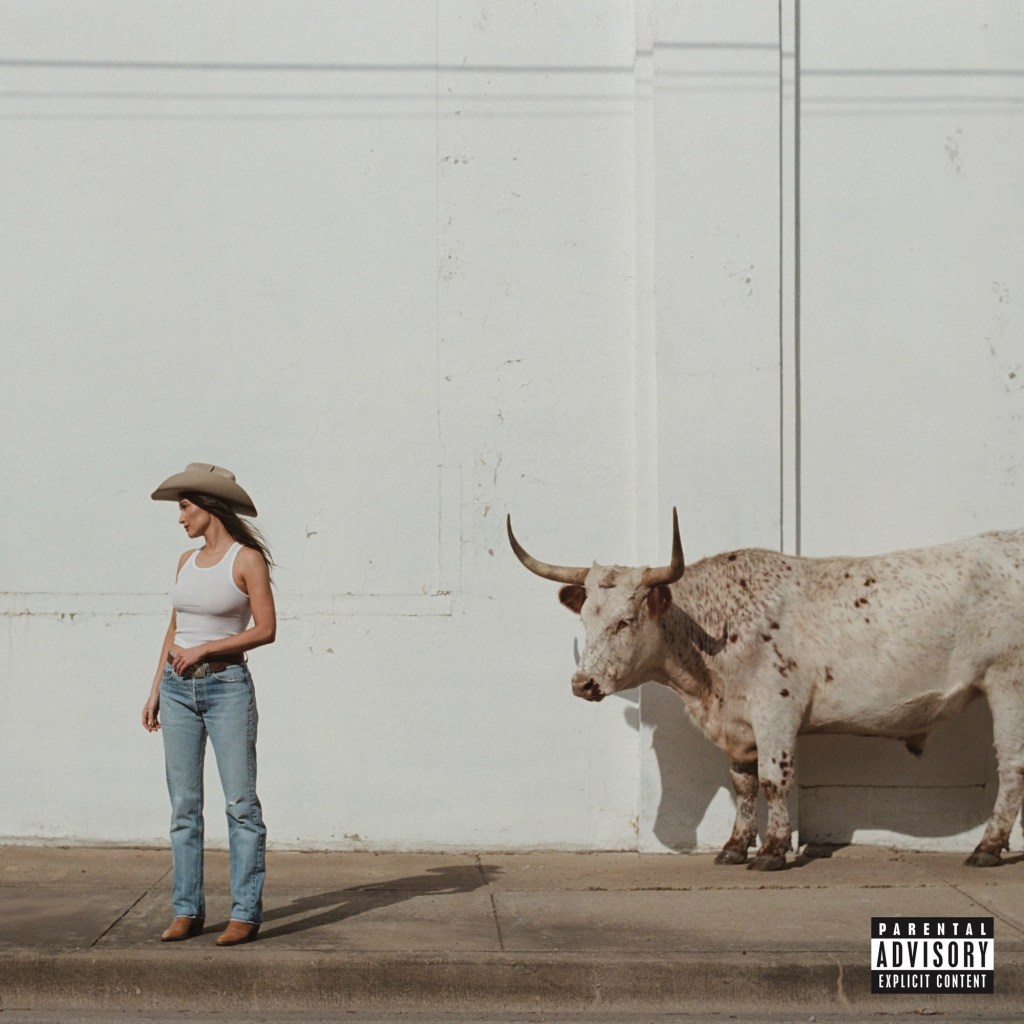
This album is billed as a return to Kacey’s Texas roots and country music after a successful detour into pop. The album uses multiple Southern ingredients. According to the press release, Middle of Nowhere was:
“Written during a period of reflection and post-breakup clarity, this collection of songs finds Musgraves leaning intentionally into open space and traditional Western elements. Pedal steel, accordion and Texas dancehall rhythms provide a nostalgic framework that she flips on its head in signature fashion. It is a sonic love letter to the musical borders of country, echoing influence from adjacent genres such as bluegrass, pop, and even bits of Norteño and zydeco.”
Kacey also returns to the John Prine-like humor of her first two albums. She has a deep musical friendship with John Prine, often citing him as her greatest songwriting influence.
My first few listens were on Bluetooth headphones and in the car, and it sounded great, but on the Desert 🌵 Sessions stereo (streaming via Tidal at 24-bit 48 kHz FLAC), it sounds spectacular. The production really opens up. In addition to great songs and a great performance, this is a well-recorded album. I look forward to listening to it on vinyl (my daughter picked up a copy for me that is waiting for me when I return to Minneapolis).
I have been looking forward to Kacey’s return to country, and she does not disappoint. This is an excellent addition to her catalog.
Here is some track-by-track commentary:
“Middle of Nowhere” – out of cell phone range and away from “reckless men who don’t know what they want.” The song sets the stage that this is going to be a country album: acoustic guitars, pedal steel, and a little twang in Kacey’s vocals. Lyrically, it is introspective, but with a humorous wink. Despite Kacey being a country star, the vibe is more Americana than Nashville.
“Dry Spell” uses humor to make fun of the protagonist’s sexual dry spell, but at the same time, she appreciates living alone. Musically, it is upbeat honky-tonk.
“Back on the Wagon” is a nice country weeper. A troubled lover is behaving, for now (”You say he’ll fuck it up, but we’re so in love”). Gorgeous pedal steel solo (courtesy of Nashville legend Paul Franklin).
“I Believe in Ghosts” has a pop-rock vibe: country-fried Fleetwood Mac. It is a playful rant about a lover who abandoned the protagonist: “’Cause you didn’t even have the balls/To tell me goodbye/And look me in the eye.”
In “Abilene,” a woman skips town and her man. The tale is told through the gossip of other townspeople about her. Musically, it has a bluegrass vibe.
“Coyote,” featuring Gregory Alan Isakov, has a folk vibe. Isakov contributes a subtle vocal harmony to a pop-folk arrangement. “I saw a coyote running down the highway last night/And it made me think of you” – an ex-lover who can not be tamed – beware.
“Loneliest Girl” is about how relationships are messy, and the protagonist is “happy to be the loneliest girl in the world.” Musically, it is a country swing.
“Everybody Wants To Be a Cowboy” features Billy Strings’ very subtle vocal harmonies, but plenty of his smoking acoustic guitar. Not quite Bluegrass, Musgraves and Strings drift into pop. It is an absolute gem. The song makes fun of phony cowboys – what we used to call urban cowboys back in the day
“Horses and Divorces,” featuring Miranda Lambert, is about two women who have a beef with each other, only to realize they have more in common than in conflict. The song is a nice play on the supposed beef between Miranda and Kacey. That tension stemmed from the 2011 Miranda hit “Mama’s Broken Heart,” which Musgraves co-wrote and wanted to record, but was pitched to and recorded by Lambert before Kacey had a chance to include it on her debut. I am not sure how real the beef was as Kacey sang backup vocals on the Miranda hit.
“Uncertain, Texas,” featuring Willie Nelson, has a light dose of Willie’s vocal harmony, a sprinkle of Trigger (Willie’s guitar), and some norteño flavorings. The song makes fun of men who can’t commit:
“Here in Uncertain, Texas
Nobody ever makes up their mind
Down here in Uncertain, Texas
Nobody ever makes up their dusty, old, love-bombin’
Snake-charmin’, bullshitin’
Heartbreakin’, godforsaken, dumbass mind“
By the way, there is a real city in Texas called Uncertain.
Musically, “Rhinestoned” has a Glen Campbell vibe. Not sure if the protagonist is talking about a designer dress or a designer drug (but given this is “Spacy Kacey,” I think we can guess):
“Ooh, let’s put a little sparkle on
Ooh, until the heartache and the sadness is gonе
Baby, we don’t have to be alonе
Let’s get a little rhinestoned“
“Mexico Honey” has a unique, quick, almost rap vocal. Kacey has stated her affinity for Mexican music and culture. In an interview with NPR, she said:
“The truth is Texas would not be Texas without Mexico in many ways. Though I’ve always been drawn to it, I’ve really been fortunate to get to really experience that first hand myself down there seeing a lot of the vaquero and rodeo culture and where it comes from.”
The song doesn’t have a Mexican feel, but the song is not comparing a lover to Mexican honey – the key line is “You’re goin’ down smooth like Mexico, honey.”
“Hell on Me” ends the album with heartbreak. Despite the playfulness of the rest of the album – “I am having fun being single and unattached” vibe, this guitar ballad reveals the sadness behind the jokes.
There are a few other bonus songs on other streaming services that I don’t have access to, and so I can’t comment on them.
Overall, this is a great album. If not for the stumble of star-crossed (her 2001 4th album), she is on a great run. This is on par with the excellence of the rest of her catalog. I look forward to seeing her live later this year.
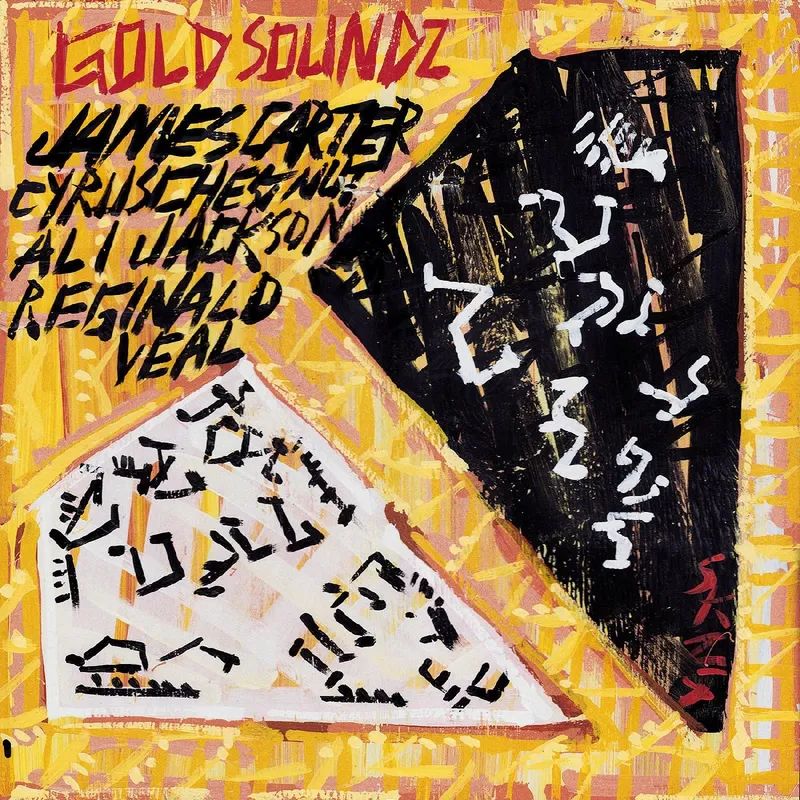
Gold Soundz
(2026 RSD vinyl reissue)
Modern Harmonic MH-8312
Gold Soundz (originally released as Gold Sounds) is a jazz album reimaging songs by the indie rock band Pavement. It features saxophonist James Carter, keyboardist Cyrus Chestnut, drummer Ali Jackson, and bassist Reginald Veal (I will refer to this group as the Gold Soundz band in this post). It came out on CD in 2005, and the timing was perfect for me back then. I had recently gotten into Pavement – I somehow missed the band in its 90s heyday. My late-to-the-party introduction to the band was getting hooked on band leader Stephen Malkmus’ solo debut and purchasing the deluxe reissues of their first two albums on CD from Matador Records in the early 00s. I was a jazz fan and a James Carter fan in particular, and so I was particularly ripe for jazz versions of Pavement tunes.
I like jazz generally, but really like it when I am familiar with the tune. I love it when jazz players deconstruct a familiar tune. What the Gold Soundz band did was highlight the gorgeous melodies often buried in Pavement’s slacker/punk approach to rock. Once the melody was highlighted, the band riffed on it, sometimes from a soul-jazz perspective and sometimes from an avant-garde one. Carter’s sax squawk is the perfect soloist take on this material. Chestnut, whether on piano, Rhodes electric piano, or organ, is a tender counterpoint to Carter. The combination of this jazz band and Pavement material is inspired and has been one of my favorite jazz albums.
I was delighted to see this vinyl reissue on the Record Store Day 2026 list. Even better was that it was more than just a vinyl reissue – it doubled in size with bonus material. The reissue is also on streaming services (CD quality). The reissue includes excellent liner notes by Jim Allen. I did not know the background of this album, and Allen tells a great story about it. The vinyl (gold wax) is an excellent-sounding pressing, and the packaging is high-quality.
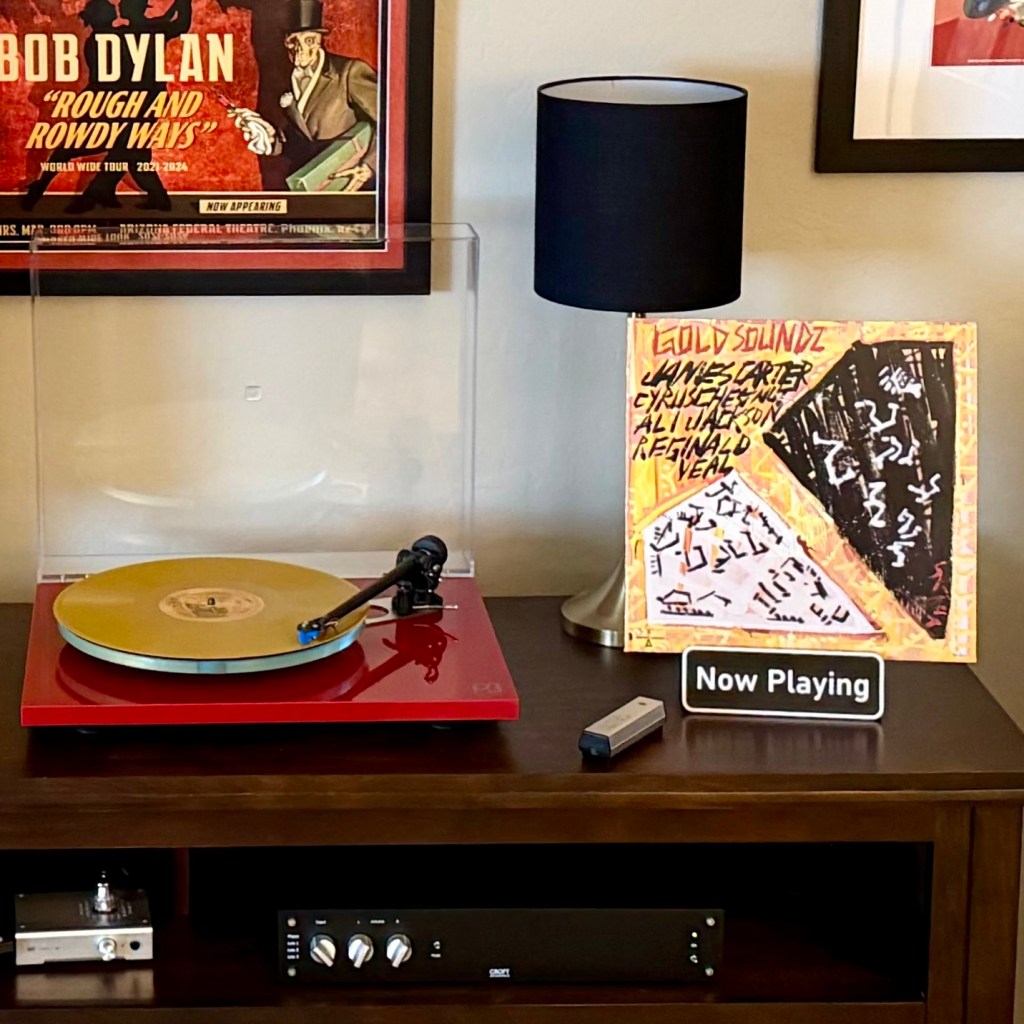
I did not know the backstory of this recording, but I assumed that, given the excellence of the performance, the jazz band members were fans of Pavement. It turns out that the jazzers had very little familiarity with Pavement, and it was the producer’s idea for the band to interpret the material as more of a reaction than as a study. It worked perfectly – the jazz guys had a natural affinity for the source material.
Tracklist (* indicates it was on the original 2005 CD)
Side A
“Summer Babe*” (Spring Version) is a soul jazz take on the Slanted and Enchanted song. The original focused on noisy, distorted guitars, but the Gold Soundz band extracts the melody and makes it funky.
“Trigger Cut*” is another Slanted and Enchanted song covered by Chesnut solo, and is almost a stride piano.
On “5-4=Unity,” Carter takes the lead, squacking on contrabass sarrusophone, sounding like a very hip bull frog. Ironically, the Crooked Rain, Crooked Rain original is pretty jazzy.
The original version of “Here” from Slanted and Enchanted embraced the Pavement slacker vibe. The Gold Soundz band turns it into a gorgeous ballad.
Side B
“Stereo*” is one of Pavement’s most famous songs (from Brighten the Corners) and was originally performed with a humorous Lou Reed vibe. The Gold Soundz band turns it into a funk, soul, and jazz workout.
“Cut Your Hair*” (from Crooked Rain, Crooked Rain) may be Pavement’s most famous song and was originally performed as a lazy punk song. The Gold Soundz band turns it into a slow soul jazz grind – something that would not sound out of place from the SNL band during a commercial break.
“My First Mine*” from Slanted and Enchanted was originally a punk rock song. In the Gold Soundz band’s hands, it sounds like a jazz standard performed by a jazz avant-garde band – or as the album’s hype sticker proclaims, “Malkmus meets Coltrane?”
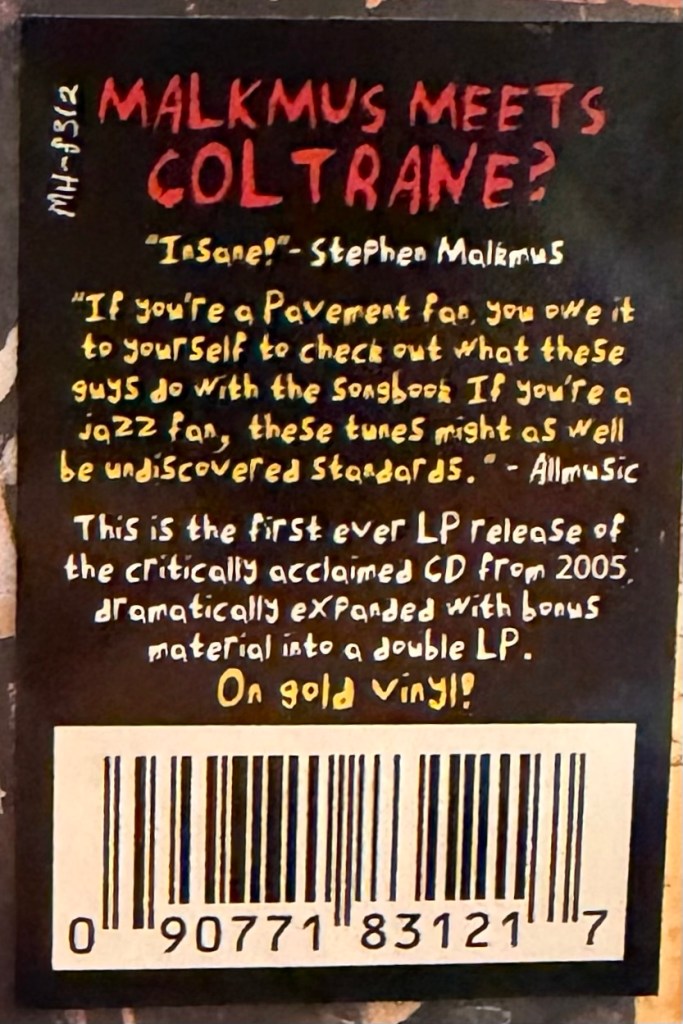
Side C
Terror Twilight’s “Folk Jam” always had a Beatlesque vibe to me. The Gold Soundz band turns into a soul jazz jam session where Carter goes full Coltrane over Chesnut’s Rhodes electric piano (The Electric Lady Studio house electric – used by Stevie Wonder on his 70s classics)
“Blue Hawaiian*” (from Brighten the Corners)- is a mellow jam with Door’s vibe. The Gold Soundz band opens with a vibe that is pretty true to the original, with Carter’s sax “singing” the Malkmus part. Eventually, Carter lets his freak flag fly, mimicking Malkmus guitar, over Chesnut’s Rhodes electric piano.
“Platform Blues*” (from Terror Twilight) is one of the more blues-rock-sounding Pavement songs. Gold Soundz takes a jazz blues approach, and Carter absolutely wails and whips out the contrabass sarrusophone to both wail and drone.
“Puzzle For You” is an unknown song to me, not on any streaming service, and I couldn’t find it on Google. It is a short interlude with Chestnut on the Rhodes and the rhythm section.
Side D – is alternative takes from the original Gold Soundz sessions. They are different enough to be essential.
“Summer Babe (Fall Version)” is a looser version than the original Gold Sounds – neither better nor worse than the original on the 2005 Gold Sounds album – just different in a good way. It opens with a galloping base, and then the Rhodes comes in. At about 45 seconds, Carter states the theme, pauses, and then explores it. Veal shows his prowess on the bass.
“Stereo (Balladic Reprise)” is mellower than the original on the Gold Sounds album and actually closer to the Pavement original.
“Trigger Cut (Reprise)” is a funkier take on the Gold Sounds original, with an amazing Chestnut acoustic piano solo in which he dissects the melody.
On “Cut Your Hair (Conclusion),” the band slows things down for a late-night, end-of-the-party vibe. The version on the CD is similarly slow, but it opens with a hot sax solo and includes some vocals. This version is nice and sleepy, although Carter does let it loose occasionally on his extended solo. The song ends with a vocal fade. A great ending to a great album.
Overall, Carter wails on this album. Chestnut on a Fender Rhodes electric and organ piano is a treat, as he is known as an acoustic piano guy. This is my favorite RSD 2026 release. It would have been great as a vinyl reissue, but it is such a bonus that the tracks are doubled with extra material. This is why I am a sucker for RSD!

I recently attended an Arizona Audio Video Club (AAVC) meeting focused on a member’s experience at AXPONA. AXPONA (an acronym for Audio Expo North America) is the largest high-end audio trade show in North America, catering to audiophiles and industry professionals (manufacturers and dealers). While a slide show of audiophile porn played behind him, he shared some of the amazing audiophile equipment he witnessed. What struck me was how expensive the gear was. Some of the rooms he talked about easily had million-dollar stereos.
An audiophile is a passionate enthusiast who seeks high-fidelity, high-quality sound reproduction. Alan Parsons (a famous recording engineer/producer/musician) said, “Audiophiles don’t use their equipment to listen to your music. Audiophiles use your music to listen to their equipment.” Although there is some truth to that, I don’t believe it. Audiophiles are obsessed with sound quality and enjoying music with maximum clarity, detail, and immersion. Most of the audiophiles I know are passionate about music. They may not be full-on musicheads (someone obsessed with listening to, discovering, and possessing deep music knowledge), but music is the reason they are audiophiles.
I feel like audiophiles are a dying breed – most of the guys (and it is mostly guys) in the audio club are boomers. Outside the audio club, I don’t know anyone with an audiophile-quality stereo or home theater. When I went to college in 1977, at least half the kids on my dorm floor had a decent stereo. But I am wrong in my assumption that audiophiles ar dying, because the global premium audio market is estimated to be nearly $11 billion in 2026 and is on a path to grow at nearly 10% annually. So there clearly is a market out there.
The entry-level cost to become an audiophile is probably $500 to $1,200 for a decent stereo setup (amp, speakers, low-end turntable, and streamer/DAC). The next tier, which I would call mid-fi (vs. hi-fi), is $2,000 to $10,000 for a stereo (I would put myself in this category). Next would be the serious enthusiast at $10,000- $50,000 (my guess is this is where many of the AAVC club members are). Finally, there is the money-is-no-option crowd that AXPONA and high-end dealers (like LMC Home Entertainment and Cinimatic Home A/V in The Valley, where I winter, and HiFi Sound and Audio Perfection in my hometown of the Twin Cities) cater to. I would argue that there are diminishing returns beyond the mid-fi tier, but that is probably true of any obsessive hobby (golf, hunting, hot rods, etc.).
This long-winded preamble is an excuse for me to say that the easiest entry point to becoming an audiophile is Head-Fi, that is, audiophile-quality headphones and the gear to support them. As we grumpy old men die off, the next generation of audiophiles is getting into the hobby via premium headphones, headphone amps, powered speakers, and DACs, as well as inexpensive turntables, rather than a wall of equipment. Millennials (26–35) are the primary consumers of vinyl, and Gen Z (13–25) is the fastest growth demographic for vinyl. But keep in mind that half the vinyl purchased is bought by consumers who don’t even have a turntable – for many, vinyl is merely a souvenir. In general, Millennials and Gen Z are not buying turntables over $5,000; they are buying turntables under $500.
A budding audiophile can get a very good pair of wired over-the-ear headphones (nicknamed “cans“) for $200 to $300, a portable DAC/amp USB dongle for thier smartphone for $100, and stream from a high-resolution streaming service for $11 a month and be in a position to enjoy music at a quality that exceeds of what 99% of the population has access to.
Listening “out loud” via speakers or on vinyl will cost you more, but part of the fun of the audiophile hobby is making incremental improvements. Most audiophiles I know have taken years to build their systems. Start small and build as you can afford it. I recently set up my daughter and son-in-law with an entry-level system (speakers, an integrated tube amp, and a streamer) for $700 – they already had a good turntable, but the system could have included a decent turntable for another $300 – so an entry-level stereo system can be aquired for for $1000 – roughly the cost of a mid-range 75 inch TV (QLED & Mini-LED). Over time, you can upgrade.
The used market is a viable option for the budding audiophile, but a bit more dicey. Buying gear from an online site without seeing it/hearing it is not for amateurs. Thrift shops and pawn shops occasionally have gems, but it’s mostly junk. Buying from a trusted friend is a better option. There are trustworthy audio stores that also sell used equipment. Most major cities have an audio club where members typically have used equipment they would love to sell at a fair price to a budding audiophile.
A warning about Bluetooth. I have portable Bluetooth speakers and headphones for convenience – but Bluetooth is not an audiophile experience. The more you get spoiled by quality equipment and quality sources (for example, high-resolution streaming and vinyl), the fussier you get. But even my fussy ears appreciate listening to music on my bike ride via Apple AirPods or via a powered Bluetooth speaker on the deck – there is a time and place for Bluetooth.
If you love music, don’t be intimidated by dipping your toe into the audiophile world. Hearing your music on a good stereo or a pair of good cans is life-changing. Feel free to reach out (for example, in the comments section) for advice! For those of you in the know, feel free to recommend budget gear.
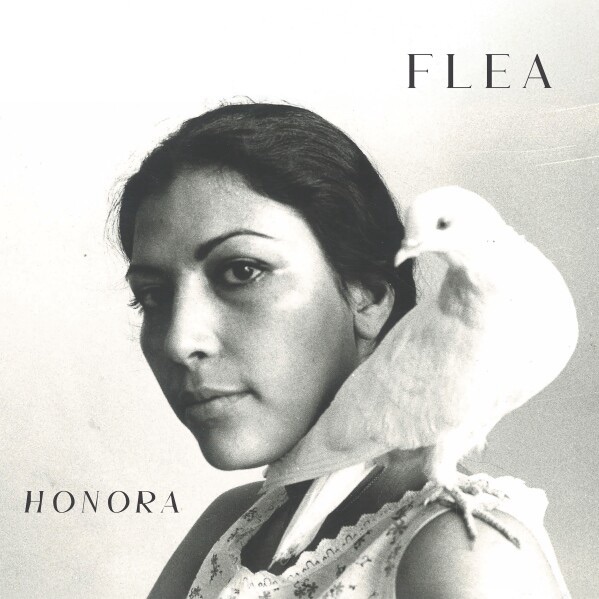
I am a Red Hot Chili Peppers fan, and in particular, a Flea fan. I was thrilled to learn he would be releasing a jazz album focused on his first instrument, the trumpet.
Flea composed and arranged the music, and also plays trumpet and bass throughout, joined by a crew of modern jazz cats: album producer and saxophonist Josh Johnson, guitarist Jeff Parker, bassist Anna Butterss, and drummer Deantoni Parks. It features vocals from Flea, as well as Thom Yorke and Nick Cave. Mauro Refosco (David Byrne, Atoms for Peace) and Nate Walcott (Bright Eyes) also join the band.
The album comprises six original songs—including one co-written by Flea, Johnson, and Yorke—as well as interpretations of tunes by George Clinton and Eddie Hazel, Jimmy Webb, Frank Ocean, Shea Taylor, and Ann Ronell.
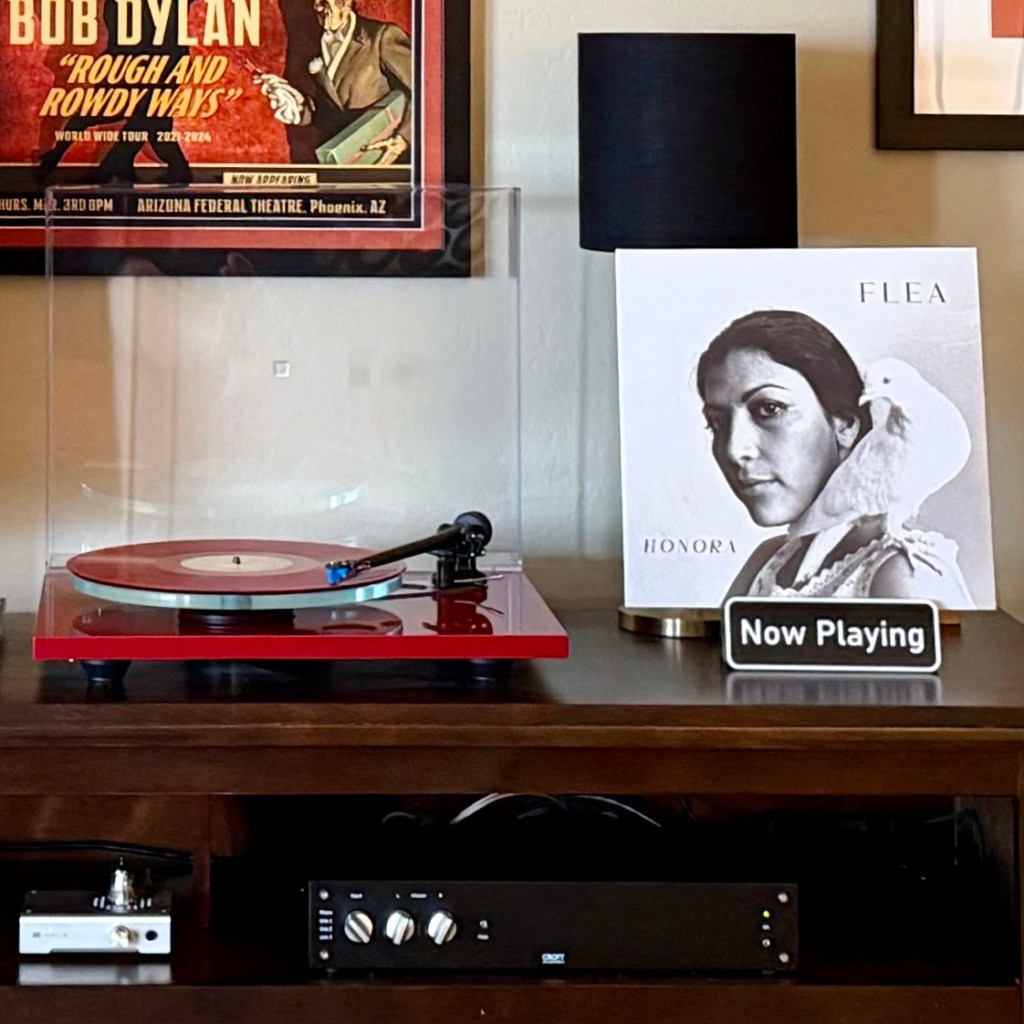
Per Flea in the liner notes:
Three years ago, in 2022, as I neared my 60th birthday, I realized that if I didn’t do it now, I probably never would. So I resolved to practice trumpet every day for two years, and at the end of the two years, I would make a trumpet record, regardless of where my skill and knowledge was at. I called the great LA jazz man, my friend Rickey Washington. I knew he’d taught his son, Kamasi, and various other luminaries from the rebellious contemporary LA jazz scene that I admired so much. He agreed to teach me, and was everything I could have possibly hoped for – wise, patient, generous and loving. I’d never had a music mentor before, so to sit with Rickey at his home and absorb the traditional gifts of knowledge he shared, buoyed my heart. It was also hard as hell!
1991. Sitting in a late-night hotel room in Portland, Oregon, during the filming of My Own Private Idaho. I said to my dear friend, “I want to make an instrumental record with deep hypnotic grooves, trippy melodies layered on top, meditations on a groov……I gotta get my trumpet-playing together.” I’ve been wanting to make a record like this for the last 35 years. Time and space have finally allowed me. Thank you for listening.
I have met Rickey Washington – he was selling mercy at the first Kamasi show I attended. Incredibly cool cat. Love that he mentored Flea.
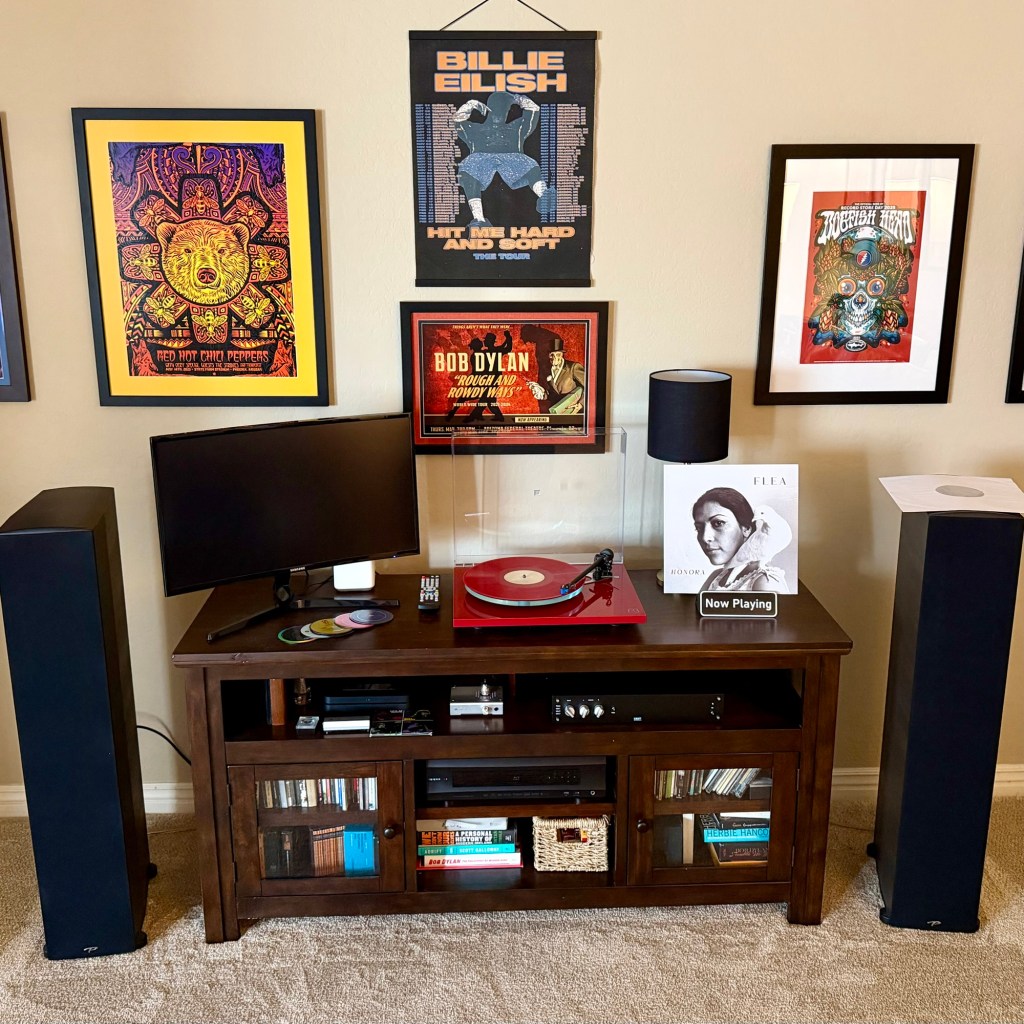
“Golden Wingship” is a brief tone-setter that signals this will be an adventure. More noise rock than jazz.
“A Plea” is a legit jazz tune with a series of short solos: bass, guitar, alto flute, trombone, trumpet, sax, percussion, and a bohemian rap from Flea. It is the most ambitious track on the album. It was the teaser single for this project (released in late 2025).
“Traffic Lights” features Thom Yorke on vocals, and it is one of Yorke’s finest vocals. Flea and Yorke have a history (Atoms for Peace). This is exactly the kind of jazz you would expect from Flea and Yorke. The second single was released in early 2026.
“Frailed” is an atmospheric piece where Flea’s Red Hot Chili Peppers’ mate John Frusciante plays trumpet and electronic drums. The song has an amazing viola solo. Some great bass grooves. Flea gets his In A Silent Way Miles groove on via the horn. This is another ambitious track. This is one of my favorite tracks on the album.
“Morning Cry” is straight bebop jazz. Flea has got to feel great about his prowess on the trumpet. He sounds like a legit jazz musician in both his composition and performance. It is a quartet of trumpet, guitar, upright bass, and drums.
“Maggot Brain” is a cover of the Funkadelic classic where Flea’s trumpet replaces Eddie Hazel’s electric guitar. Flea takes it nice and slow, savoring the melody.
“Wichita Lineman” is a cover of the Glen Campbell hit that Jimmy Webb wrote. It features Nick Cave on vocals. This is the only song on the album that doesn’t work for me. It is a great song, and Cave does a good job, but it feels out of place on the album.
“Thinkin Bout You” is an instrumental Frank Ocean cover. The original had a catchy melody and a gorgeous vibe. Flea captures the song’s beauty and riffs on it from a jazz perspective, using his bass and horn augmented by a gorgeous string section. In the song, you can feel the heat of the romance. This is the gem of the album. Third single.
“Willow Weep for Me” (Ann Ronell cover) is a moody, atmospheric piece that allows Flea to dance over the proceedings with his hypnotic trumpet tone. Per liner notes: “Entire track treated and mixed by John Frusciante.”
The album ends with “Free As I Want to Be,” which has an avant-garde jazz vibe and a face-melting solo from Jeff Parker. Flea runs his horn through some treatment that distorts his sound into what sounds like a trombone.
The album is a three-sided vinyl LP. It is well mastered and pressed for vinyl. On high-resolution streaming, it is 24-bit/44.1 kHz FLAC. It is a well-engineered album.
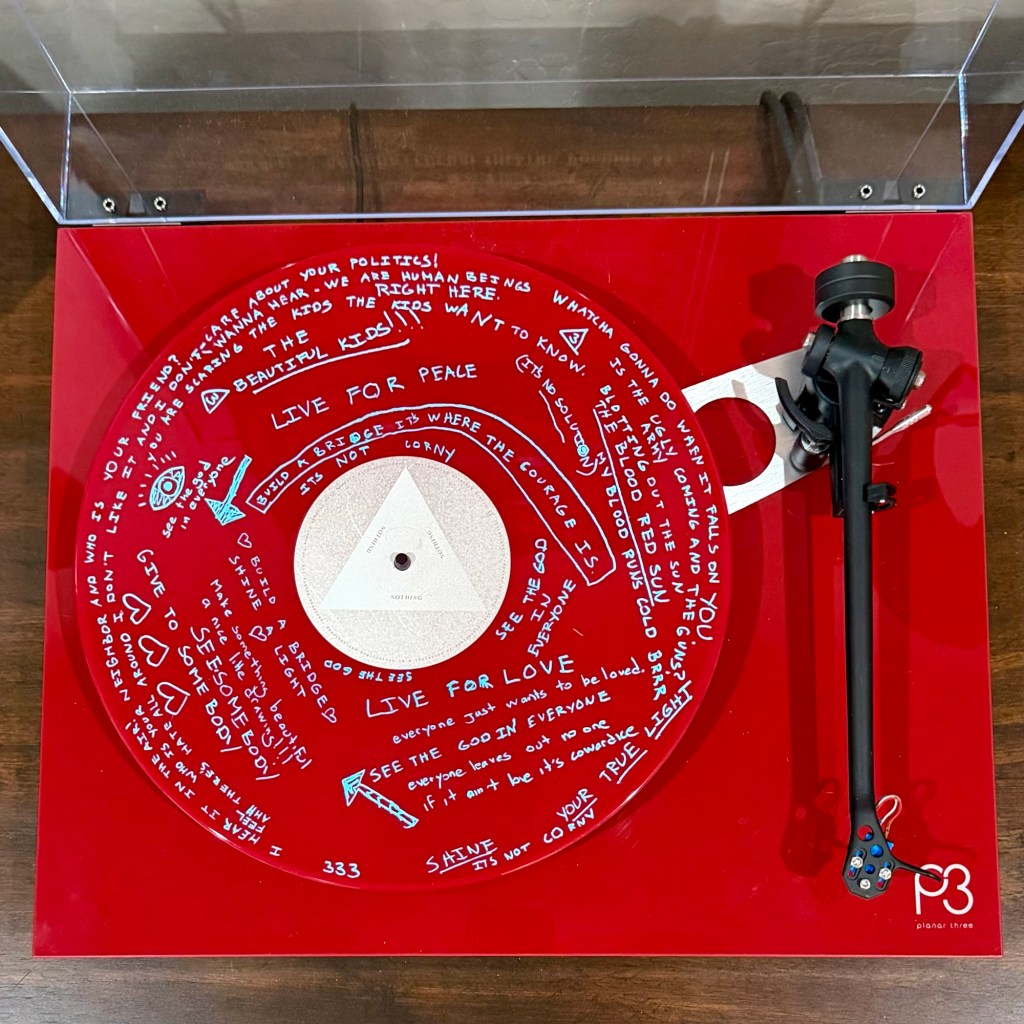
Overall, Flea accomplishes his goal of making a legitimate jazz album and mastering the trumpet. I am no jazz expert, but he doesn’t sound like an interloper or fanboy, but a musician successfully following his muse.
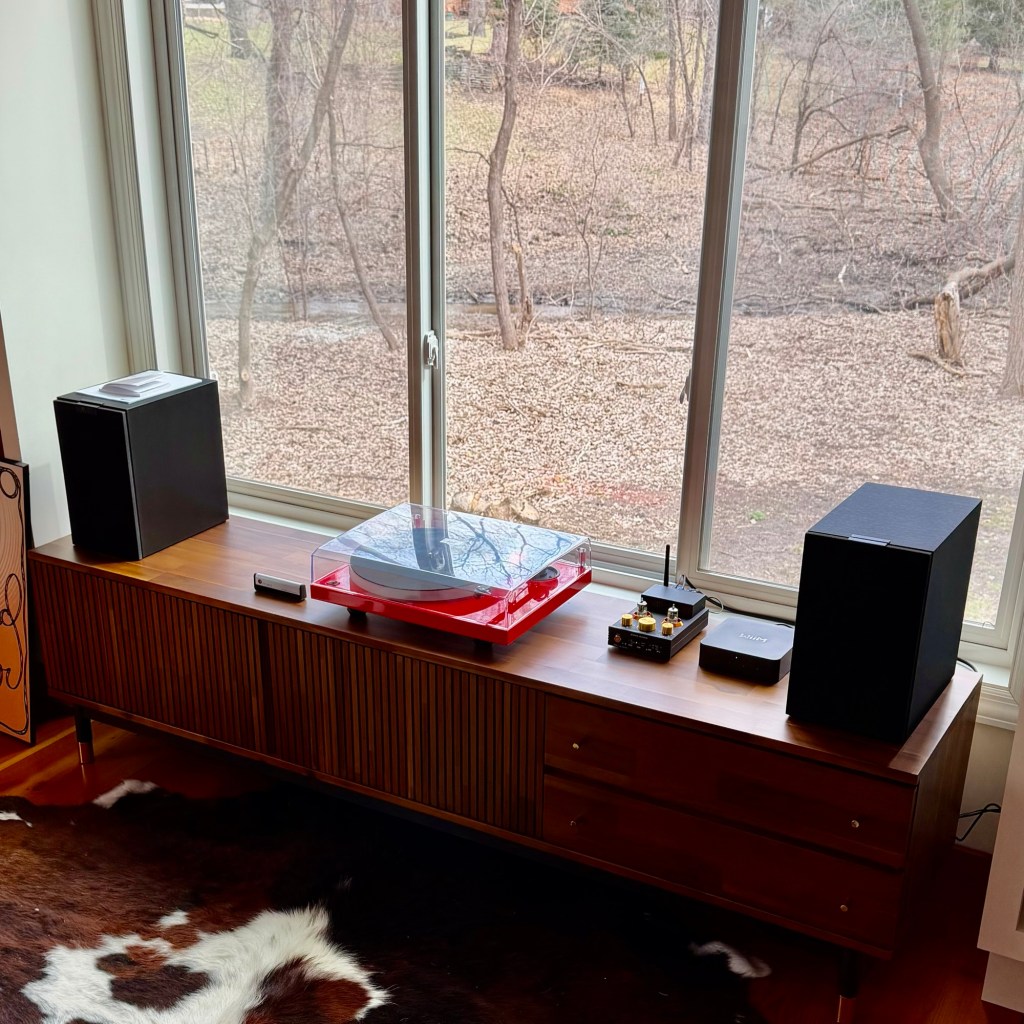
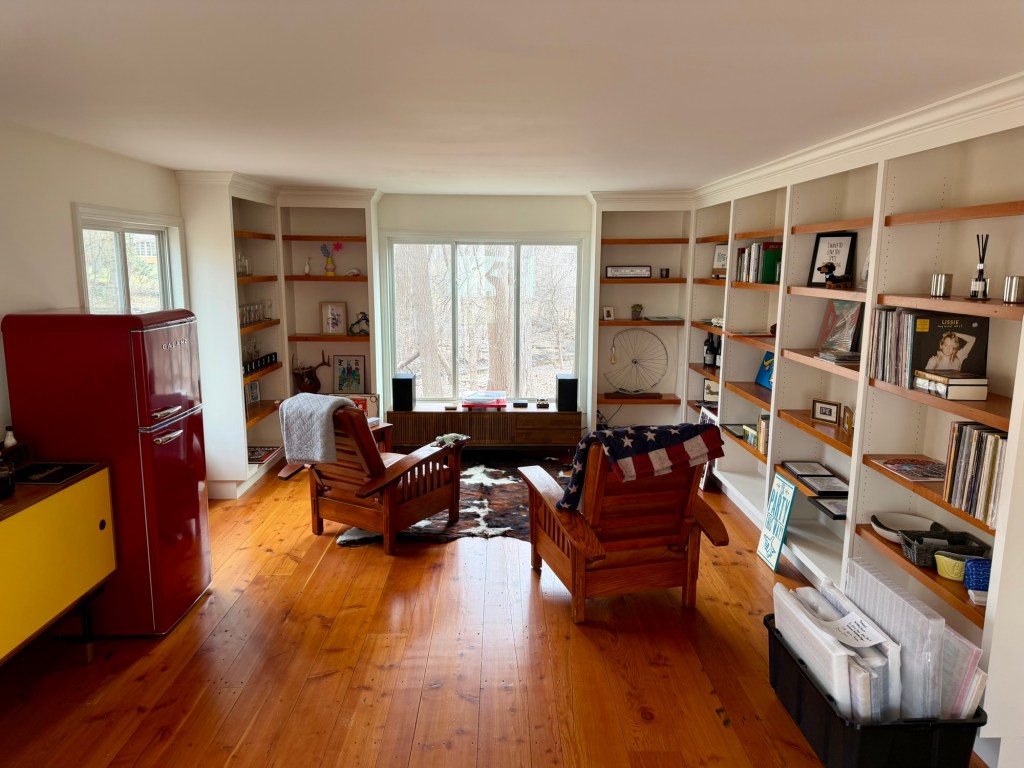
Our daughter (Al), son-in-law (Alex), and new granddaughter (Wren) just moved into their first house in St. Louis Park, MN. As a housewarming gift, we got them an integrated amp, streamer, and speakers (our daughter already had a turntable). For the last six years, they have been living in Manhattan, where space was a premium and a “stereo” meant a small Bluetooth speaker. They now have a nice 16’ by 28’ room that was begging for a real stereo.
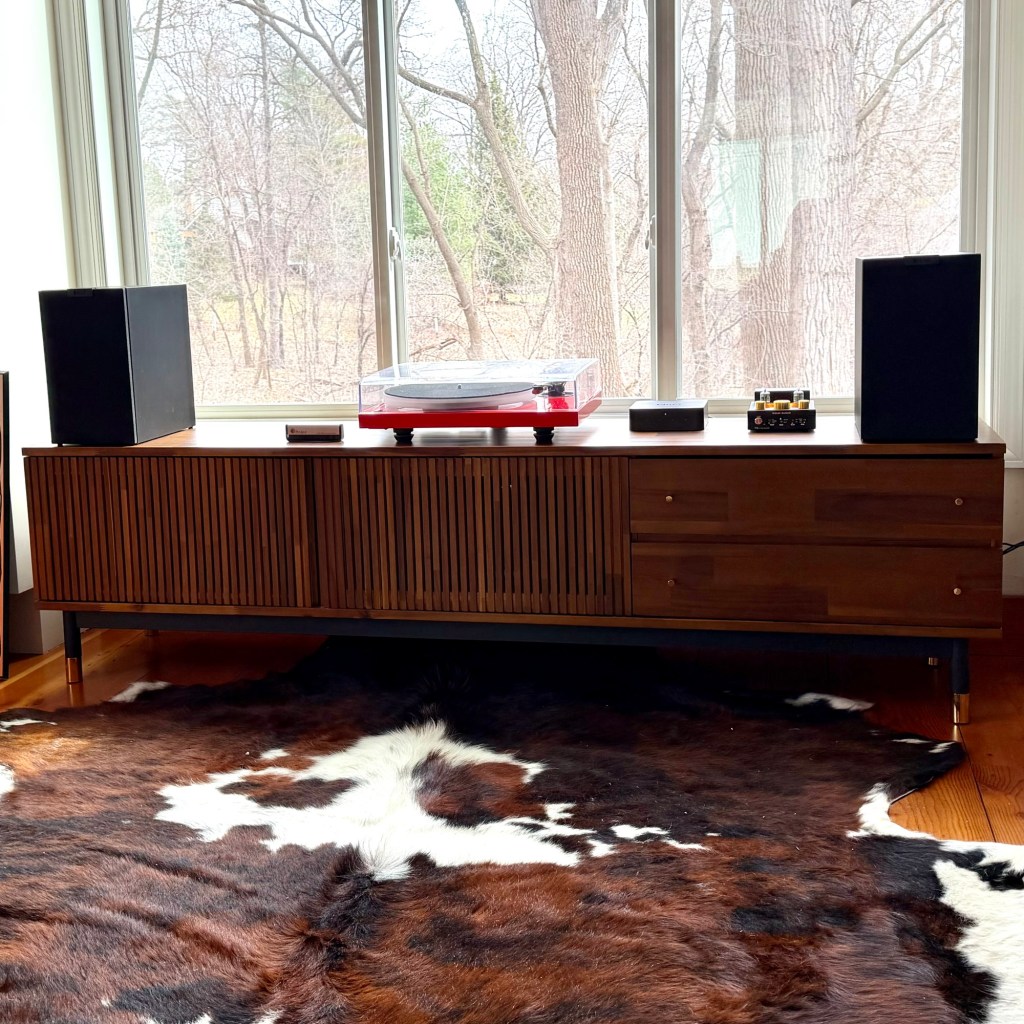
Amp
A few years ago, I purchased a Douk Audio X1 amp for our Minneapolis condo. The appeal was that it had a phono amp, Bluetooth, an aux input, was tube-based, had a small footprint, had enough clean power to drive speakers at low to moderate volume, and, most of all, was cheap (under $150). The Douk has served me well and seemed like the perfect Chi-Fi* solution for the kids.
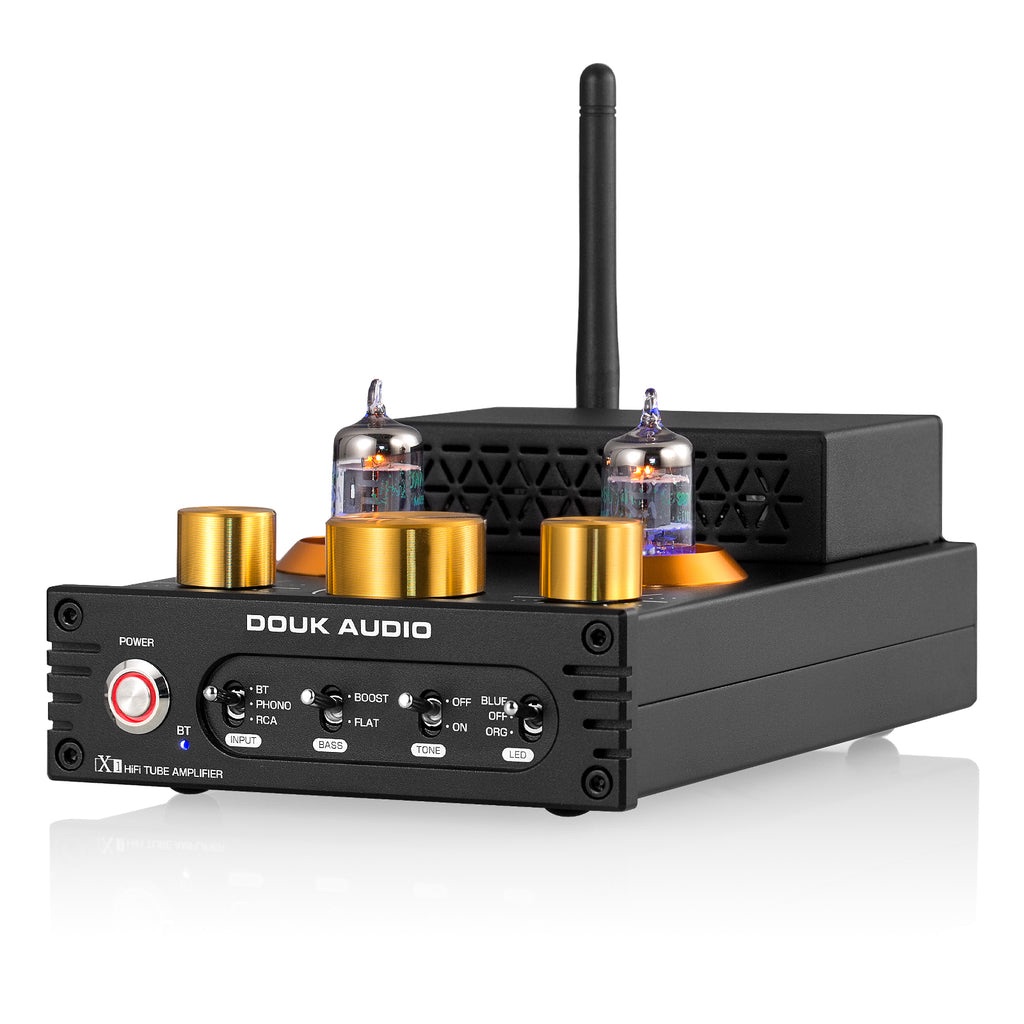
HiFi Bluetooth 5.0 Vacuum Tube Amplifier Desktop Audio Amp for Turntables 160Wx2
Speaker
A good starter speaker is a bookshelf-style speaker. They will be useful forever – they always have a role. A safe choice is an audiophile-quality brand’s entry-level model. I chose the British speaker company KEF’s Q1 Meta because it is well reviewed and reasonably priced ($400). I have been auditioning them in Al & Alex’s new house, and they sound great! They fill the space easily and offer a nice range from punchy bass to crisp highs. Good sound stage, even when not sitting in the sweet spot.
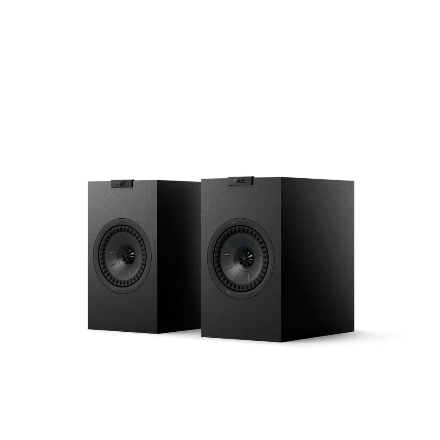
Q1 Meta
Streamer
Once you decide to go even slightly HiFi, Bluetooth will not cut it. So I got them an inexpensive streamer from WiiM. I have been using Bluesound devices for several years and was curious about their competitor WiiM. The WiiM works great and is priced much lower ($150) than Bluesound’s Node ($550).
Rather than “broadcasting” your streaming service via your phone’s DAC at low resolution (and at short range) to your amp (the typical Bluetooth), you use a streamer. A streamer is an audiophile network device that communicates directly with your streaming service and converts high-resolution files (typically up to 24-bit/192 kHz FLAC) to analog. You control this through your streaming service’s app on your phone – so it’s easy to use (for the true audiophile, you can use Roon). A streamer sounds way better than Bluetooth.
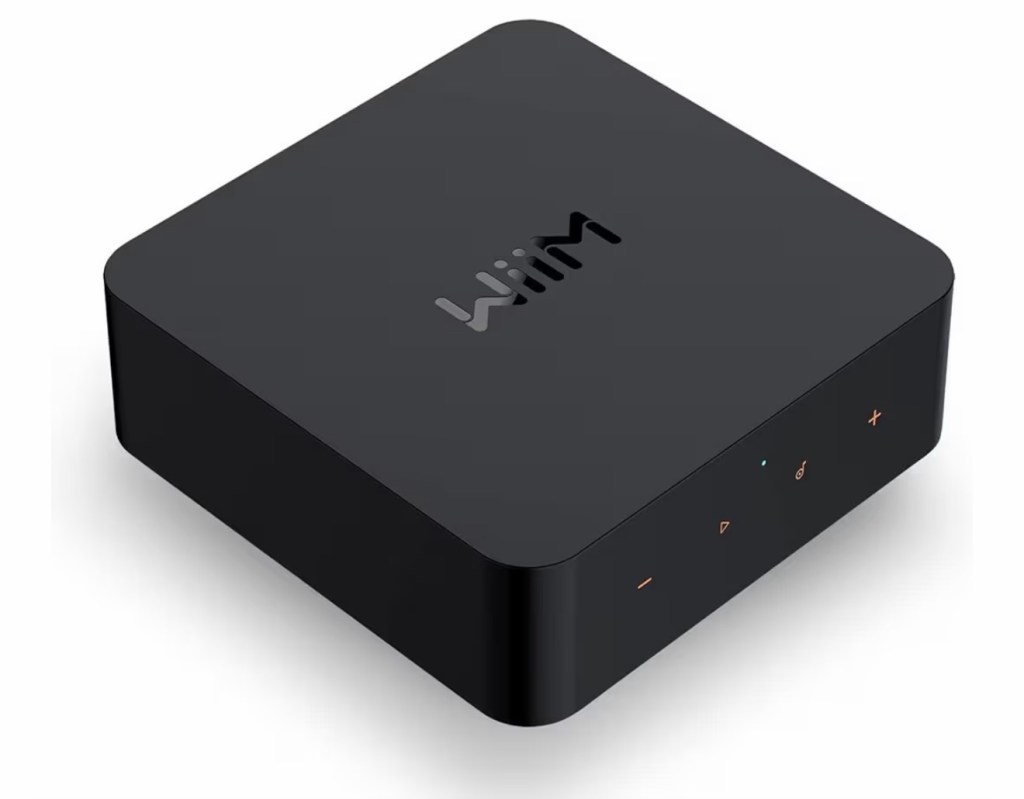
Turntable
My daughter already had a turntable that she used before they went to NYC. It is a solid entry-level audiophile table. See the link below for the backstory.
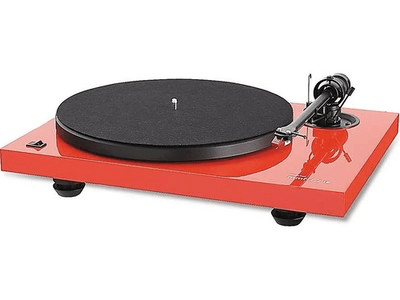
mmf-2.2 le
I am satisfied with this setup, and the kids seem delighted, too! They now have a high-quality entry-level audiophile rig. They can listen to high-resolution digital audio and fully appreciate vinyl. They are both musicheads, so it will be interesting to see if they get bitten by the audiophile bug. All part of my mission to sustain the audiophile hobby by passing it on to the next generation. Having access to a decent stereo when I visit the kids is part of the motivation, too 😉.
*Chi-Fi (short for Chinese High-Fidelity) refers to affordable, high-performance audio gear—specifically IEMs, headphones, and DACs/amps—produced by independent Chinese brands. It has gained popularity for offering premium features at low costs, often acting as a budget-friendly gateway for audiophiles.
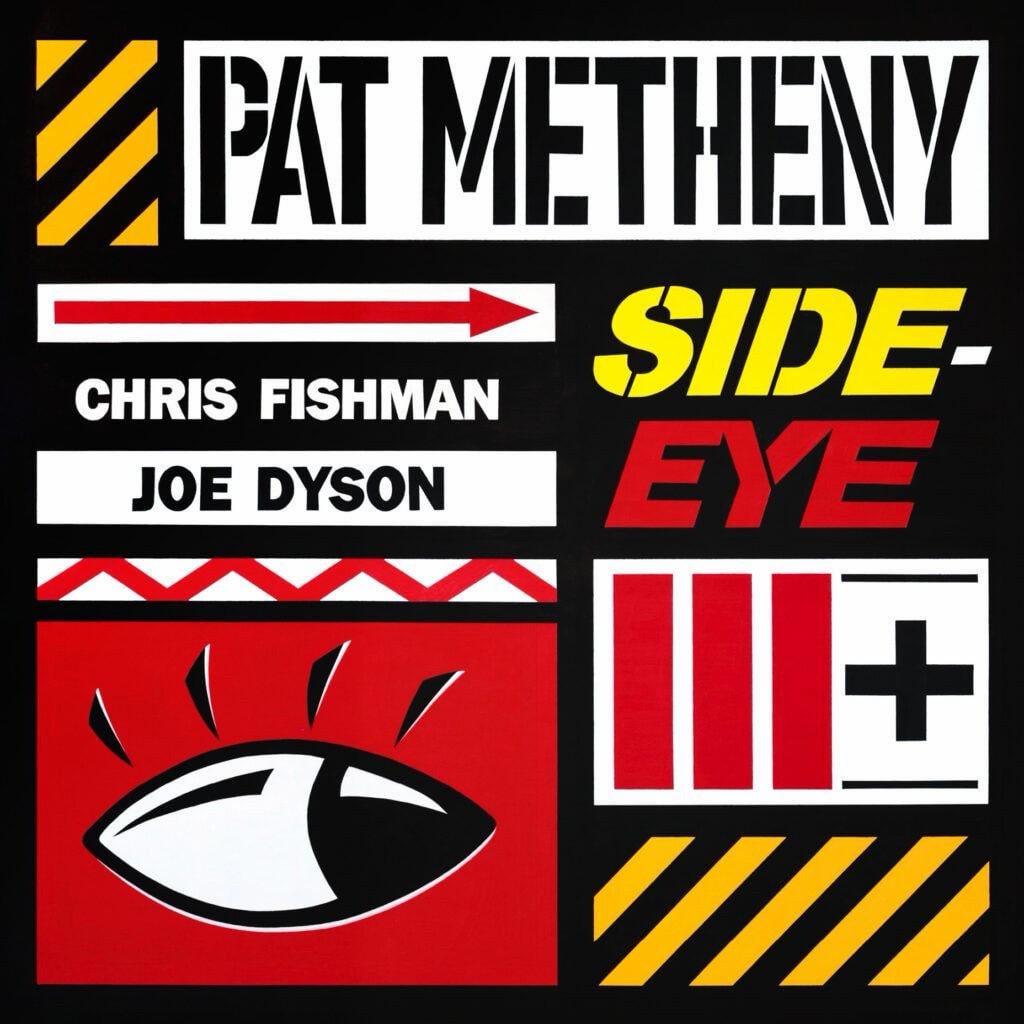
Side-Eye III+
(2026)
Pat Metheny’s “Side-Eye” is a collaborative, rotating-cast project featuring Metheny alongside emerging, talented younger musicians. It launched around 2019 and focuses on reimagining Metheny’s extensive catalog and debuting new compositions in a trio format.
I had the good fortune of seeing a version of the Side -Eye trio in September of 2019 at the Dakota in Minneapolis. I have seen Metheny at least a dozen times in various ensembles, and that Side-Eye trio was one of my top 5 Metheny performances. The album from that tour, SIDE-EYE NYC (V1.IV), is one of my favorite Metheny albums. Side-Eye has been a live project, so I was stoked when a new Side-Eye studio album was coming out, along with a tour in support of it (which I will see later this spring in Chandler, AZ).
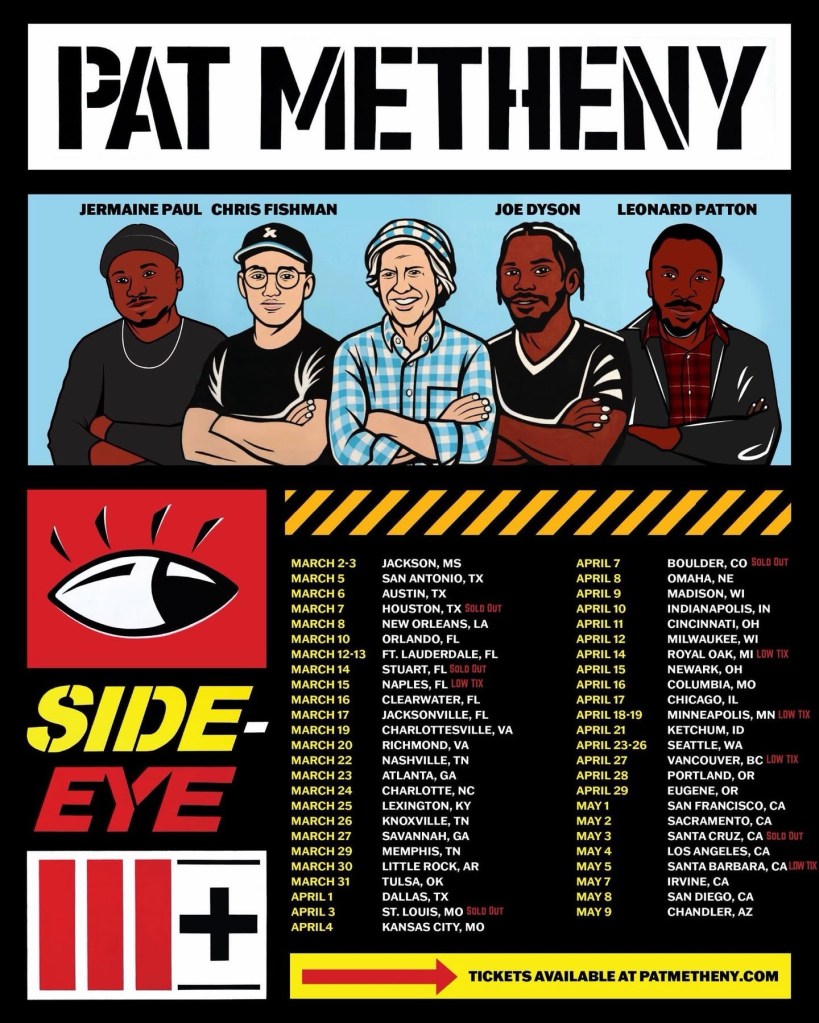
Per Mechany’s website:
Side-Eye III+, the latest evolution of Metheny’s Side-Eye project – a concept he first introduced to showcase the next generation of exceptional young musicians who have come onto his radar in recent years. The album features Metheny alongside Chris Fishman on keyboards and Joe Dyson on drums, the trio at the heart of the Side-Eye ensemble that has toured extensively worldwide.
Metheny explains, “Once I got in the studio with the guys, I realized that while the trio concept was perfect for us as a live ensemble, the music I had written was asking for something bigger. That is where the ‘+’ in Side-Eye III+ comes in. I ended up adding fifteen other musicians to the trio — expanding the sonic world of the record far beyond what we had done before.”
Recorded in the studio, Side-Eye III+ brings together an additional cast of musicians including bassist Daryl Johns, harpist Brandee Younger, percussionist Luis Conte, and a vocal ensemble led by Mark Kibble of Take 6, creating a richly layered and expansive musical landscape.
As usual, the album is impeccably recorded, arranged, performed, mixed, and mastered. The performance is youthful – clearly, the young musicians Metheny is hanging with are good for his soul. This is a joyful album.
The album is available on high-resolution streaming services as a 24-bit/96 kHz FLAC/PCM. The vinyl edition is clean and well-pressed.
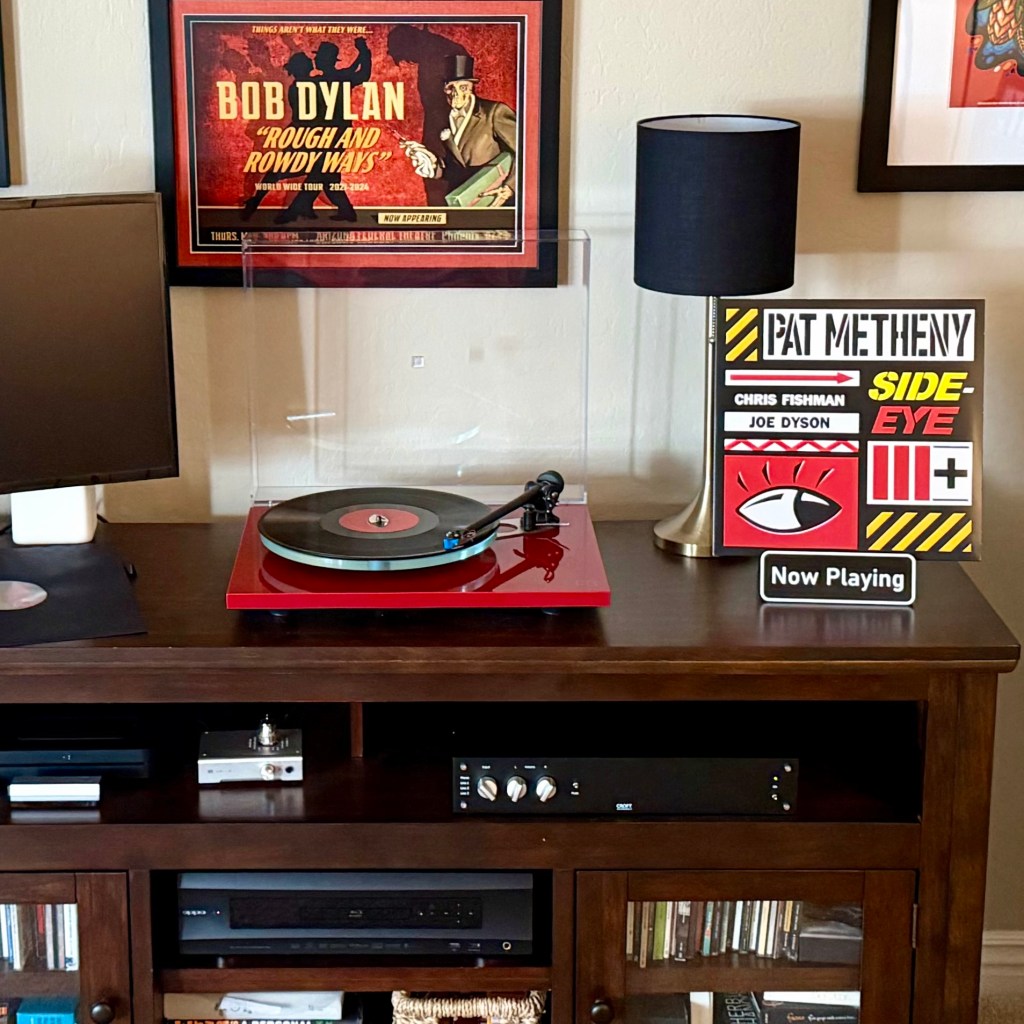
Track list:
“In On It” is jazz-rock in the tradition of Weather Report, with Metheny’s unique guitar voice. The tune has two similar jazz sections with an electronica bridge.
“Don’t Look Down” is a classic ECM ’80s-style Pat Metheny Group (PMG) sound.
“Make a New World” is more of that ECM era PMG melody, dynamics, and arrangement – can’t get enough of this vibe – he can play like this all day!
“Urban and Western” has a nice gospel vibe, complete with a rich vocal ensemble. This is a new and welcome sound for Metheny.
“SE-O” has a late 60s/early 70s a acid jazz vibe. Lots of organ. There is nothing better in jazz than a funky organ trio!
“Our Old Street” is classic, contemplative acoustic-guitar Metheny. This is my least favorite version of Pat, but it is still lush and gorgeous.
“Risk and Reward” is contemplative, electric Pat, which is more up my alley. It is an elaborate, nearly ten-minute suite.
“So Far, So Good” is acoustic-guitar Pat again, but it swells into full Metheny-ensemble glory before settling back to earth.
Metheny explores his past (through new compositions), yet it feels fresh thanks to the brilliant young musicians he is collaborating with. Despite being 71, Metheny sounds youthful. This is becoming one of my favorite Metheny albums. I can’t wait to see this iteration of Metheny live!
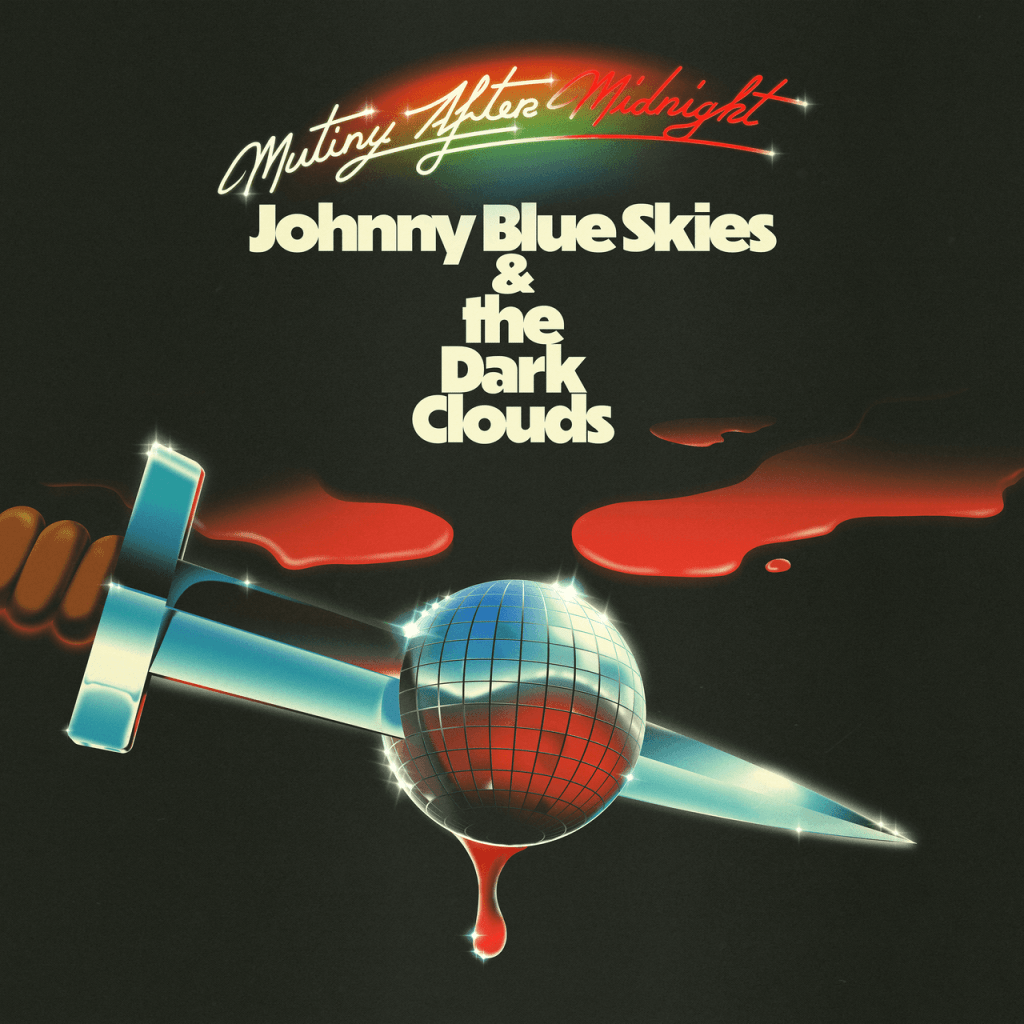
Mutiny After Midnight
(2026)
Sturgill Simpson is a country music weirdo, and I love it. This is his second album under the moniker Johnny Blue Skies. The first one, 2024’s Passage du Desir, had a yacht rock vibe; this one, Simpson describes as a dance album. I call it country funk as the music blends funk, R&B, and 1970s-style dance music with Simpson’s iconic country vocals. The mix is deliberately muddy, giving it a swamp rock vibe. Lyrically, it offers political commentary, encourages mutiny, and explores love and lust.
Sturgill has taken an interesting release approach by initially releasing the album as a physical-only project (vinyl, CD, and cassette) to support independent record stores. However, he briefly leaked the full album himself on YouTube as a teaser before its official launch, then pulled it down before release day. Simpson claims that Mutiny After Midnight will be on streaming services (likely with bonus tracks) in four to six weeks after the 3/13/26 release date. I am a vinyl guy and buy physical albums of my favorite releases, but even I miss the option to stream. Fortunately, I am among the half of consumers who can play music the old-school way.
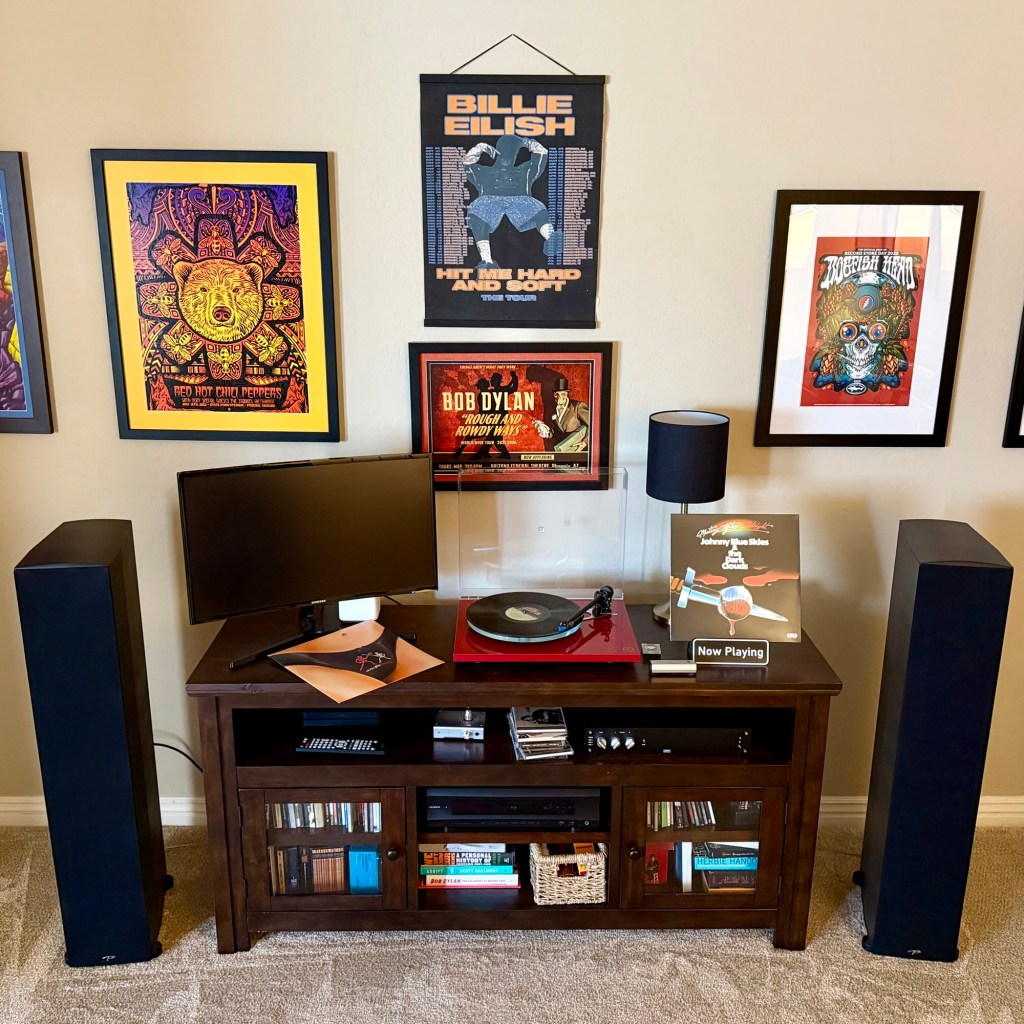
The band features his amazing touring band, The Dark Clouds: Laur Joamets (guitar), Robbie Crowell (keys/sax), Kevin Black (bass), and Miles Miller (drums). I had the privilege of seeing that band live in support of Passage du Desir three times in a year, and they are fantastic. Robbie Crowell’s sax is the MVP on Mutiny After Midnight.
The album opens with “Make America Fuk Again,” which has a funky groove and combines political commentary with self-reflection. The country and the protagonist are a mess, and this song sets the table for the rest of the album, both musically and lyrically.
“Excited Delirium” is a Stones-influenced boogie that is a timely condemnation of militarized policing and excessive force:
Why you dressed up like a soldier?
What the hell are you wearing a face mask for?
How the hell are you gonna protect the peace
Running ’round looking like you’re going to war?
“Don’t Let Go” is a gorgeous love song with a country music feel. This is not a fling, but a long-term relationship. Per the internet, it is about Simpson’s wife, Sarah.
“Stay On That” is a funky song about hot sex. We can all wonder what “Stay on that D, baby, ’til you hit that G” means, but I don’t think it is a chord change.
“Viridescent” is an adjective meaning greenish, slightly green, or tending to become green. It is a love song presented in a classic rock style.
“Situation” is an amazing psychedelic funk piece about lusty infatuation.
“Venus” is a funky song about love and the god of love.
“Everyone Is Welcome” is about what the narrator used to believe, no longer believes, and now believes: “Life’s better fluid like sexuality.” Amazing sax all over this track.
“Ain’t That A Bitch” ends the album on a political note: “The poor stay poor, and the rich get rich/Nothing ever changes ain’t that a bitch.” Musically, it reminds me of The Eagles’ “Life in the Fast Lane.”
Sturgill has an impressive catalog, and he may have managed to top himself with Mutiny After Midnight. He makes protest songs feel like a party. This is the perfect album for our crazy times as we:
Spend all our time watching a bad cartoon
In a ill-fitting suit grabbing women by the poon
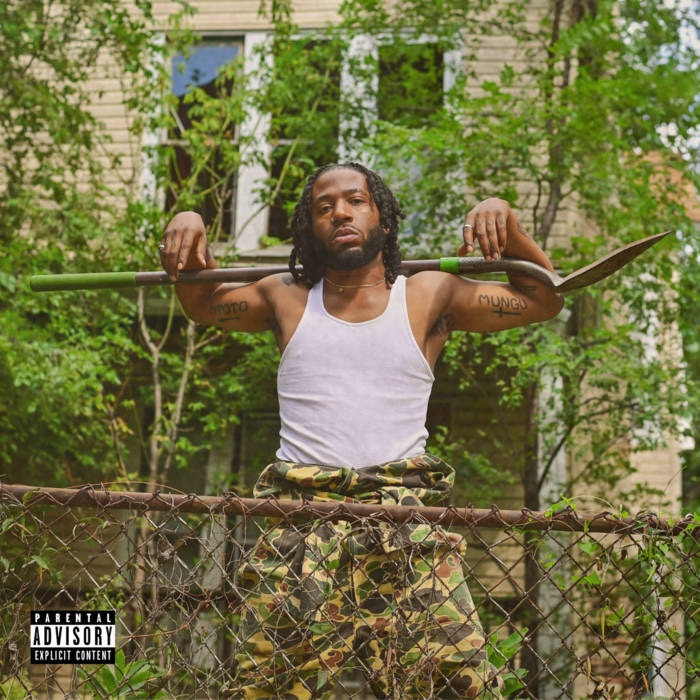
Trench Baby Turned Farmer
(2026)
I only have a dozen hip-hop artists that I like. By “I like,” I mean I care enough to have purchased their CD or LP. I am only deep into one hip-hop group: Minneapolis’ Atmosphere. The point is, I am not one of those “I like everything except rap” musicheads that are common amongst my boomer colleagues, but at the same time, I am pretty ignorant of the genre. Typically, the hip hop that hooks me includes:
- Music that is more than just a beat – where you can smell the soul and funk
- A story
- A flow* that I can understand, but has character
- Guests that contribute
On Heavy Crownz’s (HC) debut album, Trench Baby Turned Farmer (he has been in the game for over a decade, dropping over 10 projects during that time and rapping since he was 10), he meets all my criteria.
Full disclosure, I know HC (he is a friend of my son), and without that connection, I would never have checked out Trench Baby Turned Farmer. I have chatted with HC several times over the years, and as we old people say, “he is a nice young man.” I checked out his 2022 mixtape, Whole Lotta Seedz, and dug it. So I have been looking forward to his first proper album.
I have listened to Trench Baby Turned Farmer, and my hip-hop collection will be a baker’s dozen now – welcome Heavy Crownz!
The clever conceit of the album is that the protagonist is an urban kid (trench baby) who grows into an adult who understands life through the genius of plants (farmer). Trenches typically carry a negative connotation, as in “working in the trenches,” but HC is using it positively, like the trenches that a farmer plants seeds in. Trench Baby Turned Farmer is a concept album (a musical album whose tracks are unified by a single central narrative or theme, which can be lyrical, instrumental, or compositional) focused on this urban-kid-turned-farmer. The setting for this concept is HC’s beloved Chicago South Side neighborhood, Englewood. Per HC’s website:
“Trench Baby Turned Farmer is a living testimony of Heavy’s journey from survival to self-realization. A Chicago story to uplift Englewood, Heavy culminates pivotal memories with lessons of resilience to redefine what we call the trenches. At the intersection of concrete and soil, Heavy invites listeners to reflect on their own roots, struggles, and growth. This is a soundtrack that anyone can grow with – because even a Trench Baby can be a Farmer.“
HC’s flow is a nice, quiet storm growl – almost a whisper. It evokes both humility and confidence. He enunciates clearly (not all rappers do), which is relevant as HC has important things to say. Although I don’t know any of the guest rappers, I feel they are real contributors and not mere window dressing – they are additional characters in the drama. Musically, the beats are gorgeous. Generally, they are soulful and slow. Occasionally, things get funky and danceable. The music is a perfect partner for the vocals and the message. It is easy-going enough to play in the background, but deep enough to listen intently.
The album should be consumed as a whole (it is a concept album after all), but most tracks can be consumed individually. Here are the standout tracks for me:
The titular track, “TRENCH BABY TURNED FARMER,” is central in explaining the concept of the album.
“Ball Courts” (featuring Panamera P & Ju Jilla) was my intro to the album as the teaser single. It uses the basketball court as a metaphor to illustrate the neighborhood’s drama. Here is a video of the song:
“Same Conversations” (featuring JAAS) is my favorite track. The song has a great beat and a nice pop hook. It rocks like Kendrick’s “King Kunta” mellowed by Indica. The song expresses frustration in a relationship yet acknowledges that the love is still there. It has a sexy vibe.
“Time Travelin’” (featuring Rhymefest) has a nice jazzy sax. The song looks back at history, including the protagonist’s rural ancestors.
“A Son’s Dream” (featuring Lilla Sol) has a beautiful soul vibe. The protagonist is riffing on his relationship with his father. Lilla Sol (a sister duo) adds some gorgeous harmonies.
“This Is Why” (featuring The O’My’s) is a great ending to the album, as HC stated on his Instagram: “This song is for anyone pursuing thier purpose in life and keeping their ‘WHY’ at the center.” Here is the video for the song:
Concept albums can be ham-fisted, but when they work, it is deft. Trench Baby Turned Farmer is the kind of concept album that works. The album is not available in physical formats, but is on streaming services (24-bit/48 kHz on high-resolution services like Tidal).
Tracklist per HC’s website:

*Per Google AI: Hip hop flow is the rhythmic, melodic, and lyrical delivery of a rap verse, functioning as a vocal percussion instrument that interacts with the beat. It encompasses cadence, speed, rhyme schemes, and, most importantly, staying on-beat. A great flow involves manipulating syllables over a 4/4 time signature to create unique, catchy patterns

 Axl's Catch Groove