I am a long-time fan of George Clinton and his various bands (collectively known as P-Funk). One of the greatest live music experiences of my life was witnessing the P-Funk All-Stars at The Cabooze (Minneapolis) in the early 90s. I was even part of a conga line led by Bootsy Collins that night. I recently discovered there is a pretty good-quality soundboard recording of that show on YouTube:
Funkadelic was Clinton’s amalgamation of funk and psychedelic rock – thus a perfectly named band.
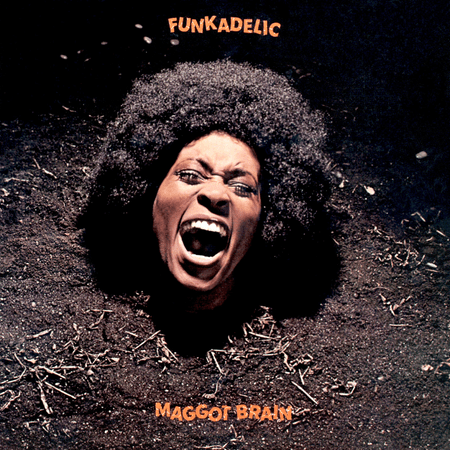
I knew there was a new reissue of the classic Funkadelic album Maggot Brain, but I didn’t realize there was an audiophile component: a two-LP 45 RPM edition and a SACD edition. The folks and ORG Music have taken deliberate care in making this the best possible recording. Per the reissue label, ORG Music:
For this definitive 2026 reissue, the album was mastered directly from analog tape, preserving the raw power, depth, and atmosphere of the original recordings with extraordinary detail. A longtime holy grail for collectors, Maggot Brain receives the treatment it has long deserved.
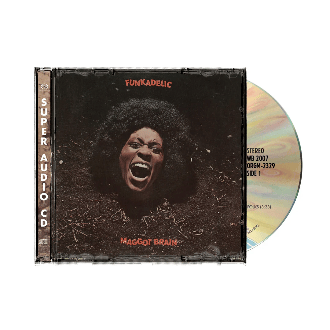
I just ordered the SACD, as I am a fan of DSD and appreciate the analog-sourced warmth it provides without dealing with the surface noise or physical flipping of the 2×45 RPM vinyl variant. Again, per ORG Music:
Hybrid Stereo SACD mastered by Dave Gardner, captured directly from the all analog processing during the cutting of the 2LP 45RPM edition.
Regarding the 2LP 45RPM edition:
- Mastering & Restoration: Dave Gardner, DSG MasteringLacquer cutting: Dave Gardner & Catherine VericolliOriginal
- Master Tape Archival & Restoration: Catherine Vericolli
- Additional Engineering and Indispensable Assistance: Nick KingVisual Restoration: Henry H. Owings
- All vinyl variants are all analog, mastered direct from tape to lathe
- Pressed at Furnace Record Pressing
- Gatefold packaging featured on all vinyl editions
- 2xLP 45RPM Edition features a case-wrapped gatefold jacket from Stoughton Printing
In the meantime, I am enjoying the high-resolution 24-bit/96kHz FLAC via Tidal. It sounds fantastic. I won’t be able to audition the DSD version on the SACD until I am back in Phoenix, as I don’t have a DSD option in Minneapolis. I will update this post once I have experienced the SACD. But enough of the audiophile bullshshit. Let’s talk about the music.
First and foremost, Maggot Brain is an Eddie Hazel showcase. Hazel was a Jimi Hendrix-level guitar hero. If you have ever witnessed a Prince face-melting guitar solo, he is channeling the spirit of Eddie Hazel. Clinton’s genius was and is recruiting talent and putting that talent in the best situation to shine. And boy does Hazel shine on this album.
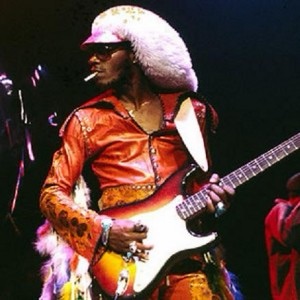
For the titular instrumental track, George Clinton is famously reported to have coached Hazel to play “as if your momma had just died, and then found out she was alive.” Clinton recalled that other band members on the session had drifted off or struggled to find the right groove, prompting him to isolate Hazel, surround him with amplifiers, and let him carry the entire track alone: “So I had to make a record out of whatever I got… I faded they ass right the fuck out and just let Eddie play by hisself the whole fuckin’ track.” The result is one of the all-time great guitar solos in history. The track starts with soul-crushing saddness and ends ten minutes later triumphant rejoicing.
“Can You Get to That” is acoustic folk-blues with gospel-infused backing vocals. The song appears to be about a womanizer who has played out his game:
When you base your life on credit and your loving days are done
The checks you signed with love and kisses, later come back signed, “Insufficient funds”
Y’all get to that
“Hit It and Quit It” is classic funk-rock. It has a funky organ riff by Bernie Worrell and ends with a smoking Hazel guitar solo. It appears to be a song about casual sex.
“You and Your Folks, Me and My Folks” has an amazing bass and drum riff and an urgent, soulful vocal from Billy “Bass” Nelson. It is a call for exploited people to come together so they can work together to get to a better place.
“Super Stupid” is Hazel on guitar and vocals doing his Hendrix thing. It is evidently a true story. According to Harvey McGee, a close friend of the band, Funkadelic was performing in Boston. Hazel was in the mood for cocaine. He went out looking for coke, and came back with what he thought was cocaine. He sniffed it in two lines and, according to McGee, “his eyes got wide, and his nose started running.” It was not cocaine but actually heroin, which “scag” is a nickname for.
Super stupid bought a five cent bag
Thought it was coke but it was scag
Super stupid took a one and one
Then his eyes begin to bug, his nose begin to run
Oh, stupid with your ups and downs
Your maggot brain, your grins and frowns
Super stupid you’re here today
You’ve lost the fight and the winner is fear
“Back In Our Minds ” has an amazing bass line, some great Worrell keys and slinky horns. After loosing their minds the group has come to their senses: “We are back in our minds again.”
The album ends with “Wars of Armageddon,” featuring drummer Tiki Fulwood. Around his incredible drum performance is a collage of sound effects capturing the social and political anxieties of the early 1970s. And of course, some P-Funk locker-room humor:
More power to the people
More power to the people
More pussy to the power
More pussy to the people
More power to the pussy
More pussy to the power
Pussy to the people
Power to the pussyMore peter to the eater
More power to the pussy
More pussy to the power
Right on, right on
More power to the pussy
More pussy to the power
More power to the peter
More peter to the pussy
Right on
Maggot Brain is a masterpiece in the P- Funk catalog and a must-listen for fans of funk and soul.
Note: Spotify lists this album as Lossless, which means the streaming resolution is 24-bit / 44.1 kHz FLAC (CD quality).
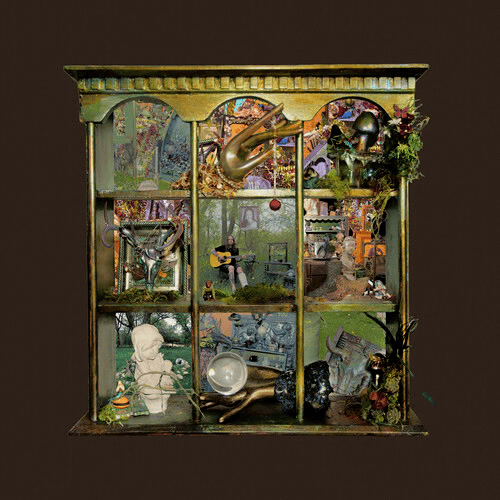
Crossover bluegrass stars have come and gone (David Grisman, Alison Krauss, Béla Fleck, etc.), and new stars have emerged (Molly Tuttle, Sierra Hull, Greensky Bluegrass, etc.). But only Billy Strings fills arenas playing bluegrass and bluegrass-influenced music.
I like bluegrass music, but I am not as drawn to it as other rootsy genres. Billy Strings has really hooked me.
So Much for Goodbyes is not radically different from the rest of his catalog. Sonically, it is a bit more atmospheric. Lyrically, it is more serious. Overall, it has more of a singer-songwriter vibe. Strings’ vocals are the best yet.
Strings has been open about the inspiration for So Much for Goodbyes: grief, generational trauma, and the complex relationship with his mom, who passed away in 2025 due to an accidental drug overdose. Strings’ birth father overdosed when String was very young, and Strings’ mom has struggled with addiction, but Strings was not aware she had relapsed. Strings himself is now completely sober – his sole addictive vice is coffee. Given his family history, I applaud him.
Strings hired producer T Bone Burnett to help him with the album (Strings knew T Bone through other projects). Burnett has a great track record as a producer. Strings specifically sought out Burnett for this album to bring his magic touch to this emotionally raw, grief-filled project.
So Much for Goodbyes is my new favorite Billy Strings’s album. There are no tracks to skip, and there is enough sonic variety to hold my interest. A few tracks even have drums/percussion. If you just want to sample one track, try “Mill Town Flood.”
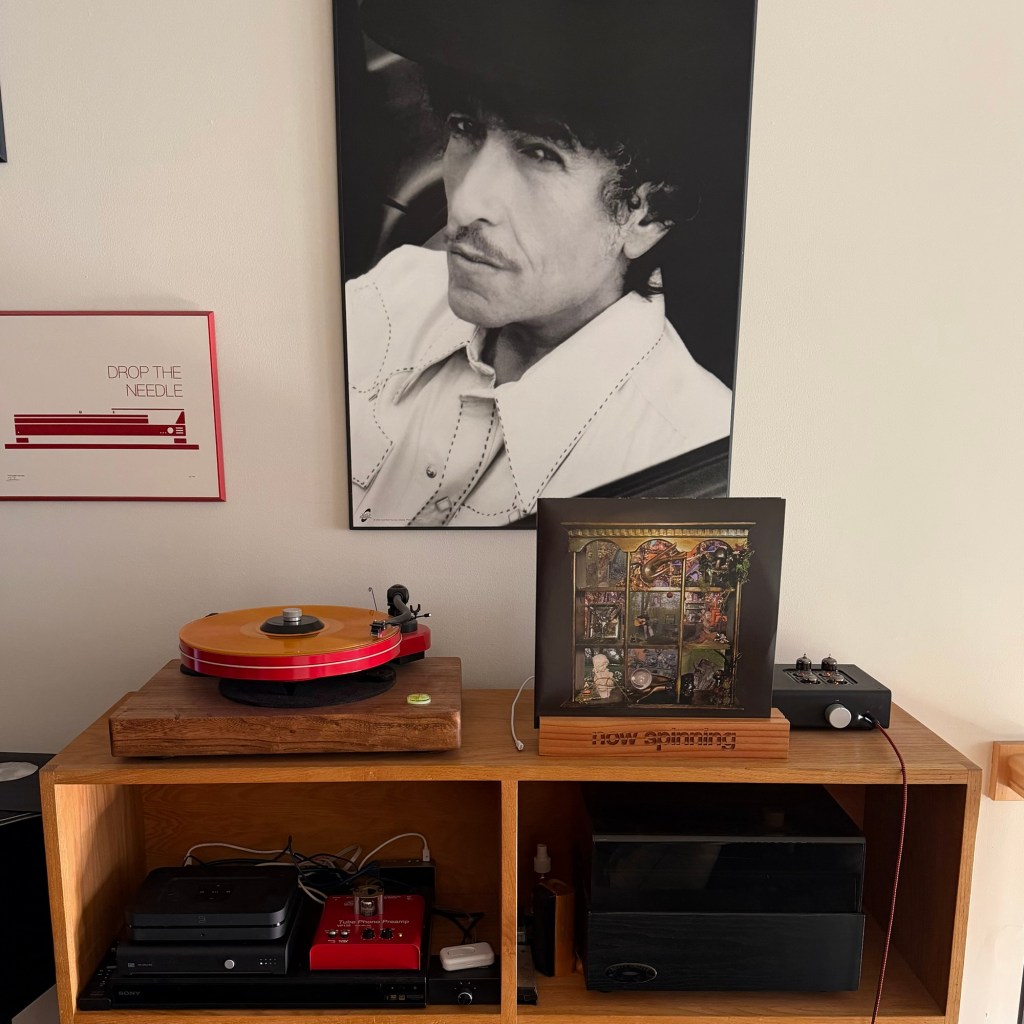
Streaming vs vinyl: Except for a little surface noise on the end of side one, the vinyl LP is great. Somehow it seems more real and more intimate. The high-resolution stream is 24-bit/96 kHz, and with the right gear it is pretty breathtaking.

I heard all the indie hype around Punisher (Bridgers’ 2020 breakout). I listened that album at the time, but it never resonated with me. However, I loved her in the indie supergroup boygenius. I never really had a sense of who was who (Julien Baker, Phoebe Bridgers, and Lucy Dacus) on their album the record (2023) – I just enjoyed the vibes. Lost Weekend has got me hooked. It takes Bridgers’ folk-rock sound to a more adventurous and ambitious place.
In a recent feature in Nylon magazine, the author writes: “Bridgers has fine-tuned the specific sound of melancholy with a wink. Her pen is sharp and her heart is firmly on her sleeve.” That is an excellent summary of Bridgers.
Although Bridgers has not done traditional press to promote Lost Weekend, she has made it known that the new album is a cathartic work dealing with romantic breakups, her complicated relationship with her father, his death, the ups and downs of fame, and new romance. A lot has happened in Bridgers’ life since her last album: a high-profile romance with Irish actor Paul Mescal, a public breakup with Mescal, her father’s death, fame and fortune, cool friends like Taylor Swift and Maggie Rogers, and a more private romance with American comedian and actor Bo Burnham. All of this is on full display on Lost Weekend and in her college radio track-by-track commentary.
Normally, I would not be drawn into my-life-as-art musings of a sad girl pop star, but Bridgers delivers so successfully that I can’t be cynical (my Mount Rushmore artist, Joni Mitchell, pulled off a similar trick in her career). Bridgers has more in common with Bon Iver than Taylor Swift (who said about Lost Weekend: “Haven’t been able to stop listening. This album is an absolute triumph in every way.“). Her lyrics are deep, and I assume a big attraction for her fans, but what really draws me in is the music (keep in mind I am a Dylan fan who is more into his music than his lyrics). The music is a combination of folk, rock, and electronica – the arrangements are deceptively simple on first blush, but almost symphonic upon a deeper listen. Vocally, Bridgers can go from a whisper to a scream (frequently in the same song). Despite her sad-girl persona, Bridgers is often fun and funny, yet always poignant.
Although there are some great songs on this album, there isn’t a stand-out single. This is an album that needs to be consumed in its enitrety. If you are not ready to commit to 52 minutes, start with the songs “Bobby” (about falling in love) and “The Governor’s Waltz” (about the perils of success). Those two will give you a good feel for the vibe of Lost Weekend.
Lost Weekend includes several collaborators, including: Alex G, Jack Antonoff, Julien Baker, Bo Burnham, Lucy Dacus, Christian Lee Hutson, Caroline Shaw, Chris Thile, and Cameron Winter (who is credited via an alias: Son-John Johnson). Most songs have multiple songwriting credits, but they’re pure Phoebe Bridgers.
Bridger’s has clearly struck a chord at this moment. She sold out 34 arena shows in minutes (the tour was expanded to 45 shows). It is a top album of the year on Metacritic (91). Lost Weekend is this year’s Getting Killed (Geese 2025), that is, the album that captures the indie rock zeitgeist.

I approached seeing Willie Nelson at his Outlaw Music Festival as the cherry on top of the ice cream sundae that was the other six festival acts. My wife and I had low expectations for Willie – the last time we saw him in 2019 was a poor performance (to Willie’s defense, he was hospitalized a few days later with pneumonia). Recent recordings have displayed that Willie’s vocals are in decline. We considered skipping his set, but stayed out of honor to a truly American musical institution and living legend (and let’s face it, there can’t be many Willie performances left). We were pleasantly surprised by his performance. Granted, he remained seated for the performance; his voice was weak, his guitar playing muted, and he was heavily supported by “the family,” yet the spark was still there: I got goosebumps several times throughout the hour-long performance.
The show opened with Willie singing his classic “Whiskey River,” and it was rough. You could barely hear him. I could not tell whether his sound team had a problem or were intentionally hiding his voice by keeping the volume low. Eventually, Willie’s voice grew stronger and/or the sound was adjusted. We were no longer distracted by this and could enjoy the show.
The playlist (see below) featured Willie classics and some curveballs, like a cover of Pearl Jam’s “Just Breathe,” which really works as a Willie song. It is a song about love, gratitude, and the briefness of life.
Lukas Nelson took the lead on his song “(Forget About) Georgia,” which worked perfectly in the context of this set. Lukas told the background: he had broken up with a lady named Georgia, yet had to perform the standard “Georgia” with Willie. Next, Micah Nelson sang his song “Die When I’m High (Halfway to Heaven),” with Willie delivering the punchline:
Micah: And if I die when I’m high
I’ll be halfway to heavenWillie: Or I might have a long way to fall
Overall, the setlist was a wink to the audience that Willie understands this is likely the last time you will see him, and he hopes you are ok with that (he seems ready, but not impatient).
Willie doesn’t have much in the tank, but he can leverage what he has to create great drama. For example, on “You Were Always on My Mind,” he used pauses to heighten tension and emphasize the regret in the lyrics.
Willie is an underrated guitar player with a jazzy aesthetic. I assumed that he had lost his ability and that his guitar, Trigger, was merely a prop at this stage of his career. But in the second half of the set he squeezed out some tasty guitar solos. The big screen zoomed in on his hands, and they were remarkably dexterous. When his son Micah took a noisy solo on “Everything Is Bullshit,” and the camera zoomed in on his hands, I was shocked by how similar Willie’s (age 93) and Micah’s (age 36) hands looked (the circle remained unbroken).
My wife and I were deeply moved by Willie’s performance and were grateful we had stayed to witness the set. The cringe of the beginning of the set made the payoff of the rest of the set that much sweeter. The bonus of the performance was that each time Willie finished a song and received an ovation, he would respond with a wry smile we will never forget. A truly magical performance.
Setlist:
- Whiskey River
- Stay a Little Longer (Bob Wills and His Texas Playboys cover)
- Bloody Mary Morning
- I Never Cared for You
- (Forget About) Georgia (Lukas Nelson & Promise of the Real cover)
- Die When I’m High (Halfway to Heaven) (Particle Kid, AKA Micah Nelson, cover)
- Mammas Don’t Let Your Babies Grow Up to Be Cowboys
- Angel Flying Too Close to the Ground
- On the Road Again
- You Were Always on My Mind
- Good Hearted Woman (Waylon Jennings cover)
- Georgia (on My Mind)
- Just Breathe (Pearl Jam cover)
- Help Me Make It Through the Night (Kris Kristofferson cover)
- Everything Is Bullshit (Particle Kid cover)
- Last Leaf (Tom Waits cover)
- Roll Me Up and Smoke Me When I Die
- Will the Circle Be Unbroken?
- I’ll Fly Away
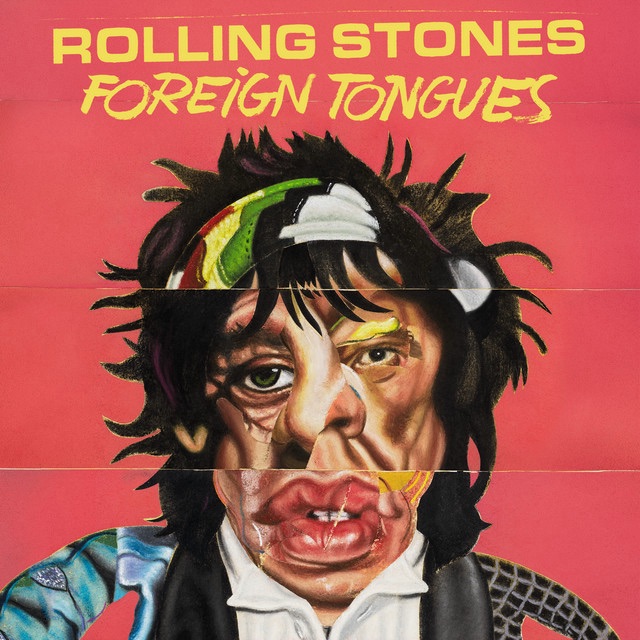
Mick and Keith are 82-year-old rock stars. New guy (he has only been a Stone for 50 years), Ronnie Wood, is a mere 79. Foreign Tongues is their twenty-fifth studio album. It has only been three years since their last studio album, Hackney Diamonds in 2023; however, it had been eighteen years since their previous album of new material (2005’s A Bigger Bang). So the boys are on a roll.
Hackney Diamonds was an elaborate album cycle:
- Marketing via a massive global campaign that included viral publicity stunts, a high-profile launch event in New York City with Lady Gaga, and strategic partnerships with artists like Paul McCartney, Elton John, and Stevie Wonder.
- Merchandising via pop-up stores in London, New York, and Tokyo, and collaborations with fashion designers and various brands to drive engagement and sales.
- Tour: The 2024 tour in support of the album grossed $235 million, selling 848,000 tickets.
The album was a critical success (“a return to form” and a Grammy), several songs were part of their live shows, and physical copies sold well; however, it streamed poorly (the Stones’ legacy catalog streams well). To me that suggests Hackney Diamonds was more of a souvenir for Stones fans than an album that resonated in the culture. Stones tours since the late 80s have consistently been huge – so nothing new there. Stones fans are more interested in their first couple of decades than the last four decades.
The obvious question to me is why do rich (Jagger and Richards are estimated to each be worth $600 million) octogenarian rock stars feel compelled to release new material? They can fill any stadium in the world playing oldies. Although they are not touring, they are marketing Foreign Tongues:
- A six-part “making of” podcast hosted by Norah Jones.
- Marvel Collaboration: They partnered with Marvel to release five character-inspired collectible vinyl LP variants featuring Spider-Man, Captain America, Wolverine, Thor, and The Hulk. Each includes a custom comic book insert.
- FIFA Collaboration: The band announced a partnership with FIFA, offering three limited-edition vinyl variants themed around the World Cup.
- Media and viral appearances; for example, Jagger did a long-form interview with the New York Times.
The big payday for the Stones is touring. Without a tour, I question if there is an ROI here. But at this late date it is more about bolstering the Stones’ brand: despite their age, they still have creative juice, and they can still rock.
Well enough about Rolling Stones, Inc., how is the music? This is a solid Stones album, but not a classic. It is an impressive late-career addition to their catalog, and if this is their last, a great way to go. The album has definitely grown on me. Although it does not have a highlight like Hackney’s “Sweet Sounds of Heaven,” I think it is a better overall album than Hackney. I have to temper my enthusiasm because every time I have listened to a new Stones album since Steel Wheels in 1989, I have been pleasantly surprised and grateful for quality new material (only for the album to enter a memory hole a few weeks later). The 80s are a well-documented rough patch for the Stones, and Steel Wheels was a return to form. Although their release schedule has significantly slowed down, the last 40 years of Stones studio albums have been consistently good, and Foreign Tounges continues that pattern.
Jagger’s presence dominates – I can’t help but be amazed by his vocal prowess. It is not that he is pretty good for 82, but he is as good as at any point in his career. Comparing Jagger’s vocals to McCartney on his latest makes the point – Sir Paul’s voice sounds weak and thin compared to Sir Mick.
Once you get past the big shadow cast by Jagger, there are lots of tasty licks from Keef and Woody. Woody particularly shines on lead.
Like Hackney Diamonds, this is an Andrew Watt production. After starting his career songwriting and producing for artists like Bieber, Post Malone, and Camila Cabello, he became the “boomer whisperer,” producing albums for Paul McCartney (The Boys of Dungeon Lane), Ozzy Osbourne (Ordinary Man, Patient Number 9), and Pearl Jam (Dark Matter). He also produced the latest Lady Gaga and Brandi Carlile albums, which I am fond of. Watt’s brings a contemporary pop, yet muscular vibe to the Stones, yet it sounds like the Stones. The band seemed to click with Watt, who was in his early 30s when he first started recording with the band.
“Rough and Twisted” ignites the album with a classic Keith Richards riff in the left channel, and he is quickly joined by Ronnie Wood on the right. It is a classic Stones’ take on the blues. Jagger calls it a blues fantasy in interviews. It is about a woman who makes grand promises—offering the world to someone—only to lead them into a series of unfortunate experiences. Great opening track. It was the first single (white label vinyl 12-inch only) released under the alias “The Cockroaches.”
“In the Stars” is a pop juxtaposition to the raw “Rough and Twisted.” It was released as the first streaming single backed by “Rough and Twisted.” Lyrically, it appears to be a sentimental reflection on the band’s six-decade career.
“Jealous Lover” features Jagger’s soulful falsetto in a kiss-off song: “Hands off, jealous lover / Please let me be.” It is lyrically lightweight, but musically great and a fantastic vocal performance.
“Mr Charm” is a classic Stones rocker with a nice Keef riff (it reminds me of AC/DC “Girls Got Rhythm”), and the overall song sounds a bit like “Shattered.” It appears to be mocking autocrats and tech moguls: “Life’s too short for just making money.” One of my favorite songs on the album
“Divine Intervention” features Robert Smith on guitar (evidently the collaboration happened organically – Smith happened to be recording in the same studio and was invited to contribute to the album). The song is classic Stones’ rock ‘n roll and appears to be about the randomness of life: “… life is a gambling game.” The track also features Steve Winwood on piano and organ and has a great horn arrangement.
“Ringing Hollow” is the Stones’ typical ironic take on country music. I love when the Stones play country. Woody’s slide is a standout feature of the song. It is the Stones’ heartbroken love song to America. The Stones love America (hell, they have made a few billion off America) and are saddened by the current state of the country. Now this is how you pull off a protest song without being ham-fisted. My favorite song on the album.
“Never Wanna Lose You” has a little of that Stones disco vibe. Robert Smith provides synthesizer and backing vocals for this song. The song is kind of a trite love song, but man do I want to hear this live in a stadium.
“Hit Me in the Head” is the Stones in the blues punk mode. It is built on an archival Charlie Watts drum track. Great tribute to Charlie.
“You Know I’m No Good” is a fairly straight Amy Winehouse cover – a bit bluesier and with plenty of Stones signifiers.
“Some of Us” is the required Keef lead. The song is a major shift sonically – an acoustic ballad, and lyrically it expresses weariness, yet resilience. It is a song Richards has been working on for a while; here is what he says about it:
That song has been hanging around in the head for years, and I never quite got around to putting the finger on it. Some songs are very elusive. I remember ‘Start Me Up’ was 10 years, from the writing of it to when it came out. I know it’s like good wine: Some of it’s better, you know, aged.
“Covered in You” features Paul McCartney on bass. It has a new and unique sound for the Stones: punk, funk and rap. Lyrically, the narrator sounds like a jilted lover, but there is a whole verse that seems directed at U.S. politics.
“Side Effects” is upbeat pop, but the lyrics are about abusing prescription drugs.
“Back in Your Life” is a classic Stones ballad – like “Angie.” Jagger performs an amazing soulful vocal performance, and Woody has an epic guitar solo. Lyrically, the narrator is a jilted lover trying to figure out how to get his lover back.
“Beautiful Delilah” ends the album where the band began thier career: covering Chuck Berry. After all the modern production of the album, this takes a primitive acoustic approach that predates Chuck Berry’s original.
This is a way better album than one should expect from an ancient band. I am seriously considering calling this the best album of the Stones’ stadium era (1989 to present). But as I noted earlier, I tend to love these new stadium-era Stones albums only to forget about them and never come back to them.
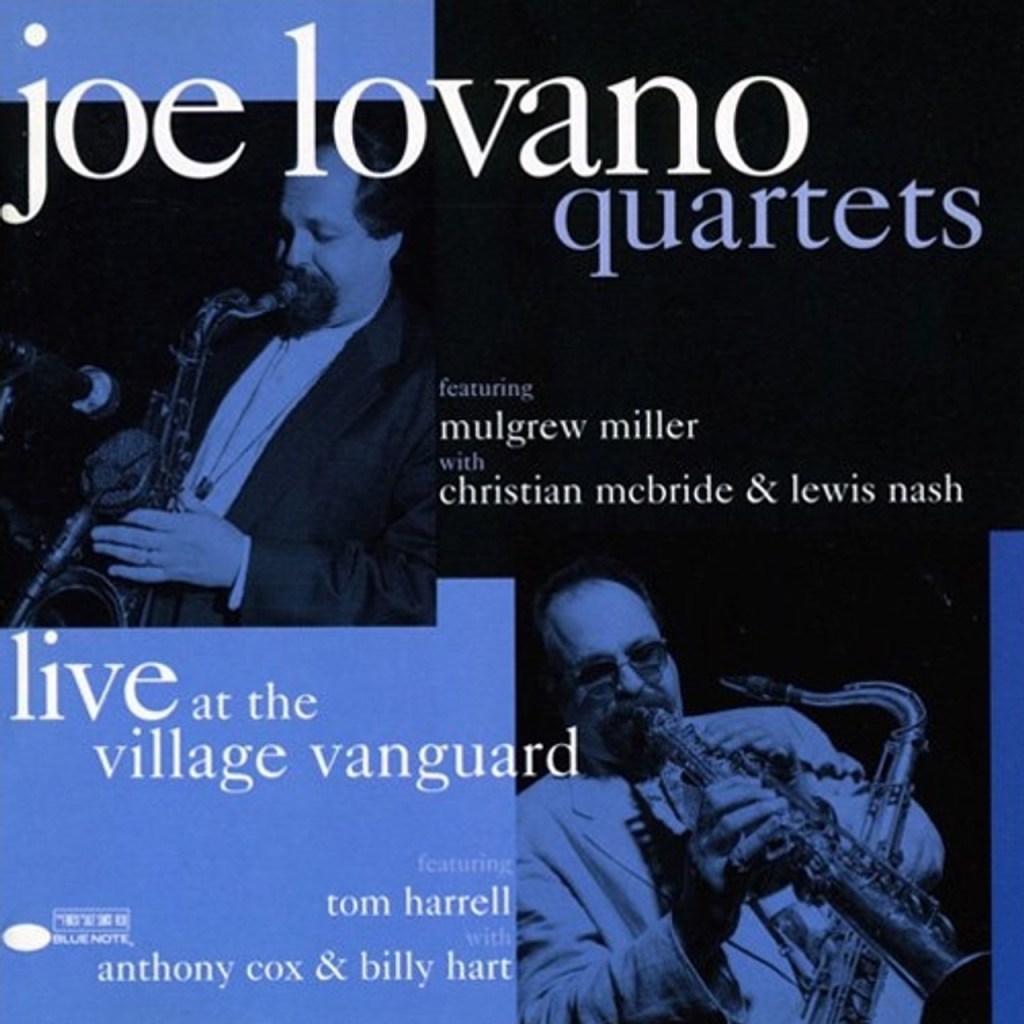
Quartets: Live at the Village Vanguard
Blue Note
(1995)
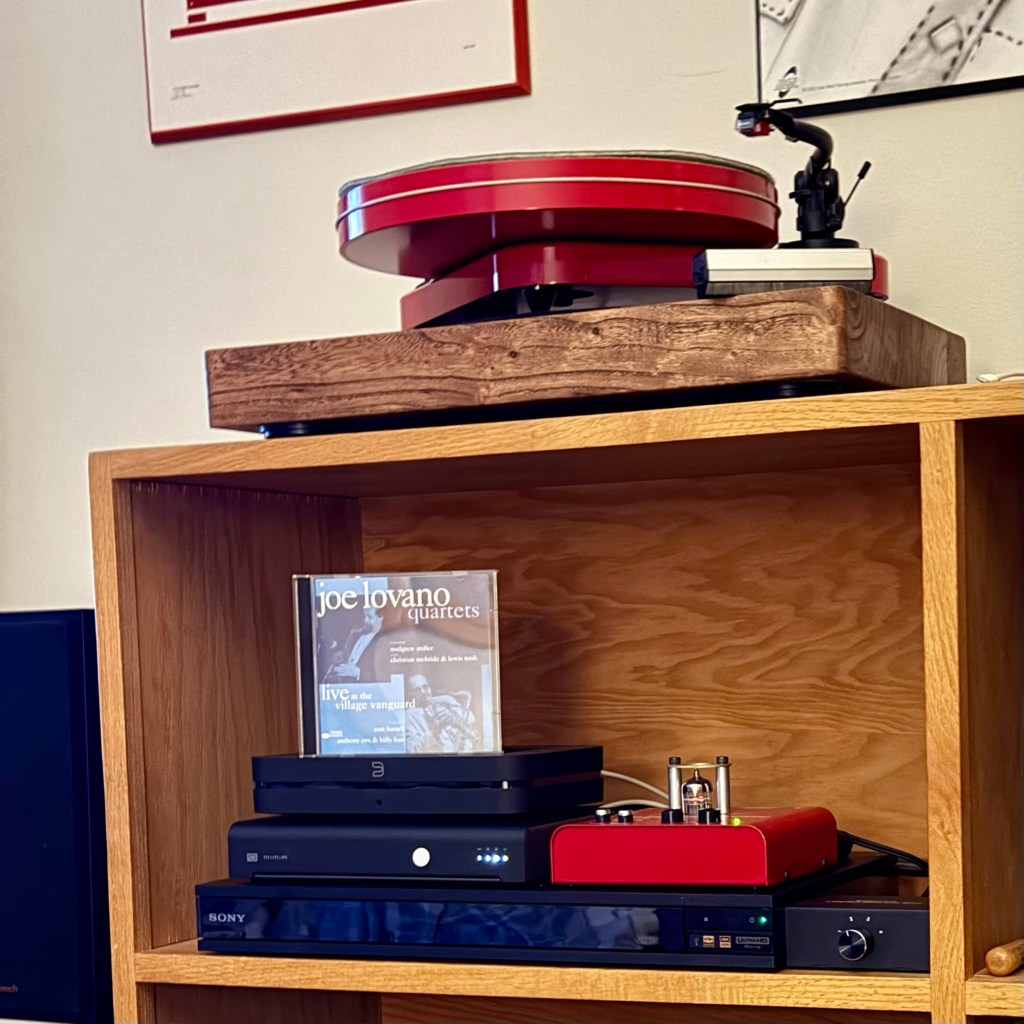
I have come to reappreciate CDs after the recent purchase of a new DAC. I have been pulling some great-sounding albums on CD and streaming to get familiar with the DAC. Quartets: Live at the Village Vanguard is a great pair of live performances, impeccably recorded. This really showcases the capabilities of a Redbook CD (16-bit/44.1 kHz). I have been to the Village Vanguard, and this album is like being there.
During the early 1990s, saxophonist Joe Lovano led multiple working ensembles simultaneously. This album documents two distinct quartet lineups performing across two separate engagements at the historic Village Vanguard. Lovono plays – tenor saxophone, soprano saxophone, C melody saxophone on the album.
Quartet #1 (without piano): Joe Lovano (sax), Tom Harrell (trumpet/flugelhorn), Anthony Cox (bass), and Billy Hart (drums).
Quartet #2 (with piano): Joe Lovano (sax), buy (piano), Christian McBride (bass), and Lewis Nash (drums).
I became aware of this album when it won the 1995 Downbeat readers’ poll Jazz Album of the Year. I picked up the double CD and instantly loved Joe’s style. As the liner notes point out: “Lovano is as comfortable playing improvised duos with English Free-Jazz-Master Evan Parker as in-the-pocket bebop with an organ trio.”
Disk one (Quarter #1) features the combination of Lovano and Tom Harrell (trumpet/flugelhorn), and it is jazz heaven. These are two guys on the same page. Two guys with the same aesthetic but different horns. The rhythm section of Cox and Hart perfectly supports the soloists. If you focus on the rhythm section, it is complex and interesting in its own right (Cox gets plenty of solos too). Lovano composed four of the seven tunes (Harrell wrote one too).
This is mellow, but real jazz, not smooth jazz. A friendly entryway into the jazz door, yet with plenty of depth for the serious jazz head. The kind of esteemed place that the likes of Miles Davis’ Kind Of Blue occupy – accessible, yet innovative.
In the liner notes, Lovano continues:
“Whether Miles’ group was a quartet or quintet or however big it was, it would come down to a trio sound a lot, the bass, drums, and horn. I think that’s the essence in jazz, and there are certain feelings that happen in that intimate setting. In a quartet like this, with two horns you have the opportunity to change the orchestration as you play, to play backgrounds, to cut in on each other, to trade, to create a real ensemble sound as four people.”
This is a great-sounding quartet.
This is a great-sounding CD. Very lively and immersive.
It is amazing how different swapping out a horn for piano is. Disk two (Quartet 2) is a completely different vibe. The piano quartet allows for Lovano to solo unleashed. The set list is covers and jazz standards (John Coltrane, Thelonious Monk, Miles Davis, and Charles Mingus, a standard by Gordon Jenkins) with the final tune composed by Lovano. Let’s talk about the players.
Lovano has the rare ability to be accessible, yet he absolutely shreds. He can bleed a ballad and fly his freak flag.
Mulgrew Miller (piano) was a boss. He was influenced by Ramsey Lewis, Oscar Peterson, and McCoy Tyner, but has his own voice. His solos are soulful, yet epic. This cat can play.
Christian McBride (bass), was a 23 year old kid building his reputation. He sounds great both in the rhythm section and as a soloist. He has a unique voice and sticks out (in a good way) even at this young age. No surprise he became a jazz superstar. What I love about McBride is that he swings.
Lewis Nash (drums) now has a reputation as a go-to jazz drummer. According to Modern Drummer magazine, Nash has one of the longest discographies in jazz and has played on over 400 records, earning him the magazine’s honor of Jazz’s Most Valuable Player in its May 2009 issue. He has some impressive solos too.
In the liner notes, Lovano states:
“I wanted to make a counter-statement to the first quartet and not just be throwing some tunes together. We challenged each other throughout the week on each tune. It didn’t matter what the tempo was or what key it was in or what the tune was. We could have played ‘Happy Birthday.'”
Needless to say, this is a tight combo. A great environment for pros like. Lovano and Miller can seriously solo.
This disk is also impeccably recorded and mixed. I like the audience mix as it makes me feel like I am in the club.
The combination of these two quartets at the top of their game, led by a horn player in the stratosphere, makes this one of my top fifty jazz albums (assuming I had such a list). I am really enjoying revisiting this album. Joe Lovano knows how to assemble and lead a jazz band. This is a prime example of live jazz at its best. The mix of band and audience is fantastic. An immersive experience (sorry, I keep repeating that – but the “in the club” vibe is fantastic).
As I look over my list of the best of the year so far, I need to admit that these are not necessarily the best albums of 2026, but the ones I liked enough to buy a physical copy (vinyl is my preferred choice). I have been serious about music since I was a teenager (I’m 67 now) and have been writing about music for this blog since 2011. I still struggle to explain why I like a particular piece of music and often settle for the default that it just happens to resonate with me. So here are some albums that resonated with me this year (in no particular order). Most of the artists represented here are old favorites of mine, but I also got turned on to some new ones. Links are album reviews.
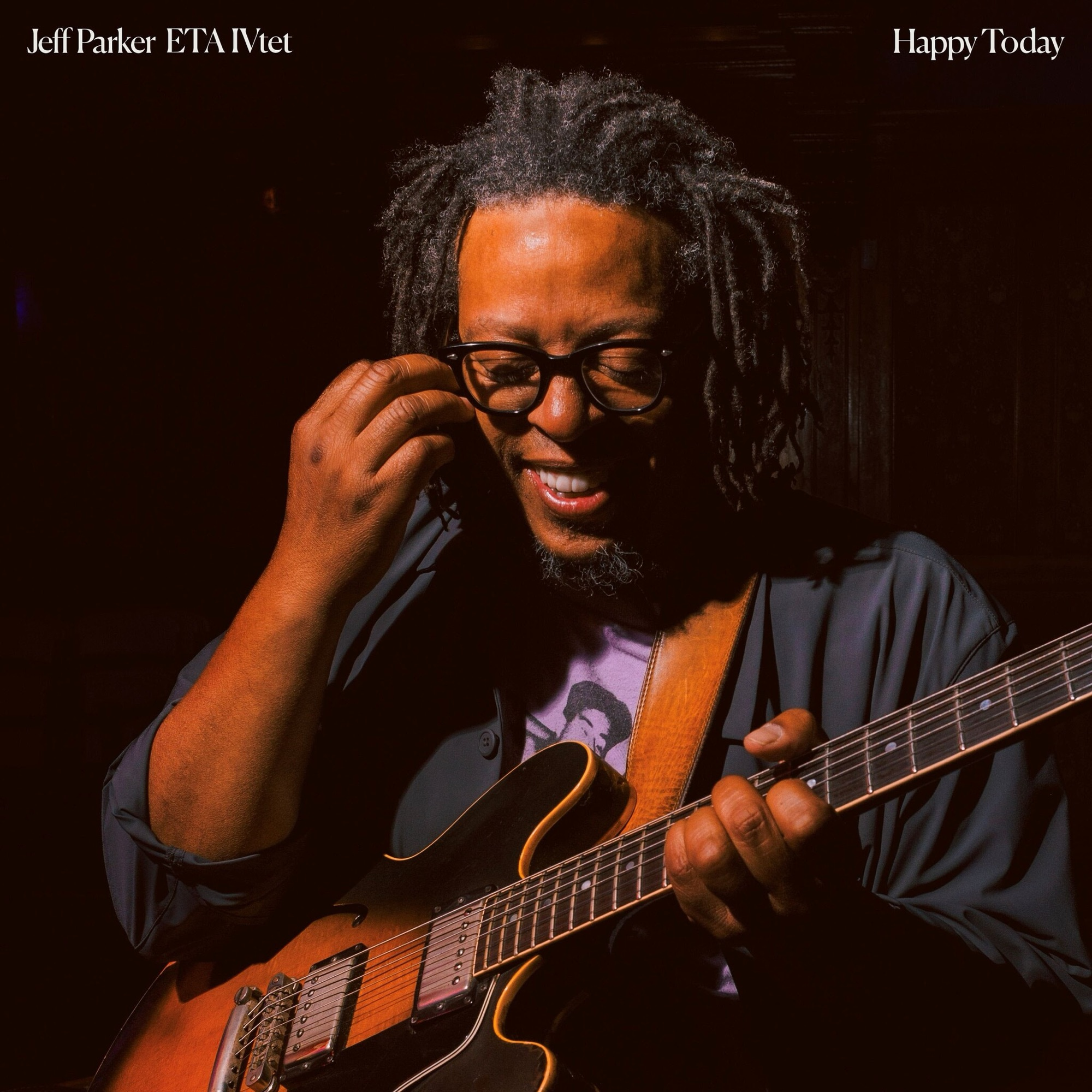
Jeff Parker & ETA IVtet: Happy Today, I was reminded of Parker this year due to Flea’s jazz album (also on this list) – Parker was all over it and sounded great. I have listened to a few Tortoise albums and some of Jeff’s solo albums (especially Suite for Max Brown) over the years, but this is the first of his albums to truly move me.

Kacey Musgraves: Middle of Nowhere, I have a soft spot for female country singers – it started with Emmylou Harris back in the late 70s. I am a big fan of Kacey, and this album is billed as a return to her Texas roots and country music after a successful detour into pop. The album uses multiple Southern ingredients. It also returns to the John Prine-like humor of her first two albums.
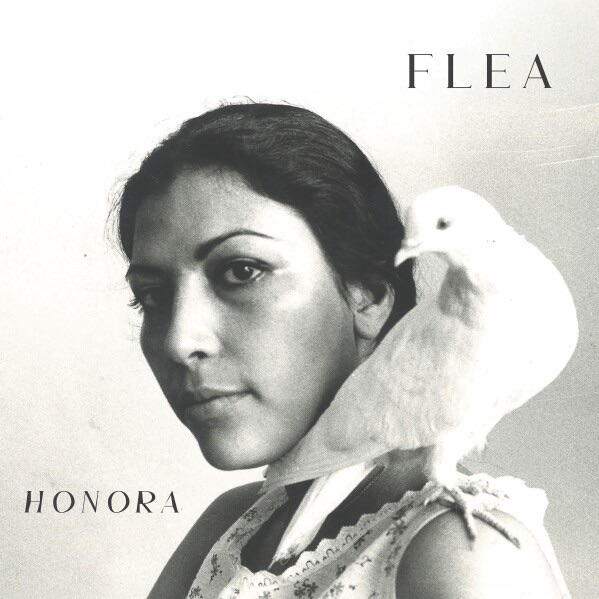
Flea: Honora Flea accomplishes his goal of making a legitimate jazz album and mastering the trumpet. I am no jazz expert, but he doesn’t sound like an interloper or fanboy, but a musician successfully following his muse.
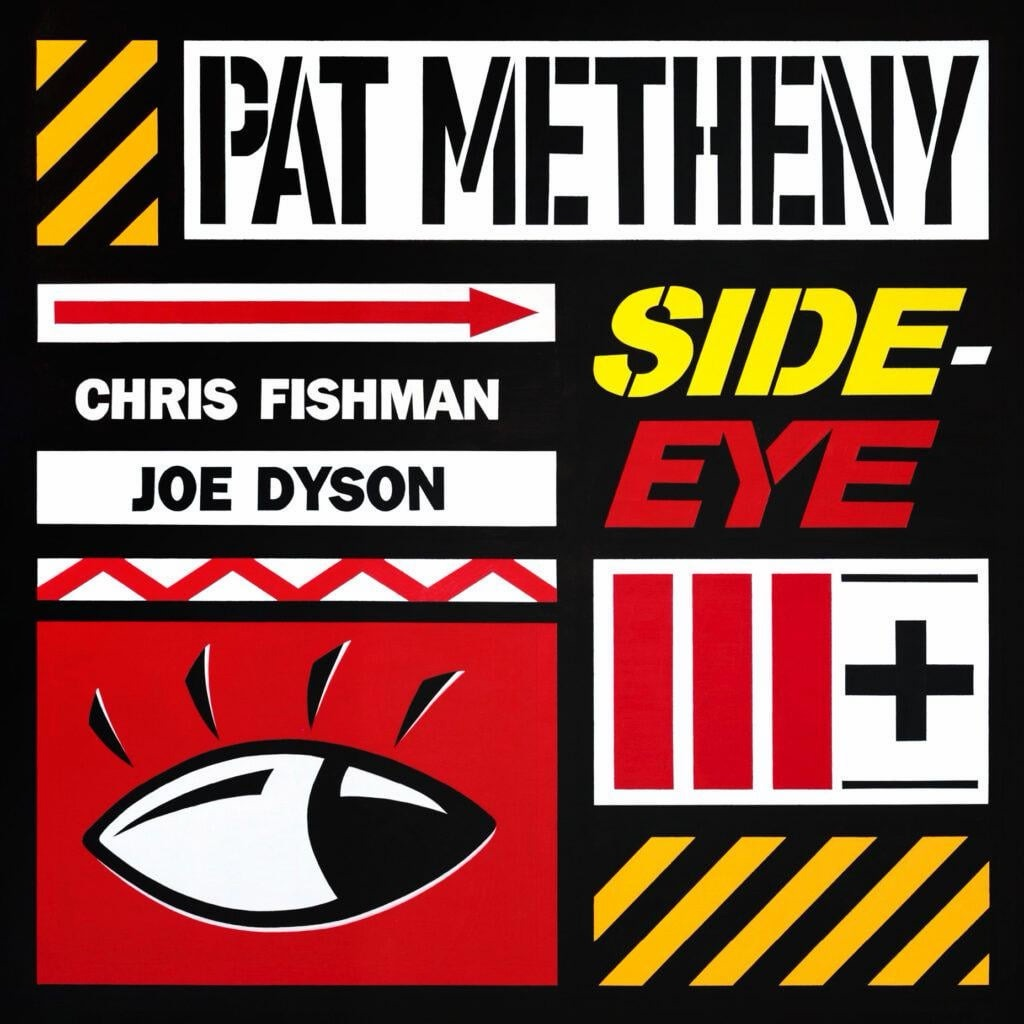
Pat Metheny: Side-Eye III+ Metheny is on my Mt. Rushmore of musical artists (along with Bob Dylan, Joni Mitchell, and Miles Davis), and so I take every one of his new releases seriously. I am particularly fond of the Side-Eye project that he has been exploring for the last few years – a collaborative, rotating-cast project featuring Metheny alongside emerging, talented younger musicians. It launched around 2019 and focuses on reimagining Metheny’s extensive catalog and debuting new compositions in a trio format. Well, Pat, being Pat, he couldn’t help but add some additional ingredients, and thus the “+” in the album title. Metheny explores his past (through new compositions), yet it feels fresh thanks to the brilliant young musicians he is collaborating with. Despite being 71, Metheny sounds youthful. This is becoming one of my favorite Metheny albums. I got to see the tour in support of this album, and it was great.

Johnny Blue Skies & The Dark Clouds: Mutiny After Midnight. Holy fuk, this is a great album. It is country-funk, country, rock n’ roll, disco, and jazz-funk. The production is amazing: lo-fi Steely Dan – an unironic choice that works. Mutiny After Midnight is dirty like a Prince album and clever like a John Prine one. It has protest songs that are Dylan quality, yet nothing like him. Most importantly, it struts.
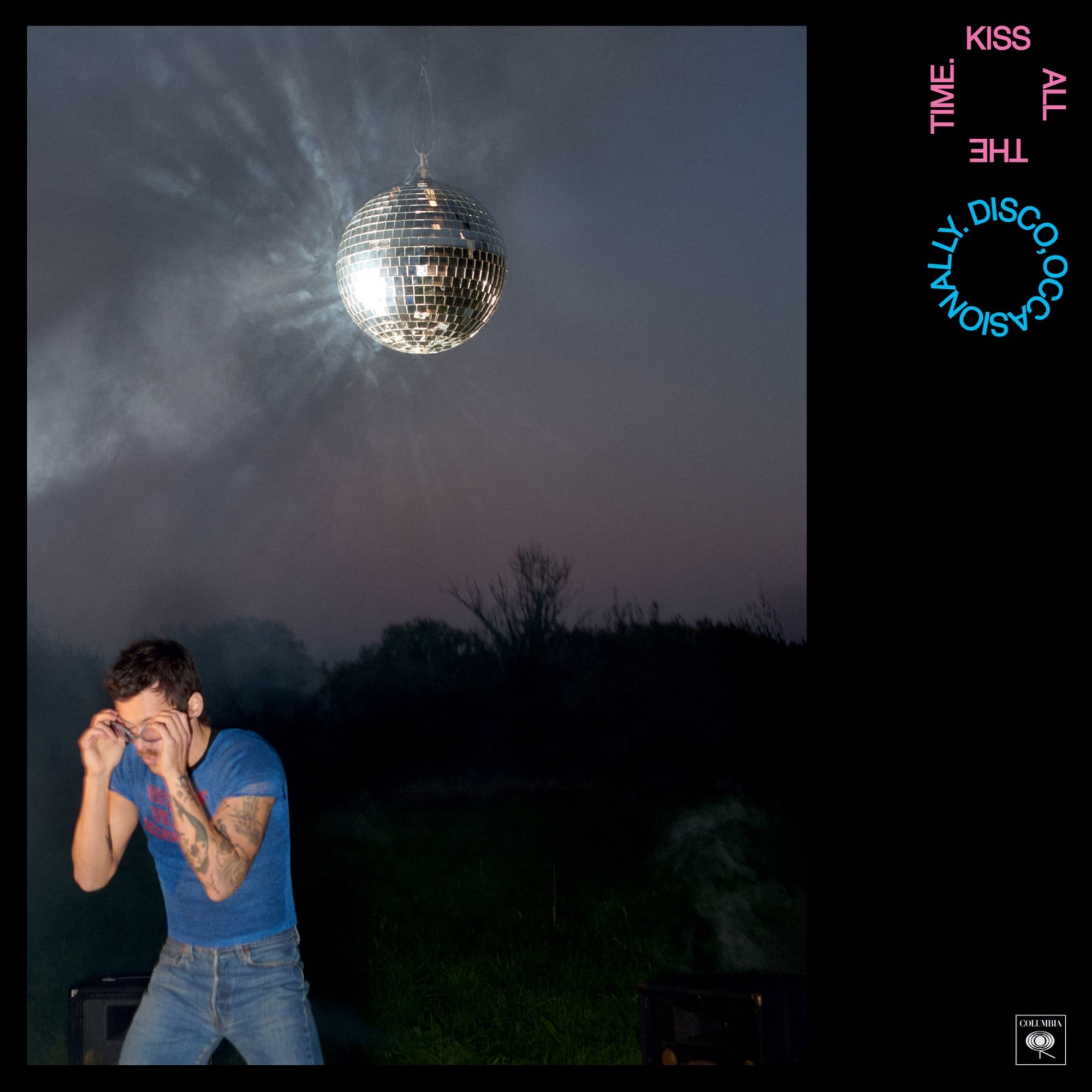
Harry Styles: Kiss All the Time. Disco, Occasionally Albums I like fall into two categories: love at first listen and growers. Kiss All the Time. Disco, Occasionally, is a grower. First listen – vapid. Second listen – ok, there are some songs I like. Third listen – this is good. Fourth listen sold. The album is subtly arranged and performed. It is a slow burn, what used to be called a quiet storm.
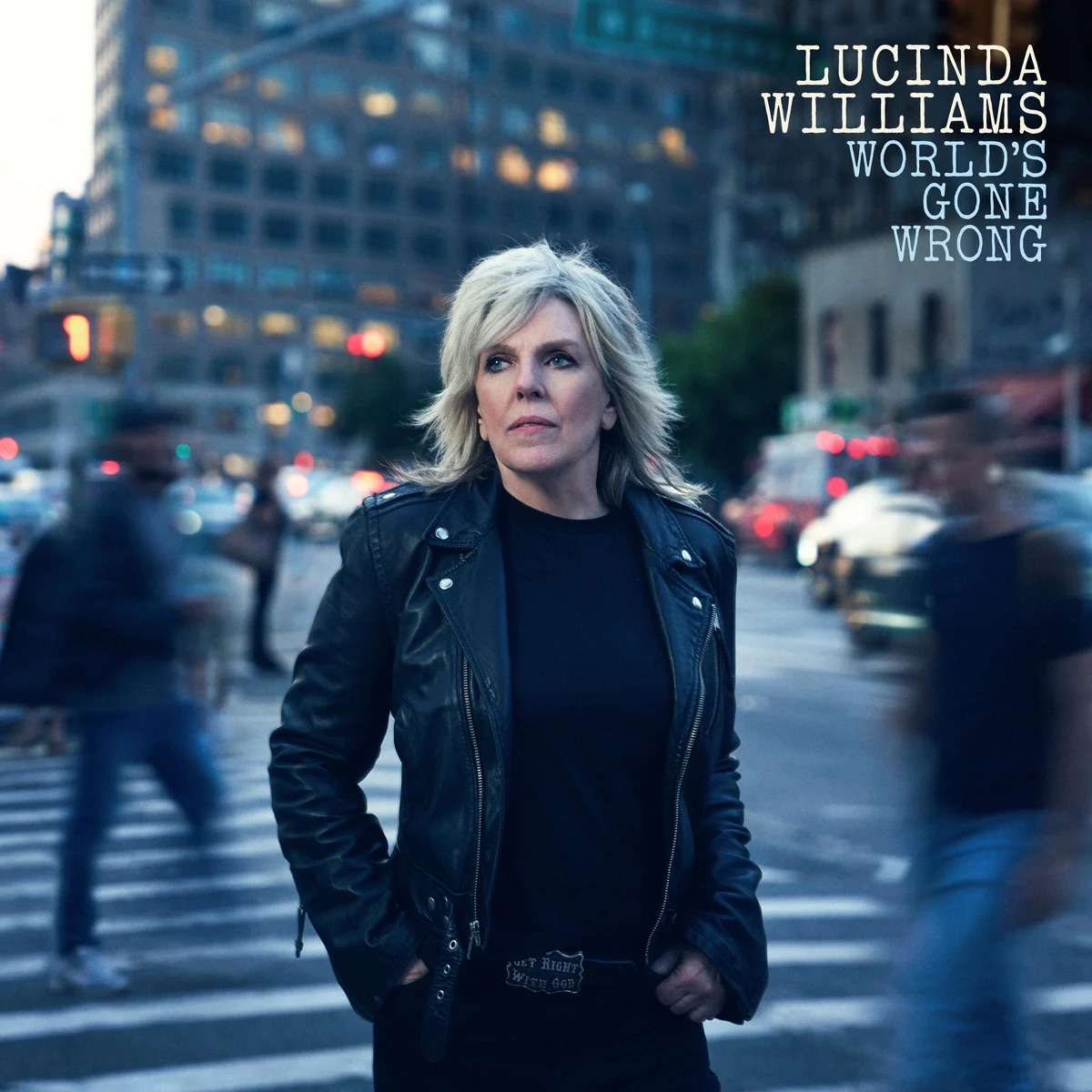
Lucinda Williams: World’s Gone Wrong is Lucinda as a protest singer. Writing protest songs is a tricky business. Most songwriters’ attempts come across as ham-fisted (Exhibit 1: Jesse Welles). Lucinda told NPR that, from the beginning of her career, she has found writing protest songs difficult. Then came Trump. “Every day, there was some crazy thing that the president said or made a decision about. And these songs just had to come out.”
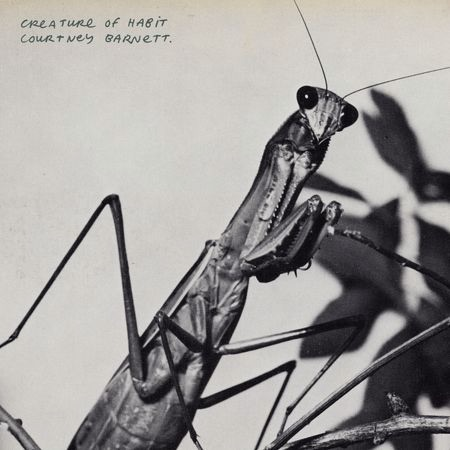
Courtney Barnett: Creature of Habit I have been aware of Courtney Barnett, but I have never really listened to her. One of my favorite music critics, Steven Hyden, convinced me (scroll down to Recommendation Corner in his post) to give her latest, Creature of Habit, a listen. I listened, and I dig the combination of contemporary indie rock and 80s New Wave vibes.

Tedeschi Trucks Band: Future Soul is their sixth studio album, and it may be their best. There is nothing new here, but it is a reduction of their sound to a taut, muscular, heavy blues rock. Their last album, I Am The Moon, was a four-album concept album inspired by the poem Layla and Majnun (also the inspiration for Derek and the Dominos’ “Layla”). I loved I Am The Moon, but I appreciate that Future Soul is more succinct.

The Black Crowes: A Pound of Feathers. The brothers Robinson channel their inner Stones, Faces, and Zep on their latest, A Pound of Feathers, yet they sound like The Black Crowes.
Goose: BIG MODERN! For a jam band, Goose makes great studio albums. With each release, their studio craftsmanship gets better. It may be recency bias, but I think BIG MODERN! is their best studio album. It has an 80s vibe – Goose as a jam band version of yacht rock. I recently listened to a long-form interview with Goose frontman and primary songwriter, Rick Mitarotonda, and he talked about his struggles with anxiety and the stresses of leading a successful band in our crazy times. The lyrics on this album appear to be about that. Although Mitarotonda draws on his specific experiences, the emotions he conveys are universal, so I find the lyrics relatable. The album is almost a concept album on digital overload and overstimulation.
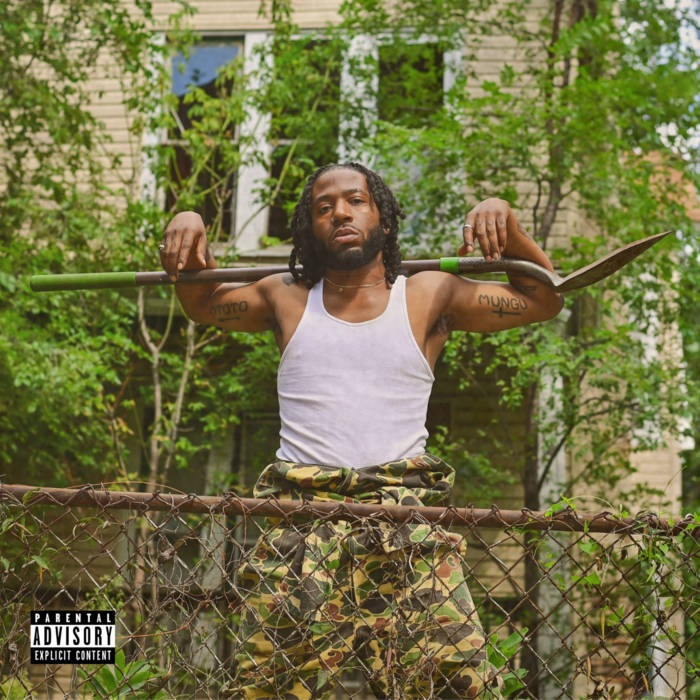
Heavy Crownz: Trench Baby Turned Farmer I only have a dozen hip-hop artists that I like. By “I like,” I mean I care enough to have purchased their CD or LP. I am only deep into one hip-hop group: Minneapolis’ Atmosphere. The point is, I am not one of those “I like everything except rap” musicheads that are common amongst my boomer colleagues, but at the same time, I am pretty ignorant of the genre. Because Heavy Crownz is a friend of my son, I have gotten to know him and was willing to check out his first proper album. I actually like it because you can smell the soul and funk, it has great stories, and Heavy’s flow is easy to understand and has character.
Reissues
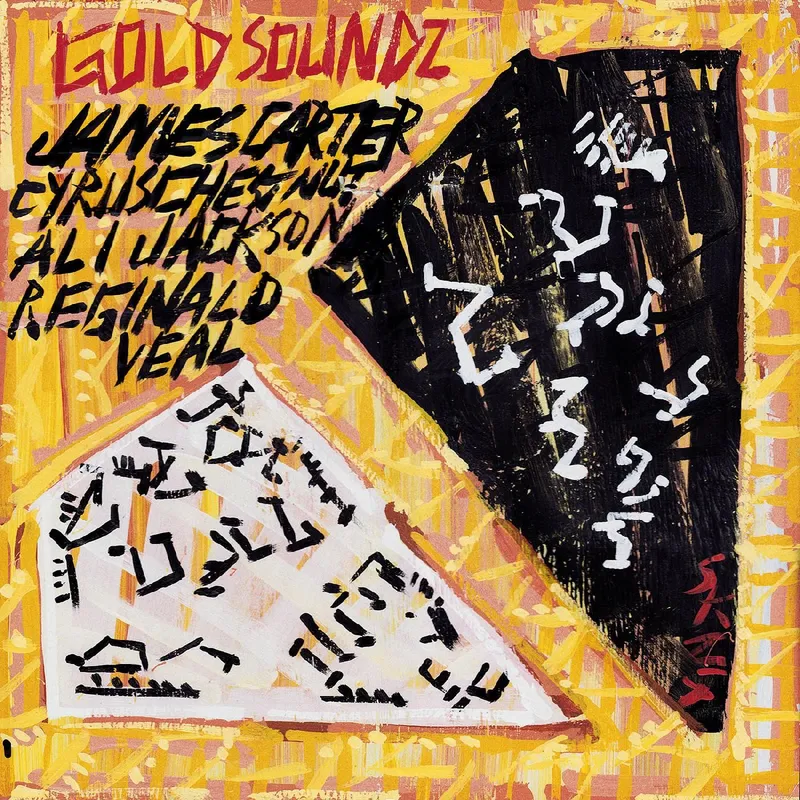
James Carter, Cyrus Chestnut, Ali Jackson, and Reginald Veal: Gold Soundz (RSD 2026 release) Gold Soundz (originally released as Gold Sounds on CD in 2005) is a jazz album reimaging songs by the indie rock band Pavement. It features saxophonist James Carter, keyboardist Cyrus Chestnut, drummer Ali Jackson, and bassist Reginald Veal. This Record Store Day release is more than a vinyl reissue; it doubles the content of the original album. I like jazz generally, but really like it when I am familiar with the tune. I love it when jazz players deconstruct a familiar tune. What the Gold Soundz band did was highlight the gorgeous melodies often buried in Pavement’s slacker/punk approach to rock. Once the melody was highlighted, the band riffed on it, sometimes from a soul-jazz perspective and sometimes from an avant-garde one.
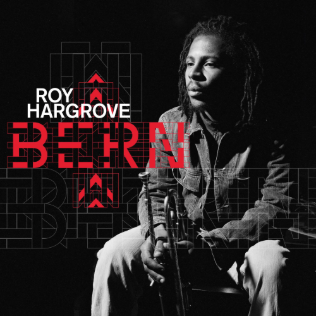
Roy Hargrove: Bern is a live album by trumpeter Roy Hargrove, recorded at the International Jazz Festival Bern in Bern, Switzerland, on May 4, 2000, featuring five previously-unissued tracks. It was released by Zev Feldman’s Time Traveler Recordings as an LP for Record Store Day 2026 and later on CD and streaming services. Hargrove was a jazz trumpeter and composer who mostly played hard bop jazz, but also performed with hip-hop, neo soul, R&B, and alternative rock artists – for example, he is featured on D’Angelo’s Voodoo. This album is a well-recorded straight-ahead jazz quintet album that shows Hargrove and his touring band at the height of thier powers. Sadly, he died at the age of 49 of cardiac arrest brought on by a kidney disease in 2018.
New Gear
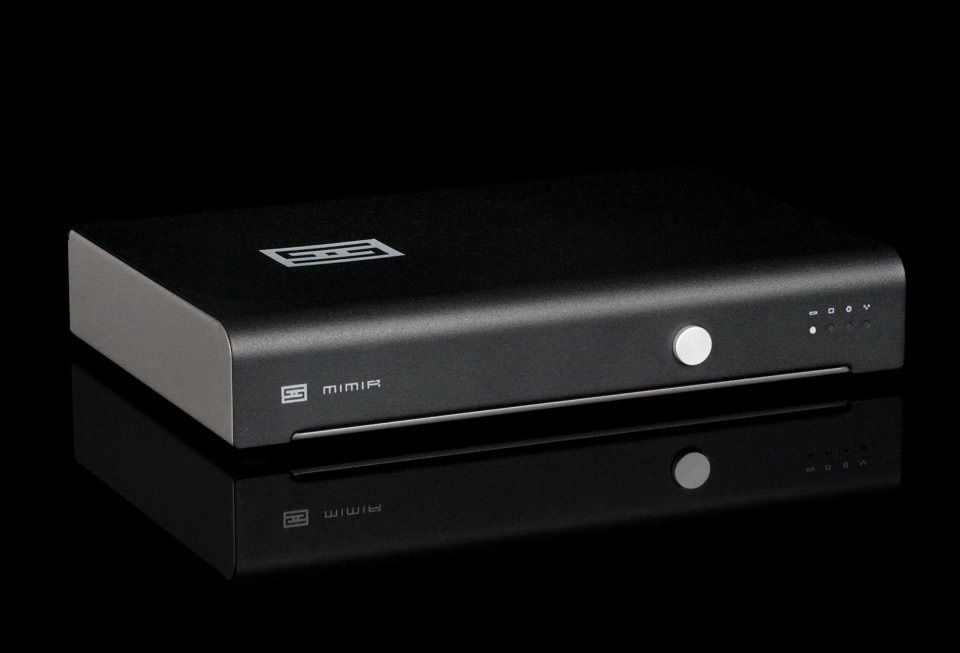
I did get a new piece of gear this year, a DAC for the Loop Sessions (MPS): Schiit Mimir (Balanced Mesh™ DAC, EQ, and
Preamp with Forkbeard™). I am shocked at how much it has enhanced my digital listening (CDs and high-resolution streaming via Tidal). The Mimir sounds great – it has a nice warm analog sound, natural bass, and a wide soundstage. This is the perfect DAC for a vinyl record/tube guy like me. For a $300 DAC, it punches way above its weight. Recommended by one of my audiophile buddies who understood my aesthetics and my ignorance of audio engineering. Audio equipment needs to be 50/50 art/engineering – Schiit understands that balance in thier audio equipment designs.
Looking forward to the rest of the year!
For a jam band, Goose makes great studio albums. With each release, their studio craftsmanship gets better. It may be recency bias, but I think BIG MODERN! is their best studio album. It has an 80s vibe – Goose as a jam band version of yacht rock. There is a reason their concerts are increasingly in bigger venues – including two nights at MSG. What I like about Goose is that they have catchy melodies rather than just jam-band noodling. They can be jazzy and proggy, but they stay grounded in songs unafraid to be pop.
I recently listened to a long-form interview with Goose frontman and primary songwriter, Rick Mitarotonda, and he talked about his struggles with anxiety and the stresses of leading a successful band in our crazy times. The lyrics on this album appear to be about that. Although Mitarotonda draws on his specific experiences, the emotions he conveys are universal, so I find the lyrics relatable. The album is almost a concept album on digital overload and overstimulation.
Goose has always played around with grammar in their album and song titles: all caps, all lowercase, proper case, and especially parentheses. On BIG MODERN! they take this to an extreme. I didn’t know what to make of this, and so I asked Google Gemini (AI), and I got an interesting answer:
Historically, Goose uses parentheses to denote interludes, ambient transitions, or companion tracks that follow a main song. On BIG MODERN!, tracks like (you are here), (faena), and (again) act as lowercase, instrumental or melodic palate cleansers between the massive, uppercase pop-rock anthems like POP and SALT. What makes BIG MODERN! unique is that the parentheses literally escalate as the album progresses into its deeper themes of tech-burnout, paranoia, and isolation:
- Single parentheses: (you are here), (faena), (again)
- Double parentheses: ((savengersspell)), ((nocturne))
- Triple parentheses: (((postplace)))
This layered nesting mirrors the feeling of being buried inside digital sub-menus, algorithmic loops, or deep mental echo chambers. As you move from the single parenthesis down to the triple-nested closing track (((postplace)))the music physically retreats from the loud, “neon” energy of the main tracks into a quiet, chamber-pop solace—essentially burying itself away from the overstimulated modern world.
I am going to go side by side and track by track. I have consumed this album both through streaming (24-bit/96 kHz FLAC; it is also available via Atmos, but I don’t have equipment to listen to it that way) and on vinyl.
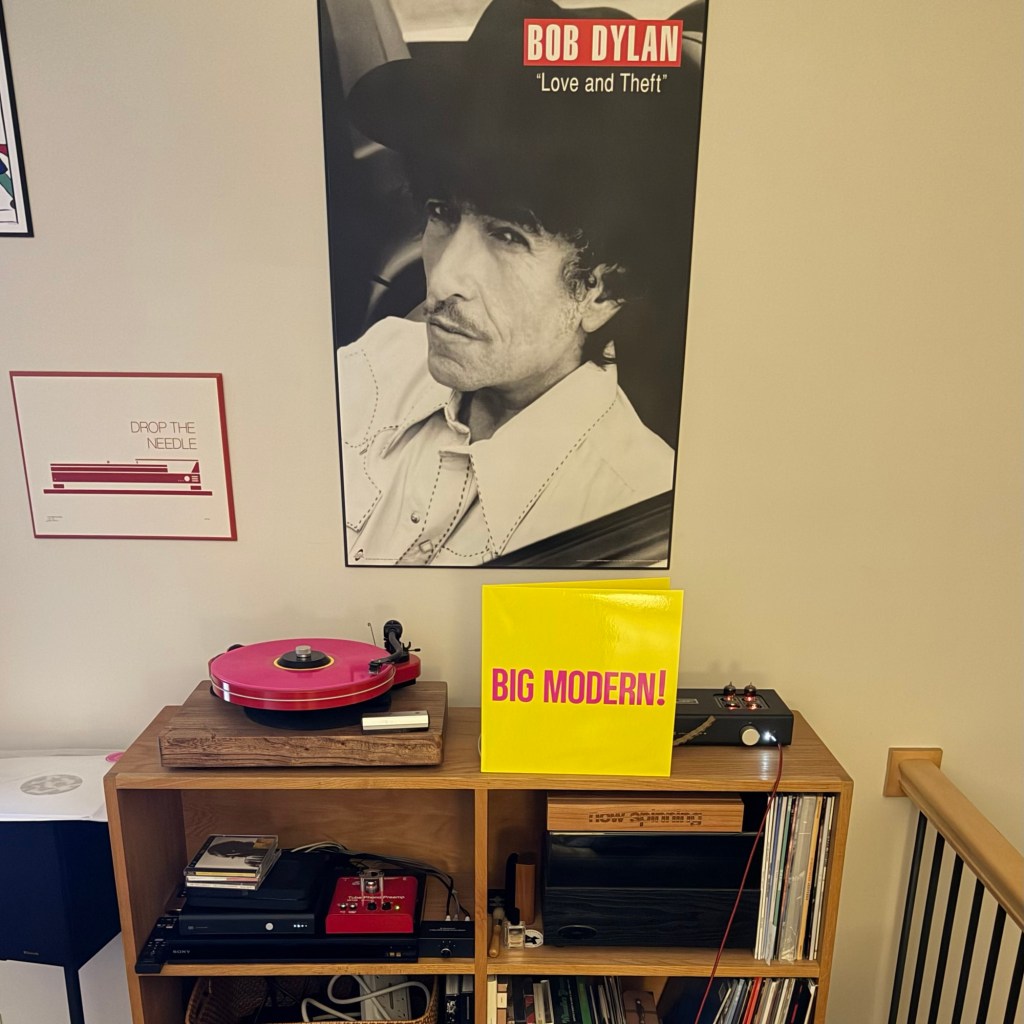
“Big Flames” magenta edition of BIG MODERN! from Goose’s store (mine is numbered 128 of 3000)
Side A
The album opens with a short Pink Floyd-like instrumental intro: “(begin).” This is the perfect setup for the titular track “Big Modern!” which has a Dire Straits “Money For Nothing” feel. Lyrically, the song addresses the overstimulation of our times. The music is a perfect foundation for this idea.
“Savenger” reminds me of Phil Collins solo work. Lyrically, it is a story about transformation, danger, and self‑reinvention. It seamlessly transitions into “(you are here),” which reminds me of Bruce Hornsby. Which in turn slides into “((savengersspell))” which invokes the Pat Metheny Group. The three cuts are a cohesive suite.
Side B
“Good2B” is a joyful celebration of a comeback from a period of physical and emotional burnout. Again, I am reminded of Phil Collins’ 80s hit-making.
“MEDIA” reminds me of Thomas Dolby’s “She Blinded Me With Science.” The song is a juxtaposition with the previous song, which spoke of “felicity,” which is joy, peace, and emotional clarity. The song is a juxtaposition with the previous song, which spoke of “felicity,” which is joy, peace, and emotional clarity. “MEDIA” is the opposite: noise, distortion, and overstimulation.
Things slow down and “Torero” returns to a Pink Floyd vibe. Our hero is feeling like a bullfighter: alone yet the center of attention. The song transitions into an instrumental: “(faena)” which has a Latin jazz vibe – it reminds me of the Al DiMeola era Return To Forever.
Side C
“POP” is not pop music or dad, but an emotional explosion – like a balloon popping. Musically, this is a heavy rock song with a bit of prog.
“SALT” is an epic rock song. It will sound great in an arena. It has a heartland rock vibe. Lyrically, it seems to be trying to resolve the previous themes.
Side D
The final side opens with “(again),” an instrumental that sets up “Good Times // End Times,” a proggy song that explores the juxtaposition of joy and dread. It then segues into “((nocturne)),” which is mostly instrumental, with a brief vocal at the end.
The album ends with the mellow “(((postplace)))” – after all the stress that the songs have discussed, our protagonist finds a calm place.
Music critic Steven Hyden has a Five Album Test: an artist or group releases five consecutive albums, each ranging from very good to flat-out excellent. Many artists have five good to excellent albums over their career, but very few string five together consecutively. For example, Stevie Wonder did it during his “classic period,” from 1972 to 1976, when he released a streak of five great albums (and three absolute masterpieces):
- Music of My Mind (1972)
- Talking Book (1972) – masterpiece
- Innervisions (1973) – masterpiece
- Fulfillingness’ First Finale (1974)
- Songs in the Key of Life (1976) – masterpiece
BIG MODERN! is Goose’s fourth excellent studio album in a row – they are one away from a five-album run!

Rádio Do Canibal
Rhymesayers Entertainment
RSE0114-2
2009
I got a new DAC for the Loop Sessions, and I am getting acquainted with it by listening to various albums that I think will reveal its strengths and weaknesses. One selection is BK-ONE WITH BENZILLA: Rádio Do Canibal via a CD I bought back in 2009 when it was first released. This is one of my top 10 Rhymesayers releases. Note to self: make top 10 Rhymesayers list.
I am not much of a hip-hop guy, but Rhymesayers is a label that consistently clicks with me. Rhymesayers aesthetic has a fat analog vibe and is very musical – they are not afraid of melody and a hook. All their artist are great and curated for the brand. In the late 00s, I was all in on the Rhymesayers sound. Especially Atmosphere and Brother Ali. BK-One was Brother Ali’s touring DJ, and so this was a natural album for me to pick up when it came out. Fast forward, and as previously noted, this is one of my favorites.
I am spinning the original Rádio Do Canibal CD on a low-cost Sony Blu-ray player (Sony UBP-X800M2), bypassing its onboard DAC and connecting it to my new Schiit Mimir DAC, and listening via headphones (see more details here). The album sounds fantastic. The bass is particularly wonderful (Mimir equalizer is off, but loudness on and set at 75%). Rádio Do Canibal’s arrangements and mix are deep, so there is a lot to listen to. This is a fun album to savor with my new DAC. Everything sounds fat and immersive.

Rádio Do Canibal
at the Loop Sessions
The album name pays homage to the 1928 “Cannibal Manifesto” (Manifesto Antropófago) by Brazilian poet Oswald de Andrade. The manifesto describes Brazil’s unique cultural strength as its ability to “absorb” and cannibalize foreign influences to create something entirely new. BK-One channeled his extensive travels through South America into this record. Every beat on the record relies heavily on Brazilian samples, ranging from samba and bossa nova to Música Popular Brasileira (MPB) artists like Caetano Veloso and Tom Zé. MPB is a broad post-bossa nova movement that blends traditional Brazilian styles like samba, baião, and choro with international influences such as jazz, rock, and folk. It is characterized by poetic songwriting, socially conscious lyrics, and sophisticated arrangements.
BK-One managed to create a masterpiece with Rádio Do Canibal . The combination of American hip-hop and Brazilian music is inspired. This does not sound like cultural appropriation, but cultural unification.
In addition to the great beats, the album features one amazing guest rapper (many from Rhymesayers) after another:
- Scarface
- Slug (Atmosphere)
- Black Thought (The Roots)
- Brother Ali
- Raekwon (Wu-Tang Clan)
- Murs (Living Legends)
- Phonte (Little Brother)
- Haiku D’ Etat (Aceyalone, Myka 9 & Abstract Rude)
- Blueprint
- P.O.S. (Doomtree)
- The Grouch (Living Legends)
- I Self Devine
- Toki Wright
- Aby Wolf
There are also some amazing instrumentals mixed in, like “Tema do Canibal” featuring The Hypnotic Brass Ensemble, which is my favorite track on the album. It is absolutely epic. It is Brazilian hip-hop jazz. This track was so good that there was a spinoff EP of alternative mixes.
There are no bad tracks on the album.
A bonus is that the CD packaging is great. I hate jewel cases, so I appreciate it when a label makes the effort to be artistic in how they package a CD. It is not just a Digipak, nor a miniaturization of an LP – it is its own unique thing – pictures don’t do it justice, so I won’t even try to show it.
Tracklisting:
- Ivan Tiririca (Intro)
- Gitititt Featuring Slug & Brother Ali
- Mega Featuring Aceyalone, Myka 9 & Abstract Rude
- Caetano Veloso (Interlude)
- The True & Living Featuring Raekwon & I Self Devine
- Here I Am Featuring Phonte, Brother Ali, The Grouch
- Tema do Canibal Featuring The Hypnotic Brass Ensemble
- Ivan Tiririca (Interlude)
- Philly Boy Featuring Black Thought
- Blood Drive Featuring Slug
- A Day’s Work Featuring P.O.S.
- Face It Featuring Toki Wright
- Love Like That Featuring Aby Wolf
- Hyldon (Interlude)
- Blue Balls Featuring Blueprint
- Eighteen To Twenty-One Featuring Murs
- Call To Arms Featuring I Self Devine
- American Nightmare Featuring Brother Ali & Scarface
- Tom Z (Outro)
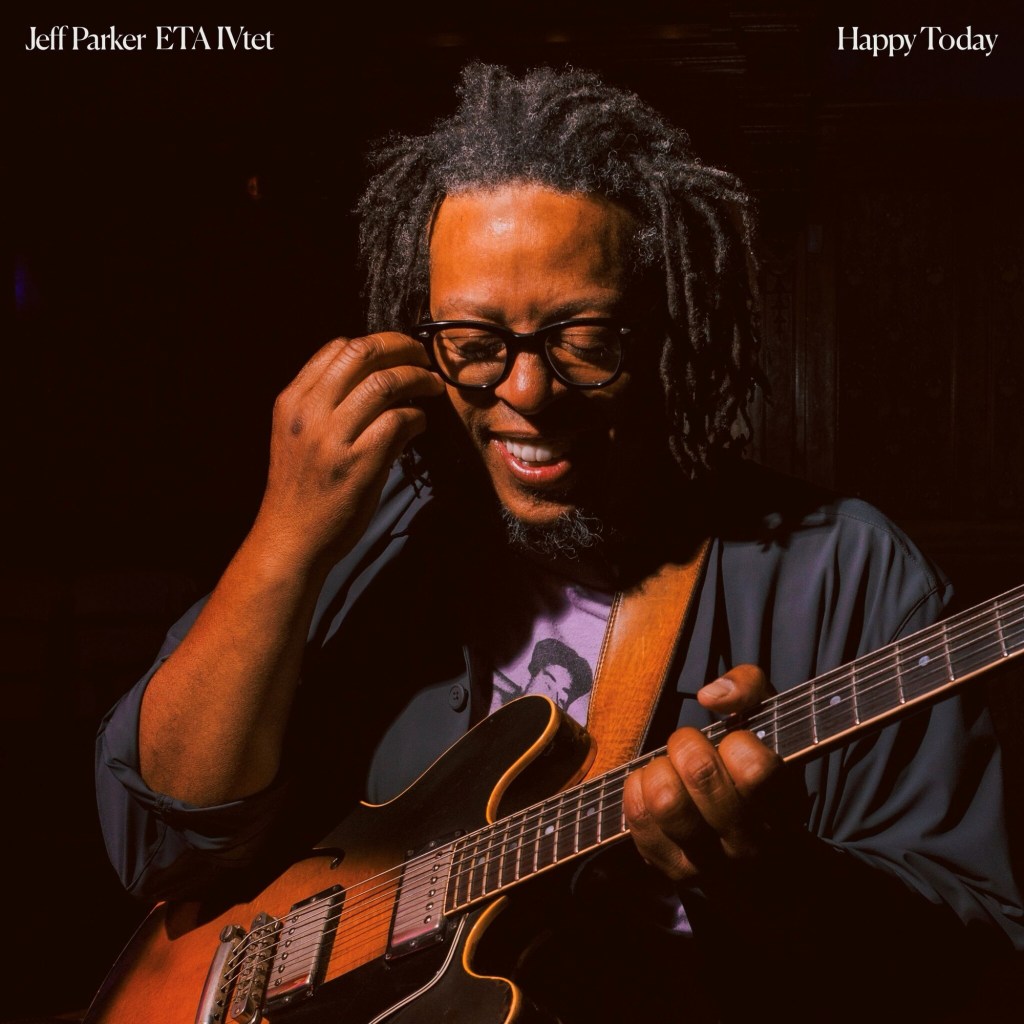
Jeff Parker is an interesting cat. He is:
- A successful jazz guitarist
- A member of the post-rock group Tortoise since 1996
- A founding member of Isotope 217°
- A side man on lots of funky projects
- A member of the Association for the Advancement of Creative Musicians (AACM)
- A successful solo artist
Check out his Wikipedia page to see more details.
I was reminded of Parker recently due to the Flea jazz album – Parker was all over it and sounded great. I have listened to a few Tortoise albums and some of Jeff’s solo albums (especially Suite for Max Brown) over the years, but this is the first of his albums to truly move me. It is a live album and will be a concert film by Charlie Weinmann, to be released worldwide on May 29, 2026.
Per Jeff’s label’s website:
Guitarist/bandleader Jeff Parker’s Happy Today, the third album from his long-running ETA IVtet, is out now via International Anthem / Nonesuch Records. Recorded and mixed at Lodge Room in Los Angeles on August 20, 2025, Happy Today is the sound of Parker and the rest of the IVtet—drummer Jay Bellerose, bassist Anna Butterss, and saxophonist Josh Johnson—engaged in their signature, minimalist, form-bending improvisational syntax across two sprawling, LP side-length pieces.
Regarding the recording:
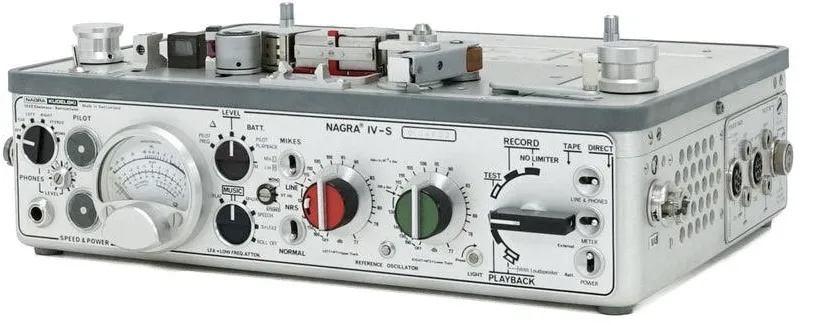
Recorded and mixed in situ at Lodge Room by engineer Bryce Gonzales with a custom-made analog mixer and Nagra stereo tape recorder.
The background is that the album celebrates surviving tough times. As Parker shares:
“2025 was a very difficult year for me and my family. Dealing with being displaced from the Eaton fires for eight months, and the kind of toll that instability took on my family’s mental health and general outlook, coupled with Donald Trump being back in office and basically making life miserable for everyone… There was a lot of sadness and despair. But feeling the sense of community that we created with our concert, and later hearing the recording, seeing the beautiful footage that had been shot and the photographs of such joy to be back in that space and to be making music again: It was a very happy moment. So I called the record Happy Today. It’s meant to be a statement of joy.”
Sonically, this is a gorgeous recording – listening via a 24-bit/96 kHz Tidal stream. It sounds as good as a studio recording but has an intimate, live-show vibe.
The album is made up of two instrumental songs, each twenty-plus minutes: “Like Swimwear” and “Happy Today.” The genre is jazz, but that is a broad term and doesn’t describe anything. Where most jazz players tend towards historonics in their solos, Jeff Parker & ETA IVtet are more about setting a hypnotic vibe – it is closer to ambient or dub/reggae, but it is not sleepy. This is not musical wallpaper, but engaging music. It is the kind of music that can be enjoyed in the background, but active listening is rewarded with thoughtful arrangements and tasty solos. I think this album would appeal to jamband heads as well as jazz heads. I am intrigued enough to check out Jeff Parker & ETA’s other albums: Mondays at the Enfield Tennis Academy and The Way Out of Easy. This will easily make my 2026 year-end list.
I just got a new DAC, and Happy Today’s sonic textures have been the perfect road for me to test-drive it on.

 Axl's Catch Groove