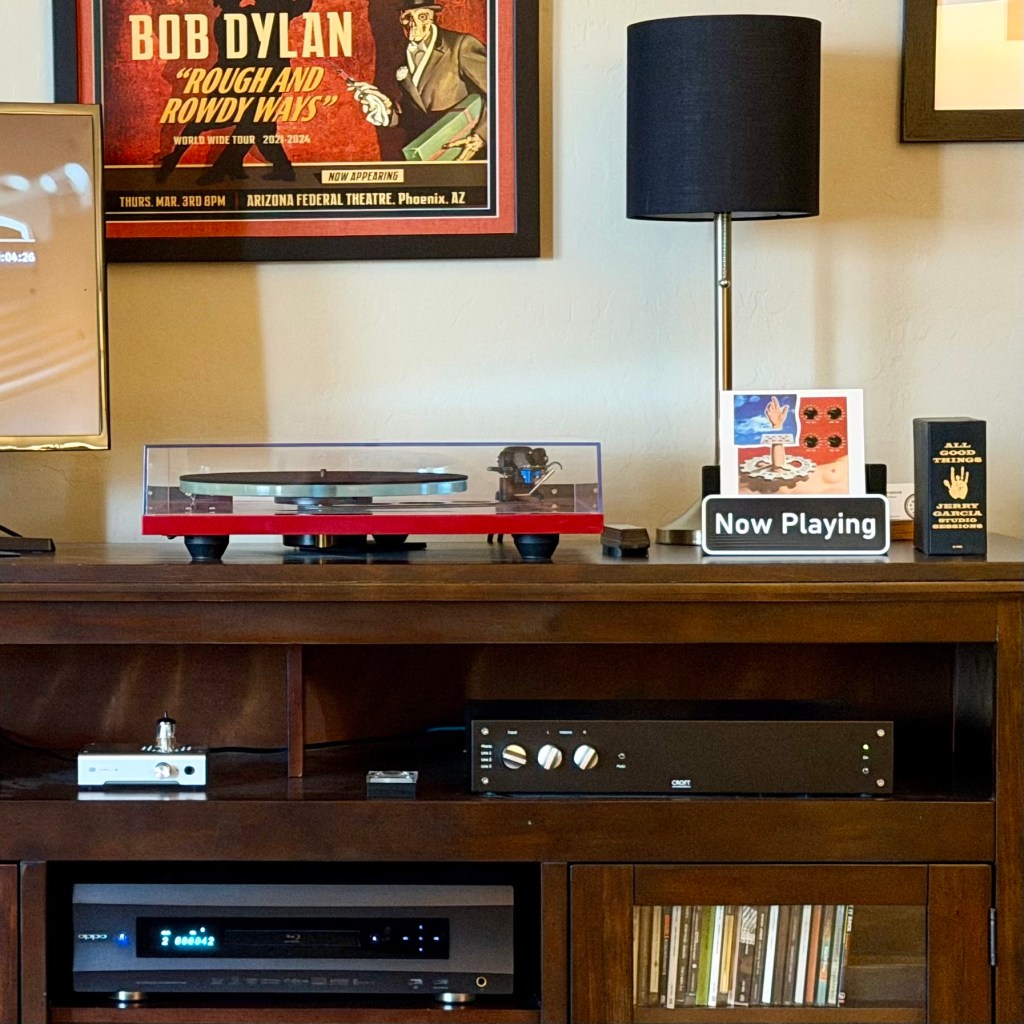
I recently returned to Minneapolis for a quick trip and gathered a bunch of HDCD CDs for the Desert 🌵 Sessions to play on the Oppo, which has an HDCD decoder. The discs I picked up are limited to two artists: Joni Mitchell and Jerry Garcia.
HDCD CDs are specially encoded CDs that have a higher dynamic range and lower distortion than standard CDs (in essence, 20-bit quality from 16-bit media). Developed by Pacific Microsonics and now owned by Microsoft, it offers improved dynamic range, better 3D soundstaging, and more natural timbre. However, your CD player needs an HDCD decoder to experience the benefits of the format.

I find the format sounds better than CDs and comparable to SACDs, but that is purely subjective, as I have not A/B’d any titles. The soundstage is the most notable feature. I had a conversation on a Facebook SCAD group, and the other members confirmed that the HDCD format rocks; however, not many CD players can decode it, so most people are just playing the Redbook layer of the disk. Fortunately, the Oppo can play any shiny object, including quarters 😉 and HDCD CDs.
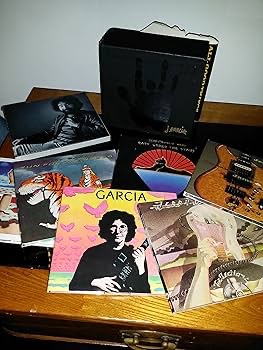
One of the titles I brought to the Desert 🌵 Sessions is All Good Things: Jerry Garcia Studio Sessions, a 2004 reissue box set of Garcia’s five solo studio albums (including the only Jerry Garcia Band studio release), plus an additional disc of previously unreleased studio recordings in HDCD format. The albums are remastered and include bonus tracks such as alternate versions and outtakes from the album recording sessions.
I am not familiar with the vinyl originals or the standard CDs, but these HDCD versions sound fantastic. On Jambands.com, John Patrick Gatta said:
“These revamped recordings shine like the first sunny day after a long hard winter. I tested my copy of Run for the Roses with the new version and there’s a world of difference. The volume on the remixed and remastered HDCD disc brings the instruments up in order to add stronger support. At times, the clarity is amazing.”
I will take Mr. Gatta’s word on this, as the album’s sound is sonically great to my ears.
I have said many times that I am not a Deadhead, but a Jerry Garcia fan. I was first introduced to Garcia via his 1991 live album, Jerry Garcia Band. I have collected an extensive collection of Garcia’s solo work and projects outside of the Dead. Most of those titles are live albums. The solo studio albums feel a bit underrated in the Deadhead universe, and even for me, I have spent more time with the live Garcia stuff. But I am in a receptive state of mind to listen to these albums in this latest iteration of the Desert 🌵 Sessions.
In the liner notes, Robert Hunter says of Garcia: “He had more talent for more things in his missing finger than most have in ten.” Hunter goes on to say: “Jerry did three things well in music, stamping them fully with the strength of his extreme individuality: he composed, sang, and played brilliantly.” Indeed!
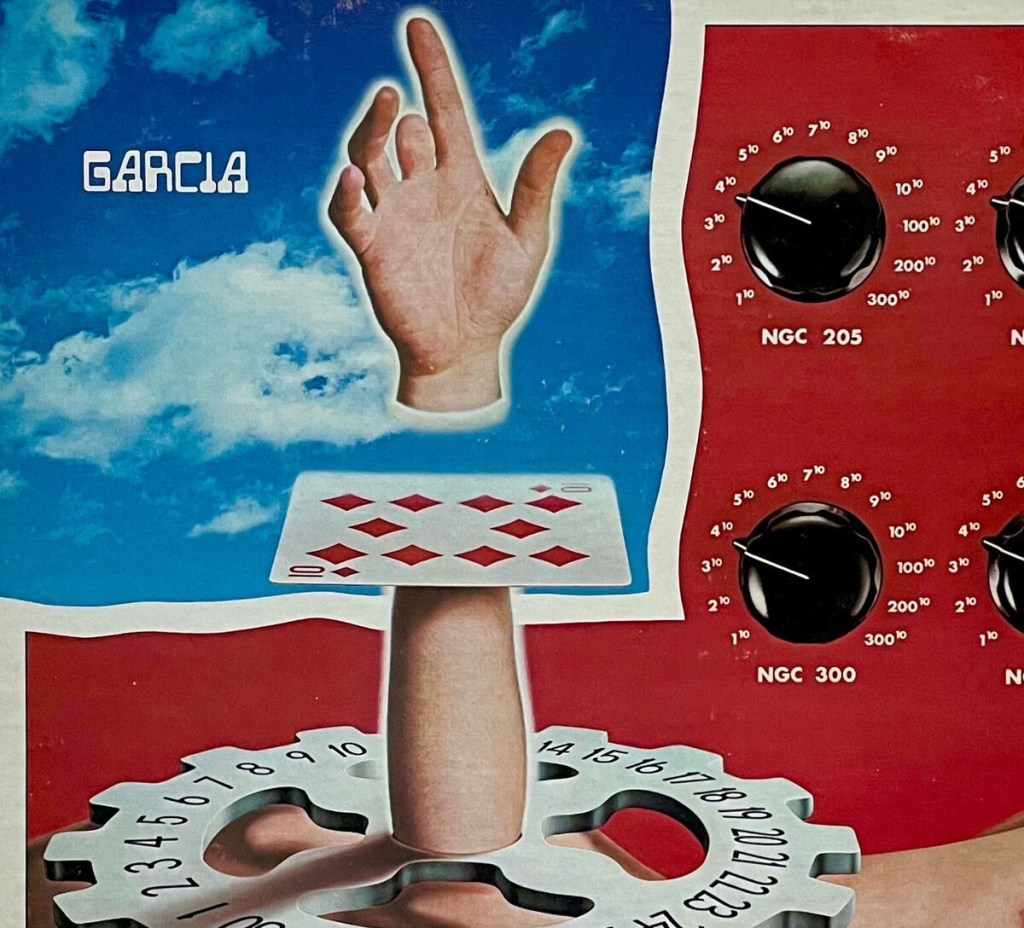
Garcia is Jerry’s first solo album and was released in January 1972. Garcia recorded the album almost entirely by himself, with only Grateful Dead drummer Bill Kreutzmann assisting him. It is an eclectic mixture of Grateful Dead-style country music (transcendent) and atmospheric electronic pieces (weird). All songs were written by Garcia/Kreutzmann (weird), Hunter/Garcia (brilliant), and Hunter/Garcia/Kreutzmann (“The Wheel”). It does have some Garcia/Dead classics: “Deal,” “Sugaree,” “The Wheel,” and “Loser.” I have to admit, you need to be in an adventurous mood for the weird stuff, but it’s cool.
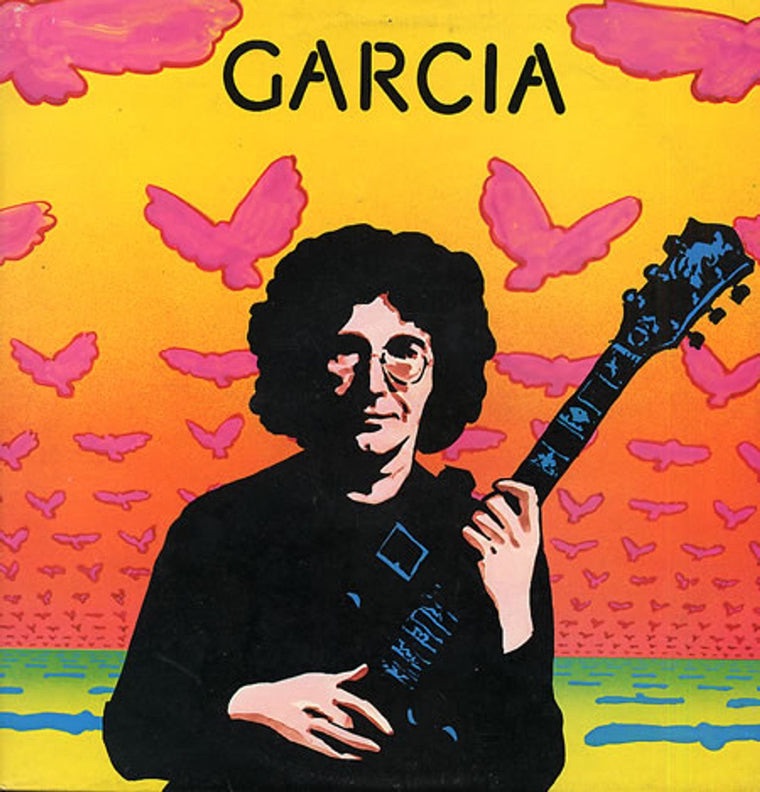
Garcia, also known as Compliments, is Jerry’s second solo album from 1974. It mostly covers, with elaborate band arrangements featuring horns and strings. The best feature of the album is that Jerry sounds like he is having a blast – his vocals are joyful. Covers like these would become an essential element of Jerry’s live shows.
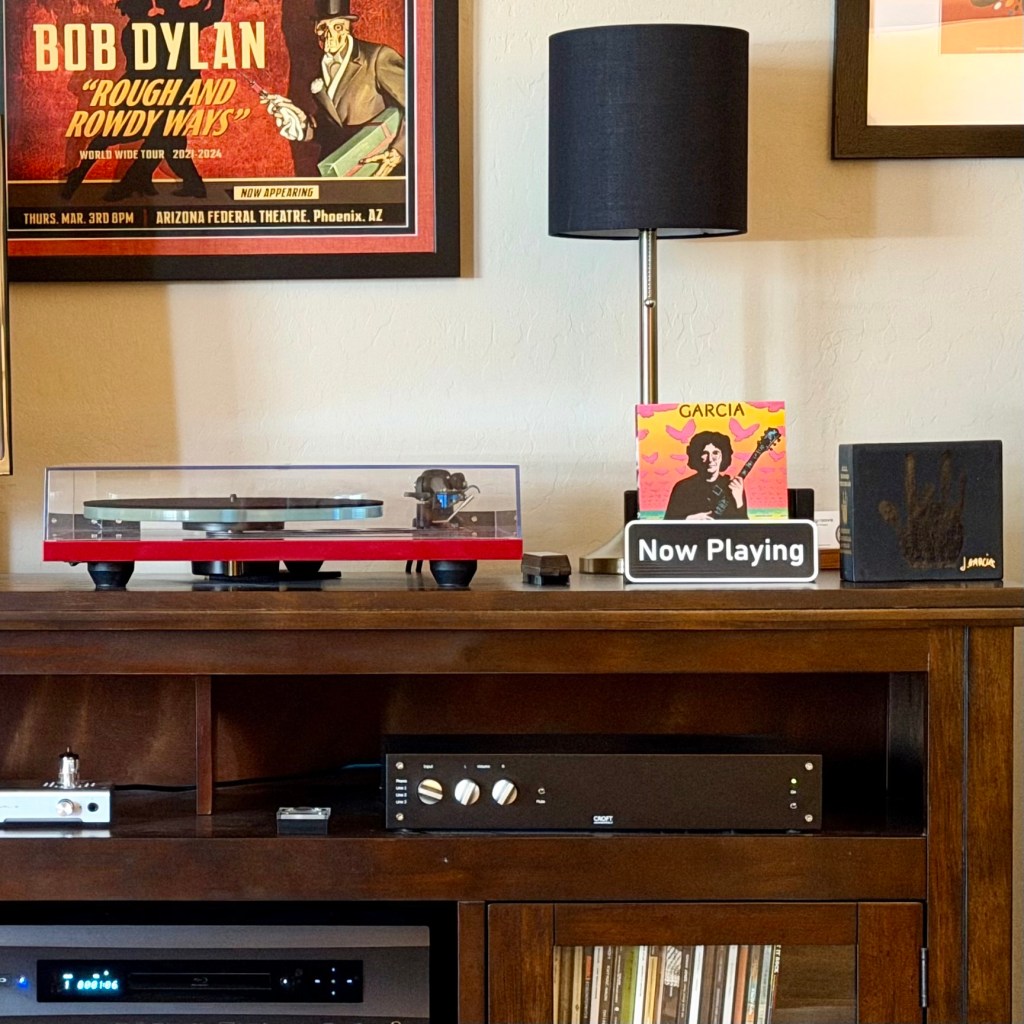
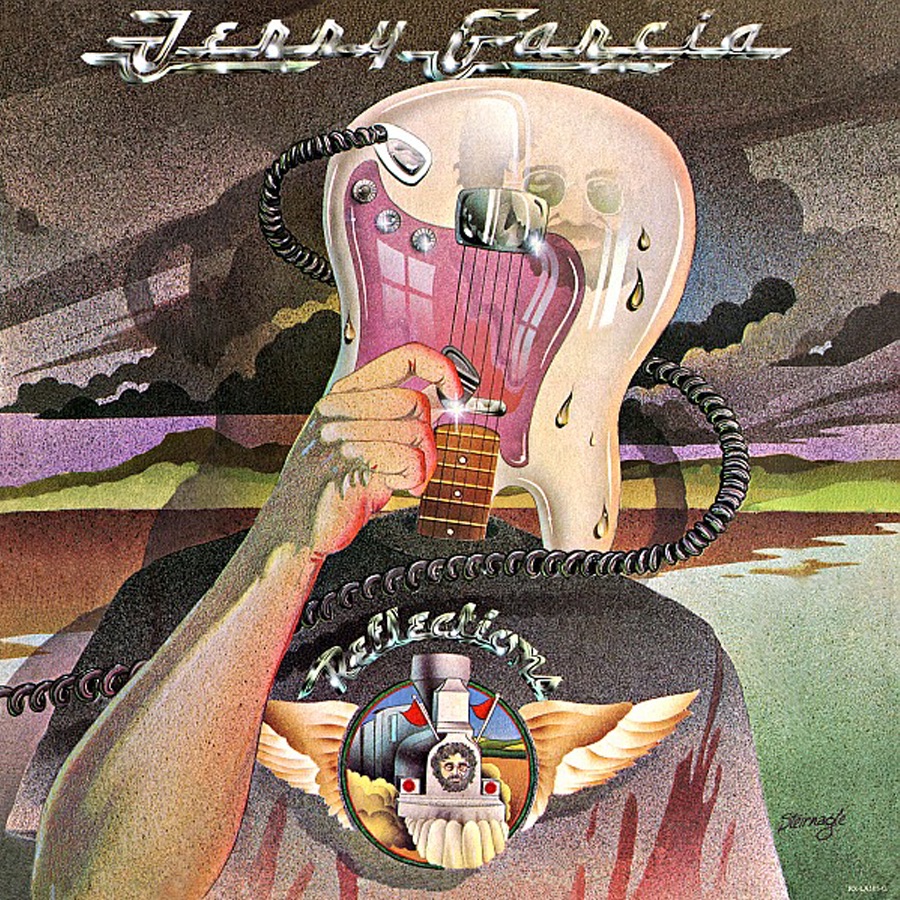
Per Wikipedia regarding Reflections:
“Partway through production, Garcia stopped recording with his solo band and brought in the members of the Grateful Dead, who performed on four songs, plus a bonus jam from the box set version of the release we have been talking about. Three of the four Grateful Dead-performed songs had earlier live debuts: “Comes a Time” (1971), “They Love Each Other” (1973) and “It Must Have Been the Roses” (1974); “Might as Well” entered their rotation in 1976, and “Mission in the Rain” received a select few performances that same year. Most of the songs [including covers and bonus material] entered the live rotation of the new Jerry Garcia Band as well.”
The album (with reissue bonus tracks) is about half Garcia/Hunter songs and half inspired covers. Garcia’s vocals are incredible – top of his game. I never really listened to this album. What a treasure to discover at this late date. Garcia can be a very soulful singer, and he is all in here. I know many of these songs from the live albums. Jerry plays some great guitar, too. The piano by Nicky Hopkins is so good! This is my favorite album in the box set.
Highlights:
- Rock ‘n Roll Jerry on “Might As Well.”
- A cover of Allen Toussaint’s “I’ll Take a Melody” is absolutely gorgeous. Jerry croons.
- “Mission In The Rain” would be an amazing Elton John song
- “It Must Have Been the Roses,” a country weeper. Bob and Donna’s harmonies are the best.
- More Rock ‘n Roll Jerry on “Tore Up Over You.”
- “Catfish John”- again, Bob and Donna’s harmonies!
- “Mystery Train” – Jerry’s take on Elvis – truly unique.
- “Orpheus” is an instrumental Grateful Dead jam featuring Garcia, Bob Weir, Keith Godchaux, Phil Lesh, Bill Kreutzmann, and Mickey Hart.
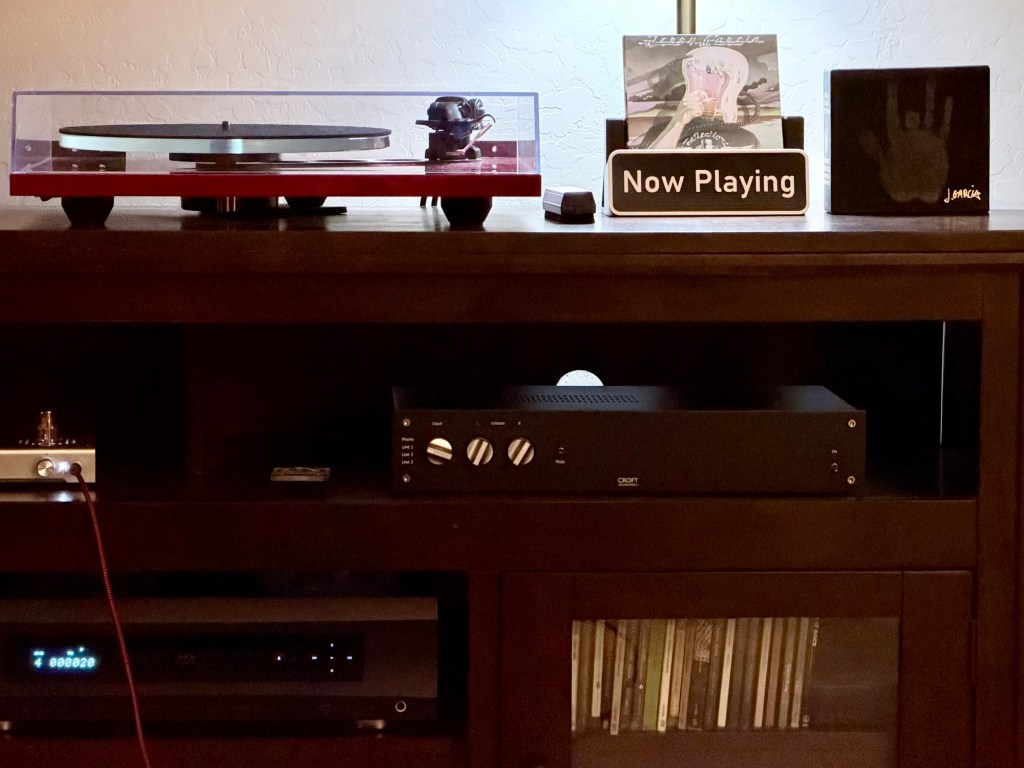
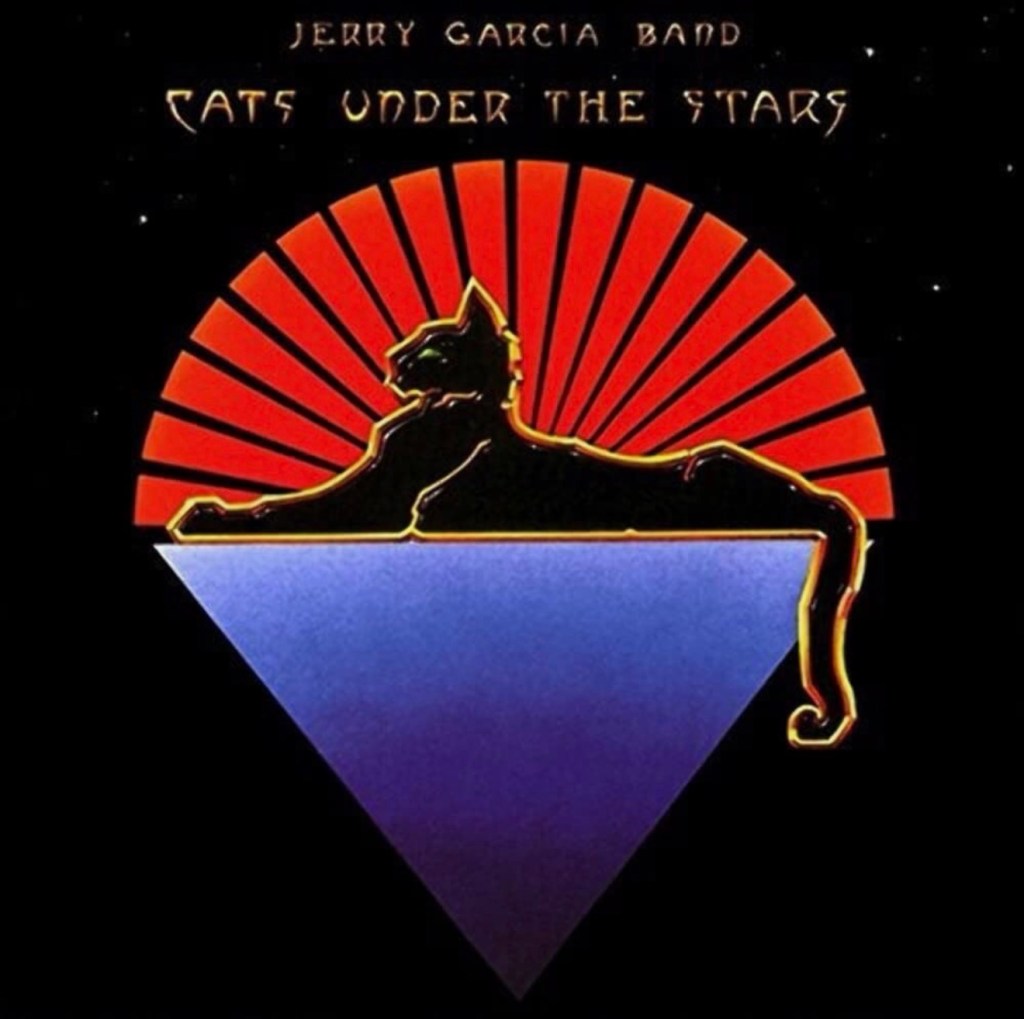
Cats Under the Stars is the only studio album by the Jerry Garcia Band (JGB). There are numerous live JGB albums. Cats Under the Stars was a commercial flop, but it is beloved by Deadheads, and Jerry often cited it as his favorite solo album. However, this is my least favorite album in the collection, but it has the best cover art!
The original album was all original material by Hunter/Garcia, Hunter/Kahn, Hunter/Garcia/Kahn, Donna Jean Godchaux, and Kahn. The bonus material on the reissue is mostly covers. The album has a Grateful Dead vibe – what we would now call Americana.
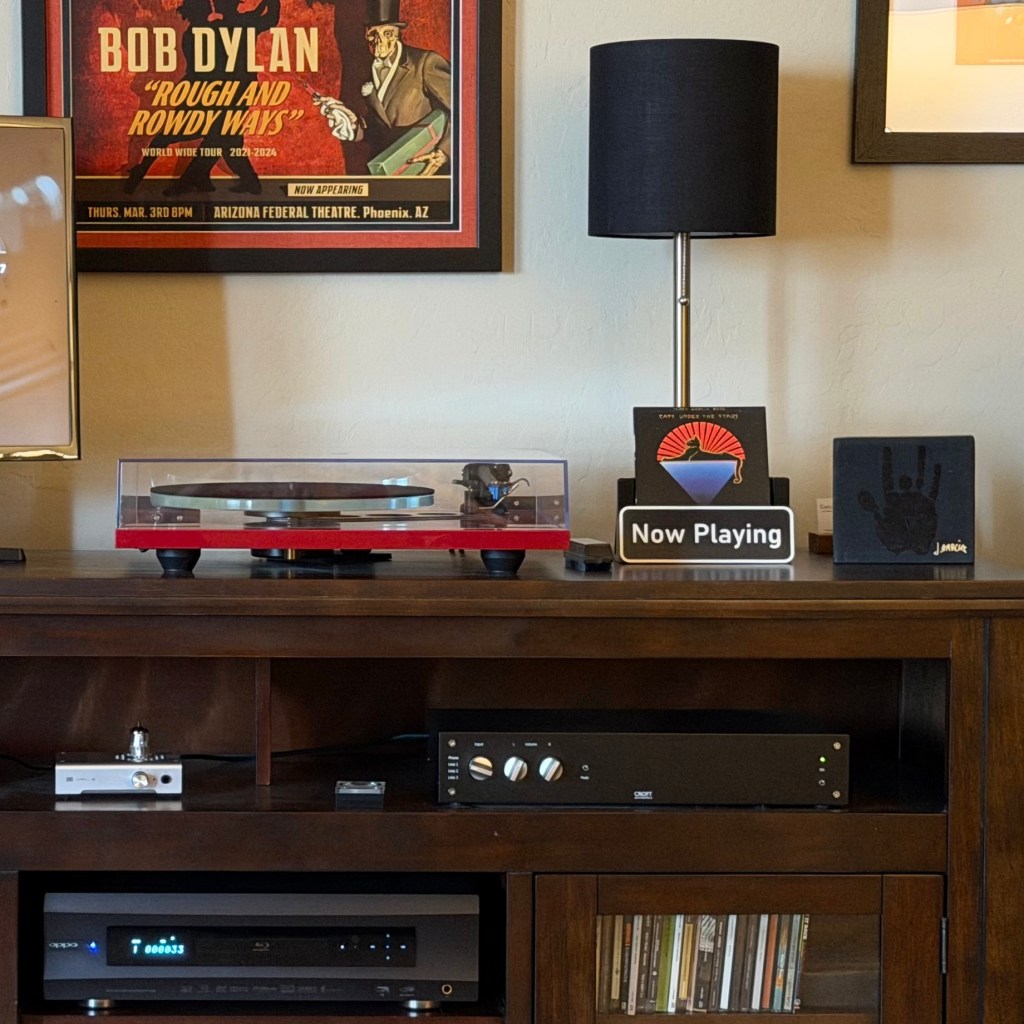
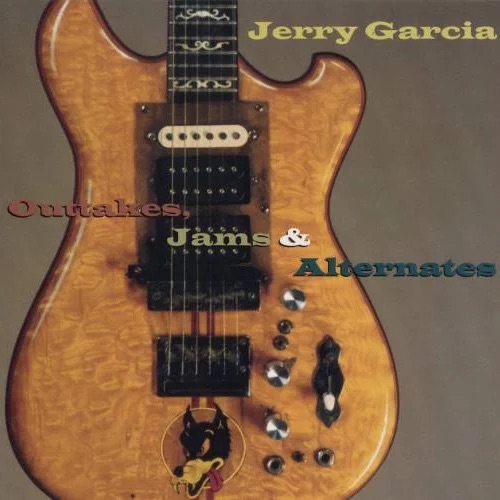
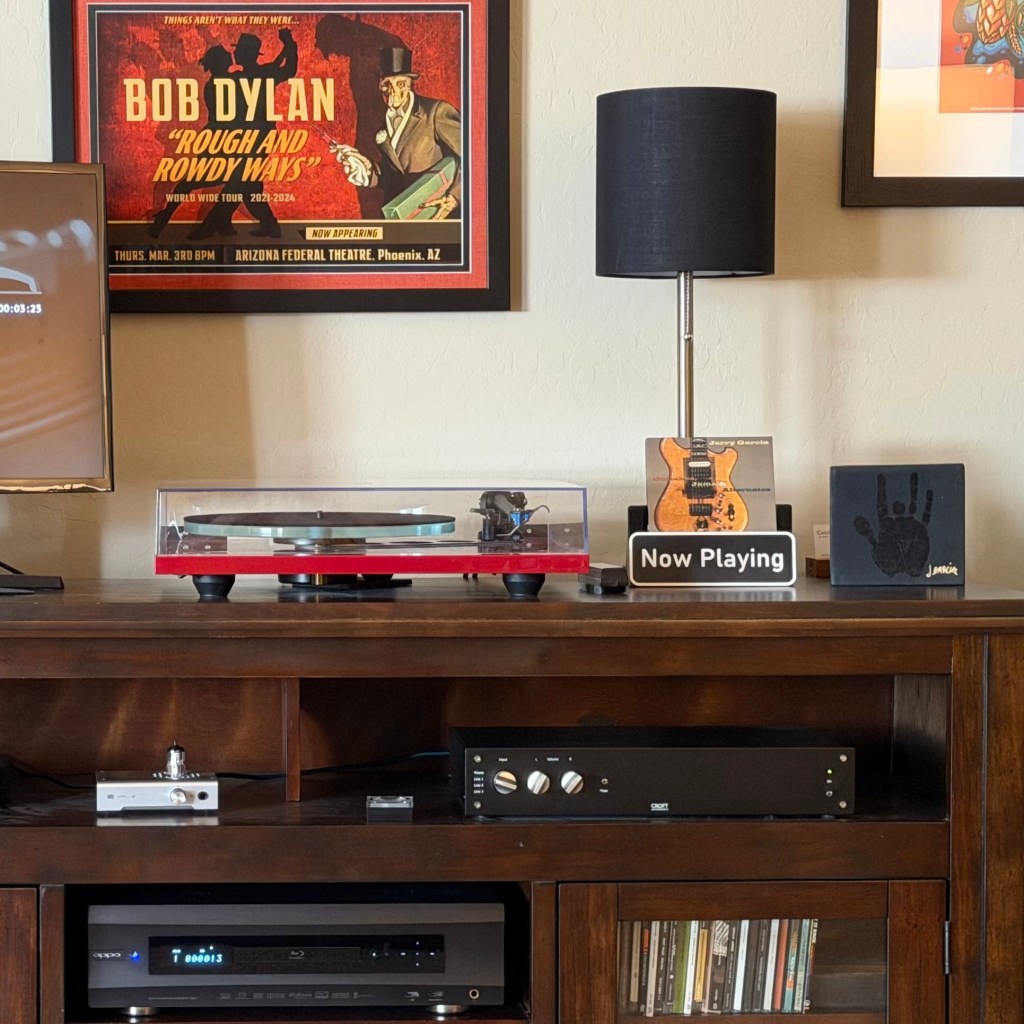
The first half of this album is made up of alternative versions of songs from the four albums. The second half is songs that never made it onto the four albums. The alternate versions are different enough from the album cuts to be interesting. The CD is a nice bonus to the collection. Highlights:
- A more spirited take on “Deal” from the Garcia sessions
- A moodier take on “I’ll Take A Melody” from the Reflections sessions
- A gorgeous studio version of the JGB live staple (they performed it over 200 times), “My Sisters And Brothers,” with the Godchaux’s from a November 1976 session
- “Iko Iko” – a studio jam of the Nola standard from Cats Under The Stars Session
- “Accidentally Like A Martyr” – a cover of the Warren Zevon classic with a rare performance of Garcia on piano from 1977
The box comes with a nice booklet with essays by Robert Hunter (Garcia’s chief lyricist) and others, photos, and notes on the recordings.
Overall, I really enjoyed digging into the Garcia solo albums. Garcia had a rich (I would argue richer) musical life outside of the Grateful Dead.
HDCD is an underrated format, but because it requires a special CD player to decode it, most listeners will never get a chance to appreciate it. I feel lucky I have my Oppo. This has been a fun rabbit hole! The combination of Jerry and HDCD is audiophile heaven.
With the exception of Outtakes, Jams & Alternates, the reissued expanded albums are available on streaming services in Redbook CD quality. The box set is not on streaming services.
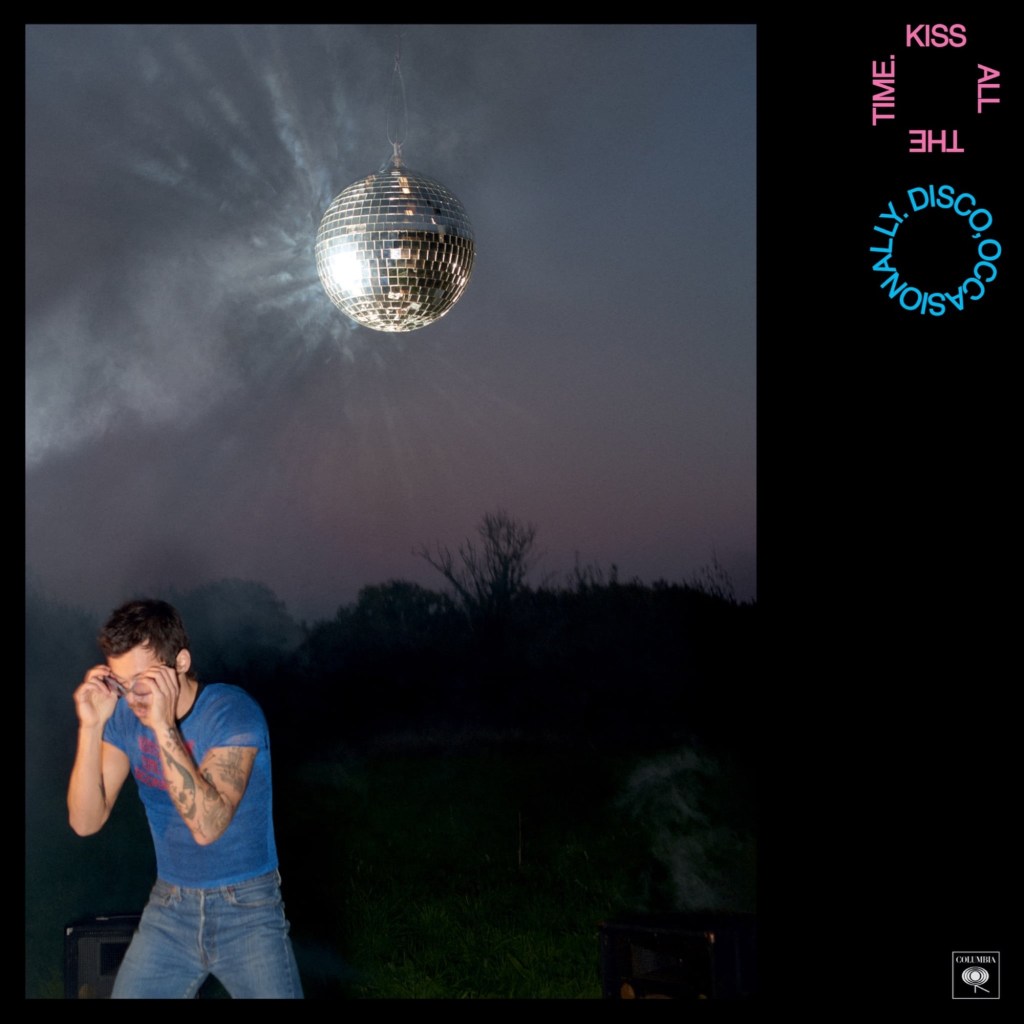
Kiss All the Time. Disco, Occasionally.
2026
I am a Harry Styles fan. My proper introduction was on the release day of his epompmus debut (May 12, 2017). I got up for a bike ride, planning to listen to the new Todd Rundgren album on the ride. I noticed that Harry Styles’ solo debut was out, so I decided to try it. Styles’ appearance on SNL earlier that spring had caught my attention enough to tempt me to change my listening plans. I was blown away. My wife and I caught the tour supporting that album and were absolutely charmed by Styles’ performance.
When I first reviewed his debut, I said the album made me think
“…of three Bs: Jeff Buckley, Beck, and dare I say, David Bowie. The more I listen, the more influences I hear (as the Bard says: ‘Steal a little and they throw you in jail/Steal a lot and they make you king’).”
Since the debut, Styles has released two competent pop albums, Fine Line (2019) and Harry’s House (2022), starred in some movies, and rivaled Taylor Swift as the biggest pop star on the planet, and disappeared. He has reappeared with a new single, “Aperture,” announced and sold out residencies across the world, including a 30-night residency at Madison Square Garden late summer/fall, and has now dropped Kiss All the Time. Disco, Occasionally.
Albums I like fall into two categories: love at first listen and growers. Kiss All the Time. Disco, Occasionally, is a grower. First listen – vapid. Second listen – ok, there are some songs I like. Third listen – this is good. Fourth listen sold. The album is subtly arranged and performed. It is a slow burn, what used to be called a quiet storm.
There are no stiffs on the album, highlights from initial listens:
- Aperture – lead single
- American Girls – deceptively danceable
- Coming Up Roses – a gorgeous string-infused ballad
- Pop – dance floor jam
- Dance No More – play that funky music white boy!
Secret ingredient: drummer Tom Skinner (Sons of Kemet and The Smile).
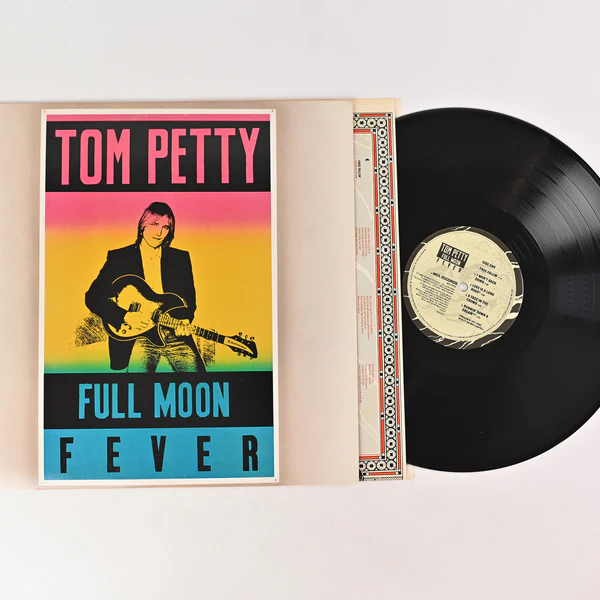
Full Moon Fever is the debut solo studio album by Tom Petty, released on April 24, 1989 – the previous seven albums were released as Tom Petty and the Heartbreakers. Petty had a distinguished career starting in the mid-70s, but by the late 80s, he must have been getting a little restless. He and the Heartbreakers agreed to be Dylan’s band for his 60-date True Confessions Tour through Asia, Oceania, and North America, including some dates with the Grateful Dead. I saw one of those Dylan/Petty/Dead shows on June 26, 1986, in Minneapolis at the Metrodome – it ranks as one of the worst-sounding concerts I have ever witnessed.
Enter ELO’s Jeff Lynn as Petty’s new collaborator. Lynn and Petty had recently worked together in the Travelling Wilburys. What they created together on Full Moon Fever was absolute magic. Full Moon Fever is arguably Petty’s best album – I juggle between Full Moon Fever (1989), Wildflowers (1994), and Damn The Torpedoes (1979) depending on my mood. It was his most commercially successful album, with over 6 million copies sold (his Greatest Hits album sold twice that, but Full Moon Fever hits were an important part of that package).
I purchased Full Moon Fever when it first came out on CD. I had transitioned to CDs a few years earlier, but fortunately, I never got rid of my vinyl LPs. I wish I had originally bought it on vinyl – it would be worth $80 to $100 today. I recently picked up the 180 g 2017 vinyl reissue/remaster used from my new favorite Valley record store, Vinyl Record Dude, in Near Mint* condition for a mere $20. I will never know, but I bet my reissue sounds better than the original – this reissue sounds great!
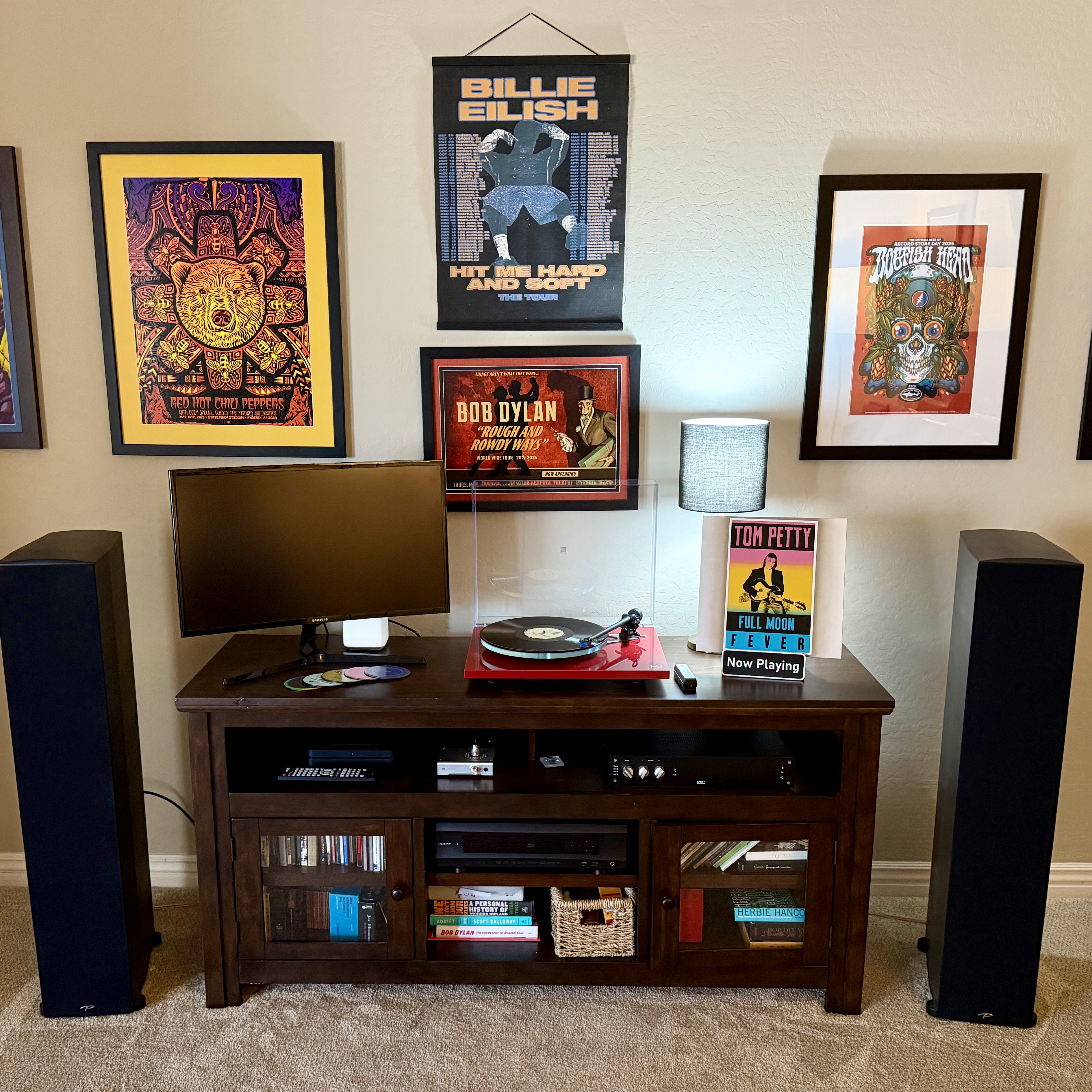
Side one of Full Moon Fever (tracks one through five on CD) is perfection. It includes the big hits: “Free Fallin’,” “I Won’t Back Down,” and “Runnin’ Down a Dream.” Side two is good, it just doesn’t have the pop-rock magic of side one. Overall, the album feels like a homage to Petty’s influences – namely the Beatles and the Byrds. Producer Jeff Lynn’s production values can sometimes overwhelm an artist, but with Petty, Lynn’s pixie dust feels just right. The vinyl edition is missing the tongue-in-cheek hidden track:
“Hello, CD listeners. We’ve come to the point in this album where those listening on cassette, or records, will have to stand up, or sit down, and turn over the record, or tape. In fairness to those listeners, we’ll now take a few seconds before we begin side two. [pause] Thank you. Here’s side two.“
*Per Discogs, a Near Mint (NM or M-) vinyl LP is a nearly perfect record. A NM or M- record has more than likely never been played, and the vinyl will play perfectly, with no imperfections during playback. Many dealers won’t give a grade higher than this, implying (perhaps correctly) that no record is ever truly perfect. The record should show no obvious signs of wear. An LP cover should have no creases, folds, seam splits, cut-out holes, or other noticeable defects. The same should be true of any other inserts, such as posters, lyric sleeves, etc.
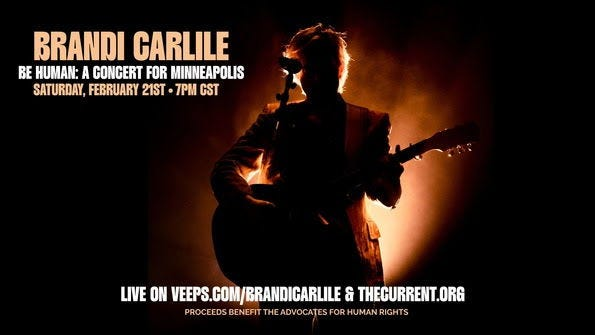
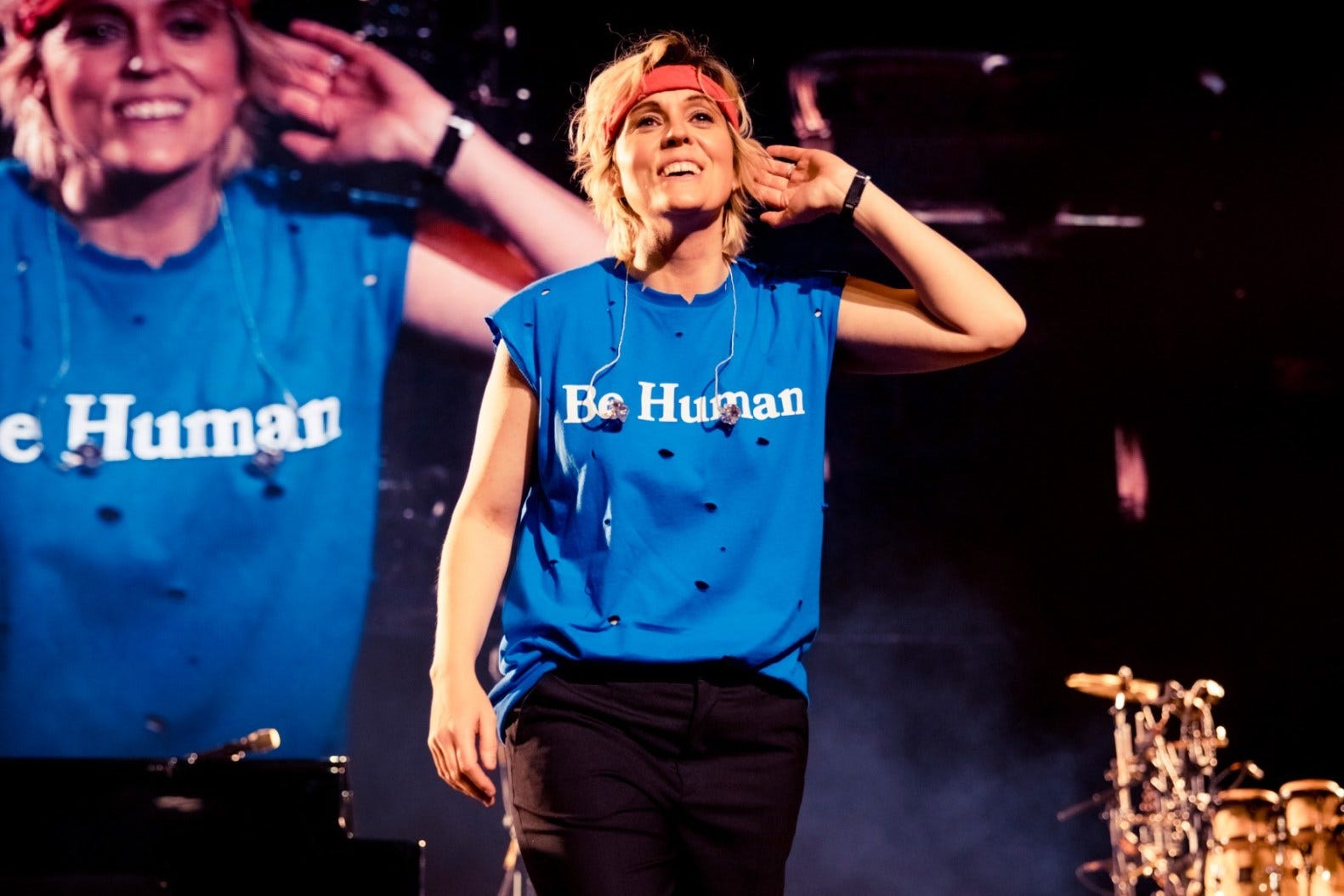
This post will combine two of my writing interests: music, which I write about on this blog, and politics, which I write about on Substack. On Saturday, February 21st, 2026, my wife and I “attended” Brandi Carlile’s concert at the Target Center in Minneapolis. I put air quotes around attended because we were not physically there – we attended via a live-stream that we watched from Phoenix.
Brandi Carlile has a special relationship with the Twin Cities, as it has been one of her strongest markets in the country. She has performed over 30 times in the Twin Cities over the past 20 years. She has played diverse venues: the 400 Bar, First Avenue, the State Theatre, the Minnesota State Fair Grandstand (twice), Grand Casino Arena (Xcel), and now Target Center. She has stated that she draws larger crowds in the Twin Cities than in her home state of Washington.
It is no surprise that Carlile would want to leverage her already scheduled Minneapolis show to celebrate the city’s resistance to Operation Metro Surge, mourn its recent tragedies of Good and Pretti, and raise funds for a good cause: The Advocates for Human Rights. The Advocates for Human Rights is a Minneapolis-based nonprofit that promotes international human rights standards to promote civil society and reinforce the rule of law. Migrant rights is one of their causes.
My wife and I see Brandi every chance we get, and we had FOMO that she was playing in Minneapolis when we were out of town. So we were delighted that she would be live-streaming the Minneapolis show. It was a bonus that the proceeds from live-stream and show-specific merch (which we ordered online) would be directed to charity. This was going to be an old-fashioned concert fundraiser presented for the digital age. The show was great, and per Brandi’s socials, the show raised over $600K for charity!
The live-stream was high-quality: high-resolution camera shots, good camera angles, and clear sound. The sound was vastly superior, even on a TV without a soundbar, to what you would typically hear in an arena (the live-stream sound was mixed by the legendary sound engineer Bob Clearmountain). Brandi is a pro and, at this stage of her career, knows how to play for the camera and the live audience. She mixed her usual stage banter with Twin City-specific remarks. The banter was just enough to acknowledge the seriousness of the moment without detracting from the joy of the concert. “You’re special people. There’s nothing like you,” she said. “I’ve never been more inspired in my life by a city.” My only complaint about the live-stream is that it didn’t capture the audience vibe well.
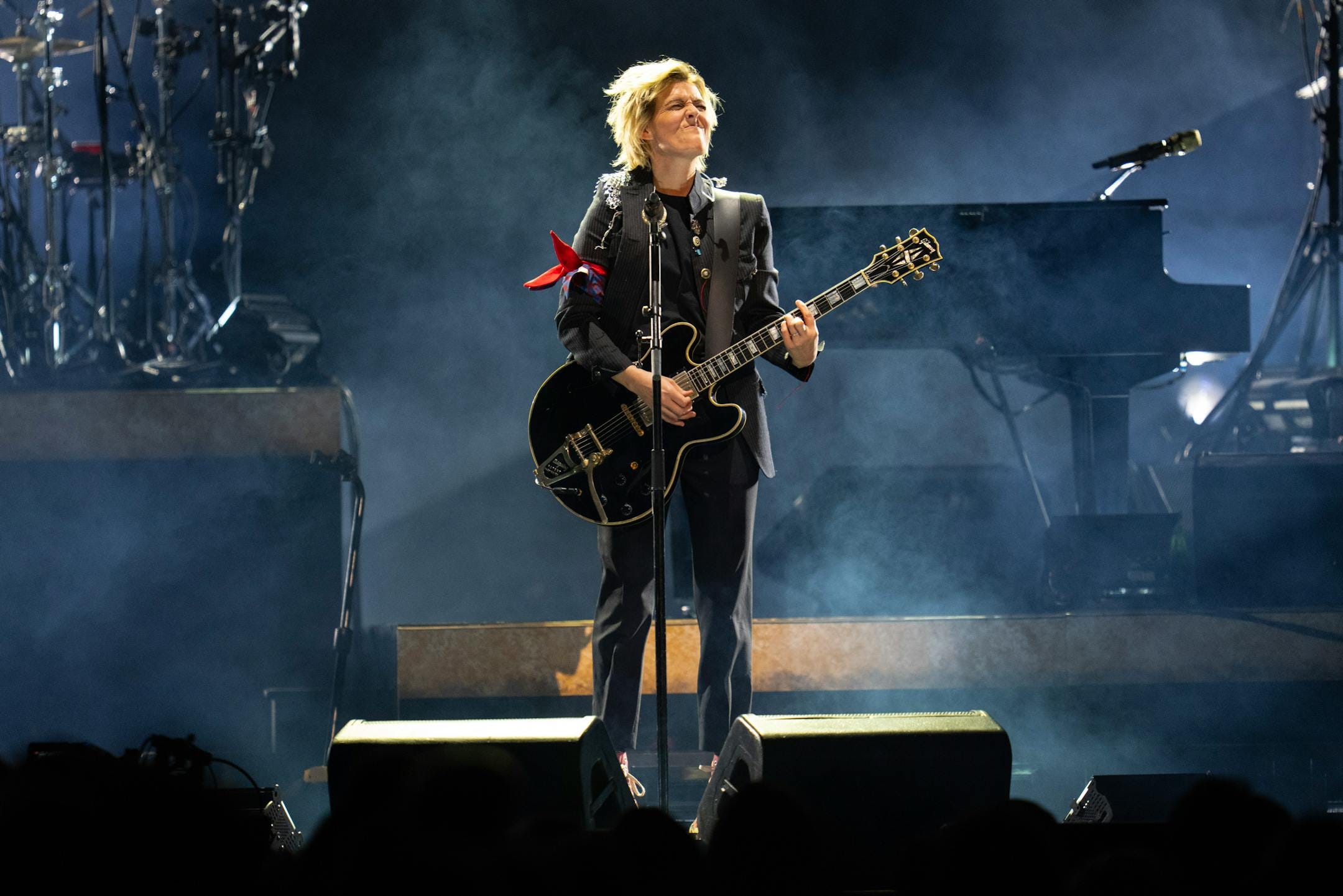
This is Brandi’s first proper arena tour, and so she had the appropriate staging for a big-time rock show (previous Brandi big shows in the Twin Cities were one-offs without the arena accouterments). She has enough material that even after a two-and-a-half-hour performance, we wanted more.
Brandi had a nice set list (see below), and she had a great ending: her traditional closing tune, “A Long Goodbye,” followed by an a cappella rendition of Bob Dylan’s “Girl from the North Country” in total darkness. The lights came up, and she brought out her special guests, Minneapolis’ Singing Resistance, to sing their “It’s OK to Change Your Mind.” After bows and the departure of the band from the stage, Carlile danced on stage solo to a recording of Chappel Roan’s “Pink Pony Club.” It was a very satisfying evening.
Set List:
- Returning to Myself
- Human
- Mainstream Kid
- Broken Horses
- A War With Time
- A Woman Oversees
- Right on Time
- Who Believes in Angels? (Brandi Carlile & Elton John song)
- Beginning to Feel the Years – audience request with a trio of Brandi and the Twins
- The Things I Regret – audience request with a trio of Brandi and the Twins
- You Without Me (Brandi Carlile & Elton John song)
- The Mother
- The Story
- You and Me on the Rock
- No One Knows Us
- Sinners, Saints and Fools (with interpolation of “Ain’t Gonna Let Nobody Turn Me ‘Round”)
- Long Long Time (Linda Ronstadt cover)
- The Joke
- Hold Out Your Hand
- ENCORE Viva la Vida (Coldplay cover with opening act The Head and the Heart)
- Church & State
- Uninvited (Alanis Morissette cover)
- A Long Goodbye (with interpolation of Bob Dylan’s “Girl from the North Country”)
- It’s Okay To Change Your Mind with guests Singing Resistance
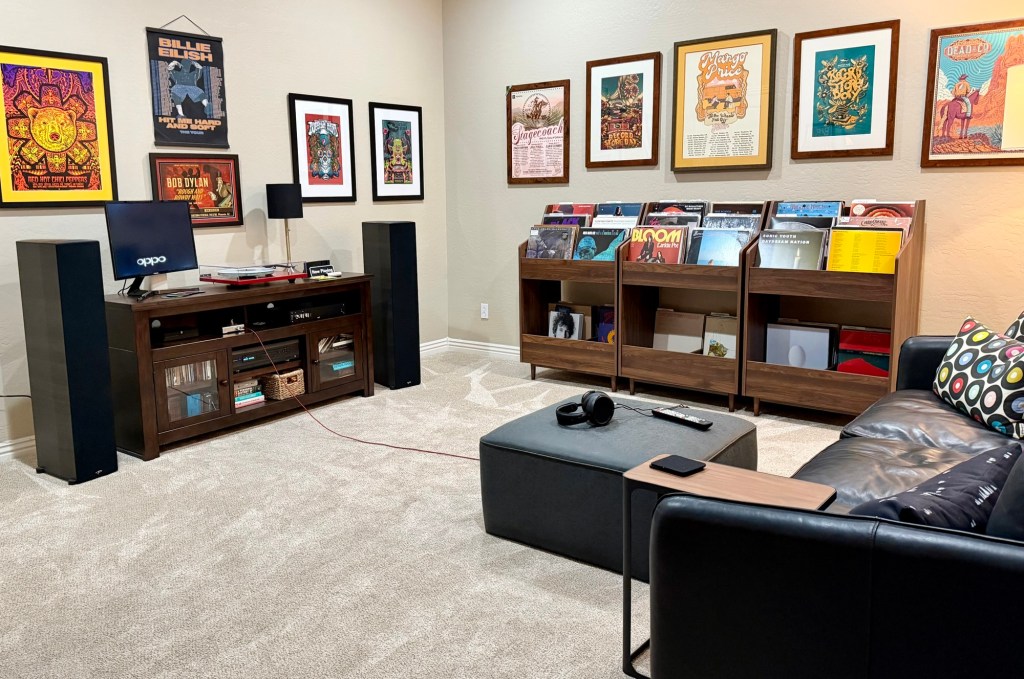
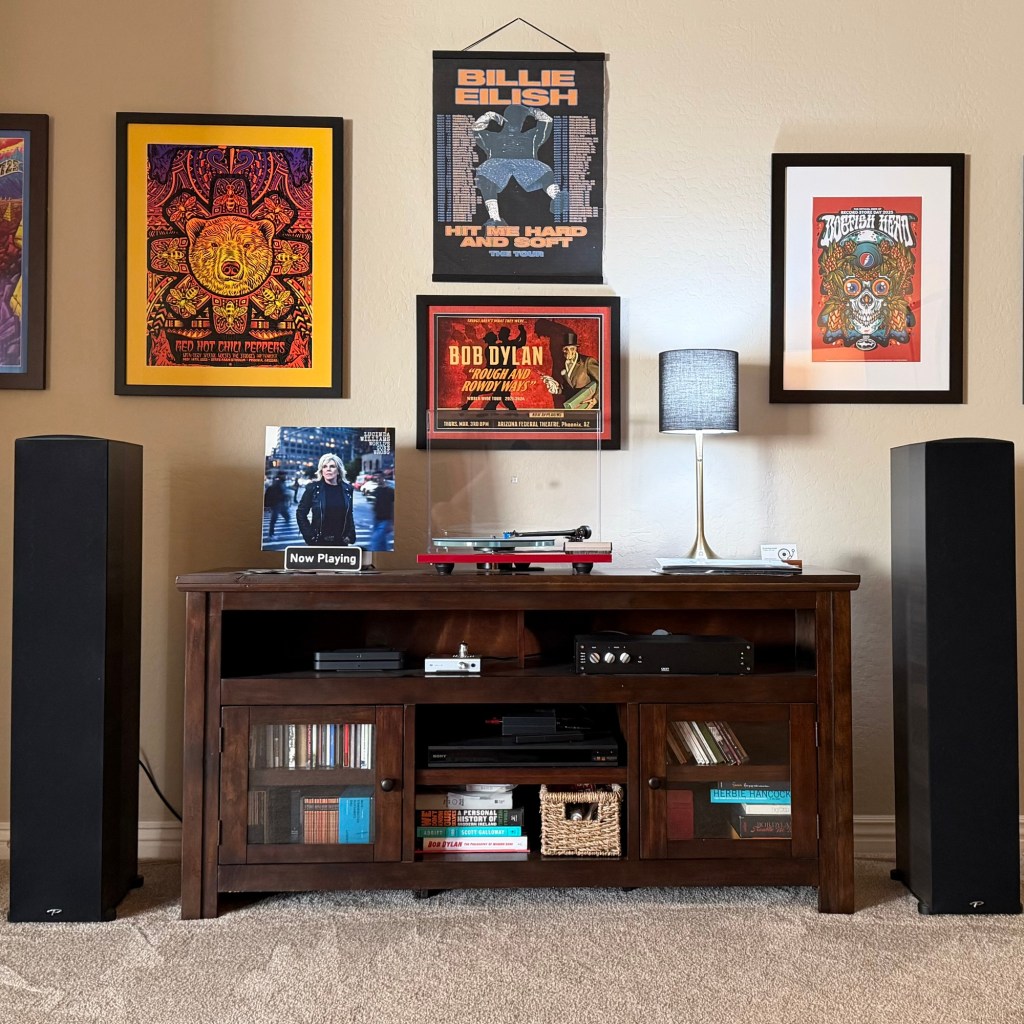
Paradigm Premium 800F speakers, Bluesound Node streamer (Tidal), Croft Acoustic Phono Integrated amplifier, Rega P3 turntable (stock cartridge), Schitt Vali 2 headphone amplifier, Oppo 105D Blu-ray (for digital media), and DROP.com + HiFiMan HE5XX Planar Magnetic Headphones
Last year, I upgradedthe Desert 🌵Sessions to play physical digital media (CDs, SACDs, HDCDs, and DVD-A). One of my goals was to play my small collection of high-resolution disks (mainly SACDs). However, I did not realize how challenging it would be to play the DSD layer of a SACD (more about that below). According to Google, Direct-Stream Digital (DSD) is a high-resolution audio format developed by Sony and Philips, primarily for Super Audio CDs (SACD) and high-quality digital downloads. Unlike PCM (used in WAV/FLAC), DSD uses 1-bit quantization and a very high sampling rate (2.8224 MHz or higher). That is technical stuff I don’t understand. What I do understand is that DSD is a warmer analog-like sound with less listening fatigue, which, to my ears, is the best-sounding digital format.
There is a lot of debate in the audiophile community over which sounds best: vinyl or digital. I can give you a definitive answer: it depends. More important than resolution and format is the recording, mixing, and mastering. The biggest problem with vinyl is its fragility – almost every LP eventually has surface noise. How an album was recorded, how it was mixed and mastered, and how it was transferred to the final state (a vinyl record, CD, or digital file) can make a vinyl record sound better than the digital file, and vice versa. Don’t forget your mood upon listening. I find I am a more attentive listener with vinyl because the format demands more engagement: pulling the album off the shelf, cleaning it, dropping the needle, flipping the record, etc. But in general, a well-recorded digital album (and most everything recorded in the last 20 years is a digital source anyway) that has been well-mastered to digital generally wins over its vinyl sibling. Ultimately, the last steps in production are an art form. Those final steps in the production to form the final product, whether vinyl or a digital file, are an artistic expression too. They are susceptible to the skills and taste of the recording, mixing, and mastering engineers.
Last season, I picked up an inexpensive Blu-ray player that could play pretty much any digital format, including SACDs (Sony UBP-X800M2). This season, I shipped all my SACDs and DVD-As to Phoenix to enjoy on the Sony. However, I did not realize that the only way Sony could output DSD was via an HDMI port, which required a DSD-compatible device to deliver it to my ears (e.g., a home theater amp or a dedicated DAC). I did a lot of research and talked to my audiophile buddies, and every solution was either complicated or expensive. Then I was at an Arizona Audio Visual Club meeting, and one member brought his Oppo Blu-ray to demo both physical media and streaming via a Bluesound Node. The light bulb went on that the simplest solution to playing DSD SACDs at the Desert 🌵Sessions was to swap my Oppo 105D from Minneapolis with my Sony UBP-X800M2 in Phoenix. The Oppo will get more use in Phoenix, and the Sony and an outboard DAC will be perfectly fine for my extensive Red Book CD collection in Minneapolis.
We were recently in Minneapolis to meet our first grandchild, and while I was there, I packed up the Oppo and shipped it to Phoenix. The Oppo has now been incorporated into the Desert 🌵 Sessions, and what follows is my experience with the “new” toy (I have had the Oppo since 2014). I am not a technical audiophile (I don’t consider myself an audiophile, but a musichead with a decent stereo), so this review will be subjective and based solely on my ears.
A note on Oppo: OPPO Electronics Corporation is a Chinese consumer electronics manufacturer and technology company. At this point, they are primarily a cell phone company. Oppo discontinued Blu-ray player production in 2018, but their universal disc players (like my 105D) were highly sought after by audiophiles for their exceptional build, sound quality, and reasonable price. Because these units are no longer in production, they are only available as used units on secondary markets. I received mine new as a 30th wedding anniversary gift from my lovely wife back in 2014.
Before getting into the Oppo review, a couple of inexpensive, but material upgrades for this season: a coax cable and a toe-in of the speakers. I had been using a standard RCA interconnect between my Bluesound Node and an external DAC. I replaced it with an inexpensive coax cable from Amazon. I am generally sceptical of cords making a difference, but in this case, it did, and I assume what helped is the shielding a legit coax cable provides (it is basically a video coax cable with male RCA jacks). Probably the best ROI I have ever experienced with an upgrade ($10 solution). The other “upgrade” was to toe-in the speakers and move them out from the wall by a few more inches – sounds better (duh) – literally priceless.
To prep for the Oppo upgrade, I gave the Sony UBP-X800M2 a final listen to a few SACDs using the Sony’s native PCM conversion connected to an external DAC (Orchard Audio Pecan-Pi revision 3.0, which has dual Burr-Brown (TI) PCM1794A DAC chips).
Bob Dylan – Slow Train Coming (1979) SACD
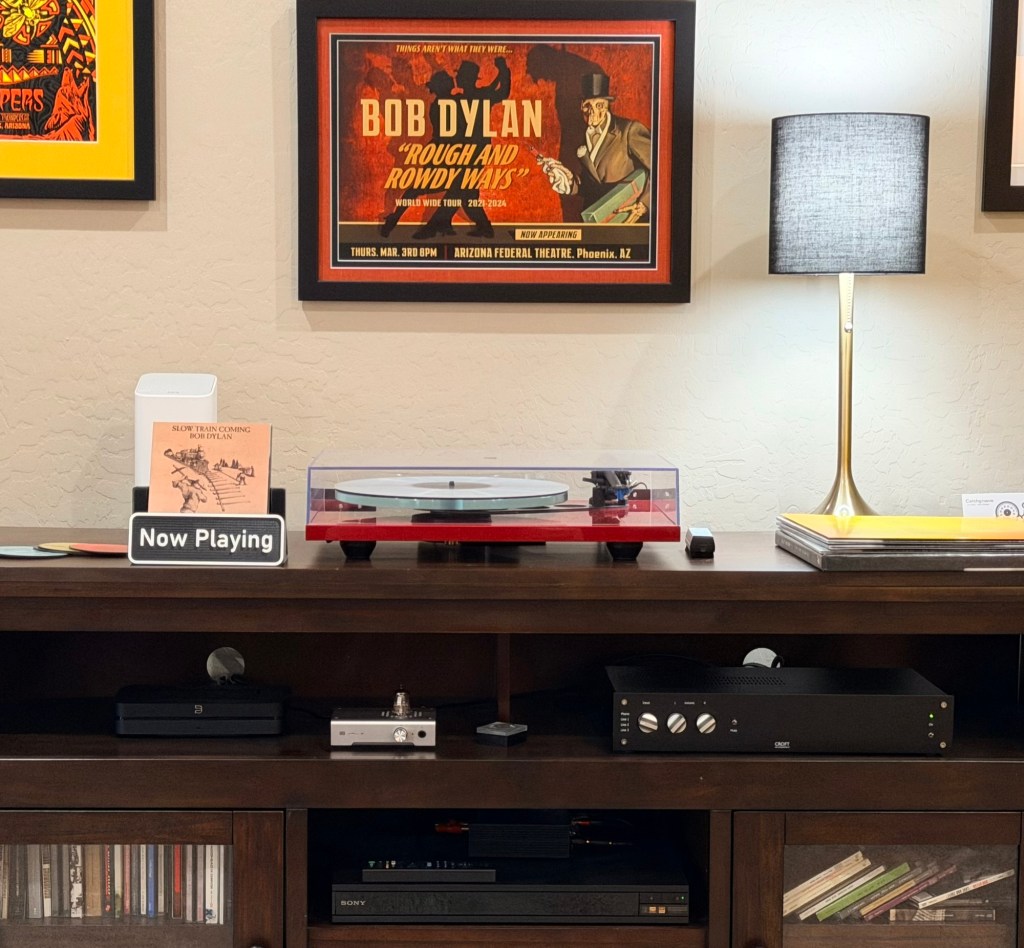
Slow Train Coming is one of my reference recordings because it is a wonderfully performed, recorded, mixed, and mastered release that I am intimately familiar with. Of all the changes in Bob’s career, the most outrageous was becoming a born-again Christian. But he did it with such panache that I forgave him. The album is the funkiest of Dylan’s albums, thanks to recording in Muscle Shoals with Jerry Wexler and Barry Beckett producing. Mark Knopfler’s guitar is a key component. The PCM version via the Sony sounds great (wide soundstage and precise stereo imaging); however, it has some digital harshness.
Roxy Music – Avalon (1982) SACD
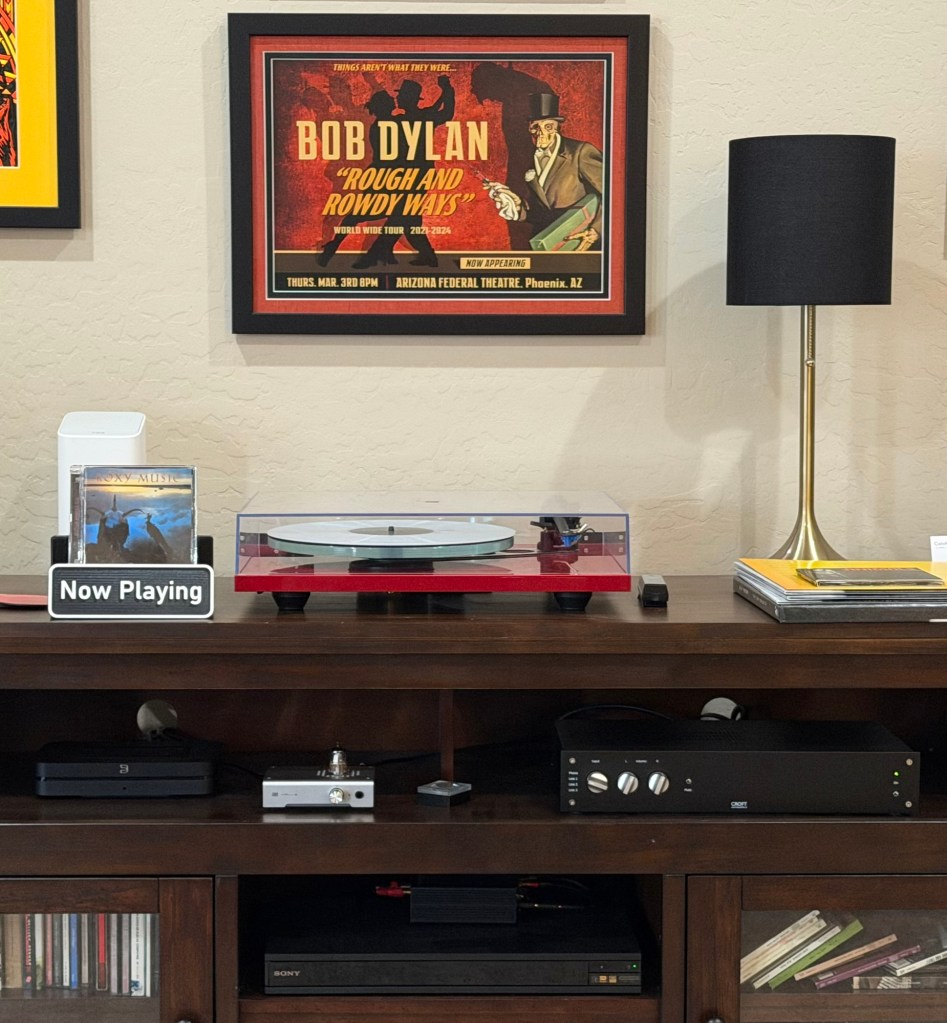
Avalon has been a reference recording for me and for many audiophiles. Per Google AI: “It is widely considered a quintessential audiophile masterpiece, renowned for its pristine production, immense soundstage, and sonic detail, making it a premier test record for high-end audio equipment. Mixed by Bob Clearmountain, the album features dense, lush layers, with top audiophile editions including the 2022 Half-Speed Mastered LP, original UK pressings, and the 2003 SACD (the version I am using here).” The SACD via PCM does not have the harshness of the Dylan recording – it sounds analog, like a pristine vinyl LP. Nice big soundstage and stereo imaging.
Merl Saunders, Jerry Garcia, John Kahn, Bill Vitt – Live At Keystone Volume 1 (1973)
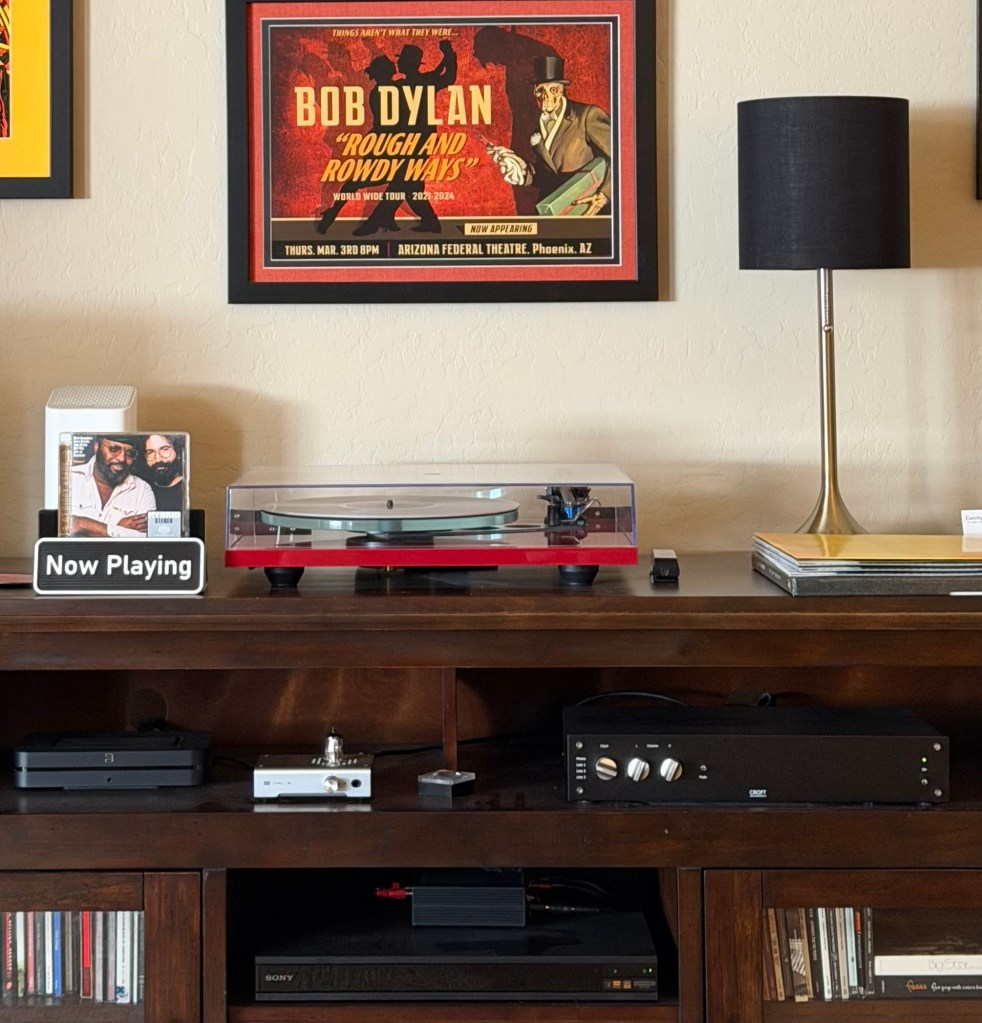
Live At Keystone Volume 1 is one of my favorite albums in my collection (along with the box set version). It displays the jazz side of Jerry Garcia. The recording is highly regarded for its sound. It was recorded at the Keystone in Berkeley, CA, and the album is known for its intimate, funky, 70s-style jam session vibe. Despite being recorded in a club, it is a studio-quality recording. The great Betty Cantor-Jackson is the engineer. The SACD via PCM has a nice analog vibe – it is mellow and smooth.
The Oppo arrived in Phoenix in good shape! It fits perfectly in one of the Desert 🌵 Sessions stereo cabinet’s cubbies. The Bluesound is coax connected to the Oppo, so I can leverage the Oppo’s DAC, which is two ESS Sabre32 Reference DACs (ES9018) optimized for audio, with one pair assigned for stereo (RCA/XLR – I am using RCA) and another for the headphone amplifier (which I don’t use, given I use a separate tube-based headphone amp).
I did notice that the Bluesound was not properly configured for an external DAC. The proper configuration looks like this:
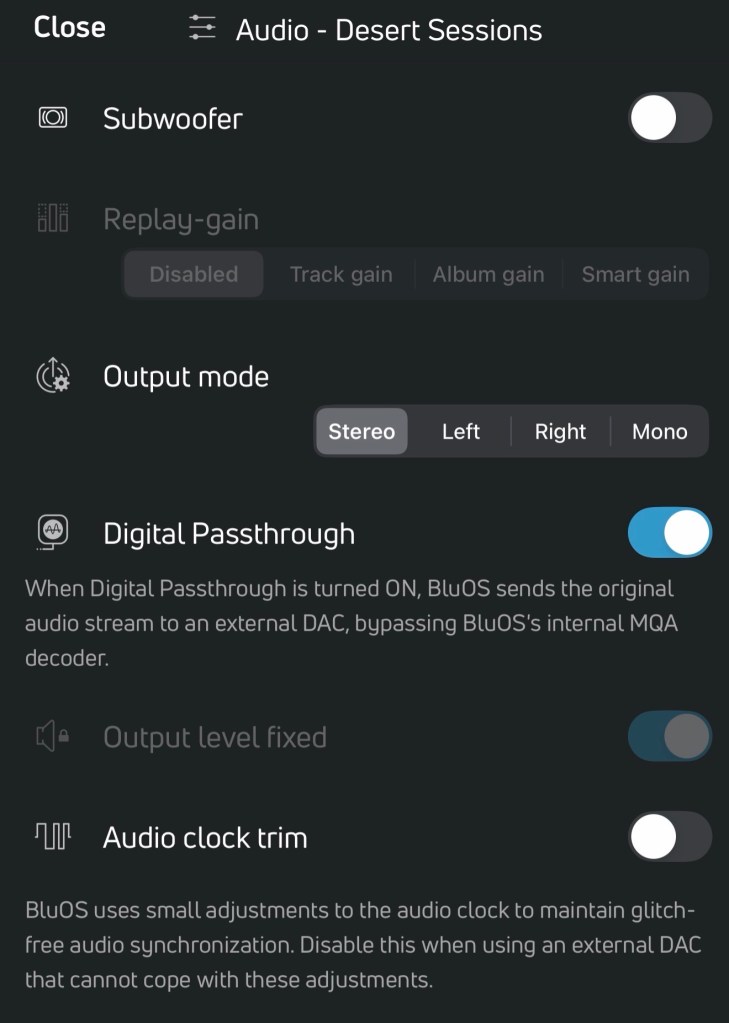
I had some initial challenges getting the Oppo configured to play the DSD layer – it was defaulting to PCM. But that allowed me to hear the improvement between the Orchard DAC and the Oppo’s DAC (PCM-to-PCM vs PCM-to-DSD).
I returned to Dylan’s Slow Train Coming to compare the Oppo with the Sony/Orchard DAC combo, in essence, DSD vs. PCM. Wow – the DSD version is much warmer – the harshness of PCM is gone! The soundstage is better, too.
Moving on to my second comparison – Roxy Music’s Avalon. Although the Orchard/PCM version I listened to earlier sounded great. The DSD version sounds even more analog – it is like being wrapped in a warm blanket.
My final comparison, Merl Saunders, Jerry Garcia, John Kahn, Bill Vitt – Live At Keystone Volume 1. Again, the PCM version was soft and mellow. Similar to the Roxy album, the DSD version of Live At Keystone has analog warmth. It also has a wider soundstage, making it a much more immersive experience.
One final reference point, a SACD of Elton John’s Captain Fantastic and the Brown Dirt Cowboy (1975). The album is widely revered in audiophile circles for its rich and detailed production. There are lots of dynamics here – from a whisper to a scream. The DSD layer sounds, dare I say, fantastic. I have used this SACD to test drive several systems – it is a good album to reveal a system’s strengths and weaknesses. Although I have a pretty humble rig compared to many of the audiophiles I know, it is fully satisfying to me (for now 😉).
Next up is R.E.M.’s 2005 DVD-A of Out Of Time (originally released in 1991). I don’t have a comparison point, as I haven’t played it recently on the Sony/Orchard. I don’t know what resolution the “Advanced Resolution Stereo” is – it isn’t documented, and I couldn’t find anything definitive online. Still, I assume it is at least 24-bit/48 kHz PCM (Wikipedia implies it is 24-bit/192 kHz). The DVD-A is bright and precise – maybe even too bright for jangly R.E.M. But listening to the CD (the DVD-A was bundled with a Redbook CD), it is pretty harsh and dull – the DVD-A is much warmer and has a better soundstage. The 2016 (which was a 25th anniversary remix) is 24-bit 88.2 kHz FLAC (PCM) on Tidal, sounds better to my ears – a more natural sound than the DVD-A. This probably has more to do with the remix than the resolution.
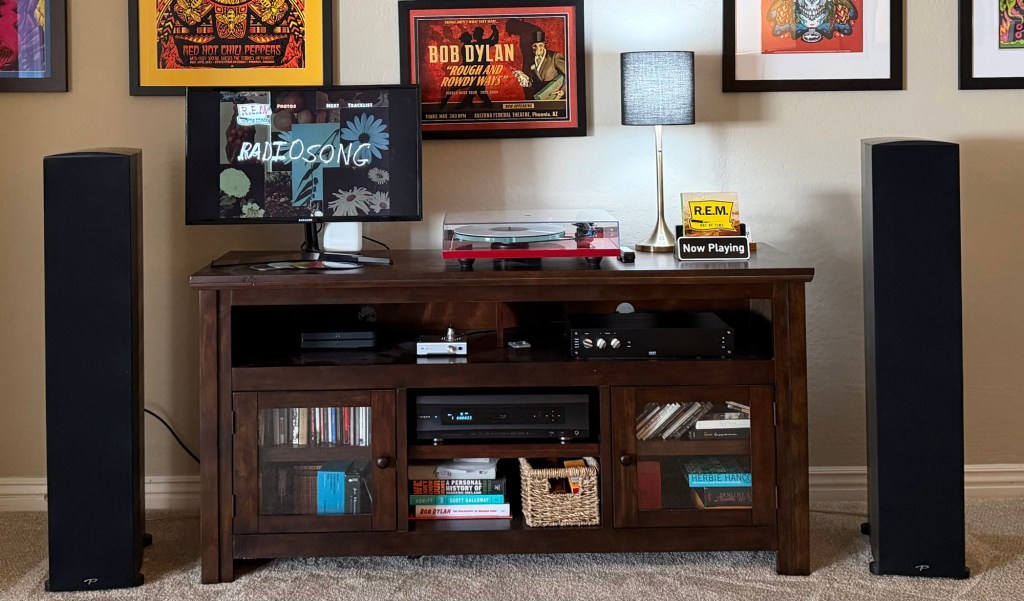
Next up, I focused on test-driving the Bluesound Node paired with the Oppo’s DAC. I start with a classic audiophile album: Talk Talk’s The Colour of Spring (1986). I am listening to Tidal’s 24-bit/96 kHz FLAC (PCM) version.
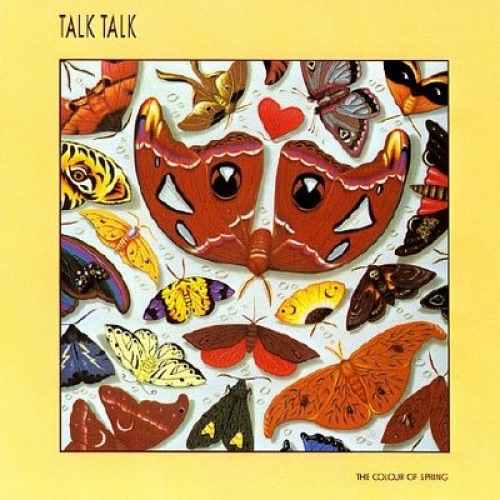
This is a new album to me – I saw it on several audiophile lists and have been listening on the Node\Orchard setup for a week before converting to Oppo, so I feel like I have a good reference point. Oppo’s DAC sounds way better than Orchard’s. This could be due to the Node not being properly configured for an outboard DAC. The Oppo has a much mellower analog-like warmth.
The difference between high-resolution PCM and DSD is subtle, but the biggest difference is that DSD has an analog warmth. The difference between CD quality (16 bit/44.1 kHz) and DSD is profound. This listening session validates the decision to move the Oppo to the Desert 🌵Sessions. The Sony with a DAC will be fine in Minneapolis, where my digital listening will be exclusively PCM via the Node and my extensive Redbook CD collection. All that being said, I will continue to spin lots of vinyl at the Desert 🌵 Sessions!
Additional note: I added a monitor temporarily to configure the Oppo, but I may just keep it on the stereo stand.
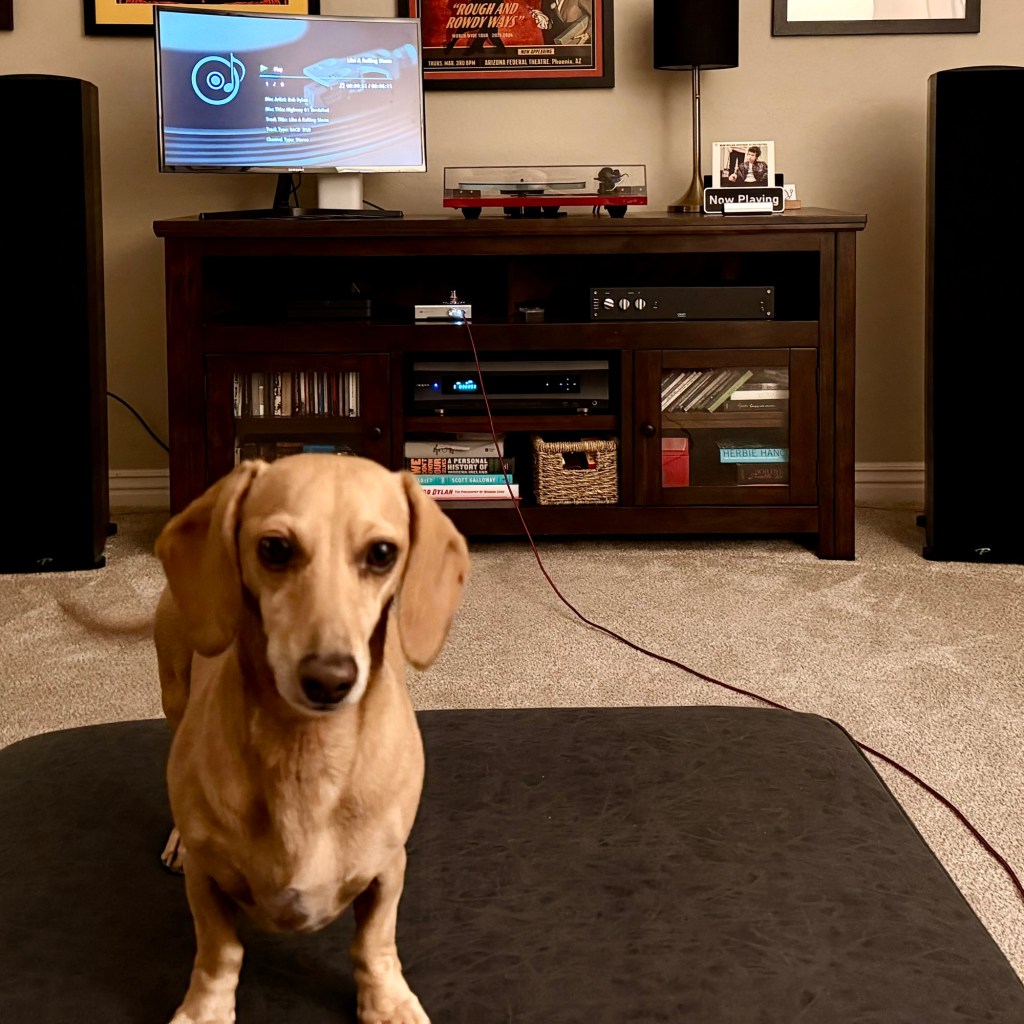
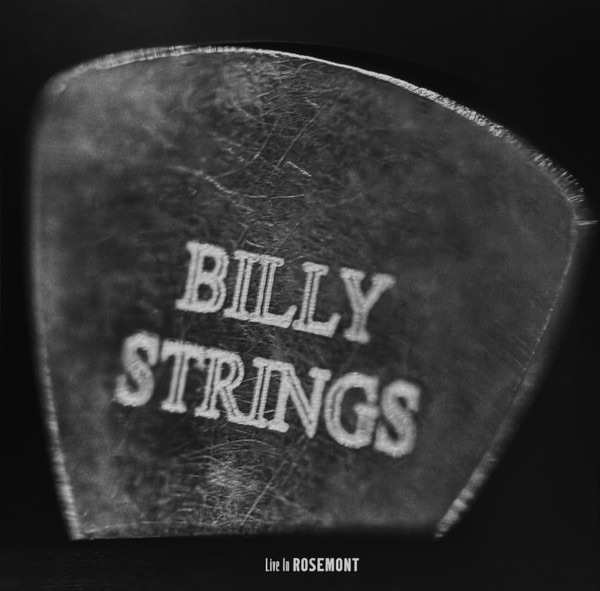
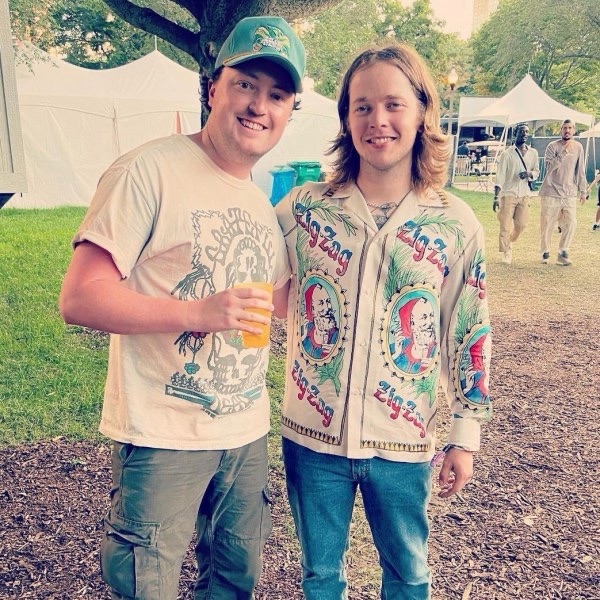
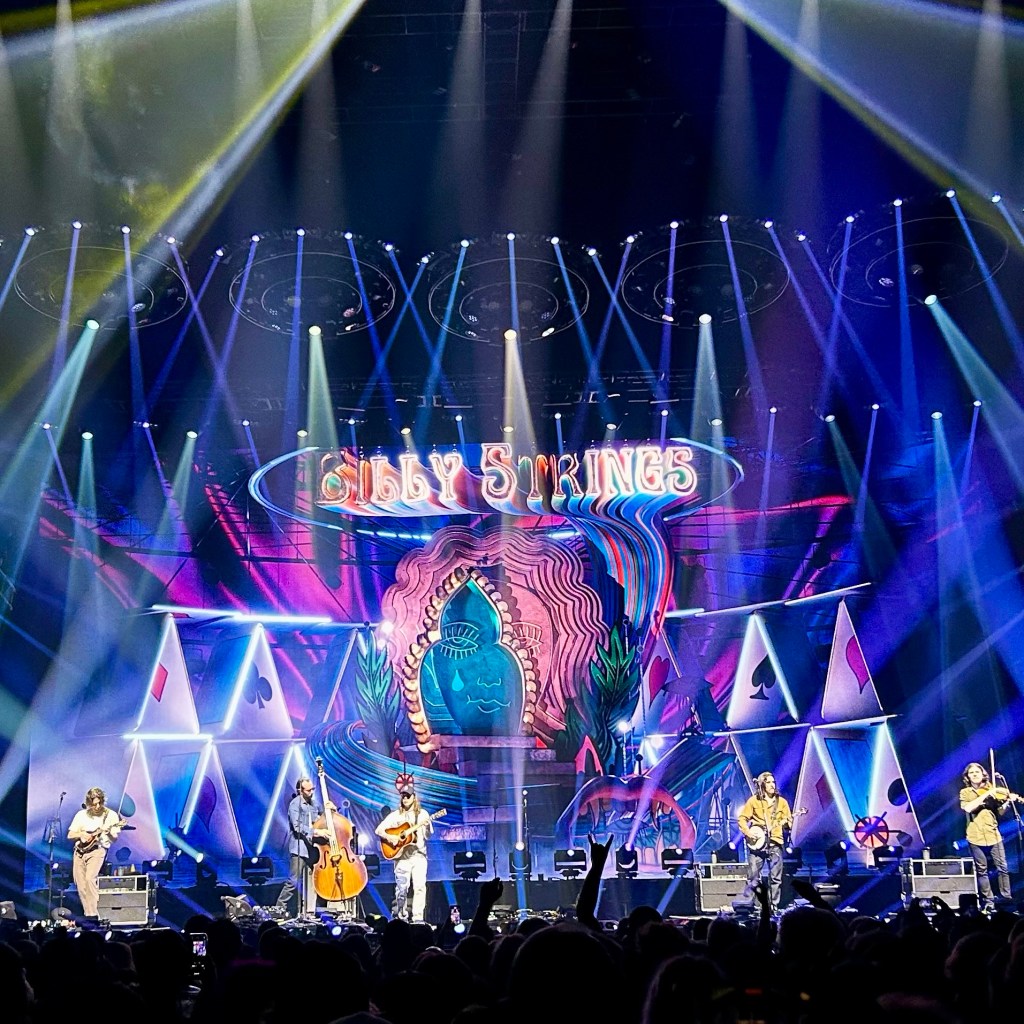
I was introduced to Billy Strings by my son, raving about Strings’ brilliant set at the 2022 Lollapalooza in Chicago. I have been to Lolla several times, and I was hard-pressed to imagine how a bluegrass band could succeed on the big stage of a pop music festival. So I checked out Billy Strings on streaming, and frankly, I was unimpressed. Strings and band were good, but so are a hundred other bluegrass bands, and they can’t command the attention of fifty thousand fans at a pop festival. So I kept listening, and the band grew on me, but I still didn’t fully get it. Then I saw Strings live in Phoenix at a large theater in the spring of 2023, and I got it – Billy Strings needs to be appreciated live.
My favorite Strings’ album is Live Vol. 1, released in 2024, because it is a live album. Now I have a new live release, Billy Stings Live In Rosemount. Per Third Man Records:
Billy Strings Live in Rosemont is the 66th installment of the Vault series. Recorded on May 25, 2024, at Allstate Arena in Rosemont, IL, this performance captures Strings and his band in peak form, more than 20 tracks unfolding with fire, finesse, and a sense of urgency that can only come from the stage. It was a night Billy Strings himself recognized as extraordinary, and the recording preserves every moment.
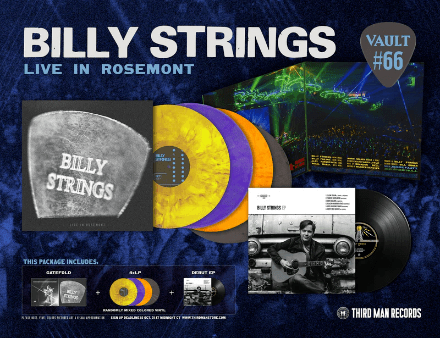
I saw Billy Strings a few days before the Rosemount show in Minneapolis (5/21/24 at The Armory), so it is nice to have a souvenir of that tour. Unlike Live Vol. 1, which cherry picks songs from several performances, Live in Rosemont is a single show. which provides a more authentic live show vibe.
Live in Rosemont is an excellent-sounding live recording and a quality vinyl pressing. My only complaint is that the music is spread across four LPs, and having to get off my ass every 15 to 20 minutes to flip sides or switch LPs. 21st-century problem. One of the benefits of vinyl is that it forces you to be a more engaged listener. I also get some pleasure knowing the only way to listen to this release is on a turntable (I guess this is why my audiophile buddies rip vinyl to digital).
I was a little disappointed in the packaging, which is just a simple gatefold cover with two LPs on each side, but I also appreciate that austerity resulted in a $75 price tag (including shipping), which is a tremendous value. I am always impressed by Third Man’s reasonable pricing.
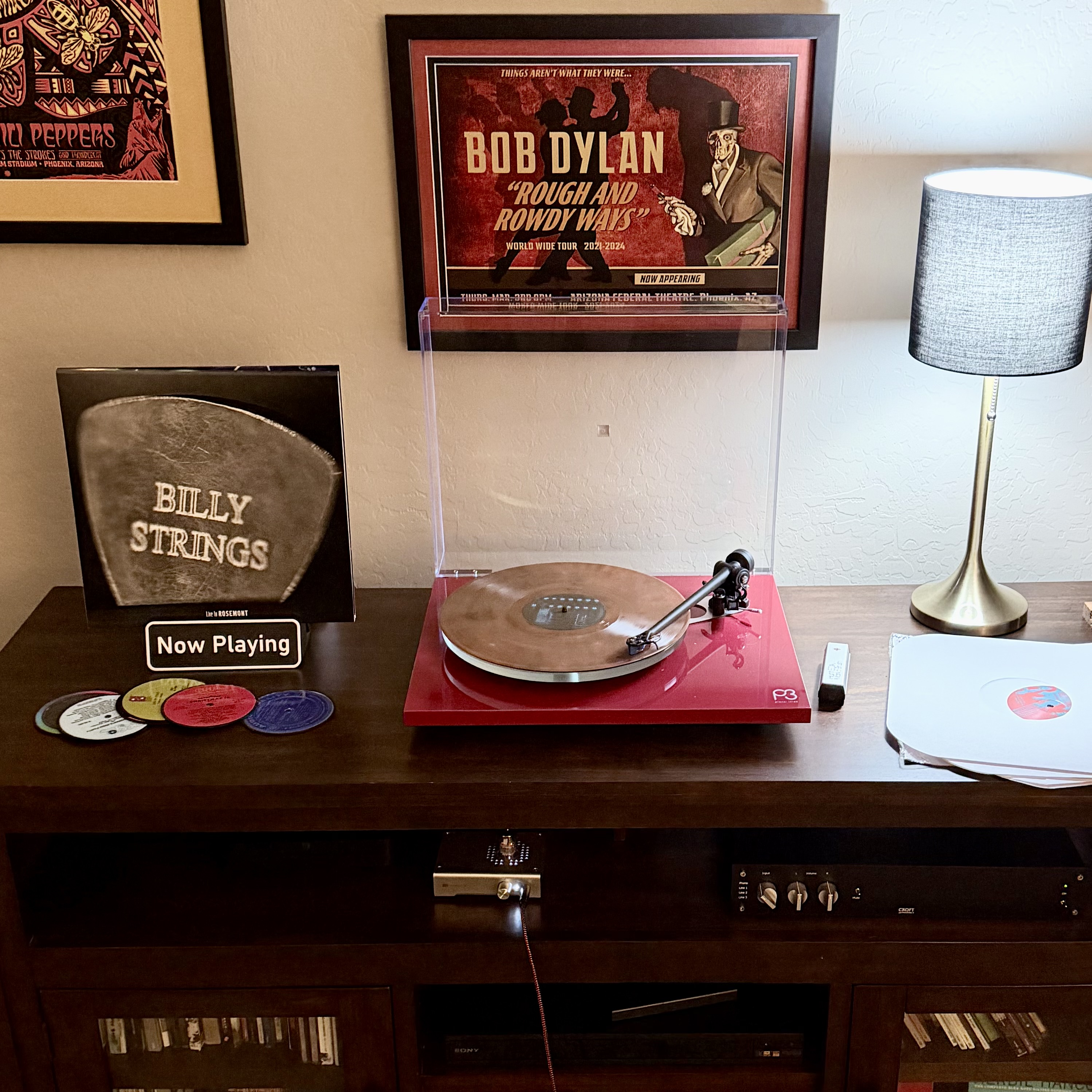
Live in Rosemont was issued as part of Third Man’s The Vault series. The Vault is Third Man Records’ quarterly vinyl subscription club, where limited-edition packages, featuring exclusive vinyl and a mix of curated collectibles, are shipped straight to your doorstep every three months. Vault members enjoy exclusive access to presales, online store discounts, and other special perks. Third Man is flexible enough that you can join quarterly or sign up for an annual subscription and secure each release for the year. I sign up for a quarter when I see a release that catches my fancy. Great program.
In addition to Live in Rosemont, the Vault 66 package also includes the first-ever vinyl pressing of Strings’ self-titled solo debut EP, originally self-released in 2016. A six-song collection that introduced his voice and vision to the world (this EP is available on streaming and was issued on CD). This is a pretty impressive debut, as it includes several songs that are regular parts of his performance repertoire, like “Dust In A Baggie,” which, according to BillyBase.com, is his most-performed original song. The album includes three originals, two traditional bluegrass numbers, and one cover. The album’s style is traditional bluegrass. Still in his early 20s, his playing is hot, and his vision is clear. He is still a year away from bending the rules.
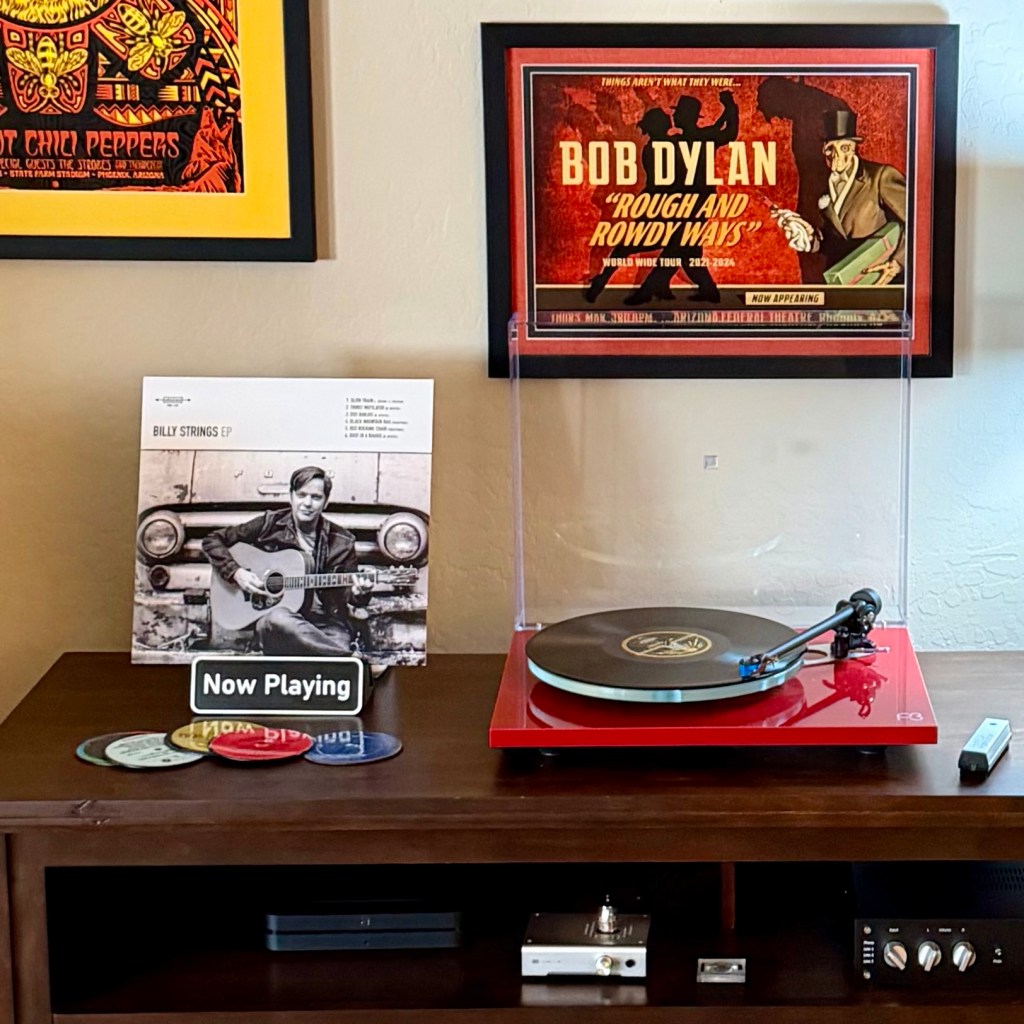
Live in Rosemont track list is a nice collection of pure bluegrass and Billy’s unique fusion. Here is the track list:
Side A
Slow Train
Away From The Mire
Side B
Living Like An Animal
Side C
Ernest T. Grass
The Fire On My Tongue
Know It All
Side D
Stone Walls & Steel Bars
Think Of What You’ve Done
In The Morning Light
Red Daisy
Side E
Libby Phillips Rag
Lumpy, Beanpole, & Dirt
Dust In A Baggie
Dusty Miller
Secrets
Side F
Love Like Me
Highway Hypnosis
Tennessee Stud
Reverend
Side G
Turmoil & Tinfoil
Slipstream
Side H
Enough To Leave
Cabin Song
Seven Weeks in County
Roll On Buddy, Roll On
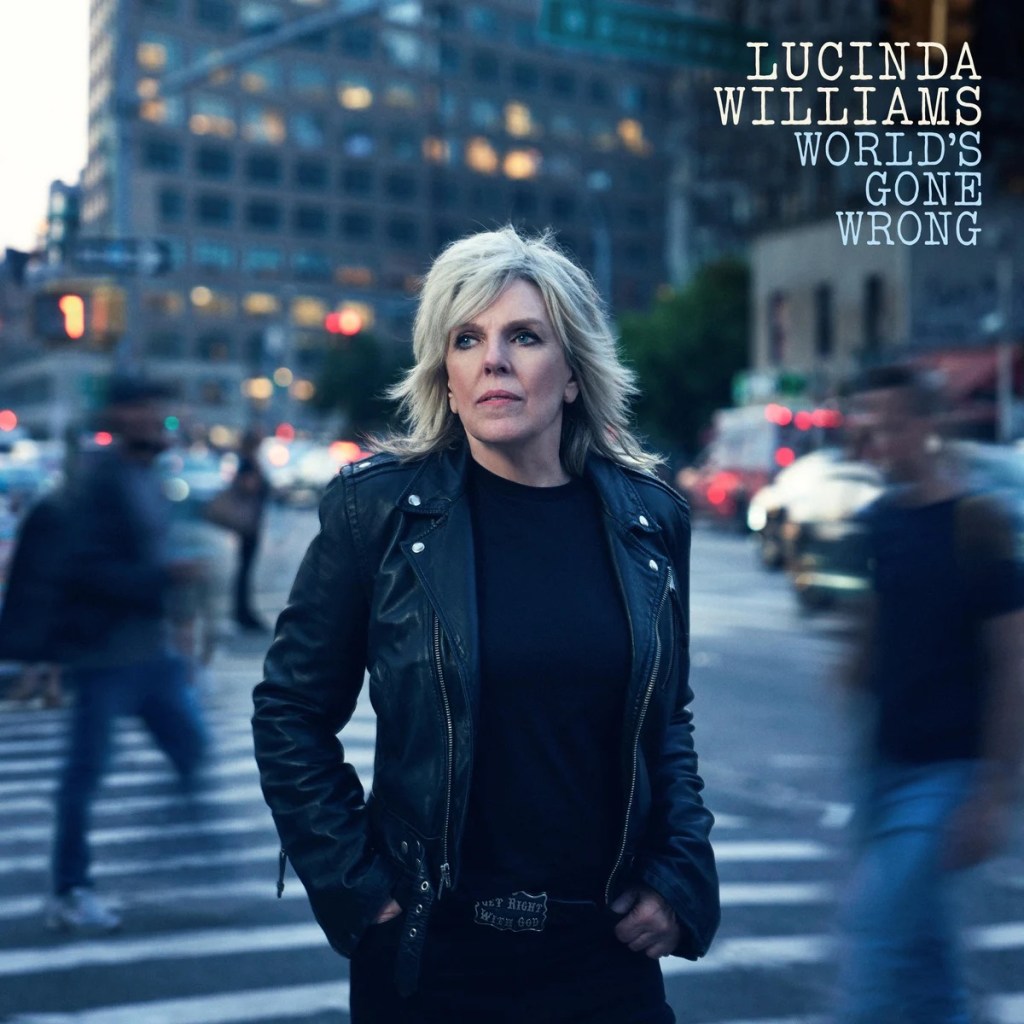
World‘s Gone Wrong
2026
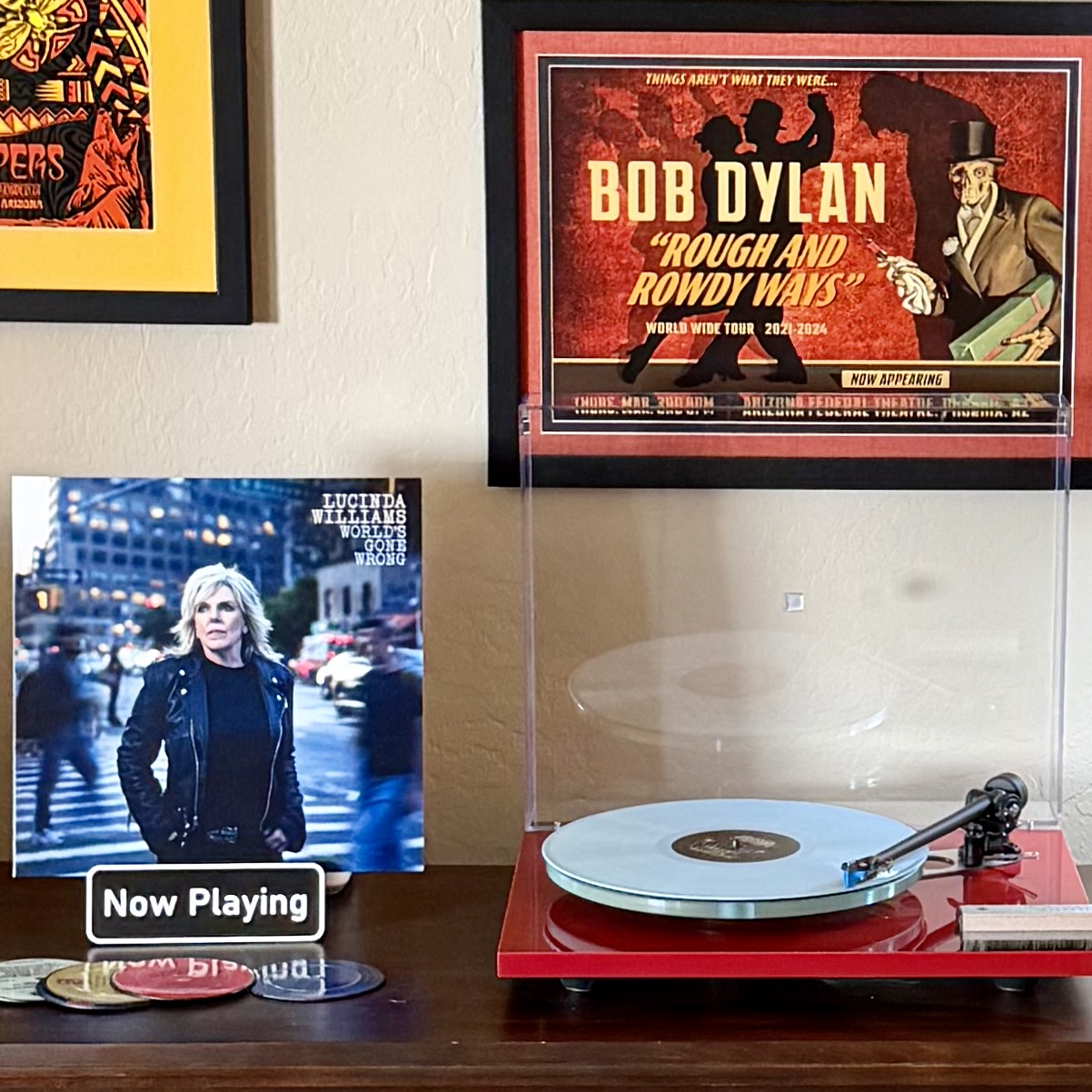
I am a long-time fan of Lucinda, having been introduced to her in the late 80s with the release of her 1988 self-titled album. I had the privilege of seeing her live in support of that album. I have reliably bought her albums ever since and have seen her live a few times over the years.
Recently, I enjoyed Steven Hyden’s new series, Catalog Club. Catalog club will focus on a section of an artist’s discography, and Hyden will take a deep dive into an album a week over the course of a month in a monologue podcast style. There is a paywall. The first artist that Hyden presented (in January 2026) was four Lucinda Williams albums: Happy Woman Blues (1980), Lucinda Williams (1988), Sweet Old World (1992), and Car Wheels On A Gravel Road (1998). This put me in a receptive mood to receive her latest World‘s Gone Wrong (2025)
I was born and raised in Minneapolis, and my hometown is going through a very rough patch (December 2025/January 2026 ICE invasion) at the time of this album’s drop and my listening to it. As I listen, it feels very much like the world’s gone wrong.
World‘s Gone Wrong is Lucinda as a protest singer. Writing protest songs is a tricky business. Most songwriters’ attempts come across as ham-fisted (Exhibit 1: Jesse Welles). Lucinda told NPR that, from the beginning of her career, she has found writing protest songs difficult. Then came Trump. “Every day, there was some crazy thing that the president said or made a decision about. And these songs just had to come out.”
Side one opens with the titular track, “The World’s Gone Wrong,” released as a teaser single in late October 2025 and featuring country singer Brittney Spencer on backing vocals. The song is about a working-class couple (“He sells cars and she’s a nurse“) trying to make it in our crazy times (“Everybody knows the world’s gone wrong“) where the only relief is music. Musically, the song is arranged in a nice classic rock style that would not sound out of place on a Tom Petty album.
“Something’s Gotta Give” is an appropriate reaction to the previous song – we can’t keep this craziness going, and something has to change. The music is dark blues rock, matching the lyrics. Again, Lucinda is supported by Brittney Spencer’s vocals.
“Low Life” was co-written by Big Thief‘s members and marks a musical shift in mood – a mellow vibe. The antidote to this crazy world is to relax in a dive bar, enjoying a well-curated jukebox and cheap drinks.
“How Much Did You Get For Your Soul” has a Patti Smith feel. The narrator is observing someone in power who clearly has sold their soul for money and power.
“So Much Trouble In The World” is the only cover song on the album (Bob Marley) and is performed as a duet with Mavis Staples – their husky voices are perfect together. This was the second single from the album.
Side two opens with “Sing Unburied Sing,” which musically has a ZZ Top vibe. The narrator is welcoming a ghost’s visit, hoping the old friend will bring some relief.
“Black Tears” is a dirge blues that recognizes that our country has been holding down people of counry for 400 years (black tears is a symbol representing racial trauma). The song refers to “mercy seat” several times – a biblical image that represents atonement.
In “Punchline,” the narrator looks around and sees so much trouble and asks, “Did God forget the punchline?“
On “Freedom Speaks,” the narrator (Freedom) is kicking us in the butt – yes, things suck, but you need to “Stand up and fight.”
The album ends with a hymn, “We’ve Come Too Far To Turn Around,” which features Norah Jones on vocals and piano. The song acknowledges that we are all weary of the fight, but we can’t give up: “we have come too far to turn around.”
The album acknowledges our troubled time, but it is not topical; rather, it is timeless. It gives comfort, yet it’s also meant to set a fire under our asses, not to give up. Lucinda is cheerleading us in her own unique way. Perfect album for our times – but really for all times.
The album is not available on Spotify at this time, but it is avaialble on other streaming services. I was not able to determine why it is not on Spotify – the rest of her catalog is. The vinyl version I picked up sounds great.
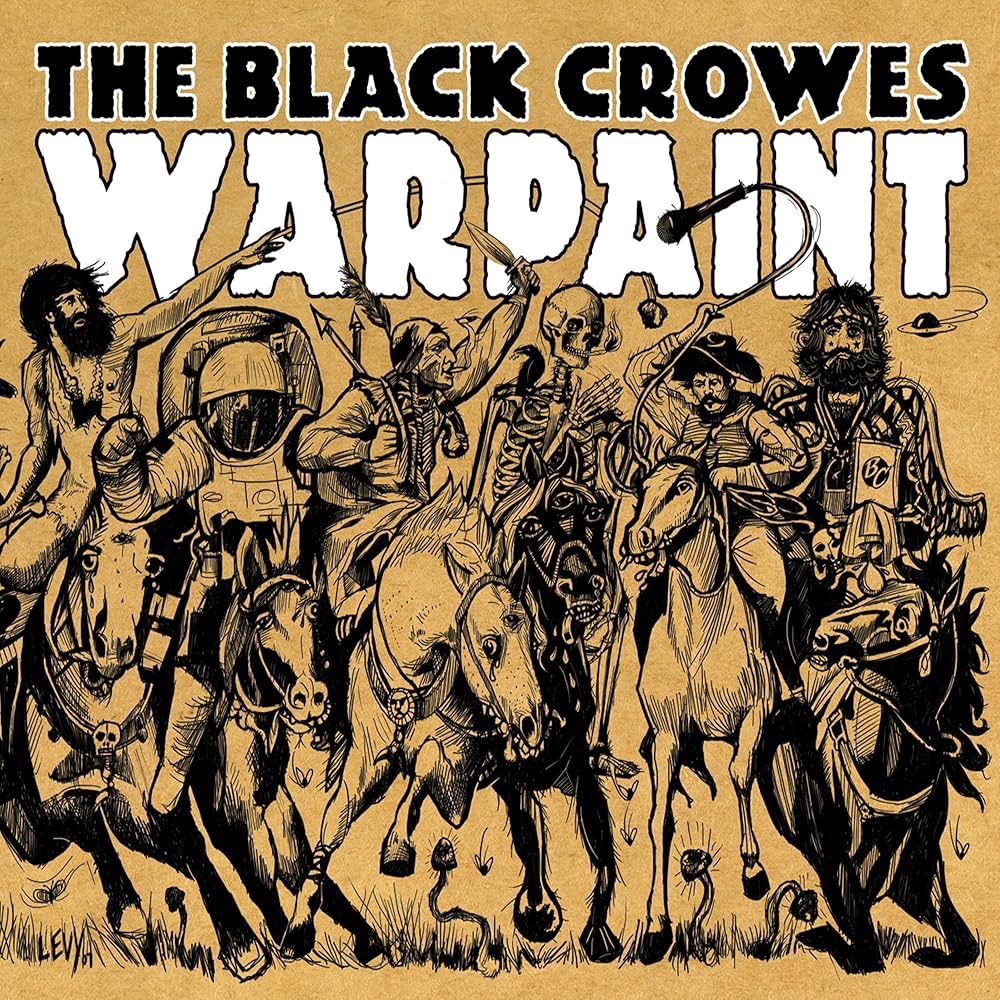
Warpaint
Silver Arrow Records
March 3, 2008
What a pleasant surprise this album was when it arrived in the spring of 2008. I had stopped listening to the band after Amorica (1994) – although I did buy the following three albums, they never resonated with me. Eventually, the band went on hiatus, but in the mid-2000s, they started touring and found the magic to record Warpaint. That album became my favorite Crowes album, and I had the good fortune to see the band touring in support of it at the Minnesota State Fair in the fall of 2008.
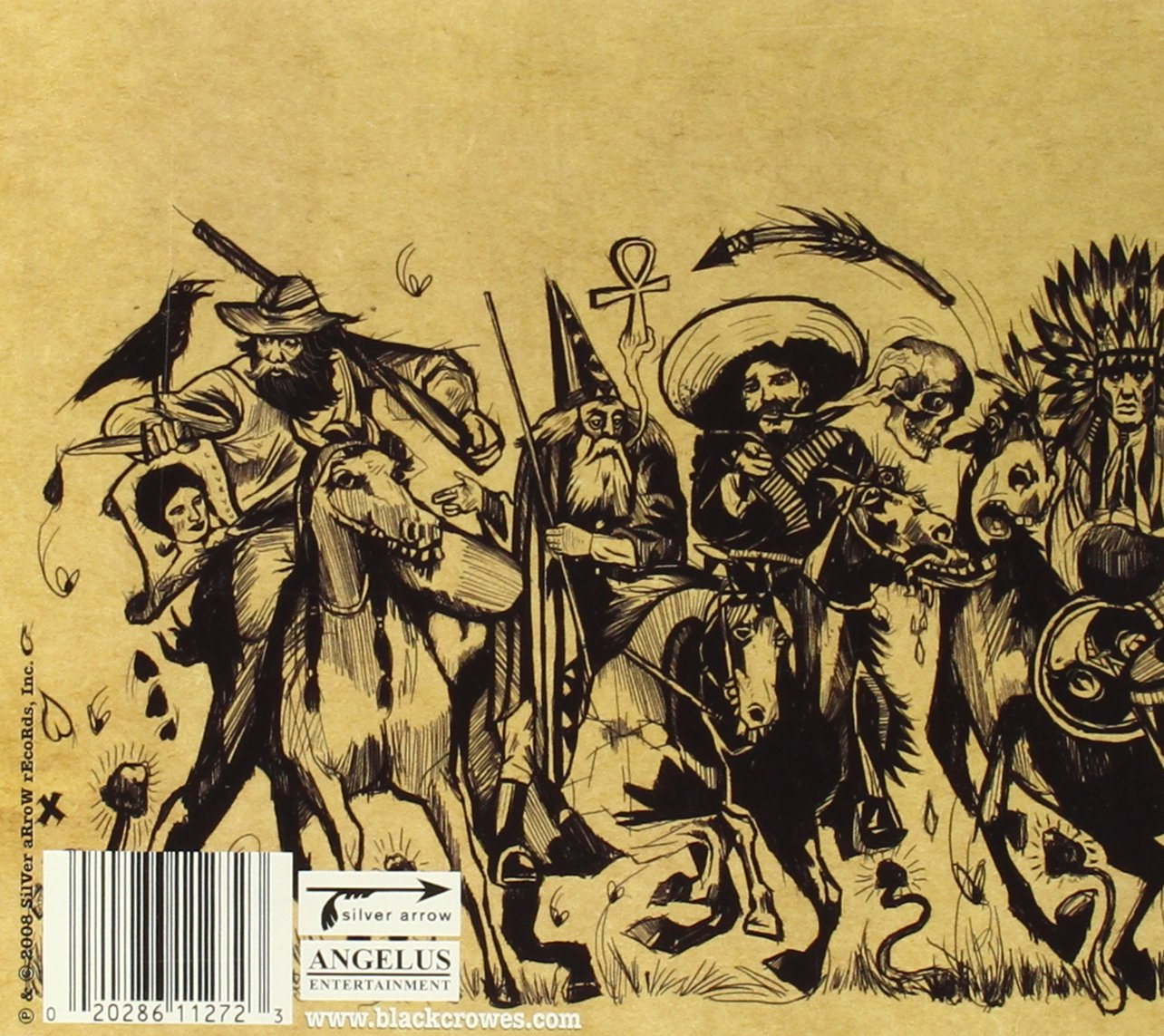
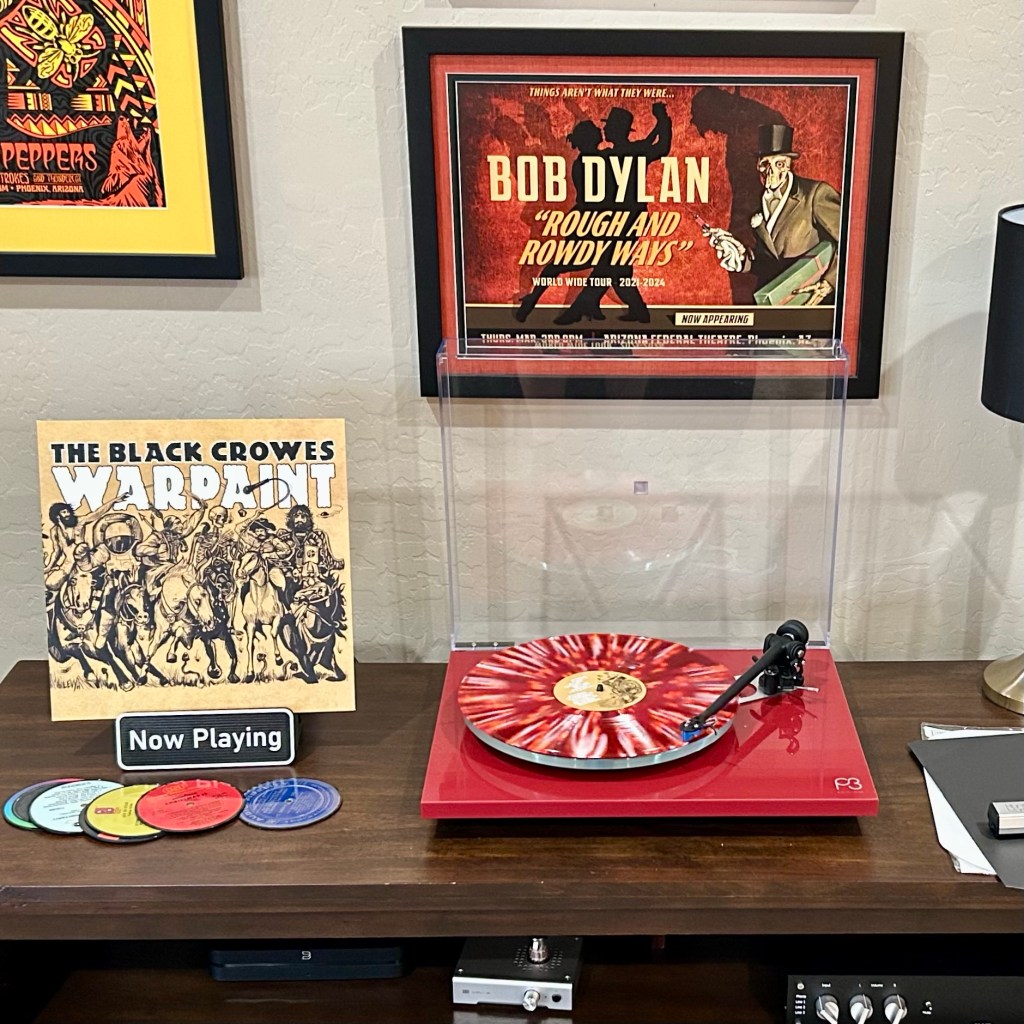
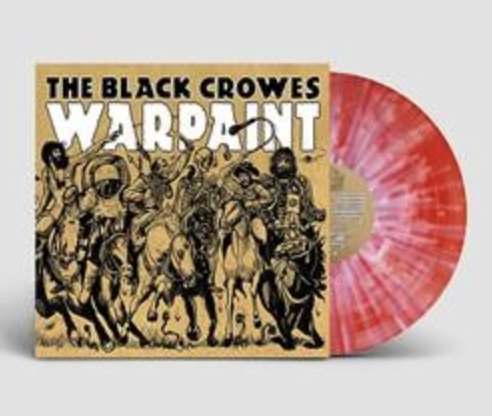
Warpaint sounded great on first listen, and it has never gotten old, revealing itself to this day. I loved that the CD was released as a Digipak (I hate jewel cases). Later, during the vinyl renaissance, I picked it up on vinyl. I recently picked up a lovely Red/White Splatter vinyl reissue from Vinyl Record Dude for the Desert 🌵 Session.
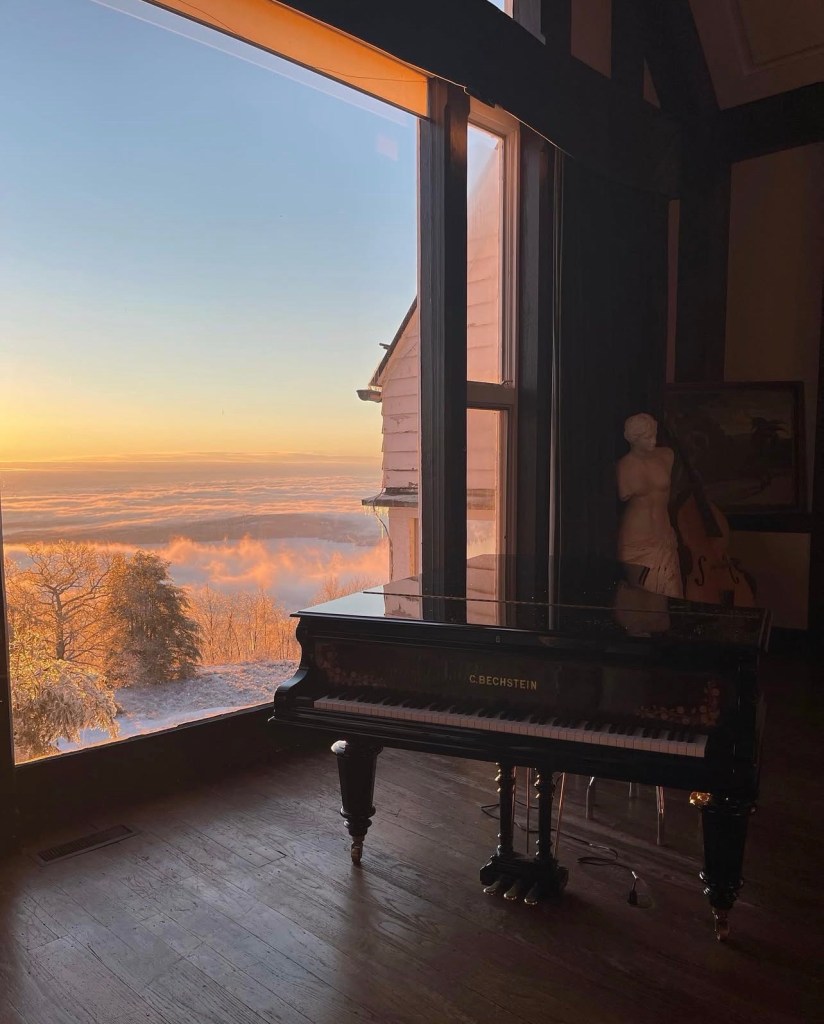
Warpaint reenergized the band by the addition of guitarist Luther Dickinson (North Mississippi Allstars) and the then relatively unknown Adam MacDougall (later in Chris Robinson Brotherhood and Circles Around the Sun) on keys. This was a short-lived but excellent version of the band. The album was recorded quickly and without distractions at Allaire Studios in the Catskill Mountains of Upstate New York. Looking at photos of the studio, it seems idyllic.
The band is its usual blues-rock self, but it also has a hippie jamband vibe and, at times, foreshadows the Chris Robinson Brotherhood (which was clearly a jamband). The album is an example of how the Crowes are the missing link between Aerosmith and jambands.
Chris Robinson’s vocals are at their peak. Rich Robinson has always relied on a team approach to guitar and is clearly inspired by playing with Luther Dickinson. The Brothers Robinson’s songwriting is the best of their career. Adam MacDougall’s keys add wonderful textures. The new blood was clearly a spark for the band; they were smart enough to go off the grid to record with focus and no distractions. It worked. The results are bluesy, psychedelic, and Americana – sometimes in the same song.
Side One
“Goodbye Daughters of the Revolution” is a high-energy blues-rock track. I love the song, but I have no idea what it’s about lyrically. The additions of Dickinson and MacDougall are a pleasant update to the Crowes’ sound. Not a radical change, but just different enough that it is clear there are some tasty new ingredients.
“Walk Believer Walk” is a slow blues. I love the lead guitar in the left channel and a dirty rhythm guitar in the right. Lyrically, it sounds like the narrator is mocking someone’s piety. Chris singing reminds me of the Jeff Beck Group era, Rod Stewart.
“Oh Josephine” is another slow blues. Lyrically, it is a drug song, and the narrator is no longer having fun with drugs – now he is in trouble, and it is messing up his life. Music appears to be the only salvation. Chris’ vocals are wonderfully longing. Although you can hear Chris’ vocal influences, this is pure Chris Robinson.
“Evergreen” opens with a big fat riff that could be out of the Led Zeppelin catalog, but the band quickly becomes the Crowes. Vocally, Chris evokes Robert Plant, and you can see why Jimmy Page wanted to play with these guys. Lyrically, this is a song of the narrator’s infatuation with a love interest.
“Wee Who See the Deep” sounds like an early ’70s Stones track, except for Chris’ distinctive vocals. Lyrically, I feel existential dread.
Side Two
“Locust Street” – On this song, Chris sounds like a country-rock Rod Stewart. The arrangement is acoustically focused. I sense the song is about how our narrator has been on a dead end, and a new love has redeemed him.
“Movin’ On Down the Line” sounds like a template for what Chris and MacDougall would do in the Chris Robinson Brotherhood a few years later. MacDougall’s keys are transcendent. Bar band Chris is rockin’ here. The song sounds like a mid-70s stoner anthem – and also pretty Stonesy. A similar vibe to “Goodbye Daughters of the Revolution” once the song gets moving in the second half. Our narrator has been in a rut, and it’s time to move to the next chapter. A short but excellent harp solo shines midway through the track. This may be my favorite track on the album.
“Wounded Bird” classic Black Crowes: big riffs, sassy vocals, and a rockin’ arrangement.
“God’s Got It” is an excellent cover of a gospel-blues song by Reverend Charlie Jackson. The cover is a louder and more rockin’ version of the original. The Crowes grungy blues remind the Black Keys and the White Stripes that the Crowes know the game.
“There’s Gold in Them Hills” sounds like Bob Dylan meets the Rolling Stones—gorgeous acoustic-focused song.
“Whoa Mule” intro is like a work song, then it eases into a country blues. Very light and airy. Sounds like it is an ancient Celtic folk song. The melody has traces of the banjo classic “Whoa Mule” by Raymond Fairchild.
Overall, this is an essential title in the Black Crowes’ catalog. It is not a significant departure from their sound, but a perfect execution of it.
I am a fan of the album art for Warpaint from Joshua Marc Levy. It is a collection of surreal characters and the band members.
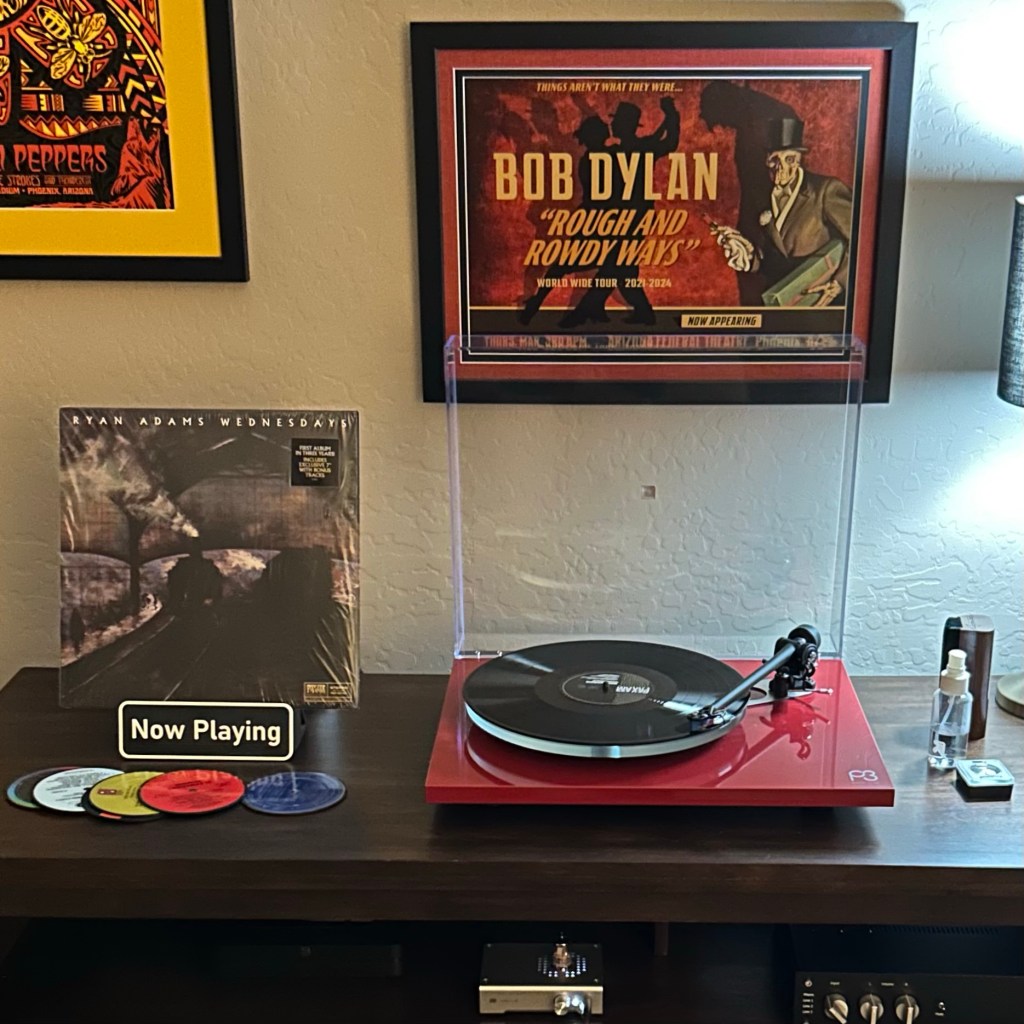
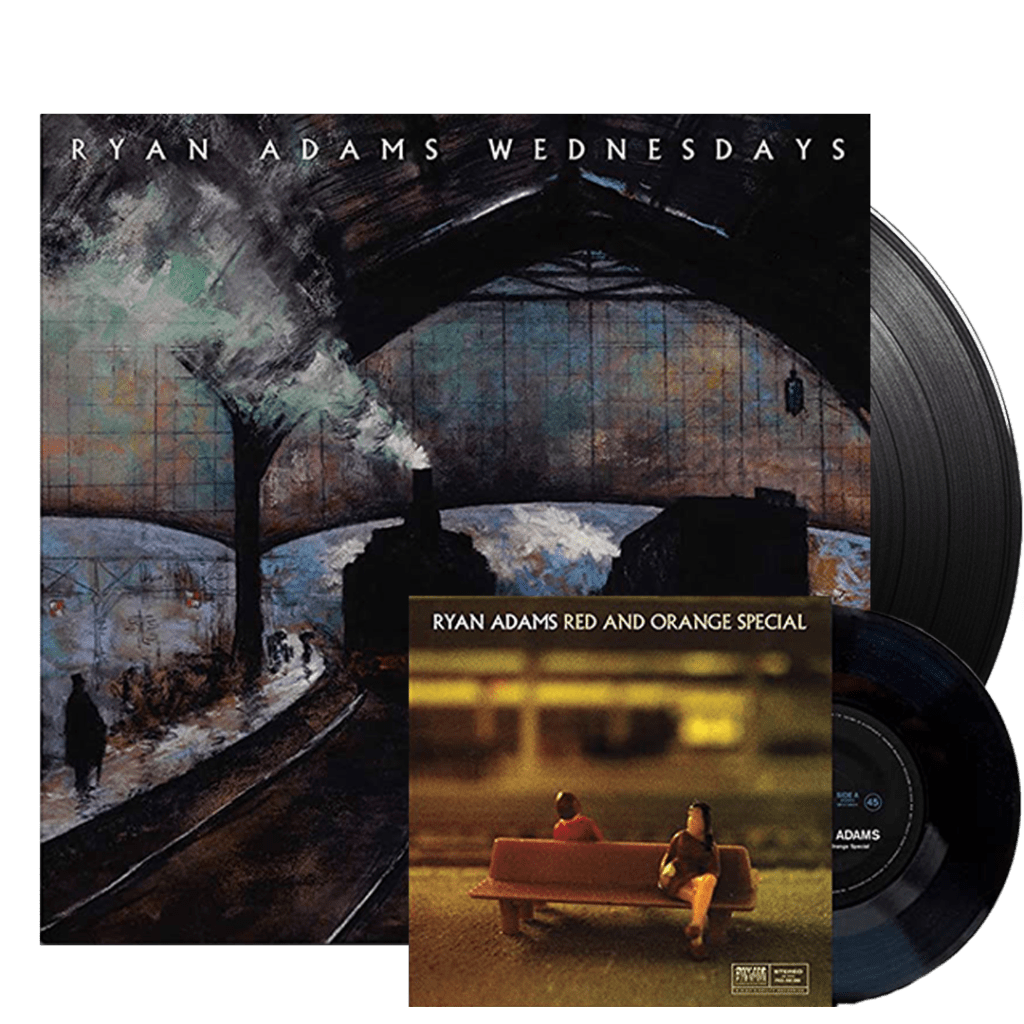
I picked up a used copy of Ryan Adams’ Wednesdays from Vinyl Record Dude (Scottsdale, AZ) for the Desert 🌵 Sessions. My original plan was not to buy records for the Desert 🌵 Sessions that were already in my Minneapolis collection. Still, I find that about a third of my Valley purchases of the albums are redundant with my Minneapolis collection. Obviously, I like Wednesdays enough to buy it twice.
See my original review of the album from the summer of 2021 here. I love the arrangements, vocals, and the melancholy vibe on Wednesday. The lyrics are not Ryan at his best, but the overall product is solid. Don Was’ production is exquisite (I am in a Don Was state of mind these days). This is a gorgeous recording sonically, with lots of space.
I can understand why someone might generally hate Ryan Adams and Wednesdays specifically. For example, here is a hater:
“With their spare arrangements and threadbare melodies, the songs collectively create an impression of a singer/songwriter who feels quite sorry for himself, but not necessarily sorry for anything he may or may not have done.”
The context of Wednesdays was that it was Ryan’s first album released after a self-imposed exile following a scandal in which he was partially cancelled. A normal artist would have been fully canceled, but Ryan Adams is a special kind of asshole that his fans have learned to tolerate. If you are going to be a Ryan Adams fan, you need to accept a lot of his bullshit. For example, in a recent live show I witnessed, the performance was brilliant (he played all of Heartbreaker), but the clock management was maddening (an intermission that was too long, cutting short the second set due to “curfew”). Part of the deal with Adams is exploring his fucked up head, which I find interesting. Ultimately, I love the music and Ryan’s high and lonesome voice. I find the whole clusterfuck entertaining, if not artsy. The annoying part of Ryan is the most engaging for me. He is like an old friend you love, but don’t trust.
My first listen of this new edition to the Desert 🌵 Sessions was on headphones, and it sounded great. But my second listen via speakers was even better. The open and airy production really shines on speakers. The vinyl LP is generally pristine and great-sounding, but it does have a few pops and clicks. Vinyl has always been hit-or-miss when it comes to quality, unless you are buying a specifically audiophile edition. Given how great this album sounds, I pine for an audiophile edition (which seems unlikely).
In addition to the arrangements that I am fond of, Ryan’s vocals are impressive – you can hear the emotion. Wednesdays is not an essential album in his catalog, but in the tsunami of releases since 2020 (there have been 15), it does stand out as a gem (although I have to admit I have not been able to keep up with his volume).
This version of the album (along with my Minneapolis version) came with a 45 featuring “Red And Orange Special” on side one and “Somewhere It Is Spring.” As best I can tell, these songs are not on streaming services. “Red And Orange Special” is delightful jangling Americana, Ryan. “Somewhere It Is Spring” is meh. Other versions of the album include a 45 of “It’s Not That Kind of Night” backed by “Sunflowers.”
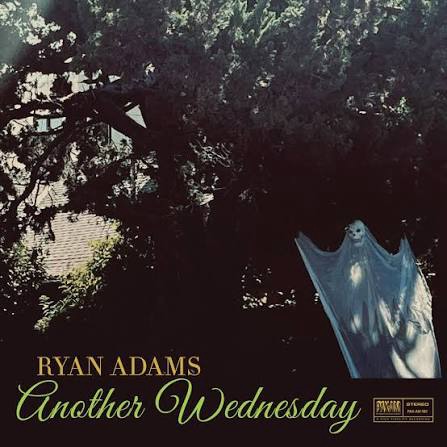
Ryan revisited Wednesdays himself in 2025 with a new version called Another Wednesday. The songs are performed live with even sparser arrangements. It is mostly the same songs, but in a different running order and a couple of covers, “Tracks of My Tears” and “Moon River,” which, per Ryan’s website, are “thoughtfully chosen cover tracks —paying homage to the music that inspired the original album’s creation.” He did not include “Lost in Time,” but did include “Lost in Time,” which was a bonus 45 on some vinyl versions. As a fan of Wednesdays, it is fun to check out Another Wednesday, but it is purely for completists.
Groove in the Face of Adversity
Mack Avenue Records
2025
I was aware of this album when it came out, but I never got around to listening to it. I was listening to a podcast interview with the world’s most interesting man, Don Was, and he talked about this project, which persuaded me to give it a listen. Wow, it’s good!
Don Was is a musician (bassist), band leader – most famously of Was (Was Not), producer (Rolling Stones, Dylan, and Willie Nelson, to name drop just a few of his credits), six-time Grammy winner, and head of the iconic Blue Note label. He is also a Detroit guy, and this album is a love letter to Detroit.
From Was’ website:
Groove in the Face of Adversity blends steamy jazz, juke joint blues and loose-limbed funk in a thoughtful, sonic cross-pollination that reflects both Was’ deep roots and sensibilities. The album’s title draws from a formative moment in his youth: stuck in the car and in a sour mood while his mother ran errands, he turned on the radio and stumbled upon Joe Henderson’s “Mode for Joe.” The music changed everything.
“There was a nonverbal message that came through the music,” Was recalls. “Don, you got to groove in the face of adversity,” meaning just relax and chill and just go with the flow with your mom, a musical philosophy Was has employed ever since.
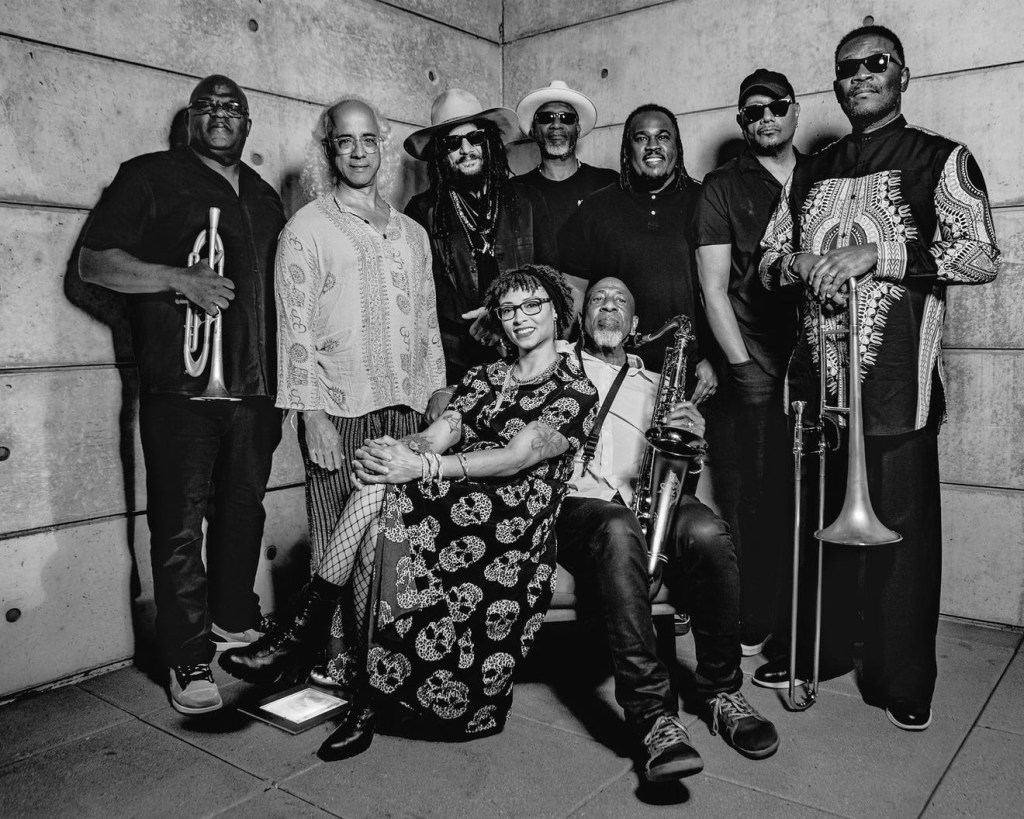
Don Was and The Pan-Detroit Ensemble
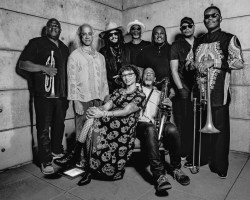
Rear: trumpeter John Douglas, keyboardist Luis Resto, bassist Don Was, percussionist Mahindi Masai, drummer Jeff Canaday, guitarist Wayne Gerard, and trombonist Vincent Chandler
Front: vocalist Steffanie Christi’an, saxophonist Dave McMurray
Don Was has assembled a fantastic cast of Detroit musicians for the album, and the group has also been touring. The album is a collection of covers performed in a jazz-funk style. Interestingly, most of the songs are not drawn from Detroit artists.
The album opens with New Zealand’s Joe Dukie & DJ Fitchie/Fat Freddy’s Drop “Midnight Marauders” (I assumed inspired by A Tribe Called Quest). It has a jazz-reggae vibe and Steffanie Christi’an’s vocals are retro and modern at the same time.
Next is Yusef Lateef’s “Nubian Lady,” which has an acid jazz vibe similar to the original. The band struts its jazz chops—amazing flute solo just like the original. Lateef does have a Detroit connection. This song is from a live show.
“I Ain’t Got Nothin’ But Time” is a Hank Williams cover that the band completely reinvents into a soul jazz powerhouse. Christi’an’s vocals are fantastic. No one would ever confuse Hank with a Detroit guy, but you might wonder after hearing this cover. This song is from a live show.
“This Is My Country” is a cover of the Curtis Mayfield/The Impressions civil rights anthem. This is a pretty straight cover. The song was initially recorded by The Impressions in 1968, and sadly, the song’s message is still relevant today. By the way, Mayfield was a Chicago guy.
“You Asked, I Came” is from a Don Was movie soundtrack, Backbeat (1994). The movie was a biopic of the Beatles’ early days. There were two soundtrack albums for Backbeat: the songs performed in the movie by a who’s who of indie/alt rockers (check out this Wikipedia page), and the score. “You Asked, I Came” comes from the score. The version on this album is a straight cover of the song from the movie score. The song is a jazz version of the Bo Diddley beat. This song is from a live show.
The album ends with a Cameo cover: “Insane.” What could be more Detroit than a cover of a 14-member group known initially as the New York City Players? The Was cover is another pretty straightforward cover, but with more horns, female lead vocals vs. the male lead of the original, and the length doubled for an amazing horn jam.
Overall, it is a delightful jazz album. The genius of the album lies in the group of musicians that Was has recruited and the brilliant song choices – and isn’t that the definition of a great producer?
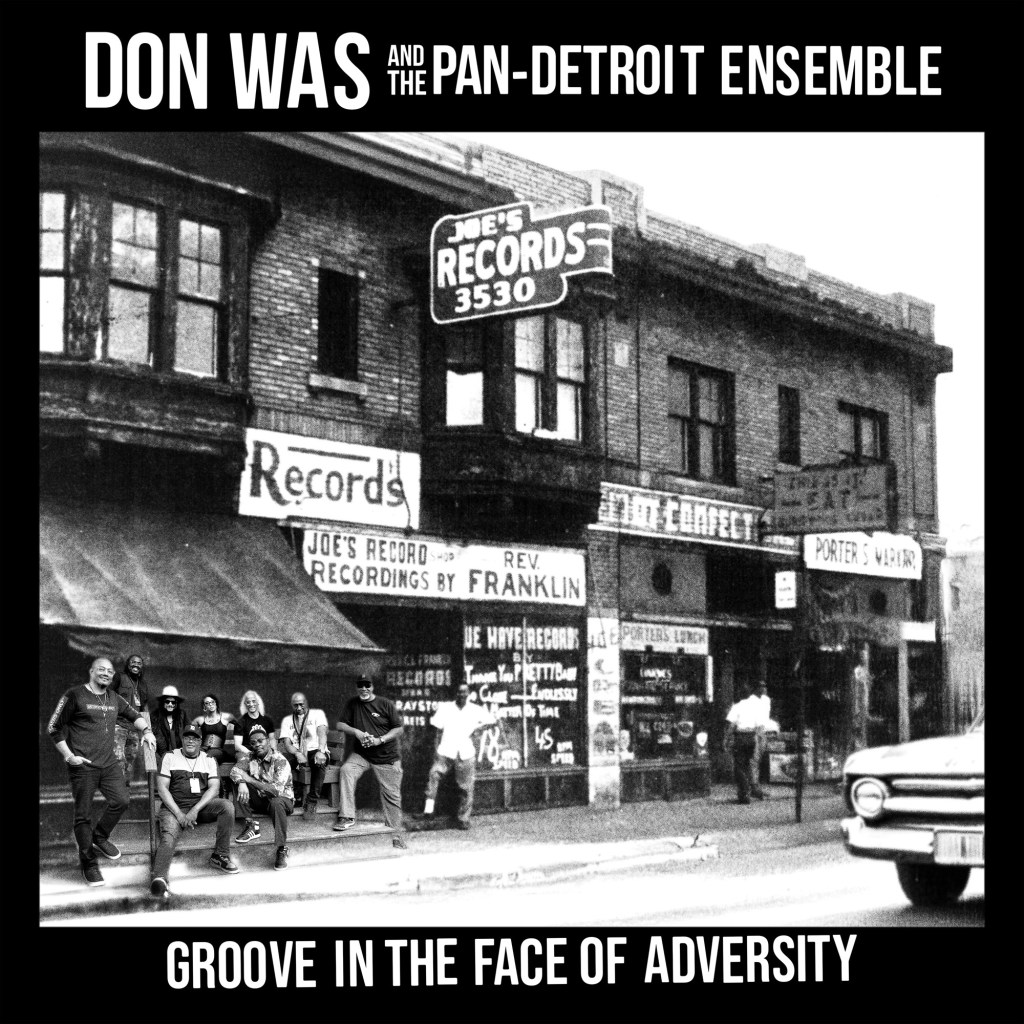
P.S. – a note on the album cover art. It is an old photo of Joe’s Records in Black Bottom, Detroit, which Don Was’ wife, photoshopped to include the Pan-Detroit Ensemble. In addition to being a record store, Joe’s was also a recording studio where Aretha Franklin’s earliest recordings were cut – now that is Detroit AF!
Below is the album and a playlist of the original songs featured on it.

 Axl's Catch Groove