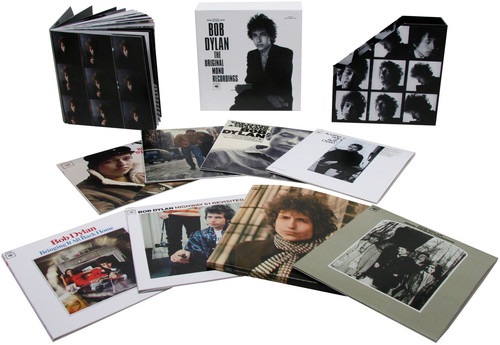
“This box collects Bob Dylan’s first eight 12-inch LPs…as most people heard them, as they were expected to be heard, and as most often they were meant to be heard: in mono.” Greil Marcus in the liner notes
Well, that is news to me. I grew up listening to stereo mixes. Actually, I knew the mono story. The Beatles had taught us the importance of the mono mix with The Beatles in Mono (2009) the year before. 60s albums were envisioned as mono mixes; the stereo mix was an afterthought. Mr. Marcus is wrong and right: more people have heard the stereo mixes, but the mono mixes are better.
Specific to Dylan, Bob Johnston, the producer of Blonde On Blonde, told this story:
“We mixed that mono probably for three or four days, then I said, ‘Oh shit, man, we gotta do stereo.’ So me and a coupla guys put our hands on the board, we mixed that son of a bitch in about four hours!… So my point is, it took a long time to do the mono, and then it was, ‘Oh, yeah, we gotta do stereo’.”
I picked up this box set when it came out: I was a serious musichead with a nice stereo and a Dylan fan – I was very ripe for this.
The box is the mono mix of Dylan’s first eight studio albums on nine compact discs, the album Blonde on Blonde being issued on two discs as in its original vinyl format. The packaging gimmick was that each album was a mini version of the original LP, and the CD label was a facsimile of an LP label.
I played this a lot when I got it, and it predates this blog – otherwise, there would have been a post on it. I have not listened to the set for a long time. But I have enhanced the Desert 🌵 Sessions for CDs this winter, so I brought down a 14” x 14” box of CDs, and Original Mono Recordings was part of the bunch. This seems like a good time to break into the Mono Box as a pre-game to seeing A Complete Unknown on Christmas (2024)*.
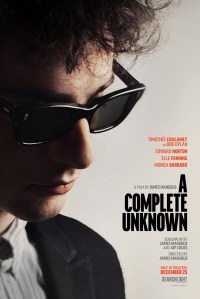
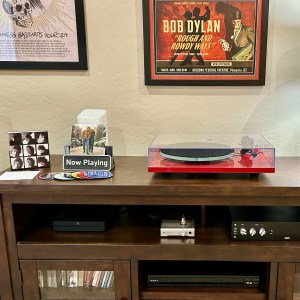
I listened to the albums in a haphazard order. Starting with my favorites, and kind of random. BLONDE ON BLONDE (1966) was the first album for the Desert Sessions. It is one of my favorite Dylan albums—my favorite of the first eight albums in this box.
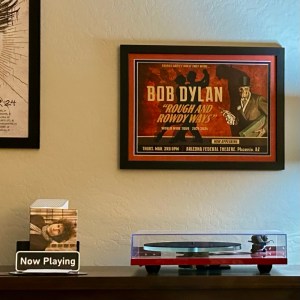
Experiencing albums that are well known to you in stereo in mono is quite a shock. First, the soundscape is way better than you would expect. Just because it is mono does not mean it is lo-fi. The production values of the 50s and 60s were excellent. The studios sounded good, and the engineers were highly skilled. I have listened to the mono reissues of the Beatles, Miles Davis, and Dylan; they all sound fantastic. The big difference is that the mono mixes sound immersive – surprisingly immersive on headphones, but best on speakers. When stereo became available to consumers in the late 50s and before mono was phased out in the late ’60s, stereo mixes were often gimmicky. The worst was jazz, where one instrument would be panned far left, and the other was far right. It did not sound natural at all. The glory days of mono were the ’60s for several reasons: the recording profession was highly skilled, overdubbing had been perfected, and sound engineers knew that at least some of their audience were audiophiles with great playback equipment, so they made an effort to make things sound good.
Blonde On Blonde is well known to me, and as I have already mentioned, it is one of my favorite Dylan albums. It was the final piece of the “Bob Goes Electric” trifecta: Bringing It All Back Home (1965) and Highway 61 Revisited (1965) being the other two. Bob headed to Nashville with keyboardist Al Kooper and guitarist Robbie Robertson, got the Nashville A-Team stoned, and made his psychedelic masterpiece before promptly checking out of pop culture at his first apex. It is widely considered one of the first double albums in popular music with complete original recordings by the artist. Even in the CD era, at seventy-three minutes, it can barely be contained on a CD (which has an 80-minute max, but best practice is to keep the audio under 74 minutes).
I have multiple versions of this album: vinyl (stereo), CD (stereo), SACD (stereo), and the mono CD that is part of this box. The mono is my favorite because, as I have already mentioned, it sounds immersive. I have learned that CDs sound best with a good CD player with a good DAC (onboard or separate), as a quality DAC warms up the digital to near analog perfection.
I drew out THE FREEWHEELIN’ BOB DYLAN (1963) next. Although this is his second album, I consider it his first as it is mostly original songs (one cover and one co-write). The recording is just Dylan playing solo: voice, guitar, and harmonica. There is no reason to have a stereo mix. The mono mix is like having Bob in your room singing to you directly. The album shows Dylan’s genius with absolute classics that would become Dylan standards, if not pop music standards, including: “Blowin’ in the Wind,” “Girl from the North Country,” “Masters of War,” “A Hard Rain’s a-Gonna Fall,” and “Don’t Think Twice, It’s All Right.”
Some very early pressings of the album contained four songs that were ultimately replaced by Columbia in all subsequent pressings. These songs were “Rocks and Gravel”, “Let Me Die in My Footsteps”, “Rambling Gambling Willie” and “Talkin’ John Birch Blues”. Copies of the “original” version of The Freewheelin’ Bob Dylan (in either mono or stereo) are extremely rare. Unfortunately, this mono reissue does not include those early-pressing songs.
HIGHWAY 61 REVISITED (1965) is the album that turned Dylan into a pop star. Dylanogist Michael Gray argues the 1960s “started” with this album. If someone had never listened to Dylan before and asked for a one-album recommendation, this would be the one. If they could listen to one song, it would be “Like a Rolling Stone.” Every song on the album is significant in Dylan’s canon. This is the first Dylan album with a full rock and roll aesthetic. A lot is going on here. Unfortunately, this is the one album in the box that doesn’t sonically shine. The original first-generation mono master tapes could not be found, and this album is made from a second-generation overseas copy of the mono mix.
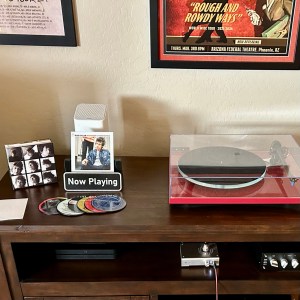
BRINGING IT ALL BACK HOME (1965) is half electric and half acoustic. I fully appreciate Dylan’s folk era, but when he went electric, that was something special – next-level shit. This is part one of the most fabulous hat tricks in pop/rock history. Every song on this album is essential. This is when Bob Dylan became BOB DYLAN! Not only does he go electric, but lyrically, he abandons the protest singer themes and becomes psychedelic. This mono mix sounds fantastic – both on the electric and acoustic songs.
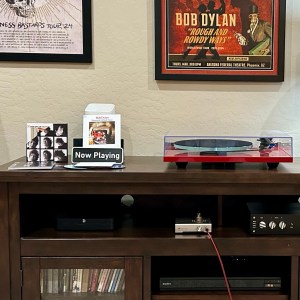
After checking out from being the voice of his generation and going electric, Dylan returned with a new vibe: what we would now call Americana. JOHN WESLEY HARDING (1968) is not folk nor rock ‘n roll – it is something else. It includes one of Dylan’s most famous songs, “All Along the Watchtower,” that Jimi Hendrix rocked up. On JWH, it is an acoustic folk instrumentation song with Dylan’s electric vocal snarl. Dylan’s live performances have been influenced by Hendrix’s cover to the extent that they have been called covers of a cover. Dylan tries to create a new vocal affectation in almost every song on the album. This is the final mono recording – subsequent albums would be envisioned as stereo.
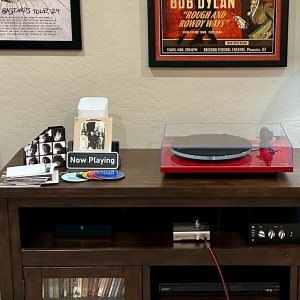
BOB DYLAN (1962) is Dylan’s debut, featuring folk standards and two original compositions, “Talkin’ New York” and “Song to Woody.” This is Dylan’s solo: voice, guitar, and harmonica – which works flawlessly in mono. The album stiffed initially but sold more copies once Dylan became more successful. Although it is primarily covers, it shows Dylan had a clear vision of his folk style at age twenty.
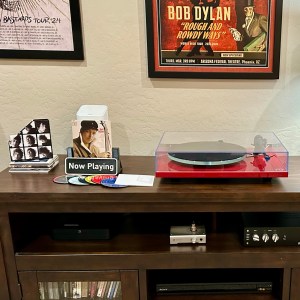
THE TIMES THEY ARE A-CHANGIN’ (1964) is Dylan’s third album but the first to feature only original compositions. The songs mainly concern racism, poverty, and social change. The titular track is one of Dylan’s most famous. Dylan is at the height of his folksinging skills.
The original master tape for THE TIMES THEY ARE A-CHANGIN’ could not be found for this reissue, so a new master was mixed from the original three-track tape, using the original vinyl pressing as a guide. Again, this is just Dylan’s voice, guitar, and harmonica, and it sounds great in mono.
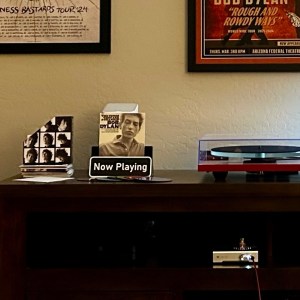
ANOTHER SIDE OF BOB DYLAN (1964) was the last of the pure acoustic folk albums before Dylan went electric. The lyrical themes are personal (“All I really want to do / Is, baby, be friends with you”), psychedelic (“Motorpsycho Nightmare”), and his folk protest thing (“Chimes of Freedom”). When I first discovered Dylan at the end of the 1970s as a budding musichead, this was one of my favorites. I loved the novelty song with a yodel: “All I Really Want to Do,” the reflective “My Back Pages” (a hit for the Byrds), and the prototype for the classic cruel Dylan love song: “It Ain’t Me Babe.”
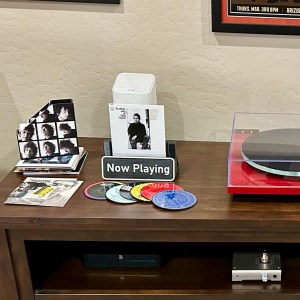
The Mono Box includes a liner notes booklet with photos, an extended essay by Greil Marcus, and recording details. As best I can tell, the Mono recordings are unavailable on streaming services. However, the CD box is readily available for about $80. The vinyl LP version is also available but is ridiculously expensive ($600 plus).
There is an old joke: “Do you like Dylan?” to which the response is “Which one?” These first eight albums were a fantastic foundation to build a career on. If Dylan had never recorded another album after Freeweelin’ he would still be considered consequential in pop music. But that was just the beginning. He wore the folk musician coat for a while, and at his apex as a folkie, he changed to a psychedelic rocker – changing the world only to check out of the culture. Only to return as something else – an Americana artist before there was such a thing. Not even mentioned here is he took an obscure backup band and made them The Band. The original point of this post was to reflect on the Mono Box, but the gift was being reminded how brilliant the first decade of Dylan’s career was.
*Postscript: A Complete Unknown – my wife and I saw the movie at the first showing at our local theater on Christmas day and were blown away. I came into the film with a lot of trepidation. Most biopics suck. I think what the movie did right was to capture Dylan’s vibe as his career blew up rather than try to be historically accurate – it is accurate enough. You understand how fast his career took off after arriving as a Midwest nobody in New York. You also get a good understanding of how Dylan bristled under the orthodoxy of the folk movement. Despite every indication that he should stay the course with folk music, he could not help himself and go electric. For those who don’t know the Dylan story, this does a good job of telling it. For those who know the story but were too young (which includes me – I am almost 66) to witness it in real-time, it is emotional (my eyes welled up, and I got goosebumps from several scenes) to see a glimpse of the early magic. Highly recommended.
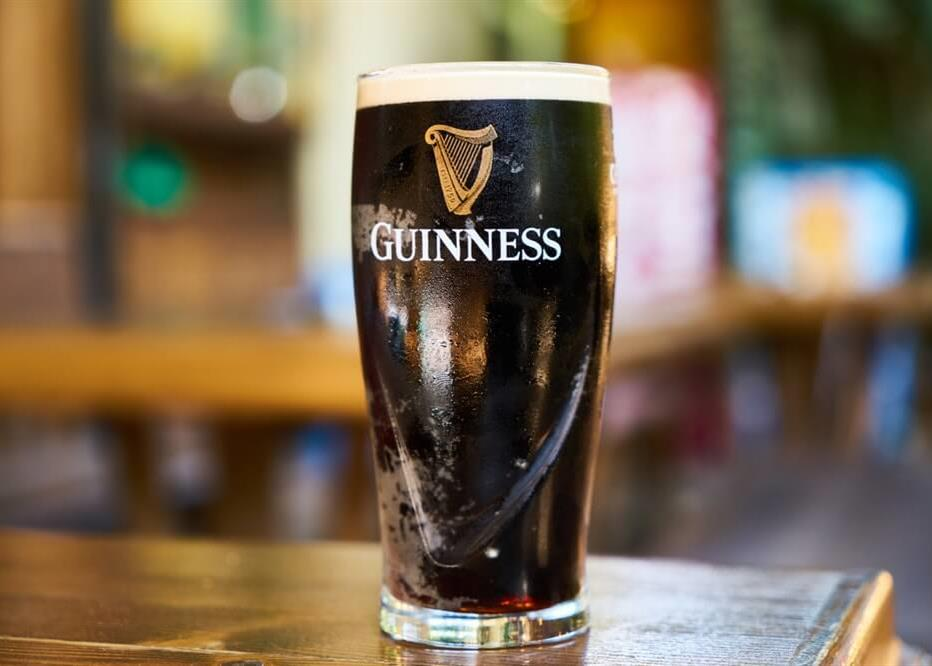
A recent article in the New York Times discussed the growing popularity of Guinness stout in America. I have been a longtime Guinness drinker, and the article inspired me to examine why I enjoy this beer.
Stout is a type of dark beer (ale) that is generally warm fermented and typically brewed with unmalted roasted barley. Stouts have a distinctive malty flavor. Wikipedia has a nice explanation of Irish stouts like Guinness:
“With sweet stouts becoming the dominant stout in the UK in the early 20th century, it was mainly in Ireland that the non-sweet or standard stout was being made. As standard stout has a drier taste than the English and American sweet stouts, they came to be called dry stout or Irish stout to differentiate them from stouts with added lactose or oatmeal. This is the style that represents a typical stout to most people. The best selling stouts worldwide are Irish stouts made by Guinness.”
My parents were both Irish immigrants, but they did not drink beer. It was not an alcohol-free household; they drank wine and cocktails, but neither one had ever acquired a taste for beer. When I was in high school learning how to drink, I started on European imported beers because a buddy discovered that it was easier to under-age buy imported beer vs. domestic. Granted, it was an easier time to drink underage (the drinking age was eighteen) when I was a teenager. Most liquor store staff figured if a kid was buying a German import, they must be of age. And so we drank imported beer – primarily German. Without even knowing it, I became a beer snob because of it.
Fast-forward to college, and I had my first Guinness on St. Patrick’s Day, 1978. One of my dorm mates bought a six-pack to celebrate. Most of my classmates feared it, but I was game for it, given that I was Irish and had grown up on European beers. I tried it and instantly loved it.
When I discussed my new love of Guinness with my mom, she quickly said that when you gave blood in Ireland, you were given a pint after donation, given its healthy properties. According to her, it was low in alcohol, rich in antioxidants (similar to red wine), a good source of iron, and low-calorie—the perfect recovery drink. All of these things are true!
When I started my work career and had to drink at a work event, Guinness was my first choice as it was a safe drink for a work event for several reasons:
- It was low in alcohol, and so it reduced the chance of my getting drunk.
- It was low-calorie.
- You could sip it and make it last – like all stouts, Guinness reveals new and beautiful flavors as it gets warm.
- It was a conversation starter. Before the craft beer revolution, most people had no exposure to a stout and generally assumed that, given its dark color and thick head, it would be hard to drink. This would be an opportunity for me to preach its virtues. Most people assumed I was a beer stud for drinking it—the traditional American lager drinker was intimidated by a stout. I was always looking for ways to separate myself from that pack at work – I wore bowties – and drinking Guinness was another differentiator.
- It allowed me to tout my Irish heritage.
Before the craft beer revolution, I was an imported beer snob. I never liked traditional American lagers and pilsners—they were too flavorless. Guinness was my go-to beer for several reasons: it was easy to get in bars and liquor stores and tasted great.
When the craft beer revolution hit, I was well prepared to enjoy it, given my imported beer pedigree. I stopped drinking imports and was all in on American craft beers. Stouts and porters were frequent beer styles of craft brewers, and their take on stouts was to go to the extreme with high ABV and funky flavors, barrel-aged, etc. – I was all in!
After drinking many barrel-aged stouts and porters, I have come to appreciate the simplicity of Guinness. I will order Guinness if it is on tap – a properly poured Guinness is a little taste of heaven. Guinness does a good job training bartenders how to pour it. Canned Guinness has a nitro cartridge that closely resembles a tap pour (but a properly poured tap is still better). If you have not had a Guinness, try one!
My wife and I have the good fortune of being snowbirds: winter in Phoenix and summer in Minneapolis. I have really enjoyed building a stereo system for Phoenix. It combines redundant equipment I had in Minneapolis with new equipment I purchased for Phoenix. Here is a summary of the rig I refer to as the “Desert Sessions.”

In Minneapolis, I have an extensive collection of CDs and vinyl LPs. I brought down a bunch of LPs the first winter and more each subsequent winter. Naturally, I bought more LPs in Phoenix. My rule is that LPs can only travel one way: LPs that have moved from Minneapolis to Phoenix must stay in Phoenix, and vice versa. This year, I brought some CDs to complement the LPs. One problem: I did not have a CD player in Phoenix.

I have been collecting CDs since the mid-80s – shortly after they entered the consumer market. I stopped collecting vinyl LPs during the CD era, but I had the good sense not to get rid of them. In the early days of the vinyl renaissance, around 2010, I started switching back to vinyl when possible, as many new releases were unavailable on vinyl. By 2020, pretty much all new releases were available on vinyl. I rarely buy a CD anymore. But given my vast collection, I still listen to them, so I wanted a CD solution in Phoenix.
I did a lot of research, talked to friends of the Arizona Audio Visual Club (AAVC), and talked to people on various audio-focused FaceBook groups. People were very generous in their responses. After talking to them, I came up with requirements for the CD player for the Desert Sessions:
- The CD solution needed to be under $500.
- The player must play Redbook, SACD, and DVD-A discs (I have an Oppo in Minneapolis that can do this).
- The CD solution needs to have RCA outputs to connect to my amp.
- The player needed to be black to match the rest of the Desert Session audio components – I know aesthetics should not matter to an audiophile, but they do to me.
After talking to people about my requirements, I narrowed it down to two options: an integrated CD player or a CD transport with an external DAC. To buy time, I brought an old Blu-ray player to Phoenix. I was disappointed playing CDs on the old Blu-ray: it sounded terrible, and the transport was noisy – I could even hear the transport with headphones on. This escalated my urgency to find a solution.
The integrated CD player option was problematic, as they only played Redbook CDs in my price range. Some inexpensive Blu-ray players played SACDs and DVD-A discs but did not have analog RCA outputs and required an external DAC. CD transports coupled with a decent external DAC were more than I wanted to spend.
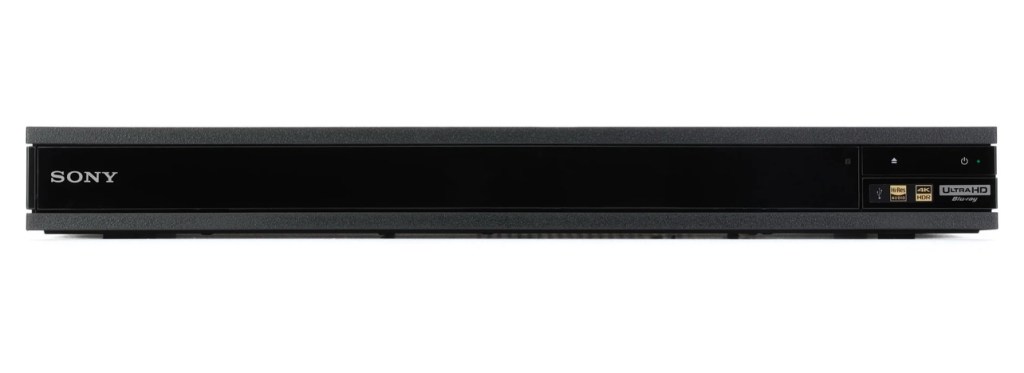
Talking to one of my AAVC buddies, he suggested an inexpensive Blu-ray player from Sony (Sony UBP-X800M2) and that he could build me a DAC from spare parts – best of all, he would gift the DAC to me for free! This would meet most of my requirements, except that the DAC could not play DSD (the format of SACDs and most DVD-A discs). However, if you change a setting on the Sony (playback to PCM), the DAC can accommodate SACDs. The Sony was like my Oppo – it could play virtually any shiny disc (except maybe coins). But it was OK that the DAC can’t play DSD as I only brought Redbook CDs to Phoenix (I don’t have that many SACDs and DVD-A discs anyway). This would be a great interim solution to get me through this winter, and next winter, I can upgrade the DAC to play DSD (if I find that I play CDs enough to justify this). A bonus is that I can run my Bluesound Node streamer through the DAC – an upgrade to that device’s sound.

My buddy gave me a DAC based on an Orchard Audio Pecan-Pi (revision 3.0). It uses dual Burr-Brown (TI) PCM1794A DAC chips. It was wired with AgentPur silver wire on the analog side, which gives the DAC additional warmth to its sound. I have nicknamed it the “Joey G DAC” after his audiophile-focused YouTube channel.
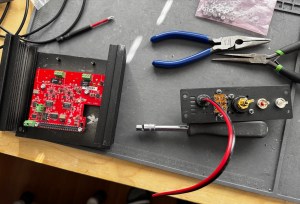
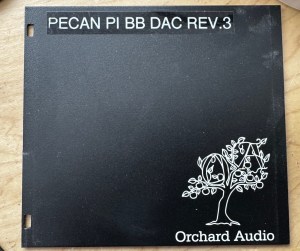

Once I had the DAC, my first step was to connect the DAC to my Bluesound Node streamer. Without even an A/B comparison to the Node’s onboard DAC, I instantly detected a warmer sound from the Orchard DAC – wow!
A few days later, I did a quick A/B of the Node’s onboard DAC with the Joey G DAC (my reference recording was David Gilmour’s Luck and Strange via Tidal 24bit/96 kHz FLAC). The Joey G DAC was, hands down, preferable. It was much brighter (in a good way)—it was like having a blanket lifted off my speakers. It’s almost as significant as converting a 320 MP3 to a high-res FLAC. I quickly lost interest in the Node’s onboard DAC.
Once the Sony arrived, it was on to the business at hand: playing CDs. The Sony UBP-X800M2 is a bare-bones unit, except for its capacity to play nearly every disc audio format: CD, SACD, DVD, DVD-A, Blu-ray 4K UHD Blu-ray, and Blu-ray 3D. In addition, it can play audio files via the front of the unit USB or by connecting (hard wired or wireless) to a file server on your home network. The file formats it can play are MP3, AAC, WAV, ALAC, FLAC, and DSD 11.2Mhz. There is no display – you need to connect to a monitor or TV for display information and settings (this is pretty standard on Blu-ray players as their primary purpose is video). There are no analog outputs, so you need an external DAC or home theater receiver. The only outputs are digital coax and HDMI.
I hooked the Sony to the Joey G DAC via a digital coax output on the Sony and the digital coax input on the DAC. Voilà I was in business. I have nothing to A/B the Sony/DAC, too, but I listened to a couple of CDs, and they sounded fantastic—warm would be the key feature. There was no classic CD harshness that caused ear fatigue. To quote Joey G: “The glare is gone, and when you crank the volume, your ears don’t bleed. It’s not the same as vinyl, but it’s nice nonetheless.” Here are the first two CDs I listened to:

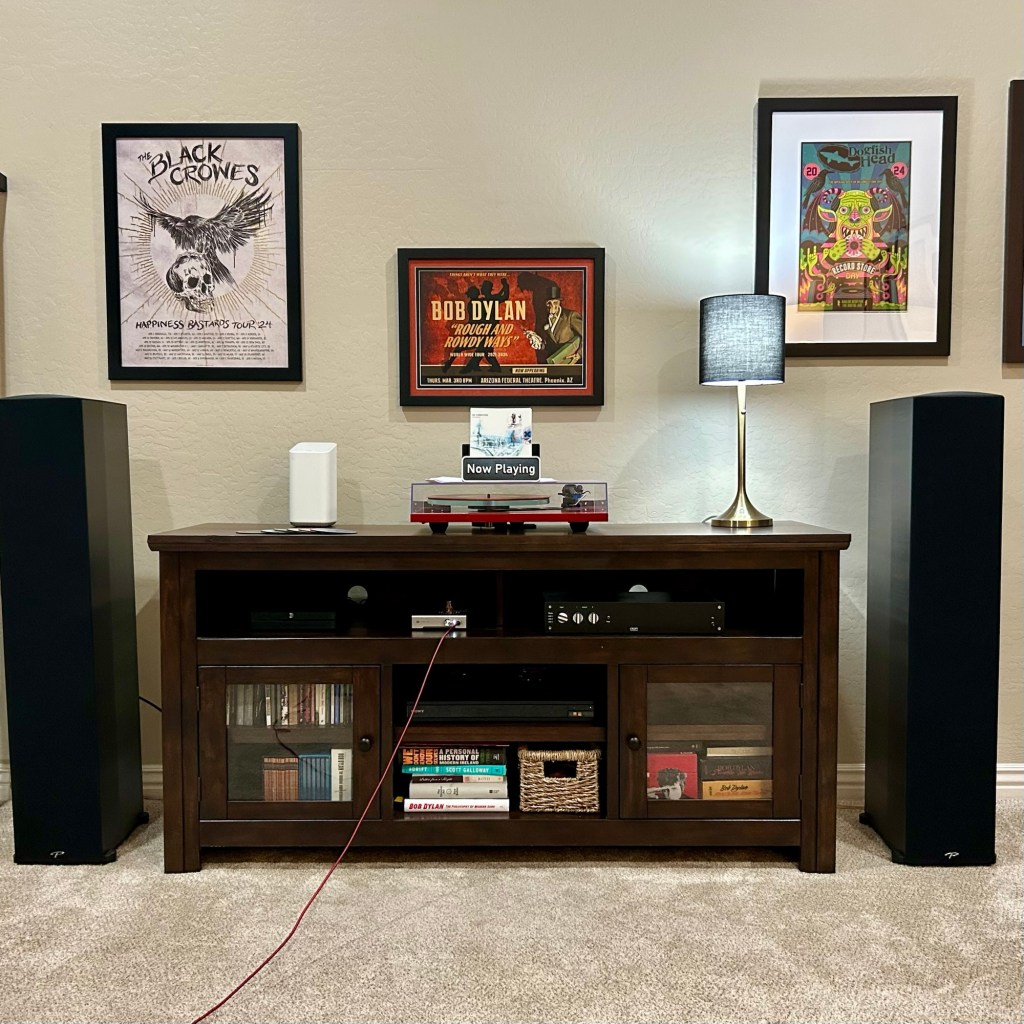
The Sony revealed fresh nuances on both CDs – more so on the Radiohead than the Stones, as more is happening with the Radiohead album. I am not going to wax poetically about the sound; the important thing is that I am delighted with this Sony/external DAC solution, mainly because it cost me less than $250. I still need to figure out how to listen to SACDs via DS. I realize not everyone has access to a friend who can provide a free DAC, but a similar quality DAC as the Joey G can be acquired inexpensively. I am grateful for all the generous advice I got from AAVC members and the various FaceBook audiophile group members.
Desert Sessions 4.0 (Winter 2024/2025):

Paradigm Premium 800F tower speakers, Bluesound Node streamer (Tidal), Croft Acoustic Phono Integrated amplifier, Rega P3 turntable, Schitt Vali 2 headphone amplifier, Sony UBP-X800M2 Blu-ray, Joey G DAC, and DROP.com + HiFiMan HE5XX Planar Magnetic Headphones

David Gilmour is one of the most influential guitarists of his generation – a generation with many great guitarists. But being the guitarist in Pink Floyd is a big deal – his Pink Floyd solos are truly iconic. In 2007, Guitar World readers voted Gilmour’s solos for Pink Floyd’s “Comfortably Numb,” “Time,” and “Money” among the top 100 greatest guitar solos. He is not the fastest, doesn’t have a broad palette, and is not technical, but he makes up for it with a beautiful tone and a tasteful sense of melody. As a friend of a friend once said: “It isn’t that David Gilmour is the technically best guitarist. He just happens to play exactly the right note at exactly the right time.”
This is Gilmour’s fifth studio album. It was produced by Charles Andrew, best known for his work with indie band Alt-J. In interviews promoting the album, Gilmour said that Andrew challenged him musically and was not intimidated by his past work with Pink Floyd. Luck and Strange is as strong as his last album, 2015’s Rattle That Lock, which, in my review at the time, I declared a masterpiece (that was a bit of an exaggeration – but I was excited at the time). I continue to be impressed with what some geriatric rock stars (the Stones, Dylan, Springsteen, etc.) are creating late in their careers (Gilmour is 78).
The album opens with “Black Cat,” an atmospheric instrumental that serves as a hors d’oeuvre to set up the rest of the album.
The music for the titular track, “Luck and Strange, ” is based on a jam with Pink Floyd keyboardist Richard Wright, who died in 2008. The original jam is included as a bonus track on the streaming version and various special editions (it is not part of the standard and color vinyl editions). That bonus track is worth seeking out.
“Between Two Points” is a cover of a 1999 song by the dream pop duo the Montgolfier Brothers. It is sung by Gilmour’s daughter, Romany Gilmour. Romany contributes backup vocals and harp on several tracks on Luck and Strange.
“The Piper’s Call” starts as a gentle acoustic guitar-focused ballad before unleashing a full-on Pink Floyd vibe, including an epic Gilmour electric guitar solo.
“A Single Spark” is a nice slow burn of a song until Gilmour launches into a quiet storm of a guitar solo.
“Vita Brevis” is a short but gorgeous harp solo from Romany Gilmour. It is a nice set-up for “Between Two Points,” which features Romany on vocals.
“Dark and Velvet Nights” sounds like classic Floyd.
“Sings” is a mellow, atmospheric, warm blanket sprinkled with Gilmour’s take on Merseybeat.
“Scattered” is a beautiful reflection on growing old and appreciating and accepting the waning days—the song is like a perfect sunset. It’s another tremendous searing guitar solo, too.
“Yes, I Have Ghosts” is an acoustic guitar-focused duet between a father and their daughter—the song is a quiet ending to a beautiful album—a minuet on quaaludes.
Gilmour has not lost a step in his vocals, guitar playing, songwriting, and studio wizardry. The collaboration with his daughter on vocals and harp is a nice touch. The guitar solos alone are worth the price of admission.
I have been listening to the Tidal high-resolution stream (24-bit/96 kHz FLAC), which sounds fantastic. This is one of the best-sounding recordings of the year. If you can listen to this album on a nice stereo, I highly recommend it—listening on Spotify with earbuds misses the point.

I posted my favorite albums for the first half of 2024 in June. Below are my favorites for the second half of 2024 and my top ten albums for the entire year. My second half-of-the-year favorites in no particular order:
Johnny Blue Skies (AKA Sturgill Simpson): Passage du Desir. In my review of the album, I said it “sounds like a Yacht Rock/Countrypolitan version of psychedelic outlaw country Sturgill, and it serves him well.” I also saw Sturgill live supporting Passage du Desir, which was fantastic.
Billy Strings released two albums in 2024, a live album, Live Vol. 1, and a studio album, Highway Prayers. Both are high water marks in his career. Regarding the live album, my original review said: “Fans now have a live album that matches up to the live show – a recording that genuinely represents the Billy Strings experience.” For me, the previous studio albums never captured the live magic. For the new studio album, my review said: “…he has figured out how to coax magic out of the studio – it is not the live sound, but something else. The songs are a bit looser, and they have more diversity. Although there is plenty of bluegrass, there are also pop, jazz, folk, and country elements.”
I was instantly engaged when I listened to Morgan Wade’s new album in anticipation of seeing her live at a summer festival. In my original review, I said: “Obsessed has a theme: the album’s protagonist is on the road (weary, lonely, and homesick) clutching their sobriety and recovering from a romantic breakup. On paper, that sounds depressing, but the album is not; it is elevating because the bleakness (both sonically and lyrically) is so beautiful – it is classic country music “high and lonesome.”
Father John Misty is a favorite of mine – he could make an album of fart sounds, and I would probably love it. Although he has not made a bad album, some resonate with me more than others. In my review, I said: “Father John Misty (FJM) née Josh Tillman’s new album, Mahashmashana, returns to Fear Fun and I Love You, Honeybear territory, but with a fresh new take on his smarmy lounge singer mystique.”
The Smile released two albums in 2024: Wall of Eyes in January and Cutouts in October. On paper, Cutouts seems like an album of odds and ends. However, in my review, I said, “…this album is as cohesive as the other two The Smile albums—it is not an album of leftovers. I am finding this the most engaging of the three studio albums.”
Jamey Johnson’s That Lonesome Song (2008) was one of my favorite albums of the ’00s. A few years later, he went offline as a recording artist (he continued to tour and write songs). Midnight Gasoline is his first album since 2012 (and that was a Hank Williams tribute album) – so we are long overdue for some original Jamey Johnson material. In my original blog post, I said: “This is an outstanding comeback. Midnight Gasoline is the first of what Johnson calls his Cash Cabin Series. Johnson spent three weeks recording about 30 songs at Cash Cabin, sleeping in his bus parked outside. I can’t wait for the next installment!”
I listened to Sadler Vaden’s Dad Rock on a whim as I was a fan of his guitar work as part of Jason Isbell and the 400 Unit. In my review, I said: “Dad Rock is a stew of 70s classic rock vibes. I hear Joe Walsh (his big riff guitar, not his cartoonish vocals), Big Star, The Stones, Pink Floyd, etc., and some contemporary sounds, like Spoon.”
David Gilmour has continued the Pink Floyd vibe in his solo career. Luck and Strange is Gilmour’s fifth studio album. It was produced by Charles Andrew, best known for his work with indie band Alt-J. In interviews promoting the album, Gilmour said that Andrew challenged him musically and was not intimidated by his past work with Pink Floyd. Luck and Strange is as strong as his last album, 2015’s Rattle That Lock, which, in my review at the time, I declared a masterpiece (that was a bit of an exaggeration – but I was excited at the time). I continue to be impressed with what some geriatric rock stars (the Stones, Dylan, Springsteen, etc.) are creating late in their careers (Gilmour is 78).
The Bob Dylan archive appears limitless. We got Bob Dylan and The Band The 1974 Live Recordings this year. This box set is for Dylan’s obsessives: 417 tracks across 27 CDs of every surviving soundboard recording (and multi-tracks of later shows for a live album) of Dylan’s legendary 1974 comeback tour backed by The Band. My original review is here.
Joni Mitchell is also in the archive business. She has been releasing box sets from each of her “eras” that include the original albums remastered, demos, and live tracks. For Record Store Day/Black Friday this year, she released a vinyl subset from the Joni Mitchell Archives, Vol. 4 boxset: Hejira Demos. It is incredible how her vision for the final album was fully formed.
One more archival rabbit hole – Jerry Garcia. I picked up Jerry Garcia Band – Electric on the Eel: August 29th, 1987, on vinyl on Record Store Day/Black Friday. Jerry sounds particularly on top of his game: soulful vocals, tasty guitar solos, and a well-rehearsed, yet loose, band. The link to review is here.
Soul Asylum’s Slowly but Shirley is a nice rock record. Nothing new here – just what Soul Asylum does best: punky pop rock. This is as good as their 1990s commercial peak. The album is produced by Steve Jordan (current drummer for the Rolling Stones), who produced the band’s 1990 And the Horse They Rode In On. I saw Soul Asylum at the Minnesota Yacht Club festival this summer and was impressed that a band in its fourth decade could still deliver. And they are a Minneapolis band; I’m partial.
The band was initially named Loud Fast Rules, so the album title is a bit of a pun. Cool back story: The album cover and title honor Shirley “Cha Cha” Muldowney, a legend in the drag racing community whom Soul Asylum frontman Dave Pirner idolized while growing up. “When I was a kid, I loved drag racing,” he says. “And she was the first woman of drag race. It meant a lot to me that she was willing to stand up against all these men in racing. My manager called her up, and she gave us her blessing, which means a whole lot to me because she was a childhood hero.”
While on tour for his last album, Dream Box, Pat Metheny acquired a new baritone guitar from luthier Linda Manzer, which inspired him – MoonDial is the result of that inspiration. Per my review: “I prefer Metheny’s ensemble work, but this music has its place. It is excellent background music without being musical wallpaper. One of the appeals to Metheny’s music, beyond his brilliant sense of melody, is his guitar tone. Nothing is better than Metheny discovering a new toy.”
So, after this post and my one from June, here are my top ten albums of 2024. Although this is in order of preference, on any given day, the order could (and will) change:
- Johnny Blue Skies (AKA Sturgill Simpson) – Passage du Desir
- Father John Misty – Mahashmashana
- Kacey Musgraves – Deeper Well
- Sadler Vaden – Dad Rock
- Billie Eilish – HIT ME HARD AND SOFT
- Maggie Rose – No One Gets Out Alive
- Billy Strings – Live Vol. 1
- Jerry Garcia Band – Electric on the Eel: August 29th, 1987
- The Smile – Cutouts
- Kamasi Washington – Fearless Movement
Special mention: Chappell Roan – The Rise and Fall of a Midwest Princess was released in the fall of 2023, but hardly anyone noticed. She officially blew up in 2024. My review is here.
That’s a wrap!

I am a sucker for Jerry Garcia’s live albums – specifically Record Store Day (RSD) releases. Garcia had a repertoire of “Jerry standards” (mostly covers, but some originals too) that he cycled through his live shows in bands of various configurations – so the joy is the unique vibe of each show (different musicians, different styles, different venues, the mood of Jerry, the mood of the audience, etc.) I have about 30 different recordings of live performances of Jerry outside the context of the Dead – mainly as the Jerry Garcia Band (several are RSD releases). All are good (solid performances and quality recordings), but some resonate with me more.
Electric on the Eel: August 29th, 1987 resonates with me. Jerry sounds particularly on top of his game: soulful vocals, tasty guitar solos, and a well-rehearsed, yet loose, band. That is not unusual for the Jerry Garcia Band, but there was some extra magic going on that night – good mojo.
A particular highlight for me is Jerry Garcia Band’s interpretation of the Dylan standard “Forever Young.” Vocally, Jerry doesn’t imitate Dylan, but he certainly channels him. This is a very different vocal take than you would ever hear on a Grateful Dead song—it is Dylanesque.
Every song is an excellent rendition – I highly recommend it.
Electric on the Eel is a live album released by the Jerry Garcia Band on March 15, 2019. It contains three complete concerts on six CDs. The shows were recorded on August 29, 1987, June 10, 1989, and August 10, 1991, at French’s Camp in Piercy, California, near the Eel River. This RSD album is from the 1987 show, and it is the first time that the show has been released on vinyl.

The Jerry Garcia Band Eel River shows were co-produced by Bill Graham Presents and the Hog Farm (considered America’s longest-running hippie commune). Evidently, the hippie rural setting created a unique vibe that was not always present in the urban settings Jerry usually played in. The band included keyboardist Melvin Seals, bassist John Kahn, drummer David Kemper, and backup singers Gloria Jones and Jaclyn LaBranch for all three shows.
RSD Black Friday 2024 limited edition of 4,000 pressed on Orange Sunshine vinyl.
The full 6-CD version of the album is available on streaming services.
Tracklist
SIDE A
A1. How Sweet It Is (To Be Loved By You) – James Taylor cover
A2. Forever Young – Bob Dylan cover
A3. Get out of My Life, Woman – Allen Toussaint (songwriter) and Lee Dorsey (performer) cover
SIDE B
B1. Run For The Roses – Garcia solo (written with Robert Hunter)
B2. And It Stoned Me – Van Morrison cover
B3. My Sisters And Brothers – Charles Johnson cover
SIDE C
C1. Deal – Garcia solo (written with Robert Hunter)
C2. The Harder They Come – Jimmy Cliff cover
SIDE D
D1. I Shall Be Released – Bob Dylan cover
D2. Think – Jimmy McCracklin cover
D3. Evangeline – Los Lobos
SIDE E
E1. Gomorrah – Garcia solo (written with Robert Hunter)
E2. Let It Rock – Chuck Berry cover
SIDE F
F1. That Lucky Old Sun – Frankie Laine cover
F2. Tangled Up In Blue – Bob Dylan cover
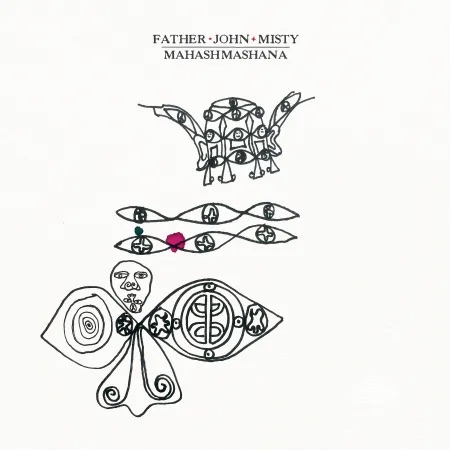
Father John Misty (FJM) née Josh Tillman’s new album, Mahashmashana, returns to Fear Fun and I Love You, Honeybear territory, but with a fresh new take on his smarmy lounge singer mystique. The FJM I fell in love with in 2012 is back!
2022’s Chloë and the Next 20th Century departed from the typical FJM sound. On that album, he doubled down on his smarmy lounge singer schtick with a big band, bossa nova, and Muzak arrangements (or, as FJM says: “fake jazz”). On Mahashmashana, FJM is back to his epic singer-songwriter self of his first four albums. That persona is one part Springsteen (epic and grandiose), one part Harry Nilsson (sweet yet twisted), one part Randy Newman (humor/cynicism/sarcasm), one part George Harrison (spiritual and seeking), and a pinch of Bon Iver (atmospheric). Although Mahashmashana is sonically in the territory of his first four albums, but this is a fresh take.
Per Wikipedia, the [album’s] title refers to the Sanskrit word Mahāśmaśāna (महाश्मशान), meaning “great cremation ground.“ Tillman chose the word after reading it in Bruce Wagner’s 2006 novel Memorial and feeling inspired by it: “Just visually, it has all these sha-na-nas and ha-ha-has in it. With the record, there’s a lot in there about the self and about identity, and I think just the micro and the macro scale of endings.”
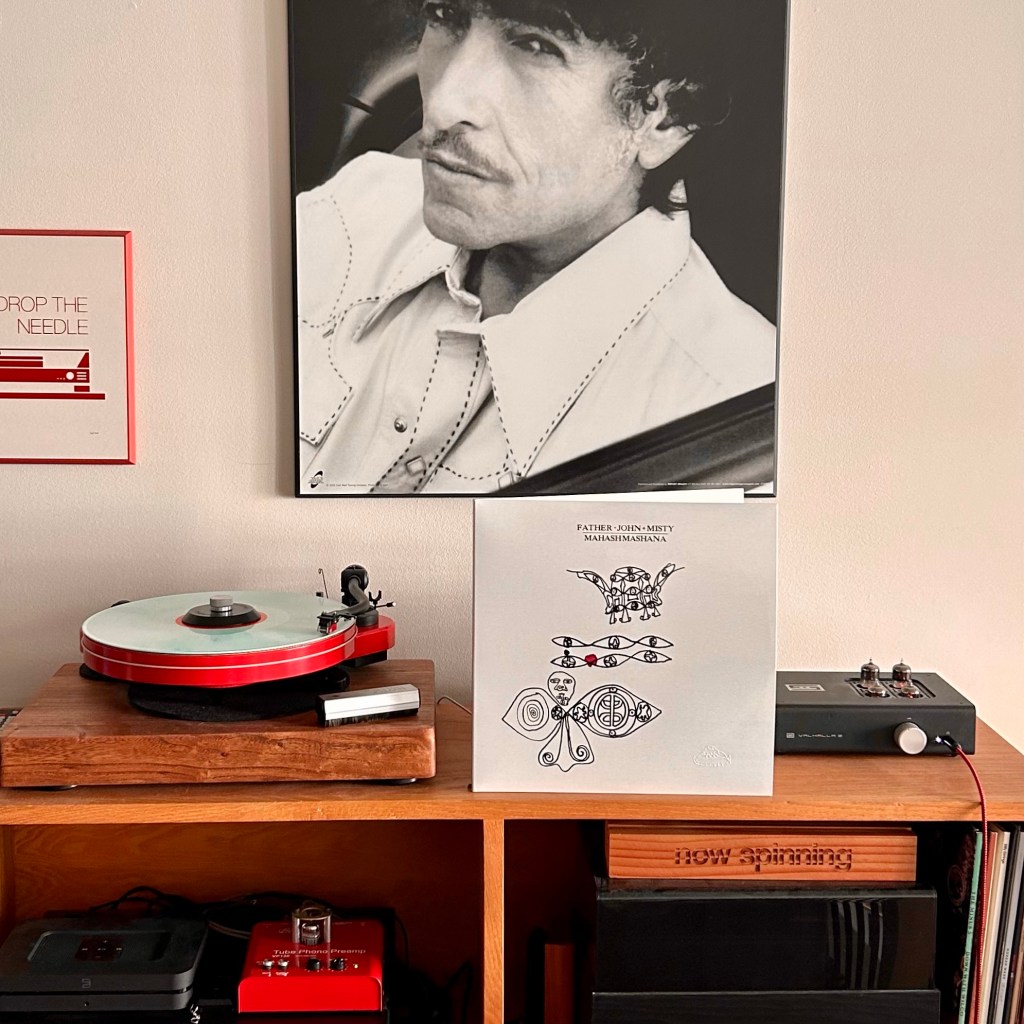
The titular track, “Mahashmashana,” opens the album in a dream sequence. It is an epic nine-plus-minute song with strings, a wailing sax, and Josh fully embracing the FJM persona. As for what the song is about, I have no idea. But there is a pair of lovers, mockery of religion, dancing corpses, etc. If this was the only great song on this album, the album would be a success—but it is not. It is an overture to another FJM masterpiece.
I listened to a recent FJM interview, and he talked about wanting this album to be something dumb after his previous “fake jazz album” (Chloë and the Next 20th Century). “She Cleans Up” is a big dumb rocker. I hear Elvis Costello’s “Pump It Up,” Bob Dylan’s “Subterranean Homesick Blues,” and Viagra Boys’ “Punk Rock Loser.” The vocals remind me of Spoon and the rock version of T Bone Burnett (Alpha Band and Truth Decay/Trap Door). The first verse is about Mary of Magdalene knowing that her lover Jesus is going to die and she is not having it. The next verse is a contemplation of the 2013 movie Under the Skin. The final verse concerns a wannabe actress’s “me too” moment. Big ideas for a dumb rock song.
“Josh Tillman and the Accidental Dose” sonically has a Beck Sea Change/Morning Phase vibe that fits nicely on FJM. Lyrically, The narrator of the song has an existential crisis while on psychedelics (FJM likes to self-medicate with micro-doses of LSD).
“Mental Health” is a gorgeous power ballad. FJM mocks our society’s obsession with mental health and fixation on authenticity when we are crazier and more inauthentic than ever.
FJM referred to the sound of “Screamland” on the Zane Lowe Show as a mutilated Hillsong. Hillsong is worship music that incorporates pop music. The song is a new sound for FJM. It is beautiful and noisy at the same time—like a Bon Iver or Low song. Tillman credits producer BJ Burton with messing with the song to achieve his vision—“mutilated it like I wanted it.” Alan Sparhawk of Low contributes to the beautiful noise.
“Being You” is a beautiful soft rock – almost Yacht Rock song. Lyrically, FJM is wondering about an imaginary movie director.
“I Guess Time Just Makes Fools of Us All” is JJ Cale meets Stevie Wonder in the form of a disco song. This is one of my favorite tracks on the album. This song appeared in FJM’s “Greatest Hits” collection, released earlier this year.
“Summer’s Gone” is a pretty ballad about time (time is a recurring theme on the album).
Mahashmashana is produced by BJ Burton. Burton takes a slightly different route than long-time FJM producer Jonathan Wilson (who still has executive producer credit on the album). Tillman says that Wilson’s influence is still there despite Wilson not being directly involved. Burton helps FJM return to form yet not repeat himself.
In interviews, Josh Tillman suggested this could be his last FJM album. He said he envisioned making six FJM albums, and this is the sixth. I hope that is not so, as Mahashmashana is a high watermark in his catalog. Mahashmashana is one of my favorite albums of 2024!
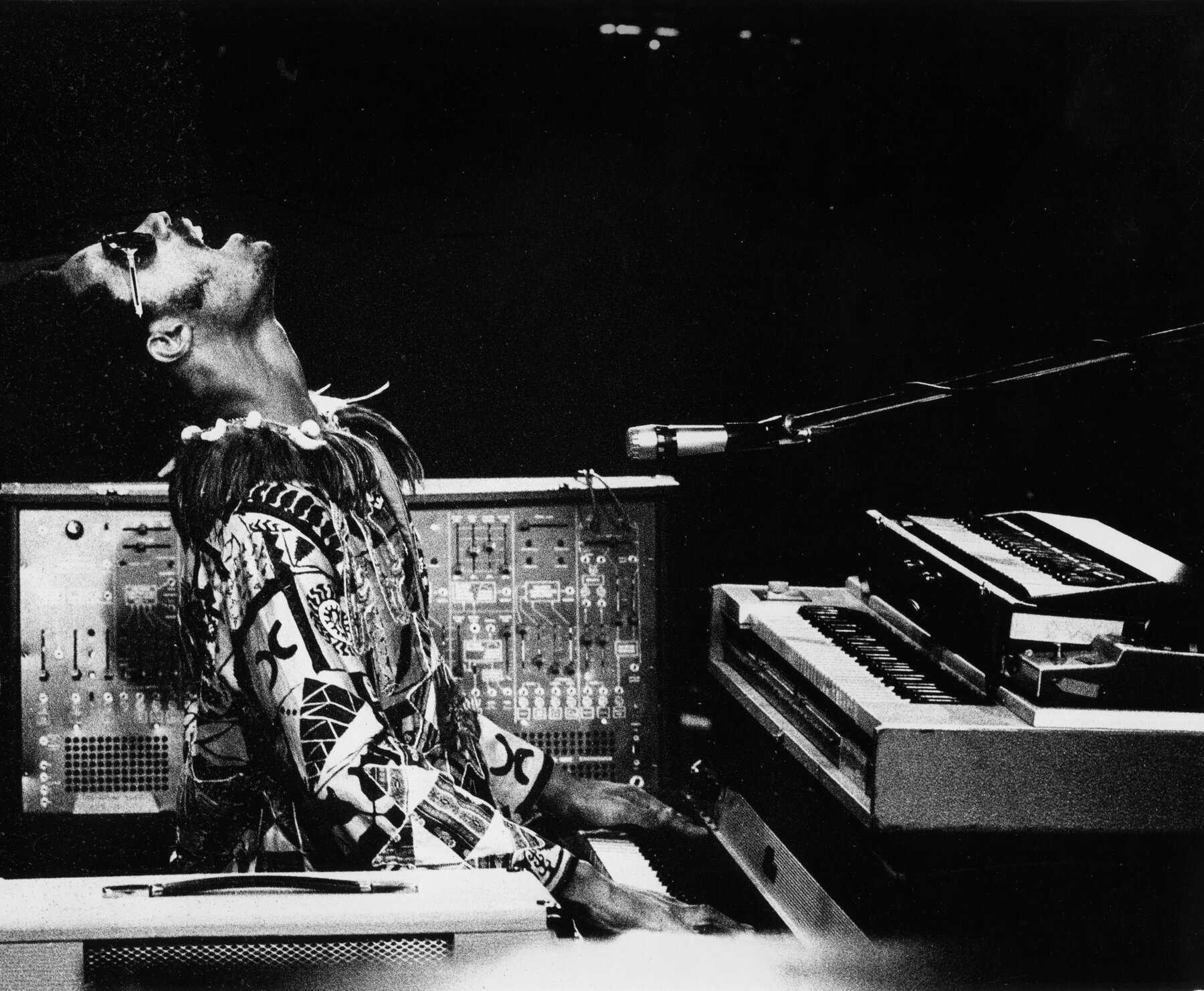
Music critic Steven Hyden has a Five Album Test: an artist or group releasing five consecutive albums ranging from very good to flat-out excellent. Many artists have five good to excellent albums over their career, but very few string five together consecutively. Stevie Wonder did it during his “classic period,” from 1972 to 1976, when he released a streak of five great albums (and three absolute masterpieces):
Music of My Mind (1972)
Talking Book (1972) – masterpiece
Innervisions (1973) – masterpiece
Fulfillingness’ First Finale (1974)
Songs in the Key of Life (1976) – masterpiece
The Wonder Of Stevie Podcast focuses on this five-album run. This podcast inspired me to visit and revisit these five albums. The pod does an excellent job explaining the five-album’s background and context. A couple of crucial points from the pod:
- The five-album burst of creativity was based on Wonder renewing his contract with Motown and securing the right to be in complete artistic control of his musical output.
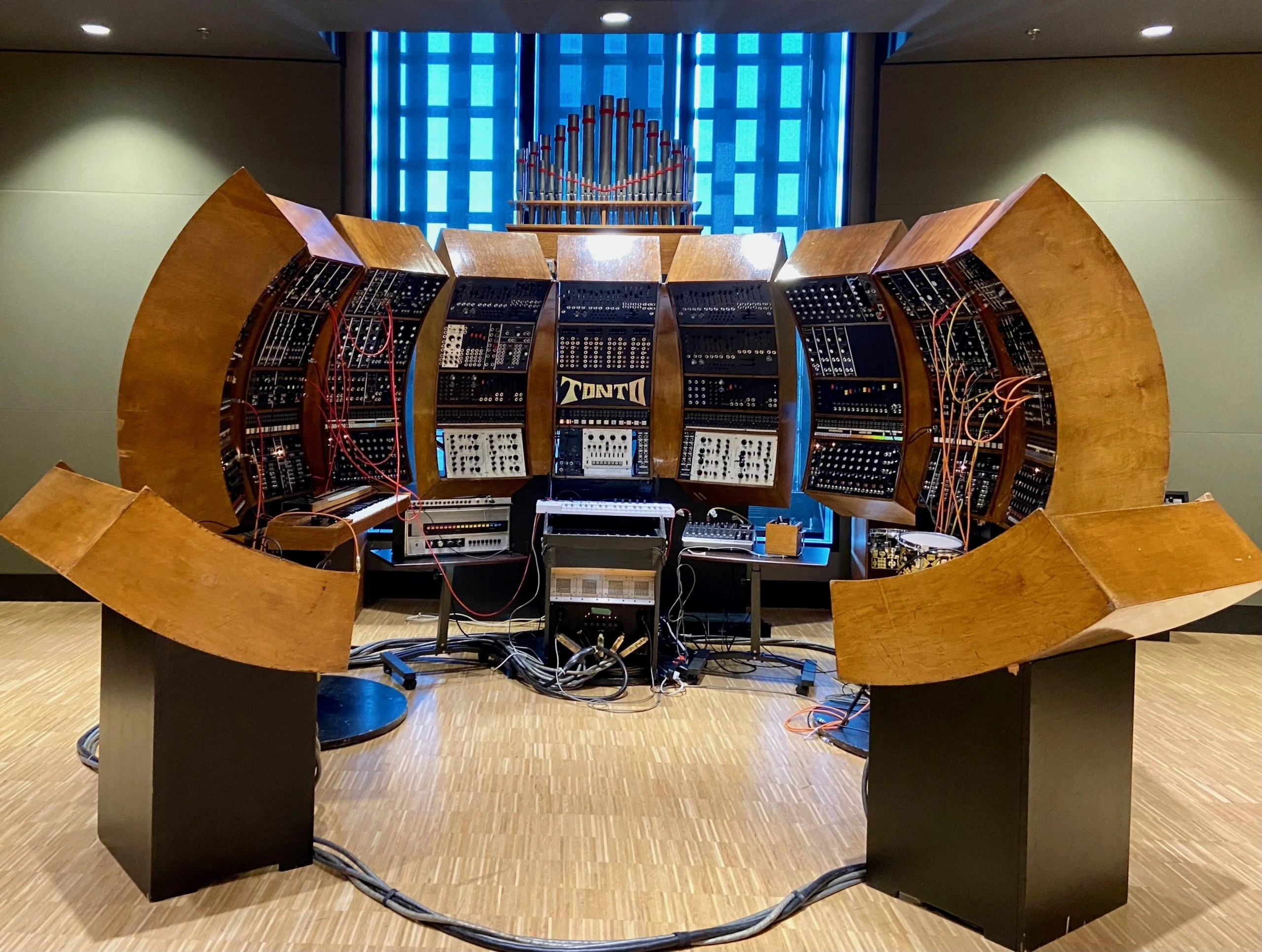
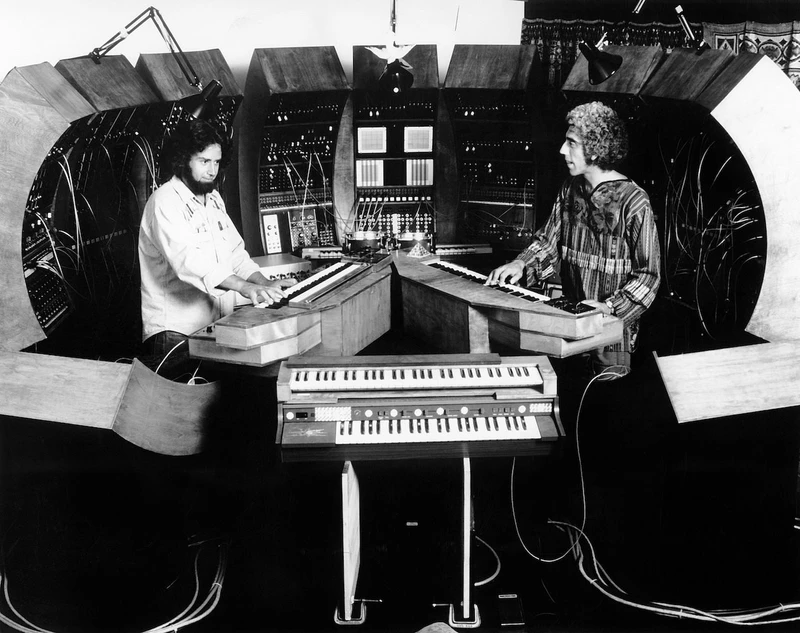
- Wonder “discovered” a synthesizer and a couple of technical partners in crime. Stevie was inspired by Tonto’s Expanding Head Band’s album Zero Time. The album featured TONTO, an acronym for “The Original New Timbral Orchestra.” Malcolm Cecil designed and constructed TONTO, the world’s first and still largest multitimbral polyphonic analog synthesizer. Malcolm and Robert Margouleff composed and performed the music on Zero Time using TONTO. They subsequently collaborated with Wonder on the first four Wonder classic albums discussed in this post.
Coming into this retrospective, I was only familiar with Talking Book, Innervisions, and Songs in the Key of Life. I experienced those three albums in the late ’70s and have continued to enjoy them over the years. I am only now listening critically to Music of My Mind and Fulfillingness’ First Finale.

With a new contract from Motown and a license to do whatever he wanted, Stevie created Music of My Mind. It was a one-man-band record, with Wonder playing most of the instruments (he did need sidemen for things like horns and guitar). He harnessed synthesizers (a very new instrument at the time), with the help of the TONTO engineers/musicians Malcolm Cecil and Robert Margouleff, to create organic, funky sounds with this electronic tool. The synthesizers captured Wonder’s artistic vision – Stevie has said, “The synthesizer has allowed me to do a lot of things I’ve wanted to do for a long time but were not possible until it came along.”
The album hit No. 21 on the Billboard LP charts, and critics noted Wonder’s artistic growth; however, it was not a commercial breakthrough. Some essential tracks on the album are:
- The opening track, “Love Having You Around,” sets the template for Wonder’s funky organic synth sound, which he will leverage for the rest of his career.
- “Superwoman (Where Were You When I Needed You)” was the album’s single (it had moderate success). It is a synth-forward love ballad in two parts. Part one tells the story of the narrator’s love interest, Mary, who wants to be a movie star. Part two is the narrator lamenting that Mary is not returning from her new life; thus, the love affair is over.
- “Keep on Running” is a jam more than a song – its infectious groove can’t be denied.
- “Happier Than the Morning Sun” is a song built on a cool clavinet riff.
Wonder has not fully figured out his new sound, and the tracks are preliminary sketches for the masterpieces that would come later. He successfully proves that his new studio keyboard toys are not just for science fiction soundtracks but are the essential vision of the sound of R&B for the next several decades.
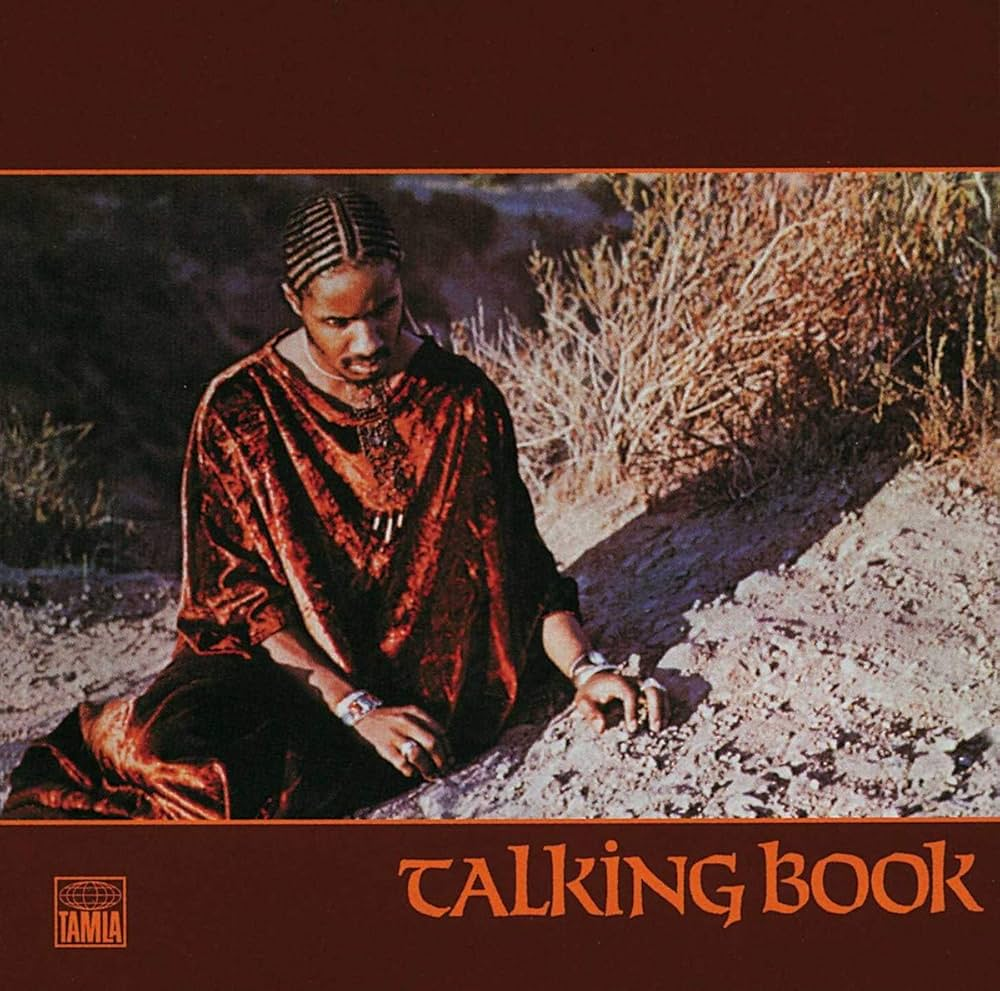
Talking Book (1972) is the album that brought Stevie to mega-stardom. Commercially, the album peaked at number three on the Billboard Top LPs chart and finished at number three on Billboard’s year-end chart for 1973. The single “Superstition” reached number one on the Billboard Hot 100 and Hot Soul Singles charts, and the ballad “You Are the Sunshine of My Life” hit number one on the Hot 100 and Easy Listening charts. Wonder won his first Grammy with “You Are the Sunshine of My Life,” winning Best Male Pop Vocal Performance, and “Superstition,“ winning Best Male R&B Vocal Performance and Best R&B Song.
“Superstition” is one of the most outstanding singles in my lifetime. It was initially written for Jeff Beck, who Wonder admired (it appears on the 1972 album Beck, Bogert, Appice). Stevie’s version is so much better than Beck’s. Beck’s is a rock song, and Wonder makes it a funk/dance banger with a message: the lyrics describe popular superstitions and their harmful effects. If you want to understand the genius of Wonder, this is exhibit number one. The rest of the album is excellent, but singles “You Are the Sunshine of My Life” and “Superstition” cast a long shadow over the rest of the songs on Talking Book.
Beck ultimately recorded a fantastic cover of Stevie’s “Cause We’ve Ended As Lovers” on his 1975 Blow By Blow album (the song was originally on Wonder’s backup singer Syreeta’s 1974 album Stevie Wonder Presents Syreeta).

Innervisions was my introduction to Stevie Wonder. I have written before about how going to college was my musical awakening. I strongly remember a dorm friend dropping the needle on this masterpiece. My mind was officially blown. The music was funky but with a unique sound. I can’t think of any R&B artists doing anything like this. There were other R&B creative geniuses at the time – but each was doing their own thing (James Brown, Curtis Mayfield, Al Green, George Clintion/P-Funk, Marvin Gaye, etc.). It was an incredibly fertile period that would be the foundation for two new R&B geniuses who would dominate the pop charts in the 80s: Michael Jackson and Prince. I remember being amazed that a blind man could have such vivid vision manifested in music for the ears and body vs. the eyes.
Innervisions is the first among equals in the five-album run. Every song is essential, but even amongst those, three songs absolutely tower over Wonder’s catalog:
- “Living For The City” – a funky political observation
- “Golden Lady” – a gorgeous love ballad
- “Higher Ground” – rowdy funk with a message
If there is one Stevie Wonder album you must hear, it is Innervisions. This is a Hall-of-Fame LP.

This album had both critical and commercial success. It topped the Billboard Top LPs & Tapes chart, where it remained for two weeks, and also reached number one on the Billboard Soul LPs chart, where it spent eight non-consecutive weeks between October 5 and Christmas 1974. At the 17th Annual Grammy (2015) Awards, it won in three categories: Album of the Year, Best Male Pop Vocal, and Best Male Rhythm and Blues Vocal Performance (for “Boogie On Reggae Woman”) at the ceremony held in 1975. Despite its success, the album completely missed my radar then and in subsequent years.
Listening to it now is like finding a lost treasure. It includes Stevie’s gorgeous ballad side and true funk soldier side. There isn’t a bad track on the album.

Songs in the Key of Life was a very ambitious album to conclude this five-album cycle: a double album with a 7-inch four-song bonus EP. The album debuted at number one on the Billboard 200 chart, and the singles “I Wish” and “Sir Duke” reached number one on the Billboard Hot 100. The album spent thirteen consecutive weeks at number one on the Billboard 200. It won Album of the Year at the 19th (1977) Grammy Awards. Other highlights are “Isn’t She Lovely” and “Ordinary Pain.” This is the only album of the five that does not include Malcolm Cecil and Robert Margouleff as part of the production team.
I was in high school when Songs came out. I was not yet a musichead, but it was impossible to be unaware of this album—it was something you could play from start to finish at a party. The singles were ubiquitous, but people were listening to the album. I was not. It took until I was a freshman in college (1977/78) when I finally got into this album (and Innervisions). I go back and forth about Stevie’s greatest album, Songs or Innervisions.
Despite having twenty-one tracks and an hour and forty-five minutes, this album doesn’t drag or feel bloated. Every song is good to great, and several are classics. It sums up everything that is great about this five-album run: gorgeous love songs, thermal nuclear funk, socially conscious lyrics, and pure fun. Songs is also Stevie at his jazziest. It also has a 70s singer-songwriter vibe. Stevie’s vocals are outstanding throughout. The more I think about this, the more I realize that Songs is Stevie’s apex mountain.
Summary
These five Stevie Wonder albums represent one of pop music’s all-time most extraordinary creative bursts. Much of the music is timeless—it sounds as fresh today as it did when it first came out. Along with Marvin Gaye, Sly Stone, Curtis Mayfield, and James Brown, Stevie reinvented R&B as more than dance music – as profound as anything in pop and rock music.
These five albums are available in high-resolution on various streaming services (I use Tidal) as 24-bit/96 kHz FLAC files. Given Wonder’s commercial success, these albums are generally available and used at a reasonable cost for vinyl LPs and CDs.
After this run, Stevie’s output doesn’t live up to this level of excellence. The next album, Stevie Wonder’s Journey Through “The Secret Life of Plants” (1979), was a soundtrack to a documentary—it is more weird than good. He had a near return to form with Hotter than July (1980) – the single “Master Blaster” is a banger, and “Happy Birthday” helped bring about Martin Luther King Day. After Hotter than July, it is more soundtrack albums and easy-listening pop—nothing essential. He hasn’t released a studio album since 2005. He has continued to perform concerts. I can’t disparage Steve’s mediocre late career when he has these consecutive gems in his catalog – arguably the greatest five-album streak in pop/rock music.
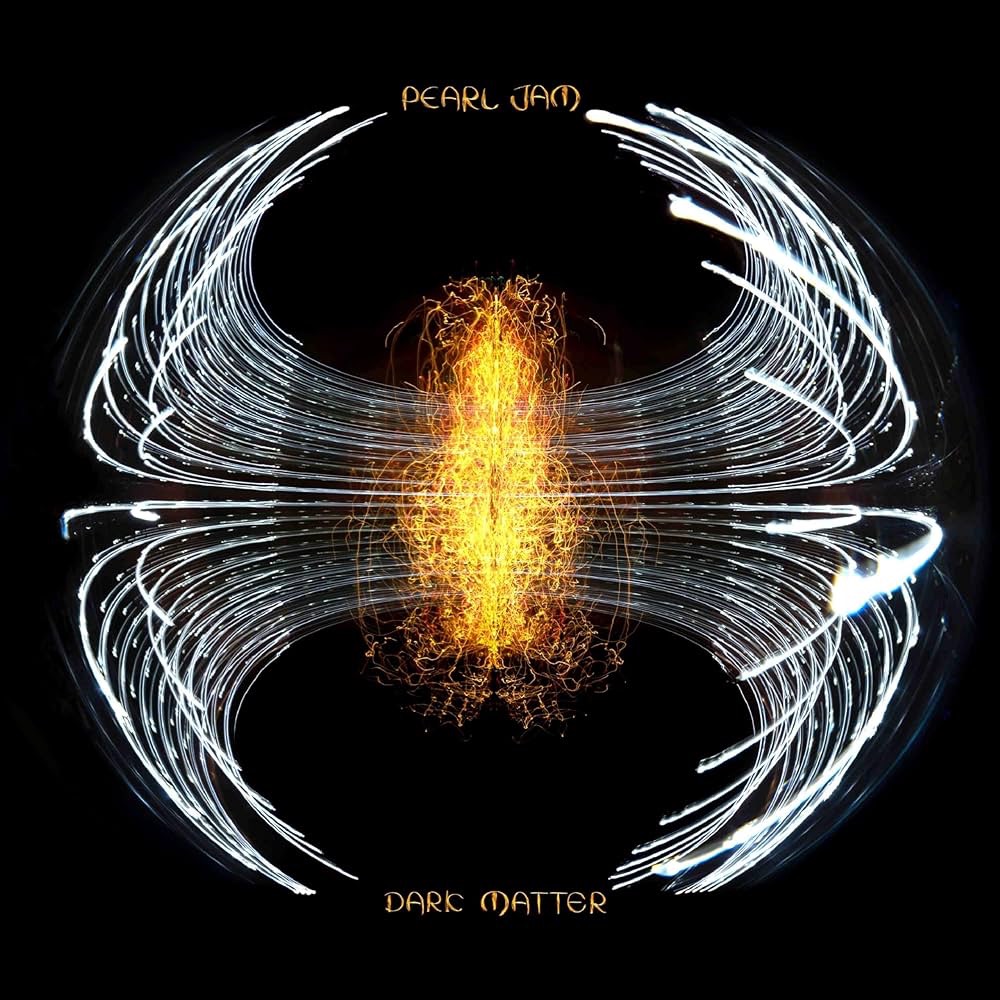
I am a minor Pearl Jam fan. When it came to Seattle grunge, I was a Soundgarden guy. That being said, the first three Pearl Jam albums (10 from 1991, Vs. from 1993, and Vitalogy from 1994) were great. I faithfully bought every studio album after those three, but they never hooked me. Then, in 2020, Gigaton came out, and I loved it. Now comes Dark Matter, which is as good as anything in their catalog. Producer Andrew Watt is the new Rick Rubin – a legend whisperer. He resuscitated the Stones on Hackney Diamonds (2023) and Ozzy Osborne on Patient Number 9 (2022). Pearl Jam was not dead, given the quality of Gigaton, but Dark Matter is even better than Gigaton – a late-career masterpiece.
Per guitarist Mike McCready, the band went back to their hard-rocking roots, saying the album is “a lot heavier than you’d expect.” He went on to say:
“We worked with Andrew Watt, who’s a younger pop producer-type guy, but he’s really a rock guy at heart — I think we’re his favorite band. When we were in the studio with him this past year, he really kicked our asses, got us focused, and playing, song after song. It took a long time to make Gigaton, but this new one didn’t take long. Andrew was like: ‘You guys take forever to make records. Let’s do this, right now.'” He added: “Andrew pushed us to play as hard, melodic and thoughtfully as we’ve done in a long time. I feel like Matt Cameron’s drumming has elements of what he did in Soundgarden.”
The album is guitar-heavy, and Eddie Vedder’s vocals are outstanding. “Wreckage” is the band’s take on heartland rock—a highly accessible single. If you are a fan of early Pearl Jam and they have dropped off your radar, Dark Matter is a good reason to revisit the band.
Available in high-rez on streaming services (24-bit/48 kHz).
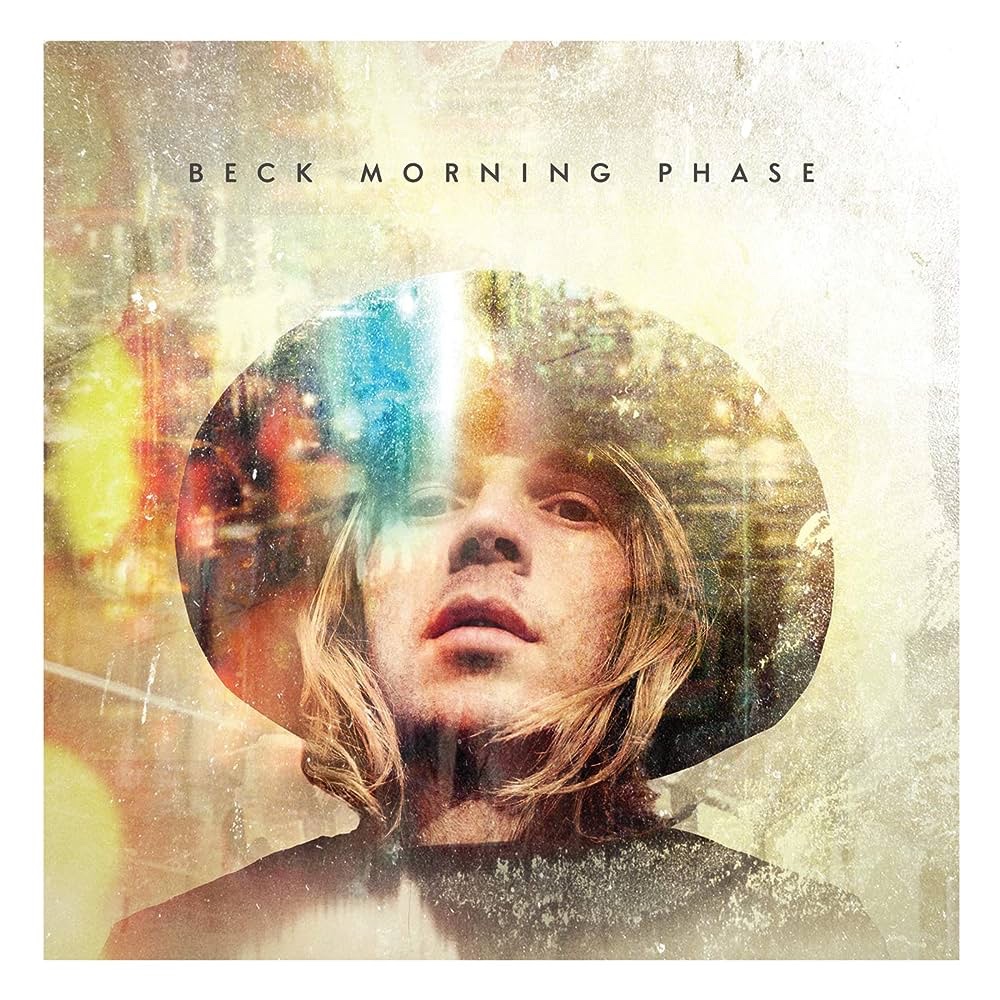
I am not a huge Beck fan, but there are a few albums I am in deep on, including Morning Phase (2014). I originally purchased it as a CD. This vinyl copy was sourced from the Electric Fetus “new” used bins. It appears to be an original from 2014.
Morning Phase was a return to “sad-Beck” – a companion or sequel to Sea Change (2002). Most of the musicians who recorded Sea Change returned to record Morning Phase, except Sea Change producer Nigel Godrich (Radiohead).
I reviewed the album when it first came out – see link. Back in the day, I said: “A suitable album for a pop star’s first album in his 40s. The album has lots of Classic Rock flourishes: a bit of a Moody Blues, the mellow side of Pink Floyd, the ballad side of Elton John, Nick Drake, Neil Young and even some Simon and Garfunkel. It is very atmospheric and wonderfully melancholy.”
Per Wikipedia: “Upon release, the album received critical acclaim and was nominated for five awards at the 57th Annual Grammy Awards, winning three: Album of the Year, Best Engineered Album, Non-Classical and Best Rock Album. Beck performed the album’s song ‘Heart Is a Drum’ with Chris Martin at the ceremony.”
CD
Morning Phase is an elaborately orchestrated and highly engineered album. The soundscape is a significant part of the gimmick, but it is also kind of low-fi. The CD sounds fantastic, and despite the digital format, it sounds warm.
Vinyl
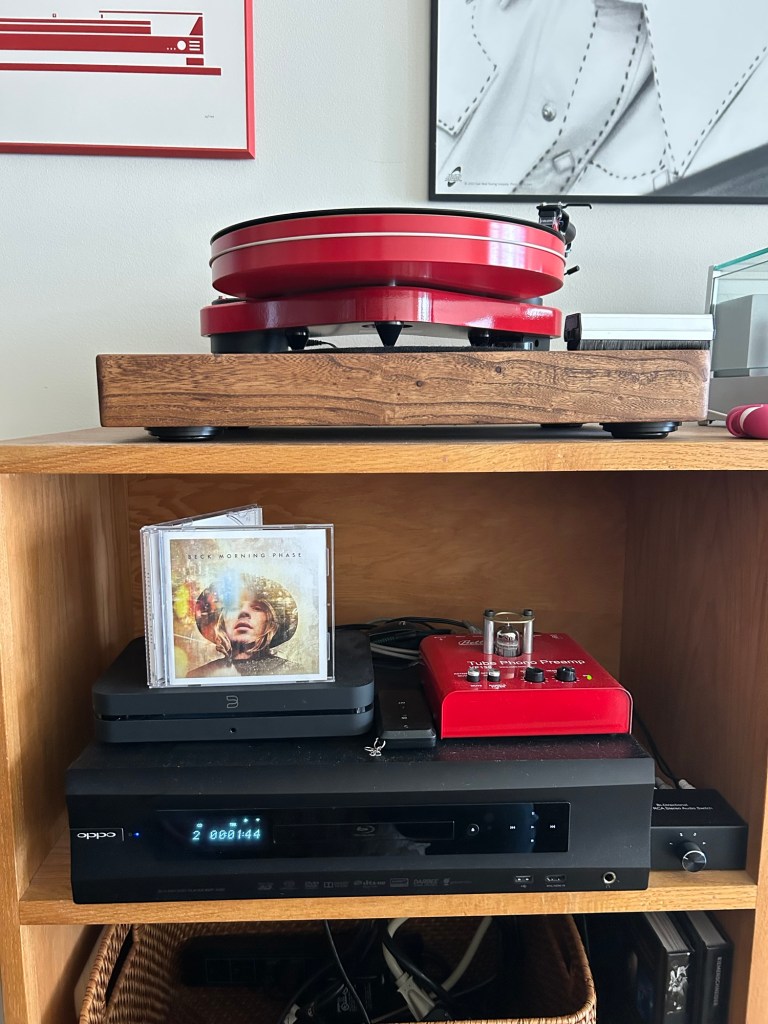
The LP was a bit staticky on the first pass. I gave it a serious cleaning with my Nitty Gritty, and it sounded much better. Given this is a very lush album, the analog sound of vinyl is very nice. But given that it is a quiet album, every pop, and click is exaggerated. Given how calm and mellow this album is, the digital format is preferred.

I don’t typically buy expensive used records (AKA more than $10. This album was $23 but is significantly more costly on Discogs. I love it so much that I think having a vinyl copy is worth it.
High-Resolution Stream (Tidal)
The high-resolution stream is 24-bit/96 kHz FLAC. It doesn’t sound significantly better than the CD. However, the soundstage is more expansive and rivals vinyl for analog warmth. I wish my CD player (an Oppo) and Streamer (a Bluesound Node) shared the same DAC for a more apples-to-apples comparison. The high-resolution stream is slightly better than CD and vinyl, so it is the preferred format.
I’m getting new insights into this album as I relisten: I now hear the Radiohead influence on some songs. Beck is a better vocalist than I realized—I hear Tom Yorke, Chris Cornell, and Van Morrison in addition to the influences I first noticed when the album came out (Pink Floyd, Elton John, Nick Drake, Neil Young, and Simon and Garfunkel).


