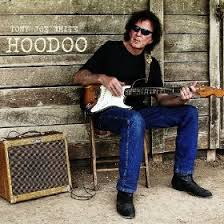
This album came out last year and I vaguely recall it made a little noise at the time. My buddy Paul from Analog Audio of Minnesota recently tipped me off that I should give this LP a spin – he happened to have one for sale so I picked it up. If you like Mark Knopfler or JJ Cale you will dig this album. This is simple rhythmic blues that is all about groove and tone. White’s guitar tone is homemade caramel – lots of butter. His dulcet baritone voice is easy-going and all-knowing.
Tony Joe White made a little stir in the late 60s and early 70s as a singer songwriter, but never achieved big time stardom to match his talent. When you listen to his work from that period it is a bit schizophrenic: sometimes pop country, sometimes swamp rocker (a la CCR) and sometimes blues-man. What sounds the most timeless from that era is the swamp rock which rivals anything Fogerty was throwing down. If you have access – give a spin to any of his albums between 69 and 74 – I am sure you will be amazed. When you hear “Polk Salad Annie” the first time you will wonder how is it possible you have never heard of this dude.
This album’s focus is on slow burning swamp rock that has a real nice John Lee Hooker feel. The recording quality is fantastic with emphasis on White’s guitar and voice. The recording is alive and dry with lots of separation between the instruments so you can really soak in the tone. For me this album is about marinating in White’s guitar tone and his mellifluous baritone. This album plays like your favorite pair of perfectly worn jeans – it is comfortable, but just a touch edgy. I am sorry I missed this in 2013 – it would have been on my best of list for sure.
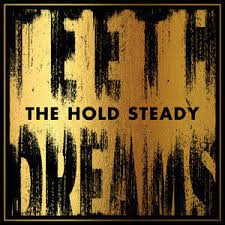
The Hold Steady’s second album Separation Sunday blew my mind when I first heard it in 2005. It was like punk rock Springsteen. The fact that the lead singer was from the Twin Cities and dropped all kinds of local references certainly added to the charm.
However when their third album Boys and Girls in America blew up and put the band on the map I was ho-hum – it just did not seem as good as Separation Sunday. Honestly this was not me being a music snob and resenting having to share my indie darlings with the rest of the world – that third album, Boys and Girls in America, just did not hit me in the gut like Separation Sunday. My theory at the time was that if the first time you heard The Hold Steady was via Boys and Girls in America you would be blown away just like I was with Separation Sunday. For me Girls in America was just more of the same. I kept buying each new album as they came out over the years, but none hit me like Separation Sunday. Until now – Teeth Dreams is great rock and roll.
I really liked Craig Finn’s solo Clear Heart Full Eyes (2012) and so I had high hopes that a band hiatus and that solo album would rejuvenate The Hold Steady. It sure did – Teeth Dreams sounds like The Hold Steady’s arena rock album – some how it works – it does not sound at all like a sell out – just true rock and roll craftsmen tossing down their work – and making it sound effortless. It kind of reminds me of when Soul Asylum hit a grand slam with Grave Dancers Union – the perfection of everything that came before it – blossoming into a hit.
Now I doubt anything on Teeth Dreams will be hit like “Runaway Train” – the marketplace is not there for a straight ahead rock band, but I can dream. This is like running into a buddy who you remember as being kind of soft and flabby and now he looks totally fit and jacked. This album is so muscular. I am sure some fans will resent how polished and mainstream this album sounds, but not me – it sound perfect. Congratulations boys – you won me back! It’s only rock and roll (but I like it).
When I first discovered Miles Davis’ Bitches Brew in the late 70s I had no idea what to make of it. This was nothing like the Miles I first met on the LP Kind of Blue. I was young inexperienced jazz fan grooving on the neo-bop, jazz rock, and smooth jazz that was hot at the time. As I read periodicals like Downbeat I kept hearing about when Miles sold out with Bitches Brew and became a “rock star” in the late 60s and early 70s. I liked rock and I liked jazz, I figured I would like Miles version of jazz rock. I picked up the double LP with its amazing cover art and sat down to listen. “What the fuck?” This was totally impenetrable noise – how could this be popular?
I kept listening and I finally found the groove and Miles electric language began to make sense (but it probably took about 10 years for me to get it).
While listening Miles At The Fillmore I stumbled across this great review of Bitches Brew by a young musician – the bit is about him experiencing it for the first time.
I learned later that Bitches Brew was very much a studio concoction. The overwhelming brilliance was Miles and his band, but you have to give some credit to the great engineer Teo Macero who edited the storm. Even the live LPs of Miles “electric bands” from this period were highly edited like the first Fillmore (1970’s Miles Davis at Fillmore).
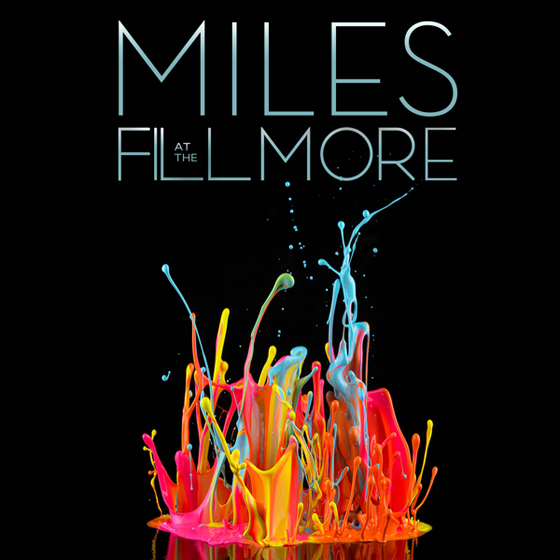
MILES AT THE FILLMORE – Miles Davis 1970: The Bootleg Series Vol. 3 is a true live set from the Bitches Brew era. It is the unedited concert sets that were edited to make the original Miles Davis at Fillmore. There are several very informative reviews online that will put this all in perspective. A few I recommend are:
- From All About Jazz
- From Pitchfork
- From PR Newswire
It is pretty cool to have a document of a Miles Davis 4 night stand at the height of his artistic powers. The recording quality is very good – this becomes very evident when the CDs are filled out with bonus material from a Fillmore West set from a few months early – equally great music, but not even close to the sonic quality of these 4 nights at the Fillmore East.
Davis’s playing is very strong and muscular – as powerful as any point in his career to that point. It is easy to connect the dots of Miles’s playing to the photo shoots of Miles sparring (Davis was an avid boxer for exercise). The arrangements are very adventurous – at time bordering on the avant-garde. This is not music for the faint of heart. The music moves from quite meditations to full-out cacophony. If you are willing to open your mind to what is going on it is truly inspiring. Even at his most noisy, Davis is always lyrical and the is band down in the groove.
An interesting sidebar is how I came to acquire this album – see separate post.
Each CD represents a full Davis set from a 4 night stand where Davis was the warm up for label mate Laura Nyro. Davis had roughly one hour sets . All four nights share some common compositions and each night (except the first night) have some unique compositions. Despite the common material each night has its own feel. I look forward to lots of listening to figure out what is my favorite night and to better define the spirit of each night.
As you would expect the compositions are much freer than the studio versions – which is saying a lot because the studio versions were some pretty wild shit. After listening the 4 discs I listened to the studio version of Bitches Brew” and was kind of amazed at how tame and accessible it has become to my ears after over 30 years of listening. It also emphasized how exploratory Davis’ live band was. Despite the free nature of the this live album the band is tight. It is like overhearing a really intense conversation between highly learned friends. Davis playing in the studio was much more sedate and his horn had a bit too much reverb. These live sets are raw horn and Davis at full throttle. The live sets are the main event in a raucous arena whereas the studio work is more of masterpiece on display in a museum. Both are fully valid – just wonderful variations on a similar theme.
Overall this very deep shit for very open-minded listeners. This kind of music is an acquired taste – like straight espresso or puerh tea. One you get over the initial bite and learn to savor the taste the rewards are great. This is a trust me and taste it kind of album(s).

For many, the title of this album is synonymous with the decade when Dylan sucked. I come to this from a different angle – the 80s are the decade I discovered Dylan and he became my musical hero – my number one musical icon. As that decade began I had just turned 21. I had dropped out of college and was living in 24 by 7 party – my lost weekend. By decade’s end I would be married, a father and climbing the corporate ladder. Dylan would be my musical companion.
The first Dylan album I ever bought was 1978’s Street Legal in Anchorage Alaska and I bought it on the day it came out. From that point to this day I have purchased every subsequent Dylan album on release Tuesday (except for one Dylan and the Dead). I had discovered Dylan in my freshman year of college – actual he was revealed to me by my music mentor Paul. Paul introduced me to the mid-60s through mid-70s greatest hits. But I soon went my own way with fresh material (80s Dylan).
Dylan began the decade with his most blatantly born again gospel album Saved. It was rock and roll heresy. Over time it would earn the distinction of being one of Dylan’s worst albums. I genuinely loved that album then and still to this day (it had true passion). He ended the decade with his so-called comeback – the Daniel Lanois produced Oh Mercy (I loved that one too). In between there were 7 more and I have to be honest there were some hits and misses (amazingly some of his best material of the era went unreleased until much later). Steven Hyden of Grantland brilliantly explains all this better than I ever could in his album review.
A highlight of the 80s Dylan, for me, was his ramshackle performance at Live Aid with Keith Richards and Ron Wood of the Stones.
Bob Dylan in the 80s is the brainchild of a couple of indie-rock producers who are fans enough to know there was gold in those 80s albums and want to show them to us via some of their favorite contemporary artists. For more of the back story see the official album’s website.
I recognized about half the artist on the album, but there only a few that I have actually listened to in the past. Like any great tribute album there are loyal covers (Craig Finn’s “Sweetheart Like You”) and completely reinvented covers (Reggie Watts’ “Brownsville Girl). All are inspired and non-ironic. A tribute album should reveal diamonds in the rough from the source artist (Deer Tick’s “Night After Night” an obscurity from Hearts of Fire soundtrack) and turn you on to new talent (Hannah Cohen’s “Covenant Woman”). There needs to be some curve balls (an instrumental “Every Grain of Sand”). Bob Dylan In The 80s: Volume One delivers on it all.
“Got My Mind Made Up” Langhorne Slim & The Law – These guys managed to find a hidden gem in what I have always considered one Bob’s worst LPs Knocked Out Loaded. I have never heard of this band (a recurring theme on this album). They sound like a cross between Arcade Fire and Mumford And Sons. Going back to the original song – it makes more sense now having heard this cover. Looks like I may have been wrong about this Knocked Out Loaded.
“Jokerman” Built To Spill – I have heard of this band, but never have heard them. This is a faithful cover (less the hint of the original’s reggae) without sounding like Bob. This song is from the great album Infidels. What an album that was – Sly and Robbie as your rhythm section and Mark Knopfler as musical director (a confident enough guitarist to bring ex-Stone Mick Taylor in on the session).
“Brownsville Girl” Reggie Watts – no idea who this guy is, but he has a very soulful voice over a percolating contemporary R&B beat. Very different take on the best song on the otherwise (I used to think) dreadful Knocked Out Loaded.
“Sweetheart Like You” Craig Finn – this if my favorite track on this album (I am a huge Hold Steady fan) and this is one of my favorite Dylan songs (also from Infidels). Finn, like Dylan, has unique voice and phrasing – a distant heir to the throne. This song includes my favorite Dylan lyric of all time:
“Steal a little and they throw you in jail
Steal a lot and they make you king”
“You Change My Life” Ivan & Alyosha – This is the first rarity on the album – a cut from Bootleg Vol 3. No idea who these guys are but they cover this song perfectly.
“Night After Night” Deer Tick – Another band I have heard of/never heard. Here is the first track I am unfamiliar with – it comes from a a movie soundtrack (Hearts of Fire). A legendary bad movie starring Bob that I (even as a major fan) have not even seen (a toast to how bad it was). Deer Tick gives this song a nice south-of-the-border feel and makes me want to hunt down the original soundtrack.
“Dark Eyes” Dawn Landes & Bonnie ‘Prince’ Billy – This comes from the other great Dylan 80s album Empire Burlesque. This is the kind of cover that makes me want to find more out about Dawn Landes. They turn the song into a beautiful folksong/lullaby.
“Waiting To Get Beat” – Tea Leaf Green – Here is another unknown song to me. Turns out it is an outtake from Empire Burlesque. Never heard of Tea Leaf Green, but this cut has a Vampire Weekend feel. Hats off to this collection that they found a true bootleg cut like this.
“Wiggle Wiggle” Aaron Freeman and Slash – This one kind breaks the rules by coming from 1990’s Under the Read Sky. People tend to forget that Bob has a sense of humor and is capable of moments of silliness. This song is silly – but who cares – a great artist deserves (and should) have moments of silliness. No idea who Aaron Freeman is (just Googled him – he is the guy from Ween).
“Congratulations” Elvis Perkins – A Traveling Wilburys’ song. I have been enjoying the Another Self Portrait collection this past year and this performance by Perkins could be right out of that set – classic Nashville Bob voice. Rivals “Sweetheart” as my favorite track on the album.
“Covenant Woman” Hannah Cohen – This song, from Saved, is one of my favorite Dylan songs. The original is sung with great passion and this song was my explanation of Dylan’s born again Christian period: there must be a woman behind it. Cohen (never heard of her) does a great job, but I always struggle when a male point-of-view love song (and vice versa) is sung by the wrong sex. It does make want to check out Cohen as she has a lovely voice and this is cool spooky arrangement.
“Every Grain of Sand” Marco Benevento – This song has some of Dylan’s most beautiful lyrics from the album Shot of Love – so naturally this album covers it as an instrumental. I have a very vivid memory of waiting outside The Wax Museum (a since lost classic Minneapolis record store) waiting for the store to open on release Tuesday so I could pick this LP up. Best song on the album was not on the album until the CD release years later (the B-side “Groom Still Waiting at the Alter”).
“Series of Dreams” Yellowbirds – another rarity from Bootleg Vol 3. I am not familiar with Yellowbird. This cut sounds fantastic. Kind of cross between Springsteen’s spacey synth stuff (e.g. Philadelphia), Bon Iver and George Harrison. This is exactly the kind of cut you want on a tribute album – highlight a rarity and turns you on to a new artist.
“Unbelievable” Blitzen Trapper – Another cut from Under the Red Sky. These guys do a very nice job – Dylanesque, yet original.
“When The Night Comes Falling” Lucius – Yet another great song from Empire Burlesque. I don’t know Lucius – but the band does a great job turning this song into a pop song. Sounds more like a Prince cover than a Dylan cover ( a bonus in my mind).
“Pressing On” Glen Hansard – I can’t tell you how much I loved Saved when it came out – it was pure gospel – but Dylan was so passionate on it I could not help but dig it. This cover from that album is the most faithful cover on the album.
“Death Is Not The End” Carl Broemel – Down In the Groove is finally represented on this album. Another unknown artist to me – again no idea who Carl Broemel is. But man does he knock it out of the park – a gorgeous cover – sounds like how you would expect Jeff Buckley (in his folk mood) would cover the song.
Well that is a wrap. The more I listen to this album the more I love it. It highlights some of decently known Dylan’s songs and some true rarities. It shines the light on artists I have never heard of and makes me want to explore their stuff. As I have said several times in this post – exactly what you want from a tribute album. But most of all this is a sentimental journey for me through the first third of my “career” as a Dylan fan. Highly recommend – Dylan fan or not.
For the last several weeks I have been awaiting the release of Miles Davis’ MILES AT THE FILLMORE – Miles Davis 1970: The Bootleg Series Vol. 3. Pre-release on Amazon it was $38 – a reasonable price for a 4 disc set. I decided to hold out for my local independent record store (Electric Fetus) knowing it would be a little more, but I wanted to support the local guy.
Yesterday (release Tuesday) I called up the Fetus and asked if it was in stock and how much. Yes it was in stock – $49. Ouch – no new release discount of 10% to 20% like there commonly is on new releases. No 10% discount (the Fetus has a standing three title discount of 10%) even though it was 4 discs at full MSRP.
So I took a peek at Amazon – they had lowered their price to $32.99 (nice two bucks shy of free shipping). One third less – really? I peeked at BestBuy.com (no way was it going to in one of their stores – their in-store battery selection is better than their in-store music inventory) and it was also $32.99, but with free shipping (cheaper than Amazon even paying sales tax).
Well I thought about it a good six hours – do I pay full price and support my local independent store or do I support my local Fortune 500 mega retailer? That was not the real question: did I want instant gratification for a 33% premium? I was tempted, but I held out and ordered it from BestBuy.com – sorry Electric Fetus. A few months ago I did the same thing with the Bob Dylan box via Amazon – only in that case the 33% premium amounted to $100 – a little easier to justify.
I feel a little bit guilty, I can afford the 33% premium. I want the Fetus to be in business for a long time to come. Funny thing is I ordered the Miles release while listening to it on Spotify (instant gratification – however intangible gratification – at $10 a month). Consumerism is a bitch man (and check out the WordAd – ironic?).
A few years ago I stumbled across the Secret Stash label. I fell in love with their reissue of a reggae interpretation of Kind of Blue (sadly out of print, but available digital via various sources). Then I met the Secret Stash guys at a Record Store Day event at the Electric Fetus. I feel in love again with their fantastic compilation Twin Cities Funk & Soul: Lost Grooves from Minneapolis/St. Paul 1964-1979.
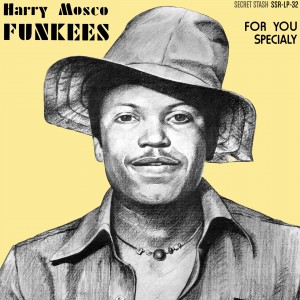
For about a year I have been trying to attend one of their assembly parties. When Secret Stash has a new release they email a bunch of volunteers to help put together the LPs (glue the jackets, insert the records into the jackets, insert jackets into a cellophane sleeve with a download card, seal the cellophane, etc.). As compensation for this work (about 2 hours for a run or 1300 LPs) the volunteers receive beer, pizza, fellowship with fellow music-heads and a free limited edition copy of the album. I attended my first assembly party for the LP Harry Mosco – For You Specially. It was a total blast. Imagine hanging out with 20 friends you have never met.

Assembly party at Secret Stash world headquarters in Minneapolis
For the official background on this release, see Secret Stash.
I don’t have a lot of experience with African music beyond what Paul Simon taught us all on Graceland. This album has a pretty mainstream pop funk feel and for an album recorded in 1977 it is pretty forward thinking. My understanding from talking to the guys at Secret Stash is this reissue was sourced from a sealed copy of the original LP – I like that – no temptation to mess with the original mix – it gives the reissue real authenticity (not to mention the reprise of the original misspelling of “specially” as “specialy” on the cover art). Most of the cuts are in English which makes the album even more accessible. The reissue sounds very good.
The album starts with “Wasting My Time (Loving You).” This is nice pop funk jam. It has a touch of reggae, disco and a slight African feel. It sound at least five years a head of its time – this sounds like mid-80s New Wave dance pop (bands like the Bob Marley and the Police had infused pop with island and African sounds by that point). This would not have sounded out-of-place as a Specials or Selector show back in the day. Huge bass lines on this track.
“Usassa Funk” – This is my favorite cut on the LP. You can totally hear The Clash doing a cover of this or grooving to it in their clubhouse. It is political, edgy and funky as hell. Mosco clearly foreshadows the punk infatuation with African and Island grooves. I tried to Google “Usassa” and could not come up with anything that made sense within the context of the song. However United States Asshole Association is a pretty cool top search result.
“Consolation” has a Sly Stone feel: in the groove, the vocals and the lyrics. A nice jam, but a little to derivative of Sly to be remarkable like the first two cuts.
Side two opens with “Ada Aku.” This is the most Afrobeat cut on the album – non-English lyrics, great grooves and horns – that Fela feel. Great arrangement with driving horns over a foundation of amazing bass lines and spooky organ. It ends with a nice drum solo that would make a great hip hop sample.
“It Ain’t Easy” – This cut opens with what could be the best hip hop break on the LP. Great horns on top of an infectious beat. Includes an awesome elastic guitar solo.
The LP closes out with some pop funk in the vein of the opening cut. “Sweet Loving Girl” is a funk ballad that boils to a full-out dance floor jam. Like the rest of the album the bass is the most prominent instrument. I would love for the boys in whysowhite to cover this jam – it would totally fit their repertoire. The song has what sounds like vocoder guitar lead that borders on an almost marimba like sound that is pretty cool.
Overall this is a fun record that reveals itself after repeated listening. Mosco’s bass is an amazing instrument – it has just enough Afrobeat and American R&B to be familiar yet exotic. It is so great there are indie labels like Secret Stash discovering and making available lost gems like this. Highly recommended.
When I first started to listen to CDs in the mid-80s I thought it was an amazing innovation: no surface noise, portable and convenient. At first I thought these CDs had superior sound over vinyl and I could not get enough of them. I was fooled by how quite (no surface noise) they were. But I also remember getting listening fatigue – I had never experienced that before listening to vinyl. I remember listening to Steely Dan’s Aja on CD – it was clean and pristine – but it was somehow missing the soul of the vinyl version. Soon it did not matter because the only way you could buy music was on CD. There was this nagging feeling that something was not quite right with this format.
Then there were the remixs and remasters – that must be what the problem was (the “not quite right”) – the labels in their greed to sell CDs had just grabbed whatever tape they could find and issued them on CD. The remaster concept was to go back to the source tapes and remix/remaster for this new CD format. They sounded different from the original CD – sometimes better – sometimes not. Sometimes the remixer/remaster took too many liberties (kind of like the stereo mixes from the mono era) and added their aesthetic to the original. In general these remasters were a step in the right direction.
Fast forward to Napster – music was suddenly “free” on a format called MP3. It sounded like shit – but it was free! Then there was the iPod and you could now bring all this free music anywhere. Again is sounded like shit, but it was so damn convenient. But the music was not free – it was just really easy to steal. This was not going to go well for the music industry.
Besides being easy to steal there was another thing that was not right – digital was making most things better (DVD was better than VHS, Blu Ray was better than DVD, etc.) but in the music industry the sound was getting worse. Artists started to play down to the crappy medium.
Then I found SACD and DVD A – they sounded amazing – but there were not many titles and they were really expensive. It was mostly focused on already issued music (more remixes and remasters). I got distracted by 5.1 mixes vs. stereo – that was a dead-end – a novelty at best.
It was about 10 years ago that I started to listen to my vinyl records (I had thousands of LPs) again. Not sure what got me started. But wow they sounded really good – I forgot how good they sounded. They sounded better than the digital stuff (except for surface noise). I started to get sentimental for the stereo era of my 20s – when you bought the best stereo equipment you could afford – ever searching for great sound. I realized my kids were developing some cool musical taste – but they did not seem to care about great sound. They listened through ear buds and crappy computer speakers. It saddened me.
About 5 years ago I started to get back to analog in a big way. I listened more and more to my vinyl records. I started buying used records (they were still cheap). New releases were starting to be made available in vinyl (although some were fraudulent CD mixes cut to wax). I started to reboot my stereo equipment. I bought a tube amp. I bought a new turntable. I bought new speakers. I bought a DAC to try to make my digital music sound better. I started to rip in mp3 320kbps; I stopped that and went lossless. I quit eMusic because they had crap quality MP3 (which the DAC really reveled). I was officially frustrated with digital music.
Which brings me to the present: today I listen to a lot of vinyl through my home stereo and to Spotify through my iPhone. I love Spotify through my iPhone – I love the convenience – it is great for the car, for the gym – in general when you are on the go. I like the access, the ease, the portability and at ten bucks a month it can’t be beat. Spotify is just how I sample music. When I really want to listen it is via vinyl (and often due to the high cost of some vinyl and limited availability of titles I have to settle for CDs) on the home stereo.
I have listened to high-resolution files – if derived from the right remaster they sound wonderful. The next piece of equipment I want is an Oppo -105 that will play my CDs, SACDs, DVD-A and most importantly to serve as a DAC to play a wide variety of high-resolution files.
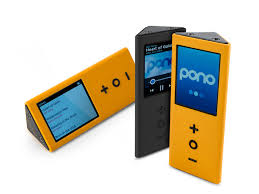
This leads me to Neil Young and Pono. Neil want to reboot the iPod/iTunes paradigm with a high-resolution store, an app for your computer and portable iPod-like device designed to play these files (via headphones or through your stereo). There is no technical innovation here. The high-resolution file formats exist. There are online stores you can buy them from. There are apps to play the files. There are iPod like devices. The innovation here is what iTunes and the iPod did – create an easy to use ecosystem that appeals to the masses.
This is a good enough idea that I am backing my first Kickstarter project (on day one even). I pledged three Benjamins to get one of the first ones off the line this fall. I don’t think this will be a revolution (I hope it will be). I just hope it makes enough of a splash that musicians will make the effort to record at the highest resolution they can afford (in a room that matters) and make their work available in high-resolution files and legitimate vinyl (not CD 44.1 16 bit files cut to wax). Hopefully kids will discover high fidelity.
But this is not without risks – and here they are:
- The masters better be good – it does not matter how great the technology – if the masters suck the high-resolution files will suck. The labels don’t have a good track record here.
- The cost – buying a Pono $300 to $400 seems like a reasonable cost compared to other high-resolution portables on the market. But the $15 -$25 price tag per album that sucks. When I buy a high-resolution copy of Bob Dylan’s Blood On The Tracks it will be the 5th time (vinyl, CD, remastered CD, SACD). My Spotify subscription is $10 a month. A 180 gram vinyl copy would be $25. So $15-$25 for a download album is too much! Sell me the high-resolution files for $5 – $10. Provide a 192kHz/24 bit FLAC “free” with the vinyl edition.
- The smart phone – when I am at home, I am going to listen to my high-resolution files via my PC/music sever/DAC/stereo. When I am on the go do I really want to carry another device? Especially when I will be competing with background noise? I think it will be hard to give up my iPhone and Spotify account – they sound good enough “on the go” and they are cheap.
So in summary I am excited by the promise of high-resolution digital and the music industry getting serious about sound. But I am just cynical enough to remind myself I can still cancel out of my Kickstarter Pono backing by April 15th 2014. It does not need to beat iTunes or the streaming services, if Pono can grab a little niche toehold in the music consumer market – kind of like vinyl has – I will call it a success. As of today, just a few days into the Kickstarter campaign, Pono has almost 11,000 backers and nearly $4 million raised. So I think we might have our toehold.

A couple of years ago I discovered Tord Gustavsen (The Well) and it reignited my love of the ECM label. I picked up this CD (note ECM only issues CD – no vinyl) without hearing it because I enjoyed the last one so much. I was not disappointed.
Tord Gustavsen plays a very contemplative style of jazz piano – kind of like Keith Jarrett on Valium. Imagine that feeling just as you are about to doze off on a carefree afternoon nap – that is the sound of Tord. Yet this is not audio wallpaper or a sleep machine – there is a soulful swing to the music. It is very engaging and richly textured. I love this kind of jazz – it can be background music, but it is deep enough to straight up listen too. You are free to engage as much or as little as you like. Every time I give this an alert and engaged listen I hear something new.
The Quartet is piano, bass, drums and tenor sax – I don’t know any of the players other than they are all Norwegian. The tenor sax (Tore Brunborg) is an absolutely wonderful member of the music conversation. He is not on all the cuts, but when he is it is stirring. The drums and bass add a gorgeous texture to the proceedings.
Highly recommended. For a sample see the ECM Tord Gustavsen Quartet Extended Circle site and click on “Music.”
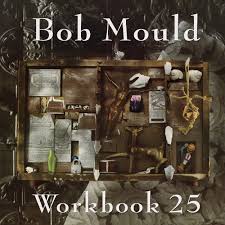
Bob Mould’s Workbook is one of the most important albums in my music library. I had not been a Hüsker Dü fan (I was a Replacements guy and if you read this blog you know I am consistently late to the party). I had some of their albums (I had to – I am a Minneapolis guy), but they never resonated with me. When I picked up Workbook in the spring of 1989 I was sold – Bob Mould was a genius.
I was a big Richard Thompson fan at the time and I was blown away by how much Mould channeled him – yet Mould claimed to be ignorant of the influence at the time he put these tracks down. On the surface Workbook denies Mould’s hardcore punk reputation. But Hüsker Dü always was much more than a typical hardcore band – they were subversives – sneaking melody and pop under buzz-saw guitars. In the review mirror of 25 years it should not be a surprise that Mould would pull a subtle masterpiece out of the ashes of Hüsker Dü.
The back story is that Bob was recovering from the nasty breakup of Hüsker Dü. He was living in a farm-house outside of Minneapolis. He wrote these songs and demoed them alone. He shopped them to Virgin who was trying to gab a foothold in the American indie-rock hot bed of the late 80s. Virgin got lucky – they bought a masterpiece.
Workbook mixes folk and rock to stage the reflections of a thoughtful man who just survived a hurricane. It is tender and edgy. It is joyful and cynical. It is the mature statement of a once angry teenager who is now a man. I am roughly the same age as Mould (and now that we are both in our mid-50s we even look a bit alike); this album really resonated with me – I was about to become a real man myself just a few months later with the birth of my son. The album has stuck with me over the years and as recently as a couple of years ago it was back in heavy rotation as I was recuperating from surgery while reading Mould’s memoir.
It has only been in the last few years that I finally “got” punk music and Hüsker Dü in particular. It is easy to see now why they were so important. It is tragic, yet only right, that they would self destruct despite recently hooking up with a major label. The foreshadowed by five years Nirvana who would take their innovation to the masses (Cobain would be the first to admit the influence).
I was excited to see Mould was reissuing Workbook on LP (on vinyl for the first time) and in deluxe CD package. When I went the Electric Fetus to pick up the LP, I was disappointed to see they vinyl did not have the bonus live stuff on the deluxe CD package – so I opted for the CD.
The CD sounds great. A much livelier mix; much more presence and wider sound-stage than the original CD (I like to think we have learned a thing or two about mixing CDs in 25 years). The original was great sounding CD – the reissue is even better. A great remaster.
But the real treasure here is the bonus CD (since I have listened to the original hundreds of times) of a live concert from 5/14/89 in Chicago (The Metro). The live presentation of the Workbook songs is more what you expect from a rocker like Mould – so it’s fun to have rough and raw rocking versions of the songs. The live set has a couple of songs that did not make the album, a brilliant cover of Richard Thompson’s “Shoot Out The Lights” that alone is worth the price of admission (Mould must have been curious about the comparisons that were being made), he rounds out the set with an acoustic solo rendition of three Hüsker Dü chestnuts. I am so sick of being screwed over by crappy bonus disks – this is redemption I needed to keep being “that guy” (AKA sucker) buying deluxe editions.
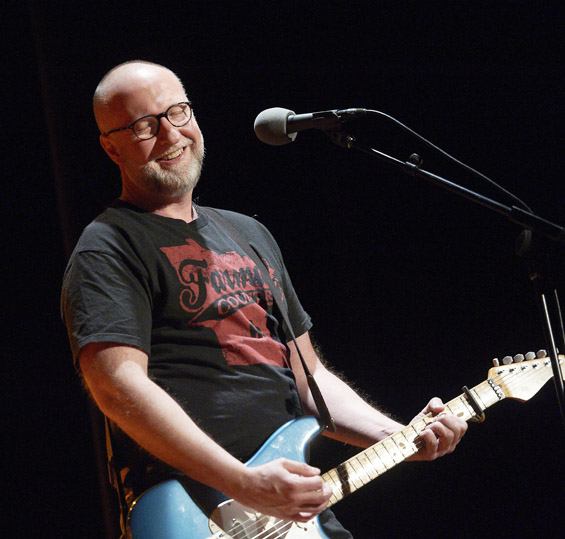
A joyful Bob Mould – photo from City Pages and my sorry iPhone snapshot
On to the recent Workbook 25 show in Minneapolis. For a professional review, a set list and better photos see City Pages.
I really enjoyed the show. First the venue is great – The Women’s Club Assembly is the perfect size for an artist like Mould and the theater seating is just what the doctor ordered for Mould’s aging fan base. The crowd was the most impressive collection of 50+ hipsters I have ever witnessed. Bob was in great form – he was energetic and joyful. He really seemed like he wanted to be there and the quote of the night from him was “For this record, I can say it: It’s good to be home.” He even wore a Minnesota themed shirt.
Mould attacked Workbook as the true Hüsker Dü alum he is – he was rocking. But that was also a bit of a disappointment too – as cellist Alison Chesley was pretty much silenced by Bob’s roaring strat. If he was going to play like this I would have rather had a drummer than a cellist – but that is really my only disappointment.
In addition to the Workbook songs, Bob played a smattering of his other solo work, a couple of Sugar songs (damn I loved Sugar! in the 90s!), a song by his backup players’ band (Verbow) and a Hüsker Dü song as a tease. Over all a great show – good enough to help me forget my aching back (that is another story) for 105 minutes of rock and roll nirvana. PS – “See A Little Light” gave me goosebumps (see Bob play it a couple of nights later on Letterman).
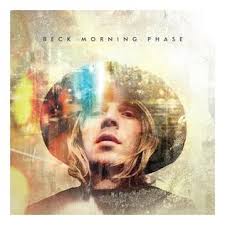
I came to Beck well after his first splash in the early 90s. When “Loser” was in ubiquitous rotation I assumed that Beck was just a novelty act. I somehow completely missed Odelay the first time around. I became a fan after the one two punch of the “R&B Beck” of Midnight Vultures and the “sad-Beck” of the melancholy classic Sea Changes at the turn of the millennium. Then I backtracked and realized what a true genius he was on Mellow Gold and Odelay. After Sea Changes I would religiously pick up his latest release, but those albums never resonated with me. So I as pretty excited to hear the pre-release hype for Morning Phase which suggested a return of the “sad-Beck” and a sequel of sorts to Sea Change.
Well it lives up to the hype. If you liked Sea Change you are going to like Morning Phase. As much as I liked Sea Change it seemed like an experiment, whereas Morning Phase feels more natural/organic. A suitable album for a pop star’s first album in his 40s. The album has lots of Classic Rock flourishes: a bit of a Moody Blues, the mellow side of Pink Floyd, the ballad side of Elton John, Nick Drake, Neil Young and even some Simon and Garfunkel. It is very atmospheric and wonderfully melancholy. The arrangements are rewarding and only reveal themselves slowly after repeated listens – the first couple of passes it sounds muddy and dull – so hang in there and give it at least five attentive listens – there is a payoff. It is great to have the Beck I love back in rotation. A little taste below:

 Axl's Catch Groove