
Bob Dylan, like his state-mate Prince, continues to know how to play the PR game keeping his name in the press regarding his latest artistic expression. The headline is that Shadows In The Night is Dylan’s Frank Sinatra album. Is it a joke? Is he being ironic? Is he just another aging pop star trying to make a quick buck of the great American songbook?
Well I am here to tell you Dylan is serious and that he has approached this project authentically. Let’s backtrack – Dylan has always been a musicologist, with expert knowledge of the last couple hundred years of the people’s music (pop, rock, folk, country, blues, etc.). Throughout his career he has returned to the musical equivalent of comfort food. He clearly loves the kind of music Sinatra made famous. It is hard not to be a pop music fan and not appreciate what Sinatra could do with a song.
Every few years I am reminded of Sinatra’s greatness: a song in a movie, an old clip on TV, an accolade by a respected musician, a cover version, crate digging, etc. Today it is this devoted tribute by Dylan. A great cover song of well established songs needs to be reinvention, if not a deconstruction. The cover needs to have the fingerprints of the originator and the interpreter. Shadows In The Night hits it out of the park. This is clearly a Dylan album, but it is also a tribute. It bangs you over the head with how truly great the Great American Song book is both lyrically and musically. And who, frankly, would know better than a the melded mind of Sinatra and Dylan.
My first listen to this LP (yes I am listening to the vinyl version) sounded a bit like Dylan was acting – pretending to be a crooner. I tweeted that Dylan’s croon sounds like the Electric Fetus’s floors are creaky (which is one of the best sounds in the word). But repeated listens to this album reveals Dylan’s authentic voice.
He has been hinting at this album since Time Out Of Mind. On each of his albums over that last 15 years, Dylan has written and performed original songs that would not sound out-of-place on Shadows In The Night. On his latest tour he has been playing “Stay With Me,” which is an obscure song affiliated with Sinatra. When I heard this song at Dylan show this past fall it was the highlight of the night. I assumed it was a Dylan song I had not heard before. It was only afterwards, when reading reviews, that I learned it was part of the Sinatra catalog. That night Dylan gave that song the most love of any song of the show and his most conventionally beautiful vocal treatment. The phlegm had been cleared away for this treat.
Dylan makes these songs his own. First and foremost this is the best “Dylan Voice” in years. It is as unique as his Nashville Skyline voice. And like that voice, Dylan is not being a mimic, but he is in a mood: late at night, reflective and slightly sentimental. This voice is proof that his current gravel of a voice is intentional and not a damaged wreck. Second he has arranged the songs for the Bob Dylan Band (not the traditional Nelson Riddle treatment/mimic). The primary instrument is pedal steel (an unusual, yet perfect choice – it is like a sob in the night). Third Dylan has clearly study these songs and thought about how he would present them – it sounds intentional and not tossed off – and that is a good thing. The album has a melancholy feel both lyrically and musically which seems appropriate to where Dylan is in his career and life.
The important message I want to report is that this album works – it is not a novelty album, but a legitimate artistic statement by one of the most important pop artist of our time. That message is that great songs are great songs. Songs so great that Dylan would perform them in a tender and wistful manner. Dylan once said:
Steal a little and they throw you in jail
Steal a lot and they make you king
On Shadows In The Night, Dylan is king. I have listened to this album about ten times this week and every time I hear it sounds better and moves me more. Another brilliant Dylan surprise. Dylan’s voice and phrasing are the perfect vessel to carry these gems into my ears.
Unfortunately Sony and Dylan decided to not put this album on Spotify – hopefully it will show up later. In the meantime here is a playlist of the Sinatra “originals.”
While writing up my best of 2015 I noticed the album was now on Spotify:
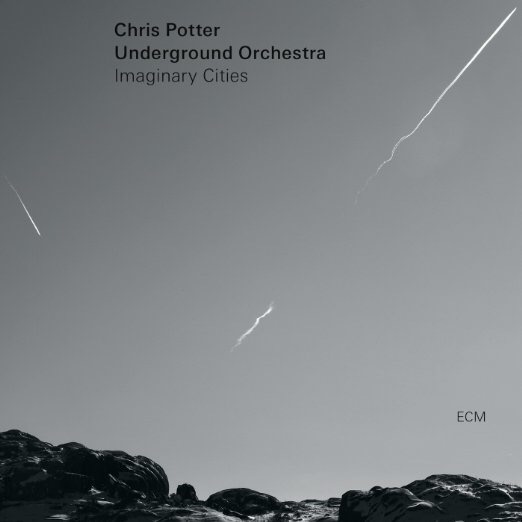
I discovered Chris Potter through Pat Metheny’s Unity Band album. I even had the privilege of meeting Potter when the Unity Band played at Minneapolis’ Dakota jazz club a few years ago.
Potter is a great instrumentalist (he plays tenor sax, soprano and bass clarinet on this album), but he is also an inspired composer. I am not familiar with Potter, outside the context of Metheny’s bands, so I don’t know how this album compares to the rest of his catalog. If this album is representative – I have been missing out. This is a great album and it will be on my 2015 best of list for sure.
The basic concept is for Potter to take his regular working band (Underground, an electric “groove”-based ensemble featuring Craig Taborn on keyboard, Adam Rogers on guitar and Nate Smith on drums) and puts it an acoustic context and augments it. The primary augmentation is a string quartet, but there is also vibraphone and marimba – thus this group is dubbed Underground Orchestra.
I assume Potter has been inspired by his boss Metheny, because the album has a strong Metheny vibe: gorgeous melodies, elaborate (yet tasteful arrangements) and when appropriate – shredding! Where Metheny would orchestrate with keyboards, his synth guitar or his Orchestrion, Potter uses players.
Potter is a great instrumentalist (tenor and soprano sax, bass clarinet) and great composer (the album is all originals). The album opens with a four section suite that mixes jazz and classical elements, but this is a jazz album. Potter plays gentle melodies and wild solos and it all works. The arrangement are top notch. This album is both easy to listen to and complex filled with deep textures. I look forward to exploring it further.
PS – this album is on ECM – a label that has never failed me!


For a few years now my wife and I have had this fantasy that we would retire to New Mexico – yet we had never been there. Well we finally visited for a long weekend. Specifically we visited Santa Fe. We had an image of New Mexico, Santa Fe in particular, as a hip place to live – we assumed it had better weather than Minnesota and would be sunny most of the time. Our assumptions were mostly on the spot (January is winter in Santa Fe, better than Minnesota, but still winter). January is about as off-season as you can get in Santa Fe, but it worked into our schedule so we went anyway. The short answer is it is definitely somewhere we could imagine living – we liked the vibe and we will be back.
Highlights:
Accommodations – Sage Inn: We stayed at the Sage Inn because it was reasonably priced, a good location and it had decent reviews. I have to admit that when we drove up to hotel it was less than impressive. But we will definitely stay there again. The rooms were clean, nicely decorated, it had a better than average hotel fitness room, free breakfast, the location is great (a quick free shuttle ride to the Plaza and within easy walking distance of the Santa Fe Railyard) and a great value. We hate spending a fortune on a hotel when we are sight-seeing – we just need an inexpensive and decent place to lay our heads – the Sage Inn met and exceeded our expectations.
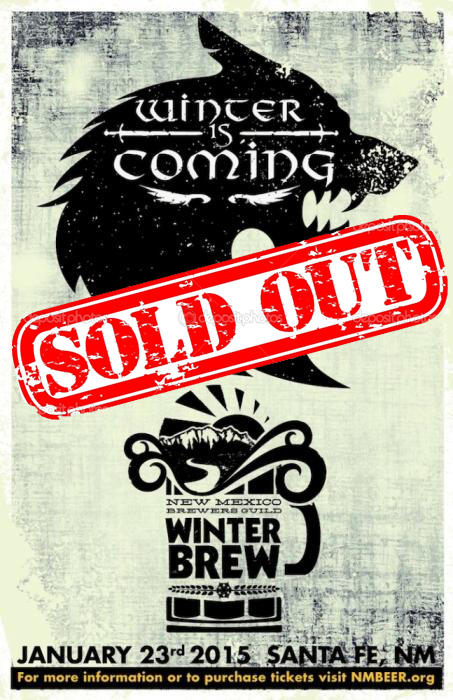
Event – WinterBrew: – My wife had the good sense to Google what was happening the weekend we visited Santa Fe and bought tickets to New Mexico Brewers Guild WinterBrew. The event had 16 New Mexico breweries gathered for a cozy winter evening inside the Santa Fe Farmers Market hall. Great beers, great conversations with some locals and frankly it felt like home.

Best Local Brewery and Beer – Marble Double White – Ronnie (who by the way was the best Santa Fe ambassador/sever we experienced in Santa Fe) at the Blue Corn Cafe gave me a mini beer festival on night number one of our visit to Santa Fe. The hands down winner was Marble Brewery‘s Double White which is the Belgian White Blue Moon wishes it was – fantastic flavor. It was the best beer I tasted at the WinterBrew festival too. Every Marble I tried was great.

Best Eats – Vinaigrette – By day 3 I had bloated myself on tacos, chips and beer and I needed a change-up – Vinaigrette was just what my stomach ordered. Focused on salads – I had the Spinach-Mushroom Salad with scallops and it may have been the best salad I have ever had. My wife had a daily special that was kale based and it was just a spectacular. We finished off with their flowerless chocolate tort, which, to my simplistic taste buds, was the best brownie I have ever had.
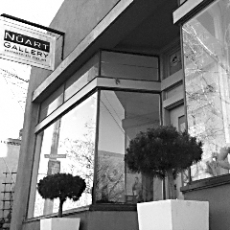
Best Gallery – NüART Gallery: My wife and I are not visual art people – we go to a museum about once a year and collect rock and roll posters (and only for shows we have witnessed) and some posters by local Minneapolis artist Adam Turman. But when in Rome… I knew Santa Fe was an art gallery town – but honestly I had no idea that there would be so many galleries (Santa Fe boast that they are the only city in the world with more than 200 world-class art galleries in two square miles). It turns out the Santa Fe gallery scene is world-renowned. It was beyond my comprehension how they could all stay in business. We probably visited about 25 galleries. I was struck by the art, but also by the galleries themselves which were amazing spaces. My favorite – not necessarily for the space – which was great – but the collection and the very friendly and informative gallery employee – was NüART Gallery. I really liked the work of Michael Bergt who had powerful images of human body that had a Aztec feel. I also like the work of John Tarahteef which appeared to me as whimsical realism.

Best Record Store – The Guy In The Groove: As great as the art galleries are in Santa Fe the record stores are pretty underwhelming (especially by my Twin Cities and Chicago standards). I found two: The Guy In The Groove and The Good Stuff. Both had very small inventories, but The Guy In The Groove had a much more interesting inventory. The Good Stuff had the better hangout ambiance. But in the end it is about the inventory and The Guy In the Groove was small but mighty (see me digging above). I picked up a very nice copy of Herbie Mann’s Right Now (1962 in mono to boot!) for $5 and a couple other jazz titles. He had some other cool stuff, but given the price (not unfair mind you) I would have wanted to sample first. Given I was from out-of-town I would be in no position to return it (the shop has a very fair return policy). Based on the three titles I picked up the store stocks clean wax. The inventory had some pleasant surprises – where on earth did a vinyl copy of Neil Young’s Mirror Ball come from? If there is enough turnover in the inventory, this could be a regular dig for me (I will definitely give it second taste the next time I am in town).

Surprise – El Museo Winter Market: After spending some time at the Saturday Farmer’s Market (which was inside – yet another great Santa Fe interior) my wife spotted an unassuming sign across the tracks. “Lets go see what that is” she suggested and so we went over and poked our heads in. WOW – this was part art fair, craft show and upscale flea market. Totally cool.
In summary: I have never been to the high desert and you can see why it captured the imagination of Georgia O’Keeffe. It is an exotic beauty – especially for an arctic-cat like me. Given it was off-season we kind of had the place to ourselves – which was kind of cool and creepy at the same time. The architecture is not that interesting from the outside, but the interiors of the various buildings were amazing. How a place with such a great outdoors has such cool insides is beyond me. Most of all this was a long overdue getaway for my wife and I. Love you Pea – thanks for making it happen!

This post introduces a new music review category: Lost on the shelves. When you have as much music as I do there are some great titles that get lost in the mix. They may have been albums that I loved at the time and then got sent to the back burner, but more often they were not fully appreciated at the time.
To those of you who know me or have followed this blog you know that Radiohead’s Kid A was a traumatic event in my music listening career. I was so into The Bends and OK Computer – I had great expectation for Kid A. I remember distinctly picking up the CD the day it came out. I had brought my daughter to gymnastics (she was 9 at the time) and I had a nice quite hour to listen to it in the car with no interruptions. It was a classic WTF? moment. I was so disappointed by the new direction that Radiohead had taken – however the rest of the music world was completely enchanted. It took me years to finally get the genius of Kid A.
So when Hail To The Thief came out it was a relief to that they had rediscovered their electric guitars. I have been recently listening to Thom Yorke’s Tomorrow’s Modern Boxes, so on a recent cross-country ski workout I dialed up Hail To The Thief on Spotify. It had been a long time since I had given it a listen and I was reminded how great it is. I specifically listened to the collector’s edition which I had never heard before. The bonus material is really good (most deluxe/collector’s editions are worthless – but I still buy them with the hope that they will deliver like Hail To The Thief does).
Hail To The Thief nicely reconciled the classic sound of OK Computer with the new sound of Kid A. At the time Kid A sounded like an experiment and tossed off. In reality Radiohead put an enormous effort into it. Hail To The Thief sounds well-tended to – in reality it was tossed off. Yorke reported at the time: “The last two studio records were a real headache. We had spent so much time looking at computers and grids, we were like, that’s enough, we can’t do that any more. This time, we used computers, but they had to actually be in the room with all the gear. So everything was about performance, like staging a play.” Most of Hail to the Thief was recorded in two weeks.
Giving it a fresh listen to it this week has been quite amazing. I have played it through about five times and it is classic Radiohead – they ride the fine line between pop music and truly adventurous experimental music with finesse. It has a very live sound. I love the big guitars and drums – and Yorke’s voice is always amazing. You can’t have a great band without a great vocalist and Yorke always delivers. When you listen to this and realize that this is one of their “minor works” it says a lot about them and why they are so important. This is a tossed off and it is still a masterpiece. Rediscovering Hail to the Thief has me excavating their whole catalog and solidifying my belief that Radiohead is greatest band of their generation.

Court and Spark was one of the first pop LPs I really got into when I was a young man first discovering pop music. I came to pop music late (a freshman in college), Prior to that I was a music fan, but mainly jazz. It was not that I was a jazz snob, I just had limited exposure to pop music.
My introduction to Mitchell came much earlier in life when I was in grade school and learned to play “Both Sides Now” on the flute. It was a major pop tune of the day (made famous by Judy Collins, not Joni). But it was not until college, when I met my first musical mentor Paul, that I really discovered who Joni was. I immediately fell head over heals – Joni was my first pop crush. She was smart, a unique beauty and had a an adventurous voice that transcended folk and jazz. Her songwriting was deep both lyrically and musically.
Court and Spark entered my soul one night in college when my buddy Paul rolled and sparked one, dimmed the lights and put on the LP. We listened to it though silently and I was blown away. I have been exploring that album ever since (nearly 40 years) and have never tired of it. I am still amazed by all of it: the cover (painting by Joni and raised lettering), the pop jazz arrangements, the songwriting, her voice and the pure Joni-ness of it. It is a great reference record for test driving a stereo.
I love her whole catalog, but this is her masterpiece. After this album she would slowly turn her back on being a pop star and move towards being a jazz musician. Prior to this album she had evolved from folkie to pop singer-songwriter (a genre that she helped invent). This album represents the pinnacle of where she came from and where she was going. Its has the Laurel Canyon singer-songwriter vibe (which is still mined today by artist like Ryan Adams and Jenny Lewis), but it is how the album embraces jazz that makes it a unique piece of pop. The story goes that Joni was getting frustrated trying to communicate her vision of her music to her usual backup musicians – she would describe what she wanted in visual terms: colors and textures. It was not working and so someone told her to try jazz musicians – they would get that language – and the rest is history. Joni started playing with jazz cats and never turned back. For example the Crusaders are basically the band on this album.
The album starts out with the titular track. This is a moody piece focused on Joni’s voice and piano. A wonderful portrait of a tenuous romance. Like most of the album it embraces elaborate pop jazz arrangements.
“Help Me” is the pop hit. The music perfectly augments the lyrics description of the free fall of falling in love. Great jazz influenced arrangement and Joni’s voice soars and dives like a seagull. The song has a great ending – it fades like a gorgeous sunset.
“Free Man In Paris” is wonderful cinematic reminiscing of a simpler time juxtapositioned with the current moment where Joni is overwhelmed by her success. The music has a sexy swagger and screw you attitude that hides under the pop sheen.
“People’s Parties” leans more on the Blue album sound. The song lyrics wonderfully captures the fish out of water awkwardness of certain social situation – that I don’t want to be here vibe. The song has one of my all-time favorite lines from a song: “laughing and crying you know it’s the same release.” It wonderfully segues into the final song of side one “The Same Situation.” The song captures the contradiction of being a successful women yet the need to belonging to a man. The voice of the song is not proud of this contradiction, but it is honest.
Side 2 starts out with “Car On The Hill.” We have all been there – waiting for someone to show up and not quite confident if they will or not. The song really embraces the pop jazz sensibility. Great arrangement – a three-minute pop symphony.
“Down To You” again is a shade of Blue, but with more pop sophistication. Lyrically the song captures a man: both tender and hard (“you’re a brute – you’re an angel”). The song has great instrumental bridge that is yet another little pop symphony.
“Just Like This Train” has that great sunset on the beach feel to the music. The song is very visual, yet at the same time philosophical. It has great lines like:
I used to count lovers like railroad cars
I counted them on my side
Lately I don’t count on nothing
I just let things slide
“Raised On Robbery” is a rock and roll song. It captures the careless of youth: wasting money and stealing hearts.
“Trouble Child” provides more southern California beach vibe. Lyrically the song captures the beauty and the terror of a talented but screwed up young person: “trouble child breaking like the waves at Malibu.”
The LP ends with “Twisted” a rare cover by Joni. The song adds humor to the proceedings. But it is the same introspective and brilliant women from the rest of the album. The song foreshadows the straight jazz that Joni would embrace in a few more years. The original was a jazz underground hit in the early 50s by Annie Ross. Joni does a brilliant cover.
Joni Mitchell is great singer-songwriter and this is an accessible pop masterpiece. I would have a hard time picking my favorite Joni album, it would depend on my mood. But if there was one album to make an introduction to Joni, this would be it.
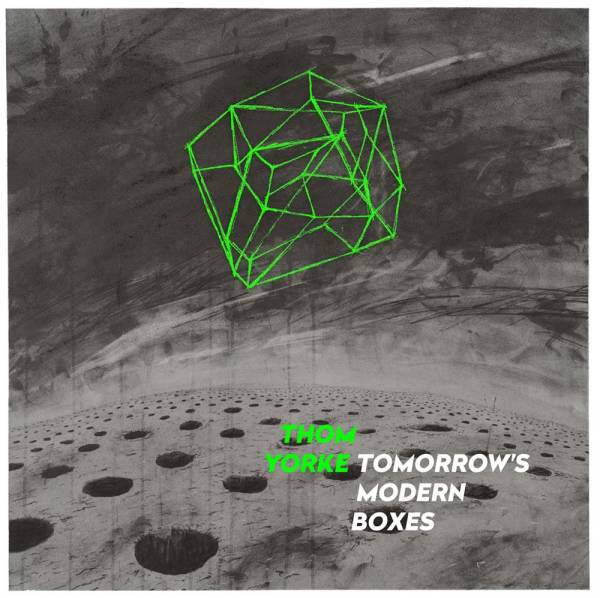
I am a bit late to the party, but I have finally given Thom Yorke’s latest a listen. I admit I was a bit put off by his delivery model. But I am finally over that. I like physical media, but I don’t want to pay $50 for mail order vinyl either. I like streaming, but Thom won’t let me. I do admire that he, like Taylor Swift, has found a way to get paid handsomely for a recording.
I am not a big fan or very knowledgeable about this style of music. I have listened to a little Aphex Twin (which I kind of like), but stuff like Skrillex makes my teeth hurt. Yorke’s music is not that far from the more ambient side of Pink Floyd. More sound effects than songs. I am too ignorant to categorize it.
I like the album and I find it more accessible than The Eraser. This is not OK Computer, but that ship left the port 15 years ago. The innovation, is not in the underlying music (which is pretty standard ambient techno ear worms), it is Yorke’s voice – which has never sounded better. This is minimalistic soundscapes with York’s ethereal voice hovering over the beats. It is mellow and dreamy. It is not amazing, but it is lovely.
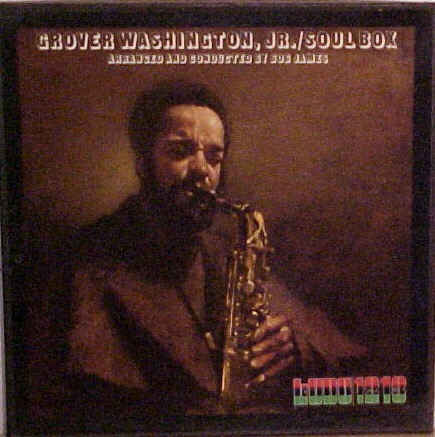
I have had various LP copies of Soul Box over the years, but I recently came across an original box version for just four bucks at Logan Hardware in Chicago.
Grover Washington Jr. is one of the great purveyors of soul jazz and this is one of his early works (before he went too soft with smooth jazz). It is a two LP set most commonly found (usually cheap) as two separate LPs: Volume 1 and Volume 2. The set was arranged by Bob James and the sidemen are a who’s who of soul jazz (e.g.: Idris Muhammad, Eric Gale, Ralph McDonald, etc).
Washington has two modes: sappy smooth jazz (he helped invent the format) and funky soul jazz. I think you can figure out which I prefer. Volume 1 side 1 starts with the sweets: “Aubrey.” This song defines smooth jazz. Fortunately it clocks in at under 4 minutes; it is the weakest track on the album. Next up is “Masterpiece” which defines soul jazz. Slow simmering funk seasoned with a cinematic orchestra. This is the Washington I love. Side 2 is a sweet cover of Marvin Gaye’s “Trouble Man” clocking in at almost 16 minutes of soul jazz bliss. This song alone is worth the price of admission.
Volume 2 starts with some more syrup – a cover of Stevie Wonder’s “You Are The Sunshine Of My Life.” A classic melody, but the funk has been pretty much been drained out of it. But still more soul than the average smooth jazz cut. Next up is “Don’t Explain,” a ballad/standard associated with Billie Holliday. This is the closest to straight jazz on the album. A gorgeous ballad that does not get too sentimental and allows for several nice solos. There are some cool orchestral moments too. Pretty epic sounding cut.
Side 2 starts with a melody of “Easy Living/Ain’t Nobodies Business If I Do.” The song starts with a very melodic Washington solo over an orchestral foundation. It then segues into some groovy funk. The final cut is a Billy Cobham (I love drummer-composers) song “Taurian Matador.” Think Weather Report with an orchestra vs Zawinul’s keyboards. The most challenging cut on the album, but worth the adventure.
This is a nice inexpensive introduction to Grover Washington Jr. (Mister Magic is the bomb, but is pricy in vinyl). The box comes with a nice long set of liner notes that are missing from the single album versions.
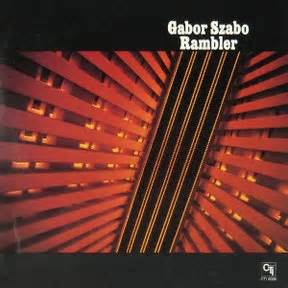
I was bragging the other day to another crate digger that I have never unintentionally purchased a duplicate of an album in my collection. Amazingly I occasionally find albums I did not know I even had. The other day I was looking for another record and I found this album. I have no recollection of buying it, but given its location in the pile it must be from the last year. I assume I picked it up because it was a CTI release. When I picked it out of the pile I could not even tell you what instrument Szabo played (electric guitar).
I have no idea if this is album is representative of Szabo’s work, but this is very sweet soul jazz fusion LP. After Googling Szabo I learned he had recorded “Breezen'” before George Benson and in fact accused Benson of stealing his arrangement. Carlos Santana is said to be a huge Szabo fan. So I am guessing this album is fairly representation and I will be looking for more.
The album opens with a composition by the session’s bassist Wolfgang Melz (who wrote 5 of 6 of the albums cuts) called “Rambler.” It has that folk jazz flavor that Bill Frisell has perfected. The whole album is graced by Bob James arrangements and keyboards. It is kind of dated sound, but I find that kind of cool. Very 70s.
“It So Hard To Say Goodbye” is a beautiful melancholy song that sounds like its title. This is not far of from a Pat Metheny ballad.
“New Love” has that mid-70s George Benson feel – very smooth pop jazz. Szabo has his own tone and voice – he does not sound anything like Benson – just that similar pop jazz style. Very melodic stuff.
“Reinhardt” starts side two and is the coolest song on the album (see YouTube below). It has a Gypsy jazz sound (named after Melz’s son vs. the Django) with all kinds of cool disjointed twist and turns. It reminds me visually of odd angles (a good match to the album cover).
“Help Me Build a Lifetime” could easily be a Jimmy Buffett song – it is like a nice day at the beach.
The LP ends with “All Is Well” that would not sound out-of-place on Joni Mitchell’s Court and Spark album. My next favorite cut on the album. It has that classic waves lapping at the shore feel to it. This is the only non Melz (Robert Lam) composition on the album, but it is not out of place.
This is what crate digging is all about – buying an LP you know nothing about for a couple of bucks based solely on the label (for me CTI is so reliable) and being blown away by it. I will be definitely digging into Szabo’s catalog.
This year’s “best of” is going to be a bit of a hodgepodge – not strictly my top albums – but everything is music related. There is no particular meaning to the order of the list except for my Album of the Year and its runner-up.
Vinyl Comeback
I have more vinyl records than the average person. I have been amazed by the resurgence of the medium. But for every news story about the LP’s comeback and endless variations of graphs showing the slow, but steady climb of vinyl over that last 20 years, I have to remind myself how inconsequential current sales figures are in historical terms (US sales could break 8 million units in 2014 compared to 344 million units in 1977). When you take a longer view it looks like this:
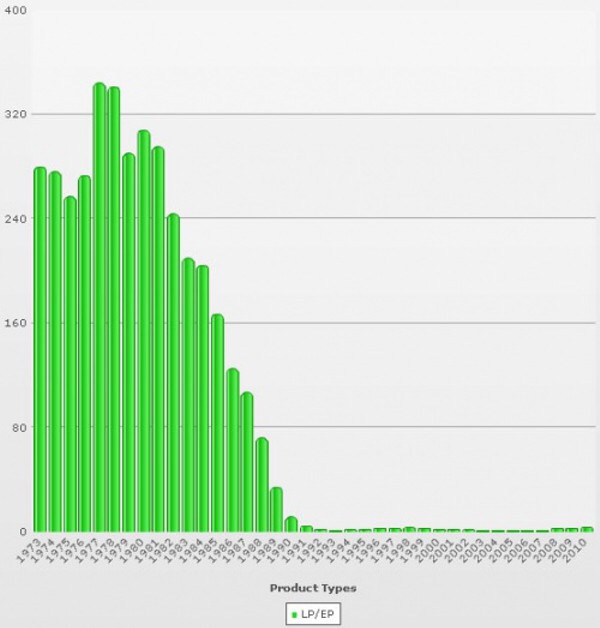
But underneath this vinyl surge is the reality that the recording industry will never make the kind of money it did in the glory years ever again. There is a lot of gnashing of teeth on behalf of recording artists not getting paid these days, but lets face it, hardly any recording artist made game changing money over that last 100 years. Most were like NFL players – a few good years and then a life of poverty or moving on to something else. Most had been screwed by a record company or publisher. At least now an artist has full control of their destiny – even though the odds are against them (but they were always were the houses’ odds). I read a great article this past year that put things in perspective.
The record business as most people know it, was just a short hundred-year blip in the 40,000 year history of the music business. A stopgap to solve a temporary problem that existed between the invention of sound recording (1890’s), and the invention of the internet (1990’s).
I could not be happier that the record stores are popping up like mushrooms after a rainstorm, that Record Store Day exists, for new releases on vinyl, etc. But I also realize this is potentially a fad and a cult at best. My own return to vinyl has been gathering steam for several years. But the reality is that more than half my listening is digital and most of that is via streaming (Spotify). Convenience wins.
This year I tried a CD quality streaming service (Tidal) – I could not justify paying double the price of Spotify to listen to music on my phone via cheap earbuds. I was a day one supporter of Pono only to cancel to fund a new cartridge for my turntable. I made a great memory when my daughter bought her first turntable. But like me, most of her listening is digital and driven by convenience vs. great sound. My wife a and I celebrated 30 years of marriage: she got a ring and I got an Oppo. So I love my vinyl, but I am all in on digital too.
But nothing gives me greater pleasure in my listening life that pulling out a record, setting it on the turntable, cleaning it and setting the needle in the groove. Even with surface noise there is something special about the sound that can’t be met by digital (until you get to really high-resolution versions). It could be the sound, but I think it is more about the ritual and the engagement you are forced to have listening to record. Vinyl welcome back – you were never gone – just kind of forgotten by the mainstream.
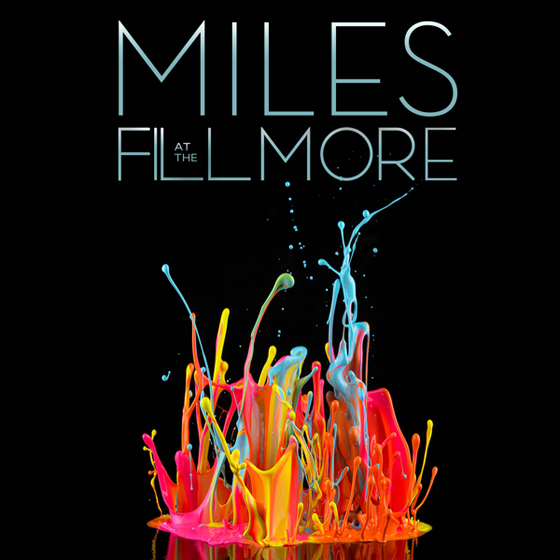
Miles At The Fillmore – It is a toss-up on who I have spent more money on over the years: Miles or Dylan. 2014 there was yet another great Miles reissue/new archival material: Miles At The Fillmore. Whoever thinks that Miles sold out when he went electric just needs to give a collection like this a spin – this is some of the most intellectually challenging music I have ever listened too. And at the same time some of the funkiest.
Oppo 105D


This is the digital age, yet I have never had a high quality disc player. My wife bought me this player as a 30th wedding anniversary present – and what a great player it is. It plays every disc imaginable and is a high quality DAC besides. The Oppo 105D has enriched my listening to digital media. Pricy, but not bad compared to other high-end audio equipment.
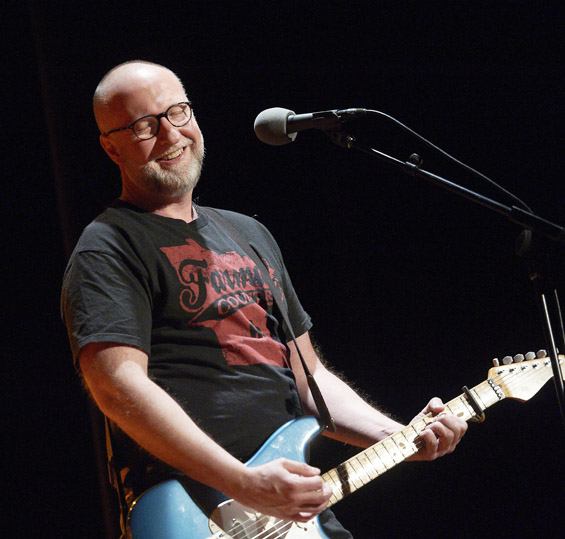
Bob Mould – Workbook Reissue and Beauty & Ruin – It was a nice year for Bob Mould and me. I got to see him at an intimate show at the Women’s club, but missed out on an even more intimate show at the 7th Street Entry (I think it sold out the second Mould had the idea of doing it). A reissue of one of my top 10 albums ever (Workbook) and some nice new material (Beauty & Ruin).
I did not get an opportunity to review Beauty & Ruin so I will give you a quick one here. This is mature reflective rock from a middle-aged punk. Which fits me just fine as I am middle-aged (but not much of a punk). Bob knows how to mix jangle and buzz saw guitars better than anyone. Reflective and loud at the same time – terror with a wink and a smile – quintessential Bob Mould.
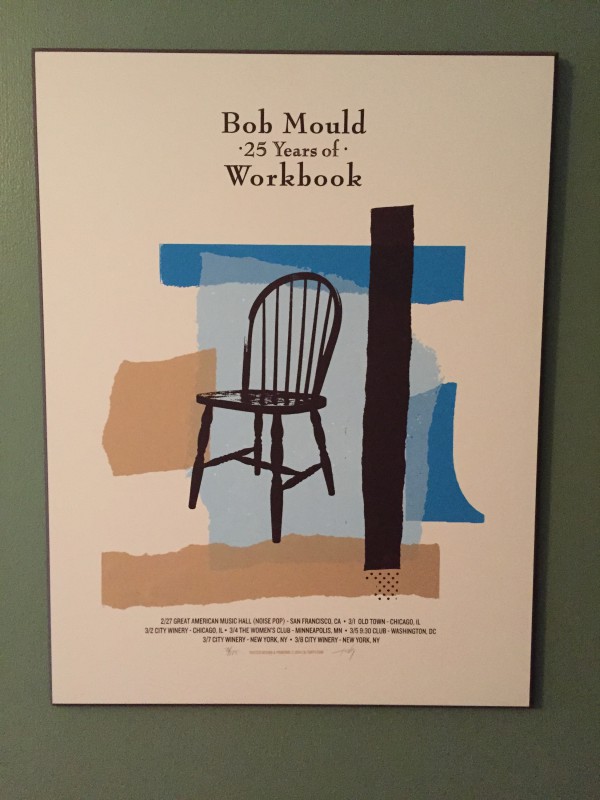
P.S. I got an amazing poster out of the deal too!
Keeping a Minnesota inspired theme…
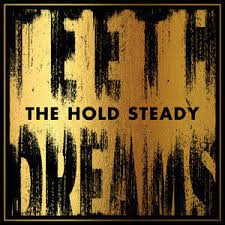
Hold Steady – Teeth Dreams
One of the more clever best of lists I read this year was titled “The Best Tom Petty Albums of 2014” and this album was on that list and it is on mine. This is just plain great rock and roll – a great bar band swinging for the fences and making it. When straight rock and roll is done this well it can’t be beat.
The Replacements at Midway Stadium (St. Paul, MN)
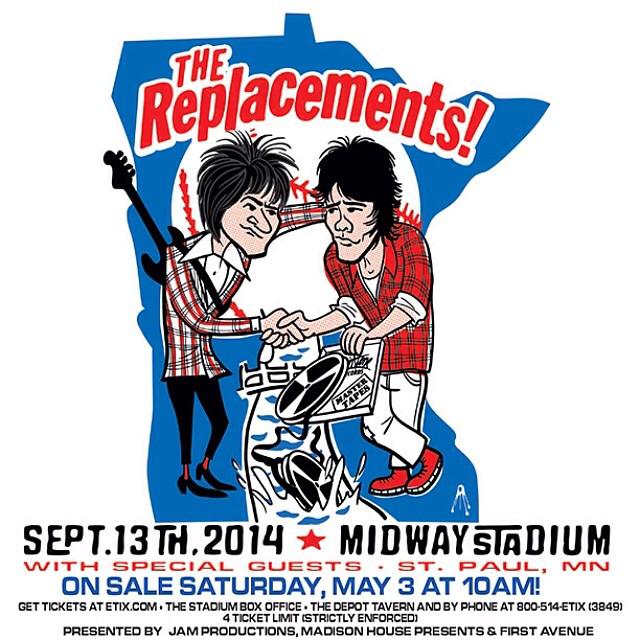
I had no expectations about this show – I was just glad to be there. Well the boys delivered. They were rehearsed, they played with passion – they played like they cared. It was a perfect flannel September evening in the Twin Cities. It was beyond exceeding expectations – it was rock and roll transcendence.

Pat Metheny Unity Group – Kin (<->)
This album has grown on me. When it first came out I was a bit too enamored with the first two Unity Band albums. But time has helped me appreciate this subtle refinement. I love Metheny with a saxophone.
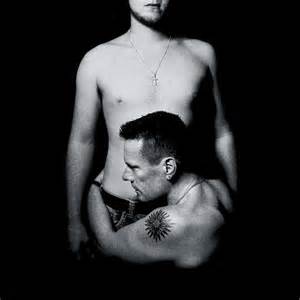
U2 – Songs of Innocence
Despite all the controversy this is actually a decent album. U2 is pretty irrelevant as a contemporary act, but this is a great gift to their legion of fans. Lyrically the album reflects on their early history. Sonically they update the U2 sound courtesy of Danger Mouse. It sounds better than last couple albums. U2 has never been afraid of the spotlight and I kind of get a kick that they figured out a way to actually piss people off at this late point in their career – intentional or not.

Ryan Adams – Ryan Adams (plus a bunch of 7 inch)
There was a time in Ryan Adams’ career where he issued so much material it became hard to keep up with him. He had slowed down recently – but he is back with a vengeance with a new album this fall and a new 7″ every month for the last several months (generously available on Spotify for the vinyl and financially challenged). The album was pure Ryan Adams alt-county ear candy that enhances his brand. The 7 inch records allowed Adams to experiment with his many muses.
Northrop Auditorium – Minneapolis (University of Minnesota)
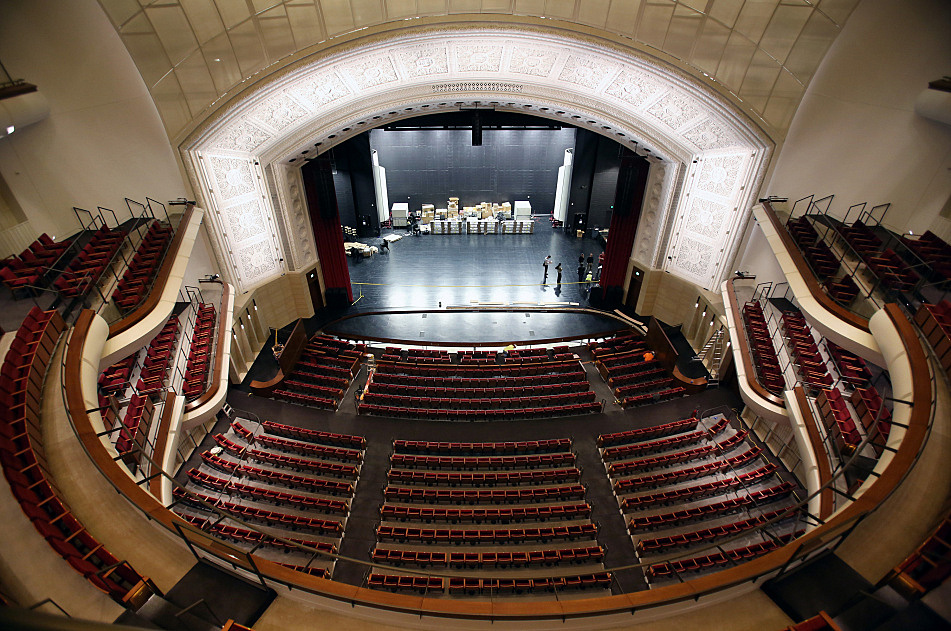
Northrop had an extensive renovation and reopened this year. I went and saw Ryan Adams and it was the best sounding show I have ever heard. I have seen Ryan Adams a couple of times at the State Theater in Minneapolis so I know he knows how to present his sound well – but this was something altogether different – the sound was so pristine. Every instrument was clear and distinct. You could hear the player’s footsteps on the stage. I have got to see another show at this venue to verify, but this could be the best sounding venue in the Twin Cities. A lot of bands don’t know how to play in an acoustically great venue – typically playing to loud. So some credit goes to Adams and his crew.
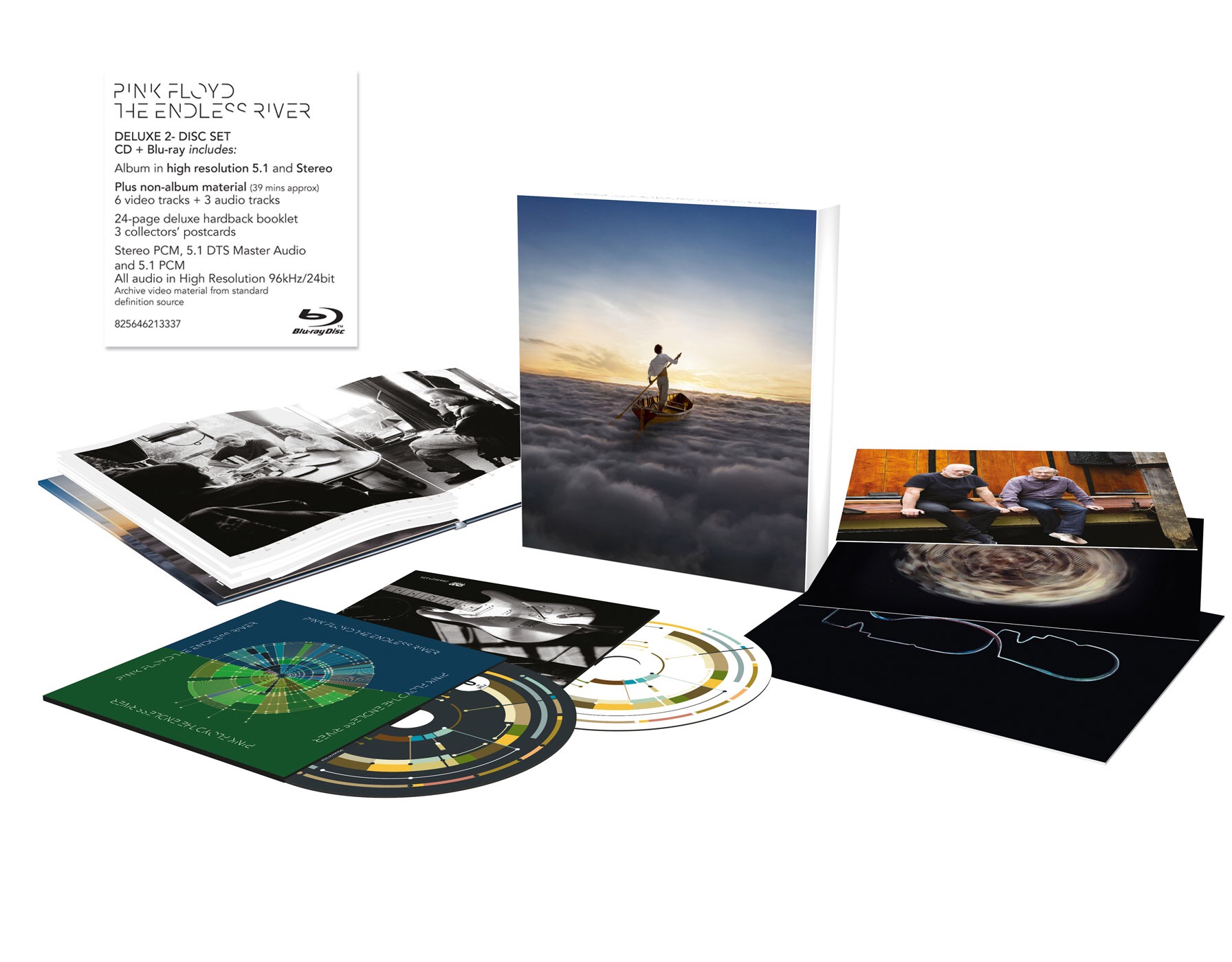
Pink Floyd – Endless River (Blu-ray)
This was my first try at a the Blu-Ray format for audio and it sounds great (my comparison point was a CD and Spotify – sorry no vinyl). As for the music, as I stated on my original blog post, this is pretty inconsequential release in the Pink Floyd catalog – but still is great. Simple ear candy.

Lucinda Williams – Down Where The Spirit Meets The Bone
The last several Lucinda Williams albums have not really resonated with me, but this one really did.
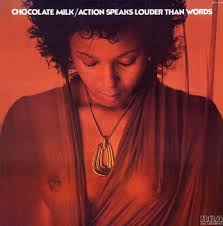
Milk Chocolate – Action Speak Louder Than Words
This was one of my Record Store Day discoveries this year. Sophisticated funk from the Earth Wind and Fire school with a New Orleans twist.

Atmosphere – Southsiders
It is great to see a group that is well into their career continue to put out quality material. For me this is as good as anything in their catalog. Got to meet the boys too!

Tord Gustavsen Quartet – Extended Circle
This is jazz that is both mellow and regal a the same time. Gorgeous stuff.
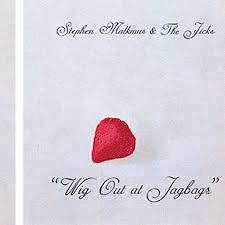
Stephen Malkmus & The Jicks – Wig Out at Jagbags
It has been a long year and I almost forgot this early release. Malkmus is brilliant at juggling indie-rock hipster with classic rock. Guitars, guitars and more guitars.
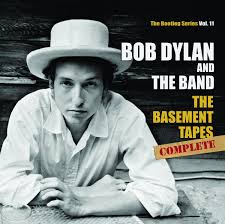
Bob Dylan – The Bootleg Series Vol. 11: The Basement Tapes Complete
This is one of the most legendary sessions in the history of pop music. I have barely dipped into this treasure chest. I like that this was issued warts and all – a true fly on the wall experience of one of Dylan’s great creative periods where there were no pressure to be Bob Dylan – just a simple songwriter hanging out with buddies. I never understood the hype when I listened to the 1975 version – now I realize that version was a bit of a fake.
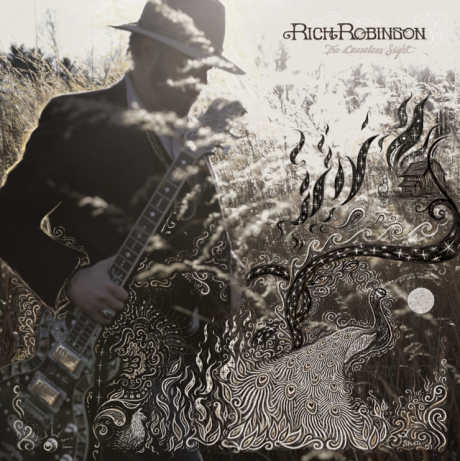
Rich Robinson – The Ceaseless Sight
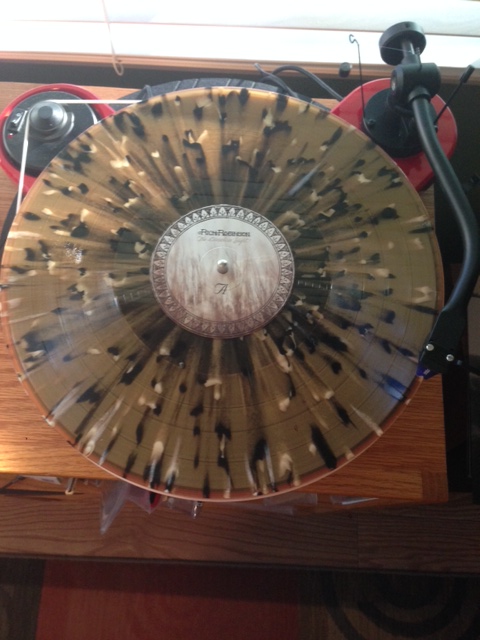
This was an unexpected wonderful release. After getting into various Chris Robinson albums the last several years, his brother drops this one that is a ringing endorsement of the value of sibling rivalry. This is great classic rock that would not have sounded out-of-place on FM radio in the old days. One of the best vinyl packages of the year – coolest piece of wax I have seen in a long time:
St. Paul & The Broken Bones – Live At The Varsity (Minneapolis)

I liked St. Paul & The Broken Bones LP Half The City, but it can’t hold a candle to the spectacle of seeing this band live. I will be shocked it vocalist Paul Janeway does not completely blow out his vocal cords (I hope he doesn’t). There are so many retro R&B acts out there these days it is hard to keep up with them all. But if you have the chance to see this super nova live you have got to check it out.
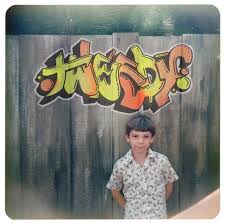
Tweedy – Sukierae
I love Wilco (more about that later) and I had high expectations about this solo release. Wilco is probably more of a band than we fans give credit – my assumption has always been that it is the Jeff Tweedy Band. This “solo” album is not far off from a Wilco album. It has a a looser feel than a typical Wilco release. When this first came out I was bit disappointed – more underwhelmed. But time has made me appreciate it. For a Wilco fan it is a very pleasant diversion.
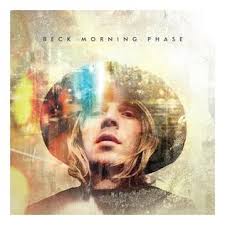
Beck Morning Phase
I really debated putting this on the list as it is just a reprise of Sea Change. But if I gave Pink Floyd a pass for reassembling crumbs on the floor from a session 20 years ago, it is hard to deny Beck for reprising what I think is his greatest album.
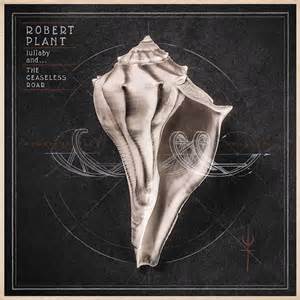
Robert Plant – lullaby and… The Ceaseless Roar
I did not get a chance to review this album this year, but it was one of my delights. I have been a long time fan of Robert Plant. Who would have ever thought that Plant would be the most creative force vs. Page post Led Zeppelin? Plant continues to be master chef of the musical gumbo. This album mixes folk, electronica, world music, rock, country – sometimes all in the same song. Plant made his name with his lion’s roar, but his gift has been that he can also purr like a kitten. Another success in his amazing post-career.
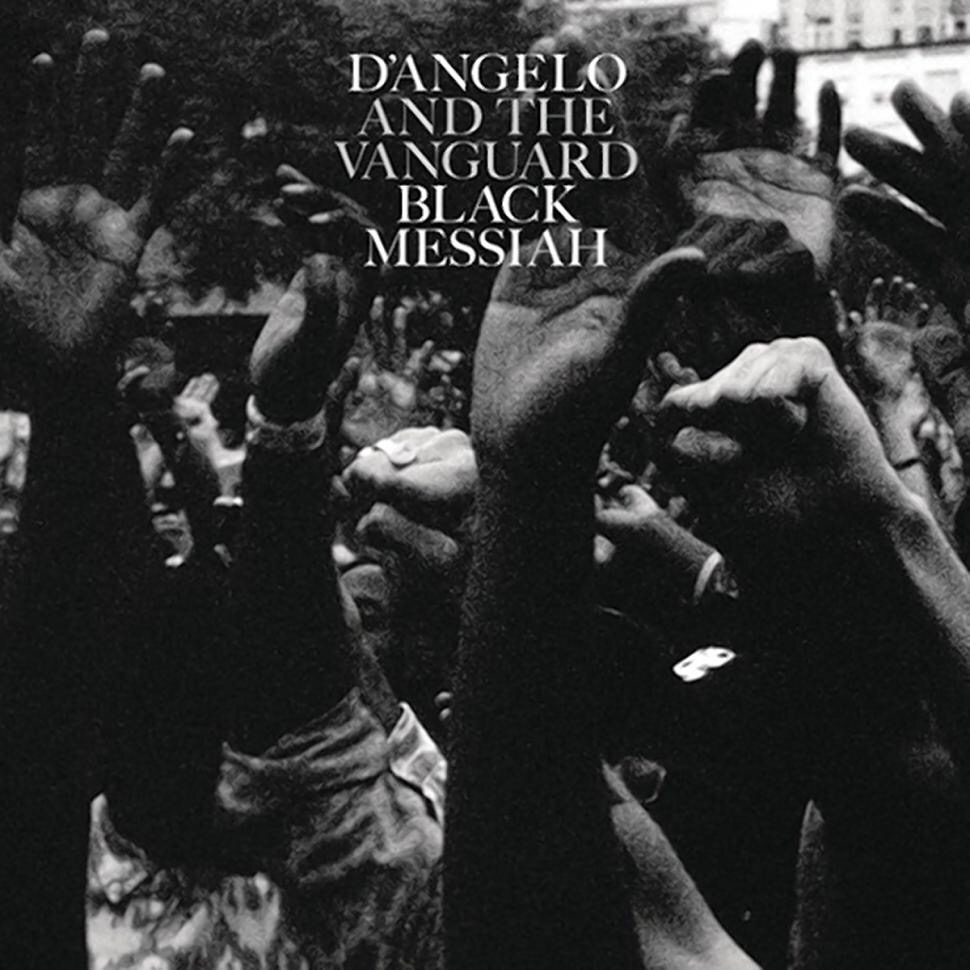
D’Angelo and The Vanguard Black Messiah
Best Prince album since Sign O’ The Times – enough said.

Reissue of the year: Neil Young Official Release Series 2 Disc 5-8
I said as much as I am capable of saying about this already.
Paul McCartney Live at Target Field (Minneapolis August 2, 2014)
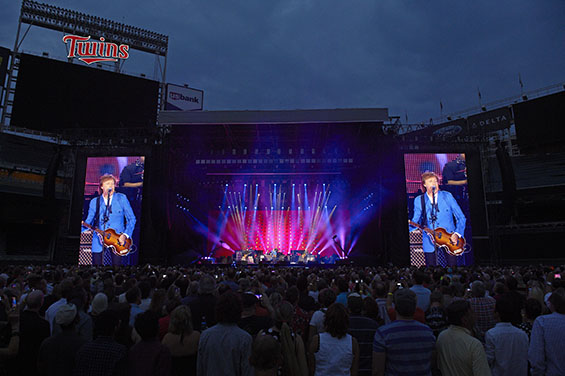
Lennon or McCartney – I am not too cool to say I am a McCartney guy. Over 3 hours he built to an amazing crescendo. He is a true legend and his performance lived up to all the hype.

New Basement Tapes – Lost On The River
Part tribute album, part super group, part archeology dig; this is an album like Wilco and Billy Bragg’s Mermaid Avenue series – take the lyrical fragments of a great songwriter (in this case Dylan vs. Woody Guthrie) and make new music. The great producer T Bone Burnett put together a diverse cast of characters that had Americana in common and created a temporary band to create new songs out of old Dylan lyrical fragments. I think it works as an album and not just as the typical tribute album. Various artists are featured, but those same people play back up too. The stars include: Jim James (My Morning Jacket), Elvis Costello, Marcus Mumford (Mumford & Sons), Taylor Goldsmith (Dawes) and Rhiannon Giddens (Carolina Chocolate Drops). For me Rhiannon Giddens steals the show – I had never heard of her before and her voice is amazing – both as lead and back up. Discovering her was worth the price of admission. We can’t get enough Basement Tapes this year.
Wilco – Alpha Mike Foxtrot
If you are a Wilco fan you must have this collection of rarities. If you are wondering what is all the hype about Wilco then try What’s Your 20? (greatest hits). I was tempted to make this collection my album of the year – but could not justify a collection of odds and ends vs. a true album. Even Wilco’s dust in the corners is pretty damn brilliant.

Flying Lotus -You’re Dead
One of my music theories is that there has not been a new idea in popular music since 1975. I am not saying Flying Lotus has invented something new, but this is a very clever combination of 70s jazz fusion and hip hop.
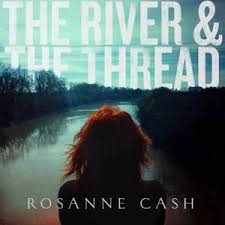
Catchgroove’s Album of the year runner-up: Rosanne Cash – The River & The Thread
This was a real debate in my mind lobbying for this to be my album of the year. Cash’s The River & The Thread is a gorgeous country album. The arrangements on this album are perfect and the album is perfectly engineered. Her voice has so much depth to it – I can’t describe how it touches me – it is the sound of wisdom. The lyrics have a great sense of journey: both physical and emotional. Cash, who has a couple of masterpieces in her portfolio already, has made another.

Catchgroove’s Album of the year: Jenny Lewis – The Voyager
Jenny Lewis totally captured the late 70s singer/songwriter Laurel Canyon vibe with this album – yet it sounds total contemporary. The songwriting is top-notch and the production values are perfect. This album sounds so good. The words and music are in a dance of emotion. Great pop music is a combination of slick and subversive – it sucks you in like a Siren’s call. The Voyager is pure ear candy, yet there is a bitter pill is hiding under honey – this is a great pop album that will appeal to both young and old ears. Listen to it loud and often.
Disappointments…
The year was not without disappointments:
- Chris Robinson Brotherhood LP – One of the issues of the vinyl renaissance is that some releases are poor quality. I loved this year’s Chris Robinson Brotherhood album (Phosphorescent Harvest), however the LP was of poor quality with lots of noise in the grooves. I returned it to my local record store and unfortunately its replacement was the same. I am not picking on Chris Robinson – I have experienced this on several releases.
- Led Zeppelin Reissues – Jimmy Page allegedly dedicated a couple of years of his life to bring these reissues to life (try spending some time on some new music Jimmy). I was excited about the full album of bonus material with each release – turns out it was nothing. Not particularly interesting demos, minor remixes, mixes without the vocals. A huge disappointment. Only bought one deluxe CD – I figure these reissues have been so digitally doctored why spend a fortune on vinyl cut from a digital file.
- Fleetwood Mac Live – My wife and I had the misfortune of seeing the latest tour of the Rumors era band on night number one of the tour. The bands playing was superb and their sound man did a great job with the mix in the notoriously bad sounding Target Center (Minneapolis). However this was the most awkwardly paced concert I have ever witnessed. They would create some momentum only to crash into a wall. I read reviews of other shows on the tour and it seems they got their act together. Be wary of night number one of a reunion tour.
As you can see there was lots of music I enjoyed this year. The recording industry continues to be a mess and yet musicians are fighting their way through the obstacles. Looking back on my selections I am disappointed by how it is dominated by “established” artists. Hopefully next year I will make some new discoveries.

I bought this album because of the cover art, because it was on the CTI label and I was familiar with Joe Farrell (saxes and flutes) from his time in the classic fusion band Return to Forever. Every once in a while you get reward for this kind of decision. Canned Funk is a killer album.
The album opens with the titular track which is a nice heavy blast of jazz rock funk. It includes a nice face melting solo from Joe Beck.
“Animal” is a very sophisticated piece of jazz funk where Farrell opens with a great baritone sax riff and then glides into an extended tenor solo. Again Joe Beck provides a great solo. Followed by cool bass solo that is totally melodic (Herb Bushler). Over all “Animal” is 10 minute tour de force.
Side two starts with “Suite Martinique” which focuses on Farrell’s flute and soprano sax. This is the most challenging track on the album – how I imagine Coltrane might have sounded if he lived long enough to try his hand at fusion. If you are in the right mood this is some pretty cool stuff.
The LP ends with “Spoken Silence” the most commercial song on the album. It would not sound out-of-place on George Benson album. It foreshadows the light jazz that would become a successful genre within the next few years.
Over a pretty great album that lives up to its very cool cover art.

 Axl's Catch Groove