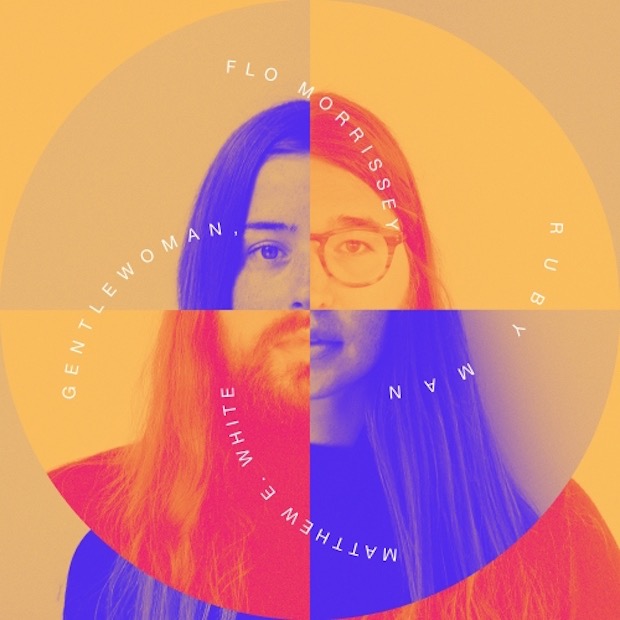
I have been a Matthew E. White fan since his 2012 release Big Inner. White has amazing pop sensibility – he is Lee Hazelwood updated for today’s ears. I was not familiar with Flo Morrissey. This album is all covers – some pretty famous songs and some not so famous.
This album has a great back story. White saw a review of Flo Morrissey’s album in the U.K. newspaper Guardian (it was next to a review of White’s own album). He was intrigued and reached out to her – and the rest is history.
“Look At What The Light Did” – I am not familiar with Little Wings who did the original. Listening to that original (I have added a playlist of all the original songs), I feel like Morrissey and White have given it an upgrade. They took a simple folky arrangement and reinvented it into a full-out pop song. It now has that late 70s Laurel Canyon pop feel.
“Thinking ‘Bout You” is a Frank Ocean cover from his brilliant debut Orange. Morrissey and White’s duet shows how brilliant Ocean is. It takes their two voices to duplicate the original’s brilliance. Having a man and a women sing this song makes it more obvious that this song was meant to be a duet (the Ocean’s original is his normal voice accompanied by his falsetto).
“Looking For You” – Nino Ferrer is another new one for me. Morrissey and White’s cover is pretty straight. This song really stuck in my head and I was compelled to find out who the hell Nino Ferrer is. Turns out he was an Italian-French singer songwriter in the 60s and 70s – a reluctant French pop star on the scale of Serge Gainsbourg. I dialed up the original song “Looking For You” that appeared on: Nino and Radiah. Listening to that album for the first time, I was delighted to discover the album is nothing short of brilliant. If you enjoy White and his peers, for example Father John Misty, you are going to dig Nino and Radiah. I have not explored the rest of Nino’s catalog. I have a feeling there will be a future blog post dedicated to Nino.
“Colour of Anything” is by James Blake. Blake has never resonated with me, but after listening to Morrissey and White, I have new appreciation for Blake’s songwriting and voice.
“Everybody Loves the Sunshine” is by Roy Ayers. Ayers made a name for himself with his funk, soul and jazz compositions (and by being one hell of a vibes player too). Both the original and this cover are funky quiet storms.
“Grease” is the theme song from the movie of the same name. It was written by Barry Gibb (of the Bee Gees) and was originally sung by Frankie Valli. The original has a watered down pop disco feel. The Morrissey/White cover is more funky and soulful than the original. The original was a bit of a kitschy ear worm and the cover is too – but much subtler.
“Suzanne” – White takes the lead vocals and he channels Leonard Cohen (the singer-songwriter of the original). The arrangement mimics the original with Morrissey’s voice substituting for the strings in the original.
“Sunday Morning” – Morrissey takes the lead on the Velvet Underground classic. The original is one of the most conventionally beautiful songs in the VU and Lou Reed catalogs. White and Morrissey muddy it up and give it a punk Beach Boys treatment.
“Heaven Can Wait” – This Charlotte Gainsbourg cover is my favorite song on the album. It has a dark psychedelic feel to it.
“Govindam” is from George Harrison’s Hindu devotional production of The Radha Krsna Temple (a UK branch of the Hare Krishna movement). This is the only cover that does not fully work for me. The original is better. But it is a good ending to the album as the ghost of Harrison haunts Gentlewoman, Ruby Man.
This is the first album of 2017 that I can absolutely guarantee will be on my top ten list for this year. I insist you give Gentlewoman, Ruby Man and the source material a listen.
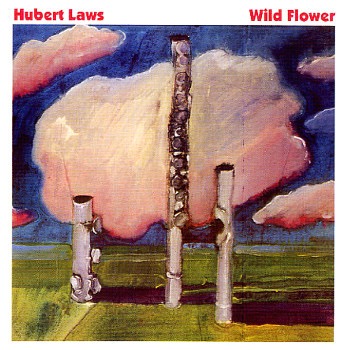
I picked this LP up at the Electric Fetus garage sale last year for 49 cents. I snatched it up, because Hubert Laws is a jazz flutist. I played the flute as a kid and so I am a sucker for a great flutist. Per Wikipedia: “Laws is probably the most recognized and respected jazz flutist.” I have several of his releases and all are good so I figured for a half a buck I can’t go wrong. A bonus: for a cheap used record this one is in remarkable condition.
Five of the six tunes here are highly arranged string pieces. Most of the time strings and jazz are the kiss of death. They typically are syrupy. But this string section is different – it is some how not syrupy. The strings actually sound good and make the album better vs. detracting from the album. It is like the strings are a sympathetic accompanist bordering on a sparring second soloist. The strings create the perfect net for Laws’ high wire act. Laws has the great gift of being able to both shred on the flute and sing sweetly.
The last song on the album is a major detour from the rest of the album. It is a much more conventional jazz combo (featuring Chic Corea and Gary Burton). When I looked at the back cover and saw that line up, I expected this to be a harsh add-on, but instead it is an appropriate cherry on top.
This is the whole point of crate digging: pick something on a whim and be amazed.
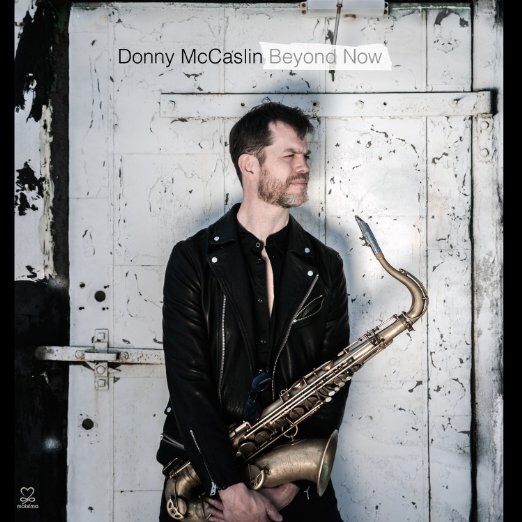
What is jazz? Joni Mitchell’s late 70s albums are jazzy, but her 1979 release Mingus is jazz. David Bowie’s grand farewell, Blackstar, is jazzy. Blackstar bandleader Donny McCaslin’s Beyond Now is jazz.
Beyond Now is deeply haunted by Bowie. It is both a companion to Bowie’s Blackstar and a standalone work.
McCaslin’s band reminds me a lot of Weather Report. It is not derivative or imitative of Weather Report, but it is:
- A sax and keys based combo
- Jazz/rock fusion
- Orchestral (with a only handful of instruments)
- Not confined by boundaries.
At times,it sounds like LCD Sound System (“A Small Plot Of Land” – which is actually a Bowie cover), punk (e.g. FACEPLANT) and ECM fusion (most of the rest).
Per McCaslin’s website the Bowie connection started like this:
The once in a lifetime opportunity to work with David Bowie came after composer Maria Schneider, a longtime collaborator, recommended McCaslin and his group to Bowie. Schneider and Bowie were collaborating on the track “Sue (Or in a Season of Crime),” which featured McCaslin as a soloist. In June 2014, Bowie heeded Schneider’s advice and made a visit to hear McCaslin and company at the 55 Bar in Greenwich Village. Soon after, Bowie began corresponding with McCaslin over email and sending music, forming a new collaboration and friendship that transpired through the recording of Blackstar until Bowie’s passing. The result is Beyond Now, which documents “David Bowie’s Last Band” as they were processing both their grief and Bowie’s distinctive impact.
I have been listening to the album for several days now and it gets better with each listen. If you liked Bowie’s Blackstar you will likely enjoy this. If you are a fan of 70s jazz/rock fusion (with some serious saxophone shredding) and you are open to a contemporary update on that concept – check this out.
So back to the original question, what is jazz? Is it improvisation? Is it clichéd instruments (e.g. horns)? Is it sophisticated blues? Is it black? Is it free or bound by rules? I suggest it is undefinable or as one of my jazz heroes (Pat Metheny) says – jazz is a verb:
I have to admit that more and more lately, the whole idea of jazz as an idiom is one that I’ve completely rejected. I just don’t see it as an idiomatic thing any more…To me, if jazz is anything, it’s a process, and maybe a verb, but it’s not a thing. It’s a form that demands that you bring to it things that are valuable to you, that are personal to you. That, for me, is a pretty serious distinction that doesn’t have anything to do with blues, or swing, or any of these other things that tend to be listed as essentials in order for music to be jazz with a capital J.
Donny McCaslin and band are an action word. I can’t think of a better Bowie tribute than this album.
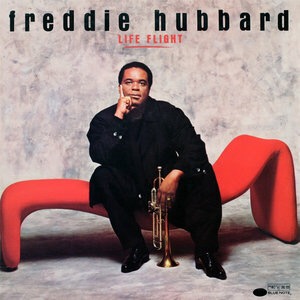
I was filing LPs today (about as productive as one should be on the New Year’s holiday) and I came across this release from 1987. I did not buy the LP at the time, but picked it up used within the last year for $3.00. Freddie is hit and miss. It is rarely his playing, but his choices. He is a great player (Hubbard is one of the great jazz trumpet technicians, but at this point in his career he was unfortunately overshadowed by Wynton Marsalis), but he is prone to releasing some real crap bordering on the dreaded smooth jazz (which is not jazz at all, but audio wallpaper at best). I don’t mind commercial jazz if it is done well, unfortunately it is often schmaltzy.
This LP is a side of commercial jazz (side 1) that is well done (not schmaltzy) and a side (side 2) of some great hard bop. Let’s turn to the late great Leonard Feather (long time jazz writer from the LA Times) who can say it better than I ever could:
In this Janus-faced album, Side 1 is another “Let’s get Freddie to do something commercial” venture. He has been that route (and abandoned it) several times before, but on this occasion, with George Benson and Stanley Turrentine as guests, it comes off inoffensively. Side 2, with the trumpeter leading a straight-ahead quintet in two of his own works, achieves a splendid level of Hubbard heat in the title tune; after the placebo of Side 1, it’s potent medicine. 3 1/2 stars.
This LP sounds gorgeous. It is on Blue Note from an era when the labels had deep pockets and spared no expense to achieve top-notch production values. It was produced by Michael Cuscuna – one of the greatest jazz producers of all time. It is a Direct Metal Mastering release on audiophile vinyl (in 1987 vinyl was fighting what looked like a loosing battle with CDs – look who got the last laugh on that one).
This is well worth it for side two alone and the overall sonic majesty of the recording.

If you are a fan of Kamasi Washington you are going to like this release. I discovered this release via the purveyor of hip – the Wall Street Journal. Leimberg is a jazz musician, similar to Washington, who has grown up on hip hop and is affiliated with the Kendrick Lamar/Terrace Martin production team. For some more background on this album and Leimberg check out his label’s Bandcamp site. As of today the album is only available to download or on streaming service. Per Leimberg’s twitter (@josefleimberg) the album is available on CD in Japan and will soon be available on vinyl in the States.
Similar to Terrace Martin’s Velvet Portraits, Astral Progressions is a collection of styles and sounds. It has a very 70s jazz fusion feel, but its hip hop influence makes it sound contemporary.
Highlights of the album are:
- “Interstellar Universe” which sounds like John Coltrane (as channeled by Kamasi Washington) sitting in on a late 80’s/early 90’s Pat Metheny album (rich orchestration and vocals).
- “Lonely Fire” which has a nice electric Miles feel (assuming he was sitting in with the Thievery Corporation) – this is actually a Miles cover (from the album Big Fun).
- “Astral Progressions” a nice hip hop piece featuring Kurupt.
- “Between Us 2” is a great Prince inspired track featuring Bilal.
- “Psychedelic Sonia” which closes the album is a recording of Leimberg’s mother reflecting on her life backed by a gorgeous soundscape. Per Leimberg: “She was dropping some jewels on what she felt about life and people”, he says, describing the track as “an homage to her, because a lot of what I do is because of her, and I had to pay tribute to that.”
If you are not a jazz fan, this would be great gateway drug. If you are a jazz fan this is a great opportunity to hear a hip hop inspired jazz artist who has figured out the fine line between pop and jazz.
First of all, every album I reviewed in 2016 is good. I don’t write bad reviews. There is plenty of music I don’t like, but I don’t have the energy to write a bad review. I have no desire to shine a light on bad music – even if it is a bad light. My ultimate musical insult is to ignore the music I don’t like. So anything posted on this blog is worth your time. Yet each year there is some music that is truly remarkable and the purpose of this post is to highlight 2016’s remarkable albums.
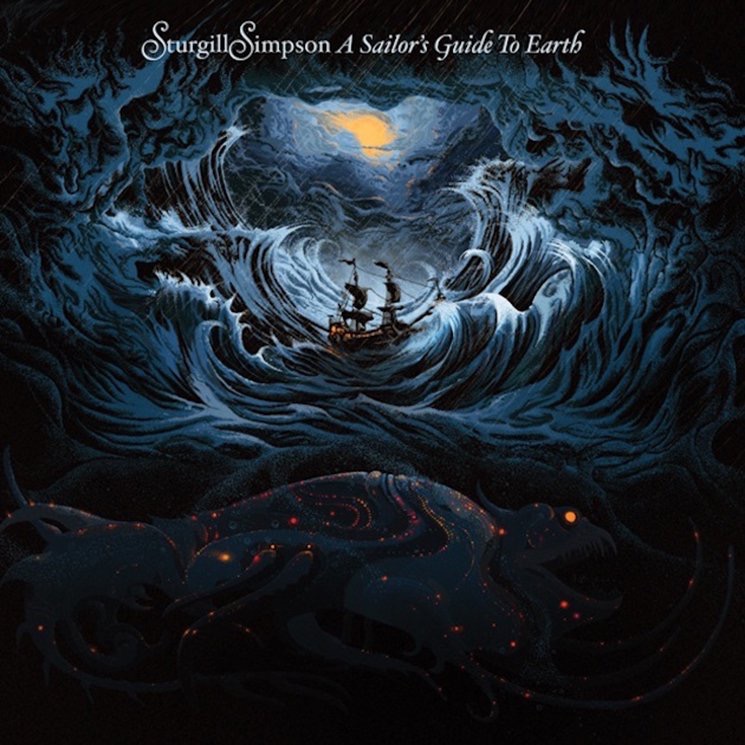
My favorite album for 2016 is Sturgill Simpson’s A Sailor’s Guide to Earth. When I first reviewed it in April I was struck by its combination of soul and country music. This is fun music, but is ambitious too: the LP is a concept album – a time capsule of life’s lessons for Sturgill’s young son. Sturgill has got it all: great songwriter, great voice and great arranger.
The rest of my favorites are in no particular order.
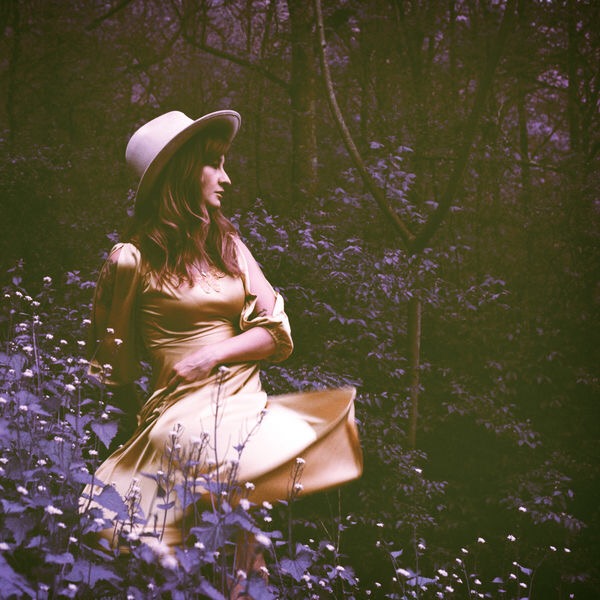
I am really not in a Nashville state of mind in 2016 despite my favorite album being country (Sturgill) and my next favorite is Margo Price’s Midwest Farmer’s Daughter being country too (ironically we took a great family trip to Nashville this year also).
In my original post on this album I stated: “With a voice somewhere between Emmy Lou and Dolly and with the pen of Loretta Lynn, Margo Price storms out of a Memphis studio in a Nashville state of mind. This is one hell of a debut.” I have continued to enjoy this album all year.
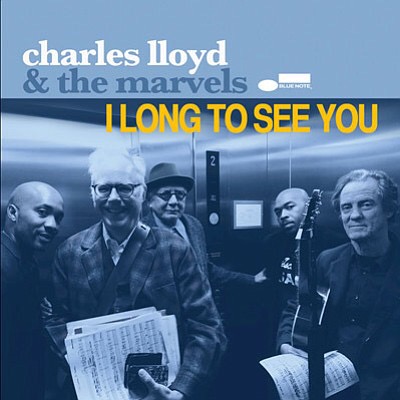
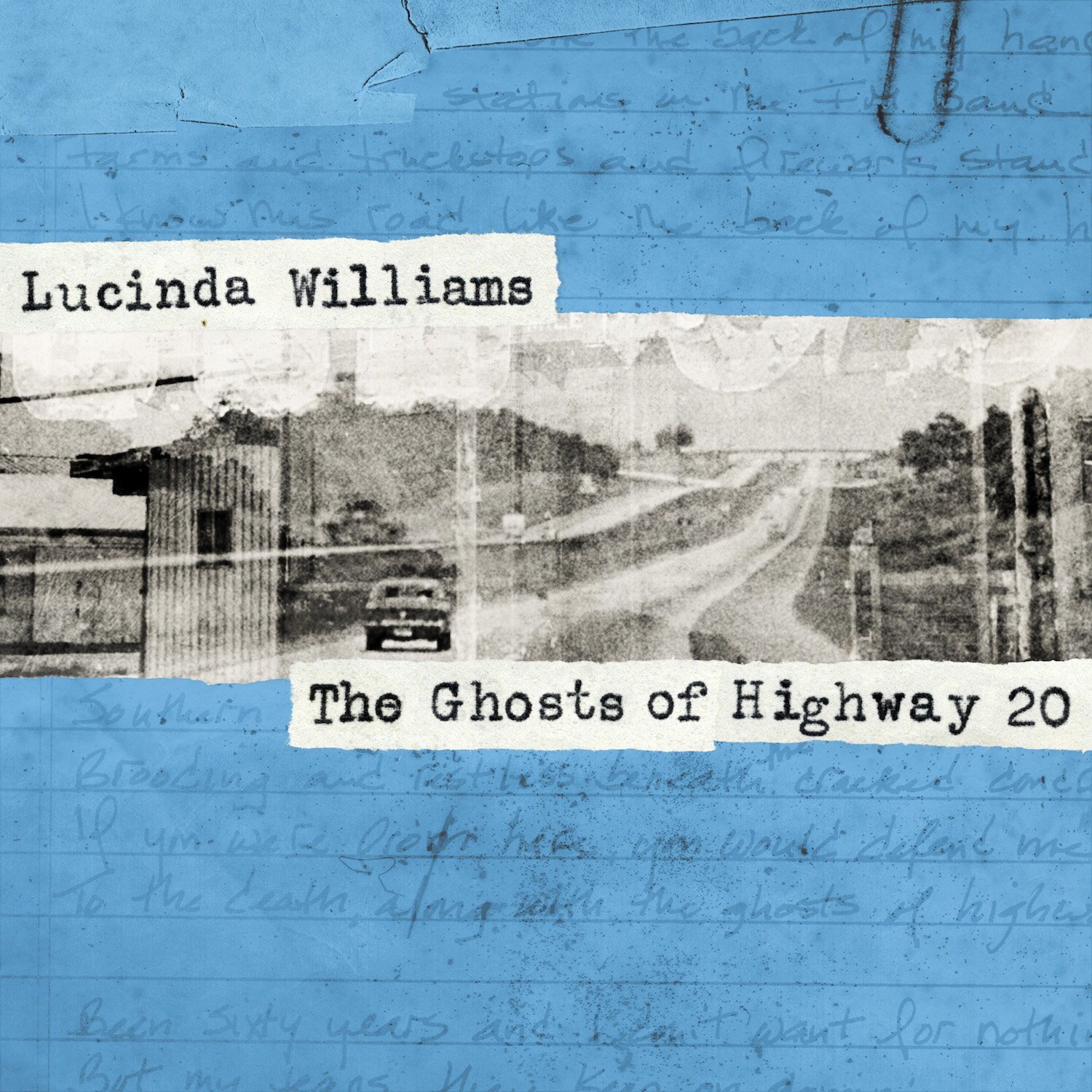
Bill Frisell and Greg Leisz were featured on two great albums in 2016:
The two albums could not be more different – one by a jazz icon and one by a alt-country icon.
Sorry the Lucinda album is not available on Spotify.

I love rock biographies and autobiographies. One of my best reads in years was Trouble Boys The True Story Of The Replacements by Bob Mehr. Mehr brilliantly tells the tale of a great band that did everything in its power to shit can its career – and succeeded. As best I can tell Mehr got the story pretty accurate. Orignal post here.
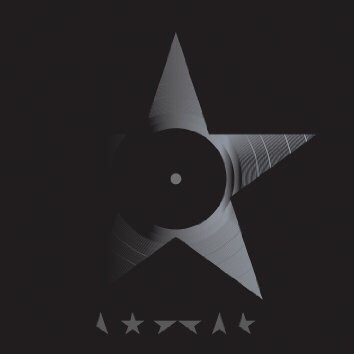
I am not a huge David Bowie fan, but I was instantly captured by Blackstar on album release day only to learn of Bowie’s death a few days later. This would have been a brilliant album at any point in his career, but the fact that it was his final statement is unbelievable. Bowie does jazz.

If you ever wondered (and I wonder these kinds of things) what Miles Davis would sound like produced by Manfred Eicher on an ECM release, well then you have it with this Vijay Iyer/Wadada Leo Smith release: A Cosmic Rhythm With Each Stroke. In my original post I stated: “I would not have thought a duo of quiet piano and trumpet could deliver such a powerful punch. As mellow as Smith sounds there is an edge – a gentle hint of atonal avant-garde jazz.” Of course ECM does not make their catalog available on Spotify.
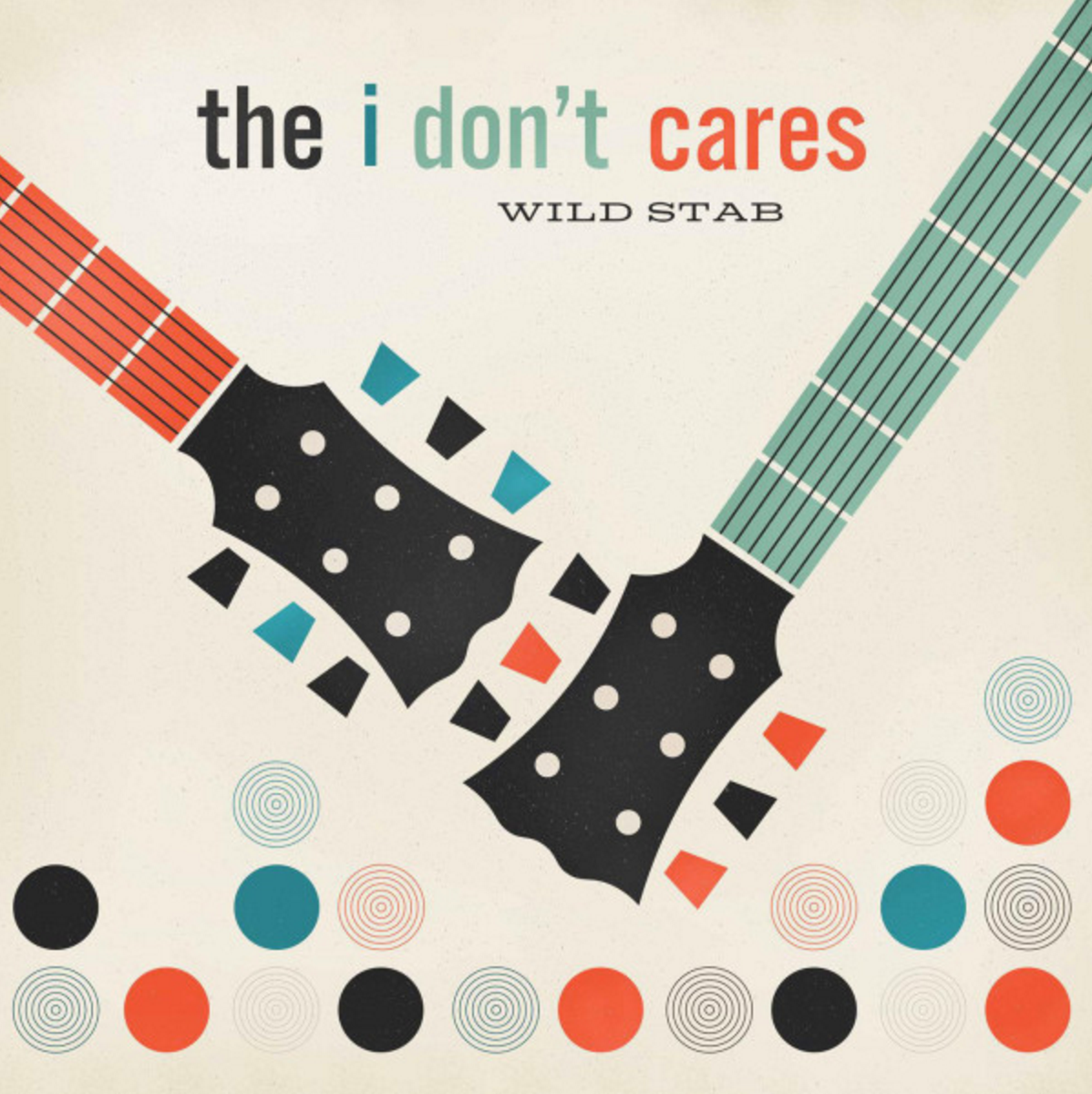
The I Don’t Cares – Wild Stab.
In the original post I stated: “It is rare that an album does not have a single stiff – Wild Stab is all gems. In the video interview Peter Wolf describes the album as a very romantic, spontaneous collaboration, with multiple layers of feeling. ‘It’s like a nice jewel,’ he says, ‘you just keep rubbing it, and it starts shining.’ I couldn’t agree more.”
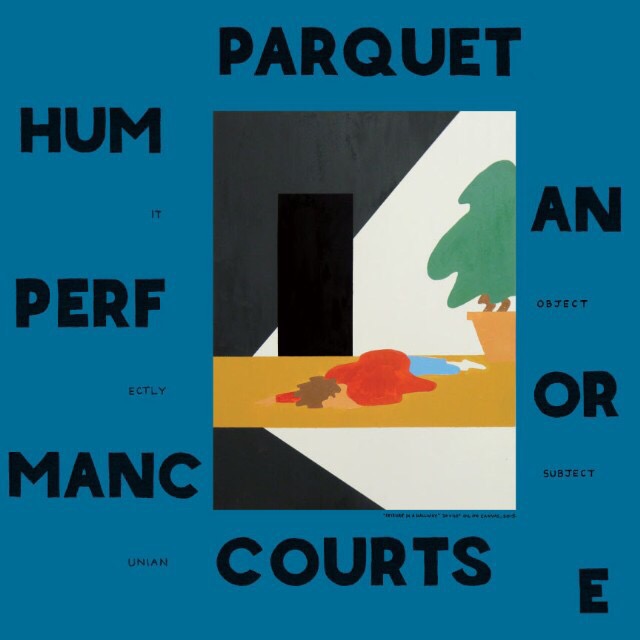
One of my more ambitious posts was for Parquet Courts – Human Performance (well at least it took a long time to compose). At the time I wrote: “My musical taste was primarily formed in the late 70s and early 80s. Parquet Courts seem like they are right out of that period. They remind me of the Modern Lovers, Lou Reed/Velvet Underground and Television. But they also have some late 80s/early 90s in them too: Pavement and Sonic Youth come to mind. But given the current scene they sound original even though they are not. I don’t mind how derivative this is because nothing in rock is original anymore. All the same this is creative and entertaining music. Lyrically clever with equally clever arrangements.”

Long time readers of this blog know I have a complicated relationship with Radiohead. When A Moon Shaped Pool was released this year they made it hard to get. I got to see the band live for the first time (honestly a bit disappointing as they were a bit too professional – bordering on phoning it in). But in the end the bastards made another masterpiece.
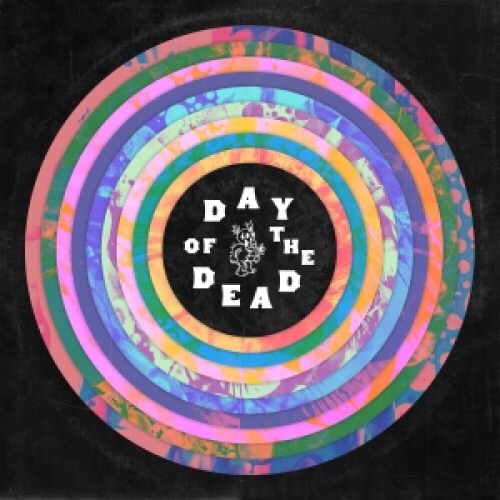
The Grateful Dead have been hugely influential – in essence creating sub genres: alt-country and jam rock. The Red Hot organization, a not-for-profit dedicated to fighting AIDS through pop culture, has created another great compilation, this time it is focused on the Dead’s various progeny. Day Of The Dead is nice survey of their greatest hits lovingly covered by a wide variety of disciples. My original post gives some of the back story.
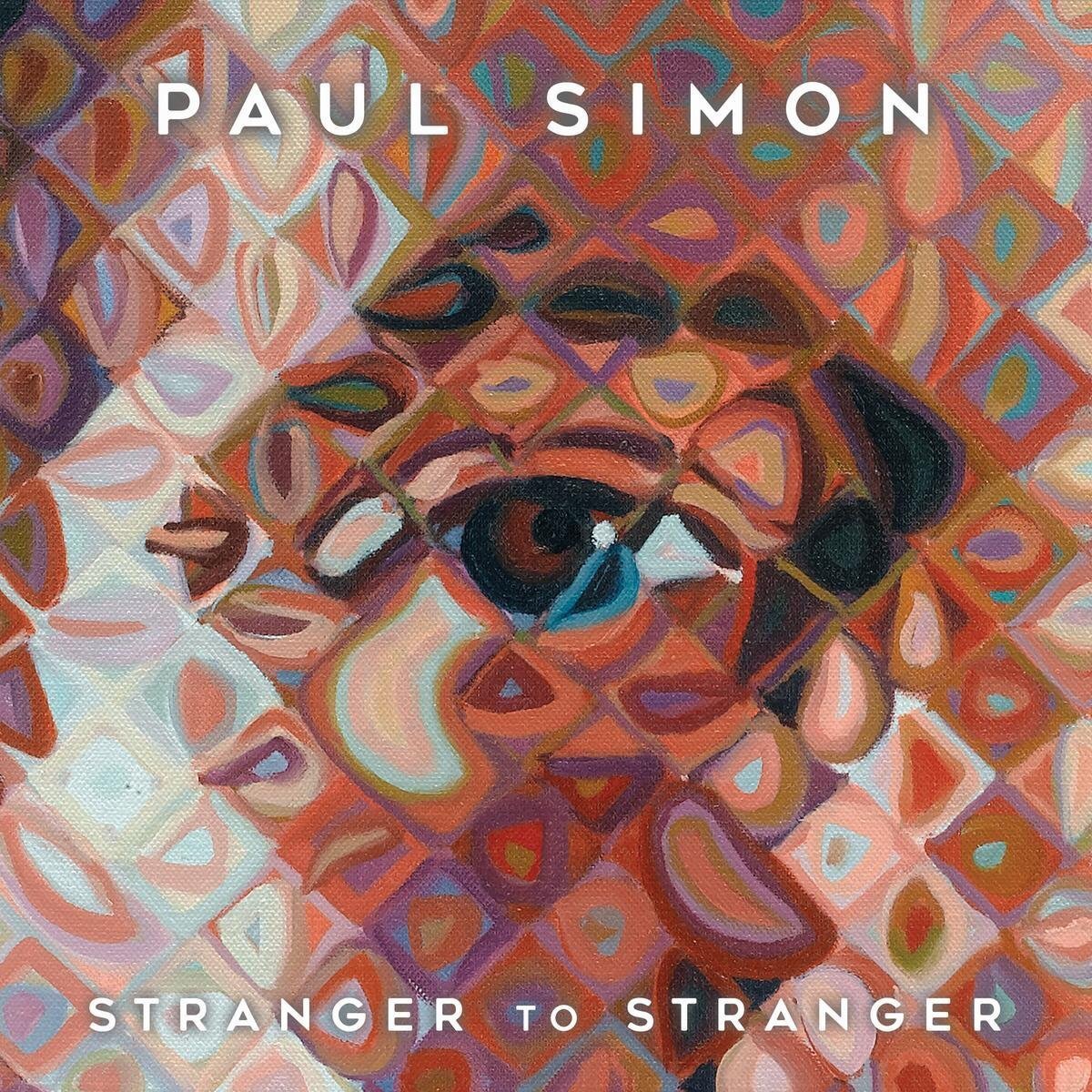
Late in his career Paul Simon is still churning out great music. Stranger To Stranger continues Simon’s brilliance at leveraging a zillion styles. My wife and I had the good luck to see Simon’s tour in support of this album. In my original post on the album and show I noted: “It is lyrically clever, rhythmically adventurous and the arrangements are ambitious. Yet at no point does it come off as pretentious – it is well crafted pop.”
Simon had a cool remix done. He enlisted members of the The Social Experiment Nico Segal (formerly Donnie Trumpet) and Nate Fox for the remix. The pair of regular collaborators with Chance The Rapper took the Stranger To Stranger songs “The Clock” and “The Werewolf” and came up with a new track “Stranger.”
In my original post I said: “I will pretty much consume everything Pat Metheny creates. I particularly value when he serves as a sideman, as it often turns me on to a new artist I am not familiar with. Metheny’s voice plays so well in so many different contexts – whether the pop of Joni Mitchell or the avant-garde jazz of Ornette Coleman. On Cuong Vu Trio Meets Pat Metheny, Metheny is the perfect foil to this band. Metheny sounds like he belongs in this band – he does not sound like a guest. This album shows the power of improvisational music when played by sympathetic masters: majestic beauty. It is like listening to a brilliant conversation.”

Jeff Beck – Loud Hailer – In my original post I reported that “Beck appears to be quite inspired by the young unknown players who accompany him on this album. According to the PR machine for this album, Beck met a young women at Queen drummer Roger Taylor’s birthday party: guitarist Carmen Vandenberg. Vanderberg then introduced Beck to her musical buddies: singer Rosie Bones and producer Filippo Cimatti. Cimatti then recruited drummer Davide Sollazzi and bassist Giovanni Pallotti – Beck had himself a band. Most of the songs were written by the trio of Beck, Bones and Vanderberg.”
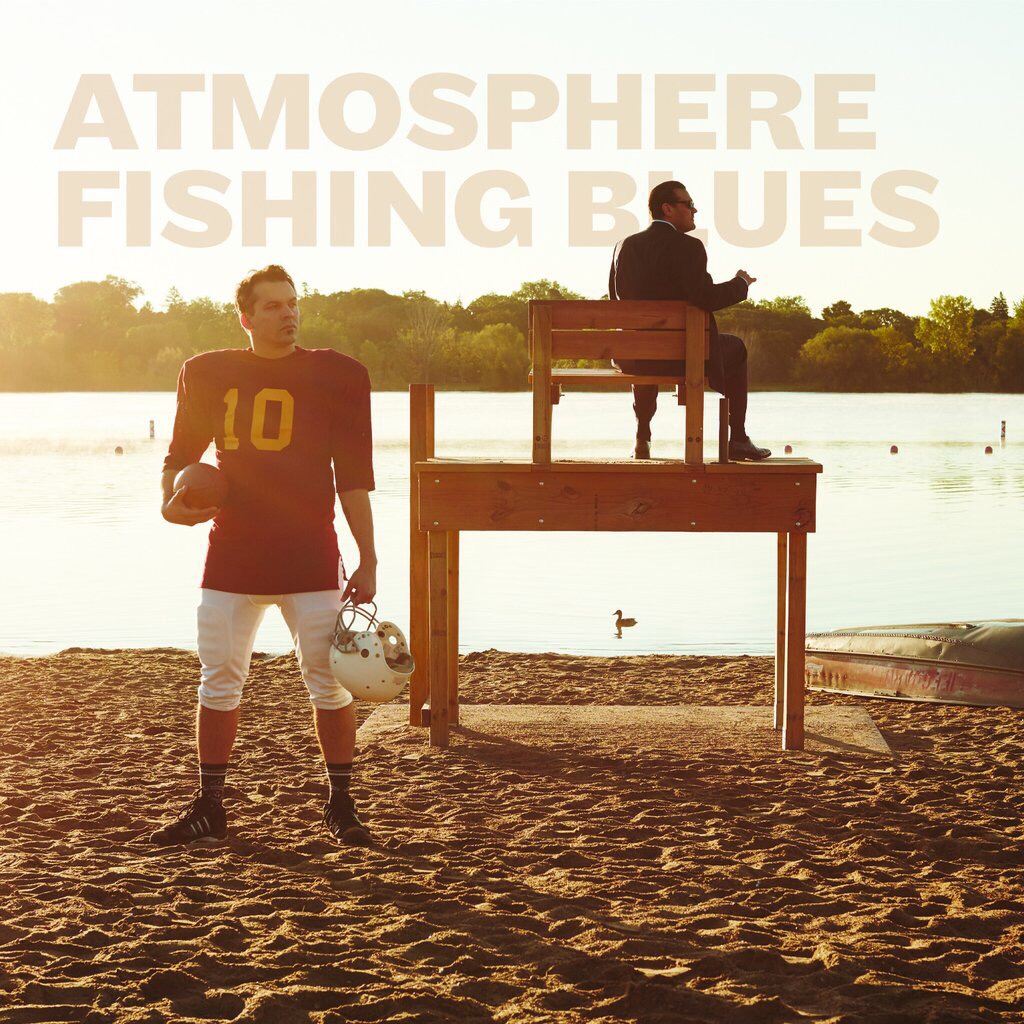
I am not much of a hip hop guy, but I love me some Atmosphere. Fishing Blues is one of the best things they have done in a while. In my original post I said: “Over all this is a great album – hip hop for adults. As always there are great Ant grooves and clever Slug lyrics. I love it when a band has a genuine career and constantly delivers quality year after year – true craftsmen.”
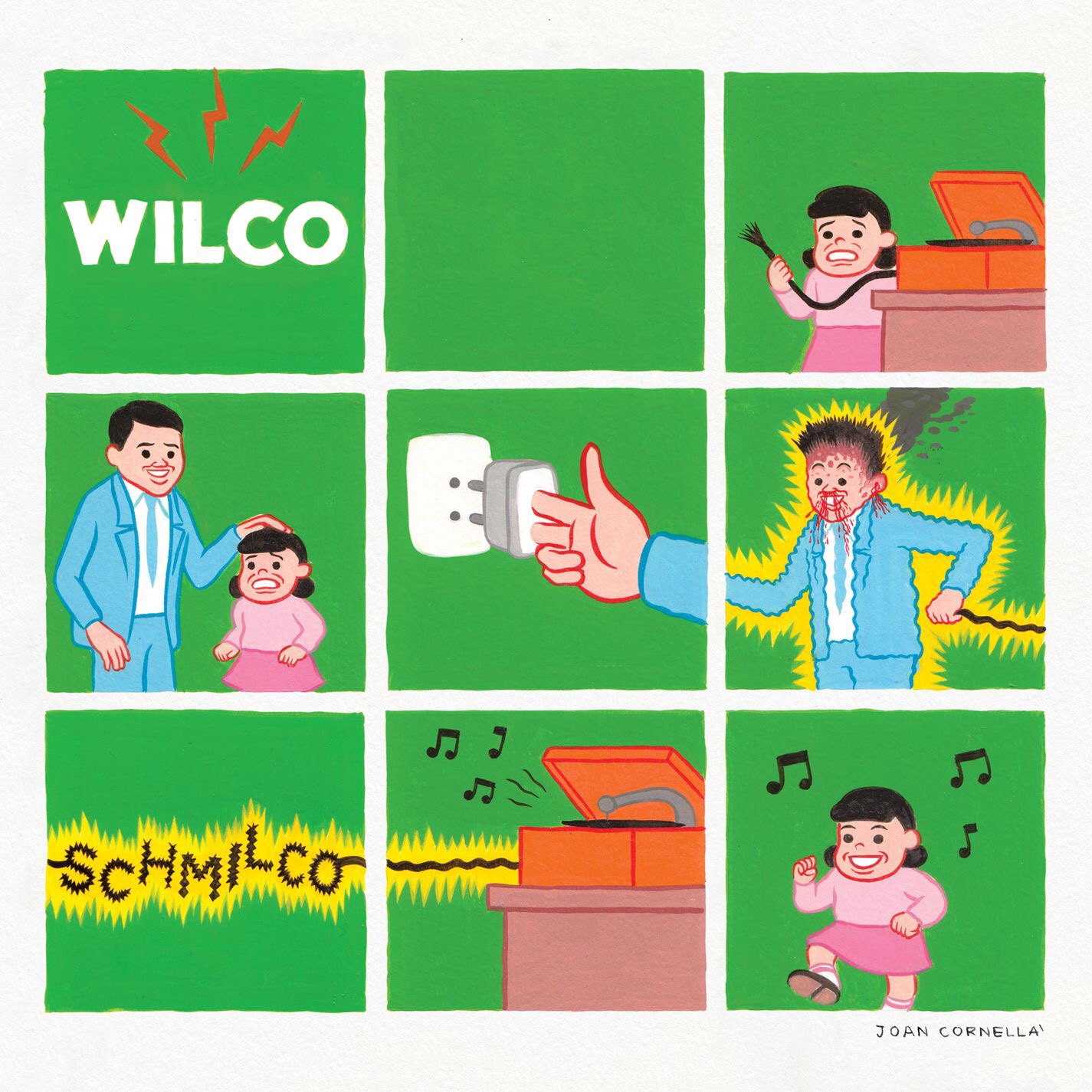
I did not manage to review Wilco’s Shmilco, but I did see a great show in support of the album. Nice little album. My wife won some cool Wilco swag at the album release party at the Electric Fetus too!
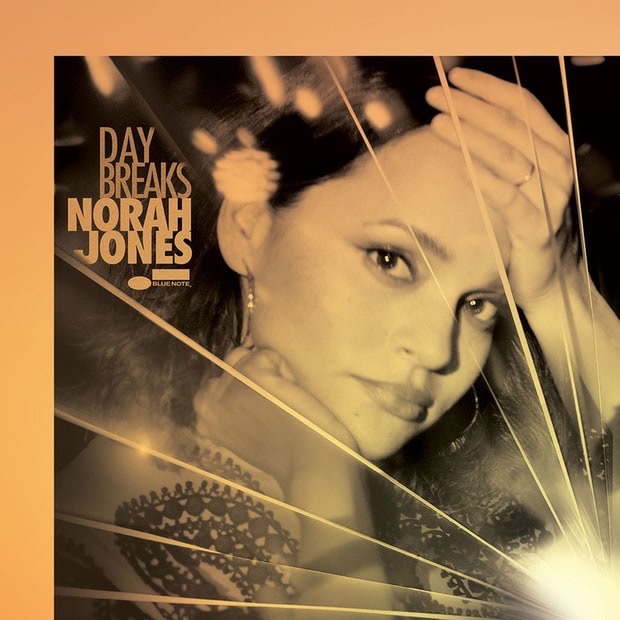
Norah Jones gets back to her jazz roots with Day Breaks. My original post stated: “I have every Norah Jones album (and most of her cameos and other projects), but none of them quite enchanted me the way her debut Come Away With Me did unit now. Day Breaks is a masterpiece – pulling together everything she has learned over the last 15 years as a pop star. It is jazz and it is pop. It is challenging, yet easy. It is mature, yet fresh. Jones is often dismissed as creating merely pretty music, jazz-light and worst of all boring (Snorah Jones). Jones is deceptive – there is a great depth to her music that can get disguised by its superficial beauty. Listen carefully to her vocal phrasing, her easy touch on the keyboard, exquisite arrangements, amazing sidemen and you will begin to understand what a ‘musician’s musician’ she really is.”
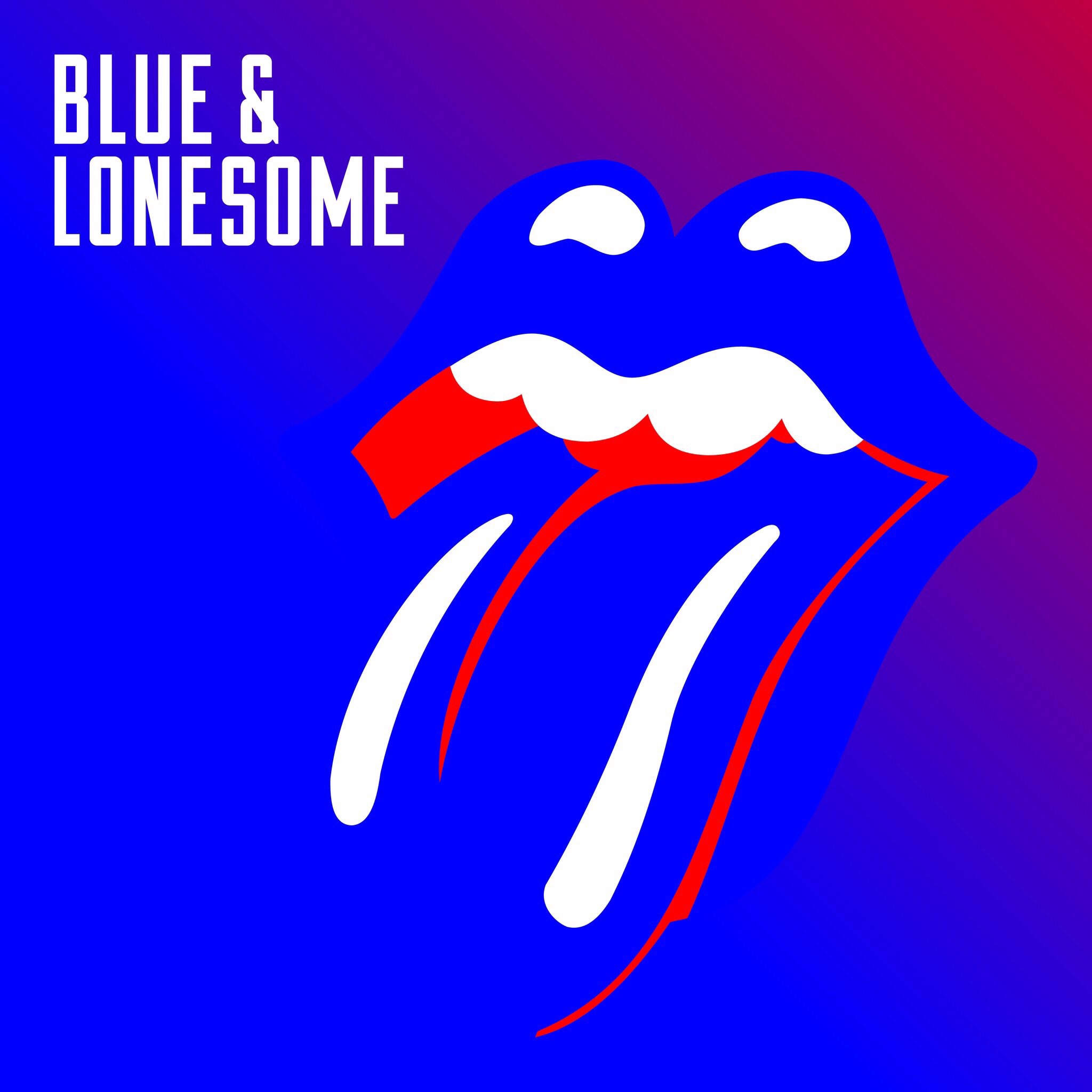
The Rolling Stones – Blue & Lonesome is a cherry on top of their great career. Per my original post: “The Stones are fundamentally a blues band. Their take on the blues has been wonderfully inaccurate, but totally authentic. Rather than doing historically accurate blues covers, they have just been themselves: British, punk, boozy, irreverent, but in love with the blues. Being purists was not their thing, being The Rolling Stones is their thing.”

Metallica- HARDWIRED…TO SELF-DESTRUCT, is in my mind, the best thing they have done since the Black album. I wrote a long post reflecting on my being a fan of the band and a review of the album. Please check out the deluxe edition.
St. Paul & The Broken Bones – Sea Of Noise. I had a draft post on this album that I never published. It went like this:
Doing retro-soul well, is a fine line: on the one side is parody and on the other side is a tribute act. But when you ride that line it is pure genius. St. Paul & The Broken Bones ride that line and for them that line looks like a four lane highway. Why it works and why it sometimes does not is a mystery to me.
I can’t remember how I stumbled upon Half The City, but I was motivated enough to drag the family to see St. Paul & The Broken Bones live. They did not disappoint. I remember walking out of that show wondering how long would it take before singer Paul Janeway would blow out his vocal cords. I wouldn’t have been surprised if I would never hear from him again.
But those gifted pipes have survived and the voice and the band have delivered a second album that is even better than their first long player. Half The City was bit too much on the tribute side of the ledger. Sea Of Noise is more original.

Teenage Fanclub – Here. In my original post I made the following comment: Here has taken the sound I loved on Bandwagonesque and quieted it down. Over 25 years the band has aged well. The band always had great harmonies, but with a quiet sound those harmonies really shine. The album reminds me a bit of early 80s album by the Moody Blues called Long Distance Voyager which was wonderful beatlesque pop. Here is mellow and upbeat at the same time. There is nothing better than lush pop and Here is luscious.
Well that wraps it up – if you made it though this whole post – thanks for your patience and interest.
PS: Prince RIP.
Ammendments – the ones I missed:
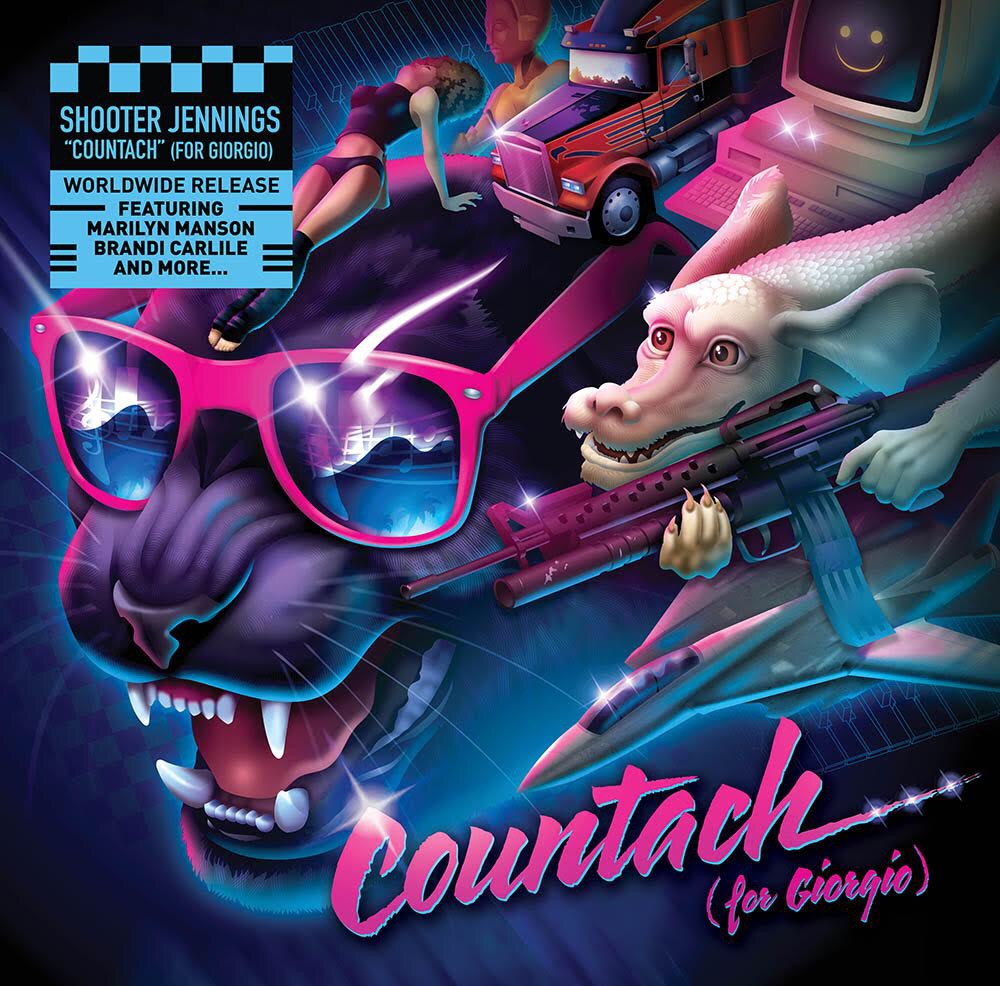 Wow is this a bizarre concept: son of an outlaw country icon, who is an alternative country artist in his own right, records a devotion to disco/synthesizer genius Georgio Moroder.
This 2016 album missed my radar – I only discovered it from a Rolling Stone post I found on Flip titled “15 Great Albums You Didn’t Hear in 2016.”
I am not going to go into details here, but I will merely advise you to drop your guard and give this a listen. Simply put, it works.

11/18/16 (release day) I woke up this morning about 5:00 am (it is a bitch getting old) and the first thing I thought of was to listen to the new Metallica album on Spotify. How amazing to listen to a new release on release day – for breakfast! Last week it was A Tribe Called Quest.
Tonight I am going old school listening to the new Metallica on a turntable.

I am not a metal guy, but it is hard to ignore Metallica. I was first introduced to Metallica in the summer of 1988 at the Monsters Of Rock Tour. The attraction for me was the headliner Van Halen. One of the undercard bands was Metallica – a band I had heard of, but I knew nothing about.
When Metallica took the stage at the Metrodome in Minneapolis on a late Wednesday afternoon (I had skipped out of work early) I was blown away by the band and the audience. The previous band, Led Zeppelin wannabes Kingdom Come, had been yawners. As soon as Metallica hit the stage the crowd erupted. A couple thousand black shirted teenagers punched the air and mouthed the lyrics for the full set. The band leaned into a hurricane of adoration. I remember my chest feeling like it was getting jack hammered and the hair on my legs rocking to the beat. All I could think of was “who the fuck are these guys?” The music was a bit too intense for me, but I knew this was something special.
Per google the set list was:
- The Ecstasy of Gold (a Ennio Morricone song played from tape)
- Creeping Death
- For Whom the Bell Tolls
- Welcome Home (Sanitarium)
- Harvester of Sorrow
- Whiplash
- Fade to Black
- Seek & Destroy
- Master of Puppets
Encore:
- Last Caress (a Misfits cover)
- Am I Evil? (A Diamond Head cover)
- Battery
I will be honest I did not dig them, but I knew they where awesome. A month later …And Justice for All would be released and they would break into the mainstream with the song “One” which received heavy rotation on MTV. It was the first underground metal album to achieve chart success in the United States. So I had the good fortune of seeing an amazing band on the cusp of their break through.
On the strength of that live show I bought … And Justice for All and I learned to dig it. Three years later they would become megastars with Metallica (aka The Black Album). I can’t tell you how many times I listened to that album. I recall I hated my job and was slightly overwhelmed new parent. Somehow the anger of Metallica made a lot of sense at the time.
25 years have passed since The Black Album and Metallica is still relevant.
The Review (a few weeks later)
The album opens with the semi titular track “Hardwired” which has the hyper feel of Kill ‘Em All. I re-listened to Kill ‘Em All and it sounded like punk rock performed by really good musicians.
“Atlas, Rise!” is classic Metallica: big riffs, jack hammer drums, roaring vocals, profound lyrics and burning guitar solos. It is great to hear these guys at the top of their game 35 years into it. These guys are in their early 50s and they are still rocking like a hurricane.
“Now That We’re Dead” has a bit the “Enter Sandman” feel to the riff. One of my observations on this album is that vocalist James Hetfield sounds better than ever. This is the first song on the album where Hetfield’s vocal really stick out as something very special.
“Moth Into Flame” has a very 80s metal feel and I like that.
“Dream No More” has a nice slow burn – a Black Sabbath feel.
“Halo On Fire” opens with some pretty amazing guitar and Hetfield’s vocals are as “pretty” as a metal god is capable of being pretty. This is the most gorgeous song on the album. Great guitar work. It is beautiful without being sentimental. This ends the first CD and the LP.
“Confusion” opens the second CD/LP in classic aggressive Metallica style: big drums and big riffs. Hetfield’s vocals are rich and cocksure. It is good to know that in their 50s Metallica still have teenage angst:
Confusion
All sanity is now beyond me
Delusion
All sanity is but a memory
My life … the war that never end
“ManUNkind” opens with a nice quite meditation of guitar and bass and then bursts into a metal blast. Classic dystopian lyrics:
Hostage to my mind
Left myself behind
Blind lead blind
Quest to find
Faith in man(un)kind
This song is another example of how much richer Hetfield’s vocals have become.
“Here Comes Revenge” would not sound out-of-place on The Black Album. Classic Metallica angry lyrics:
You ask forgiveness, I give you sweet revenge.
“Am I Savage?” is nice slow thick molten metal.
“Murder One” opens with some nice guitar pyrotechnics. The song is a tribute to Motörhead’s recently deceased Lemmy Kilmister (a Metallica influence) Murder One was the name of Lemmy’s favorite amp rig.
“Spit Out the Bone” ends the album on thrash metal rush. The song is about technology and rather than the usual dystopian “the machines will take over,” Metallica admits they probably will, but that is not necessarily a bad thing.
Overall this is a great album. It is a nice summary of everything Metallica is great at. It is great to hear a mature band not resting on their laurels and motivated to still create.
Disc Three
One of my favorite things about Hardwired is the bonus disc. Bonus tracks often suck, but this bonus disc is truly valued addition. It has several brilliant covers and a set of live tracks.
“Lords of Summer” is not a cover, but a song Metallica introduced in 2014 as a 12 inch vinyl single on Black Friday Record Store Day 2014. It clocks in over seven minutes and is must have for Metallica fans.
“Ronnie Rising Medley – (A Light In The Black / Tarot Woman / Stargazer / Kill The King)” is a medley of songs associated with the great metal singer Ronnie James Dio. I am a Dio fan and this is a great remembrance of Dio (RIP).
“When a Blind Man Cries” is a Deep Purple cover.
“Remember Tomorrow” is an Iron Maiden cover.
The bonus disc then moves on to Metallica’s live set (nine songs) from Record Store Day 2016 at Rasputin Music in Berkeley, CA, where the band was celebrating their reissues of Kill ‘Em All and Ride the Lightning.
The disc ends with a live recording of “Hardwired” from Metallica’s show at U.S. Bank Stadium in Minneapolis, MN, in August 2016 (that show sold out in minutes and so I missed that one – I spent that night with Wilco – not a bad consolation).
A rare bonus disk that is actually a bonus!
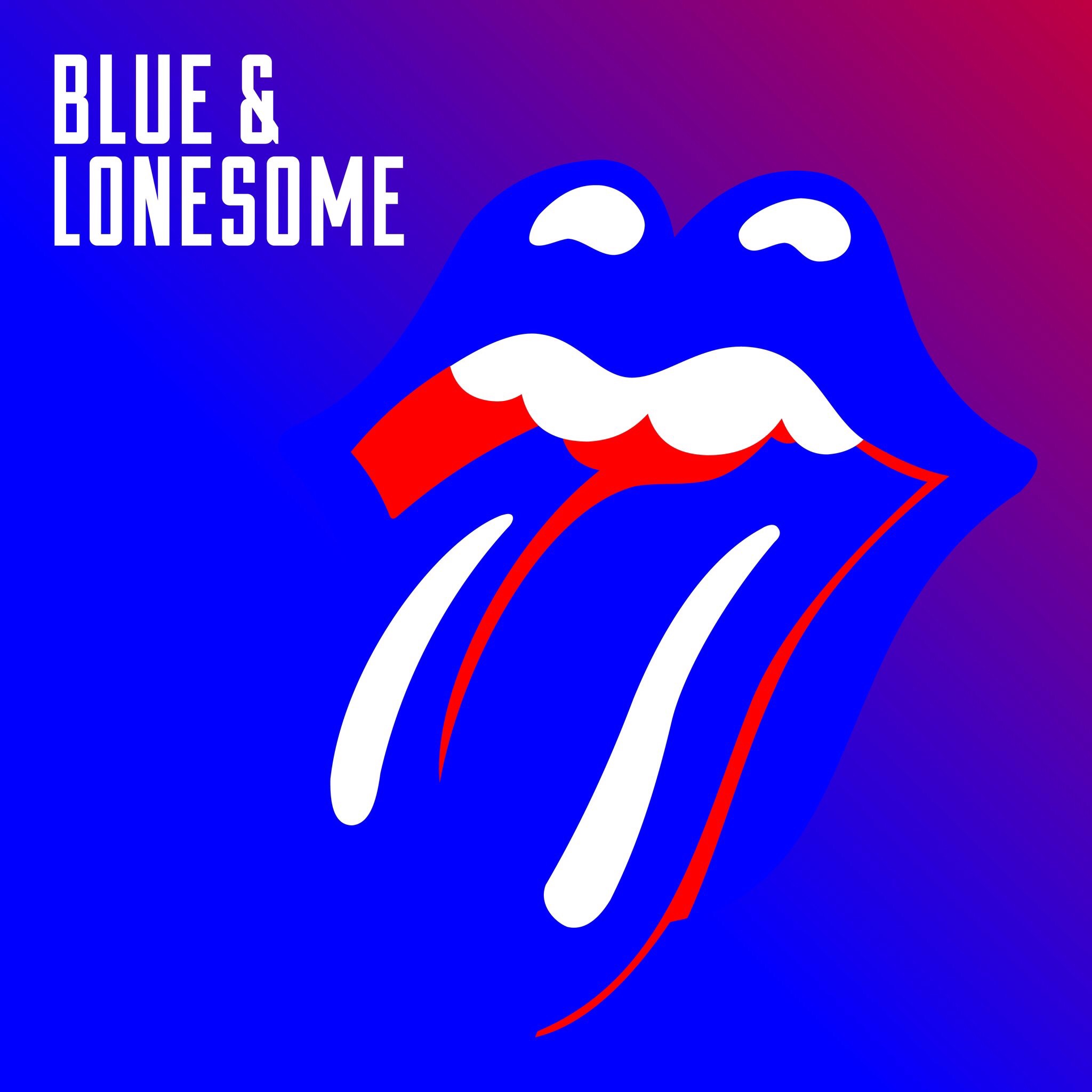
When most rock or pop acts go down the covers-album route, it usually means artistic bankruptcy. But not The Rolling Stones, for them it is delivering us a perfect treat: a raw blues album.
The Stones are fundamentally a blues band. Their take on the blues has been wonderfully inaccurate, but totally authentic. Rather than doing historically accurate blues covers, they have just been themselves: British, punk, boozy, irreverent, but in love with the blues. Being purists was not their thing, being The Rolling Stones is their thing.
The delight of this album is Mick Jagger. How at 73 his voice sounds better than it did when he was 23 is a freak show. I have witnessed a lot of front men over the years and Jagger is hands down the greatest rock front man I have ever witnessed (sorry Prince, Bruce, Paul, Bono, Roger, Robert, Freddie, etc). The key word is “is” – not was, but is.
This album features Jagger’s vocals and harp playing. The rest of the band sounds great, but what is truly special here is Jagger. To quote someone who should know a thing or two about Jagger, Keith Richards: “This is the best record Mick Jagger has ever made. It was just watching the guy enjoying doing what he really can do better than anybody else.” He added “And also, the band ain’t too shabby.” Enough said.
The live in the studio album features 12 covers (the first ever Stones all covers album) of songs originally made famous by Little Walter, Jimmy Reed and Howlin’ Wolf. It was pounded out in just three days. This is a labor of love – no this is not labor, but effortless joy. This is the Stones doing what the Stones do best. For those who wonder where their genius rock recipe came from, here is the basic ingredient: the electric Chicago blues.
The Stones are yet another example of classic rock icons who retain their brilliance 50 plus years into the game. I hate to sound like an old fogey, but the Stones and their peers represent the golden age of rock/pop. If you need proof just listen to this album and keep in mind these senior citizens just tossed it off. Again to quote Richards: “It made itself.” To which Ronnie Woods adds after “a lifetime of research, really.”

The last couple of years I have been listening to a lot of podcasts. Yesterday I got the bright idea to google “jazz podcast” and I found a short interview with Freddie Hubbard from the 90s and I was reminded of my love of Super Blue. I googled some more and found the Jazz Bastard Podcast. I then listened to an episode focused on Freddie Hubbard. That motivated me to pull out one of my favorite jazz albums: Freddie Hubbard’s Super Blue.
First let me say I really liked the Jazz Bastard Podcast. I will be checking out more episodes. The format is simple: a couple of articulate jazz fans select a topic (in this case Hubbard), pull a handful of signature albums related to the topic, play 30 second snippets and then riff on those albums. These guys are knowledgeable, but not pretentious snobs. They say what they know, have strong opinions and are not afraid to reveal their ignorance. They are honest and enthusiastic.
The Jazz Bastard Podcast’s take on Hubbard is that he is a very good player but not a hall of famer. That seems fair.
I am not sure how I came upon Super Blue, but I am pretty sure I picked up the album shortly after it came out in 1978. I loved it at first listen and it was in regular rotation on my turntable for several years. It is a who’s who of great jazz cats: Herbert Laws, Joe Henderson, Ron Carter, Jack DeJohnette, Kenny Baron and on one cut George Benson.
I am not that familiar with Hubbard’s discography, but if you were to take his Blue Note stuff and merge it with his CTI stuff, Super Blue is what you would get (Super Blue is on Columbia). It is slick, but not syrupy. It has some hard bop, but is accessible.
The production values are gorgeous. This is a great sounding record. Hubbard is a virtuosic player, but what prevails is his rich tone. Whether he is milking a ballad (“The Surest Things Can Change”), hard bopping (“Theme For Kareem”) or funking out (“Super Blue”), Hubbard’s tone prevails. His tone is like soft caramel. The sidemen augment, but don’t overpower – this is clearly a Hubbard date.
This is not a 5 star record, but is very good on and it is important to me because it was influential in forming my love of jazz when I was 19 years old. My ears were young and inexperienced when I cut my teeth on Super Blue. Listening to it nearly four decades later it still sounds great. I am sure my appreciation of the CTI catalog was formed by this Columbia release.

 Axl's Catch Groove