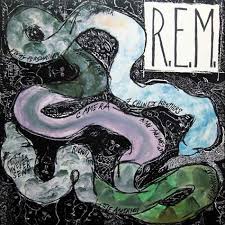
I missed this album the first time around in 1984. I had listened endlessly to Murmur, but for some reason I lost track of R.E.M. until 1987’s Document. At which point I backtracked to Dead Letter Office and have been a loyal fan of everything since then. That being said “So. Central Rain (I’m Sorry)” and “(Don’t Go Back To) Rockville” are somehow embedded in my psyche. I assume it has to do with the greatest hits package Eponymous that I listened to regularly in the late 80s.
A few months ago I picked up a nice pristine vinyl edition of Reckoning for $4 bucks but did not listen to it until a couple of days ago. Well holly shit! This gem has been sitting under my nose for 30 years? What a pleasant surprise.
Where most bands fall on their face with their sophomore album, R.E.M. hit it out of the park. This album did not sell that well nor did it make the kind of impression that Murmur did, but man this is exhibit #1 of the R.E.M sound. To quote R.E.M.’s Peter Buck: “Minor key, mid-tempo, enigmatic, semi-folk-rock-balladish things.” Reckoning is all of that and it rocks too.
Looking back with the benefit of 30 years of hindsight, Reckoning is actually a better and album than Murmur – it is more confident and fully formed – more of an album than a collection of songs. That hindsight also reveals how influential a band they would become: everything from Nirvana to Radiohead to Wilco sprouted out of early R.E.M. The early years set a solid foundation for R.E.M.’s own late 80s/early 90s mega-success when they were right in the mix with U2 for the greatest band in the world. I am so glad to have rediscovered this masterpiece. If you have never listened to it, take the time. If you are an old fan treat yourself to a reprise.
PS while listening to this album I stumbled on a great Wikipediea article: “Timeline of alternative rock.”
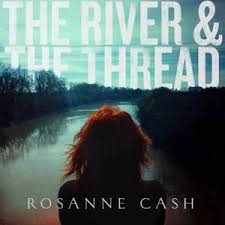
I am always amazed that a recording artist can produce a masterpiece 35 years into their career. Rosanne Cash has just done that. Cash has always produced high quality work and already has a few masterpieces under her belt, so I guess I should not be surprised.
If you are not familiar with Cash’s voice, it is distinctive without being odd. A touch of country, folk and pop. She has always surrounded herself with top-notch musicians and great arrangements and this album continues that tradition. The music behind her voice and lyrics is absolutely gorgeous and the sound of the recording is pristine. She conveys emotion with phrasing and tone – for me the lyrics are secondary – she could be singing in another language and she would get her point across.
Cash’s art has been an open book: the good, bad and the ugly of emotions and relationships. This album is more guarded, but no less emotional. More a novel than a memoir. Not quite a concept album, it does have a consistent them of a road trip. Cash is traveling and uses travel metaphors to explore her middle-aged soul.
Cash has been alt-country before that was even a gene. She is clearly out of the country tradition, but she does not let that tradition own her. She is not pop or rock either. Her music is seeking – it is contemplating. It is adult music – joy and melancholy at the same time. I guess she sings truth.
I have been savoring this album for 3 weeks now and continue to find new pleasures in it. I have a feeling this will make the top-ten list for 2014. Bravo to the Blue Note label – they have reinvented themselves from a jazz label to a curator of sophisticated rootsy pop.
Well I am disappointed in myself – I wasted 3.5 hours last night watching this year’s Grammy Awards. It was kind of like watching Saturday Night Live – you keep watching thinking at some point this show is going to have a glimmer of brilliance right? Well at least I got 10 shirts ironed while I was watching.
It was not awful, it just lacked magic. Since most of the music is boring, the artist are forced to do over the top production numbers that emphasize the visual vs. the musical. Beyoncé was hot, but her song was forgettable. Lorde gave me no reason to want to see her live (rather than twerking she convulses). I love Daft Punk’s Random Access Memories, but I love the groove and could care less about the robot shtick. I can’t believe I waited up for the grand finale of NIN, Queens of the Stone Age and the Dave Grohl – what a let down (except that Lindsey Buchingham rocked harder than any of them) – I was actually grateful when the credits rolled and cut them off.
There were a few highlights for me, but they were not-musical:
- Taylor Swift dorky dancing from her front row seats when everyone else was sitting
- Playing music nerd by trying to name the members of Ringo’s band
- Wondering who, besides me, knew the has-been songwriter representing Daft Punk for Album of the year
- Wondering where Norah was during the Phil Everly memorial
- Reading the morning after that the ratings were comparable to an episode of The Big Bang Theory (not much of an event)
- Jay-Z saying “I want to tell Blue, ‘Daddy’s got a gold sippy cup for you.’”
Usually I am blown away be some new artists that I have heard of, but never heard (e.g. Miguel, The Civil Wars, etc.) but not this year (blame that on Spotify I guess). Ho hum.
This was not love at first sight. When I first listened to this album in 1978 I thought it was elevator music. I had read several positive reviews and a guitar playing college buddy of mine raved about it. Given the endorsements I stuck with it (obviously or it would not be in my “hall of fame”) and slowly I fell in love with it.
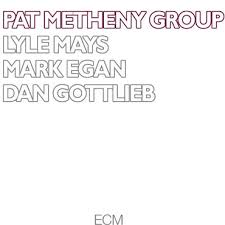
I remember being impressed by the absolute simplicity of the cover. I would later learn this was part of the ECM record label’s charm – they had a distinct (and still do) visual aesthetic. To this day I can pull an ECM record out of a crate, and just by its front cover (not even knowing the artist), identify it as an ECM release. The sparse cover art is a perfect match for ECM’s music which also has a distinct aesthetic: atmospheric, tasteful, lean and mellow. “The Group” album cover is Scandinavian beige with a simple font that would make Steve Jobs proud. ECM had the coolest inner sleeves too – a flat plastic with one side having paper in it to give it a little body – I swear it is anti-static.
As I continued to listen I started to realize this was not elevator music or what would ultimately become soft jazz. This was a quite storm. This would be confirmed a few months later when I saw the PMG at Minneapolis’ Children’s Theatre Company stage – they surprisingly rocked!. This is fusion music: jazz, folk, and rock.
Soon I was pretty well seduced and I can’t even being to imagine how many times I have spun this LP (and then CD, then digital files and now back to LP) – probably thousands of times. The keys are: Metheny’s tone, the compositions, the arrangements and the production values. Metheny had a big sound palette and over the years it has become even bigger.
I remember wanting to share the album with my girlfriend – setting up a romantic night – presenting it to her as a sonic gift (and by that time a piece of my soul). I still have that LP and the girl (this fall we will be married 30 years), both are still in mint condition.
As for the music, Metheny has very distinctive fat guitar tone that has its foundations in great jazz guitar players like Wes Montgomery. The opening cut “San Lorenzo” perfectly defines a folk and jazz fusion. This is gentle music that is the musical equivalent of a tropical vacation sunset. The next cut, “Phase Dance” has a more rocking feel, but still mellow. Side one of The Pat Metheny Group is so solid – twenty minutes of pure ear candy: Pat’s fat guitar squeezing out long fluid notes, Lyle Mays’ supporting and soloing keyboards (busy, but not disruptive), Mark Egan’s Jaco imitation and Dan Gottlieb’s muscular drumming. All presented on a wide and spacious sound stage. Generally piano and guitar don’t mix well in jazz (similar in sound with too many overlapping overtones), but somehow Metheny and Mays made it work extremely well for several albums. Although Metheny is the star, this is a true ensemble – that is a group!
I bet I have played side one at about a 10:1 ratio over the years; to the point I am always pleasantly surprised at the beauty of side two. Side two opens with “Jaco” which is an opportunity for Mark Egan to do his best Jaco Pastorius imitation. After a Metheny introductory solo he hands off to Egan to strut his stuff. Egan unleashes a serpentine bass solo and you can see how Jaco and Metheny were kindred spirits in fat tone – it is a shame they did not get to play more together.
“April Wind” is a short solo guitar meditation that foreshadows the great solo guitar work that Metheny will do throughout his career. “April Wind” is the set up pitch for “April Joy” which is a return to the great ensemble play of the first side. The two songs are a real one-two punch, perfectly complementing each other.
The album ends with “Lone Jack.” Throughout the album Metheny is restrained and deferring to gorgeous melodies. On “Lone Jack” he reminds you he is a guitar god with an absolute kick ass solo – a 400 meter sprint that he hands off to Mays for an equally impressive piano solo before the ensemble ties it all up into a bow.
This is truly one of the great jazz-fusion albums. It is the bridge between 70s jazz-rock and 80s soft jazz (soft jazz is not always a bad thing, but unfortunately it is most often schmaltz, but there are gems hidden in the frosting). It has it foundations in folk vs. funk. It is atmospheric, yet it shreds. I have never tired of this album in the 35 years I have been listening to it. It has become part of me – a musical reflection of my soul.
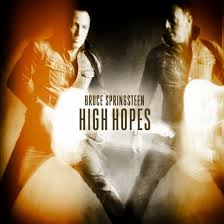
I was not impressed by the pre-release hype: a collection of covers, remakes and throw-aways from the last ten years. But it was Bruce so I had to give it a listen. My first couple of listens did not impress, but I gave it some time to marinate in my ears and then I got it. Turns out this was a brilliant idea. The covers are inspired. The remakes are better than the originals. And the throw-aways are lost gems. Bruce found a great rock and roll bromance in Tom Morello.
Every song on the album totally works and despite being a hodgepodge, High Hopes holds together as an album. I have been struggling with the last several Bruce albums – they didn’t suck, but they weren’t classics. And lets face it with a talent like Springsteen we are expecting every release to be a classic.
This album summarizes everything Bruce has been doing for a while now: E Street rebooted, atmospheric rock, folk rock, and Celtic rock. The addition of Tom Morello clearly inspires Bruce. Bruce has always needed a foil and Morello is perfect. They share liberal working man politics, they appreciate folk and they both now how to rock. Morello is just young enough to mess with Bruce in a positive way and his foundations in hip hop and modern rock songs undermines Bruce AARP membership.
Whenever a classic rock act like Bruce Springsteen pulls out a late inning masterpiece I am amazed. The titular song summarizes it all – a brilliant merger of classic E Street band jam, Springsteen dirt under the fingernails optimism and Morello’s hip hop rock guitar. It sets the table for a brilliant album. The songs are political, personal, sentimental, anthems, gritty and rocking – classic Bruce – not bad for an aging rock star in his mid 60s – relevance.
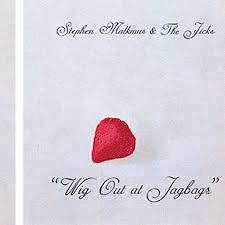
I completely missed Pavement in the 90’s, but have been gonzo about Malkmus the solo artist since his debut in 2001. Which then turned me on to Pavement. I love Malkmus’ hipster humor lyrics, Lou Reed like voice, but most of all his great guitar playing. The slacker “I don’t give a shit” attitude is a cherry on the top.
The new album is flat-out great and has already reserved a spot on my best of 2014. It is the first new release of the year for me and I hope it is a sign of a great year to come.
Malkmus mixes punk, pub rock, jam band, classic rock, soul and 90s indie rock. Always with a sardonic wink and smile. This is more of the same of what Malkmus has been pouring for the last 15 years, but it has aged to perfection like a fine scotch: smooth, yet with a nice pungent bite. There are some really cool subtle horn arrangements on some of the tunes too. Ultimately Malkmus is rock and roll and I never get tired of well done rock and roll.
Check out the video below. It perfectly captures, visually and musically, what Malkmus is all about.

One of my favorite albums of the late 80s was Rosanne Cash’s King Record Shop. Cash was not pure country – she was alt-country before that was even a genre. She had the country pedigree – Johnny Cash’s daughter and wife of Rodney Crowell, but she played rock, folk, blues in addition to country. She has an amazing unique and emotive voice. Crowell produced the bulk of her prime work and he always pulled together great musicians and fantastic arrangements.
This album touches on country rock, straight country, and LA pop (think the Eagles or Linda Ronstadt in the late 70s). Rosanne had a wonderfully aloof vibe on this album – she never seemed to be buying into the star maker machine. She does a delightful cover of her dad’s hit “Tennessee Flat Top Box.”
I originally had this on vinyl back in 1987, but I recently picked up a pristine copy for $2. Most of Rosanne Cash’s back catalog is pretty accessible on vinyl as she was a big seller back in the day.
If you are an alt-country fan you will likely love this album. Look it up and give it a spin.

2013 is over. Rather than rank music I am just going to randomly list albums released in 2013 that touched my soul. The big music event for me this year was Spotify. For a mere $10 bucks a month I have unlimited access to a pretty bad ass catalog – not everything in the world, but damn near. This is the greatest thing since Napster. I never was much of a iTunes guy – too expensive for a download. I used emusic for several years, because it was lower cost than iTunes and had an eccentric catalog. But I got sick of its low quality downloads and it was getting as expensive as iTunes. Spotify is much better – it has allowed me to explore and spend my scarce dollars on what I really want and when feasible the vinyl edition. And the convenience is unbelievable – synchronization between all my devices (iPhone, home Mac, work PC, and iPad). You can even download to your device if you know you are going to be disconnected. The streaming quality is as good as MP3s. I have not tried other streaming options, so I am not saying Spotify is the best, but it has given me no reason to look elsewhere.
And now the list:

Pat Metheny – Tap John Zorn’s Book of Angels Vol. 20
I have been a fan of Pat Metheny since the late 70s and I have consumed almost everything he has recorded and I have seen him live numerous times. He is in my top 5 list of favorite musicians – so I am biased and I tend to love everything he releases. Metheny is as much a composer as he is a player, so it is rare that he does covers – and this may be his first album completely made up of the music of one specific composer. I am pretty ignorant of John Zorn – just aware that he is certified music genius who straddles several genres. I came to this album as a pure Metheny fan and found it absolutely delightful. Metheny plays a studio full of instruments besides guitar – the only other player is his regular drummer Antonio Sanchez. Metheny explores Zorn’s music with absolute confidence. For his part, Zorn selected compositions specifically for Metheny. It is a truly inspired collaboration. See original Catchgroove post here.
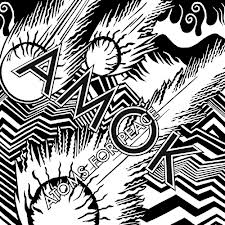
Atoms For Peace – AMOK
As each year goes by I have a greater appreciation for post OK Computer Radiohead and Thom Yorke. So by the time we get to Atoms For Peace I am in a receptive state of mind. What I like about this album is that it is neither a Radiohead album nor a Thom Yorke – it is its own entity. “Ingenue” is simply beautiful – the most beautiful song Thom Yorke has ever been associated with. The video is perfect. See original Catchgroove post here.
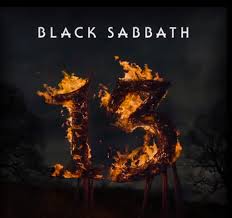
Black Sabbath – 13
How does a band who I would have thought was completely past their prime and whose members have narrowly avoided death by misadventure numerous times pull an album out of their collective ass that stands up to the best of their catalog? I bet Rick Ruben had something to do with it. It is easy to forget, given that Ozzy has become such a caricature, that Black Sabbath is one of rock’s greatest bands. If you like classic Sabbath you will love this album. See original Catchgroove post here.
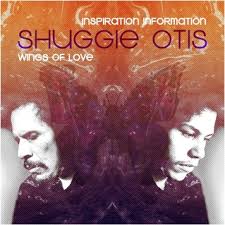
Shuggie Otis – Wings of Love
If you have not savored Shuggie Otis’ Inspiration Information, you are missing one of the truly great pop masterpieces. Shuggie seemingly shot his wad with that album – or maybe not – perhaps he just could not find his place in the fickle world of pop. Wings of Love is the broken pieces of follow-up albums never made. The fact that it packaged with a reissue of Inspiration Information makes this a must have for lovers of sophisticated pop/R&B. Wings of Love (the song) is a 12 minute pop symphony that schools Frank Ocean, evokes power ballad excess (in a good way) with a huge nod to the great Todd Rundgren. Some how I never managed to give this album a proper post in 2013.
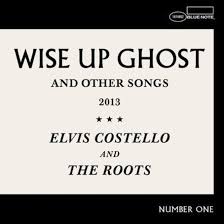
Elvis Costello and The Roots – Wise Up Ghost
Elvis and The Roots are both consummate collaborators so it makes total sense to me that this joint venture would totally work and it does. Given Elvis distinctive voice and lyrics, this is more a Elvis album than a The Roots album. But given the The Roots are America’s greatest backup band – they are just doing what they do best – making their featured artist sound at the top of his game. See original Catchgroove post here. If you want a little more weight on The Roots side of the equation look for the Record Store Day Black Friday EP Wise Up: Thought Remixes & Reworks.

Stephen Malkmus and Friends – Can’s Ege Bamyasi
Releases like this are why Record Store Day has become my favorite holiday. I am a Pavement and Malkmus solo fan so I picked this up and became a Can fan. See original Catchgroove post here.
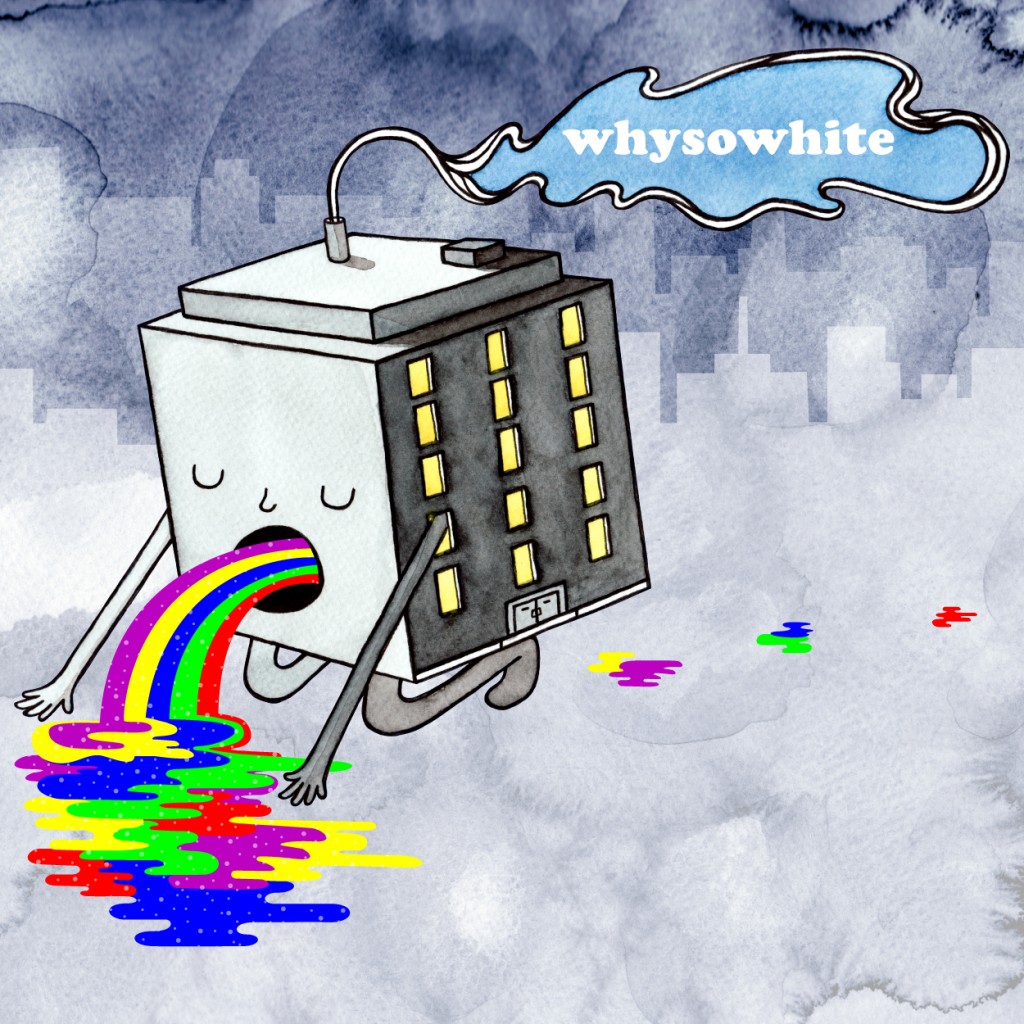
whysowhite – whysowhite
Full disclosure – my son manages this band and I know these guys as my son’s Chicago pals. But all the same, whysowhite is an amazing band – especially live. This album merely hints at how great they are. CHICAGO.FUNK.LOVE – indeed! See original Catchgroove post here.
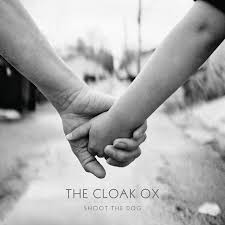
The Cloak Ox – Shoot The Dog
Albums like this remind me why I love music. When you listen to a band for the first time (that you have never heard of) and are completely blown away, you are energized to continue the journey. How can a band this good exist in my home town and I know nothing about them? How many more are hiding and waiting to be discovered? Punk Floyd. See original Catchgroove post here.

Tedeschi Trucks Band – Made Up Mind
More of the same – and that is a good thing. Derek Trucks and his wife Susan Tedeschi make some pretty amazing music – bluesy jam band stuff. Susan’s voice is the perfect foil to Derek’s thick guitar tone. This album perfects what they have been doing for the last few years – nothing new, just relaxed craftsmanship.

Bob Dylan Another Self Portrait – The Bootleg Series Vol. 10
What at first appears to be a reissue of one of Bob’s most baffling releases, is not. It is a complete re-imagining of the original release. Given nearly 35 years to marinate, this collection of alternative versions and outtakes validates the original release for the visionary near masterpiece that it was. I got taken down by Bob and Sony for the LP and the deluxe CD (which includes a remastered version of Self Portrait and a live set of Dylan and the Band). All editions come with access to a pretty spiffy smart phone app that is a digital scrapbook to augment the release. If you are on a budget the 2 CD release is plenty – the deluxe is for the lunatic fringe like me. See original Catchgroove post here.
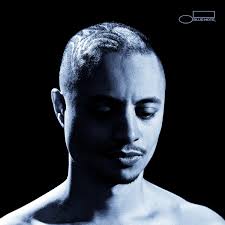
Jose James – No Beginning No End
Despite being in regular rotation this past year, I never managed to post about this album. This is a great soul-jazz vocal album. It is both retro (think Bill Withers or Lou Rawls) and contemporary (think D’Angelo or Madlib). It should appeal to older listeners who love mellow soul and younger listeners raised on hip-hop.
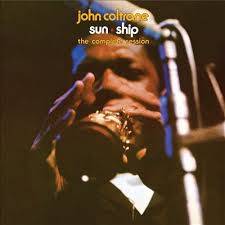
John Coltrane – Sun Ship – The Complete Sessions (Reissue)
This is one of the final albums I have listened to in 2013. I was not familiar with the original album. I am not sure how I stumbled across this album – must have been on someone’s best of list. I looked it up on Spotify and I was immediately captured. This was near the end of the “Classic Quartet” and they are not spent, rather they are at the top of their game. Coltrane exclusively plays tenor despite the soprano on the cover. His tone is powerful and is the aural representation of wisdom. This is deep thoughtful music without being pretentious or challenging. The various takes, inserts and false starts are a delight – it is like you are a mouse in the corner of the studio. This quote from the liner notes say it all: “The giants that so casually carved these sonic monuments are mostly gone. To uncover new versions of these classic performances by the Classic Quartet is to re-experience the music as it sound then, fresh, masterful. It may be the closest we can get to traveling back through time.”

Miles Davis – Mono Box (Reissue)
These sides represent, what most believe to be, the best of Miles distinguished career – at the very least they represent Miles at his most accessible and popular. It is a joy to hear this work as it was meant to be heard – in mono. See original Catchgroove post here.
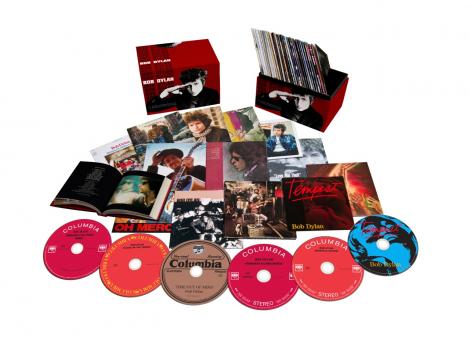
Bob Dylan: The Complete Album Collection Vol. 1
Earlier this fall I debated whether I would get this or not. Well I could not help myself (I guess this was a Christmas present to myself – I managed to hold off opening it for a month). I am not sure if a normal person would ever buy this or not and for a hard-core Dylan fan there is nothing really new here. So it is merely a tidy collection of Bob’s catalog in one neat package. As of this writing I have just dipped my toe in this ocean of Dylan. I have been playing random disks in the car with my family over this past week and they were struck by all the different versions of Dylan. If you are a casual to semi-serious fan you likely don’t have everything here. You will be pleasantly surprised by some of Dylan’s lesser known but still brilliant albums.

Arcade Fire – Reflektor
This is a great pop album by a great pop band. It is a logical evolution of their sound and it suggests Arcade Fire could have a U2/Radiohead career. But my sense is that the album fell on deaf ears. Arcade Fire may be suffering from being too popular for the critics and too weird for the mainstream audience. See original Catchgroove post here.
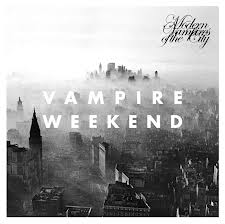
Vampire Weekend – Modern Vampires of the City
Another band that has appropriately evolved their sound. This an absolutely gorgeous sounding album. It is both contemplative and rocking. It is whimsical and deep. It is retro and contemporary. Every time I listen to this band it evokes Paul Simon – not in an imitative way, but in an inspired way.
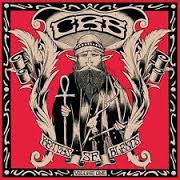
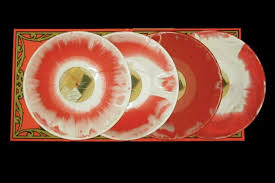
Chris Robinson Brotherhood – Betty’s S.F. Blends Volume One
Well this is what Record Store Day is all about – an over the top special release:
- Quadruple LP
- Limited
- Vinyl only
- Gorgeous packaging
- Tie-dyed vinyl
- Obscure concept (cuts from a multi-night set of concerts in San Fransisco recorded and curated by a protegé of the Grateful Dead)
Need I say more? Yeah it sounds great!
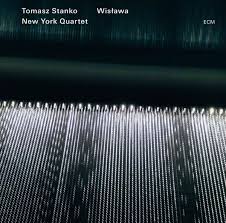
Tomasz Stanko New York Quartet – Wislawa
I learned about this album from Stereophile – it was their April issue’s “Recording of the Month.” I had never heard of trumpeter Stanko, but seeing that this was on the always reliable ECM convinced me to buy it. If you are a fan of Kind of Blue era Miles, you will like this. But this is not retro, this is thoroughly contemporary jazz. The sound quality of this album is top-notch (as it always is on ECM).

Charles Lloyd/Jason Moran – Hagar’s Song
Another great ECM jazz release from 2013. A collection of jazz standards, original material and offbeat covers (Dylan and the Beach Boys?). See original Catchgroove post here.
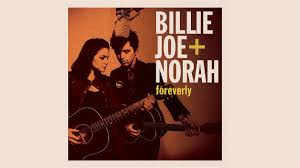
Billie Joe + Norah – foreverly
My favorite duet concept in many a year:
- Pair punk superstar Billie Joe Armstrong (Green Day) with pop-jazz chanteuse Norah Jones
- Cover the Everly Brothers covering classic American folk songs
- Weirdly brilliant
This works on so many levels and it sounds absolutely timeless. See original Catchgroove post here.

Neko Case – The Worse Things Get, The Harder I Fight, The Harder I Fight, The More I Love You
Great album title and a great album. This might be Neko Case’s best release ever. See original Catchgroove post here.
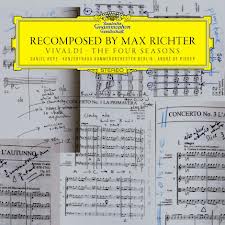
Max Richter – Vivaldi Four Seasons
This was really a 2012 release, but I did not discover it until 2013. Classical music with a Radiohead feel. See original Catchgroove post here.

Jim James – Regions Of Light And Sound Of God
Not that different from a My Morning Jacket release, but with a distinctive voice like Jim James it is hard to create much separation. See original Catchgroove post here.
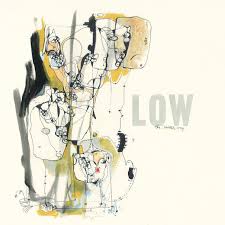
Low – The Invisible Way
I love somnolescent rock and Low is one of the masters. They have been on a roll for years spinning out wonderfully lugubrious tracks. This album has the added bonus of being produced by Jeff Tweedy. Jeff brings a light touch and the only thing that is radically different than past releases is the Mimi Parker has a more prominent role as lead singer on several tracks.
Poliça – Shulamith
I could not get enough of 2012’s Give Up The Ghost and Poliça has given more of the same. The sound is not as arresting the second time around, but this is still a great album. It is one that grows on you with repeated listens – so show some patience and you will be rewarded.
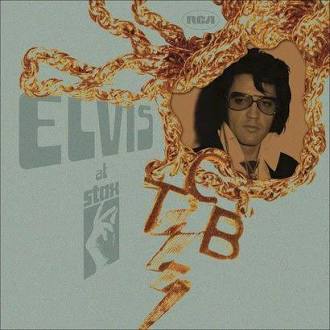
Elvis Presley – Elvis at Stax [Deluxe Edition]
I stumbled across this release on Spotify and fell in love with it – mainly because it was not a greatest hits package and because it was beautifully recorded. The title Elvis at Stax is misleading – this is not Elvis getting soulful and funky with Stax session men. Elvis recorded at Stax in 1973 because of proximity – it was close to home. The band is his regular crack TCB band (taking care of business) and they are amazing. This set gives you alternate takes and studio banter. What is striking is how effortless Elvis could spit out a great performance. Elvis is King.
To this point this best of list has been random – the order has meant nothing, but these last two are my best of the the best – my album of the year and first runner-up.
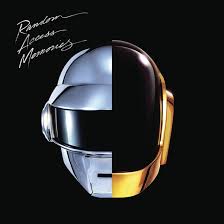
Daft Punk – Random Access Memories – Catchgroove’s first runner-up for Album of the Year
I managed to make it to 2013 without Daft Punk making even a slight dent in my consciousness – I heard of them but new nothing about them and could not name a song. Electronic Dance Music is not my cup of tea. But I was intrigued by the pre-release hype and decided to give this album a listen. It totally lived up to the hype. The pop world does not produce many genuine albums anymore, but this is an ALBUM! Sure there are singles, but every cut on this album is great. Kids when the old folks talk about an album vs. a collection of songs like it means something special, RAM is what they were talking about. I could not stop listening to this thing for months. See original Catchgroove post here and special vinyl reprise here.
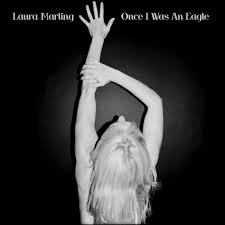
Laura Marling – Once I Was An Eagle – Catchgroove’s Album of the Year
Joni Mitchell has been on my top 5 artist forever. I was blown away by this release as it was the closest thing to capturing the spirit of classic Joni I have ever heard. This is like stumbling across a rare flower at the peak of its blossom. Side one of the LP is the most coherent pop suite I have heard in ages and completely visceral. Like Daft Punk’s RAM, this is an ALBUM and not a mere collection of songs. I have listened to this album more than any other in 2013 and have never tired of it. See original Catchgroove post here.
Have a great 2014. I can’t wait to hear some new releases – it is a lot of work rehashing the past. Happy New Year!
I was reading the WSJ Magazine this AM. In each issue the magazine asks six luminaries to comment on a single topic. This month it was: Indulgence. I found the article kind of boring, but it did make me think about my own indulgences. I thought I would share a few:
- Taking a day off in the middle of the week without much of an agenda and not checking work email all day (I did that today as a matter of fact)
- Buying the CD and the vinyl edition of the same release
- Perkins Tremendous Twelve (for dinner)
- A Hendrick’s Gin martini with a slice of fresh cucumber instead of an olive
- A three-hour workout
- Going out for White Castle after a ball game
- An Islay scotch for desert after an over priced dinner out
- Any kind of tube audio equipment
- A third cup of Pu-erh tea on a weekend morning
- A $12 bottle of beer (off-sale)
I have no idea what this says about me, you be the judge.

There are two recording artist that have earned most of my money – Bob Dylan and Miles Davis. Back in the day I purchased the LPs, and then “upgraded” to CD; I have several shelves of their biographies. I have purchased box sets, CD reissues, expanded editions, SACDs, and vinyl re-issues. Then a couple of years ago there was the Bob Dylan Mono Box. Now Miles Mono Box (and for good measure I picked up the Kind of Blue mono LP too).
In the late 50s and early 60s hi-fi was serious business for both the labels and for consumers. Jazz producers took extra care in recording to be as state of the art as they could be. Consumers were buying high quality playback equipment. Stereo was a new innovation and for most recordings an afterthought. The artist and production staff was focused on the mono mix. After the fact someone would take a stab at the stereo version – often without any artist input.
In the Miles mono box’s liner notes, Marc Myers writes regarding the original LPs, “the word ‘mono’ did not appear on the cover. Instead, the jacket announced that the music inside was ‘360º Sound, Guaranteed High Fidelity.’ Stereo technology wouldn’t be in place at Columbia until 1958, so there was no need to add the word ‘mono’ to delineate a difference. ‘Mono has always been truer to the studio sound and the original intent,’ said George Avakian (the guy who signed Miles to Columbia and produced him). ‘Mono featured less audio trickery and fewer audio distractions, so you can actually hear the musical conversation between Miles and the other musicians as it occurred in the studio.”’
Most current day music-heads believe the mono editions (which also happen to be the rarest as subsequent reissues were stereo) as the artist true intent. In many cases (e.g. the Beatles) the mono and stereo mixes were radically different. I like jazz in mono because I feel that is the closest thing to live. Jazz is best experienced in a small club. In that situation you are typically witnessing a small combo projecting out a tight sound stage – although we have two ears – that experience is mono in my mind. In a theater or arena the sound stage is typically wide and a stereo mix is more appropriate (or occurs naturally in a concert hall). In the early days of stereo the mixes cold be very gimmicky and unnatural (e.g. vocals out of one channel and instruments out of another is the worst). It took awhile for the artist and production team to figure out how to use this medium – in general they had not figure that out between 1955 and 1963 when these Miles sides were first issued. So hearing them mono is how they were meant to be heard – ideally via LP.
As much as I like the electric Miles and the second quintet, the 1955-1960 era Miles is the best. This collection is the mother lode: amazing bands and the Gil Evans orchestra work. This is a 9 CDs (about half of them have a LP available too) collection and at least three are absolute jazz hall of fame masterpieces (Kind of Blue, Sketches in Spain, and Milestones). When John Coltrane and Cannonball Adderley are playing second fiddle you know you have something special (they are featured on 7 of 9 CDs).
I started my listening with the vinyl mono reissue of Kind of Blue. I can’t even begin to tell you how great an album Kind of Blue is – for me it is hands down the greatest jazz album of all time. I have been listening to it for 30 plus years and NEVER tire of it. I sat back and let it blanket me. The mono LP is an absolutely sonically stunning masterpiece, the best version I have in my collection. The CD that came in the mono box just misses enough to make you wish I had deep enough pockets to get the several LP editions that complement the box. But the CDs in mono is plenty rewarding.
I have been working my way through the rest of the collection and all the CDs are stunning. This is a must have set for the Miles Davis fan and excellent introductory lesson for the uninitiated. At $90 it a steep initiation, but the 70 tracks are available on Spotify too. For more information see this post from the official Miles site.


