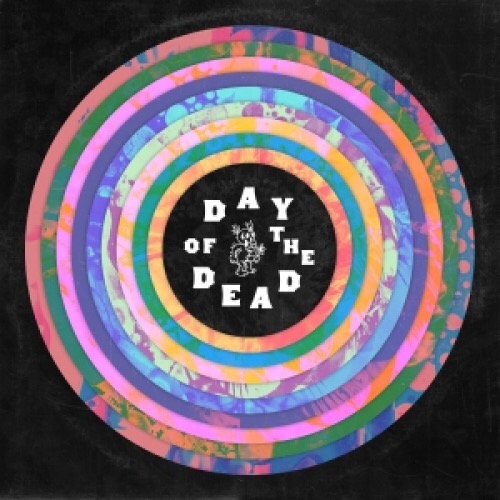
This is a Grateful Dead tribute album and fund-raiser for HIV\AIDS (Red Hot). I don’t think of myself as much of a Grateful Dead fan, however after listening to this compilation I realized I am pretty familiar with their catalog. I am a pretty big Jerry Garcia fan and I have most of his solo albums and his side projects. So I certainly respect the Dead and their legacy.
This collection was organized/curated/produced by The National’s Aaron and Bryce Dessner. Based on my taste I should be a National’s fan. But some how they have never resonated with me. This collection has got me curious about revisiting their work.
I saw a while back that Aaron and Bryce Dessner were producing this collection and for reasons I don’t understand – the idea of the collection caught my attention. I was watching for it and checked it out on Spotify when it was released. Listening to the first few cuts I was sold. The goal of an album like this is to raise money, but from an artistic sense it is to honor the original songs and expose listeners to songs and artist they are not familiar with. This collection hits it out of the park.
There are too many songs (59) and featured artists (60) to give a full review – or even summarize. I will focus on single track as a proxy for the rest of the album: “Terrapin Station (Suite).” The original album’s (one of the few Dead LPs I actually own – l bought it because I liked the cover) titular track (it was originally called “Terrapin Station Medley”) is a full side (little over 16 minutes). The LP never resonated with me. But hearing the Day Of The Dead cover showed me what a great song it is. I returned to the original and was struck by how ambitious it is – almost prog – almost jazz rock fusion. The original now sounds amazing to me.
Back to the cover. Daniel Rossen and Christopher Bear of Grizzly Bear team up with The National to make an equally ambitious cover. It starts out faithful to the original but then goes its own way. My idea of a great cover is that it both faithful and reinvents the original – this version pulls off that contradiction.
“Terrapin Station (Suite)” is pretty representative of what this album is all about. There are the Dead’s greatest hits and obscurities. Most of the featured artists come from alt-country/Americana , but there are also a smattering of other genres too. About half of the artists were familiar to me – enough to draw me in – and enough talent that is new to me to delight my sense of discovery. Tribute albums are a great way to discover new talent. For example after listening to “Terrapin Station (Suite)” I am motivated to check out both The National and Grizzly Bear. This is an absolutely delightful collection and will be on my best of 2016 for sure.

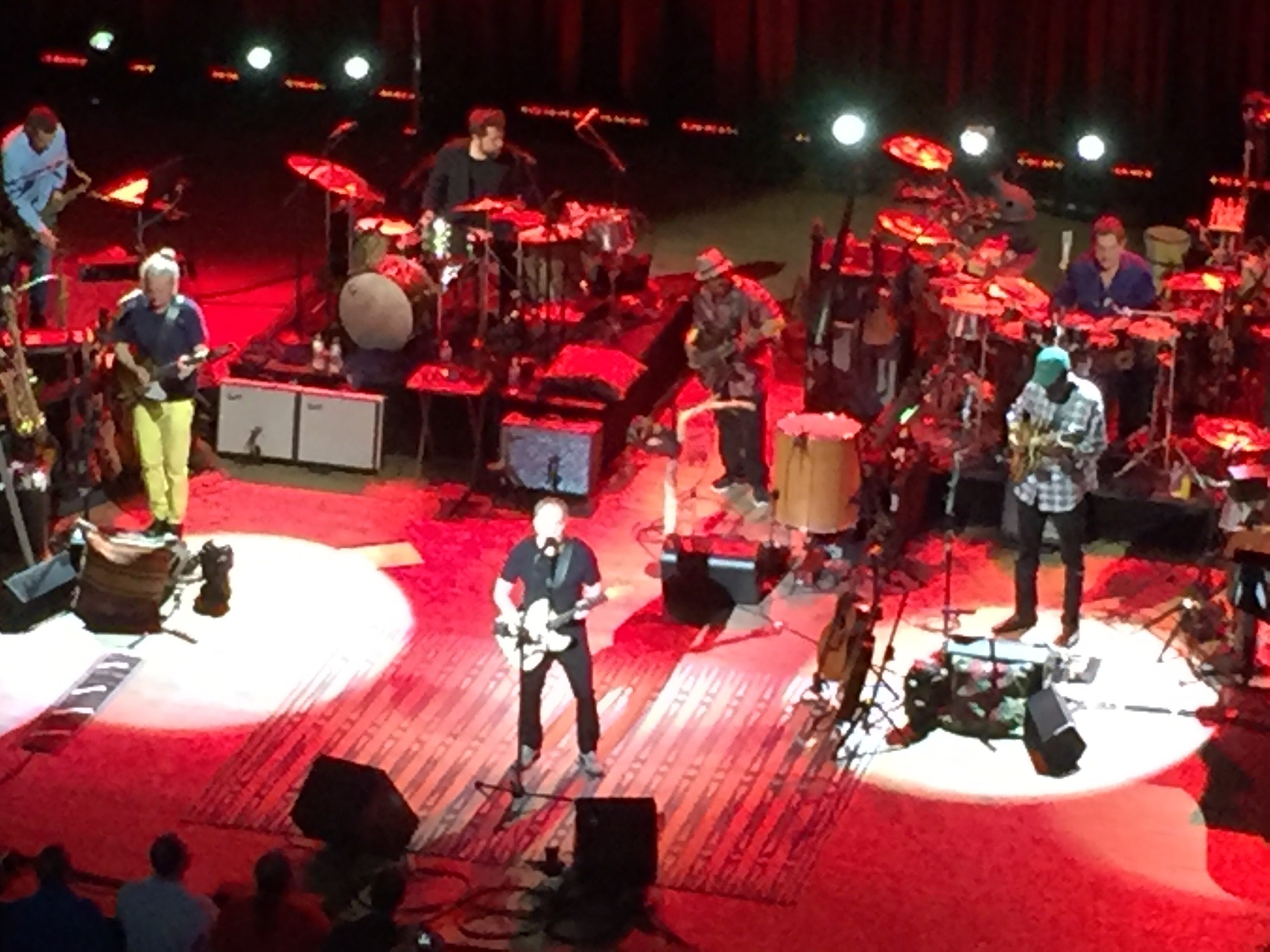
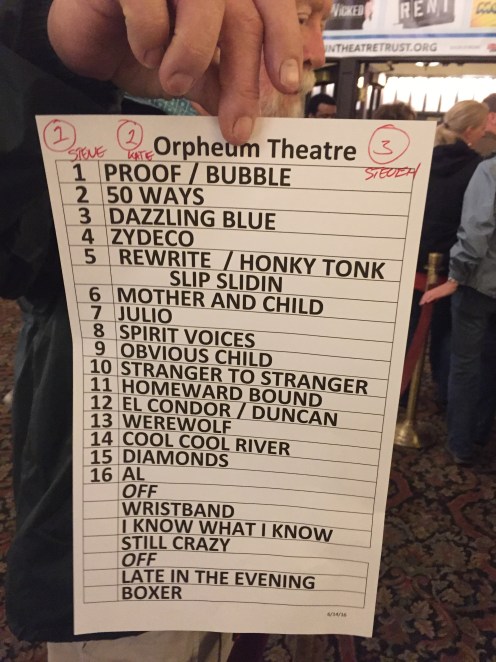
My introduction to Stranger to Stranger was a podcast where Paul Simon detailed the composition of the album’s opening cut “Werewolf.” I have long appreciated Simon’s songwriting and production, but this podcast was a revelation on how deliberate his art is. It is easy to think that songs just pop out of the songwriter’s head fully realized (I know better). After listening to Simon dissect the track I now appreciate him even more – this is not magic – it is craft. I don’t believe in magic, I believe in craft (genius plus 10,000 well placed hours).
With that introduction I was psyched for the new album and the tour (my wife and I had tickets). Simon’s generation of rock and pop stars are sure aging gracefully. I need to stop being shocked at the brilliance coming out of musical geniuses in their seventh decade (Dylan, the Stones and McCartney for example). They are aging like whiskey. Simon is one of a rare breed who has consistently delivered new quality material over a nearly 60 year career (he had his first hit at sixteen in 1957).
Stranger to Stranger came out a couple of weeks ago and I have been listening to it pretty much daily. It is brilliant. Hopefully Stranger to Stranger is not Simon’s last album, but if it is he is going out as a champ. It is lyrically clever, rhythmically adventurous and the arrangements are ambitious. Yet at no point does it come off as pretentious – it is well crafted pop.
I first became a serious Paul Simon with 1980’s One Trick Pony. I was aware of Simon and Garfunkel and Simon’s solo Columbia years, but it never really resonated with me. A buddy of mine, with exquisite musical taste, recommend One Trick Pony and so I gave it a serious listen. It had come after a five-year recording drought for Simon. I was immediately smitten. I enjoyed his next album Hearts And Bones, which was more adventurous than One Trick Pony. Then there was Graceland – a masterpiece and on my personal top ten greatest albums list.
I am not going to go track by track through Stranger To Stranger, but I will point out some highlights. “Wristband” sounds like a hit song. It is lyrically comical, yet poignant. The narrator is in a band and gets locked out of his gig (the comical part) and then Simon turns that joke into an analogy for the disenfranchised (the poignant part).
“Cool Papa Bell” is some nice afro-funk that lyrically contemplates deep thoughts while seeking advice from the fastest man ever. Per Negro League great Josh Gibson: “Cool Papa Bell was so fast he could get out of bed, turn out the lights across the room and be back in bed under the covers before the lights went out.”
“Insomniac’s Lullaby” is a lullaby and it has this beautiful prayer:
Oh Lord, don’t keep me up all night
With questions I can’t understand
While I wrestle my fears
I recently joined Tidal for access to the new Radiohead album and one of the side benefits was Neil’s catalog – which he pulled from Spotify in favor of Tidal.
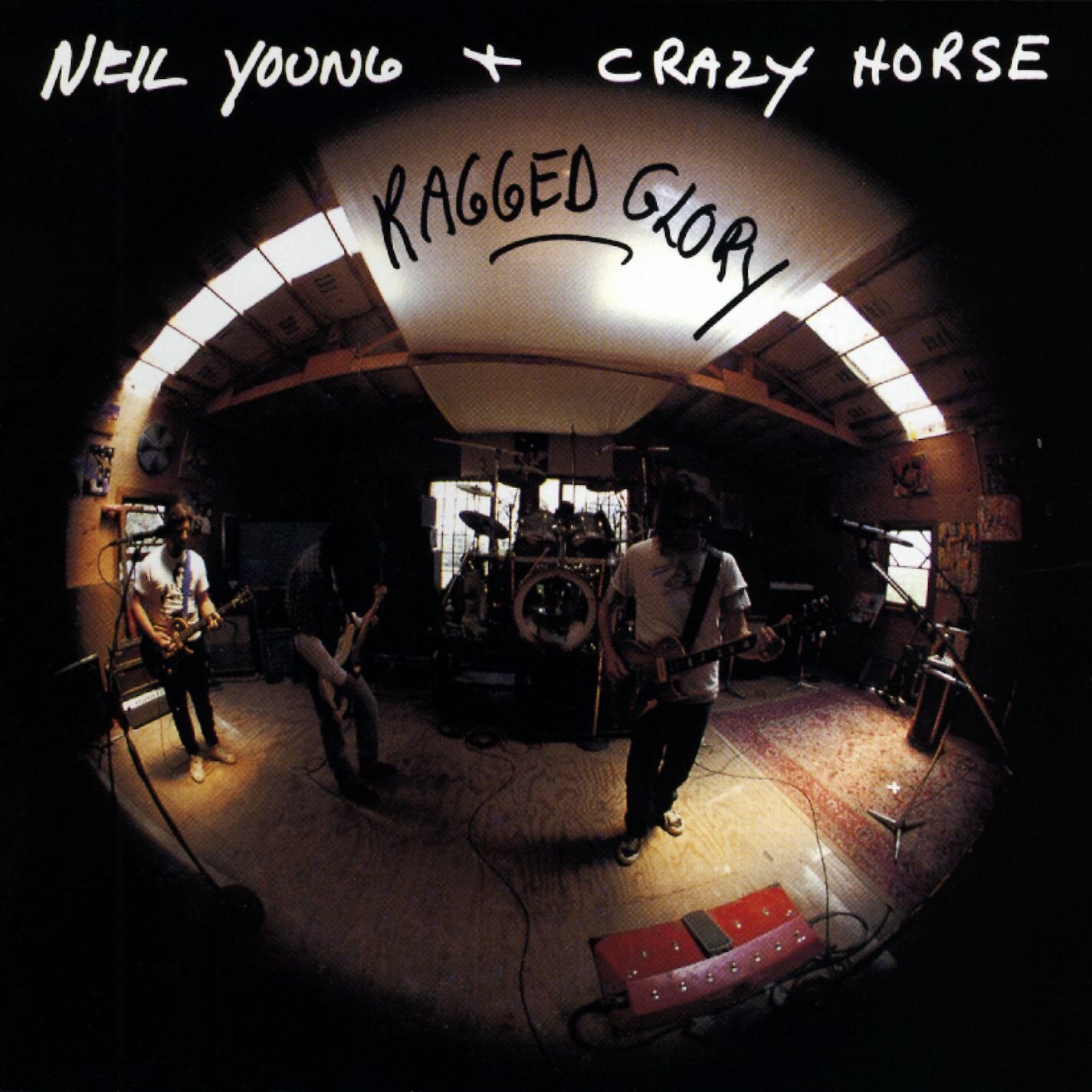
Neil is teasing his new album Earth with a and tasty half-hour single “Love And Only Love” as an exclusive on Tidal. Which got me thinking about Ragged Glory, the album it originally appeared on. Ragged Glory was released in the fall of 1990 when Neil was invigorated himself as the godfather of grunge.
The album is a collection of mostly new songs performed as wonderfully sloppy jams with Crazy Horse. Several stretch out for ten minutes. The Horse always inspire Neil to his grungy best. This is one of the strongest albums in Young’s catalog and that is saying a lot as he has several masterpieces.
Neil had come back to life the previous year with Freedom (which included “Rockin’ in the Free World”) after the dreadful Geffen years. Freedom is a good album, but Ragged Glory is a great one.
The album opens with “Country Home” which is nearly 8 minutes of rusty jamming that sets the table for the album. It is grunge with twang.
“White Line” has the classic dark groove of the Horse. It has that railroad rock and roll beat – only instead of the train, the movement is the white lines of the highway that rhythmically and lyrically set the tone.
“F*!#in’ Up” captures a mood that I assume most people have felt – “Why do I keep fuckin’ up?” This song has been often covered by Pearl Jam over the years.
“Over and Over” has that almost danceable beat that AC-DC has. The song opens with a classic Neil Young guitar solo. A great love song with an arena anthem chorus:
Over and over again my love
Over and over again with you
Over and over again my love
Over and over again with you.
Eight minutes of glorious distorted guitar and sing-song lyrics – Neil at his best.
“Love to Burn” another nearly ten minute jam. “Old Black” sings like a an angel – an angel who has had too many whiskeys. The song is also the beneficiary of classic Horse harmonies.
“Farmer John”is an intriguing cover of a Don and Dewy song. I always love when a great songwriter covers a song – especially when it is something as obscure as this.
“Mansion on the Hill” was the lead single from this album. The mansion seems like a an analogy for rock and roll – note the chorus:
There’s a mansion on the hill
Psychedelic music fills the air
Peace and love live there still
In that mansion on the hill.
“Days That Used to Be” is a sentimental remembrance of a simpler time – a time that Neil has managed to stretch for a lifetime – meanwhile the rest of us have sold out:
Seem like such a simple thing
to follow one’s own dream
But possessions and concession
are not often what they seem
They drag you down
and load you down
in disguise of security.
“Love and Only Love” is a classic ten minute jam by Neil and the Horse that pretty much defines their sound. Hard rocking, yet meandering.
“Mother Earth (Natural Anthem)” opens with a blast of guitar feedback. Young juxtapositions his grungy guitar with hymn-like singing. What should not work – works perfectly.
Ragged Glory is classic Neil Young and Crazy Horse: grungy, jamming rock and great Neil Young songs – metal on Quaaludes. Lyrically it is both sentimental and crabby. “Old Black” grinding out riffs and the Horse’s simplistic but perfect harmonies. I apologize for the repeated uses of “classic” in this review – but that is the best word I can think of to describe this work – classic Neil Young.
PS – if you like this album, Neil followed it up with a live album (2 CDs) Weld. It came with a companion CD called Arc that was 35 minutes of feedback, guitar noise, and vocal fragments edited from the 2 CDs. Again – classic Neil.
tidal.com/album/49653730
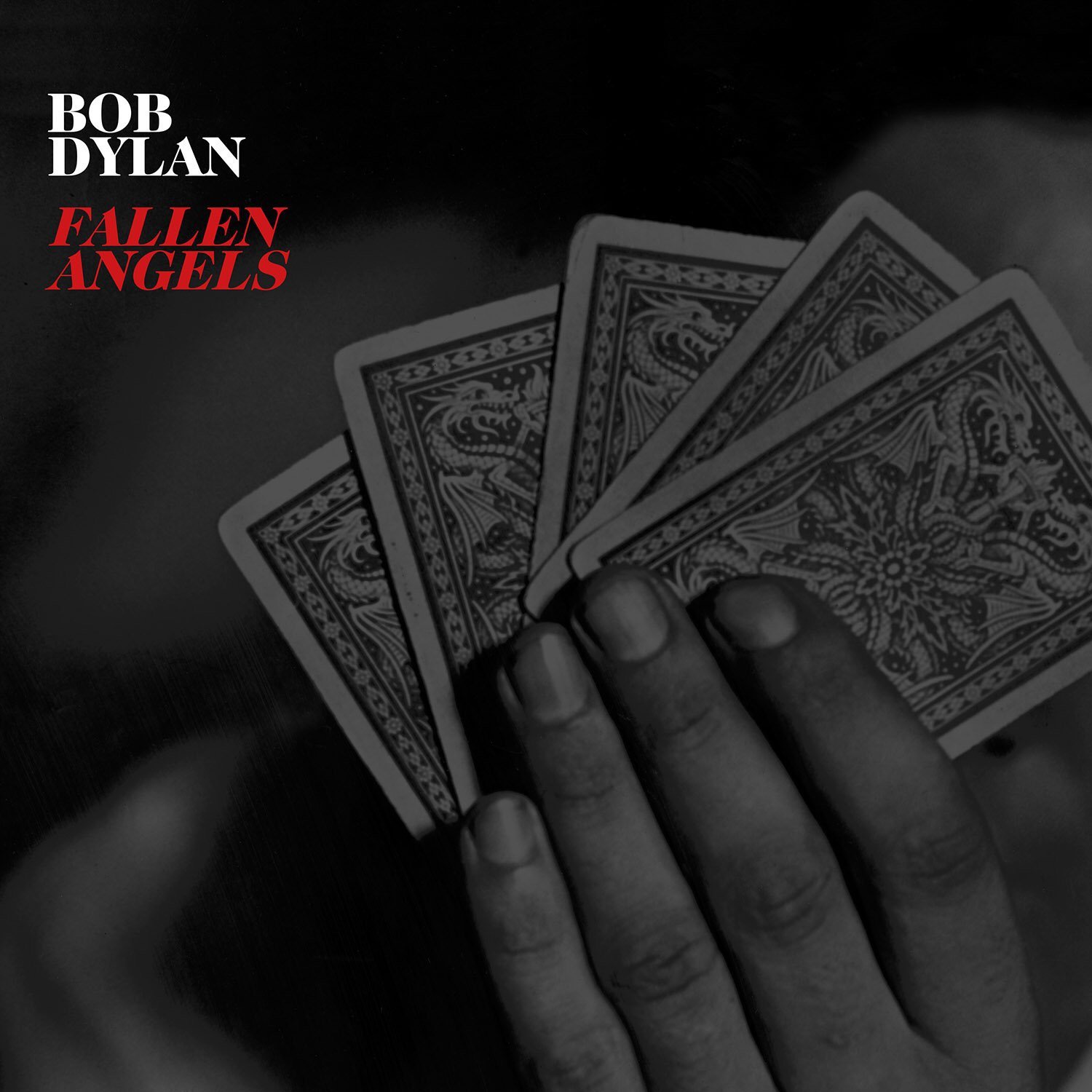
Dylan reprises 2015’s Shadows in the Night with more covers of the great American songbook – especially songs associated with Sinatra. It works better for me this round because I have gotten over the shock of hearing Dylan croon and caress the songbook – Shadows on the Night trained me to be in a receptive state of mind. I can just sit back and enjoy Fallen Angels.
For years pop and rock artists have been exploiting the songbook to pad their catalogs. What Dylan is doing does not feel that way. What Dylan brings to the table is:
- Dylan’s genuine appreciation a of the songs
- Dylan’s unique voice – specifically modified to a croon for the occasion without sounding affected
- The original arrangements of Dylan’s touring band
- America’s greatest living songwriter interpreting great songs – Dylan has always been a student of songwriting – so it is cool to hear his take on these masterpieces
This is not revolutionary – it is merely fun. What more can you ask from a 75-year-old superstar? He is still entertaining us. Happy belated birthday Bob!
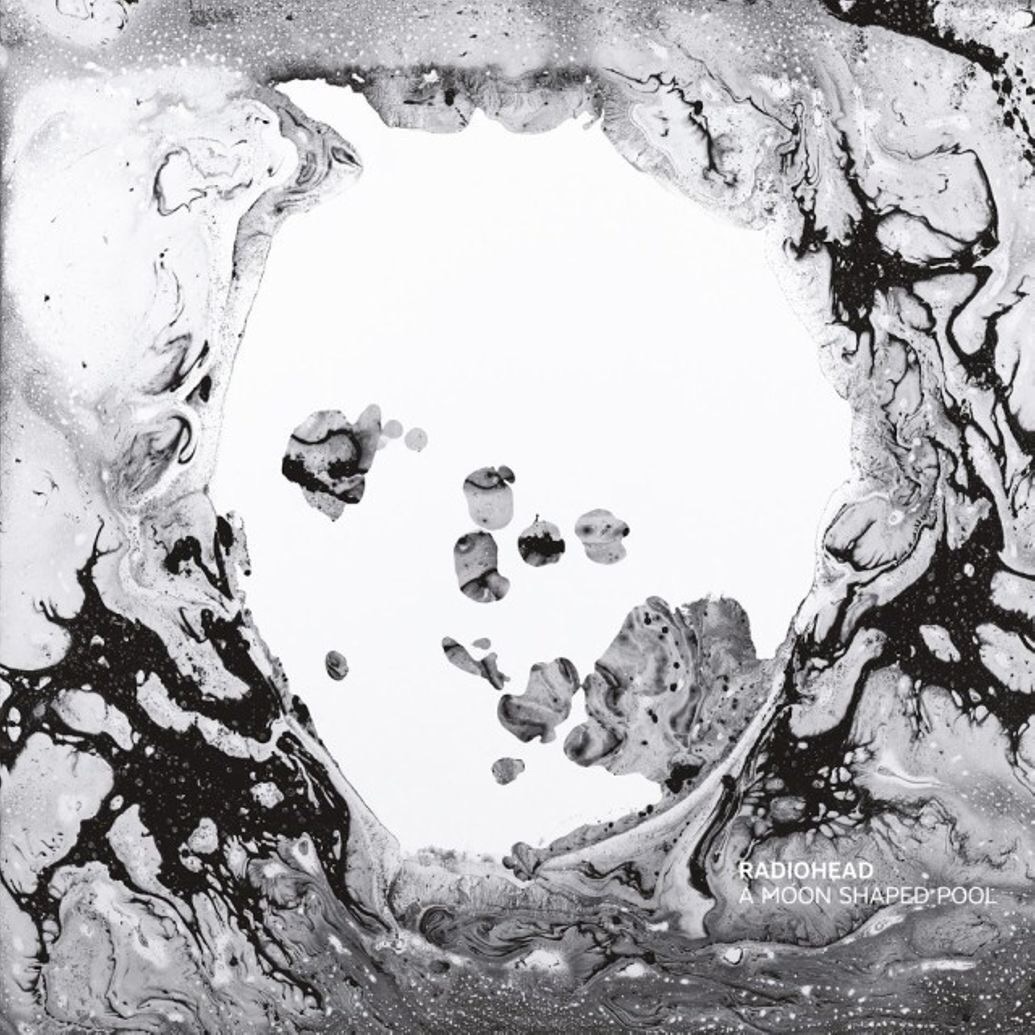
In an earlier post I shared my exasperation with Radiohead’s distribution model for A Moon Shaped Pool. I was still annoyed with Radiohead when I eventually broke down and got a Tidal subscription about a week ago. I have had a love/hate relationship with Radiohead since Kid A. So exasperation is all part of the deal with Radiohead and me.
I have some history with Tidal too. I was an early adopter of Tidal when their shtick was CD-quality streams. That gimmick never panned out for me, but their recently exclusive content has worn me down. Fortunately they have a family plan and so I joined my son’s plan (my son’s breaking point was Prince’s death and the dearth of his music on Spotify).
Well the bastards have done it: this is, for me, their best album since Ok Computer and it is the most conventionally beautiful in their catalog. In a word it is brilliant.
The week before the release of A Moon Shaped Pool Radiohead released “Burn The Witch.” It may be the most accessible Radiohead single since “Creep.” The song would not sound out-of-place on a U2 or Coldplay album. That is not meant as some kind of snarky put down – writing a catchy pop song is high art in my book. “Burn The Witch” opens A Moon Shaped Pool. In addition to being a great pop song it is pretty topical too. It has a pretty great video too – here it is (in case you were not one of the 15 million views):
“Daydreaming” is classic post OK Computer atmospheric weirdness. It starts out with the obvious:
Dreamers
They never learn
And ends with the obscure mantra:
Evol ym dnuof ev’I
That turns out to not be so obscure after all – the mantra is “I’ve found my love” backwards. The song also has a nice video:
“Decks Dark” is a beautiful slow song. It has a lush arrangement complete with chorale voices. It reminds of that feeling you have as you about to fall asleep. But about the two-thirds of the way through it transitions into a vivid dream.
“Desert Island Disk” focuses on acoustic guitars! Radiohead are getting their Nick Drake groove on. I can’t think of a better way of putting it: his is a pretty song.
“Ful Stop” opens with heart-like beat that morphs into a more subtle menacing sound. By the half way point it is everything Radiohead does best – stark and epic at the same time. I can’t wait to hear this number live.
“Glass Eyes” opens with a very cool keyboard and stings intro. This is a very cinematic sounding track. The strings are perfect augmentation to Thom Yorke’s gorgeous voice.
“Identikit” focuses on the rhythm, yet it ends with a very nice electic guitar solo.
Every time I hear “The Numbers” it reminds me of one of my favorite bands: Traffic. It has a nice hippie psychedelic feel, yet it is utterly Radiohead.
“Present Tense” teases you with little whiffs of Dylan’s “Don’t Think Twice.”
“Tinker Tailor Soldier Sailor Rich Man Poor Man Beggar Man Thief” is Kid A sounding Radiohead. This is the most minimalist track on the album, but it is still compelling. As the song progresses it gets richer.
“True Love Waits” closes out the album with a quite meditation on love. The lyrics are both clear and obscure:
I’ll drown my beliefs
To have your babies
I’ll dress like your niece
And wash your swollen feetJust don’t leave
Don’t leaveI’m not living, I’m just killing time
Your tiny hands, your crazy-kitten smileJust don’t leave
Don’t leaveAnd true love waits
In haunted attics
And true love lives
On lollipops and crispsJust don’t leave
Don’t leave
I have not fallen for a Radiohead album this hard since OK Computer. I don’t know how to categorize what is going on here – rock, pop, electronica, ambient, classical, etc. Radiohead have claimed a piece of the pop space that is all their own. This is Radiohead music – there is no other way to classify it. All is forgiven.
 I will pretty much consume everything Pat Metheny creates. I particularly value when he serves as a sideman, as it often turns me on to a new artist I am not familiar with. Metheny’s voice plays so well in so many different contexts – whether the pop of Joni Mitchell or the avant-garde jazz of Ornette Coleman. As a sideman you get to see the depth of Matheny’s artistry.
I recognized Cuong Vu as a trumpeter and vocalist who played on the Pat Metheny Group’s Speaking Of Now (2002) and The Way Up (2005). In PMG Vu added color to Metheny’s palate. But on this album Vu is the featured soloist and composer. The tables have turned and now Metheny is the color. But of course that is a simplistic – Metheny is a brilliant soloist and collaborator who is inspired by these kinds of gigs and quickly becomes an equal conversationalist to the session leader.
Each time I listen to the album I gain greater appreciation for Vu and his band. Metheny is the perfect foil to this band. Metheny sounds like he belongs in this band – he does not sound like a guest. This album shows the power of improvisational music when played by sympathetic masters: majestic beauty. It is like listening to a brilliant conversation.
This is not easy listening light jazz. But it is not inaccessible either. At times it requires patience, but if you give it a chance you will be rewarded. I have listened to the album about 20 times and with each listen additional nuances have been reveled.
It is intriguing, as the liner notes point out, that Metheny’s dad was a pretty good trumpet player as was his maternal grandfather. Pat’s older brother Mike has played trumpet professionally. Pat’s first instrument was the trumpet. So it is with great sympathy that Metheny plays with trumpeter Vu.
As I mentioned earlier, the delight of a session like this is that I get to discover an amazing player and composer like Vu. This is a guy is in total command of his instrument. He can make it purr and he can make it roar.
The album opens with “Acid Kiss,” an avant-garde noise number. Vu wails on his horn and Metheny does the same with his synth guitar – with horn-like tone.
“Not Crazy (Just Giddy Upping)” is a hard bop sounding cutting contest between Vu and Metheny.
“Seeds Of Doubt” is a gorgeous ballad where Metheny plays in the classic fat tone that made him famous and what made me a fan of him in the first place. Vu match Metheny with a fat smooth tone. It is a perfect back and forth between these tone masters.
“Tiny Little Pieces” opens with some plaintive probing by Vu and Metheny mirroring him. It slowly gathers in intensity. The song climaxes in an free-jazz storm. This song has an almost electric Miles feel to it. The interplay between Vu and Metheny is so knowing.
“Telescope” is an almost bluesy number. It is rare that Metheny puts on the big rock guitar sound. This is the lone Metheny composition on the album.
“Let’s Get Back” is a slow song with a Tom Waits feel. Metheny and Vu battle it out to see who cans sound prettier – it is a draw.
“Tune Blues” is a playful sounding Andrew D’Angelo cover. It is both bluesy and avant-garde. The song starts out as an easy-going blues and then slowly boils into some beautiful noise. And the it abruptly comes to a close.
Kudos to the rest of the Cuong Vu Trio: Stomu Takeishi on bass and Ted Spoor on drums. These are clearly guys who have been playing together a while. The sonics on the album are pristine. I love a well crafted recording and this is a well crafted recording.
Vu and his trio are a perfect match for Metheny. Metheny sounds absolutely inspired by the setting and his always outstanding play is elevated to a new level – there is something special going on here. Metheny has been on a roll lately. The last several albums he has been on have been challenging, beautiful and adventurous music – all in Metheny’s signature voices. I will definitely be checking out the Cuong Vu catalog after this amazing introduction. In summary this is a perfect collaboration.
My appetite was whet last week when I heard the lead single “Burn The Witch” on Spotify. I was stoked the new album was to be released in a few days. When A Moon Shaped Pool arrived this past Sunday I was vexed:
- It is not available on Spotify (yet Radiohead felt fine leveraging that medium for pre-release hype)
- A crappy MP3 is overpriced at $11 – but at least it is available in 24 bit WAV for an extra $8 – God knows how long that will take to download – sorry I should be grateful
- You can preorder the vinyl (arrival in “just” 5 weeks), but you can’t download the digital copy now (the LP comes with digital download card – but of course not 24 bit WAV)
- You can preorder the special edition vinyl (arrives in September) and you will get the digital download now – for a mere $86.50
What kind of twisted fuck thought this up? The same guy who came up with pay what you want 9 years ago? Radiohead you are breaking my heart. This was supposed to be our year (seeing you live for the first time at Lollapalooza). I am trying boys, but I am pissed.
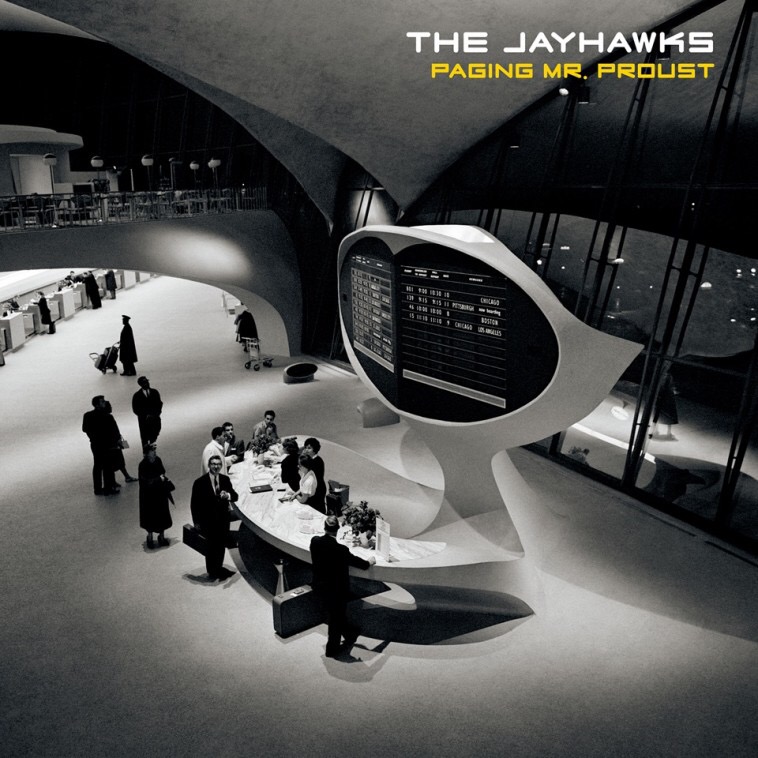
I got hooked on The Jayhawks in 1992 with their country tinged album Hollywood Town Hall. For me they were the second coming of Gram Parsons. They pretty much defined alt-country and Americana. 1997’s Sound Of Lies introduced a pop sound that was more Beatlesque and less county. Since then the chief difference has been whether Mark Olson is involved or not (he departed prior Sound Of Lies but returned for thier last album – Mockingbird Time and subsequent tour). Olson tilts the band country and when he is not in the mix Gary Louris pop/rock aesthetics dominate. Frankly I love both versions of the band. Paging Mr. Proust finds them firmly on the pop side of the ledger (and naturally they are Olson-free).
No matter what side of the ledger they are on you can always count on a few things: amazing harmonies, great Gary Louris guitar play, gorgeous lush arrangements and music that is deeply steeped in 60s and 70s pop without sounding retro or derivative. The Jayhawks, 30 years into their career have crafted a distinctive sound that is all their own (with or without Olson).
“Quite Corners & Empty Spaces” opens the album in classic familiar Jayhawks territory. A shrewd move as the band invites us to put up our feet and get comfortable for what is to come.
“Lost the Summer” adds the first twist. The band gives their sound a shot of Big Star.
“Lovers of the Sun”has a glossy 60s pop sheen. A hipper version of The Association. The harmonies are golden.
“Pretty Roses in Your Hair” continues with the 60s pop sheen, but it is quickly subverted by Neil Young/Crazy Horse rusty guitar solo by Louris.
“Leaving the Monsters Behind” raises the Jayhawks’ freak flag a bit higher. The song is augmented by great R.E.M. harmonies.
“Isabel’s Daughter”has has wonderful swirl to it. This sounds like a long-lost R.E.M. song – yet is pure Jayhawks.
Side two opens with “Ace” – the most atypical Jayhawks’ song of their career. This is challenging noise rock that would not be out-of-place around Wilco’s and Neil Young’s weirdest moments. Not for the faint of heart but if you are willing to embrace it you will be rewarded.
And then the classic Jayhawks’ sound is back with “The Devil Is in Her Eyes”. It sound even more Jayhawks-lush than normal given it follows “Ace.” This song is graced by one of Louris’ all-time great guitar solos.
“Comeback Kids” is another nice evolution in the Jayhawks sound.
“The Dust of Long-Dead Stars” sounds a little like Tom Petty, a little like the Grateful Dead, a little like R.E.M., but mostly like the Jayhawks.
“Lies in Black & White” is an acoustic driven song, yet there is not anything folkie or country about. It has a great harmonica break.
“I’ll Be Your Key”has a nice Big Star feel to it.
Overall I feel Paging Mr. Proust is the Jayhawks most adventurous and experimental album in their catalog. It feels like they have taken a cue from Wilco to just let their freak flag fly. Yet they are completely grounded in who they are. The transition seems like a natural progression and not some fad, imitation or pandering to the hip. This is a great album by itself and even more amazing 30 years into an established band’s career.
A special shout-out to Karen Grotberg – her vocal harmonies are a key element to the unique sound and beauty of this album. Pete Buck sprinkles some of his R.E.M pixie dust on the album without overshadowing the Jayhawks personality.
I am so proud of the band for not milking their legacy and instead reinventing themselves. To quote Dylan “That he not busy being born is busy dying.” The Jayhawks are busy being born.

When Simpson’s last LP, Metamodern Sounds in Country Music, came out in 2014 it was a revelation: classic country with a mischievous psychedelic twist. I absolutely loved it. A Sailor’s Guide Earth is even better and makes Metamodern Sounds in Country Music sound conventional.
I have been trying to figure Sturgill Simpson out on this new LP. He can sound conventional country in a rich Waylon Jennings baritone, but he can also go pop and sound like Roy Orbison. The album is country funk along the lines of Tony Joe White or Johnny Jenkins – arrangements are augmented by the Dap-Kings (the soulful/funky horns behind Sharon Jones and Amy Winehouse).
To call this LP country or even alt-county is a red herring. A Sailor’s Guide Earth has more in common with 70s’ singer songwriters – the kind of genre bending that ambitious guys like Lowell George, Warren Zevon and Jackson Brown used to do. But there is something else going on here too and I couldn’t put my finger on it.
Then I listened to a Joe Rogan podcast with Simpson and he spilled some of his not so obvious influences: Van Morrison, Marvin Gaye and Tool. Then it started to make sense – Simpson is swinging for the fences. Marvin Gaye elevated Motown to a new art form with his concept album What’s Going On. Simpson is doing the same to Nashville here. Van Morrison leveraged some pop hits to create a left field masterpiece with Astral Weeks. It was a commercial flop, yet it set the foundation for one of the most adventurous careers in pop/rock. I don’t have a link here, but I can see the same Van the Man aesthetics in Simpson. And Tool? Well of course they are thinking man’s metal – right up Simpson’s alley.
The LP is a concept album – a time capsule of life’s lessons for his young son. And because we can all use some good advice it is universal.
“Welcome To Earth (Pollywog)” sets the table for a great LP. Ambitiously arranged and orchestrated and with a whisper to a scream delivery. Simpson receives his son into the world. It is gorgeous and bittersweet. No sooner than his son arrives he as to say goodby and head off to the road.
“Breakers Roar” is a gentle lullaby that Simpson sings in a soft voice. For me this song speaks to the seductive pull of career at the expense of family.
“Keep It Between The Lines” is a great musical mix of county and R&B. Lyrically Simpson is telegraphing to the future teenager his son will become. Common sense advice in the grand parental tradition of do what I say not what I did:
Everything will be fine
Long as you stay in school
Stay off the hard stuff
And keep between the lines
With “Sea Stories” Daddy starts speaking from personal experience about doing stupid stuff and coping with things beyond your control. There have been lot of great city lists in pop songs over the years, but “Sea Stories” has one of the best (for sure it has the best punchline):
Now you hit the ground running in Tokyo
From Kawasaki to Ebisu
Yokosuka, Yokohama, and Shinjuku
Shibuya, Ropongi, and Harajuku
Aw, from Pusan and Ko Chang, Pattaya to Phuket
From Singapore to Kuala Lumpur
Seen damn near the whole damn world
From the inside of a bar
Simpson then drops a gorgeous pop bomb by covering Nirvana’s “In Bloom.” The best part is that it does not even stick out – it seamlessly fits the album – it totally belongs.
“Brace For Impact (Live A Little)” reminds us that life is short – no one gets out alive – so live a little, but don’t forget to give a little too.
“All Around You” could easily (both musically and lyrically) be on a Van Morrison album. A warning that there will be bad days, but you can get through them if you remember Daddy loves you.
“Oh Sarah” breaks the spell as the narrator needs to mend a tear with mom.
The album ends with “Call To Arms.” It is a soldier’s angry rant: “They serve up distractions and we eat them with fries.” Musically it rocks.
2016 is just past the quarter mark and so far there have been several great albums. A Sailor’s Guide Earth will be on my short list of the best of 2016. An added bonus is that it is my great Nashville souvenir – I picked it up on release day at the Country Music Hall of fame on my last day in Nashville.
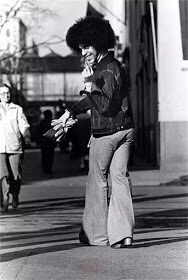
Prince circa 1977 in downtown Minneapolis
A few personal memories.
Even though I am a Minneapolis guy, the first Prince album I ever owned was 1981’s Controversy. The fact is, his hometown was pretty late to the party. I bought it because he was starting to get a lot of buzz. It was the most unusual, yet catchy music I had ever heard. It was revolutionary.
I saw Prince live for the first time during the 1999 Tour at the old Met Center in Bloomington Mn (3/15/83). Prince was the headliner and The Time and Vanity 6 were the undercard. It was mind-blowing. Prince is the greatest live performer I have ever seen.
Laura and I got married in 1984 and Prince’s Purple Rain LP was a massive hit. It had been released about 3 months before and I loved the first cut “Let’s Go Crazy.” At our reception I did an air guitar solo standing on the head table and at the conclusion of the song I did a flip off the table. I was stone sober. It was an inspired song for an inspired day.
Prince’s guitar solo at the Rock and Hall of Fame in 2004 is one of the most beautiful guitar solos I have ever heard. He blows the other rock stars of the stage.
My favorite Prince album is 1987’s Sign O’ The Times. He was a huge star at that point and chose art over commerce.
In 2004 we went as a family to see Prince. He was brilliant and created a great family memory.
Prince was the real deal: songwriter, multi-instrumentalist, guitar god, entertainer, mysterious weirdo and most of all a rock star. He will be missed.
Dearly beloved
We are gathered here today
To get through this thing called lifeElectric word life
It means forever and that’s a mighty long time
But I’m here to tell you
There’s something else
The after world

 Axl's Catch Groove