I don’t set an alarm for Record Store Day (RSD), I wake up when I wake up. This RSD I woke up at 4:00 AM. Nope. Went back to sleep. Woke up again at 4:45. Okay. Up and at ‘em.
My wife and I became snowbirds and are wintering in Phoenix. Our idea of embracing the local culture has been to go to breweries. We have also sampled a few record stores: Zia on Thunderbird (a local chain with large selection and shit ambiance), a forgettable overpriced used shop, and Stinkweeds (small but well curated store with classic record store vibes). Guess where I am for RSD?
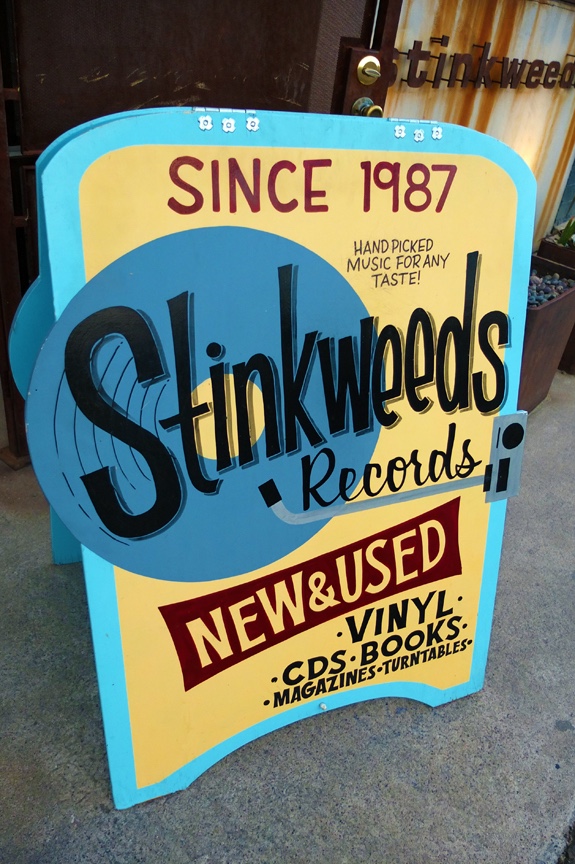
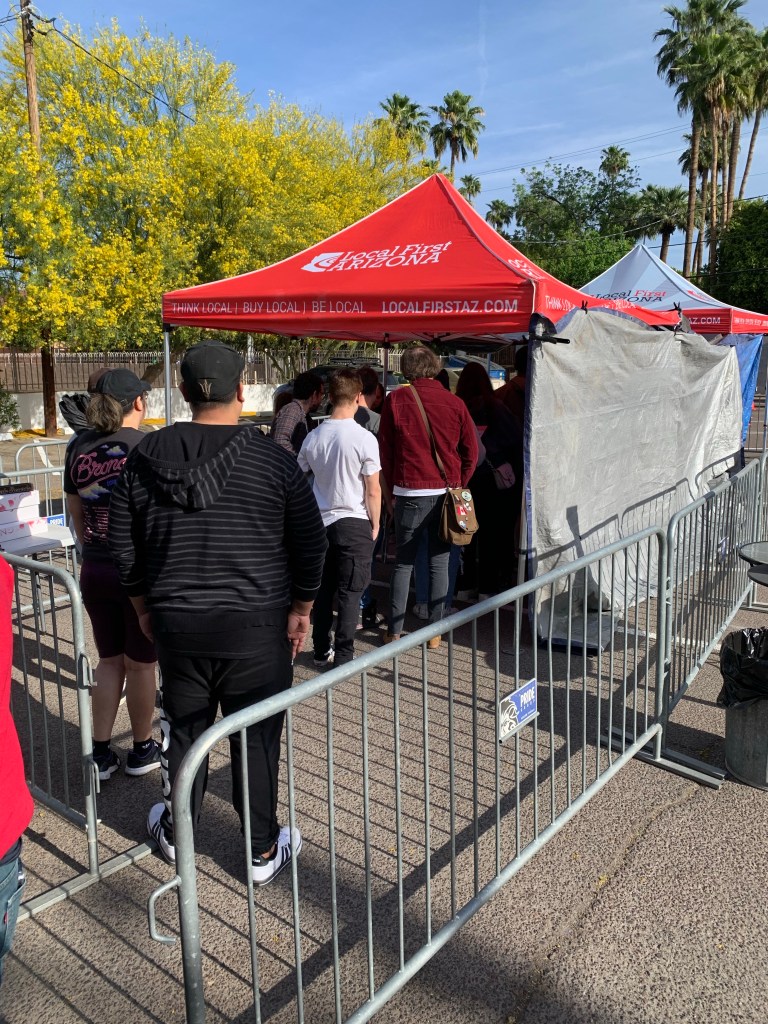
So far we love Phoenix with one notable exception: everything is at minimum thirty minutes away. I jumped into the car at 5:00 AM and arrived at Stinkweeds at 5:30 AM. There were about 40 people in line in front of me. Good, that will make it easier to keep to my budget.
I am not sure if I went to the first RSD fifteen years ago, but I remember going to the Electric Fetus on a Saturday afternoon to check out this RSD thing (assume it year one or two of RSD). There was nothing left, the next year I was an early bird and have been since – learned my lesson.
One of the best parts of RSD is making acquaintance with those in the queue with you. “What’s on your list?” is the conversation starter. It is always a pleasure to find out that there are people with weirder taste than you. Cheers to my new RSD friends: Kansas City Kent, Frisco the Swifty, the Montanas and San Diego Dad. Bonus this year there was a kind soul distributing donuts included my favorite: chocolate/custard filled.

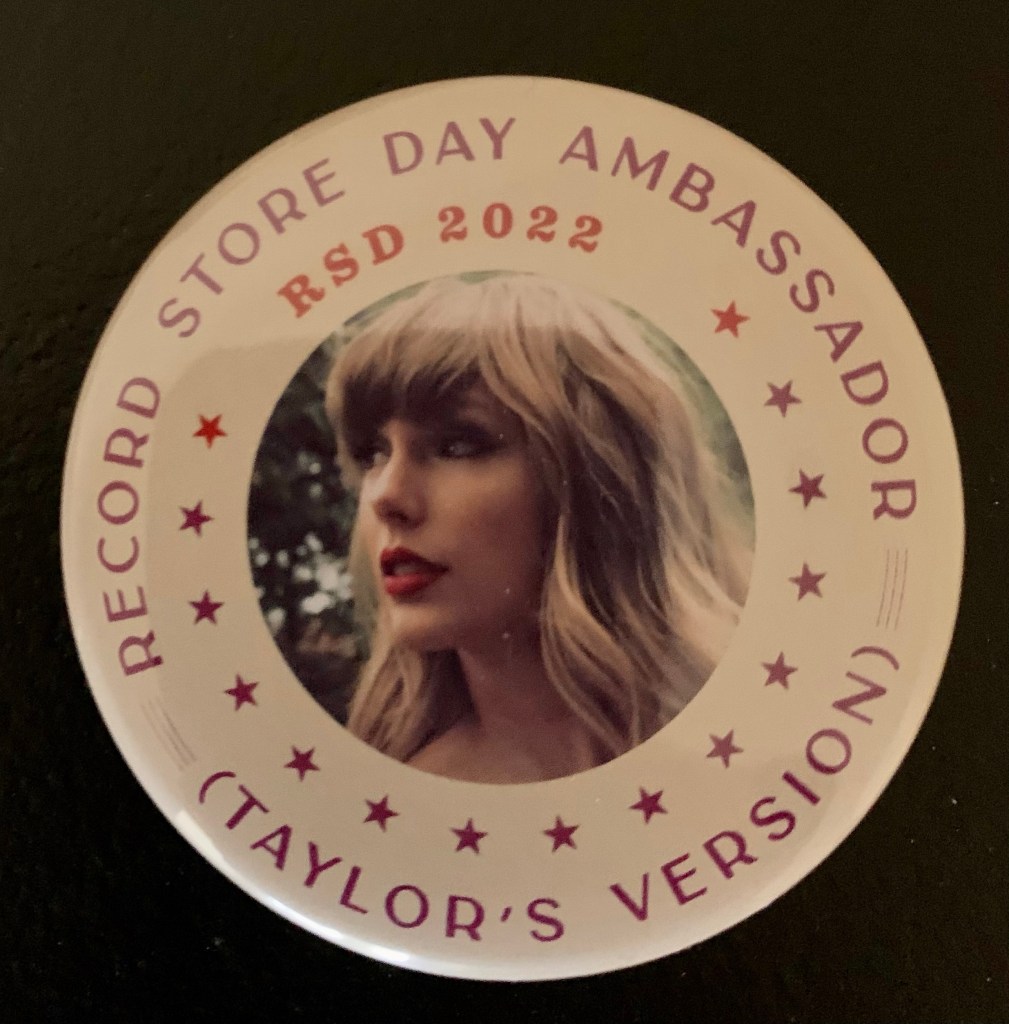
This year’s RSD ambassador is T Swift. Her 7 inch single brought out some RSD newbies. I am all for that – keep the hobby alive.
Stinkweeds does a nice job with RSD. They set up tents in their parking lot and have an orderly process. They have coffee from Esso. I appreciate that the store opens early (8:00) for RSD. Thumbs up to what appears to be the premiere record shop in The Valley. Just before the store open a diminutive, but charismatic woman gave instructions on how the event would proceed and some introduction of the Stinkweeds’ staff. I did some googling and was pleased to learn that Stinkweeds is a woman owned business. Read more about Stinkweeds owner Kimber Lanning here.
I was able to score all four LPs on my list:
- The Bleeding Hearts – Riches to Rags: this is the long lost Bob Stinson (original Replacements’ guitarist) solo album
- Jazz Sabbath – Vol. 2: a clever schtick where a jazz band claims to be to have had their compositions stolen by a famous heavy metal band
- Joni Mitchell – Blue Highlights: extra material from the classic album Blue
- Golden Smog – On Golden Smog: first vinyl release of the Americana supergroup’s 1992 debut EP

Overall a great 🌵 RSD. Looking forward to many more in the 🌵. See you at RSD drop two June 18, 2022 at the Electric Fetus in the Bold North.

I got hooked on Father John Misty (FJM) with his debut album Fear Fun. I did not discover Fear Fun as much as a wave of critics demanded I listen to it. With one listen I was in. I have loved every album and have seen him in concert several times – I am a FJM fanboy. Independent of FJM, I became a Jonathan Wilson fan via his solo releases. It was only after becoming a Wilson fan that I put two and two together that he was FJM’s producer. I say all this as I typically avoid reading reviews of albums I am reviewing so as not to be influenced. I do read a band/artist’s PR, interviews, etc. as I see that as a part of the album cycle. I loved the new FJM album in first listen, but I didn’t trust my fanboy enthusiasm and the lack of artist controlled album cycle hype. I got a second opinion from some trusted critical sources and they were positive. I am now comfortable gushing.

Josh Tillman’s FJM character has always had a bit of Nick The Lounge Singer (one of Bill Murray’s most popular recurring characters on Saturday Night Live) in his bag of tricks. On this album he doubles down on the lounge gimmick with big band, bossa nova and Muzak arrangements to supplement his long standing singer songwriter Laurel Canyon schtick.
One of FJM brilliant tricks is to juxtaposition gorgeous music with twisted lyrics. Chloë and the Next 20th Century is extra twisted: suicide, fatal car wrecks, and dead cats.
Tillman and Wilson continue their brilliant soundscapes – I love that they expanded the palette with additional genres – it totally works. As usual for Tillman and Wilson, the recording is pristine. A very nice master and pressing for vinyl too.
One of my favorite music critics, Steven Hyden, has an interesting rubric – the five-albums test. The idea is to declare a band or artist great based on the fact that they have released five good to great albums in a row. This is not the only tool to measure greatness, but one tool. In his recent podcast, Indiecast Hyden declared that with Chloë and the Next 20th Century Father John Misty (FJM) had passed the five-albums test. I couldn’t agree more. Looking forward to seeing/hearing this batch of songs live (we have tickets when he comes to Minnesota this fall).

I like the Red Hot Chili Peppers – not a huge fan – mainly the big records: Mother’s Milk, Blood Sugar Sex Magik, and Californication. I like their cartoon goofiness juxtapositioned by serious musicianship. I saw them live in 2012 at Lollapalooza and they were a great live act. They never really hooked me, however the new album, Unlimited Love, is the first RHCP’s album I have been obsessed with.
Not content to be a legacy act (they could easily sell out arenas on their greatest hits), they have released a phat new album of 17 songs clocking in at an hour and a quarter. The RHCPs have a history of bloated albums but this one is a worthy excess.
I did not realize the importance of John Frusciante to RHCPs. His contribution is as significant as the other three guys and for me it is the main attraction. His guitar play on this album is so tasty – by itself it is worth the price of admission. He adds so much lyric beauty and color to the RHCP’s sound and when necessary he can shred.
I forgot what a cool vocalist Anthony Kiedis is. He doesn’t have great range, but makes up for it with phenomenal phrasing. He croons, he raps, he plays characters and he plays it straight – sometimes in the same song.
And Flea is Flea. He seems showy, but his playing is always in support of the song.
Chad Smith is merely one of the greatest rock drummers of all time.
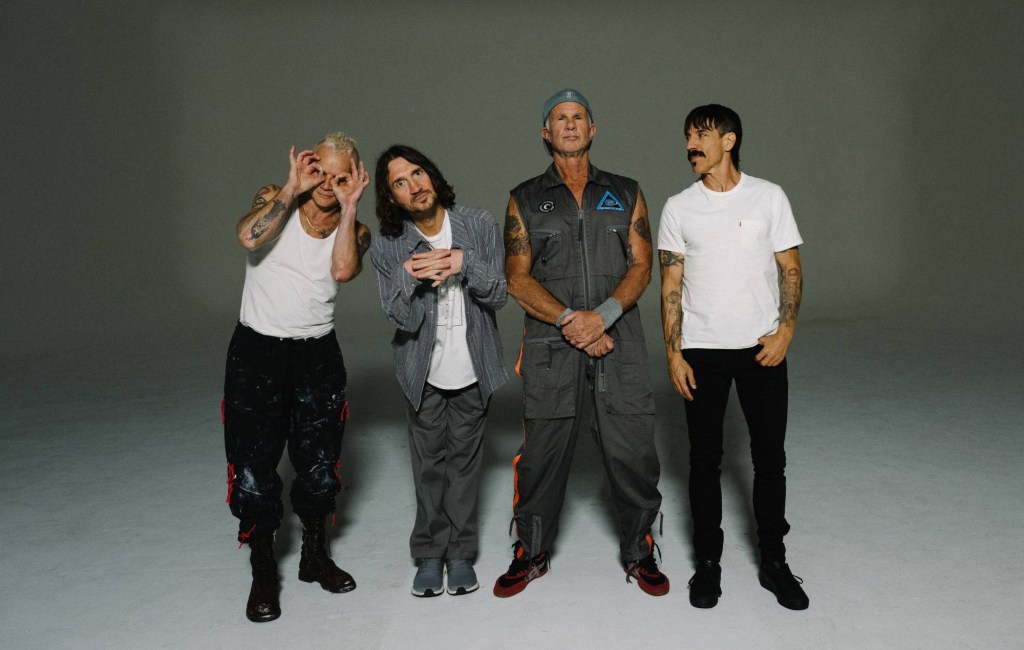
Unlimited Love is a mellow album – fitting for rockers late into their fifth decade. Despite its easy groove, it is totally in character: funky as fuck and occasionally rockin’. Quick take: it is just plain good vibes.
A capstone to a nearly four decade career. It is totally them. But an old them. In a good way. This is going to be in the rotation for awhile. Good enough to justify purchasing the wax!
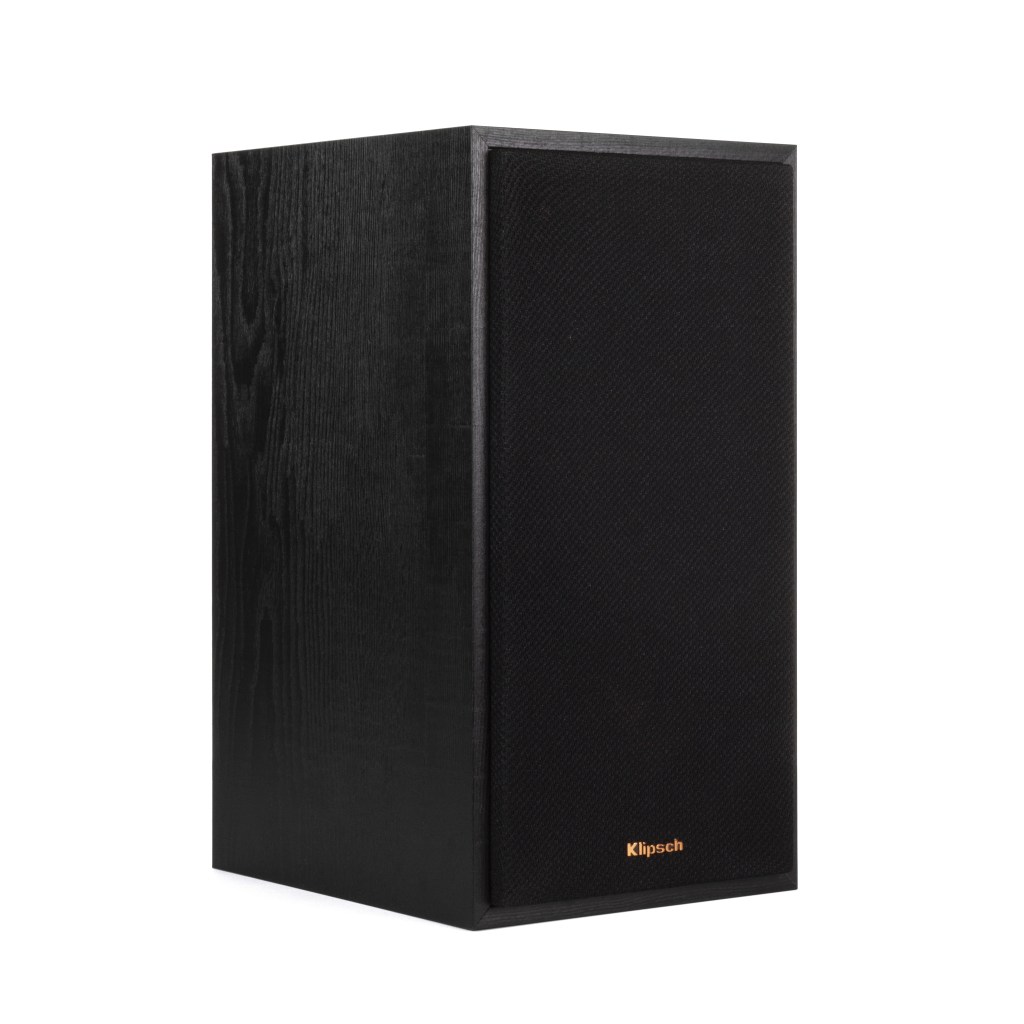
1″ Aluminum LTS tweeters
90° x 90° Square Tractrix Horns
5.25″ Spun-Copper IMG Woofers
Bass-Reflex via Rear-Firing Port
Strong, Flexible Removable Magnetic Grille
Dimensions: 13.3″ x 7″ x 8.5″
My wife and I recently purchased a second home in Phoenix and have been wintering here since January. I had an extra Croft Acoustics amp that I brought down as the foundation for Catchgroove South (AKA: The Desert 🌵 Sessions) stereo. For the first few months I have used headphones, but it was time to get some passive speakers. My fantasy speakers would be something from the Klipsch Heritage collection, but they are way out of my price range, so I decided to go the budget route (under $300). My listening space is about a 13’ x 13’ carpeted room and I listen at a low to moderate volume – a bookshelf speaker seemed like a good way to go. There are a lot of great inexpensive choices in bookshelf speakers. I picked the Klipsch R-51M because they got solid reviews, I trust the Klipsch name (I have had a pair of KG2s since the mid 80s) and they were under budget at $250.
I had a scare the first night I set them up. I placed them on the folding table that serves as my temporary stereo rack (see below) and they sounded atrocious – like the pocket transistor radios of my youth – tinny. I was disappointed and prepared to return them.

But then I made a modification and set them up on “speaker stands” (padded folding chairs) and they were a whole different speaker – the sound totally opened up and a created a wonderful stereo soundstage – wow!
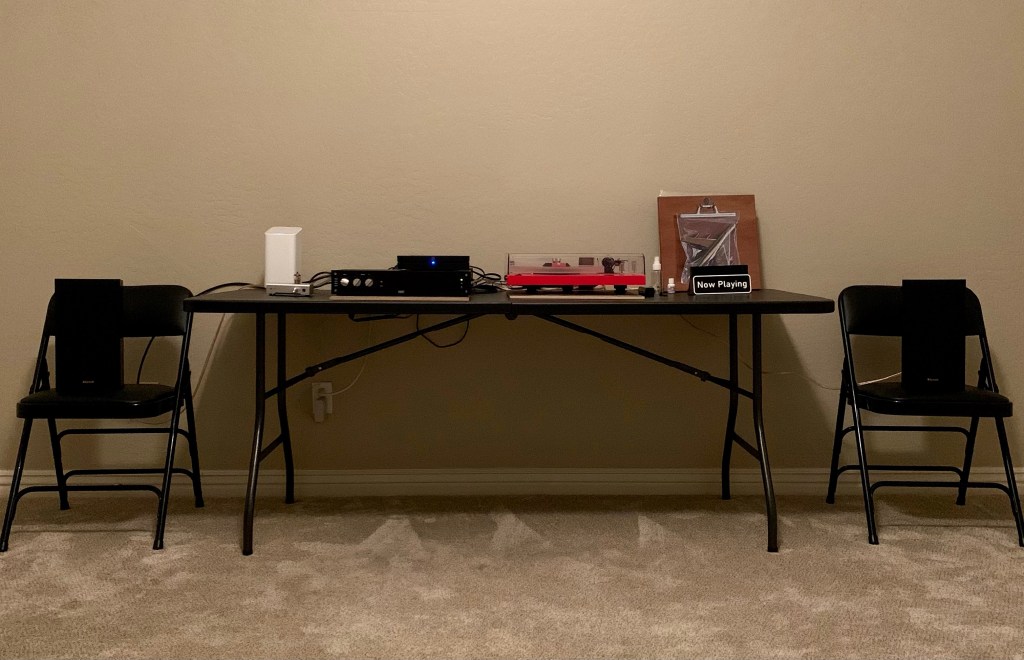
I have been listening to them for about a week now and have about ten hours on them. I have been predominantly been listening to a new album, the Red Hot Chili Peppers Unlimited Love. Not a great idea – you should audition a new speaker with an album you are intimately familiar with. But I am so in love with the new Chili Pepper’s album and it sounds so good on the new speakers I can’t stop myself.
The R-51Ms have a clean sound, a strong stereo soundstage and just enough bass. I listen at moderate to low volume and there is plenty of character at my desired volume. I am using them purely for music. The Chili Pepper album actually is a pretty good test as it has mellow and rocking songs. It has a a simple non-gimmick mix: Most songs are just drums, bass, electric guitar and vocals with plenty of separation.
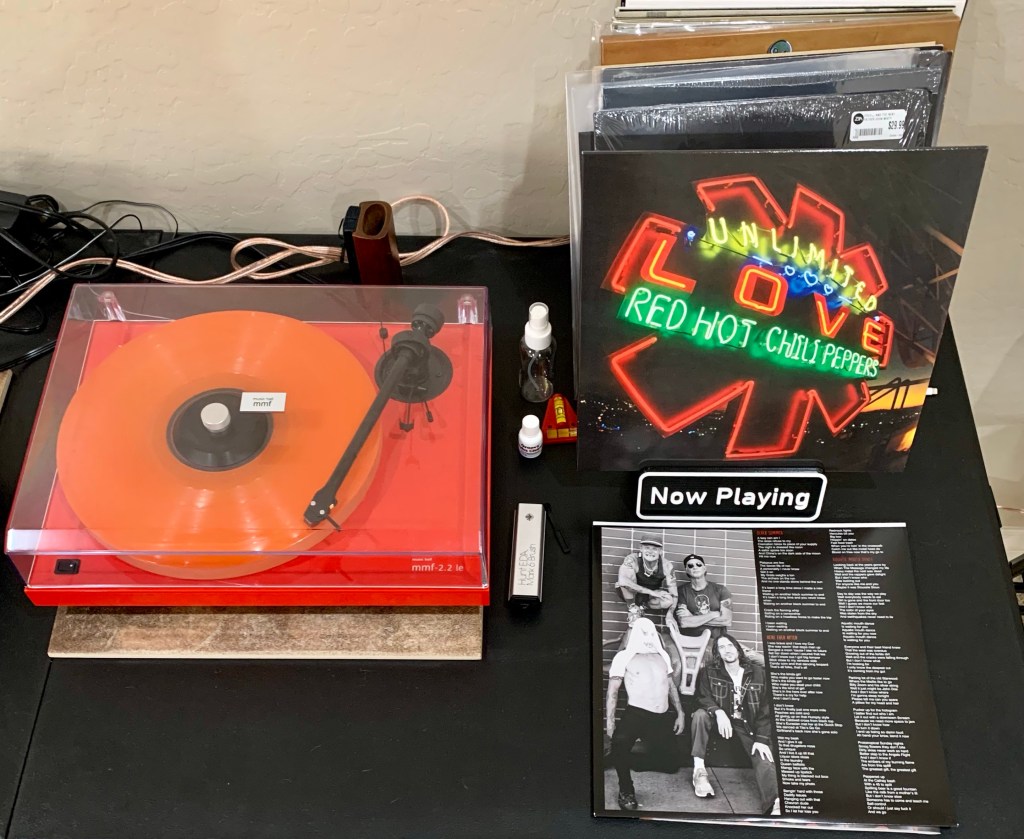
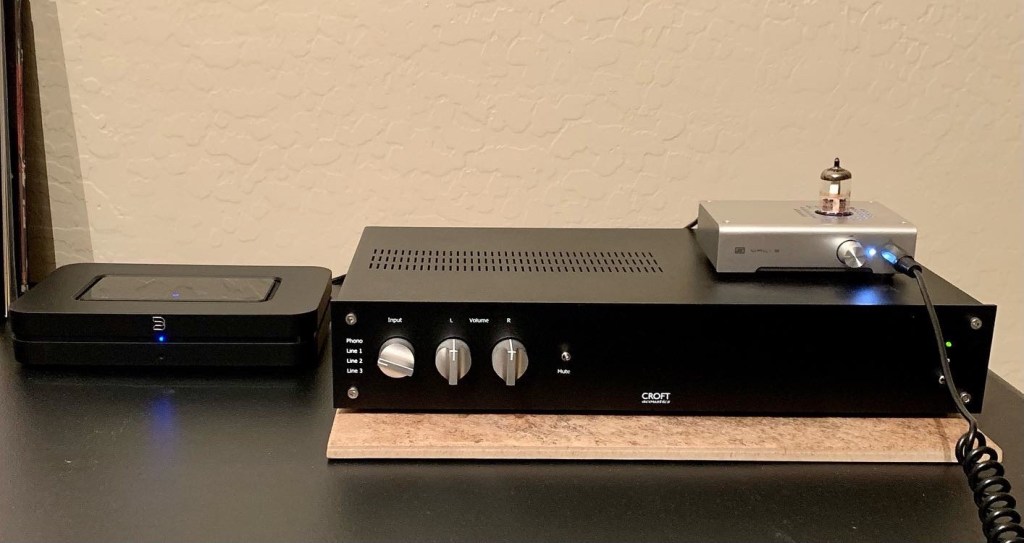
As for my set up I am using a bespoke British hybrid amp: Croft Acoustics Phono Integrated. The primary input is Bluesound Node (3rd generation) streamer using Tidal MQA recordings (I don’t have much vinyl here in Phoenix). Here is a review of my 2nd generation Node 2i in Minneapolis (the new Node is very similar). I am using simple 16 gauge speaker wire (Rocketfish). I am borrowing my daughter’s Music Hall mmf-2.2 le modified with a ceramic platter. The Croft has an excellent tube based phono preamp. My listening position is direct center about 10 feet out from the speakers (which are about 8 feet a part and slightly toed in). My ears are on level with the tweeters.
I moved on to a more appropriate reference recording: Pat Metheny’s Bright Size Life (streamed). This is an album I have listening to for 40+ years. It sounds great on the R-51Ms. Jaco Pastorius’ bass it is appropriately bold – not distorted and plenty of punch. No complaints. The Chili Peppers were not misrepresenting the R-51Ms.
Then I moved on to vinyl, a mono reissue of Miles Davis’ Kind Of Blue. This is in my top 10 recordings, both for the quality of the music and the production. This LP really shows off the speakers: great soundstage, the horns sound fantastic and the rhythm section sounds sublime. Perfect record to make these sound like $1000 speakers.

The speakers have a nice retro appearance. Up close the simulated wood is a bit cheesy, but they look fine from a distance. They really look cool with grills removed. Overall nice build quality.
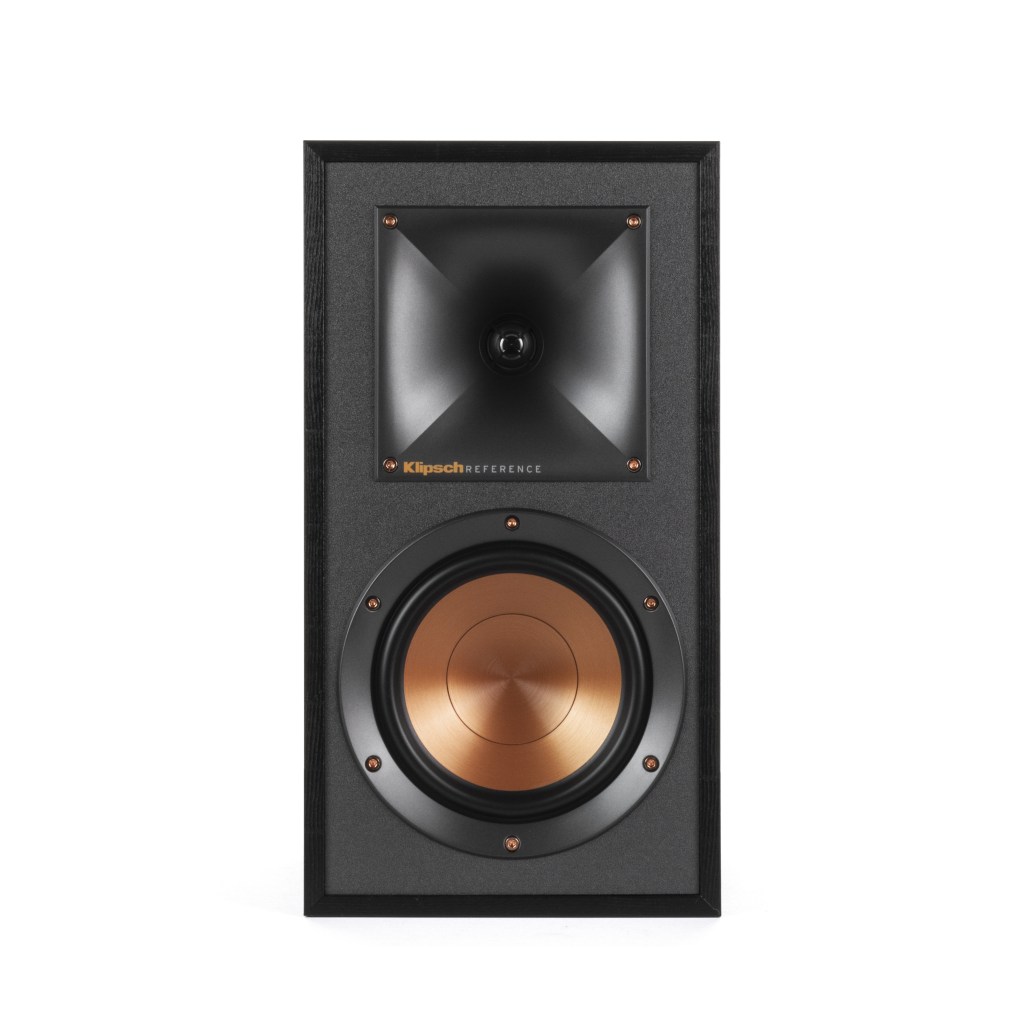
Finally, some conventional rock ‘n roll: Keith Richards’ Main Offender (2022 vinyl reissue). Another one of my all time favorites for both the music and the sound. Steve Jordon’s drums a punchy and Keith and Waddy’s guitar have gorgeous separation. This is a nuanced recording and the R-51Ms reveal, but don’t distort – perfection!

I am curious what they would sound like on proper stands – specifically without the chair backs obstructing the bass rear ports.

It is hard for me to imagine how these speakers are designed, built and marketed at 250 bucks – they must sell a shit ton of them. An amazing mass market product. I am fully satisfied with the R-51M given their price point. I wouldn’t hesitate to recommend them for a similar application as mine. Plan to invest in some speaker stands too.
For those of you who would prefer a powered version (for use without an amp), there is powered version (R-51PM) for about $100 more.

Sorry, for the tardy review, but Bob’s Rough and Rowdy tour is planned to continue for another couple of years (ambitious and optimistic for an 80 year old man), so better late then never.
I don’t know how many times I have seen Bob Dylan, but my guess is about dozen times. The first time I saw him live was June 26, 1986 in Minneapolis at the Metrodome. It ranks as one of the worst sounding concerts I have ever witnessed (it was the first concert at the Dome). This March 3rd 2022 performance in Phoenix was one of the best sounding and engaging performances from Dylan – it is in my top 5 Dylan shows.
Here’s the set list (it has been pretty consistent throughout the tour):
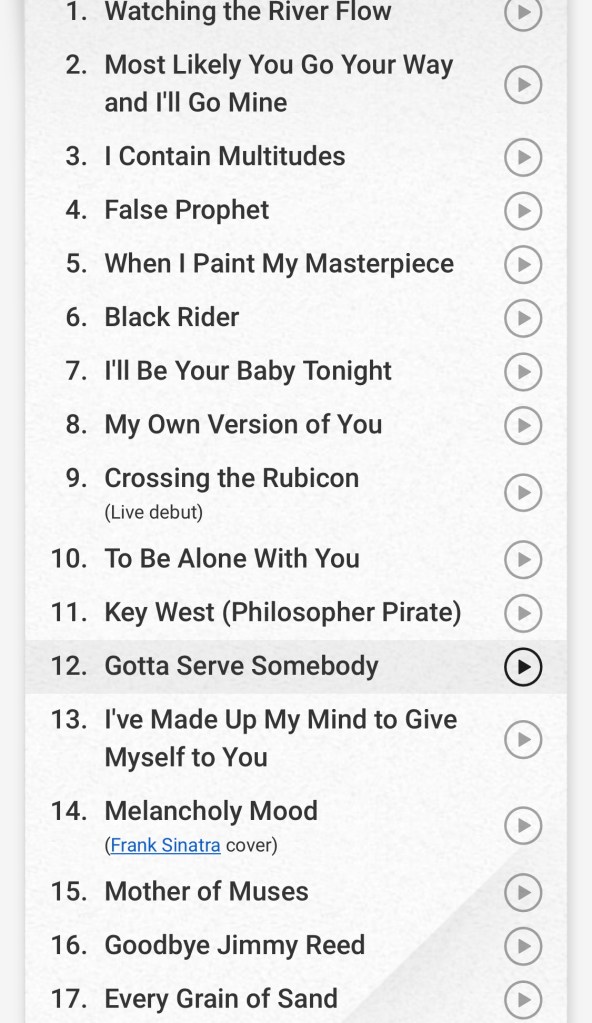
In all the times I have seen Bob, he has never focused a show on his most recent release. But this show was different, the focus of the set list was Bob’s latest: 2020’s Rough and Rowdy Ways (R&R). I love that album and to witness 9 of its 10 songs live from that album and was amazing. The set list was filled out with deep cuts too. If you were here for the hits, you might have been disappointed. But if you are serious fan you were delighted. Hearing Dylan songs live, for the first time (both recent and old) is a bucket-list experience.
The R&R song arrangements were similar to the recording and the non R&R songs were cast under the R&R spell. One exception was a raucous rock ‘n roll version of “Gotta Serve Somebody” – a highlight of the show for me.
Dylan played an upright piano – I can’t recall the last time I saw a guitar in Bob’s hands at a concert. His piano was mixed prominently – which was cool to hear (in past show it was buried in the mix). His voice was similar to what you hear on R&R: a sweet gravelly croon.

If you want to hear the greatest hits, skip this tour, but if you appreciate Dylan’s last album, this is a special treat that can’t be missed. It’s great that, in what I assume is the last phase of his illustrious career, Dylan is still painting masterpieces.

Maren Morris’s music is rooted in country, but she is comfortable performing R&B, rock, Americana and pop. Country has been flirting with pop as long as I can remember. Sometimes that flirtation works, but often it comes off forced. Not for Morris, she is a master at country pop. Her latest, Humble Quest (her third major label album release) makes it a country pop hat trick – she has it figured out.
Morris has songwriting credits on all the songs, but as is the practice these days, there are plenty of all star co-writers. She seamlessly can move between humor and poignancy.
The first couple of passes through the album, I heard a sameness, but about the fifth time through I picked up a very nuanced variety. In the age of singles, Morris has pulled off a rare feat: a genuine album. It is not sameness, but continuity.
The album is beautifully arranged and produced. I assume credit goes to producer Greg Kurstin who also contributed to Morris’ last album Girl. Kurstin has developed quite a track record, having been involved in the last two Adele albums along with working with Sia, Kelly Clarkson, Halsey, Beck, Paul McCartney, Pink, Lily Allen, and the Foo Fighters.
My simplistic definition of country music is that it is pop music for adults. Maren has created a masterful example of adult pop. This is Morris’ Golden Hour.

I had never heard of Big Thief until a recent episode of Indie Cast where cohost Steven Hyden raved about this album. I went to his Uproxx review:
“Dragon New Warm Mountain I Believe In You for a few months, and it already feels like the kind of album that’s destined to be handed down from generation to generation, like Automatic For The People (R.E.M) or Yankee Hotel Foxtrot (Wilco). It’s music I know I will reach for on epic road trips or in the midst of profound grief. An all-timer. A masterpiece.”
That caught my attention. I gave it a listen and I liked it, but did not love it. But it is a grower and with each listen I liked it more and now I am hooked – if not a bit obsessed.
It is a wonderfully weird album. It is both tossed off and ambitious. I don’t know what to make of it, but I like it. I hear so many things: Radiohead, The Band, Bon Iver, Neil Young, Bob Dylan, John Prine, Stevie Nicks, Emmylou Harris – I will stop there – this is a deep album.
I liked it enough to buy a vinyl copy from Stinkweed Records in Phoenix. Tangent: Stinkweed is a nice little record store with a good selection of new vinyl. I did not do a deep exploration, but what I sampled suggested this is a well curated shop. Staff is friendly and without the usual record store pretensions. I will be back.

Although the Big Thief has a distinctive vocalist in Adrianne Lenker, this LP has a strong band vibe. I don’t know how to prove that point, it is just a feeling I have given how interesting the music conversation is between the players.
Dragon New Warm Mountain I Believe In You is a double album that clocks in at one hour and twenty minutes. It sounds like a few versions of the band. Which is not surprising given the album’s concept. Per Wikipedia, the album was produced by the band’s drummer James Krivchenia, who conceived the concept of the album. The band would travel to four different locations: Upstate New York, Topanga Canyon in California, the Sonoran Desert in Arizona, and the Colorado mountains. They would record at four different studios with four separate engineers, and go to each place with a specific sonic plan in mind. Krivchenia’s intent was to capture a full expression of Lenker’s songwriting and the band onto a single album.
The concept worked and this is a spectacular album. Despite different palettes, there is a cohesion to the album. The album has diverse dynamics: from quite acoustic tunes to loud electric jams – in essence Neil Young’s career.
For an interesting take on Big Thief check out this New York Times podcast where a critic, who is a hater, talks to two critic/fans.

A few recent milestones in our Arizona adventure:
- Purchased first ticket to a concert in Arizona – Bob Dylan at the Arizona Federal Theater (Phoenix)
- Purchased my first LP for the new home – Lucinda Williams Lu’s Jukebox Vol. 6: You Are Cordially Invited… A Tribute to The Rolling Stones
- Purchased a Bluesound Node streaming device for the desert stereo

Dylan’s 2020 album, Rough And Rowdy Ways, was a late career masterpiece. After an obsessive few years with the Great American Songbook, I was starting to worry Bob had lost his muse. In the early 90s when he went down a similar rabbit hole with traditional folk, he came out the other side in 1997 with Time Out Of Mind (one of my favorites in his catalog). I assumed that was his last magic trick. But he did it again with Rough And Rowdy Ways.
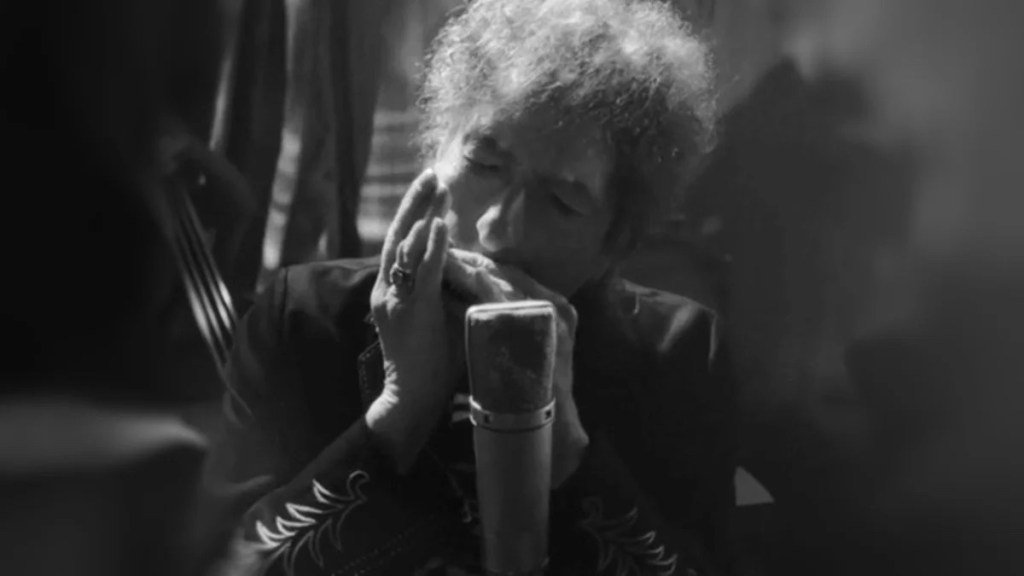
Dylan toured last fall and the reviews were pretty good. Most importantly, as the tour went on he played more and more of Rough And Rowdy Ways. Unfortunately, he did not stop by the Twin Cities. But the tour is starting again and he will be commencing the next leg of the tour in Phoenix and I will be there.
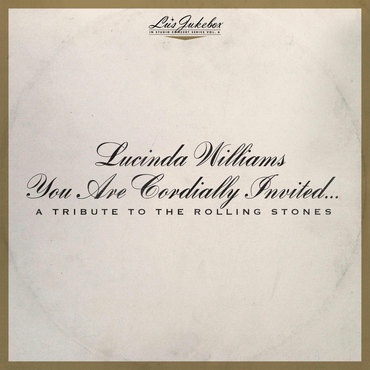
I am a longtime fan of Lucinda Williams. I first saw her in the late 80s in support of her 1987 self titled album at the 7th St Entry. During Covid lockdown she did a series of virtual live shows that were focused on an artist or genre. She has been slowly releasing them as physical media and downloads (no streaming). I have enjoyed her Tom Petty and Bob Dylan versions.
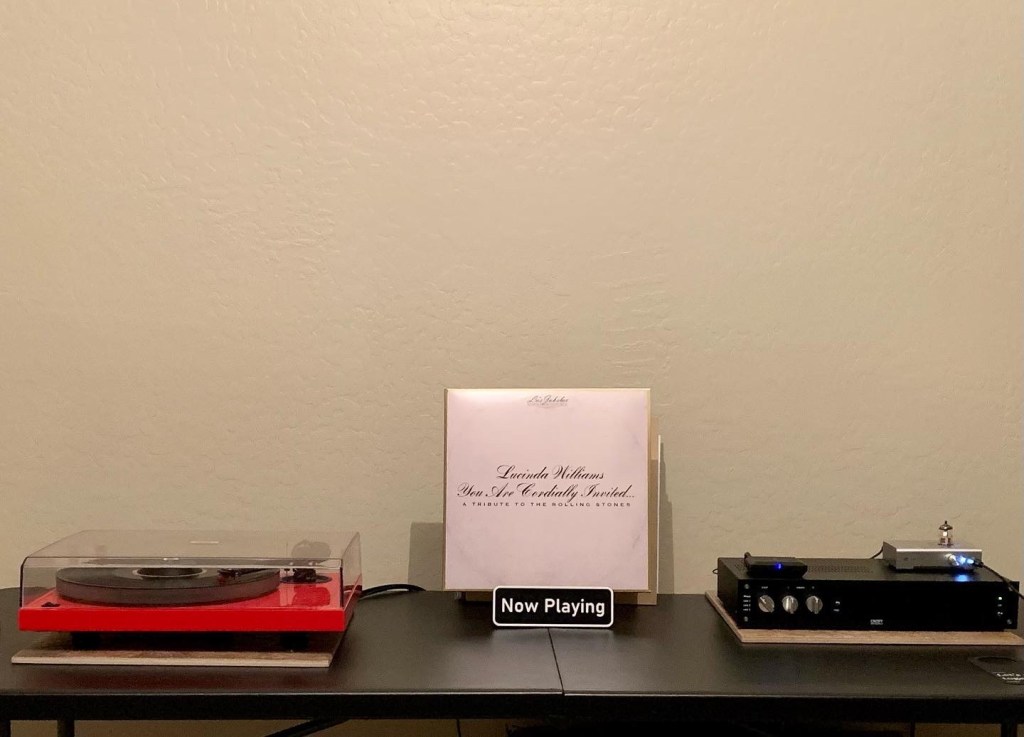
This album focuses on the Stones. Lucinda selected a nice mix of hits and deep tracks. Her band is top notch and her drawl, as always, is the perfect vessel for the material.

I said in the opening blog of the Desert Sessions that I would be dependent on streaming. I got through the first three weeks with a cheap Bluetooth device for the big boy stereo or AudioQuest Dragonfly Black connected to my iPhone. That is all behind me now with the ultimate upgrade: a Bluesound Node.
I have a Bluesound Node 2i back in Minneapolis. I love it and have grown dependent on it. I picked up the third generation Node (interesting branding to simplify the name for an upgrade) and believe it sounds a touch better. Without access to my large collection of CDs and LPs , this streamer is going to be essential to my musical sanity.
We have been in Phoenix a little over a week now and, my first musical obsession in Arizona is, of all things, AC/DC – more specifically the Bon Scott version of the band. I haven’t listened to AC/DC in years. I was running some errands and I dialed up some driving music and on a whim I played Let There Be Rock (1977). It sounded so good and I was down the AC/DC rabbit hole.
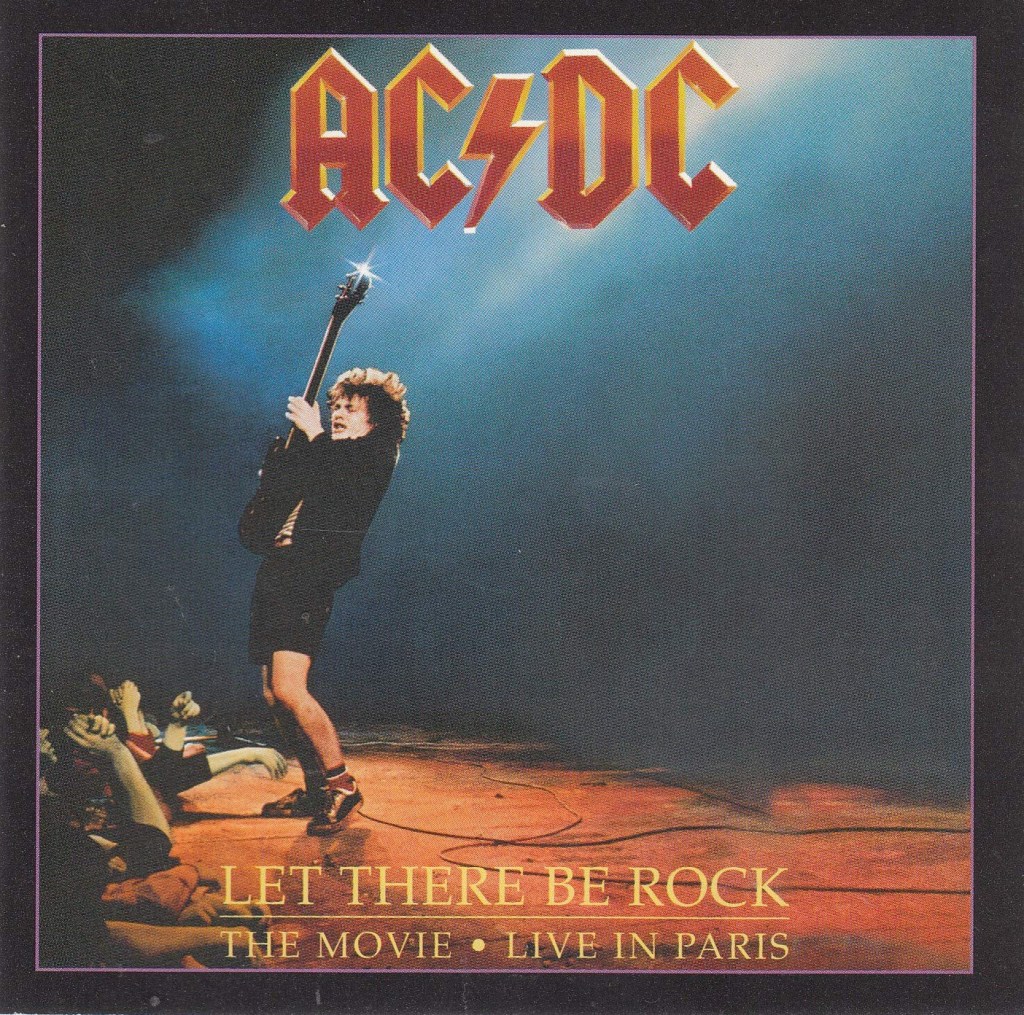
My most vivid memory of AC/DC was seeing the concert film AC/DC: Let There Be Rock at the Skyway Theater in Minneapolis in the fall of 1980 with my buddy/roommate Marty. The showing was augmented with a nice concert PA system – it rocked. The movie was filmed on December 9, 1979 at the Pavillon de Paris in Paris, France, and also contains interviews with members of the band, including lead vocalist Bon Scott, who died shortly after filming.
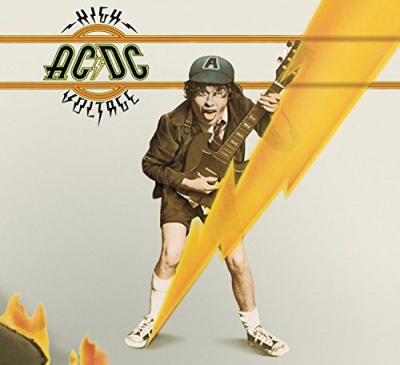
In the US market, the debut of AC/DC was High Voltage, which was a compilation of their first two Australian releases. It only included two tracks from the Australian High Voltage release – “She’s Got Balls” and “Little Lover” – with the rest of the songs taken from T.N.T. It remains my favorite AC/DC album. It set the template for the sound and vibe. It includes my favorite AC/DC song “It’s a Long Way to the Top (If You Wanna Rock ‘n’ Roll).” It was a signature song for Bon Scott. Brian Johnson, who replaced Scott as AC/DC’s lead vocalist after Scott’s death in 1980, does not perform it, out of respect for his predecessor.
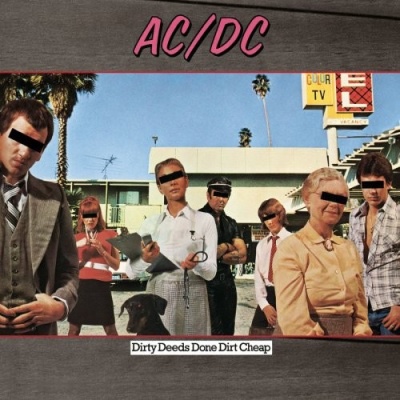
Next up was Dirty Deeds Done Dirt Cheap the band third Australian release, but released in the US in 1981 after the death of Bon Scott and the success of Back and Black (which was a tribute to Bon). The titular track is a classic.
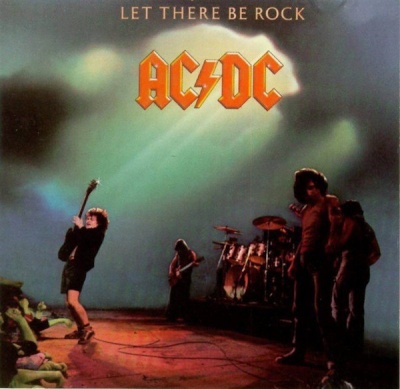
Let There Be Rock (1977) was an album I never owned physically, and so it is new to me, with the exception of “Whole Lotta Rosie.” As I stated in the opening paragraph of this post this was the album that hooked me into this recent AC/DC jag. Wonderfully trashy hard rock blues.
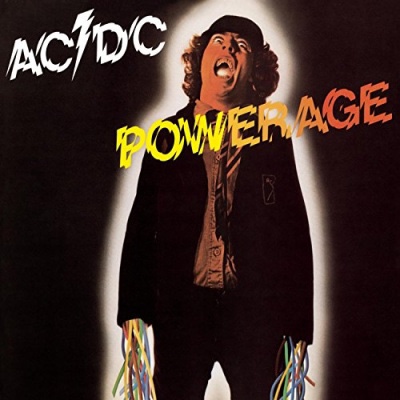
Powerage (1978) is an album I have a CD of, but never really got into, listening to it now with fresh ears it sounds great, but if I get the AC/DC itch I am more likely to listen to other albums.

Highway To Hell is a masterpiece and my second favorite album. It became AC/DC’s first LP to break the US Top 100, eventually reaching number 17, and it propelled the band into the top ranks of hard rock acts. Unfortunately, it was the last Bon Scott album.
Back And Black (1980). It was the first AC/DC album to enter my consciousness. It is my third favorite album by the boys. It is not higher only because it has been over-listened to. Unfortunately it doesn’t have Bon who had died in classic rock star fashion: per the coroner, Scott had died of “acute alcohol poisoning” and classified it as “death by misadventure.” The band does consider the album a tribute to Bon Scott.
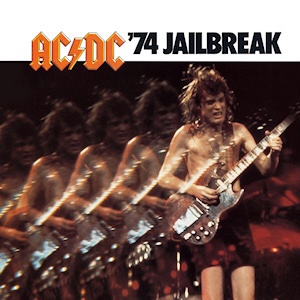
‘74 Jailbreak is an EP released in the mid-80s and is previously unreleased (in the US) Australian material recorded. I had never listened to it until recently. Shows a punkier side of the band.
I am now working my way through the live material from this period, but I will save you from that rabbit hole.
What I like about AC/DC is that they are hard rock, but they are more toe tapping than head banging. Bon Scott can wail like Robert Plant, but can be as silly in his vocals as Keith Moon. They are kind of punk (in The Ramones sense of punk), but unlike most punks, bluesy. They found their lane and stuck to it – they have been playing the same schtick for 50 years and somehow it never gets old. Thanks Arizona for reminding me of their greatness.

We drove from Minneapolis to Phoenix – per Google Maps it is 25 hours. We decided to break it up over three days as we had never traveled with our pup Margo.
Day one (1/6/22) was Minneapolis to Wichita. A fairly uneventful drive. The first hour was dicey out of Minneapolis as it was bitterly cold with some black ice on the road.
Day two was a little more interesting as we traversed the rest of Kansas, the Oklahoma Texas panhandles and into New Mexico. Our drive kind of followed the lifecycle of beef: grazing cattle, feed lots and finally to slaughter houses. We stayed overnight in Santa Rosa NM. In hindsight we were game for another few hours of driving. Concluding after the success of day one and day two we could have done the trip from Minneapolis to Phoenix in two vs three days.
Day 3 we set out early and watched the sunrise in the rear view mirror on our way to Albuquerque. Things continued to go well as we admired desolate New Mexico. With excitement we entered Arizona. Soon Google Maps alerted us of a route change due to road closures and we headed off I40 to Show Low. It was nice to get on a quiet two lane road and not have to compete with semis. We arrived in the quaint town of Show Low with streets named with clever gambling references.
After passing through the town of Show Low on US 60 the high-desert grassland was replaced by stately ponderosa pine trees. The ground was carpeted with a recent snow. It felt like we had transported to Colorado. It was beautiful. But soon we were in the Salt River Canyon. We were shocked to find ourselves on a terrifyingly yet breath taking beautiful route of ups and downs and and hairpin turns – all on the edge of the canyon- it felt like a driving error would be fatal. We had no idea what we had entered and when it would end. It was both exhilarating and exhausting. When we finally reached a rest area we were in great need of a little relief. The little detour went on and on for 90 minutes. It is one of the greatest drives I have ever been on and part of the thrill was it was unexpected. I assumed this was a legendary scenic drive. After the fact I googled it expecting it to be on various lists of classic drives – crickets! It was barely mentioned – even on Arizona sites. Maybe it is not that amazing – except for Midwest flatlanders. Highly recommend day trip out of Phoenix – not for the faint of heart.

We arrived at our friends Mary and Garvin’s house to stay the night (our new home didn’t have any furniture – a bed would arrive in two days). Our pup Margo enjoyed their backyard after being cooped up in a crate for three days. We enjoyed a warm (by Minnesota standards) January Phoenix late afternoon.
We “moved” in Sunday 1/9/22. Moving in meant unpacking our SUV, unpacking 7 boxes we had sent via UPS and a Target and Costco run. We have no furniture. We were too enthusiastic to leave and so we stayed the night and camped, that is, we slept on our bedroom floor.
Monday a bed and couch arrived – luxury. I went to the cable store to pickup equipment for cable and internet. Bought a TV and went home and set it up. By Monday night we were on the couch and watching Georgia beat Alabama. We went to bed on our new mattress and a bed never felt so good. We had officially arrived in our Arizona home.
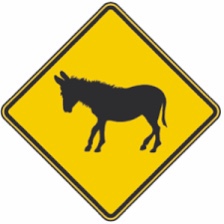
P.S. on the way down we saw the following animal crossing signs: deer, cattle, elk, caribou and my personal favorite: beware of ass crossing:

 Axl's Catch Groove