
My daughter recently sent me this text: “My work boys are requesting a review of the latest Rhianna album.” I was confused by this request:
- Nobody has ever requested a review – I am amazed anyone reads my blog let alone request a review.
- I have never listened to a Rihanna album in my life.
- I am pop music literate enough to know Rihanna hasn’t had a new album in a long time. When she performed at the 2023 Super Bowl everyone assumed a new album and/or tour was imminent – neither materialized. So what new album? Turns out they were referring to 2016’s Anti.
So I will give it a go. Let me remind you I have no context. I listened to the top streamed Rihanna songs and I didn’t recognize any of them. I have obviously heard of Rihanna. I know she is a huge pop star and she is in the contemporary R&B/hip hop lane. I know what she looks like. That is about it.
My reactions to Anti:
- I don’t hate it.
- I see how Rihanna is influential – Anti’s “Same Ol’ Mistakes” could be on an Arlo Parks album (and I am a huge Arlo fan). Interestingly enough this song is a Tame Impala cover of “New Person, Same Old Mistakes.”
- We used to call this kind of R&B “quiet storm” – a style of R&B that I like. It is R&B music to sway to vs. dance to.
- On Anti Rihanna has an interesting mix of somnolent beats and narcotic vocals – she has a hipster slacker vibe to her performance that comes off as cool. When she copped this attitude at the 2023 Super Bowl I was unimpressed, but now that I understand this is her schtick I get it. Listening to her hits on streaming, Anti seems like a change in direction.
- Some of these songs, for example, “Love on the Brain” could be presented in a more conventional R&B arrangement and would be old-school bangers – I can imagine Aretha or Tina doing this song. This second half with a retro arrangement could be an Amy Winehouse album.
- It is a pleasant sound, but personally, I don’t find it engaging. I could easily nap to this album. It would be nice background music at a dinner party.
- Again I don’t hate it, but it is not my thing. A few rotations through the album for this review are enough for me. I won’t be buying any Rihanna LPs anytime soon or returning to her catalog for pleasure (although it is a bit of a grower – every listen sounded more appealing).
- I appreciate the challenge from my daughter and her friends, I feel a little irresponsible as a musichead that I have had this blind spot.
Beyond these initial reactions, I don’t have much more to say about Rihanna or Anti. That being said, I can imagine hearing one of these songs in a movie, a TV show, a club, or a store and liking it enough to Shazam the song only to be surprised it is Rihanna.
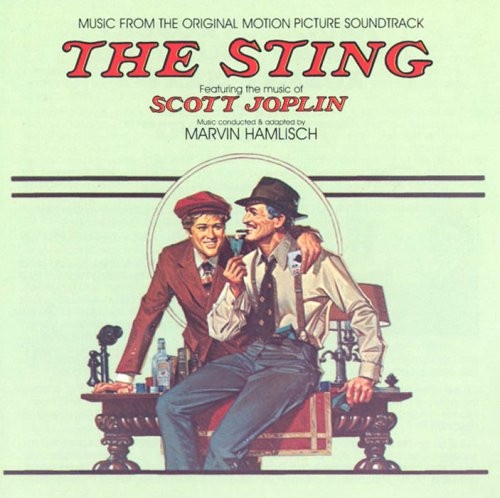
The movie The Sting came out on Christmas 1973. I assume I saw it in early 1974 when I would have been 15 years old and in 9th grade. It made a big impression on me, especially the ragtime songs on the soundtrack. I bought a copy of the soundtrack LP from The Optic Nerve, a small record store across from my high school (Minneapolis West). The movie was a big success and won several Oscars including Best Picture.
The soundtrack album included several Scott Joplin ragtime compositions adapted by Marvin Hamlisch. “The Entertainer” really grabbed me (Hamlisch also won an Oscar for the music in the movie).
Later that year, I was working a shit job at AARCEE Rental. I cleaned camping tents and sleeping bags (the sleeping bags were occasionally as disgusting as you can imagine). One of the older guys who worked there became aware of my budding interest in ragtime and convinced me that The Sting renditions of Scott Joplin were watered-down crap and that I needed to get a copy of a respectable performance of Joplin’s catalog. He recommended that I acquire Joshua Rifkin’s solo piano performances of Joplin’s Rags on Nonsuch (which was mainly a classical label at the time). He insisted I buy it, from what he felt was the best record store in Minneapolis, The Wax Museum, so I did.

The Rifkin album was released in 1970, but after the success of The Sting, it became Nonsuch’s first million-seller. Clearly, I was not the only person who had been entranced by Joplin’s Rags in the movie. I don’t recall any of my friends being fans of ragtime – so again my music tastes were not part of the teenage mainstream.
As promised the Rifkin rags were fantastic. They were well recorded, yet sounded like an accidentally found treasure or relic.

Joplin’s tunes are almost baroque fugues. To my ignorant ears, Joplin is similar to Bach. There is a playfulness to Joplin’s rags. They sound joyful and fun. Ragtime puts you in a good mood. However, listening to the recordings now, they sound like novelties. Something I might play once every few years or that would bring a smile if I heard the Rags in the background. They are not something that would be in my regular rotation. But back in 1974, they were an amazing “discovery.”
A recent New York Times music podcast (Popcast) is titled: “Do We Need Album Reviews Anymore?” Popcast host Jon Caramanica had a conversation with writer and musician Jamie Brooks about the history and future of album reviews. Brooks recently tweeted about whether music journalism was too concerned with reviewing individual albums and thereby focused less on more holistic, bigger-umbrella approaches to covering artists and scenes. It was a fascinating conversation and got me thinking about the role of album reviews in my life as a 65-year-old musichead.
My music education was primarily album reviews from professional music critics published in music magazines. My main sources were Down Beat (jazz), Rolling Stone (pop), Spin (pop), Musician (pop and jazz), and Stereo Review (an audiophile magazine that had excellent album reviews of a wide range of genres). I lived for album reviews from those magazines. The music I was interested in was not on the radio. I had to buy a physical LP (a record) for a substantial dollar amount ($30-$35 in 2023 dollars – remarkably close to what new wax costs now). Often my only information about an album was album reviews, band profiles, and interviews in music magazines. I would read reviews and if the review piqued my interest in that album I would spend my meager wages to buy the LPs (later CDs – then LPs again). Album reviews were a critical resource in helping me to decide and prioritize what to buy.
Fast forward to today, I no longer rely on record reviews – I just stream. Each Thursday I look at the new releases on the Electric Fetus’ website and pick some albums that intrigue me. Then starting on Friday at midnight Eastern Time, I stream those selected new releases. I don’t need an album review, I can just sample it (and because I am an audiophile, I prefer to stream in high resolution – at minimum CD quantity). If I like an album I buy the vinyl to support my obsession with owning physical media and my sentimental love of listening to vinyl on a good stereo (I would be lying to claim buying the LP was an act of benevolence toward the artist, but that is a bonus too).
How do I decide what new music to stream?
◦ Artists that I am already familiar with (who I keep track of primarily on social media)
◦ Artists that have come to my attention by surfing the internet, social media, podcasts, online newspapers, and magazines (there are record reviews I read here – but mostly ignore those reviews until I write my own review*)
◦ Suggestions from my streaming services
◦ Suggestions from family and friends
Even though album reviews are not important to me, I write reviews and post them on my blog and social media (primarily Instagram @catchgroove and Facebook at Jim Welby). I write reviews not to be read, but as a kind of music listening journal. Writing a review helps me critically listen to an album.
I agree with Jamie Brooks that the traditional album review is obsolete. There is still a purpose for professional music critics, for example, concert reviews, artist profiles, scene profiles, biographies, etc. Again, the conventional album reviews are no longer necessary. In light of this conclusion, I will reevaluate what I am doing on my blog and social media. But again I mainly write record reviews as a means to more engaged and active listening.

Last year was the year of the Drive-By Truckers for me. I wasn’t a fan and did a crash course in their catalog in anticipation of a live show and became a fan (and deepened my appreciation of Jason Isbell).
My engagement with The National is a little different. I first became hooked on 2019’s I Am Easy to Find. Then, got hooked on folklore/evermore Taylor Swift which had a strong The National vibe via Aaron Dessner’s involvement in the Swift album. I tried to enjoy The National back catalog – especially the critically acclaimed stuff, but it did not resonate with me. Then this year First Two Pages Of Frankenstein came out and I absolutely loved it. This is an album that’s going to be on my best of 2023 list. Again, I went back to the back catalog and nothing resonated with me like Frankenstein.
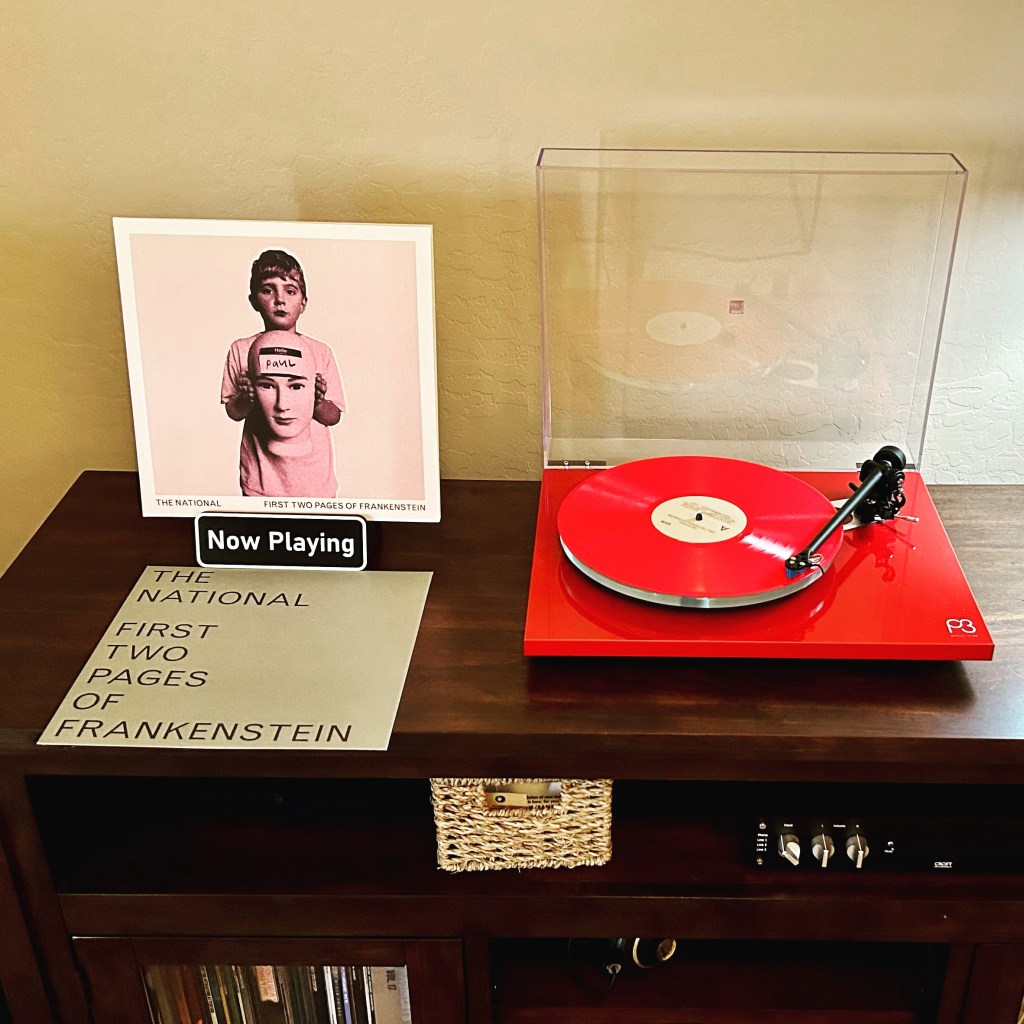
I had the opportunity to see the band live in Minneapolis in August and they were everything I hoped. This was going to be one of my bands! Then about a month later Laugh Track was unceremoniously released and it blew me away – it sounded as good if not better than Frankenstein. Laugh Track had the same vibe as Frankenstein and was clearly produced from the same sessions. It was not leftover material, but quality material that could stand on its own. That being said I think of the two albums as one piece of art.

I wonder how many new fans The National has earned between these great albums and association with Taylor Swift? “The Critics” consensus is that The National has become boring dad rock and that their masterpiece era is behind them. But I am just the opposite – I am a late period guy starting with I Am Easy to Find and the two 2023 albums.
So what is it that I like about Frankenstein and Laugh Track? The primary thing I like is the dreamy atmospheric arrangements of the music. Matt Berninger’s gorgeous baritone has been a constant for The National, but it is particularly effective in this soundscape. I love the wonderfully melancholy music and lyrics of Frankenstein and Laugh Track. The Google definition (powered by Oxford Languages) is “a feeling of pensive sadness, typically with no obvious cause.” For me, melancholy is an enjoyable sadness – not depression, but a gentle sadness that is somehow comfortable – like a warmed blanket.
The two albums have some brilliant features. Those features are not mere spice, but essential ingredients. On Frankenstein:
- Opens with “Once Upon a Poolside” featuring Sufjan Stevens
- “This Isn’t Helping” featuring Phoebe Bridgers (who by the way is having one hell of a year with boygenius) who has worked with The National and Berninger before
- “The Alocott” featuring Taylor Swift that could easily have appeared on folklore/evermore
On Laugh Track:
- Long time The National buddy Justin Vernon (Bon Iver) appears on “Weird Goodbyes”
- “Laugh Track” is another appearance of Phoebe Bridgers (
- But the most amazing collaboration for me is “Crumble” with Rosanne Cash whose voice is the perfect pairing with The National – Rosanne’s husband and primary musical collaborator John Leventhal assists with the production of the song
The band throws some curve balls too. On Laugh Track for instance the album ends with “Smoke Detector” which could be a Trans era Neil Young & Crazy Horse track. It is noisy and punky, yet does not contradict the overall vibe of the album.
I love it when a band continues to produce quality material nearly 25 years into their career. The National is standing the test of time. I am going to continue to marinate in Frankenstein and Laugh Track and once I feel ready, will go back to the catalog to see what I missed the first time I tried those albums. But it doesn’t matter. If all I am is crazy about is Frankenstein and Laugh Track, I will consider myself a The National fan.
2023 was my first year of retirement so I had plenty of time to listen to music. Although music is not as culturally significant in 2023 as in 1973, it is still an important art form. For most people music made after they were 30 is irrelevant. I like to think that I keep my ears open to new music, without shutting the door to the music of my youth. This list reflects both new and established (legacy) artists. My new artists are highly influenced by the music of my youth and so there is a lot of old-style contemporary music on the list. The list begins with my top 10 and then my honorable mentions in no particular order.
#1

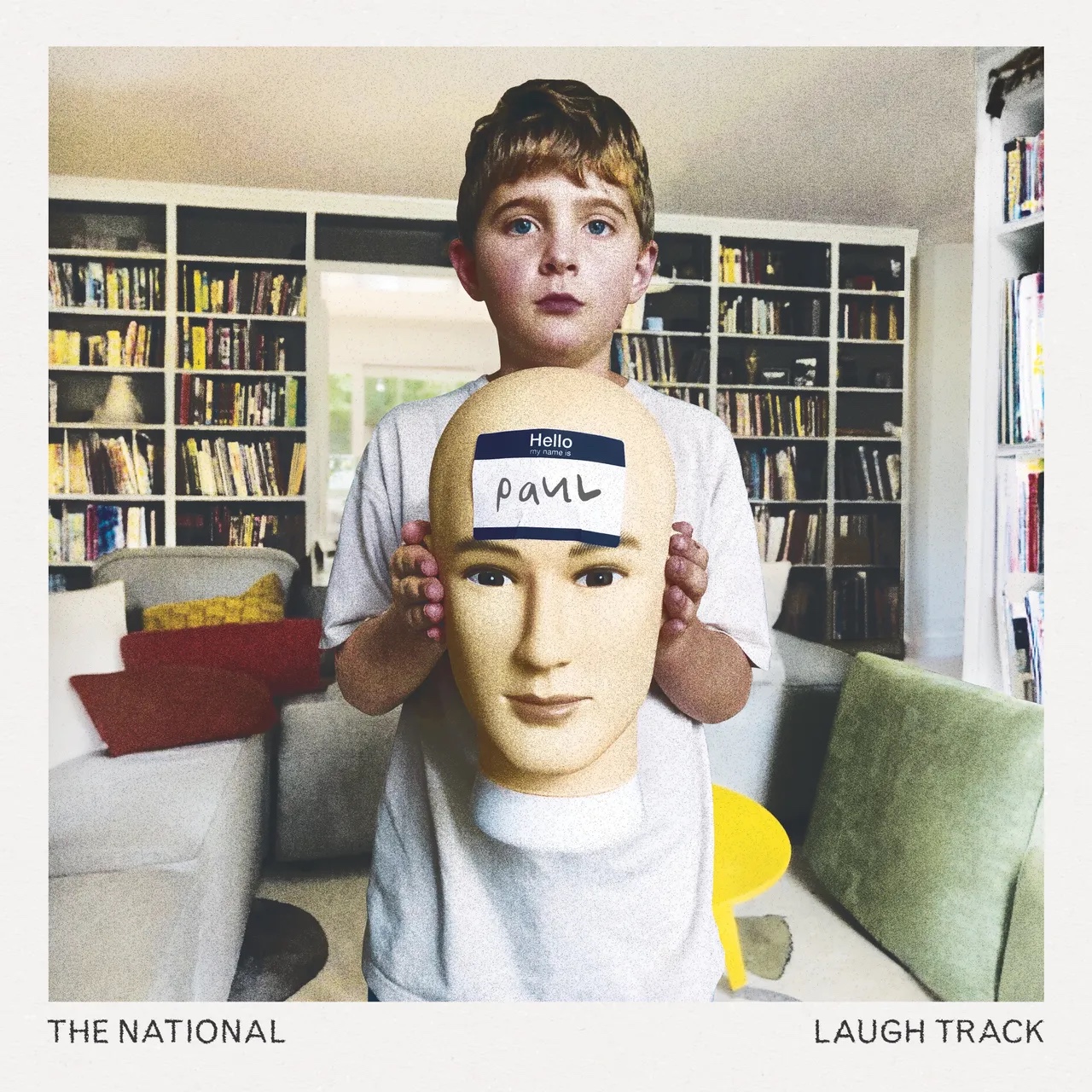
The National released two albums in 2023, First Two Pages of Frankenstein and Laugh Track. I think of them as one mega album. They come from the same sessions and have a similar vibe. Laugh Track was a surprise release and I prefer it slightly over Frankenstein. I have not been a The National fan until recently. The critics don’t find their latest works their best, but for me, it is their best era.
#2

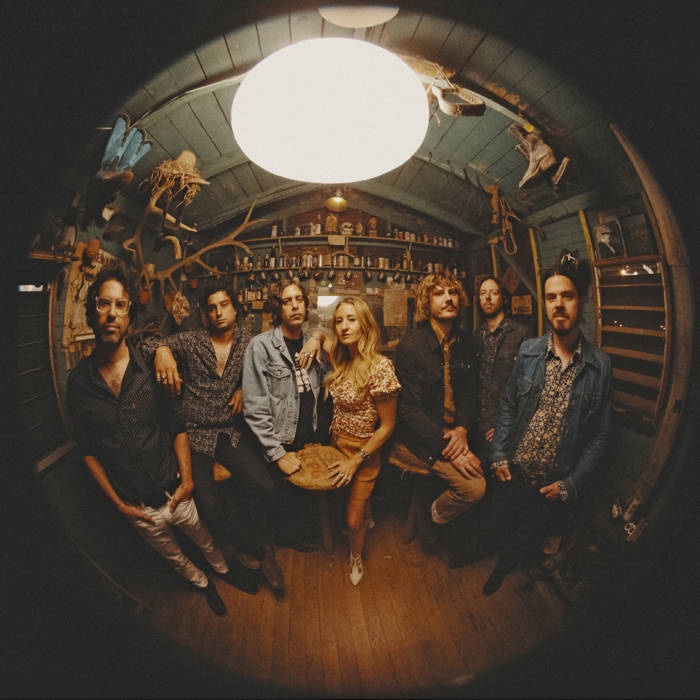

Like The National, Margo Price released two albums from the same sessions in 2023: Strays and Strays II. As a bonus, I picked up a Record Store Day Release, Strays (Live At Grimey’s). Margo has really grown as an artist. Her first album was retro country, but on these latest albums, she becomes a contemporary female version of her hero Tom Petty. The albums were produced by Johnathan Wilson, he also has an album on this list.
#3

Jason Isbell’s Weathervanes continues his string of excellent albums. Some critics feel like he has plateaued, but I feel like he is hitting his stride.
#4

Jonathan Wilson’s Eat The Worm is his weirdest album – and that is good news. After several albums that are great, but derivative, he has found his own voice.
#5

Miles Miller Solid Gold – Miles is Sturgill Simpson’s touring drummer. Sturgill produced the album. Miles has a mellow voice that sounds like a country-fried James Taylor. The arrangements would not have been out of place on a ’70s James Taylor album either. Solid Gold is 70s soft rock with a twist of country.
#6

Bob Dylan’s Time Out Of Mind (AKA TOOM) was a major comeback in 1997 and set the stage for a late-career renaissance that continues to this day. In 2023 he released a major box set focused on the TOOM period. Bob Dylan: Fragments – Time Out of Mind Sessions 1996-1997 The Bootleg Series Vol. 17 is a wonderful spotlight on that fertile period in the Dylan catalog. The most amazing revelation is the Michael Brauer remix of the original album – it takes the wet blanket off the original revealing the true masterpiece (it was a masterpiece even with the wet blanket).
#7

Although not an essential entry into the Wilco catalog, Cousin is an excellent album. It is an amalgamation of what they do best and therefore a great introduction to Wilco.
#8

If Hackney Diamonds is the Rolling Stones’ last studio album, it will be a beautiful goodbye.
#9
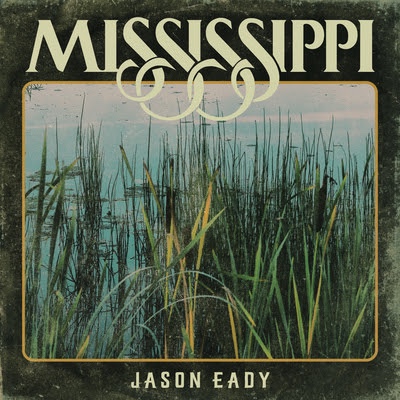
Jason Eady has a pleasant baritone voice with a little bit of Willie Nelson’s drawl. On Mississippi, there are gorgeous slithering guitar riffs, gospelish backup vocals, funky keys, and a wicked groove from the rhythm section. This is a well-executed album. It sounds like a band and not just a singer-songwriter.
#10
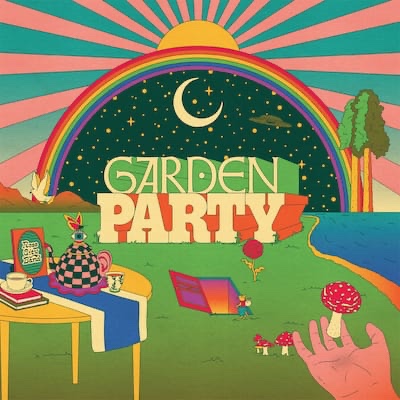
Rose City Band’s (RCB) Garden Party is a blissed-out Dead-inspired musical anodyne. In these stressful times we need safe and effective painkillers and Garden Party fits the bill perfectly.
Honorrable Mentions (in no particular order)
- Boygenius – the record
- Miley Cyrus – Endless Summer Vacation
- Son Volt – Day Of The Doug
- Norah Jones – Little Broken Hearts Live At Allaire Studios
- Andy Shauf – Norm
- Goose Live At The Salt Shed 4/14/23
- Arlo Parks My Soft Machine
- Bob Dylan – Shadow Kingdom
- Jenny Lewis - Joy’All
- Pat Metheny – Dream Box
- Lucinda Williams – Stories From A Rock n Roll Heart and her memoir
- Ryan Adams and The Cardinals – Alive Volume 1
- Greta Van Fleet – Starcatcher
- Wednesday – Rat Saw God
- The Replacements – Tim (Let It Bleed Edition)
- Israel Nash- Ozarker – I heard a teaser single from this album on The Current and it immediately caught my attention. I made a mental note to check out the album once it came out. Well, it is out now and it is a great album. What struck me was the richness of the arrangements and production behind Israel’s pleasant voice. It reminded me of The War On Drugs but less dreamy (in a good way). This is going to be in my regular rotation for a while.
- John Scofield – Uncle John’s Band – Scofield and band do quirky covers (Dylan’s “Mr Tambourine Man,” Neil Young’s “Old Man,” Leonard Bernstein’s “Somewhere,” and Miles Davis’ “Budo”), jazz standards (“Stairway to the Stars” and “Ray’s Idea”), and seven Scofield originals. The band’s approach is to apply their jazz aesthetic to funk and folk rock. They have plenty of straight-ahead jazz tunes too. This is not new to Scofield as he is well ensconced in this kind of gumbo. This trio format is perfect – the rhythm section is an anchor (in a good way) for Sco to jam his ass off. Without that stability, Sco might fly off the rails. I think this solid foundation allows Sco to actually become more creative.
- Florry – The Holey Bible – This wonderful country rock sounds like the band is falling down the stairs – in a good way.
- Chris Stapleton – Higher
- Heavy Crownz – Branched Out – Nice mellow vibe with rich themes. Heavy has a gorgeous raspy hypnotic flow – hip hop to calm your mind and feed your soul. Love the quiet storm R&B beats. Per the artist: “BRANCHED OUT ! IS A REMINDER TO STAY ROOTED WHERE YOU ARE FROM IN ORDER TO GROW.”
- Bob Dylan – The Complete Budokan 1978
- The Adam Deitch Quartet – Roll The Tape – If you dig soul jazz and/or the jazzier side of the jam band world check this gem out.
- Amos Lee – Honeysuckle Switches: The Songs of Lucinda Williams – A songwriter takes on another songwriter. Lu has such a distinct voice it is fun to hear someone else sing her songs.
- nicholas – Heat Island Effect – nicholas is a singer, songwriter, multi-instrumentalist, DJ, and chef du jour based in Chicago. The album is a gumbo of contemporary R&B, hip-hop, and jazzy elements. It is both adventurous and easy listening. Lyrically, it deals with social/political issues and deeply personal exploration. The music is rich and lush – it sounds like a band and not just a bedroom singer-songwriter.
- Dusk – Glass Pasture – The Appleton WI band has a nice country rock/Americana vibe, this is fun music. Per the band’s booking agency: “The group is often compared to 60’s garage and R&B groups like NRBQ and THE LOVIN SPOONFUL, early 70’s country rock pioneers THE FLYING BURRITO BROTHERS, and at times the primitive rock and roll sound of a group like THE VELVET UNDERGROUND.”
Some additional best of 2023 items worth mentioning:
- The Minnesota Twins and MLB – My wife and are long-term Twins fans. When were dating we used to go to the old Metrodome and for $10 we could get right-field seats and a beer – cheap date. Given retirement, we probably watched 100 regular season games, attended close to 20 games in person (including the Twins playoff run, and watched most of the playoff games). MLB provided great entertainment this year.
- Taylor Swift – we enjoyed attending Taylor Swift’s Eras Tour in Minneapolis (with face-value tickets), saw the movie in the theater, and enjoyed the silly joy of the Taylor/Travis romance.
- Crosley Liam Record Storage Stand – the Desert Sessions desperately needed record storage, so my lovely wife found and ordered a couple of these stands. It is a delight to crate dig in your own home!

- Jeff Tweedy’s World Within a Song: Music That Changed My Life and Life That Changed My Music is a delightful little book where Tweedy describes songs that impacted him. I listened to the audiobook on Spotify and it was a particular joy to hear Tweedy as the narrator of his own book.
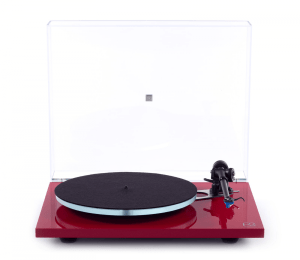
- I was borrowing my daughter’s turntable at the start of the Desert Sessions and decided earlier this year that I needed a permanent solution. I selected the Rega P3 because it got great reviews, was in my price range, and came in red. I found a great Valley hi-fi dealer: Audio Video Excellence who sold Regas and had various models set up in-store for auditioning. I brought several LPs into the store and owner Bob Koopman set me up in a listening room and let me audition in peace. After 30 minutes I was sold. Many months later – no regrets.
Finally, I had an existential crisis regarding my record-collecting habit this year and I got over it! Looking forward to more listening, discovery, social media posting, and blogging in 2024! One of my New Year’s resolutions in 2023 is to write a blog post a month about my musical memoir.
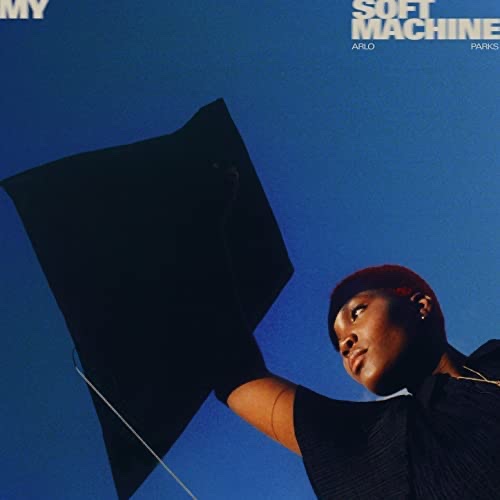
This release was not on my radar, so it was a pleasant surprise to see it on the 5/26/23 release list. I was immediately smitten on the first listen. I loved Arlo’s “folk soul” on 2021’s Collapsed In Sunbeams. My Soft Machine is not the predictable sophomore slump, but a massive step forward: Collapsed In Sunbeams + experience + budget + refined vision = art pop perfection (My Soft Machine). This is an incredibly slick-sounding album – in a good way.
Creating a pop masterpiece is elusive. It takes songwriting skill, studio wizardry, juxtaposition of familiar and new, and capturing the current zeitgeist. Arlo Parks hinted at it with Collapsed In Sunbeams and it is more evolved on My Soft Machine. This is an artist to be reckoned with.
This album has a wonderful sonic vibe. Mostly it is Quiet Storm Soul (although “Devotion” is an epic arena rock anthem). This is music to sway to (although “Blades” is a Michael Jackson Off the Wall-inspired slow dance vibe). At times, it gets trippy and psychedelic.
Under all the sonic sheen, the heavy lyrics deal with all matters of the human condition: a rough childhood, heartbreak, accept me as I am, don’t struggle alone, etc. The juxtaposition of a slick sound and heavy lyrics really works.
This album is easy listening enough to play in the background and complex enough for attentive listening.
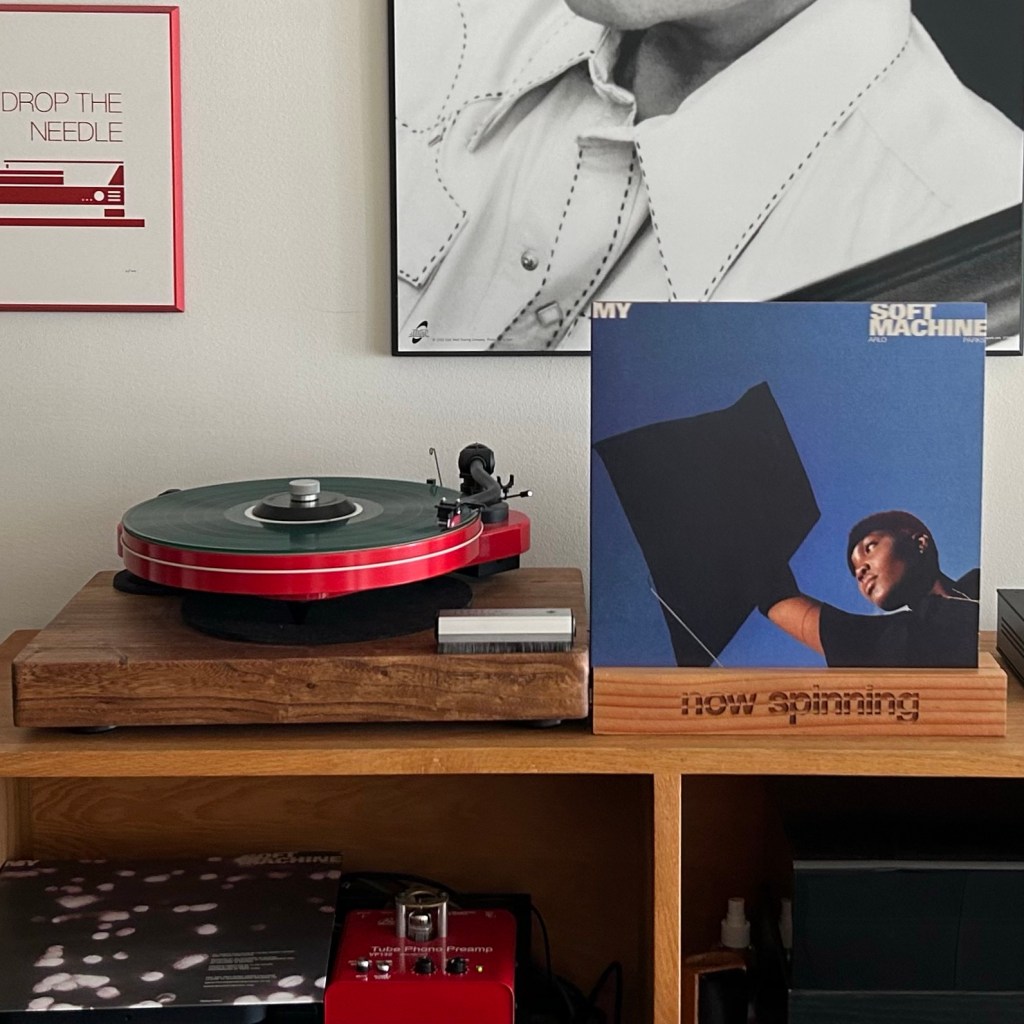
“Bruiseless” is a short intro to the album. It starts the album with a heavy theme:
“I wish I was bruiseless
Almost everyone that I love has been abused, and I am included
I feel so much guilt that I couldn’t guard more people from harm”
“Impurities” is a slow jam. It is an “accept me as I am” anthem.
“Blades” is Michael Jackson’s Off The Wall-inspired dance music.
“Purple Phase” is psychedelic trip-hop.
“Weightless” makes you sway.
“Pegasus” (featuring Phoebe Bridgers) is dreamy pop. Inspired collaboration between Arlo and Phoebe.
“Dog Rose” has a nice 70s lite-rock vibe.
“Puppy” is a sweet sing-songy rap
“I’m Sorry” is a faster sway-pop with a little rap for the bridge.
“Room (red wings)” – never has heartbreak sounded so sweet: “Now I just wanna eat cake in a room with a view.”
“Ghost” is a slow anthem about not suffering alone and letting others in to help: “Melt right into you
Let you be the glue.”
Overall most tracks are contemporary sounding quiet storm soul pop, she can rock too. The songs are wonderful earworms that I can’t (and don’t want) get out of my head.
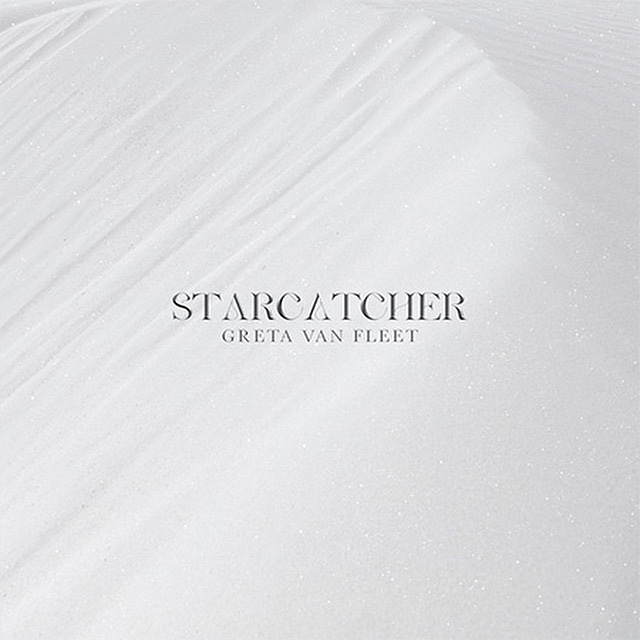
When I heard Greta Van Fleet’s (GVF) first single, “Highway Tune” in 2017, I was blown away by how much they sounded like Led Zeppelin. They were a Zeppelin tribute band with original material. Many were dismissive of the band given how imitative they were, but I liked it. Zeppelin has been gone a long time and I was hungry for new music in that style.
One of my hot takes on contemporary music is that there have not been any significant innovations since the mid-70s:
- Hip hop? Invented in the 70s
- Punk? Invented in the 70s
- Electronic/EDM – predates the 70s and was popularized by 70s groups like Kraftwerk
- Disco/dance music – popularized in the 70s
- Metal – invented in the 60s in the form of hard rock
- Etcetera, etcetera…
That is not to say there has not been good music created since the mid-70s. There has been plenty of great music, just not the creation of new genres in the last 50 years. I say all this not to be a cranky old man, but to point out that imitation is not a bad thing. Music’s tradition is to first imitate and then find your own voice. Dylan stole from the Folkies and Beats, the Beatles were inspired by 50s rockers, the Stones appropriated the blues, and on and on.
GVF is a successful rock band (they are playing arenas, have topped the charts, and won a Grammy) in a pop/hip-hop era, making them rare. They are maligned for imitating classic rock, specifically Led Zeppelin, but also Black Sabbath, Yes, and Rush. I have no problem with them carrying the Zeppelin torch. They are sincere in their creative homage to 70s hard rock/heavy metal. To restate my point above, music has been derivative over the last 50 years. The trick is to copy and then make it your own. GVF has been on an authentic journey to find its own voice. Starcatcher is a positive step forward.
Dave Cobb, most famously of Chris Stapleton, Brandi Carlile fame, produced Starcatcher. I was intrigued to see what one of the most talented producers of our time would do with them. Cobb is primarily known as an Americana and country guy, but he clearly can handle rock. My sense is on Starcatcher he encouraged the band to get back to their basic sound (their last album, The Battle at Garden’s Gate, was elaborately arranged and was a bit prog). He helped GVF be the best version of themselves sonically. He didn’t shine them up, if anything he dumbed them down – which is the perfect thing to do. The band feels comfortable with their sound on Starcatcher. They don’t sound like they are trying too hard – which is something I sensed in some of their prior recordings.
Starcatcher is their third proper album (they also have two EPs in the catalog). It is more of the same (hey AC/DC made a five-decade career out of more of the same). At first, I didn’t feel like they made any significant progress on Starcatcher to find their voice. It seemed as if Cobb and the band doubled down on the Zeppelin impression. But after several listens, especially the vinyl, I sense they have evolved and are gaining their own voice. But, I also feel like they still have more potential. Starcatcher is an excellent step forward and I am stoked that I see more opportunities for GVF to grow as a band.
Lyrically, I don’t have a clue what these songs are about, I just love to hear lead vocalist Josh Kiszka wailing. Joshua’s vocals are amazing. He is a cross between Robert Plant (Led Zeppelin) and Geddy Lee (Rush) with an occasional falsetto that evokes Jon Anderson (Yes). Despite the similarities to these classic rock vocalists, he has his own nuances. The band has excellent background vocals too – all four members contribute. The rest of the band is good too, but the lead vocals are the primary attraction.
After a couple of weeks of listening to Starcatcher on the Tidal streaming service, I picked up the clear vinyl (concerned the glitter vinyl might not sound as good). The vinyl sounds better than digital – the mix is warmer. It buffs the sharp corners off the digital – which in this case is a good thing.
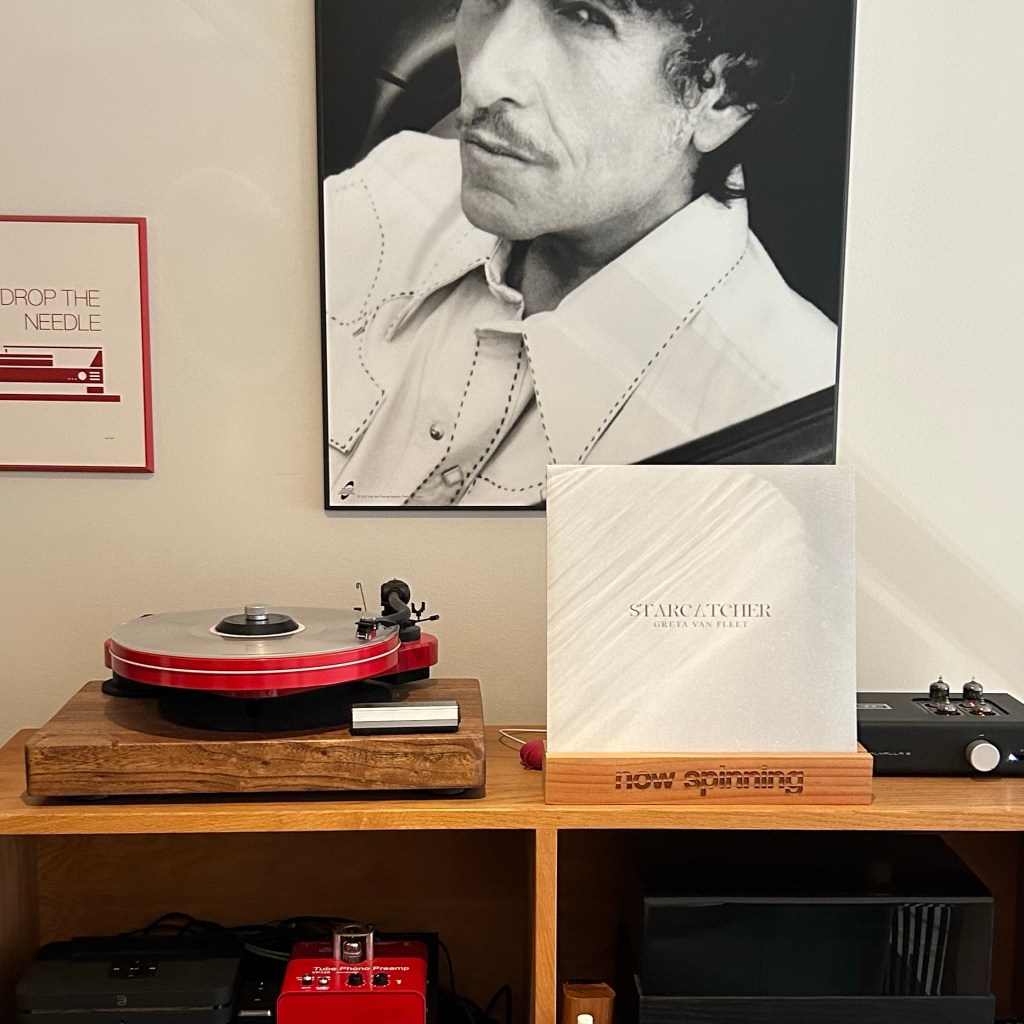
Starcatcher is not for heavy thinking, it is merely fun and entertaining music. To quote the Stones: “I know it’s only rock ‘n’ roll but I like it, like it, yes, I do.” I am just going to sit back and enjoy Starcatcher and I recommend you do too.
I am hoping GVF is being ironic in their visual presentation/branding of the band. There is an insert photo booklet in the vinyl version that looks like a Spinal Tap photo shoot (see photo below). They look ridiculous – like a parody of Led Zeppelin. I choose to smile at their look vs. wince.


I am a big fan of Sturgill Simpson, both as an artist and as a producer. Strurgill’s latest production is of his touring drummer, Miles Miller. Miles has a mellow voice that sounds like a Country-fried James Taylor. The arrangements would not have been out of place on a ’70s James Taylor album either. It is soft-rock with a twist of Country. The upbeat tunes have a nice roadhouse vibe. Solid Gold is aptly named – the album is absolutely solid gold.
I recently talked with a friend about the difference between Country music and Americana. My conclusion is that they are pretty similar if you ignore the more pop side of country music. The differences are not so much musical, but other things like:
- Politics – Americana tends to be more liberal and Country music is more conservative
- Venues – Americana thrives in clubs and theaters, whereas Country thrives in arenas, stadiums, and large festivals
- Rural vs. Urban – Americana is not so much urban as it is realistic about rural life, whereas Country music is sentimental and at times dog whistling MAGA values
- Nashville – There seem to be two Nashvilles – the one that churns out hits for Country radio and the one that churns out music for music’s sake; the first is Country music and the second is Americana. A lot of Americana lives outside of Nashville too.
- Songwriting – Americana values singer-songwriters and Country values professional songwriters (often writing by committee)
I could go on and on, but the point here is Miles Miller is in the Americana lane. He wrote all the songs on this album. I tend to be drawn to Americana vs. Country music but don’t draw hard lines. If you like James Taylor and Americana, you will love Miles Miller’s debut Solid Gold.

As part of the press cycle, Miller states:
“Solid Gold is a love story, but about love being around and love leaving. It’s an entire story essentially about wanting to get back to the love you have, realizing you shouldn’t give it away, to love leaving, hitting the road because of it leaving, feeling love on the road, love from home, to realizing you need to keep walking and wish them well. It’s an album about the cycle of a love story that crumbles.”

Miller and Simpson have assembled a great band: Miles Miller on acoustic guitar, drums, and vocals; Laur Joamets (Drivin N Cryin and Sturgill Simpson) on electric guitar; Dave Roe (Nashville session ace) on bass; Mike Rojas on piano (another Nashville session and touring ace); and Mark Howard on acoustic guitar and mandolin. The band beautifully supports Miller’s songwriting. This is an amazing debut from someone I have never heard of. The LP’s hype sticker declares: “MILES MILLER SOLID GOLD – COUNTRY MUSIC’S SECRET WEAPON ARRIVES WITH HIS DEBUT SOLO ALBUM.”
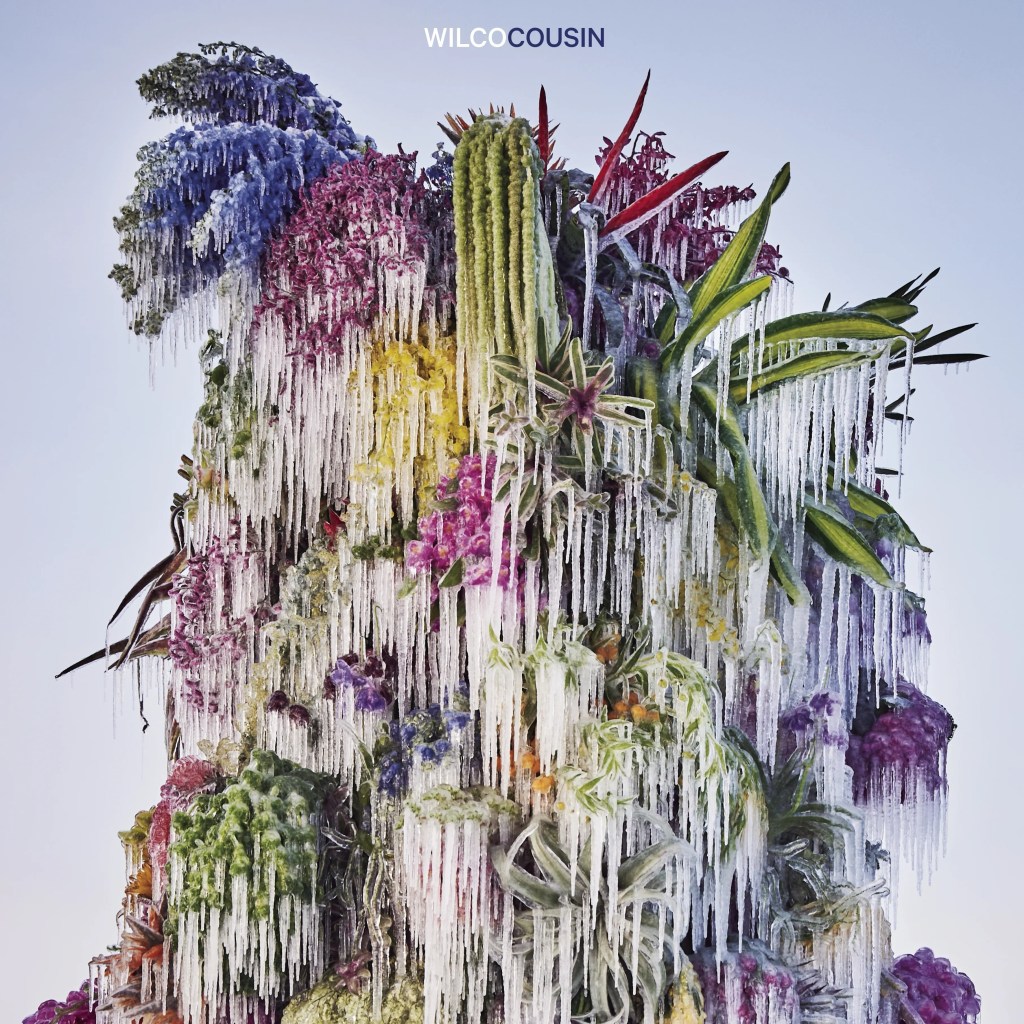
Although, not an essential entry into the Wilco catalog, Cousin is an excellent album. It is an amalgamation of what they do best and therefore a great introduction to Wilco. I was smitten at first listen and it has only gotten better with subsequent listens.
Steven Hyden, in a recent episode of IndieCast, proposed an interesting theory: really good recording artists/bands (he used the term “legacy bands”) have, at best, a 7 to 8 essential album lifespan – the rest of the catalog is non-essential. He was specifically using Wilco as an example. Wilco had an amazing seven album run from 1995 (A.M.) through 2007 (Sky Blue Sky) – I am including their collaboration with Woody Guthrie and Billy Brag (1998’s Mermaid Avenue). Those albums define Wilco – all are masterpieces. Although they have not had a bad album, I would argue that the next seven studio albums (including Cousin) are non-essential. The “essential theory” doesn’t require the albums to be in sequence, like the Wilco example, but that is often the case.
What do I mean by “essential?” An essential album is an album that defines the band and resonates with a fan base and music critics. Most recording artists never have an essential album. When a recording artist does have an essential album it is a big deal. An artist rarely has more than one and even rarer to have multiple essential albums. Wilco is in the esteemed category of having a long string of essential albums. I would argue that they have never made a bad album – merely good albums that are overshadowed by masterpieces. The essential albums make up the core of their catalog.
I recently was turned on to two legacy bands by late-career albums that fans and critics might consider non-essential: The National (2019’s I Am Easy To Find) and Drive-By Truckers (2022’s Welcome 2 Club XIII). These two albums opened the door for me to the bands. I agree there is a core (essential) catalog, but these late-career non-essential albums are still important. In the case of The National, I prefer the late-period albums.
When Wilco released Cruel County without warning in the spring of 2022, I was delighted. It was a pivot back to the Americana music that was their foundation. Although it was not an innovation, it was executed so perfectly that it was as good as anything in their catalog. Despite its excellence, it is hard to argue it is more important (essential) than their earlier works.
Cousin is a pivot back to the experimental spirit of the Yankee Hotel Foxtrot/A Ghost Is Born era. Like Cruel Country, it is not an innovation, but a perfect execution of Wilco.
Cousin is the first time, the band used an outside producer since 2009’s Wilco (The Album): Cate Le Bon. She is a Welsh musician and record producer (e.g., Deerhunter, Kurt Vile, and Devendra Banhart). Per Wilco’s leader Jeff Tweedy:
“There aren’t a whole lot of white male rock groups that feel vibrant in any way to me. I don’t know what they’re singing about. I don’t know what they’re angry about. I don’t know what they care about other than maintaining and protecting their status, and I don’t want that to be the way Wilco looks at itself. It felt really right to ask a woman to produce a record for us because it was an honest way to surrender some of those assumptions.”
From Spin
The collaboration with Cate Le Bon works brilliantly. She brings a new twist on Yankee Hotel Foxtrot/A Ghost Is Born quirkiness that is both fresh and familiar. Based on the Spin article quoted above, the band truly gave the keys to Le Bon and let her drive. The results are a beautiful yet challenging album that is as strong as anything in their catalog despite not being a new innovation. Le Bon appears to have helped Wilco be Wilco. As a bonus, the album is sonically lush – beautifully engineered and mixed.
Here are some quick tales on each track:
- “Infinite Surprise” – welcome back weird Wilco (i.e., Yankee Hotel Foxtrot/A Ghost Is Born era).
- In “Ten Dead” Wilco captures the sadness of our time: another mass shooting and the only sensible response is: “I woke up this morning / And I went back to bed.”
- “Levee” is beautiful gloom.
- “Evicted” without sounding anything like Prince, I couldn’t help thinking about Prince’s “Raspberry Beret.”
- “Sunlight Ends” has the rich sonic vibe of Joni Mitchell’s Court and Spark – slick in a good way.
- “A Bowl and a Pudding” has a Nick Drake feel with an ample dose of George Harrison.
- “Cousin” demands to be heard live – it has a nice Tom Petty jangle at the end.
- “Pittsburgh” opens like a Tweedy solo song but quickly goes YHF only to return to the quiet solo acoustic sound and then back to YHF – it is an inspired volley between the two styles.
- “Soldier Child” classic Wilco Folk Rock with a The Ventures guitar riff.
- “Meant to Be” opens like a New Order dance jam only to turn into pure Wilco.
Wilco is one of my favorite bands. They have never disappointed me, but they have underwhelmed me. Cousin is a delightful addition to the Wilco catalog and not underwhelming. The addition of a Cate Le Bon as producer adds a tasty spice to the Wilco hotdish. The fact that a legacy band, nearly three decades deep in their career, is creating material that demands repeated listens and has me craving to hear it performed live is impressive. I would comfortably use Cousin as a calling card of the band to potential fans. Hopefully, it will do what The National’s I Am Easy To Find and Drive-By Truckers’ Welcome 2 Club XIII did for me – open up the rabbit hole to a wonderful recording artist and their catalog to new fans.

The vinyl edition is a nice quiet pressing. It doesn’t sound significantly different from the high-resolution stream. It does have a nice warm analog sound – the digital sharp edges have been rounded. This is a beautifully recorded and mixed album and both the digital stream and vinyl versions deliver that beauty.
POSTSCRIPT: It’s been a few months now since Cousin came out and it still sounds great. I am starting to up my appraisal. This is a consequential album. “Ten Dead” captures the dread of hearing of another mass shooting. Sonically, this album is a mature update of the YHF aesthetic. There is a bias toward the prettier side of Wilco – which is prettier than ever. They sound fully engaged in making art. Every listen reveals and I am impressed. Feeling lucky that a bunch of mature bands are still productive (Wilco, The National, Drive-By Truckers, Dylan, The Stones, etc.). Wilco is entertaining the hell out of me and making me think.

Rose City Band’s (RCB) new album, Garden Party, is a blissed-out Dead-inspired musical anodyne. In these stressful times we need safe and effective painkillers and Garden Party fits the bill perfectly.
I loved RCB’s self-titled debut in 2019. I was less enthusiastic about the sophomore Summerlong in 2020 and the third Earth Trip in 2021. It is not that those two albums were not good, they just didn’t thrill me like the debut. I ignored the latest, Garden Party when it came out this spring. Recently I listened to it again- it gripped me in a similar way as the debut – it is even better.
RCB was originally the brainchild of Ripley Johnson (Wooden Shjips and Moon Duo). It was a studio experiment and not really a band. Over time it has expanded from a studio experiment to a touring band. The studio “band” and the touring band are separate, but related entities. I have yet to see the band live, but evidently, they are great and this new album is said to capture some of the live magic in the studio.
Per the band’s label (Thrill Jockey):
“Rose City Band’s country psychedelic rock evokes the wide-open spaces of the American west and free spirits who call it home.“
The interplay between Ripley Johnson’s guitar and pedal steel guitarist Barry Walker (from the touring band) is gorgeous. In addition to the guitars, there is touring keyboardist Paul Hasenberg and synth-wiz Sanae Yamada (from Moon Duo) adding beautiful textures. Moon Duo’s drummer John Jeffrey holds it all together rhythmically.
The lo-fi sound of the debut is upgraded to Steely Dan-like perfection on Garden Party.
I am a fan of music that can both serve as musical wallpaper providing a gorgeous soundtrack and music worthy of active listening. Ripley Johnson and the band have achieved this high-wire act with Garden Party.


