Rainbow Body (self-titled)
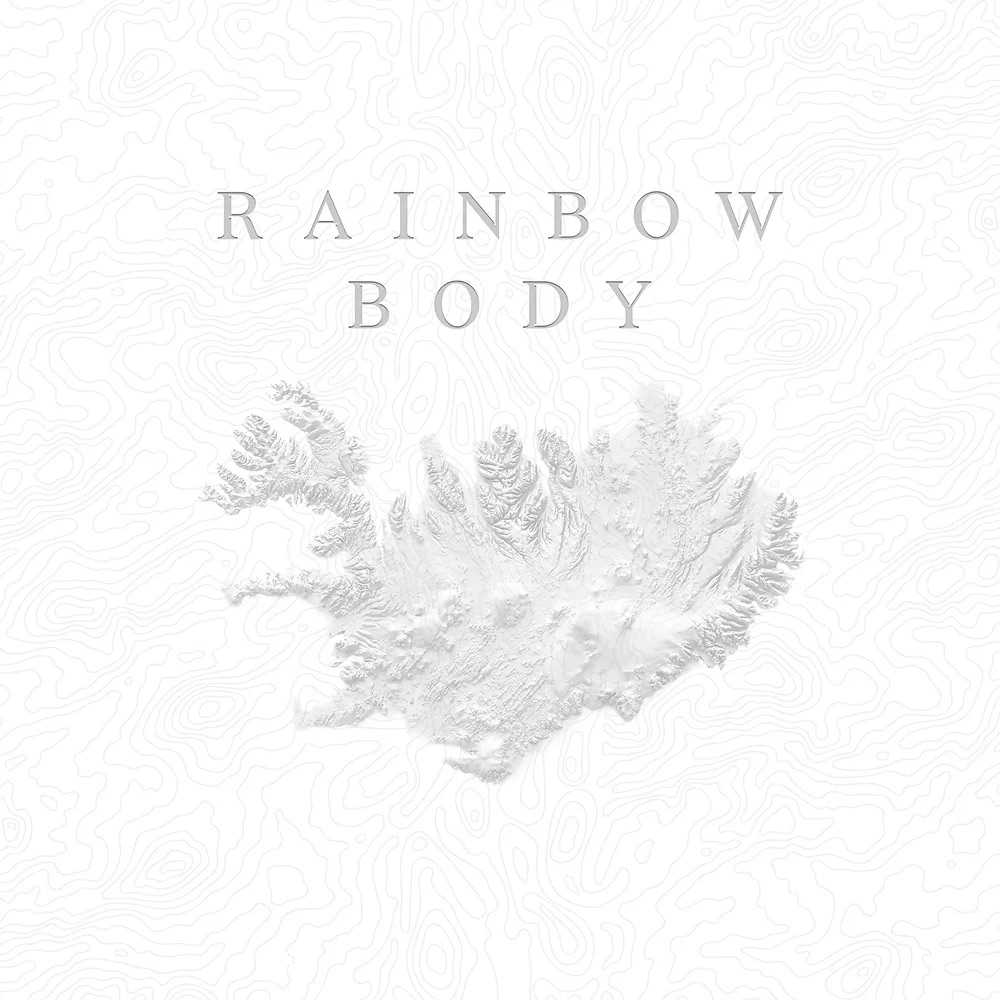
Supergroups rarely amount to anything, but I am a sucker for them all the same. When I read that guys from Dawes, Goose, Lettuce, Dead & Co, and Circles Around The Sun (all jam bands or jam-band adjacent) were forming a group, I got interested. Goose is one of my favorite contemporary bands, but I am a fan of all the bands that make up Rainbow Body. I have been listening to the 24-bit/96 kHz FLAC on Tidal and absolutely love it. The vinyl LP will be out on January 8, 2027, and you can pre-order it here.
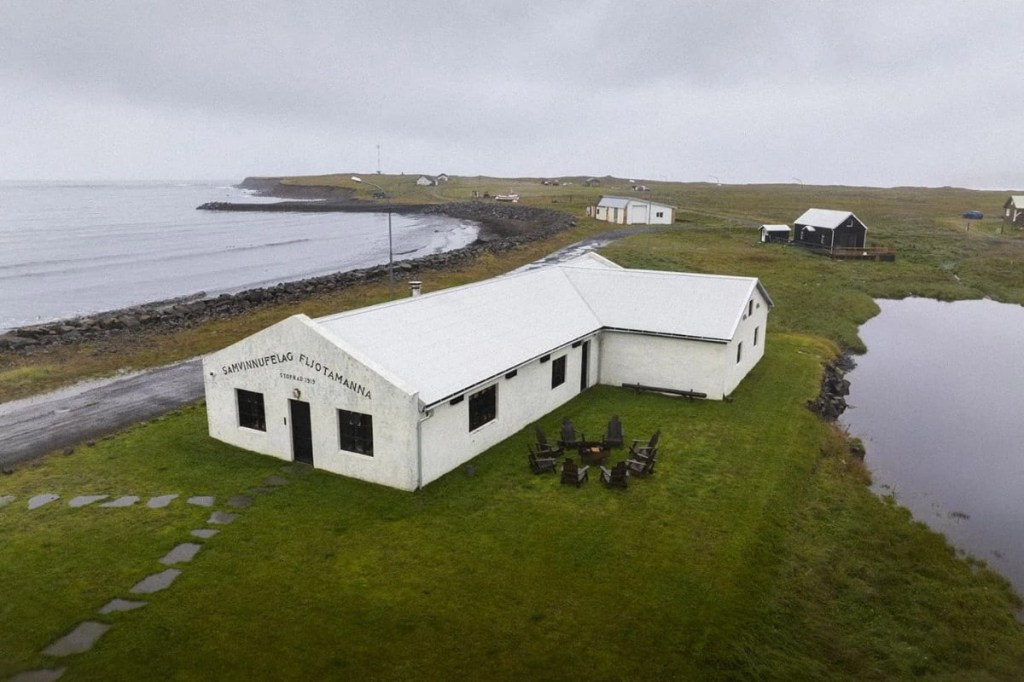
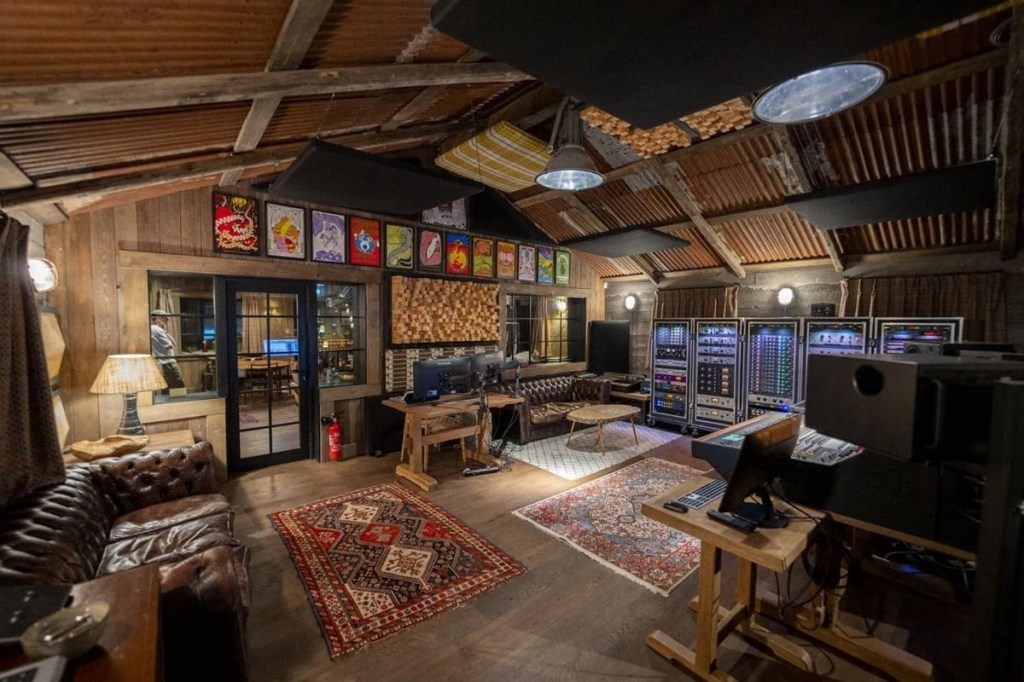
It turns out Rainbow Body has an incredible backstory too. QUOIA™ is a new initiative bringing artists and conservation together through the power of music. For its inaugural session, QUOIA brought an all-star group of musicians, calling themselves Rainbow Body, to Flóki Studios in northern Iceland, where dramatic landscapes, immersive experiences with local conservationists, and the plight of wild Atlantic salmon became the backdrop for an extraordinary musical collaboration. Proceeds from the Rainbow Body project will benefit the North Atlantic Salmon Fund, a nonprofit organization dedicated to protecting Atlantic salmon and marine biodiversity.
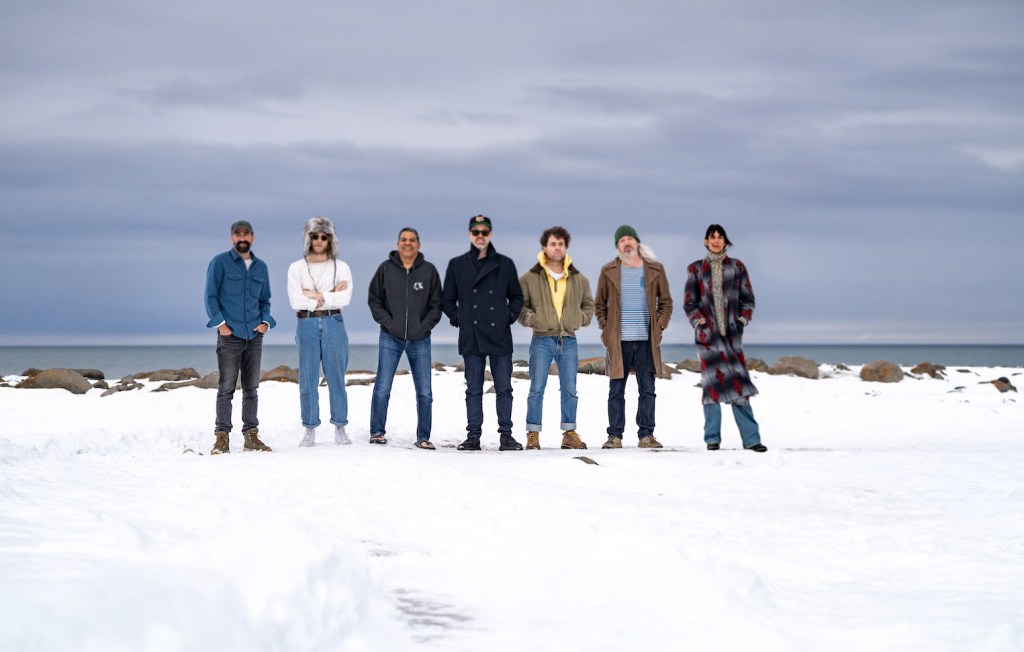
The band is:
- Taylor Goldsmith (Dawes) – Vocals, Guitar
- Griffin Goldsmith (Dawes) – Drums, Percussion, Vocals
- Rick Mitarotonda (Goose) – Vocals, Guitar
- Eric Krasno (Soulive, Lettuce) – Guitar, Production
- Ross James (Terrapin Family Band) – Guitar, Pedal Steel
- Adam MacDougall (Circles Around the Sun, The Chris Robinson Brotherhood) – Keyboards, Organ
- Oteil Burbridge (Dead & Company, Allman Brothers Band) – Bass (guest/collaborator)
- Nicki Bluhm (singer/songwriter and guest/collaborator)
When I googled Rainbow Body, I learned it is a Buddhist concept. Rainbow Body (Tibetan: ja’ lus) is a high-realization phenomenon in the Dzogchen (Great Perfection) teachings of Tibetan Buddhism and Bon. It describes the complete transformation of a Buddhist practitioner’s physical form into pure light at the moment of death, leaving behind only hair and nails, or in some instances, shrinking the body entirely until it vanishes.
Enough of the background; how is the music? This is a gorgeous album. With Taylor Goldsmith as the primary vocalist, it has a strong Dawes vibe. Rick Mitarotonda’s (Goose) guitar is prominent (thank goodness). There is plenty of jamband noodling too, but, like Dawes and Goose, songs and melody come first.
The album opens with “Strange Memory,” which is also the single. This is the perfect calling card for the album: Dawes vocals, Goose vocals, guitar-forward, hummable melody, funky beat, tasty guitar solos, and lush keyboards. Lyrically, per co-writer and vocalist Taylor Goldsmith, the track takes place “on a highway that doesn’t end… when you can’t remember what you’re running from and you can’t remember what you set out to find.”
“I Don’t Know What to Do with My Hands” Musically, it feels more prog rock than a jam band. Lyrically, it appears the narrator has come to grips with a spiritual insight.
“From Mirror Lake” (feat. Oteil Burbridge) has a 70s Laurel Canyon vibe in the first half. This could be an outtake from Joni Mitchell’s Court And Spark, then it gets spacy. Lyrically, it is about a wildfire.
2. “Jalü” (feat. Oteil Burbridge) – The music reminds me of the kind of stuff Circles Around The Sun (keyboardist Adam MacDougall band) does, only with vocals. Rick Mitarotonda takes the lead vocals. The title comes directly from the Tibetan word ja’ lus, which translates to Rainbow Body. Lyrically, it seems to explore deep spiritual insight.
“Review of Millie Fulbright’s Debut Album ‘Courtside’” has a nice funky groove; it transitions into a spacey jam. Lyrically, it parodies an album review.
“Blade Runner on the Big Screen” gives props to my generation for seeing a cinematic masterpiece in a theater back in the day. The song has a Grateful Dead “Shakedown Street” funky vibe.
“So Many Words” (feat. Oteil Burbridge & Nicki Bluhm) is a vocal duet between Taylor Goldsmith and Nicki Bluhm. The song has a Southern California 70s singer vibe. The song is about a strained romantic relationship.
“Kicking Over the Traces” (feat. Oteil Burbridge) has a Grateful Dead feel. “Kick over the traces” is a British saying I hadn’t heard before, so I looked it up; it means to rebel against authority, break free from rules and restraints, or behave in a wild, uncooperative way. A pretty good catchphrase for the band.
Overall, the album reminds me of what it would be like to combine the Grateful Dead and Pink Floyd. At times it get’s progy, jazzy, spacey, and jammy. But despite the noodling, it never gets ponderous – great melodies always prevail. The lyrics don’t do much for me, but the singing is great. Dawes is the most dominant aesthetic here. Dawes has become more of a jam band over time (2022’s Misadventures Of Doomscroller had a strong Grateful Dead vibe), so it really works with the rest of the players. My only disappointment is that the mixing and mastering are not as bright as I would like – it sounds a bit muffled. The album is a rare supergroup that works and rivals the individual members’ releases.


