Phil Collins – Face Value
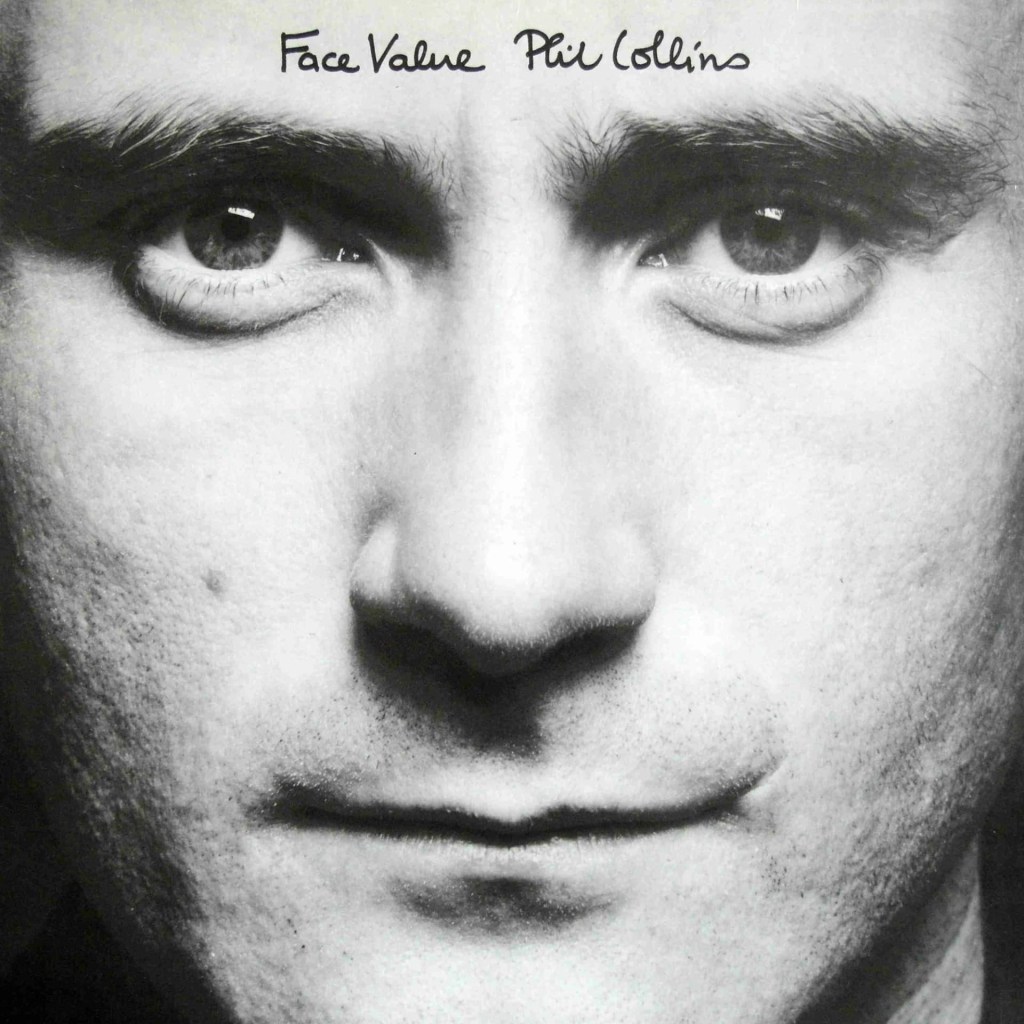
Face Value
(1981)
Although I am not much of a Genesis or Phil Collins fan, “In the Air Tonight” is one of my favorite songs. Although I have owned the Face Value LP since the early 80s, I have never explored the rest of the album. Bob Lefsetz recently wrote about the album, and his enthusiasm motivated me to give it a serious listen.
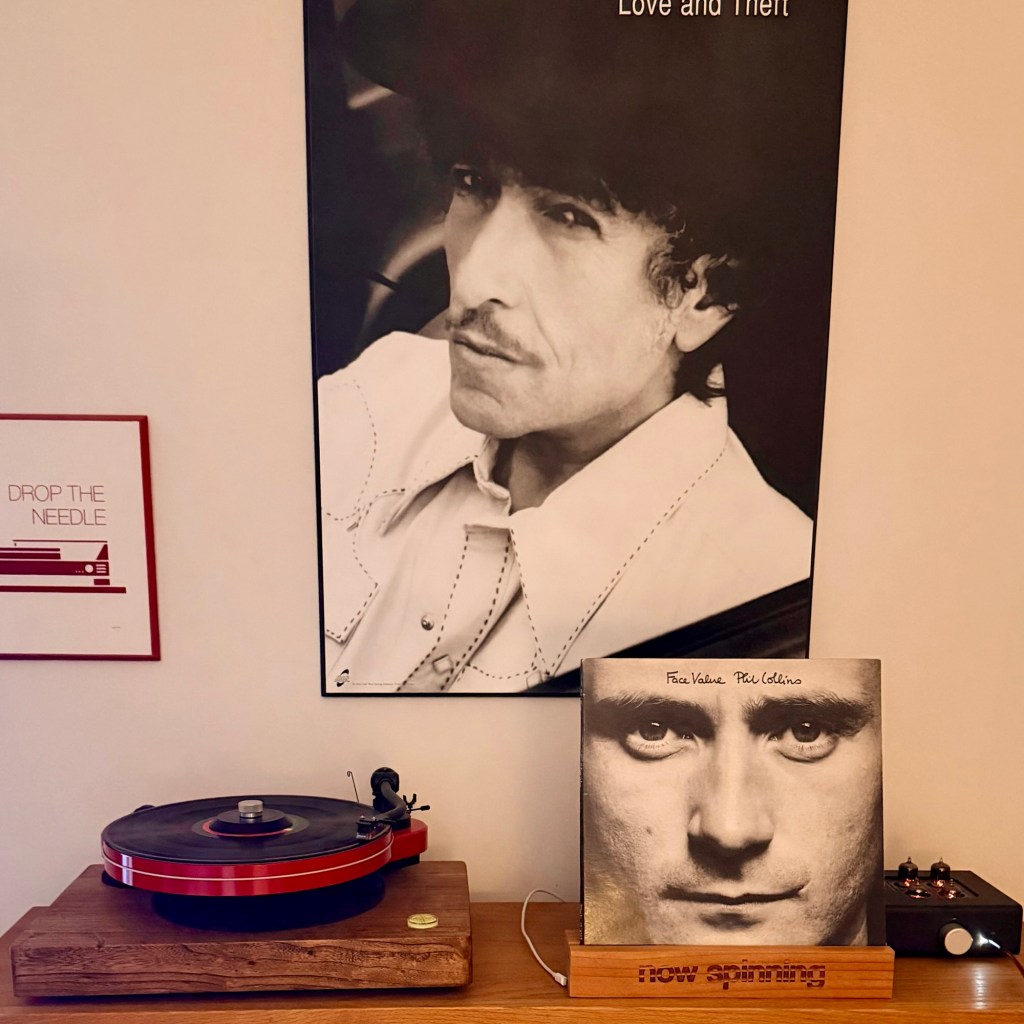
This is an amazing album, and I can’t believe I haven’t fully enjoyed it. In hindsight, it is an important record that rivals other great albums of the 80s.
The album was written during the breakup of his marriage and a Genesis hiatus. Genesis had already started to pivot from prog to pop with 1980’s Duke, but on Face Value, Collins went full-on pop. The album marked the start of ten years (the 80s) when you couldn’t get through a day without hearing Collins’ voice, either as a solo artist or with Genesis. He was a peer of other 80s icons like Michael Jackson, Prince, Madonna, and Bruce Springsteen.
The album opens with “In the Air Tonight,” which has one of the most famous drum parts in pop/rock music. The drum sound is called gated reverb. Hugh Padgham, a legendary English record producer and recording engineer, invented the sound by compressing an ambient drum mic to an extreme degree and using a noise gate to abruptly cut off the reverb tail. It first appeared on Peter Gabriel’s 1980 self-titled album (often called Melt), where Collins played drums. “In the Air Tonight” brought the sound to the masses. Lyrically, “In the Air Tonight” explores anger, betrayal, heartbreak, and emotional isolation. The vocal performance and music perfectly match the darkness of the lyrics. It is an atmospheric, moody masterpiece.
“This Must Be Love” is a ballad about new love. It has a prominent jazzy bass courtesy of Alphonso Johnson (Weather Report). A sweet contrast to “In the Air Tonight“
Collins covers himself by reimagining the prog opening track from Genesis’ Duke, “Behind the Lines,” as funk. It is a brilliant repurposing. It features The Phenix horns (Earth, Wind & Fire’s horn section) and Alphonso Johnson’s funky side.
“The Roof Is Leaking” changes the mood with Collins’ take on acoustic blues. Lyrically, a farm family struggling in a dilapidated house mirrors Collins’ failing marriage.
“Droned” is an atmospheric transitional instrumental to the upbeat instrumental “Hand in Hand” featuring a children’s choir and Phenix horns to close side one.
Side two opens with Phenix horns-driven R&B “I Missed Again” – A punchy, horn-driven R&B track. This was a top 20 hit for Collins. Collins is poking fun at messing up his marriage.
“You Know What I Mean” is a sparse, heartbreaking piano ballad that avoids being schmaltzy.
“Thunder and Lightning” is an upbeat R&B number with the Phenix horns. Lyrically, it captures the excitement of a relationship and contrasts it with when that same relationship falls apart.
“I’m Not Moving” is an atmospheric, synth-driven number with highly processed vocals.
“If Leaving Me Is Easy” – A gorgeous but heartbreaking ballad with a light jazz vibe, featuring prominent sax and bass. It expresses the exhausted acceptance that a relationship is over.
“Tomorrow Never Knows” is an experimental, heavily tape-looped cover of the Beatles classic (which was pretty experimental in its own right).
This is an impressive debut and set the table for Collins 80s superstardom. Collins took a low point in his life and transcended it with an amazing piece of art. I am embarrassed that I did not dive into this album properly 45 years ago.
The 2016 24-bit/96 kHz remaster on Tidal sounds fantastic, as does my original vinyl.


