Loudness Button
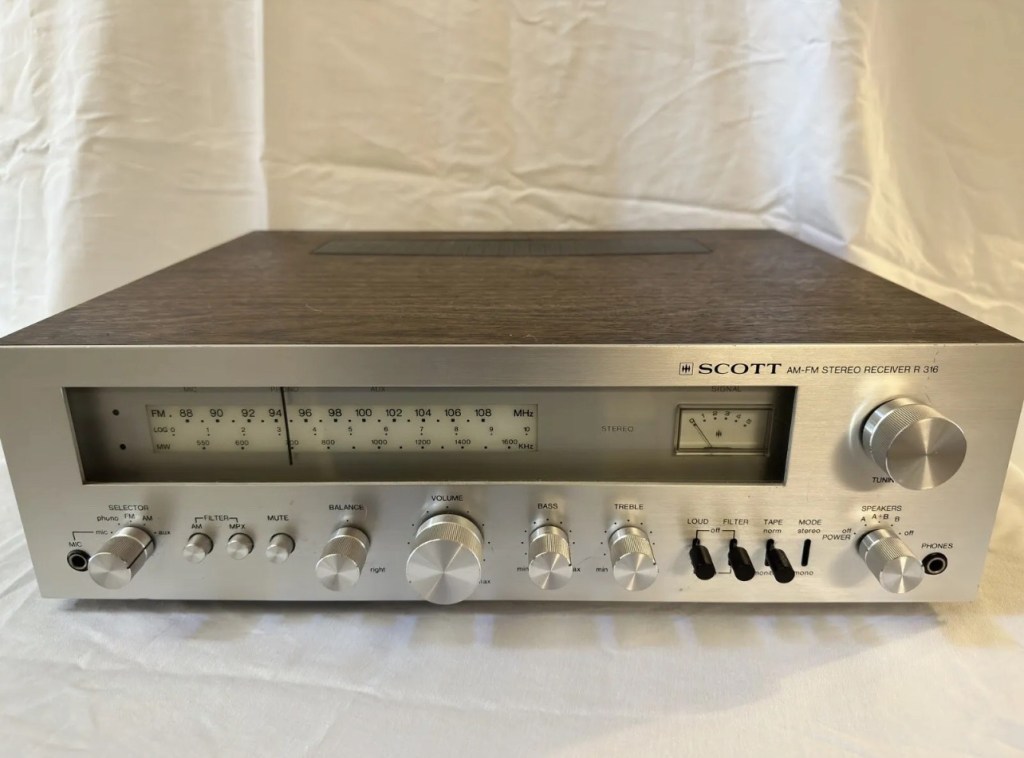
In the 70s, you often found a “loudness button” on integrated amps, receivers, and preamps (like the one on my entry-to-the-hi-fi-world receiver above). I always thought the term “loudness” was odd because the loudness button was meant to enhance the equipment’s sound at lower volumes. Back then, I didn’t know the purpose of the loudness button; I could tell it made things sound better at low volume, so I was using the feature correctly by accident.
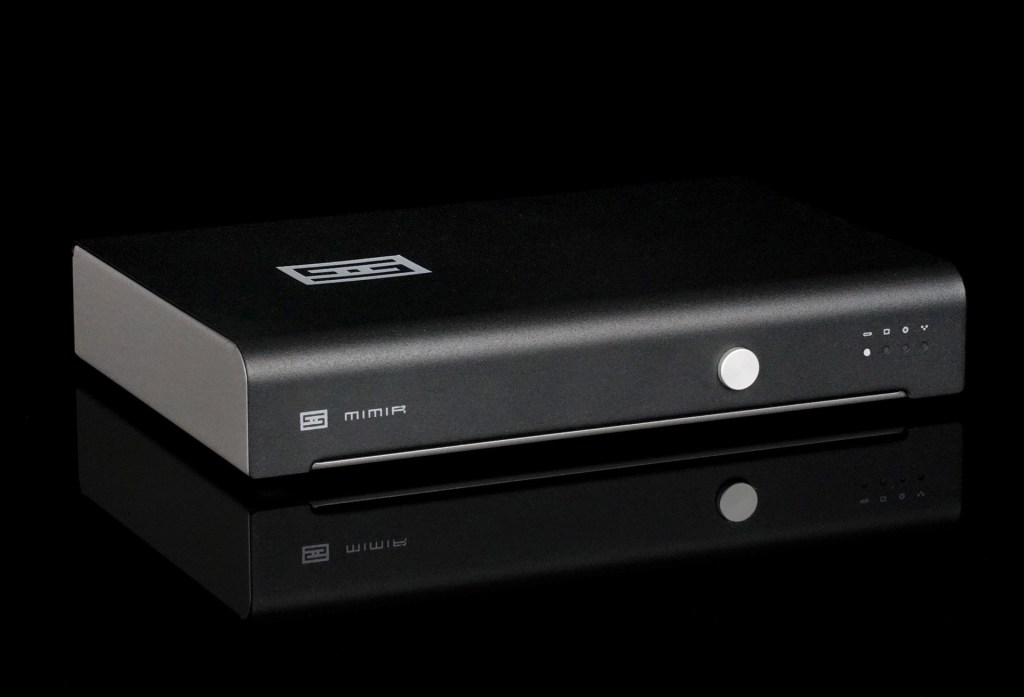
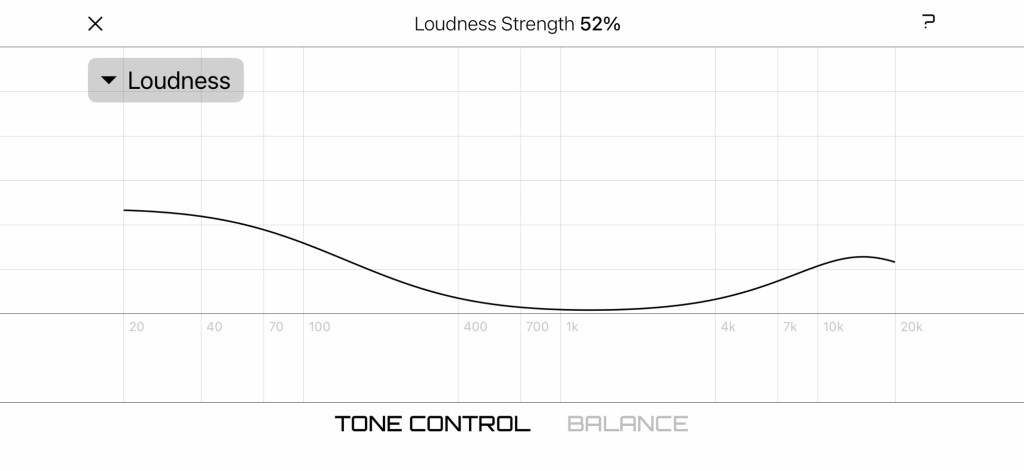
I’ve been thinking about loudness recently, since the Schiit Mimir DAC I bought included a digital tone-control plug-in (Forkbeard) with a loudness feature. Now that I am a more experienced audiophile, I understand the purpose of loudness, and it is a really important feature to me, as I like to listen to music at low volumes. The loudness feature on my Schiit Mimir is wonderful; it makes my stereo sound much fuller at the lower volumes I enjoy. The fact that it is adjustable is even better; I usually set it to 50%, since 100% is way too much bass for my ears.
But I really had no idea why loudness is pleasing. I assume it was just a random equalizer curve designed to enhance the bass. Out of the blue, Arizona Audio Visual Club member David Snyder texted me about a project to add a loudness feature to his DIY digital streaming solution. David provided me with a link to the project (here is an additional link to the companion web app David published). The documentation included a technical explanation of loudness. He also included a video by the successful (nearly half a million subscribers) audiophile YouTuber Randy Parker (whose YouTube channel is cheapaudioman) on the subject. David also has an article on the subject in a reputable audio magazine.
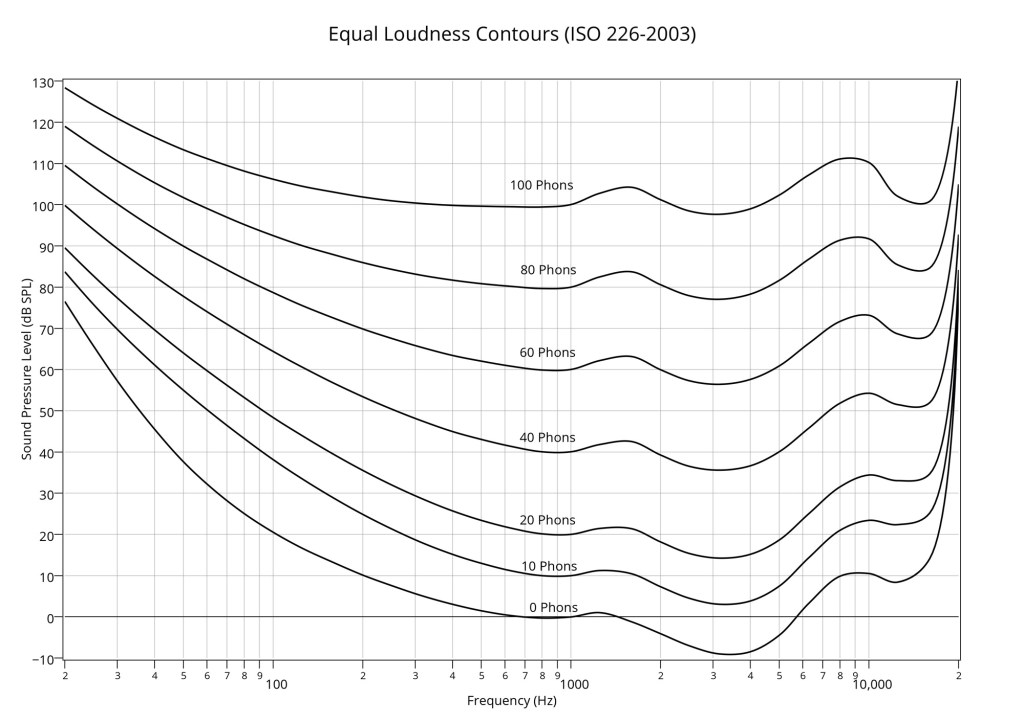
Loudness isn’t random; it’s intentional and backed by science. I won’t duplicate what David’s documentation and the YouTube video say. Still, the short explanation is that loudness is designed to counteract the human ear’s natural loss of sensitivity to low and high frequencies at lower volumes (based on the Fletcher-Munson/ISO 226 curves – see image below). Mastering engineers generally use a reference level of 83-85 dB when assessing tonal balance and EQ in the studio. To hear what they intended, we must either use the same reference level for playback (which is loud) or compensate for how human hearing perceives sound at low volume. If you’re interested in learning more, I recommend watching the video and reading David’s document.