Schiit Audio Mimir DAC
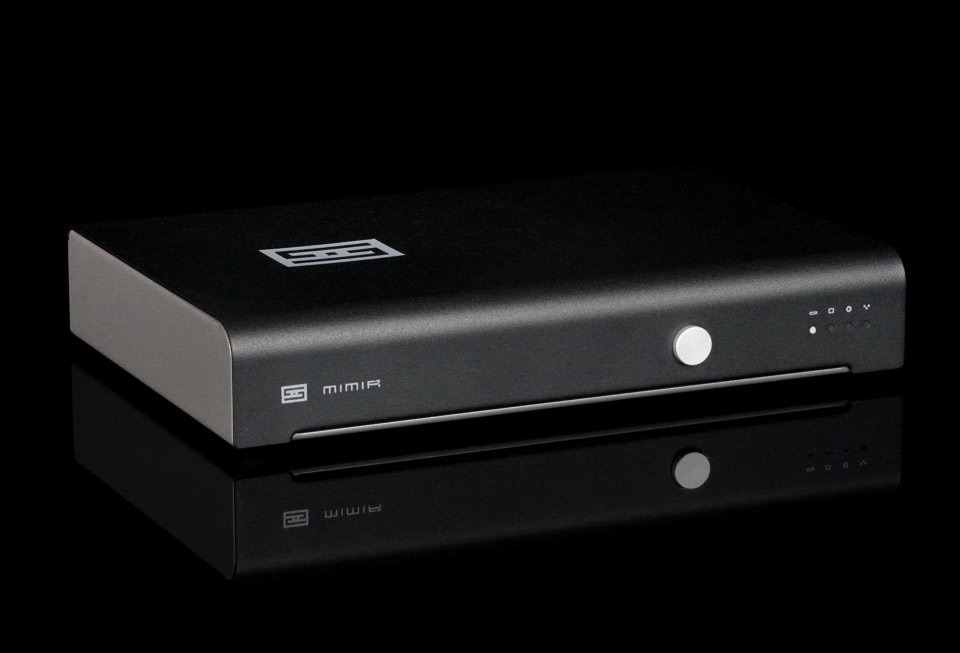
Balanced Mesh™ DAC, EQ, and
Preamp with Forkbeard™
How does Mimir sound? It sounds great – it has a nice warm analog sound, natural bass, and a wide soundstage. This is the perfect DAC for a vinyl record/tube guy like me. For a $300 DAC, it punches way above its weight.
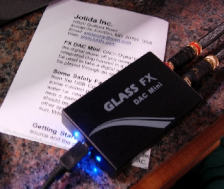
If you are going to be an audiophile, you need to have a DAC. A DAC (Digital-to-Analog Converter) converts digital audio files (the 1s and 0s on your phone or computer) into analog electrical signals that your headphones or speakers use to produce sound. Every digital device you own (smartphone, laptop, TV) already has a built-in DAC. However, these built-in DACs suck. Built-in DACs on CD players and dedicated streamers are better, but still can be a compromise. Audiophiles use dedicated external DACs to get better sound and clarity. I purchased my first DAC (Jolida FX DAC Mini) about fifteen years ago (which coincided with my first tube amp). A decent DAC costs $100, but obviously, you can spend a lot more (the MSB Technology Sentinel DAC is $375K).
We have returned to Minneapolis for the summer, and I needed to add some reinforcements to the Loop Sessions (Minneapolis). I had brought the Oppo (used for CDs) from Minneapolis to the Desert 🌵 Sessions (Phoenix), and brought the Sony back from Phoenix to the Loop Sessions to replace the Oppo (long story; if you care, see the links). I discussed my predicament (a DAC that could serve both the Sony Blu-ray and the Bluesound Node at a reasonable price -sub $500) with my buddy Audiophile Paul from the Arizona Audio Visual Club (AAVC), who recommended the Schiit Mimir. I was easily convinced, as I have a couple of Schiit items already and love them. There are plenty of good DACs in this price range, but I dig the whole Schiit aesthetic.
From Schiit’s website regarding the Mimir:
An affordable balanced DAC with our own Mesh™ digital conversion, that’s also a full preamp and EQ via Forkbeard™? And it’s made in the USA? Yes. Welcome to Mimir, maybe the first truly new thing in DACs in, like, ever.
I am like warm sounds, low volume, and reasonable prices. My ears are drawn to tube-based components. I am pretty illiterate when it comes to the technical aspects of the audiophile hobby, yet I think I have discriminating ears.
My Loop Sessions rig includes:
- Bluesound Node 2i streamer
- Schiit Valhalla headphone amp
- Schiit Mimir DAC – my latest addition and the point of this post
- Sony UBP-X800M Blu-ray (for playing CDs)
- Jolida FX10 integrated amp
- Bellari VP130 phono preamp
- Pro-Ject Audio RPM 1.3 Genie turntable with Audio-Technics VM540ML cartridge
- Klipsch R-51M speakers
- HiFiMan HE5XX Planar Magnetic headphones
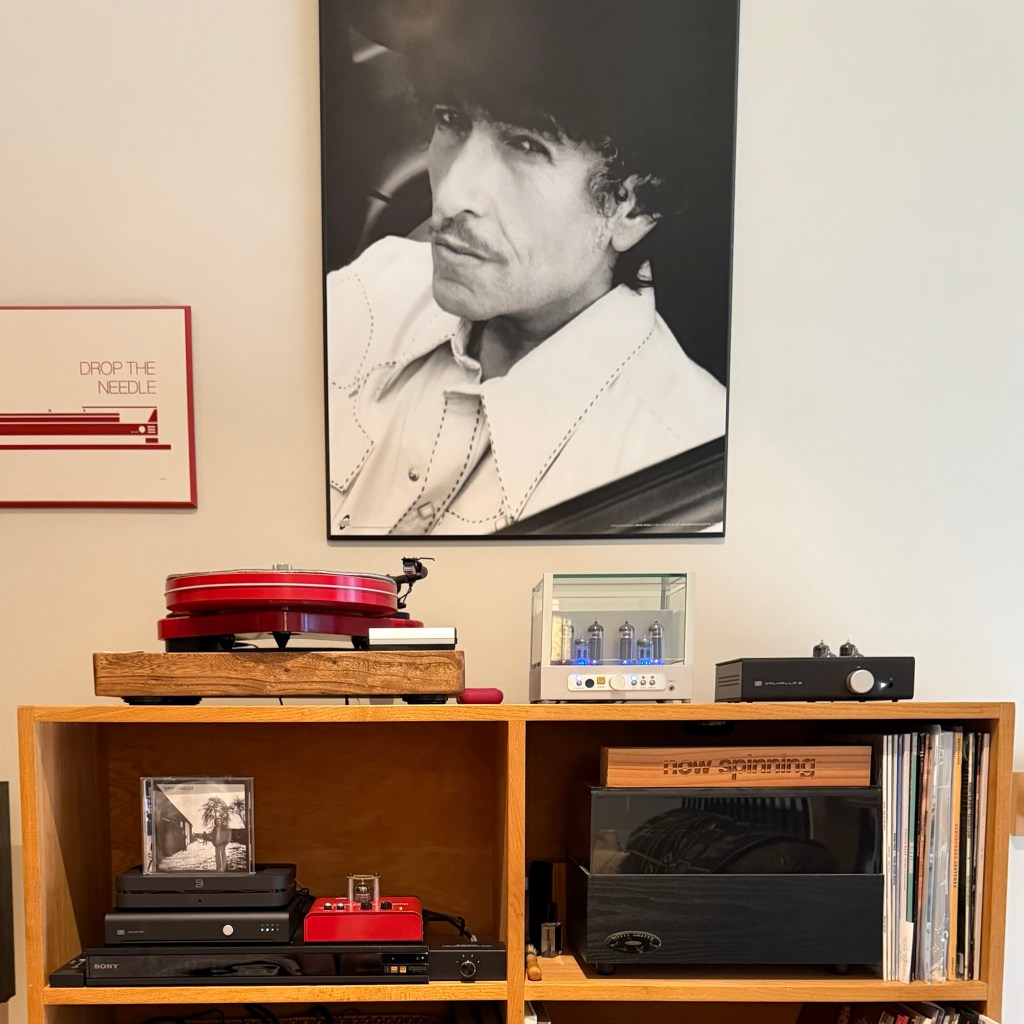
The Loop Sessions rig is located in our Minneapolis condo loft, which is dedicated to entertainment – namely, watching TV and listening to the stereo. I primarily listen to the stereo on headphones as my wife watches TV with earbuds. Our music collection is like a warm blanket surrounding us.

Now, back to the Mimir, and how does it sound? It sounds great – it has a nice warm analog sound, natural bass, and a wide soundstage. This is the perfect DAC for a vinyl record/tube guy like me. For a $300 DAC, it punches way above its weight.
Sony’s on-board DAC is not even mid-fi quality – it is harsh. The Mimir turns this budget Blu-ray into an acceptable CD transport. I got spoiled at the Desert 🌵 Sessions by bypassing the Bluesound’s DAC (Texas Instruments PCM5122, which is decent), so it is a nice upgrade for the Loop Sessions.
I don’t understand Mimir’s technology beyond that Schitt uses a standard ESS ES9028 delta-sigma DAC chip used in lots of mid-fi DACs and hotrods it. Instead of using the standard, generic internal digital filters built into the ESS chip that most manufacturers rely on, Schiit bypasses them entirely. They route the audio through their proprietary “MegaComboBurrito” time and frequency domain digital filter. This filter is run on a 32-bit Microchip processor before feeding the delta-sigma modulator—a unique hybrid implementation Schiit calls Mesh™ architecture. In other words, a DAC is more than its chip. I don’t understand any of this mumbo-jumbo, but I love the way the Mimir sounds.
The Mimir has multiple inputs:
- USB 32 bits/384kHz
- Optical SPDIF 24-bit/192 kHz – I am using this for the Bluesound streamer
- Coaxial SPDIF 24-bit/192 kHz – I am using this for the Sony CD player (Blu-ray)
- AES 24-bit/192 kHz
It has SE (RCA jacks) or Balanced Outputs – I use RCA.
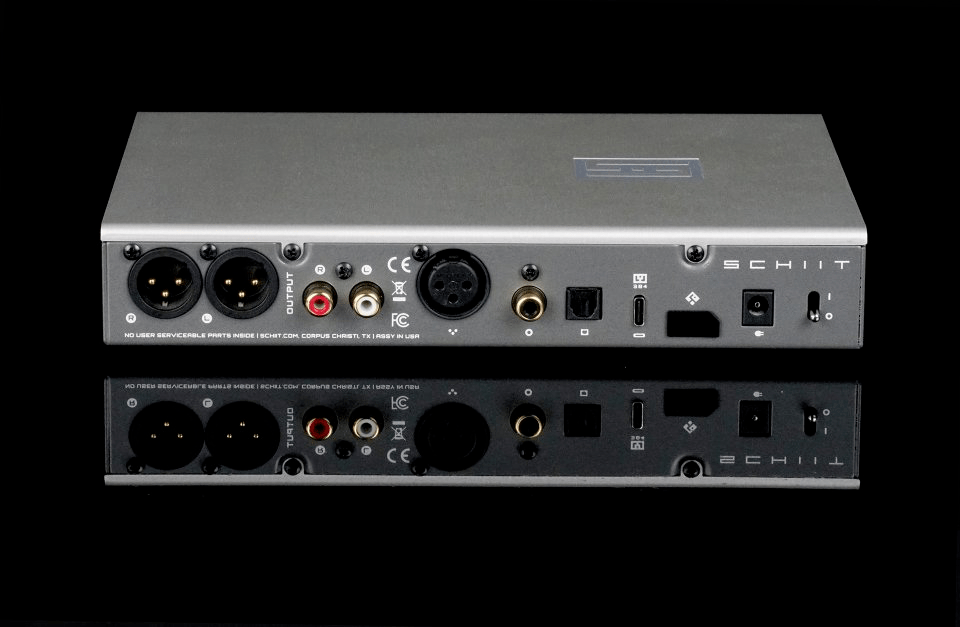
I purchased the Forkbeard™ modification, which allows an app on your phone to serve as a remote for volume, balance, a 3-band parametric EQ, Loudness, digital filter switching (Mesh and NOS), absolute phase inversion, and input selection. A great $50 feature for convenience and to open up additional functionality. For some users, the Mimir with Forkbeard™ could allow the Mimir to serve as a digital preamp. Forkbeard™ can do more – but it is not relevant to the Mimir. Forkbeard™ is a red stick inserted into the back of the unit (see below). Volume control alone was reason enough for me, as none of my existing components have remotes.
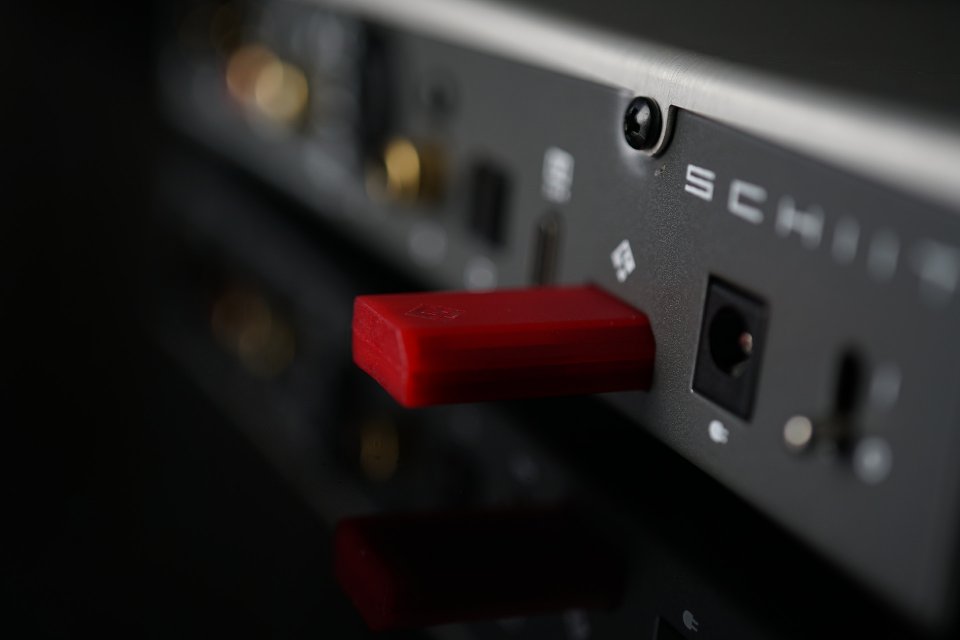
As far as Forkbeard’s tone controls, the only feature I have played with is “loudness.” Loudness boosts low-frequency (bass) and high-frequency output as you lower the master volume. It compensates for the human ear’s decreased sensitivity to quiet bass notes (the Fletcher-Munson curve), ensuring the audio sounds full even at low listening levels. Given my preference for low volume, it is a great feature (a standard feature on amps back in the day). So far, I like running the loudness at 50% and the extra bass punch it provides. My only complaint is that the 50% setting doesn’t persist after the unit is turned off (though the volume retains its setting).
Overall, I am very happy with the purchase. I get an odd sensation when audio is working for me, a kind of synesthesia where the sound in my ears invokes the pleasurable taste and feel of chewing a high-end soft caramel in my mouth. The Mimir is mouth-watering good. Special thanks to Audiophile Paul for being dialed into my mid-fi aesthetic and recommending the Mimir!


Trackbacks & Pingbacks