Cocktail Bitters
I have always been suspicious that a few drops (a dash) of something could impact the flavor profile of a cocktail. Despite that, I have followed cocktail recipes that include bitters to the point that we currently have four different bitters in our bar. We had some cocktail-loving friends in town, and so we decided to have a bitters taste challenge with:
- ANGOSTURA® Original Aromatic Bitters
- ANGOSTURA® Orange Bitters
- Fee Brothers Walnut Bitters
- Fee Brothers Molasses Bitters
The plan was to taste the bitters by themselves and then taste them in a bourbon old-fashioned (a brandy old-fashioned is a deviant Wisconsin variant that is not an old-fashioned in my book).
Bitters by themselves – we sprinkled a few drops on a spoon and tasted them.
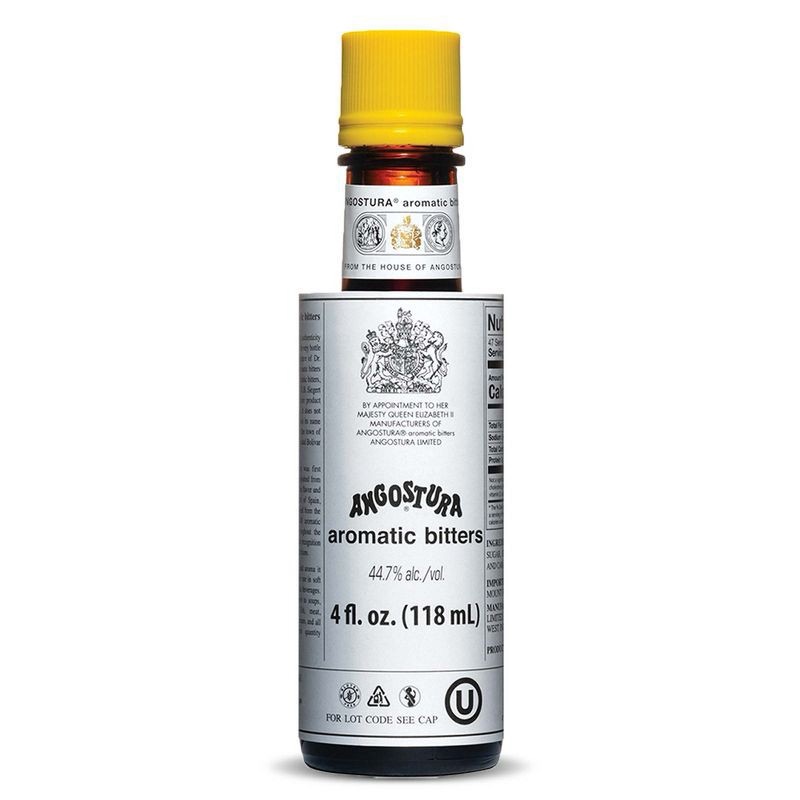
ANGOSTURA® Original Aromatic Bitters tasted pretty nasty. As you would expect, they were bitter, but not in a good way like an IPA or an espresso coffee. Instead, it was a bitter taste in a way that your brain told your mouth: do not consume any more of this!
I noticed that these bitters have an alcohol content of 44.7%, within the range of a typical spirit. However, the alcohol heat is lost to the bitterness. I couldn’t even taste the alcohol. After tasting these bitters “raw,” I wondered how this ingredient could improve a cocktail. But then, an old-fashioned is a sweet cocktail that can use a little edge.
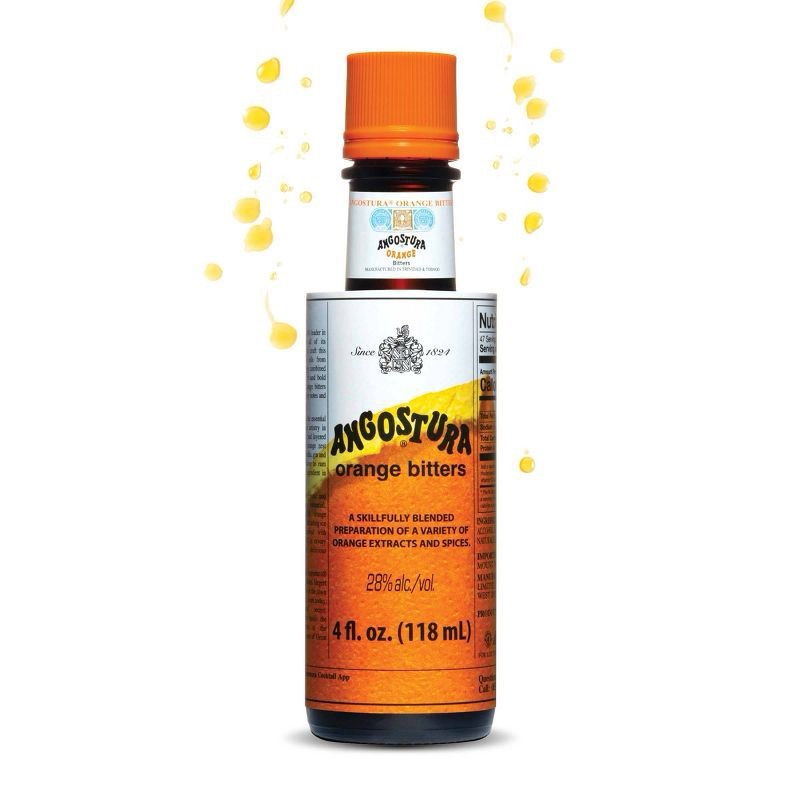
ANGOSTURA® Orange Bitters have an orange flavor, more akin to the rind than the meat of the orange – it is bitter, but not overwhelming – the orange flavor exceeds the bitterness, or that could be just that the palate is accustomed to the bitterness of an orange peel. The orange taste is a bit artificial – more like Tang (or, as one participant said, “baby aspirin”) than fresh-squeezed orange juice. However, unlike the Original, it is not repulsive, and you could imagine how it could improve a cocktail, especially if you did not have an orange peel garnish available. These bitters have a 28% ABV, but the alcohol is not detectable—the orange and bitter flavor prevails over the alcohol heat.

Fee Brothers Black Walnut Bitters: I first encountered these bitters in an old-fashioned recipe that used crushed walnuts and demerara sugar to rim the glass. Unlike ANGOSTURA®, Fee Brothers bitters do not contain alcohol. They have a sweet, nutty flavor that is pleasant to the palate. You could imagine these bitters enhancing a cocktail and even a dessert. These were hands down the best-tasting bitters of the four.

Fee Brothers Molasses Bitters: I learned about these bitters from a cocktail recipe (an Irish old-fashioned made with Jameson and Guinness). They have a very intense molasses flavor—almost a molasses concentrate. As one taste tester said, “It tastes like old pancakes.” The flavor is so strong that it made me want to be careful about using too much. In this case, a dash was likely to significantly impact the cocktail.
Bitters in an old–fashioned—In hindsight, I don’t like our approach to this test. I made an old-fashioned batch without bitters, poured four glasses for testers, and then added a different dash of bitters to each of the four portions, allowing for comparison. These were quarter pours. Given the portion of bitters in the cocktail, they were a more significant ingredient than they should be. At the same time, it was a good way to highlight the bitters’ role in the cocktail.
ANGOSTURA® Original Aromatic Bitters: Despite its strong flavor alone, it was not as noticeable as the other three bitters in the test. Part of the problem is that the old-fashioned tasted like an old-fashioned. In hindsight, we should have added a bitters-free old-fashioned to the taste test.
ANGOSTURA® Orange Bitters: These added a touch of orange to the cocktail, but a twist of orange peel would also work. You should have orange bitters in your bar when you don’t have fresh orange peel.
Fee Brothers Black Walnut Bitters: The flavor came through in the cocktail and was a pleasing addition. It made the old-fashioned unique without changing the fact that it was old-fashioned. This will become an essential ingredient to my old-fashioned cocktails in the future.
Fee Brothers Molasses Bitters: The molasses flavor is too strong and overwhelms the cocktail to the point that it doesn’t taste like an old-fashioned. However, it is an essential ingredient in the Irish old-fashioned I mentioned above, so it has a place in your bar.
Conclusion: This taste test dismissed my suspicion that bitters were not essential to an old-fashioned. My big takeaway from the tests:
- My new old-fashioned recipe will be to add a dash of original and black walnut bitters
- Orange bitters are only necessary when you don’t have fresh orange peel
- Mollassas is for specific cocktails and not a traditional bourbon old-fashioned, given its significant flavor profile

 Axl's Catch Groove
I will taste test with you anytime