Stevie Wonder: Five Album Run, AKA the Classic Period (1972-1976)
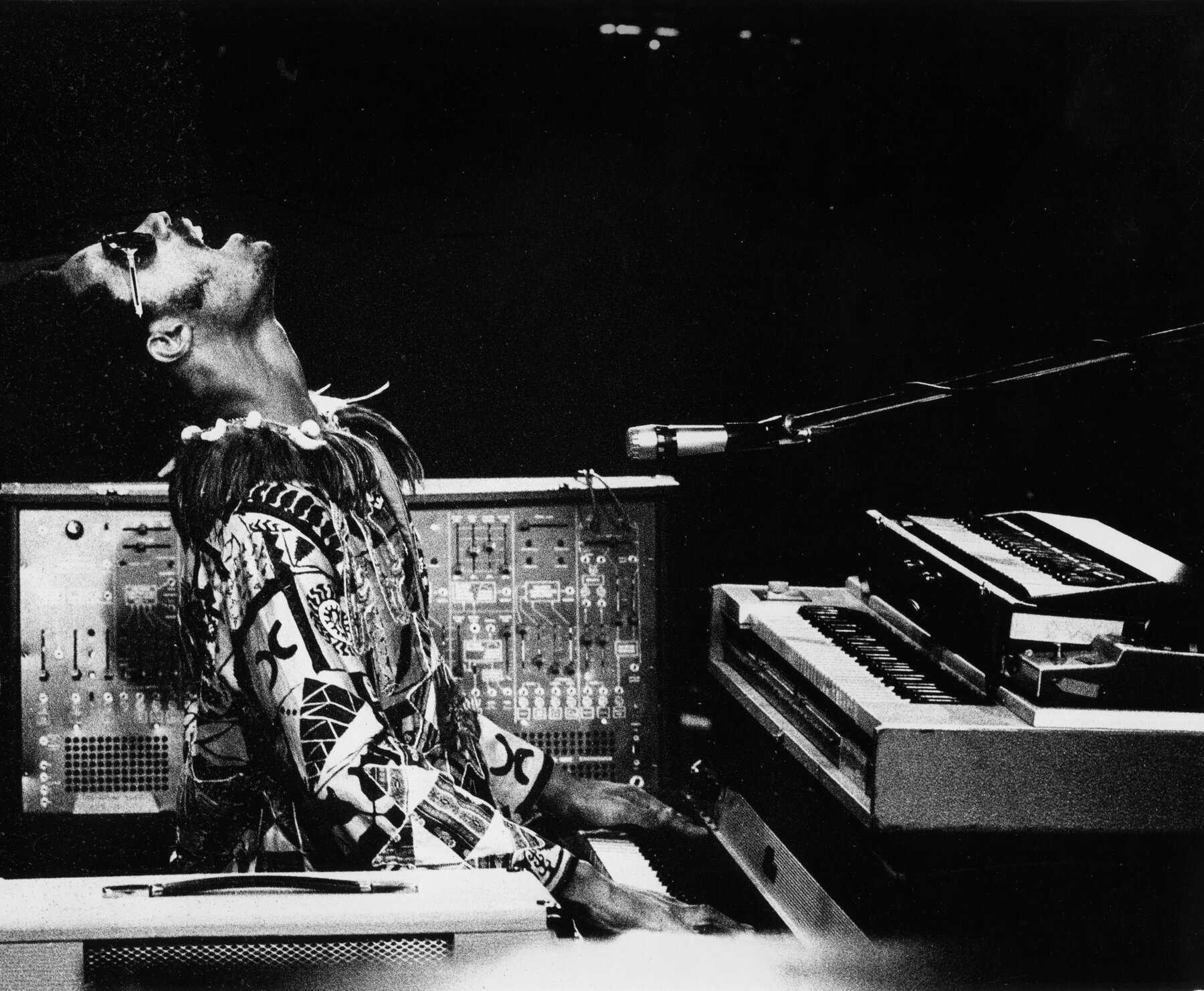
Music critic Steven Hyden has a Five Album Test: an artist or group releasing five consecutive albums ranging from very good to flat-out excellent. Many artists have five good to excellent albums over their career, but very few string five together consecutively. Stevie Wonder did it during his “classic period,” from 1972 to 1976, when he released a streak of five great albums (and three absolute masterpieces):
Music of My Mind (1972)
Talking Book (1972) – masterpiece
Innervisions (1973) – masterpiece
Fulfillingness’ First Finale (1974)
Songs in the Key of Life (1976) – masterpiece
The Wonder Of Stevie Podcast focuses on this five-album run. This podcast inspired me to visit and revisit these five albums. The pod does an excellent job explaining the five-album’s background and context. A couple of crucial points from the pod:
- The five-album burst of creativity was based on Wonder renewing his contract with Motown and securing the right to be in complete artistic control of his musical output.
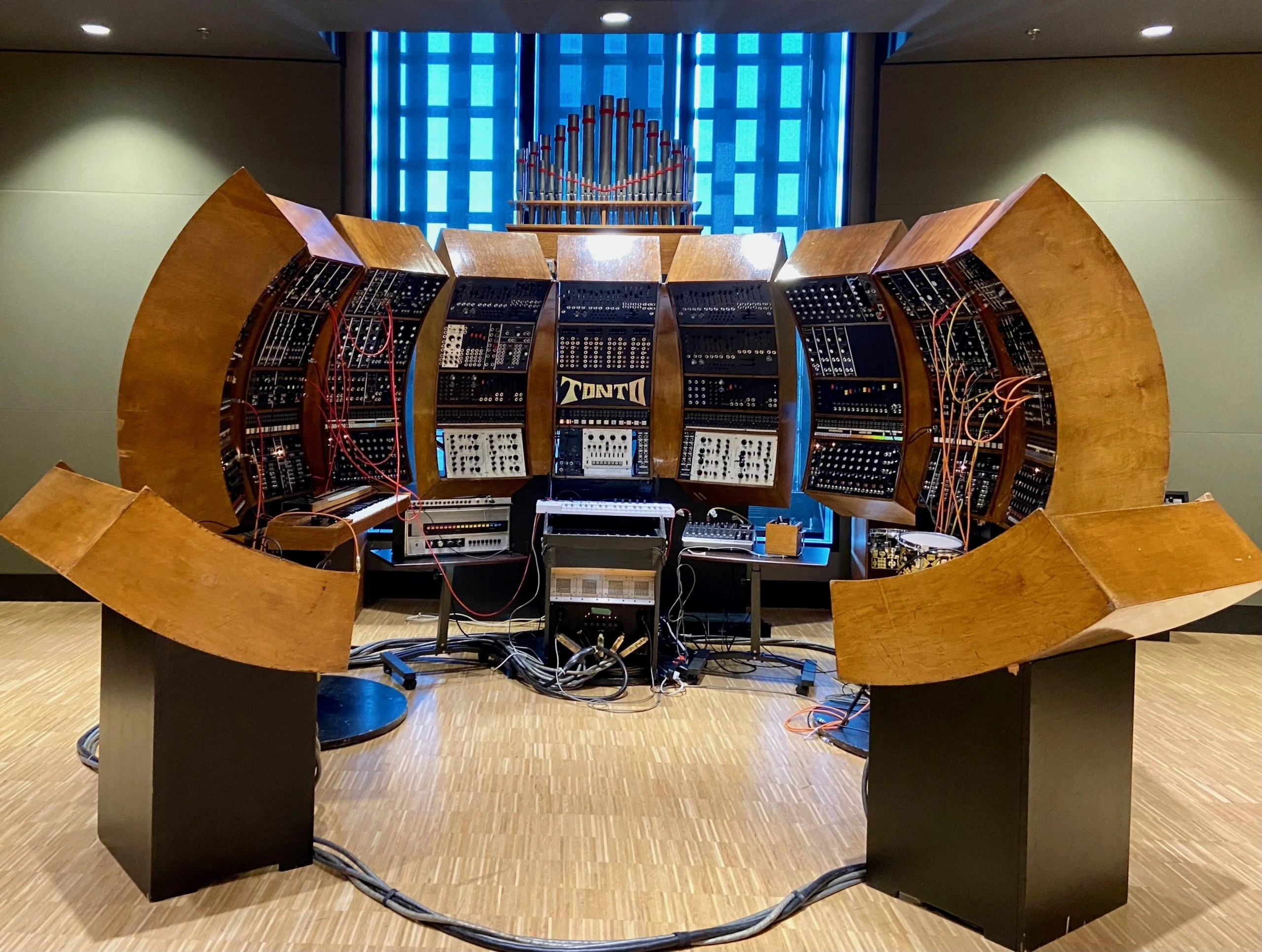
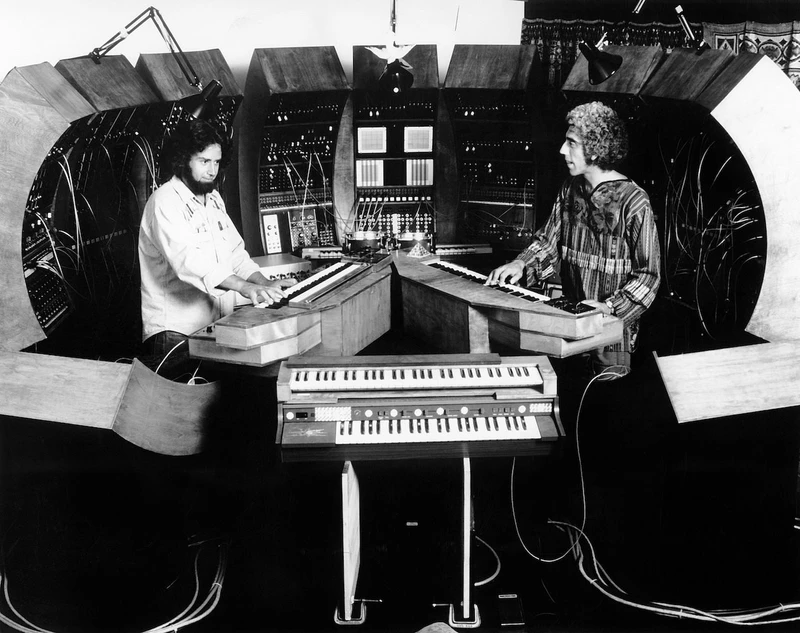
- Wonder “discovered” a synthesizer and a couple of technical partners in crime. Stevie was inspired by Tonto’s Expanding Head Band’s album Zero Time. The album featured TONTO, an acronym for “The Original New Timbral Orchestra.” Malcolm Cecil designed and constructed TONTO, the world’s first and still largest multitimbral polyphonic analog synthesizer. Malcolm and Robert Margouleff composed and performed the music on Zero Time using TONTO. They subsequently collaborated with Wonder on the first four Wonder classic albums discussed in this post.
Coming into this retrospective, I was only familiar with Talking Book, Innervisions, and Songs in the Key of Life. I experienced those three albums in the late ’70s and have continued to enjoy them over the years. I am only now listening critically to Music of My Mind and Fulfillingness’ First Finale.

With a new contract from Motown and a license to do whatever he wanted, Stevie created Music of My Mind. It was a one-man-band record, with Wonder playing most of the instruments (he did need sidemen for things like horns and guitar). He harnessed synthesizers (a very new instrument at the time), with the help of the TONTO engineers/musicians Malcolm Cecil and Robert Margouleff, to create organic, funky sounds with this electronic tool. The synthesizers captured Wonder’s artistic vision – Stevie has said, “The synthesizer has allowed me to do a lot of things I’ve wanted to do for a long time but were not possible until it came along.”
The album hit No. 21 on the Billboard LP charts, and critics noted Wonder’s artistic growth; however, it was not a commercial breakthrough. Some essential tracks on the album are:
- The opening track, “Love Having You Around,” sets the template for Wonder’s funky organic synth sound, which he will leverage for the rest of his career.
- “Superwoman (Where Were You When I Needed You)” was the album’s single (it had moderate success). It is a synth-forward love ballad in two parts. Part one tells the story of the narrator’s love interest, Mary, who wants to be a movie star. Part two is the narrator lamenting that Mary is not returning from her new life; thus, the love affair is over.
- “Keep on Running” is a jam more than a song – its infectious groove can’t be denied.
- “Happier Than the Morning Sun” is a song built on a cool clavinet riff.
Wonder has not fully figured out his new sound, and the tracks are preliminary sketches for the masterpieces that would come later. He successfully proves that his new studio keyboard toys are not just for science fiction soundtracks but are the essential vision of the sound of R&B for the next several decades.
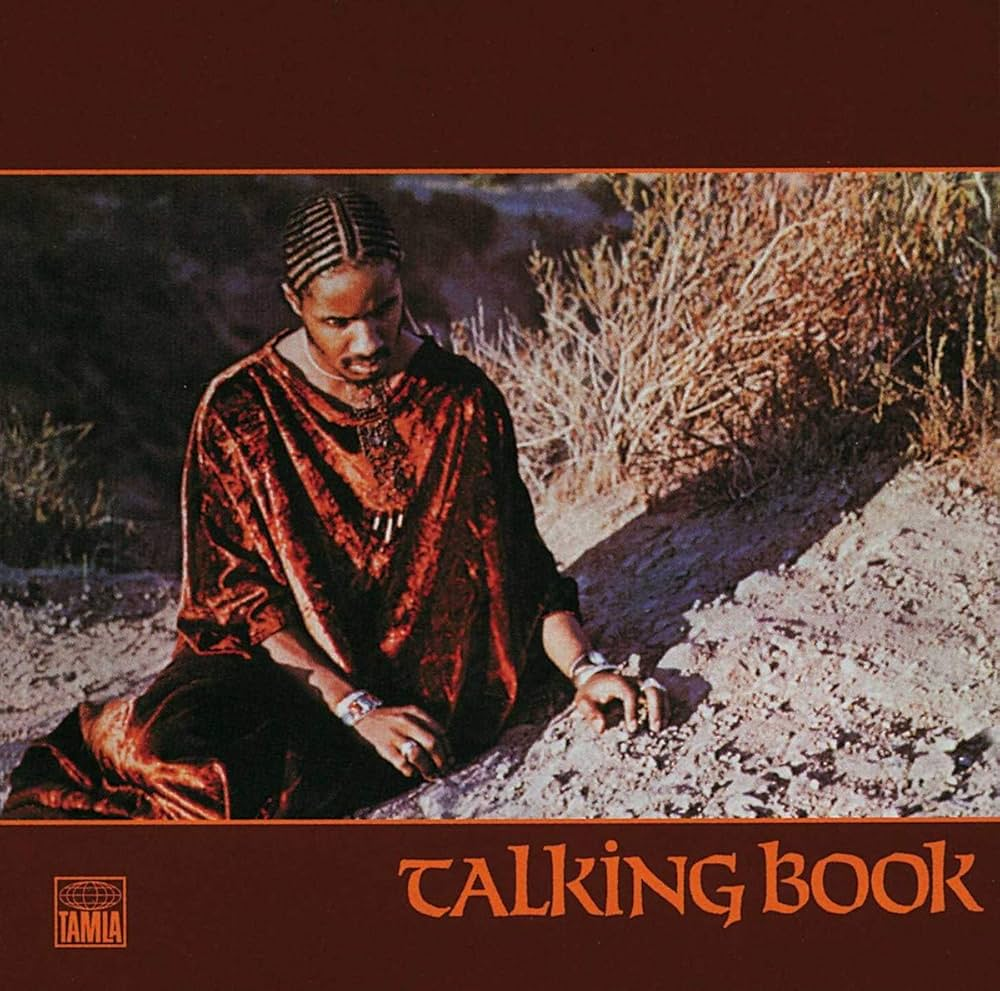
Talking Book (1972) is the album that brought Stevie to mega-stardom. Commercially, the album peaked at number three on the Billboard Top LPs chart and finished at number three on Billboard’s year-end chart for 1973. The single “Superstition” reached number one on the Billboard Hot 100 and Hot Soul Singles charts, and the ballad “You Are the Sunshine of My Life” hit number one on the Hot 100 and Easy Listening charts. Wonder won his first Grammy with “You Are the Sunshine of My Life,” winning Best Male Pop Vocal Performance, and “Superstition,“ winning Best Male R&B Vocal Performance and Best R&B Song.
“Superstition” is one of the most outstanding singles in my lifetime. It was initially written for Jeff Beck, who Wonder admired (it appears on the 1972 album Beck, Bogert, Appice). Stevie’s version is so much better than Beck’s. Beck’s is a rock song, and Wonder makes it a funk/dance banger with a message: the lyrics describe popular superstitions and their harmful effects. If you want to understand the genius of Wonder, this is exhibit number one. The rest of the album is excellent, but singles “You Are the Sunshine of My Life” and “Superstition” cast a long shadow over the rest of the songs on Talking Book.
Beck ultimately recorded a fantastic cover of Stevie’s “Cause We’ve Ended As Lovers” on his 1975 Blow By Blow album (the song was originally on Wonder’s backup singer Syreeta’s 1974 album Stevie Wonder Presents Syreeta).

Innervisions was my introduction to Stevie Wonder. I have written before about how going to college was my musical awakening. I strongly remember a dorm friend dropping the needle on this masterpiece. My mind was officially blown. The music was funky but with a unique sound. I can’t think of any R&B artists doing anything like this. There were other R&B creative geniuses at the time – but each was doing their own thing (James Brown, Curtis Mayfield, Al Green, George Clintion/P-Funk, Marvin Gaye, etc.). It was an incredibly fertile period that would be the foundation for two new R&B geniuses who would dominate the pop charts in the 80s: Michael Jackson and Prince. I remember being amazed that a blind man could have such vivid vision manifested in music for the ears and body vs. the eyes.
Innervisions is the first among equals in the five-album run. Every song is essential, but even amongst those, three songs absolutely tower over Wonder’s catalog:
- “Living For The City” – a funky political observation
- “Golden Lady” – a gorgeous love ballad
- “Higher Ground” – rowdy funk with a message
If there is one Stevie Wonder album you must hear, it is Innervisions. This is a Hall-of-Fame LP.

This album had both critical and commercial success. It topped the Billboard Top LPs & Tapes chart, where it remained for two weeks, and also reached number one on the Billboard Soul LPs chart, where it spent eight non-consecutive weeks between October 5 and Christmas 1974. At the 17th Annual Grammy (2015) Awards, it won in three categories: Album of the Year, Best Male Pop Vocal, and Best Male Rhythm and Blues Vocal Performance (for “Boogie On Reggae Woman”) at the ceremony held in 1975. Despite its success, the album completely missed my radar then and in subsequent years.
Listening to it now is like finding a lost treasure. It includes Stevie’s gorgeous ballad side and true funk soldier side. There isn’t a bad track on the album.

Songs in the Key of Life was a very ambitious album to conclude this five-album cycle: a double album with a 7-inch four-song bonus EP. The album debuted at number one on the Billboard 200 chart, and the singles “I Wish” and “Sir Duke” reached number one on the Billboard Hot 100. The album spent thirteen consecutive weeks at number one on the Billboard 200. It won Album of the Year at the 19th (1977) Grammy Awards. Other highlights are “Isn’t She Lovely” and “Ordinary Pain.” This is the only album of the five that does not include Malcolm Cecil and Robert Margouleff as part of the production team.
I was in high school when Songs came out. I was not yet a musichead, but it was impossible to be unaware of this album—it was something you could play from start to finish at a party. The singles were ubiquitous, but people were listening to the album. I was not. It took until I was a freshman in college (1977/78) when I finally got into this album (and Innervisions). I go back and forth about Stevie’s greatest album, Songs or Innervisions.
Despite having twenty-one tracks and an hour and forty-five minutes, this album doesn’t drag or feel bloated. Every song is good to great, and several are classics. It sums up everything that is great about this five-album run: gorgeous love songs, thermal nuclear funk, socially conscious lyrics, and pure fun. Songs is also Stevie at his jazziest. It also has a 70s singer-songwriter vibe. Stevie’s vocals are outstanding throughout. The more I think about this, the more I realize that Songs is Stevie’s apex mountain.
Summary
These five Stevie Wonder albums represent one of pop music’s all-time most extraordinary creative bursts. Much of the music is timeless—it sounds as fresh today as it did when it first came out. Along with Marvin Gaye, Sly Stone, Curtis Mayfield, and James Brown, Stevie reinvented R&B as more than dance music – as profound as anything in pop and rock music.
These five albums are available in high-resolution on various streaming services (I use Tidal) as 24-bit/96 kHz FLAC files. Given Wonder’s commercial success, these albums are generally available and used at a reasonable cost for vinyl LPs and CDs.
After this run, Stevie’s output doesn’t live up to this level of excellence. The next album, Stevie Wonder’s Journey Through “The Secret Life of Plants” (1979), was a soundtrack to a documentary—it is more weird than good. He had a near return to form with Hotter than July (1980) – the single “Master Blaster” is a banger, and “Happy Birthday” helped bring about Martin Luther King Day. After Hotter than July, it is more soundtrack albums and easy-listening pop—nothing essential. He hasn’t released a studio album since 2005. He has continued to perform concerts. I can’t disparage Steve’s mediocre late career when he has these consecutive gems in his catalog – arguably the greatest five-album streak in pop/rock music.

 Axl's Catch Groove
Thank you for doing a thorough piece on the greatest Musical Artist of our time ‼️❤️💕💙 Much of what you mention has been discussed many times over the years (Especially by my Brother’s and Myself) Who affectionately refer to that period of his career as the Wonder Years A Musical Genius. Song Writer,Musician and Humanitarian is almost a understatement when it comes to Stevie Wonder Love you Stevie ❤️ 💙💞
I love the term “Wonder Years” – it was an amazing run.
I Agree.
The only Artist I love 😘
I love you Stevie 😘