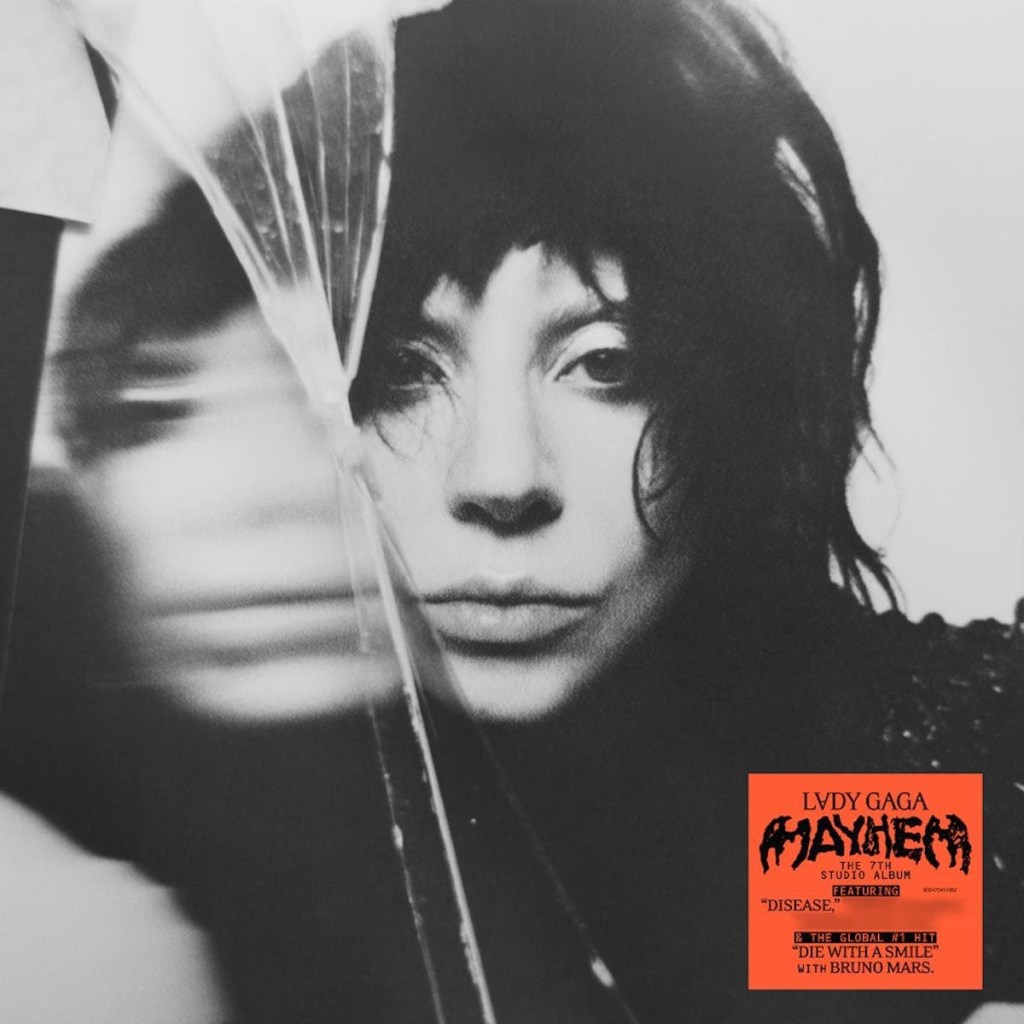
When Lady Gaga appeared on the pop music scene in the late ’00s, I was dismissive—I judged her as a Madonna wannabe. Then I saw her live when she headlined Lollapalooza in August 2010 with her The Monster Ball Tour—I was blown away—she was a rock star! I witnessed a musician, artist, and performer in Grant Park that night. Most pop stars are one of three, the best are two of three, and the greatest are three of three. Gaga was all three.
Lady Gaga’s new album, Mayhem, is being hailed as a return to the dance-pop form of her early career; a less charitable take is that she is reheating yesterday’s leftovers. I have been re-listening to her catalog, and except for her alter-ego as an American songbook big band singer (e.g., her Tony Bennett albums), she has been playing dance pop all along. Born This Way had a sprinkle of arena rock, and Joanne had a dash of singer-songwriter vibe, but both were predominantly dance-pop. Mayhem is a good Lady Gaga pop album (vs. an American Songbook album). I don’t need her to reinvent herself; I just need to make an album of songs I don’t want to skip – there are no skippers on Mayhem. The only quibble I have with the album is the collaboration with Bruno Mars (“Die with a Smile”), which is a great single but doesn’t fit the vibe of the rest of the album.
Mayhem is an update of her Fame Monster self with a few nods to her pop star contemporaries. For example, “How Bad Do U Want Me” is Gaga’s version of a Taylor Swift impression, and “Don’t Call Tonight” sounds like Daft Punk. I don’t need Gaga to reinvent herself; just do what she does best, and on Mayhem, Gaga is at her best.

Brandi Carlile and Elton John are together at last! Brandi has long admired Elton. She was bold enough to reach out to him early in her career, and they became friends.
The genius of this album is that it is precisely what you would hope: a re-creation of Elton’s 70s magic. Besides Elton and Brandi, Bernie Taupin, Elton’s writing partner, contributes. Andrew Watt produces – Watt has sprinkled his pixie dust on recent albums by Lady Gaga, Iggy Pop, Ozzy Osbourne, Pearl Jam, and the Rolling Stones – that pixie dust works great here too.
As much as I like this album, it is not a high-water mark for Brandi or Elton. It is just friends having fun and as a fan of both it is easy to be sucked into the hijinx. So enjoy it for what it is.
WARNING: This is a long post, but what do you expect from a 9-LP/4-CD box set?
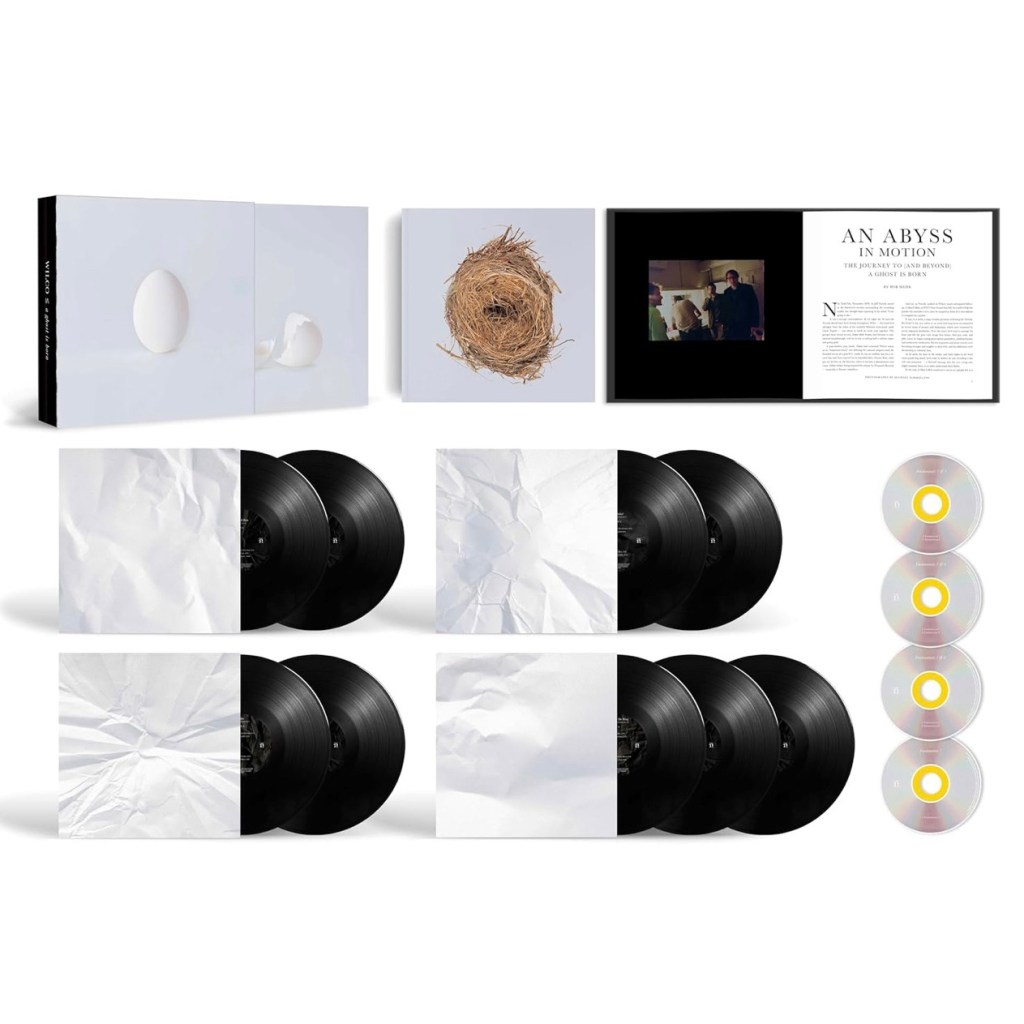
I am a long-time Wilco fan. I bought each new album on CD, as that was the only choice in those days. Wilco reissues a deluxe edition of albums from their catalog roughly around the twentieth anniversary of an album. These reissues include the original album with lots of bonus material and are released on vinyl and CD (the complete edition is typically not on streaming services). The A Ghost Is Born box was recently released (the original album was released in the summer of 2004) and contains nine LPs and four CDs (the LPs and CDs have different content; the CD version has nine CDs). Per the band’s website:
“A Ghost Is Born (Deluxe Edition) is a 9-LP + 4 CD (9 CD for CD version) set that features Wilco’s 2004 Grammy-winning album alongside alternates, outtakes, and demos, charting the making of the album, plus the complete 2004 concert recording from Boston’s Wang Center and the band’s “fundamentals” workshop sessions. The deluxe box includes 65 previously unreleased music tracks as well as a 48-page hardcover book with previously unpublished photos and a new liner notes by Grammy-winning writer Bob Mehr. A Ghost Is Born (Deluxe Edition) is mastered by Bob Ludwig and pressed in Germany by Optimal Media.”
I strongly remember buying A Ghost Is Born (I will shorthand it for the rest of this post as Ghost) on CD. We were on a family vacation, and I picked up the new release at a record store in Madison, Wisconsin. Yankee Hotel Foxtrot (YHF for short) had been a huge commercial and critical success for Wilco, and this was the follow-up album. I liked YHF, but not as much as the band’s previous releases. With Ghost, I realized that YHF was the innovation, but Ghost was the perfection of the YHF idea. I like Ghost more than YHF.
In anticipation of ordering the box set, I listened to Ghost on streaming and was reminded how much I loved the album’s weirdness- Wilco was the American Radiohead.
A Ghost Is Born (original album)
Once the box was opened, I started listening to the original album (a double vinyl album). Hearing a vinyl version of Ghost is delightful, which I have only owned as a CD version, as mentioned earlier. The vinyl pressing sounds excellent. My only issue is that Nonesuch used paper vs. audiophile inner leaves. On a $250 box, you can’t spend the extra couple of dollars to do it right, Nonesuch?
The Hook At The Wang (10/1/04 Wang Center-Boston, MA)
I next moved on to the live set: The Hook At The Wang (10/1/04 Wang Center-Boston, MA). This is a triple vinyl album. What an outstanding live album! It is well-recorded, mixed, and mastered for vinyl. It sounds amazing. It is an excellent set list (see below)! This is an outstanding document of the band live at their critical and commercial peak. I have always loved the Wilco live album Kicking Television (2005), a similar document, but this is even better. This is the iteration of the band you still hear live and in the studio today – the lineup started on the fall 2004 tour that supported Ghost:
Jeff Tweedy: Lead singer and guitarist
John Stirratt: Bass
Nels Cline: Guitarist
Pat Sansone: Multi-instrumentalist
Mikael Jorgensen: Keyboardist
Glenn Kotche: Drummer
Regarding the new lineup, Tweedy says, “I’d finally found what I’d been looking for.”
A nitpick I have with the box is that the credits for the live show are not listed—they are buried in the liner notes.
The Hook At The Wang (10/1/04 Wang Center-Boston, MA) setlist:
- Muzzle Of Bees (Live at Wang Center-Boston, MA 10/1/04)
- Company In My Back (Live at Wang Center-Boston, MA 10/1/04)
- I Am Trying To Break Your Heart (Live at Wang Center-Boston, MA 10/1/04)
- A Shot In The Arm (Live at Wang Center-Boston, MA 10/1/04)
- Hell Is Chrome (Live at Wang Center-Boston, MA 10/1/04)
- Handshake Drugs (Live at Wang Center-Boston, MA 10/1/04)
- Jesus, Etc. (Live at Wang Center-Boston, MA 10/1/04)
- Hummingbird (Live at Wang Center-Boston, MA 10/1/04
- I’m Always In Love (Live at Wang Center-Boston, MA 10/1/04)
- At Least That’s What You Said (Live at Wang Center-Boston, MA 10/1/04)
- Ashes Of American Flags (Live at Wang Center-Boston, MA 10/1/04
- Theologians (Live at Wang Center-Boston, MA 10/1/04)
- I’m The Man Who Loves You (Live at Wang Center-Boston, MA 10/1/04)
- Poor Places (Live at Wang Center-Boston, MA 10/1/04)
- Spiders (Kidsmoke) (Live at Wang Center-Boston, MA 10/1/04)
- She’s A Jar (Live at Wang Center-Boston, MA 10/1/04)
- A Magazine Called Sunset (Live at Wang Center-Boston, MA 10/1/04)
- Kingpin (Live at Wang Center-Boston, MA 10/1/04)
- The Late Greats (Live at Wang Center-Boston, MA 10/1/04)
- I’m A Wheel (Live at Wang Center-Boston, MA 10/1/04)
- Via Chicago (Live at Wang Center-Boston, MA 10/1/04)
- California Stars (Live at Wang Center-Boston, MA 10/1/04)
- Christ For President (Live at Wang Center-Boston, MA 10/1/04)
Fundamentals
Next, I moved on to the first of four Fundamentals CDs. I had no idea what Fundamentals was/is. Listening to disc one and reading the liner notes, I learned it was a combination of a jam session and a rough sketch of song ideas. Per the liner notes:
“One of the primary setups would find Tweedy on the studio floor, armed with a notebook and an acoustic guitar, his voice drenched in plate reverb. ‘And then John, Glenn, LeRoy, and I were in the control room,’ says Jorgensen, ‘each with some instrument or sound making device. Jeff would play, and we could hear what he was doing and we would respond to it. But he couldn’t hear what we were doing. And then afterward he would come in and would sort of mix what we’d done on the fly. Some of it was weird and probably unlistenable, but when the stars aligned, it was pretty magical.’”
The first CD includes “Fundamental 1” and “Fundamental 2” which are each about thirty minutes a piece. This is not for the casual fan, but it is not unlistenable. Some of it foreshadows specific songs, but generally it is just a vibe. As a Wilco obsessive it is really cool to listen to the early Ghost work in progress. It is kind of like listening to Jeff Tweedy’s dreams.
I moved on to the second CD (”Fundamental 3 and 4”), which is more of the same but with more song-like structures and singing. I like it more, but that could be because the first CD put me in the right state of mind to receive the music. Bassist John Stirratt can’t recall if he gained anything musically substantive from the Fundamentals experience, “But I remember getting baked and sort of enjoying listening to it all,” he says, laughing. I get it, John.
The third CD (”Fundamental 5 and 6”) is even more song-like.
Fourth CD (”Fundamental 7”)—I assume the four CDs are chronological. Each CD is tighter and further along in the songwriting process. The fourth is an excellent setup for listening to the original album. There is a significant missing link, but that is filled by the Outtakes/Alternates LPs.
Fundamentals summary:
- Jeff Tweedy is a technically good but artistically brilliant guitarist
- Tweedy’s voice oozes weariness, honesty, intelligence, and soul
- I rarely know what Tweedy is singing about, but man, can he put words together that sound cool
- Despite Tweedy’s prominence on vocals and guitar, this is a band recording—their contribution moves Tweedy’s folk noodling to something artsy
- The mix is actively stereo – this is a fantastic headphone experience.
Outtakes/Alternates
This box set section comprises two double vinyl LPs (four LPs) of Ghost, you guessed it, outtakes and alternate takes. The background on Ghost is that after the commercial and critical success of YHF, the band was in a tough place. Multi-instrumentalist Jay Bennett, a major contributor to the band as a player and composer, had left the band after seven years. Band leader Jeff Tweedy was suffering from mental illness, physical illness, and drug addiction. Despite these obstacles, the band, and Tweedy specifically, muscled through the adversity and made another masterpiece.
The band started with the Fundamentals sessions described above. They then entered the Chicago studio SOMA to finish the songs and record the album. After recording YHF at their studio, The Loft, they needed to use a commercial studio as Jay Bennett had taken most of the recording equipment with him (with the band’s blessing, as it was mostly his stuff, anyway). Most songs on the Outtakes/Alternates LPs were recorded at SOMA. The band was unsatisfied with the results at SOMA, so they decided to work with Jim O’Rourke, who had saved YHF with his mix, at Sear Sound in New York City. The Sear Sound recordings ultimately appeared on Ghost.
These are more than demos; they are fully realized recordings that could have been released as A Ghost Is Born. Although these versions of the songs are cool, they are not as good as the Sear Sound songs on the released album. But as a Wilco obsessive, these outtakes and alternatives are essential. The band chose to dismiss the SOMA sessions and head to NYC. These versions generally lack the brilliant weirdness of the Sear Sound versions that appear on the final album. I would have loved a SOMA Ghost; it would not have been a masterpiece.
The SOMA versions are significantly different from the Sear Sound versions, which is often not the case in these box sets. Too often, the outtakes and alternatives are just imperfect versions of the official release versions. The SOMA tracks are different versions of the band; the Sears Sund versions are a band with a fully realized vision. Again, this is an excellent example of Tweedy’s brilliance as a guitarist. Tweedy’s vocals are particularly vulnerable on the SOMA recordings.
Outtakes/Alternates Track List
- At Least That’s What You Said (8/13/02 SOMA-Chicago)
- Hell Is Chrome (10/5/03 SOMA-Chicago)
- Spiders (Kidsmoke) (9/28/03 SOMA-Chicago)
- Muzzle Of Bees (7/15/03 SOMA-Chicago)
- Hummingbird (2/8/02 SOMA-Chicago)
- Handshake Drugs (11/13/03 Sear Sound-NYC)
- Wishful Thinking (11/1/03 Sear Sound-NYC)
- Company In My Back (2/8/03 Hothouse-St. Kilda, Melbourne
- I’m A Wheel (August 2002 SOMA-Chicago)
- Theologians (3/19/03 SOMA-Chicago)
- Less Than You Think (11/11/03 Sear Sound-NYC)
- The Late Greats (7/19/03 SOMA-Chicago)
- Kicking Television (3/18/03 SOMA-Chicago)
- The High Heat (2/5/02 SOMA-Chicago)
- Panthers (March, 2003 SOMA-Chicago)
- Diamond Claw (3/21/03 SOMA-Chicago)
- Bob Dylan’s 49th Beard (June 2002 SOMA-Chicago)
- More Like The Moon (2/8/02 SOMA-Chicago)
- Improbable Germany (10/7/03 SOMA-Chicago)
- Handshake Drugs (First Version – 6/26/02 SOMA-Chicago)
- Hummingbird (February, 2002 SOMA-Chicago)
- The High Heat (2/4/02 SOMA-Chicago) (3:04)
- Spiders (Kidsmoke) (February 2002 SOMA-Chicago)
- Diamond Claw (March 2003 SOMA-Chicago)
- Muzzle Of Bees (October 2003 Sear-NYC)
- Like A Stone (11/10/03 Sear Sound-NYC)
- Leave Me (Like You Found Me) (6/26/02 SOMA-Chicago)
- Losing Interest (11/11/03 Sear Sound-NYC)
- Old Maid (6/26/02 SOMA-Chicago)
- Spiders (Kidsmoke) (August, 2002 SOMA-Chicago)
- Panthers (October 2003 Sear-NYC)
- Muzzle Of Bees (7/16/03 SOMA-Chicago)
- Diamond Claw (10/9/03 SOMA-Chicago)
- Losing Interest (7/20/03 SOMA-Chicago)
- Spiders (Kidsmoke) (October 2003 SOMA-Chicago)
- The Thanks I Get (6/26/02 SOMA-Chicago)
- Two Hat Blues (March 2003 SOMA-Chicago)
- Improbable Germany (January 2002 Pre-Production Loft session)
Book and liner notes: The Ghost Box includes a lovely coffee table book with photos and an excellent liner notes essay by Bob Mehr. Mehr is a two-time GRAMMY winner for Best Album Notes. He does a nice job explaining how the album evolved and the challenges that the band faced, mainly the stress of following up on a career-high watermark and Tweedy’s physical and mental deterioration.
Nitpicking: I mentioned earlier that I believe an expensive LP box set should use audiophile-quality inner sleeves for the LPs. Although the liner notes are great, there could be better documentation of the sessions and lineup for each track. When you order the box, you also get the album digitally in MP3 format (192 kbps—a medium to low-quality format). You should get a high-resolution version when you pay this much for an album. As much as I like to spin the vinyl, I need a portable album version. Asking the consumer to download a file, import it into something like iTunes, and then synchronize it with your phone is a significant pain. There should be some way to stream the album in high resolution (the original album is available on streaming as a 24-bit/192 kHz FLAC) while still enforcing a paywall (in my case, the vinyl purchase). Playing CDs (the Fundamentals section) will also be challenging for many consumers.
Acquisition: It was quite a process to acquire this box. I forgot to pre-order it, so I ordered it from Wilco’s website on release day (2/7/25). It took almost a month for it to arrive (3/4/25) due to processing delays and the crazy route it took to get to me:
- Wilco mailed it via USPS on 2/21/25 (two weeks later – come on guys, this is the era of Amazon same-day delivery) from Raleigh, NC (Wilco’s fulfillment partner Kung Fu Nation is based there)
- It arrived in Avondale, AZ (I live in Phoenix)
- It then went back across the country to Trenton, NJ
- Only to return to Avondale, AZ
- Finally, to my local post office, which delivered it to my home in northern Phoenix on 3/4/25
Unsurprisingly, the box looked like it had been to hell and back.
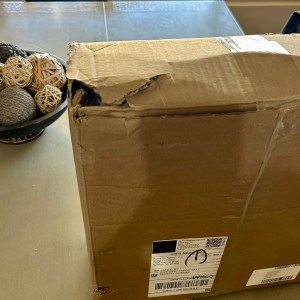
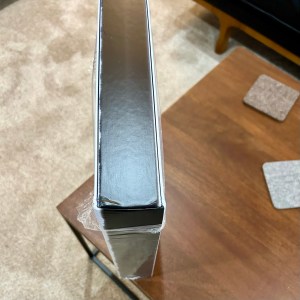
Shockingly, the actual box set only had minor damage. I contacted Kung Fu Nation, and they quickly responded that they would replace the damaged components (the slipcover, the book, and one of the album covers) at no cost, and I could keep the damaged goods. The replacement components were in the mail within a day and arrived at my home a few days later. Excellent recovery by Wilco/Kung Fu Nation!
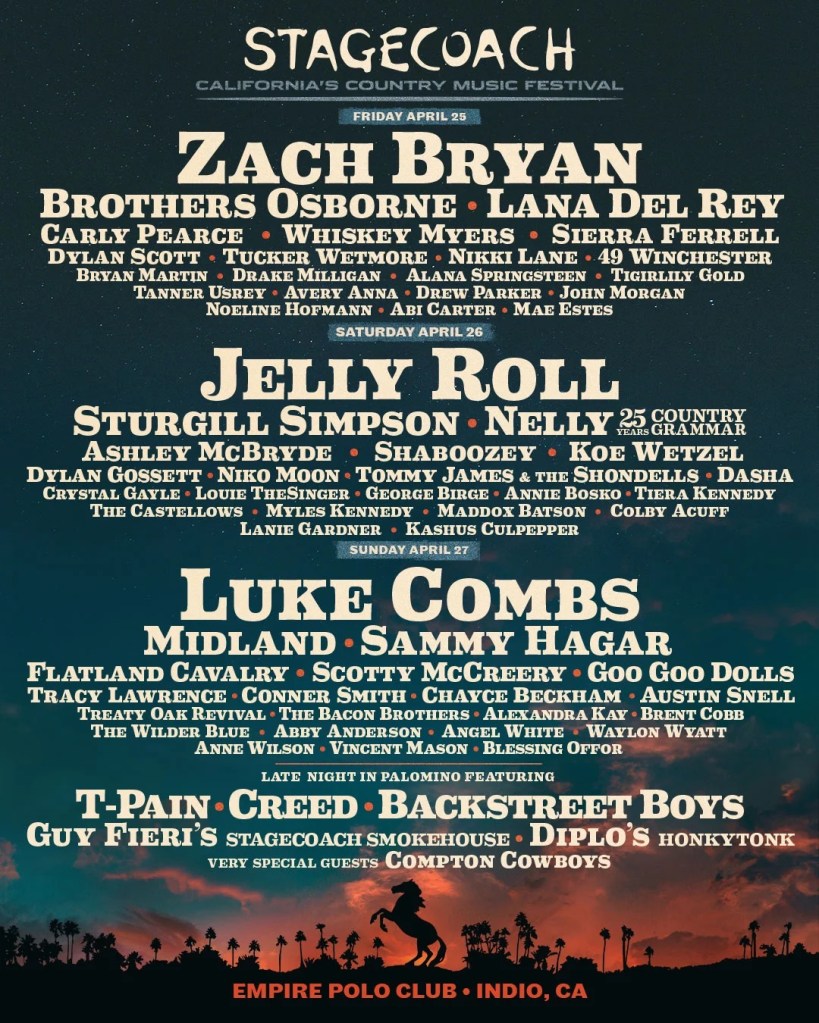
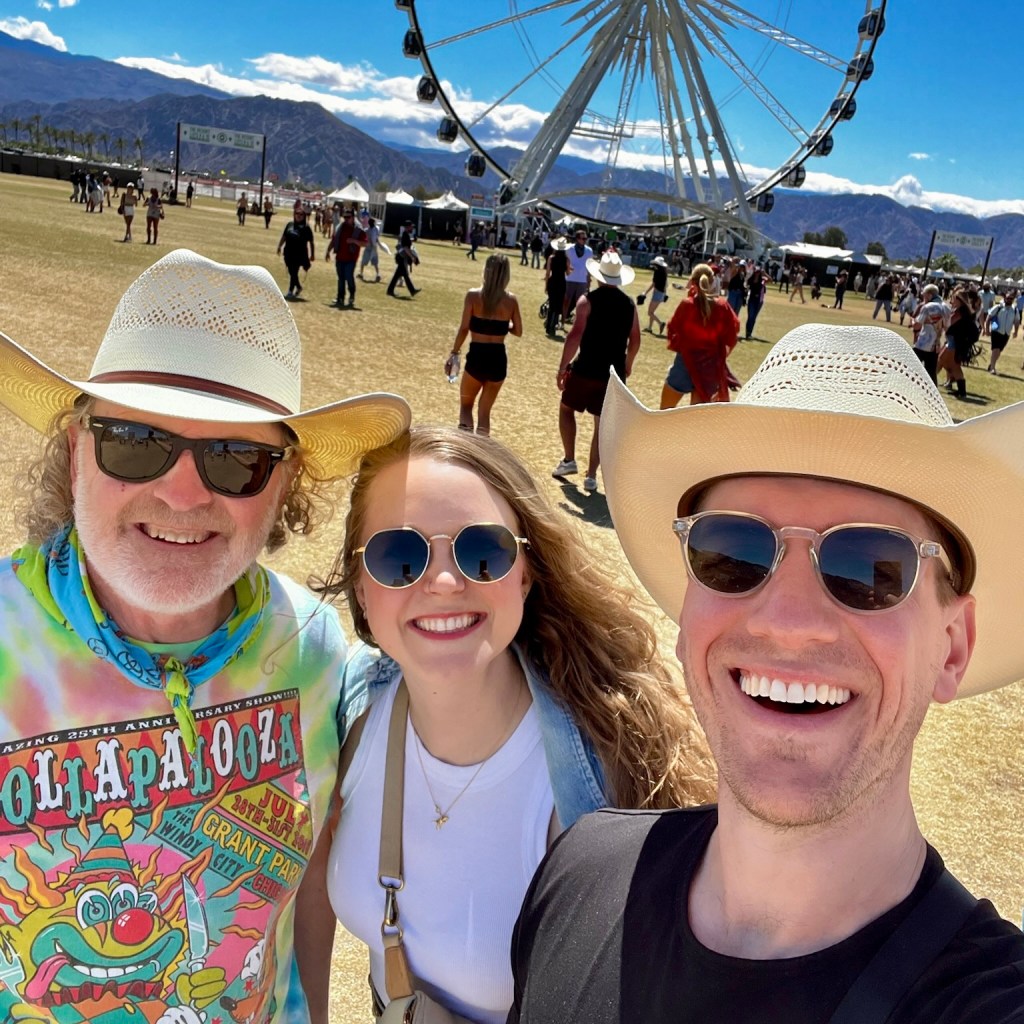
I recently attended the Stagecoach music festival. Stagecoach is the country music sibling to Coachella (pop music) and is held on the weekend after Coachella at the same location as Coachella (Empire Polo Club in Indio, California). It is the world’s largest country music festival (about 75,000 people per day). I used to go to Lollapalooza in Chicago, but I aged out – I was no longer interested in their lineup. Last year, our kids visited us in Phoenix, went to Stagecoach (only four hours away), and raved about it. I decided to tag along this year, and I am glad I did. I am mainly a rock fan, and contemporary country music is modern rock music. I was familiar with about half the artists on the lineup poster – better than I can say for most pop festivals.
Here are my key takeaways from the weekend:
- It is a well-run festival, except for the COVID years (2020 and 2021), Stagecoach has been around since 2007. The only complaint was merch—the main merch tent had a 90-minute wait most of the weekend, and the satellite tents had shorter waits but minimal inventory. There is plenty of food and drink. We stayed in an Airbnb that was a 15-minute walk to one of the shuttle pick-up spots—the shuttles ran frequently, so we experienced virtually no wait to get to or leave the festival. The festival is the right size, not crowded, and has room to grow, as Coachella can handle two-thirds more people (Stagecoach is not using all the space Coachella uses).
- The crowd is mellow – people are having a good time, but I didn’t see anyone out of control. I guess most of the crowd is between 25 and 35 – I am 66 and hardly saw any other seniors.
- The roster is a nice mix of country music superstars, up-and-comers, old stars, and some oddball rock and pop choices.
- It is impossible to see all the acts each day – a reasonable day is 8 – but that requires hustle and determination.
- The T-Mobile Mane Stage (deliberate spelling there emphasizing Stagecoach’s horse iconography) is too big, and the secondary stage, Polomino, is too small – this seems like an opportunity for improvement. The other stages are just about right. I particularly liked the Bud Light Backyard—it had a nightclub vibe and was the perfect size for up-and-coming acts.
- An outdoor festival is a weather-dependent event. Indio, California, has reliable weather in late April/early May, but I imagine a hot or windy/dust-storm day would be miserable. We had perfect weather.
- The acts try to make their sets memorable with cool cover songs and guest artists; for example, Luke Combs had Garth Brooks join him for “Friends in Low Places,” Combs covered Zevon’s “Lawyers, Guns and Money,” Shaboozey did Dylan’s “Knockin’ On Heaven’s Door” and Jelly Roll had a ton of guests.
Here are the acts that made a positive impression on me:
- 49 Winchester – their frontman is a rock star
- Alana Springsteen has a nice singer-songwriter vibe
- Lana Del Rey – I am a fan, but I could not imagine how she could pull off a festival set given her lugubrious style – she pulled it off by just being herself
- Zach Bryan – I am not a fan as I find a sameness to his music – he solved that by having a fantastic big band
- Crystal Gayle – she is in her mid-70s and still sounds great
- George Birge – an up-and-comer who will graduate from the Bud Light Backyard to a bigger stage at future festivals
- Ashley McBryde – I was already a fan – she had a great afternoon set
- Sturgill Simpson – I am a huge fan, and he did not disappoint – he modified his typical 3-hour set to a one-hour workshop on guitar histrionics
- Jelly Roll – it is hard not to love Jelly Roll – he spiced up his set with guests: Machine Gun Kelly, Lana Del Rey, Wiz Khalifa, Shaboozy, BigXthaPlug, Alex Warren, and Brandon Lake
- Midland – a cross between George Strait and Yacht Rock
- Brent Cobb – is a sweet, soulful singer-songwriter who is more Americana than country
- Luke Combs – was my favorite headliner of the weekend – a great country rocker
Overall, Stagecoach was a great weekend. Best of all, I spent it with my daughter and son-in-law. Thank you to my wife, (aka Lady Catch/mamawelby), for encouraging and supporting this adventure!
I have always been suspicious that a few drops (a dash) of something could impact the flavor profile of a cocktail. Despite that, I have followed cocktail recipes that include bitters to the point that we currently have four different bitters in our bar. We had some cocktail-loving friends in town, and so we decided to have a bitters taste challenge with:
- ANGOSTURA® Original Aromatic Bitters
- ANGOSTURA® Orange Bitters
- Fee Brothers Walnut Bitters
- Fee Brothers Molasses Bitters
The plan was to taste the bitters by themselves and then taste them in a bourbon old-fashioned (a brandy old-fashioned is a deviant Wisconsin variant that is not an old-fashioned in my book).
Bitters by themselves – we sprinkled a few drops on a spoon and tasted them.
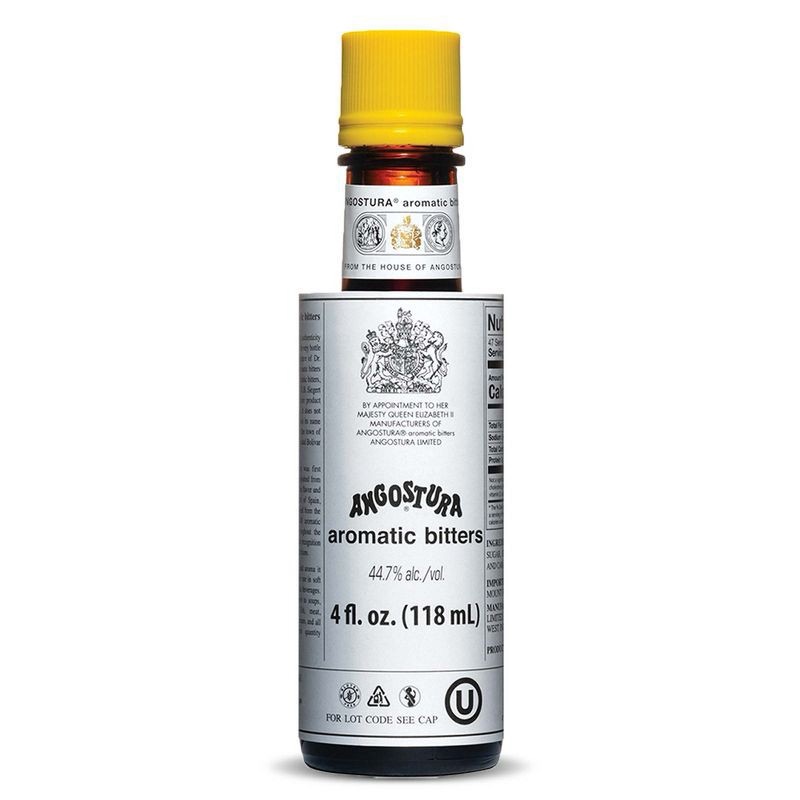
ANGOSTURA® Original Aromatic Bitters tasted pretty nasty. As you would expect, they were bitter, but not in a good way like an IPA or an espresso coffee. Instead, it was a bitter taste in a way that your brain told your mouth: do not consume any more of this!
I noticed that these bitters have an alcohol content of 44.7%, within the range of a typical spirit. However, the alcohol heat is lost to the bitterness. I couldn’t even taste the alcohol. After tasting these bitters “raw,” I wondered how this ingredient could improve a cocktail. But then, an old-fashioned is a sweet cocktail that can use a little edge.
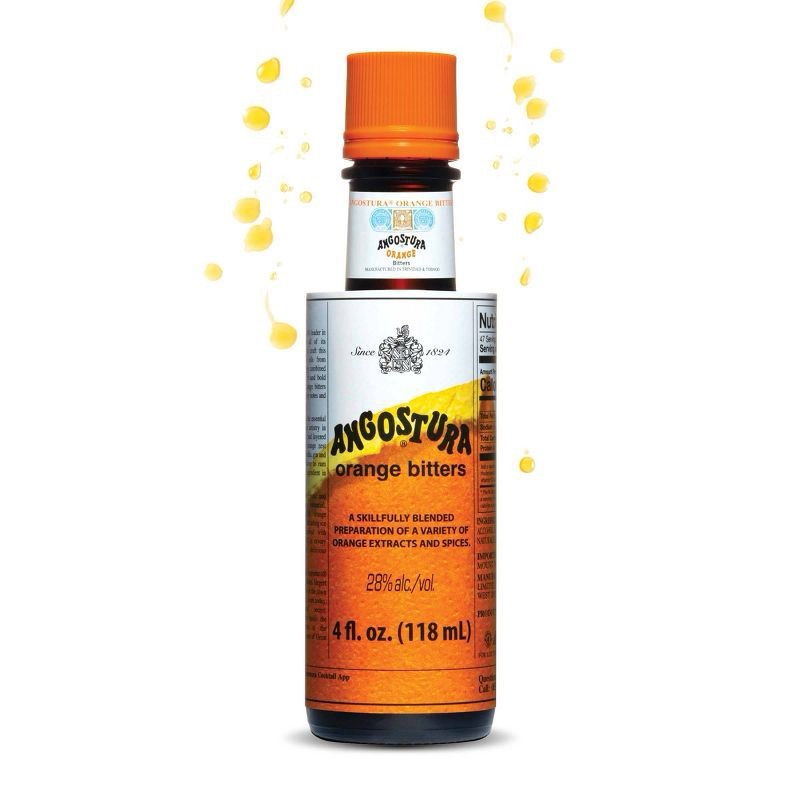
ANGOSTURA® Orange Bitters have an orange flavor, more akin to the rind than the meat of the orange – it is bitter, but not overwhelming – the orange flavor exceeds the bitterness, or that could be just that the palate is accustomed to the bitterness of an orange peel. The orange taste is a bit artificial – more like Tang (or, as one participant said, “baby aspirin”) than fresh-squeezed orange juice. However, unlike the Original, it is not repulsive, and you could imagine how it could improve a cocktail, especially if you did not have an orange peel garnish available. These bitters have a 28% ABV, but the alcohol is not detectable—the orange and bitter flavor prevails over the alcohol heat.

Fee Brothers Black Walnut Bitters: I first encountered these bitters in an old-fashioned recipe that used crushed walnuts and demerara sugar to rim the glass. Unlike ANGOSTURA®, Fee Brothers bitters do not contain alcohol. They have a sweet, nutty flavor that is pleasant to the palate. You could imagine these bitters enhancing a cocktail and even a dessert. These were hands down the best-tasting bitters of the four.

Fee Brothers Molasses Bitters: I learned about these bitters from a cocktail recipe (an Irish old-fashioned made with Jameson and Guinness). They have a very intense molasses flavor—almost a molasses concentrate. As one taste tester said, “It tastes like old pancakes.” The flavor is so strong that it made me want to be careful about using too much. In this case, a dash was likely to significantly impact the cocktail.
Bitters in an old–fashioned—In hindsight, I don’t like our approach to this test. I made an old-fashioned batch without bitters, poured four glasses for testers, and then added a different dash of bitters to each of the four portions, allowing for comparison. These were quarter pours. Given the portion of bitters in the cocktail, they were a more significant ingredient than they should be. At the same time, it was a good way to highlight the bitters’ role in the cocktail.
ANGOSTURA® Original Aromatic Bitters: Despite its strong flavor alone, it was not as noticeable as the other three bitters in the test. Part of the problem is that the old-fashioned tasted like an old-fashioned. In hindsight, we should have added a bitters-free old-fashioned to the taste test.
ANGOSTURA® Orange Bitters: These added a touch of orange to the cocktail, but a twist of orange peel would also work. You should have orange bitters in your bar when you don’t have fresh orange peel.
Fee Brothers Black Walnut Bitters: The flavor came through in the cocktail and was a pleasing addition. It made the old-fashioned unique without changing the fact that it was old-fashioned. This will become an essential ingredient to my old-fashioned cocktails in the future.
Fee Brothers Molasses Bitters: The molasses flavor is too strong and overwhelms the cocktail to the point that it doesn’t taste like an old-fashioned. However, it is an essential ingredient in the Irish old-fashioned I mentioned above, so it has a place in your bar.
Conclusion: This taste test dismissed my suspicion that bitters were not essential to an old-fashioned. My big takeaway from the tests:
- My new old-fashioned recipe will be to add a dash of original and black walnut bitters
- Orange bitters are only necessary when you don’t have fresh orange peel
- Mollassas is for specific cocktails and not a traditional bourbon old-fashioned, given its significant flavor profile
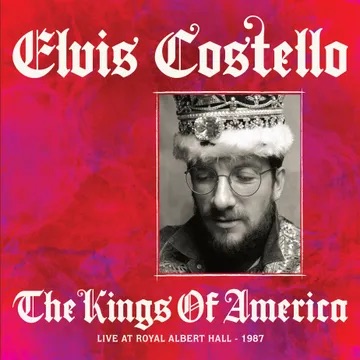
This live show was initially included in the CD/digital 2024 release King Of America & Other Realms Super Deluxe. This Record Store Day 2025 release is the vinyl debut of these live tracks.
The Kings Of America Live is a seventeen-song concert recorded on January 27, 1987, at The Royal Albert Hall in London. Costello performs with some of “the Confederates” – musicians who played on the studio version of the 1986 King Of America album. The live band is:
- ELVIS COSTELLO: Guitar & Vocals
- JAMES BURTON: Lead Guitar – Burton was a member of Elvis Presley’s TCB Band.
- JIM KELTNER: Drums – Keltner is one of the leading session drummers in America.
- JERRY SCHEFF: Bass – Scheff was also a member of Elvis Presley’s TCB Band.
- BENMONT TENCH: Keyboards – Tench was a member of Tom Petty’s band.
- T-BONE WOLK: Guitar, Accordion, Mandolin & Vocals – Wolk was a studio musician, but also was in the Hall & Oates band and the Saturday Night Live band.
Per the Record Store Day website, the album is from:
“Newly mixed from multitrack tapes – and featuring live renditions of several King Of America titles – Costello is also heard performing songs by Waylon Jennings, Arthur Alexander, Allen Toussaint, Sonny Boy Williamson, Mose Allison, Ray Charles, Jesse Winchester, Dave Bartholomew and Buddy Holly. A truly great American songbook.”
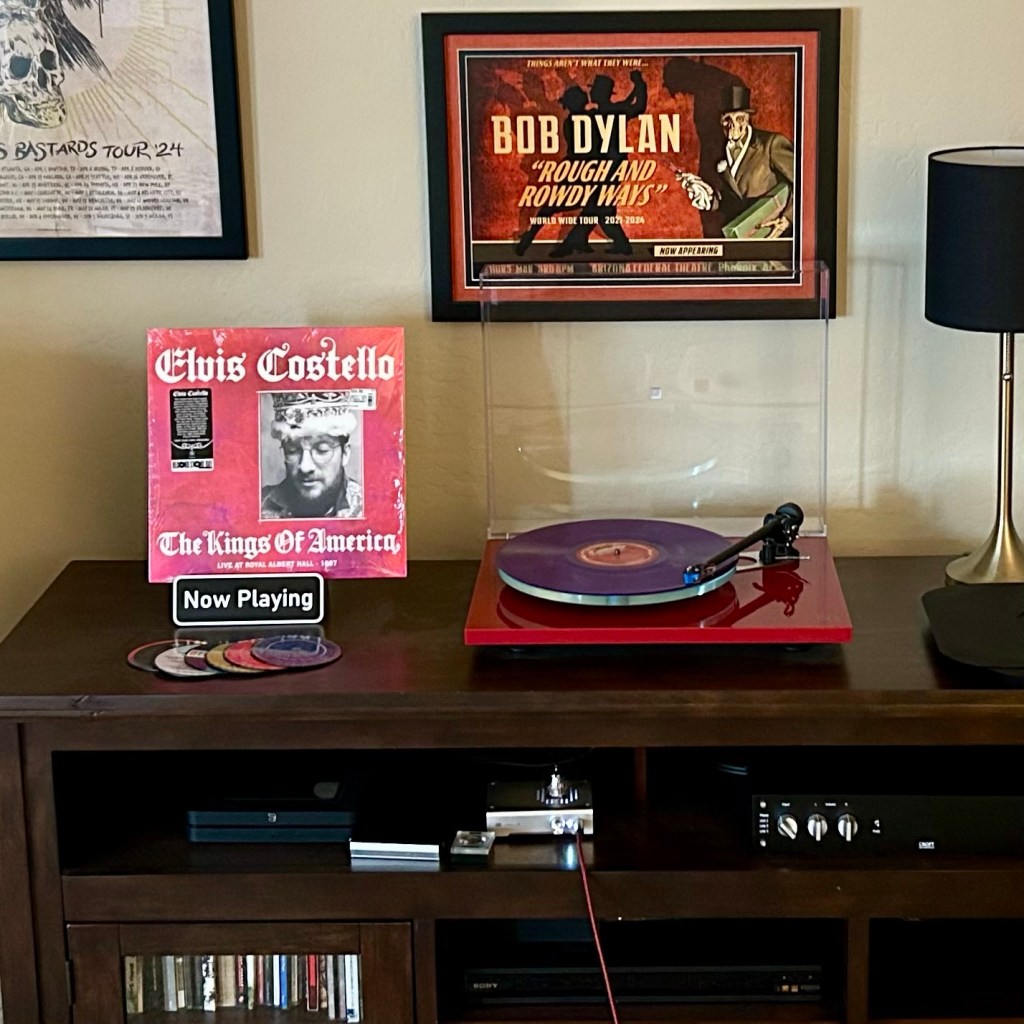
This is an excellent live recording, both sonically and in the performance. I am a fan of the King Of America album, and so it is great to have those songs live, but the real treat here is the covers – see the setlist below (bold italic songs are from King Of America):
- The Big Light
- Only Daddy That’ll Walk The Line – Waylon Jennings
- Our Little Angel
- It Tears Me Up – Percy Sledge
- I’ll Wear It Proudly
- Lovable
- Riverboat -Allen Toussaint
- Sally Sue Brown/36-22-36 – Arthur Alexander/Bobby Bland
- American Without Tears
- Brilliant Mistake
- What Would I Do Without You – Ray Charles
- Your Mind Is On Vacation /Your Funeral, My Trial – Mose Allison/Sonny Boy Williamson
- Pouring Water On A Drowning Man – James Carr
- Payday – Jesse Winchester
- That’s How You Got Killed Before – Dave Bartholomew
- Sleep Of The Just
- True Love Ways – Buddy Holly
The recording of this live show exudes fun, excellent musicianship, entertainment, and a rock ‘n roll urgency. Elvis’ voice has never sounded better. Elvis’ King Of America is his rootsier side, which fits him well. Most of the covers were unfamiliar but fit seamlessly with his songs. This is going to be one of my favorite Elvis albums.
The vinyl is of high quality. However, the packaging is bargain basement. I will take quality vinyl over packaging any day.
You can stream the equivalent of this album, which is buried in the streaming release of King Of America & Other Realms Super Deluxe (scroll to “The Big Light – Live”):
Faces was the original Slacker band. Their music is deliberately sloppy, yet they are fantastic rock musicians—sloppiness was an aesthetic choice. They were the British contribution to proto-punk. As rock was getting serious, Faces were defiantly goofy. Their vibe is the apex of intoxication: a well-crafted buzz just before one too many.
Jeff Tweedy (Wilco) states in the liner notes:
The Faces’ importance as punk prototypes cannot be questioned; they never appeared to take anything too seriously. Cutting all potential pathos with a wink and a healthy shot of rubbing alcohol— pinky raised, no less. Like the ne’er-do-well that can’t even keep a straight face while his clothes are being tossed out on the lawn. Always falling apart and having a great time at it. I love ’em and doubt seriously if we could have had a Sex Pistols much less a Replacements without them.
Face’s photographer Tom Wright rejects the drunk and sloppy characterization. In the liner notes to this box, he says:
The Faces drank, no doubt about it, but to the point of sloppiness? Show me the moment. I have seen a hundred shows, sound checks, and late-night jams, and sloppy is a word that doesn’t fit… anywhere. That would be like calling the kid who could ride a bicycle with”no hands” while shooting you the finger and yelling something funny a sloppy rider. The Faces were so good they made it look easy.
The band was:
Rod Stewart on vocals. Stewart was fresh out of the Jeff Beck Group and had a solo deal, but his solo career had yet to take off. With the Faces, he was just a bloke. If you are turned off by the pop star he became, this is Rod as the best bar band singer of all time. By the time the band ended in 1975, Stewart’s success had eclipsed the Faces, but he was never finer than in the early 70s with Faces and on his solo albums (that were basically Faces albums).
Ronnie Wood is on guitar. Woody is one of my favorite rock musicians. He was in the Jeff Beck Group with Stewart. He was a major player on the early Stewart solo albums. A decent percentage of his solo albums are awesome. More recently, he has been the other guitarist in the Rolling Stones (since 1975).
Kenney Jones on drums. Kenney was with the Small Faces and replaced Keith Moon in The Who—an excellent rock drummer – slow but in time – an elegant stumble.
Ian McLagan on keyboards. In addition to Small Faces and Faces, he has been a sideman for the Stones.
Ronnie Lane is on bass, playing various other instruments and occasionally being the lead vocalist. Lane was the heart and soul of the band. Lane played in Small Faces and Faces but quit Faces in 1973. He was replaced in Faces by Tetsu Yamauchi. After Faces, he collaborated with other musicians, leading his bands and pursuing a solo career. In 1977, he was diagnosed with multiple sclerosis. Charity projects and financial contributions from friends, former bandmates, and fans supported him. After living with the disease for 21 years, he died in June 1997, aged 51.
In summary, it was one hell of a lineup.
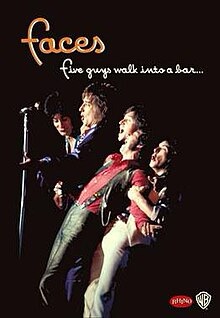
Five Guys Walk into a Bar… is an excellent compilation of the band—a five-hour (sixty-seven-track) history lesson on the band via selections from their four studio albums, outtakes, side projects, assorted rare single A and B-sides, BBC sessions, and rehearsal tapes. It was released as a four-CD box set in 2004.
I bought this when it came out and gave it a serious listen on a road trip with my teenage son. Fortunately, he dug it, and I knew I had succeeded as a parent. I was vaguely familiar with Faces’ catalog but very familiar with the band members’ careers after Faces. I was a receptive student.
Ian McLagan lovingly produced the box set. He brilliantly curated the Faces’ vault of recordings from rehearsals, the studio and live. Ian’s guiding principle in selection: his gut. Most compilations are chronological, but Ian prefers to play DJ. Many compilations of this magnitude are tedious listens. Five Guys Walk into a Bar… works perfectly – it is not a boring listen. I effortlessly slammed through the four discs over two evenings – zero boredom – just amazement.
I highly recommend compilation. Unfortunately, it is not available on streaming services. However, I see it on Discogs and eBay for as low as $40.
The live material is on streaming:
A subset of the live material is on the Record Store Day release:

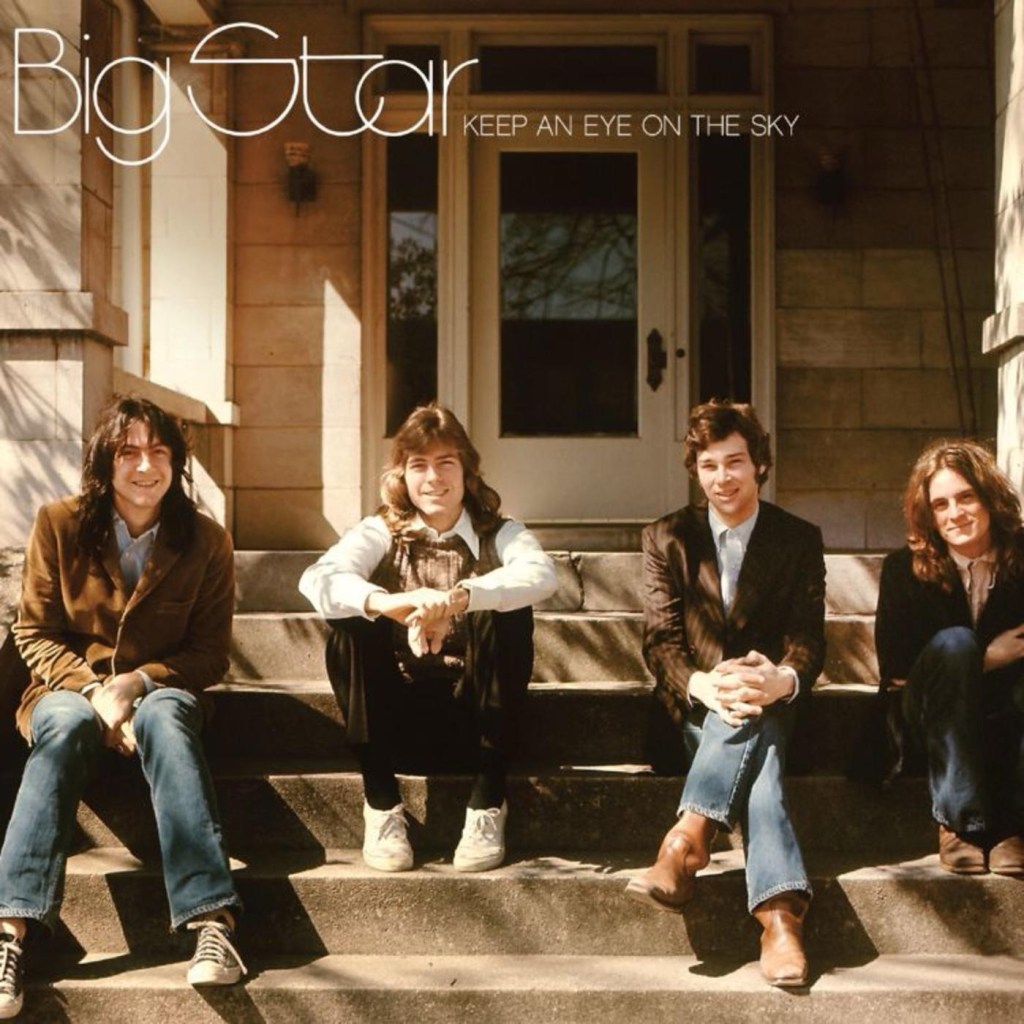

Keep an Eye on the Sky
2009
Rhino
Big Star is a cult band – perhaps the original cult band. The bands they influenced include R.E.M., The Replacements, Mitch Easter, The dBs, and countless others. They have gained in stature over time. They are the original indie-rock band.
Big Star’s Keep an Eye on the Sky is a four-CD, 98-song career retrospective box set featuring unreleased tracks, demos, alternate takes, and live performances. It also includes material from founder member Chris Bell’s pre-Big Star bands, Rock City and Icewater. It includes all titles (in many cases as alternate mixes or demos) from Big Star’s three studio albums.
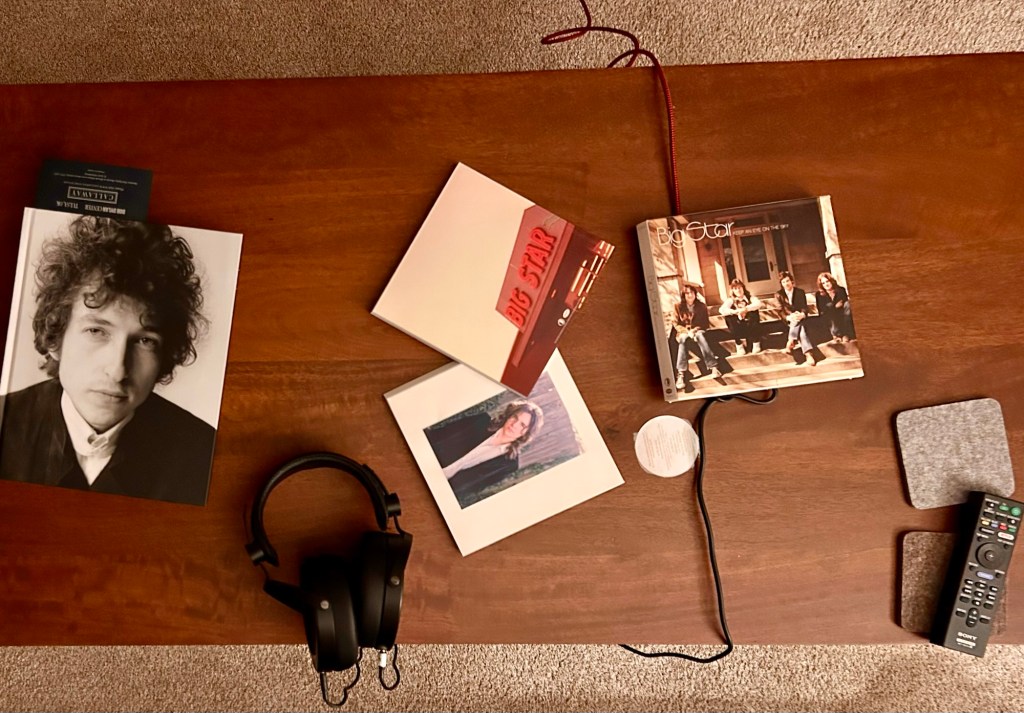
@ the Desert 🌵 Sessions
(under his eye)
In addition to the music, there is an excellent mini coffee table book with three essays and photos.

My “introduction” to Big Star was the 1986 The Replacements song “Alex Chilton” from Pleased To Meet Me. I had no idea who he was until I started reading the Pleased To Meet Me reviews and PR. Based on Paul Westerberg’s infatuation with Chilton, I picked up Chilton’s 1987 solo album, High Priest. Unfortunately, High Priest sucks. At about the same time, I got a copy of Big Star’s Third/Sister Lovers, which baffled me (I eventually learned to appreciate it). I assumed Paul Westerberg was hearing something I was not.
It wasn’t until 1992, when a two-for-one CD of the first two Big Star albums (#1 Record and Radio City) was released, that I got Big Star’s music – I immediately understood the hype. It was Beatlesque but with an American twist. All the songs were good to great. This would be my recommended introduction to Big Star.

By 2009, when Keep an Eye on the Sky came out, I was hip to Big Star. For some reason, I did not listen to it extensively. Now that CDs are part of the Desert 🌵 Sessions and I am retired, I am seriously exploring the box set. It was pretty random that I grabbed Keep an Eye on the Sky to bring to the Desert 🌵 Sessions. I am glad I did!
The first three CDs are chronological and follow the arc of their three studio albums, and the fourth CD is a live show. Disc One includes pre-Big Star material and the songs from their debut. Disc Two includes songs from their second album and some Chris Bell solo material. Disc Three includes songs from their third album and covers.
Disc Four is a live set at Lafayette’s Music Room in Memphis, TN (January 1973), shortly after the release of Radio City. It is a solid performance by the band (now a three-piece as Chris Bell had departed the band). Sonically, it sounds great—especially given that it was miked in the audience rather than a board recording. It’s a mix of Big Star originals and covers. It is a remarkable artifact that made its first appearance on this box set.
Keep an Eye on the Sky is a grad school course in one of the most influential bands in rock history. Highly recommended.
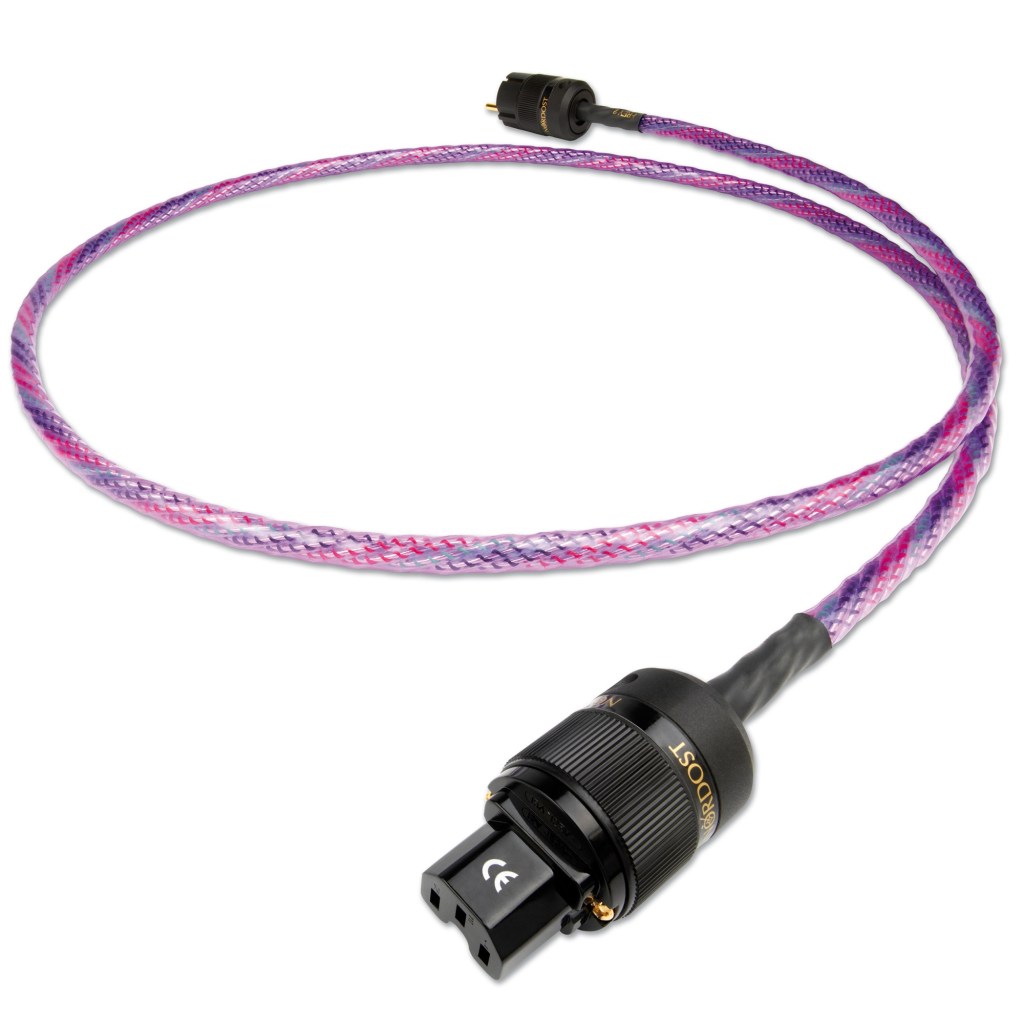
with US wall plug and 15 amp IEC
$2200 for one-meter length
I am a power chord/interconnect/speaker wire agnostic. I have participated in speaker wire blind comparisons and selected the higher-priced wire, but not necessarily the most expensive. In general I have noticed a difference in cables, but not a preference.
An audiophile friend asked me to break in his new Nordost Frey 2 power chord while he was out of town. I was more than happy to do that and compare it to the stock power cord my amp’s manufacturer provided. At first, I assumed that I was using Nordost’s entry-level power cord (the Purple Flare at $260), but I learned that it was the Frey 2, which is up thier product chart (at about $2200) but not at the top (Nordost has a $56K power cord!). Please note my audiophile friend did not pay list price for his Frey 2.
Per the Nordost website: “Norse 2 Series power cords deliver a level of performance not previously possible at their price points. Nordost’s proprietary Micro Mono-Filament construction creates a virtual air dielectric complete with an elegantly engineered suspension system. When combined with silver-plated OFC solid core conductors and FEP insulation throughout, the result is the ideal electrically and mechanically controlled construction for ultra-fast, low-impedance current and voltage transfer. The complex topology of Micro Mono-Filament conductors is especially effective in dissipating mechanical energy present on the AC line, which otherwise enters your delicate electronics rendering dynamic responses sluggish and blurry.”
Well, what ever that means.
This review will be purely subjective – no objective measurements were done. I am not a technical-oriented audiophile – I am more of a musichead with a nice stereo, mid-fi vs. hi-fi.

I tested the power cord on my Croft Acoustics Phono Integrated amplifier, which is part of the Desert Sessions. The Croft is a hybrid tube preamp and solid-state amp. The stock power cord is heavy-duty but nothing special. Speaker wire is generic 16 gauge copper. Interconnects are Amazon Basics RCA cables.
My reference source material was The Pat Metheny Group’s eponymous LP from 1978. I chose this recording because I am intimately familiar with it. It has a lot of dynamics and was beautifully recorded, mixed and mastered. I used both a vinyl version and a streaming version.

(eponymous)
ECM
1978
Tidal (24-bit/96 kHz FLAC) and vinyl
Vinyl—The Nordost cord sounded slightly different than the stock cord. I sensed it was an improvement, but not a two-grand improvement. In summary, I was underwhelmed.
Streaming—Here, the Nordost cord showed a significant improvement. Everything sounded better: highs were brighter, and lows were punchier—in a good way. The overall sound stage was more expansive and richer. It was a $260 improvement when I thought it was a Purple Flare – an upgrade I would seriously consider, given that most of my listening is streaming these days. But once I realized that this was the Frey 2, it was not a two-grand improvement. I am not sure it is appropriate to test such a high-end item on a budget stereo (the Frey 2 costs more than the Croft amp). But it certainly was a fun experiment. After this experiment, I am less skeptical about high-end cords, but I also have a self-imposed limit: if there isn’t an appropriate return on investment, I will not make this kind of upgrade. I also wonder if there would be a difference if the cord were plugged into a power conditioner vs. straight into the wall.
I am not surprised that there was a big difference between the vinyl and streaming test drives, as the Croft amp’s specialty is its focus on its phono pre-amp (a tube-driven stage) – this initially drew me to the amp, given my extensive vinyl collection.
I am grateful to my friend for lending me the Frey 2. This is a component I would never get to experience otherwise. Messing around (speaker placement, A/Bing cords, tube rolling, etc.) makes the audiophile hobby fun, and when you can experiment for free, it’s even better!
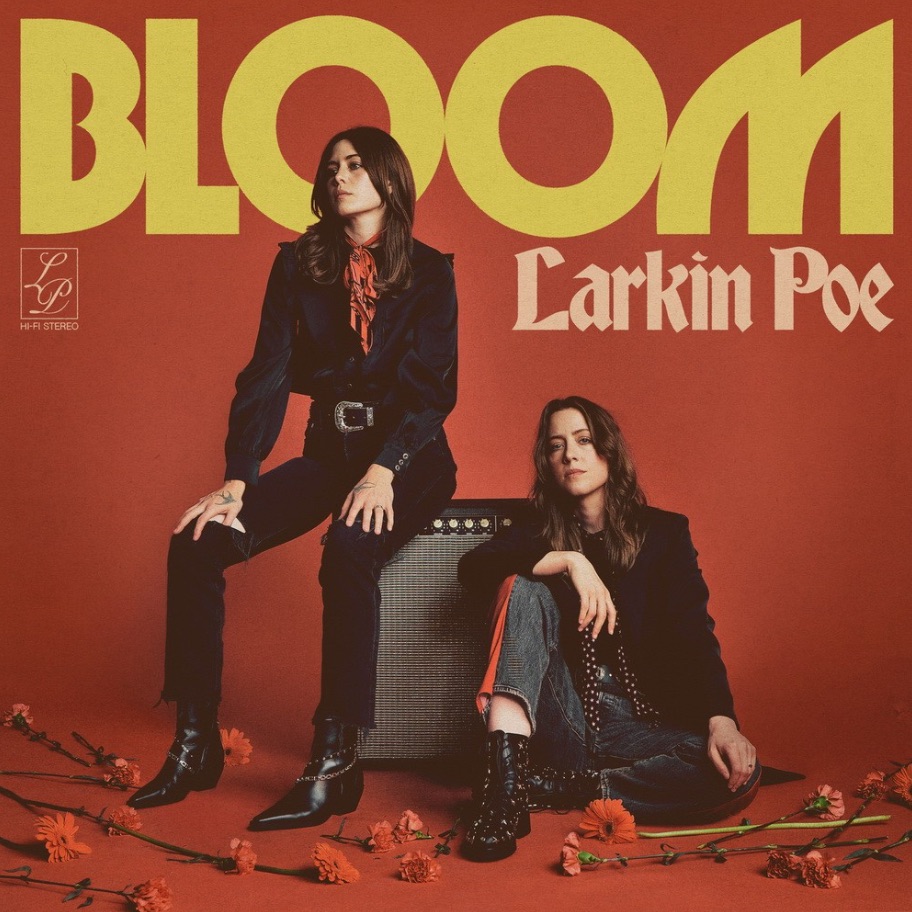
Larkin Poe sounds like a female version of The Black Crowes: soulful blues rock crunch and arena rock swagger. Larkin Poe are even an Atlanta singer-songwriter siblings like the Brothers Robinson.
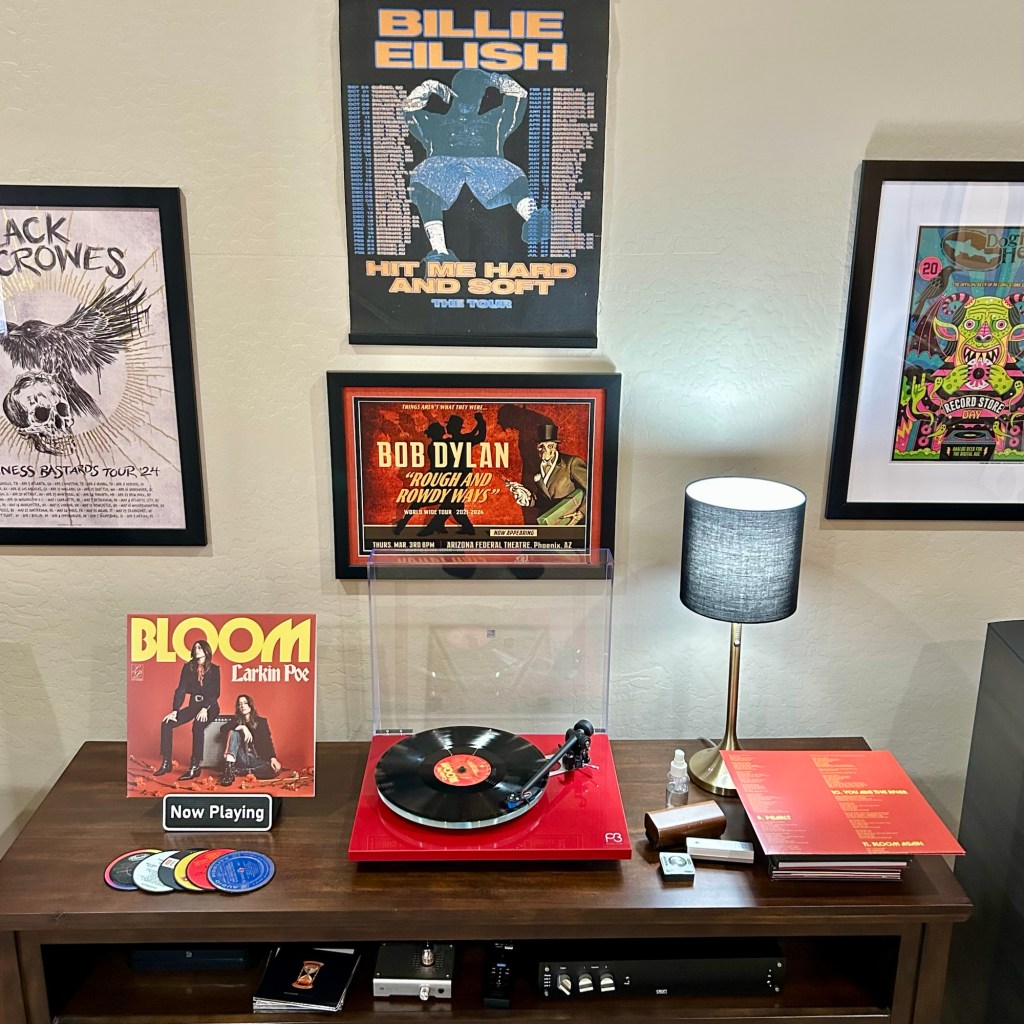
According to their website, “Rebecca & Megan Lovell of Larkin Poe are Grammy-winning singer/songwriter, multi-instrumentalist sisters creating their own brand of Roots Rock ‘n’ Roll: gritty, soulful, and flavored by their southern heritage.” In 2023, they released Blood Harmony, which won the 2024 Grammy Award for Best Contemporary Blues Album. Rebecca (34) and Megan (35) had been playing professionally, first as the Lovell Sisters, since they were teenagers in 2004.
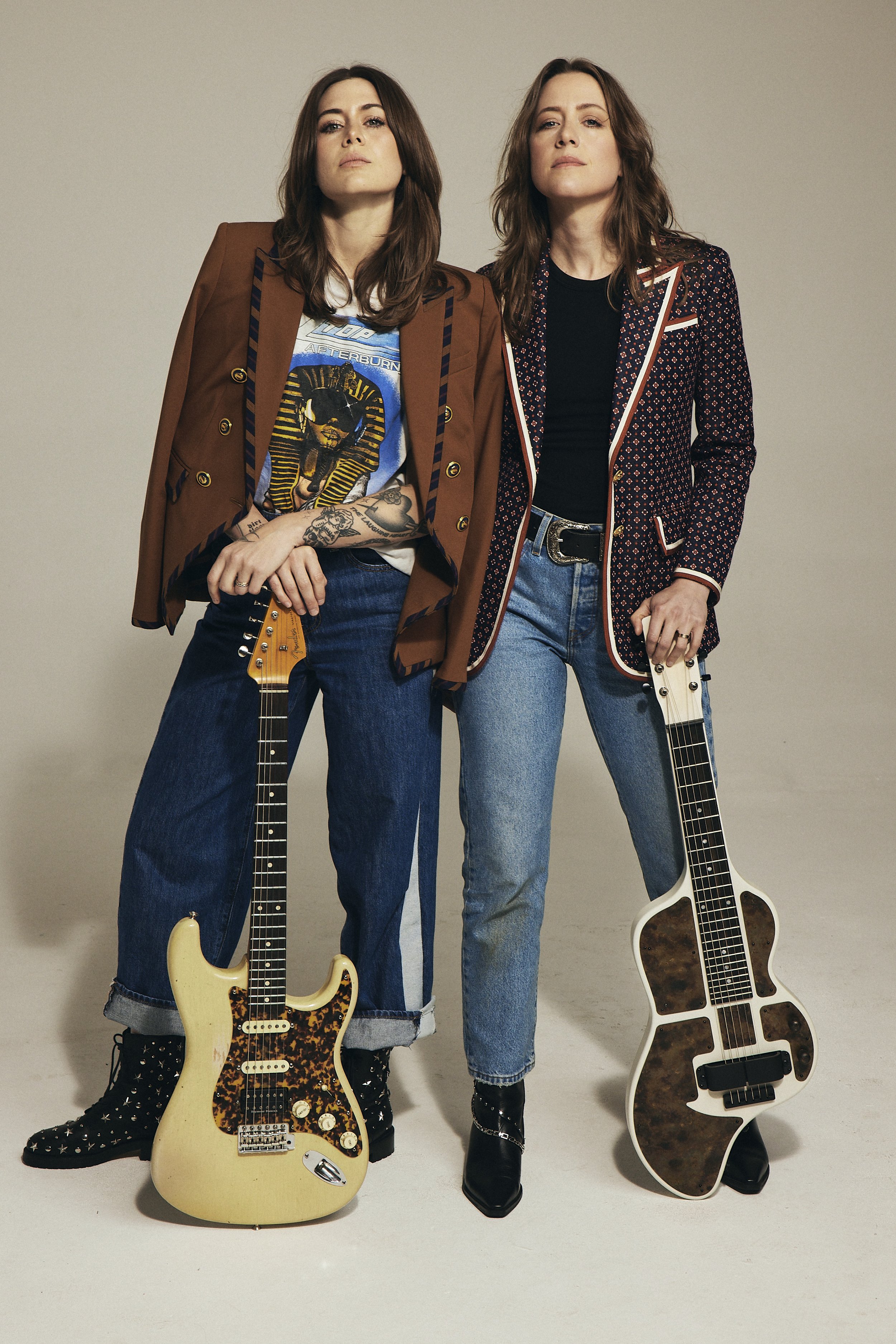
In a different era, Larkin Poe would be huge – like Heart Huge. What is crazy about contemporary music is that there is so much great music that you have never heard of. It is easier than ever for an artist/band to get their music out into the world, given home recording and the internet. More significantly, some bands are successful that you have never heard of. Back in the day, a band would have come across the average rock fan’s radar if they had a twenty-year career with eight studio albums, eight EPs, and one live album (which is the case for Larkin Poe). Today, there are artists/bands a musichead has never heard of playing in arenas and, in some cases, stadiums. Larkin Poe is not Billy Strings big, but they are playing 1000 to 2000-person capacity rooms.
Their back catalog is pretty rootsy. Bloom sounds like a grab of the brass ring toward mainstream success with its arena rock ambitions. There is nothing wrong with ambition, especially if you can pull it off, and Larkin Poe pulls it off.
The most apparent thing you hear on Bloom is blues rock with big guitar riffs/hooks. But what makes this special are the vocals. They are a touch country in that way that Bonnie Rait and Susan Tedeschi’s blues are country. And then there are the blood harmonies – they are pretty dreamy.
The album has no bad tracks, but “Bluephoria” sticks out with its giant guitar riffs and outstanding vocals.
Another standout is “Easy Love Part 1,” which has a Bonnie Raitt vibe: the vocals, the slide guitar, and the attitude. Its companion, “Easy Love Part 2,” slows things down to a quiet storm. Like “Part 1,” it has a Bonnie vibe with an excellent vocal performance and slide guitar solo.
Overall, this delightful album will appeal to classic rock fans.

 Axl's Catch Groove