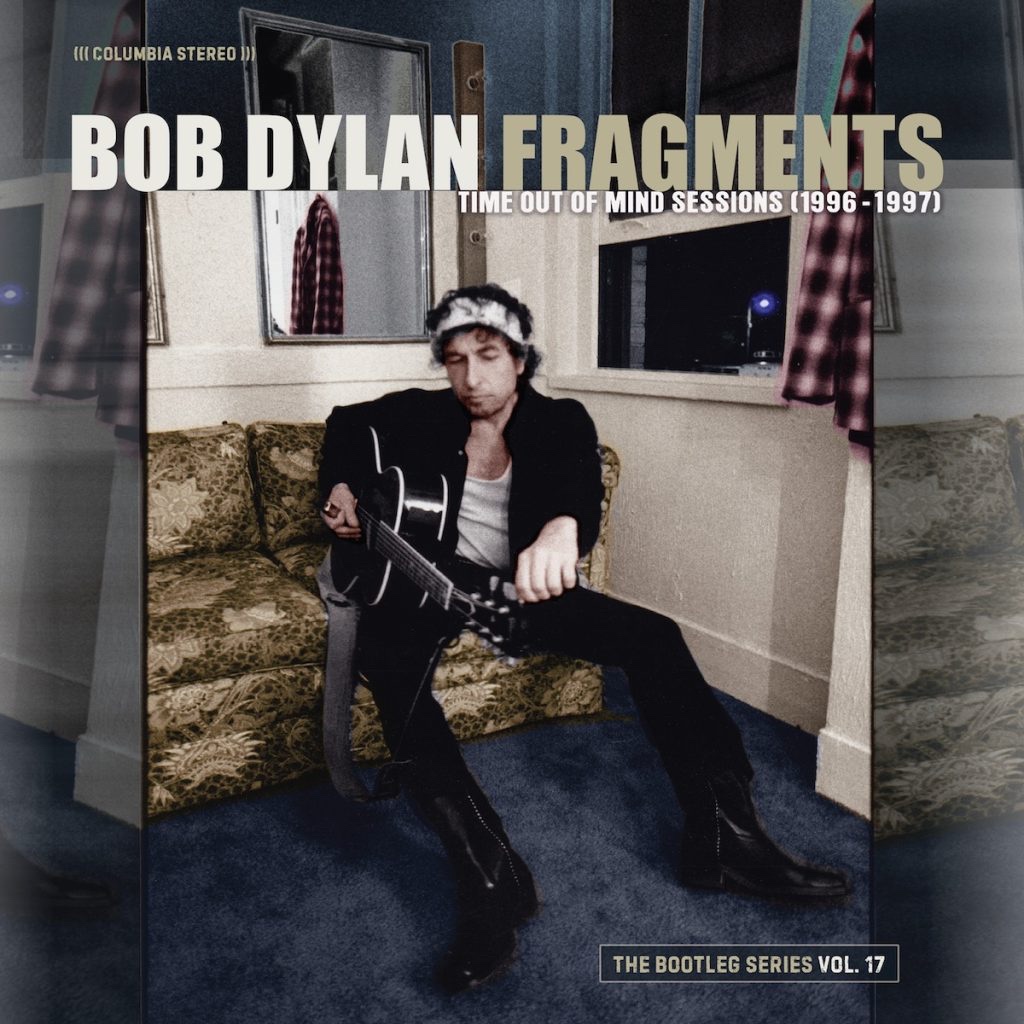
Time Out Of Mind (TOOM) is one of my top-5 Dylan albums (see my hall of fame post here). I have been looking forward to this bootleg edition for years – we had been teased with TOOM bonus material in 2008 on the Tell-Tale Signs bootleg. Fragments, the latest entry in the Dylan bootleg series, is focused on TOOM. It includes: a significant remix of the album, alternate takes, unreleased songs, and live TOOM material. Below is the official Fragments unboxing video:
Part One – the remix
I was apprehensive about the TOOM remix. Normally, I would find the remix of a masterpiece album as heretical – especially when the key feature of that album was its sonics/production/mix. However, for years I have heard that Dylan was not happy with the TOOM production. When TOOM was released I was a huge fan of Daniel Lanois productions: Eno, U2, Peter Gabriel, Robbie Robinson, Emmy Lou Harris, etc. Dylan’s Oh Mercy had been produced by Lanois and I loved the production on that album. So in 1997, after a long songwriting drought, the fact that Dylan was releasing a new album with new songs with Daniel Lanois was a thrill. This did not seem like an album that should be messed with.
When TOOM first came out I recall being highly distracted by the processing of Dylan’s vocals, But over time, I grew to love it. I loved the swampy fog of the overall production. Usually I don’t like it when a producer’s aesthetic overpowers the artist, but Lanois is an exception – I like his meddling with my favorite artists. And in the case of TOOM, I felt that Dylan and Lanois had brilliantly collaborated to create a masterpiece: lyrically, musically and sonically.
I never understood Dylan’s frustration with TOOM given its critical and commercial success. But after my first listen of mix-master Michael Brauer’s remix on Fragments, I get Dylan’s frustration. It reminds me of when I first got glasses as a kid. I had normalized blurry vision. When I put on that first pair of glasses the clarity was shocking (in a good way). I am similarly shocked by the Brauer remix of TOOM and the clarity it brings to the songs and performance of Dylan and the band. My initial reaction to Fragments is, despite the success of TOOM, Lanois had overreached by obscuring Dylan with his own artistic swampy vision. No wonder Dylan was pissed. Dylan famously declared his distaste for Lanois’ production of TOOM in a 2001 Rolling Stone interview saying that Lanois’ “swampy voodoo thing” resulted in a “sameness to the rhythms.”
Michael Brauer has successfully created an alternative version of TOOM without changing its fundamental beauty. He has reduced the processing on Dylan’s voice and brought forward the instruments without overpowering Dylan’s vocals. Per Brauer:
“It’s more of a singer-songwriter approach” and he was determined to “maintain the integrity and the essence of an iconic record.”
I judge the remix a success – it reveals another TOOM without subverting the original. I don’t love the original album any less, in fact I appreciate it even more. I am a huge Steven Hyden fan and I love his essay in Fragments. He captured my feelings about Fragments perfectly when he writes in the liner notes:
For someone who has listened to Time Out Of Mind more times than I could possibly count, this set is a real gift – for the first time since 1997, I can hear one of my favorite Dylan records with fresh ears.
Part Two – outtakes, alternative versions and previously unreleased material
The backstory of TOOM was that recordings were worked on at Lanois’ Teatro studio in California, but Dylan did not like the vibe and moved the production to Criteria Studios in Miami Florida. Once at Criterion, more players got involved- including a who’s who of session royalty and some of Dylan’s touring band. The outtakes and alternative versions come from both studios. It is cool to get a peek at the evolution of the songwriting, arrangements and production. Lyrics change, arrangements are changed, and some songs are ultimately abandoned or deferred to future albums.
There is a lot to absorb here and I imagine spending a few months listening to these outtakes and alternate versions. But some initial highlights for me:
Fragments outtakes and alternates opens with “The Water Is Wide” – it is the perfect transition from the folk songs of his prior two releases and TOOM. It is a traditional Scottish folk song performed early in the Teatro sessions.
“‘Till I Fell In Love With You” (Version 1) is a faster more rocking version from what appears on the original album.
“Can’t Wait” (Version 1) is a completely different vibe from what appears on the original album. Much more urgency to it.
“Dirt Road Blues” (Version 1) is a wonderfully raucous joy.
“Mississippi” is one of my favorite Dylan tracks. My initial exposure to the song was Sheryl Crow’s cover. “Version 1” on Fragments is great, but I can see why it did not make the cut for TOOM – too playful. This is a song that gave Dylan trouble – Fragments has five studio versions. Ironically it never did appear on TOOM, but finally found a place on his next album Love and Theft. I like all the versions presented here and on Love and Theft. Not sure which one I would have picked for TOOM or Love and Theft.
The alternative version of “Cold Irons Bound” has a nice funkiness to it – a little simpler arrangement than the final version.
“Love Sick” (Version 2) vocals are exceptionally smooth and sweet. This alternative version is reason enough for the deluxe bootleg to exist.
“Make You Feel My Love” may be the schmaltziest song in Dylan’s catalog. The “Take 1” version however, is simply arranged and just plain beautiful. This is one of those Dylan songs that is better in cover artist hands than Dylan’s.
Some of the outtakes and alternates were on 2006’s bootleg Tell-Tale Signs. Although these songs where previously released, it is nice to have them here with the rest of the TOOM tracks. Tell-Tale Signs is one of my favorites in the bootleg series.
Part Three – live
Fragments attempts to provides a TOOM live experience by including live versions of the album tracks from the few years after the release of TOOM. The performances are great, but the recording quality is poor (although they sound better on vinyl on the big boy stereo vs digital via earbuds). But it is worth it to hear these songs live. Most are close to the album arrangements, but some are completely different. There aren’t liner notes on the life stuff, but Dylan obsessive Ray Padget does a nice job here of creating liner notes for live tracks. Note there is not a version of “Dirt Road Blues” given Dylan has never performed it live.
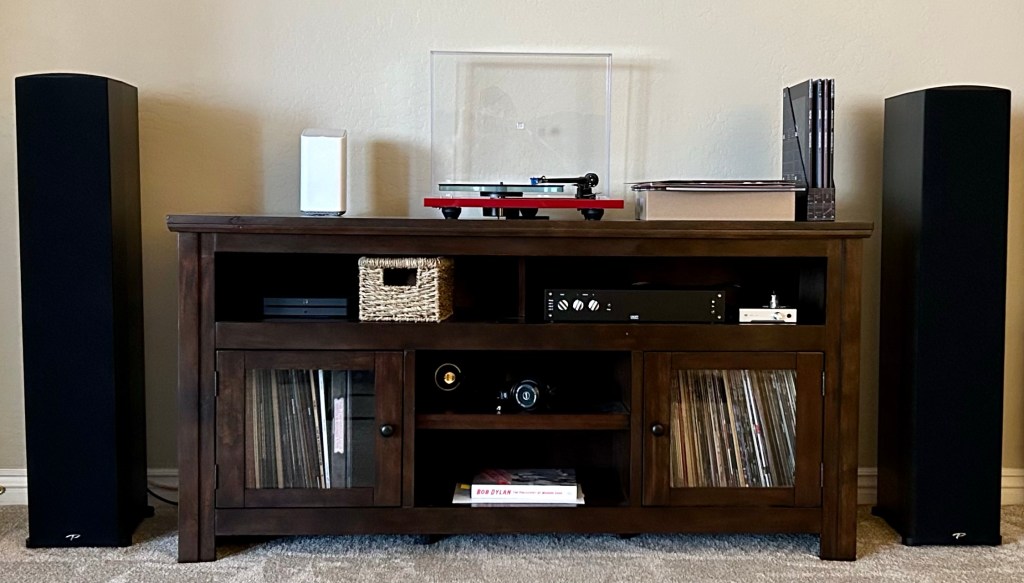
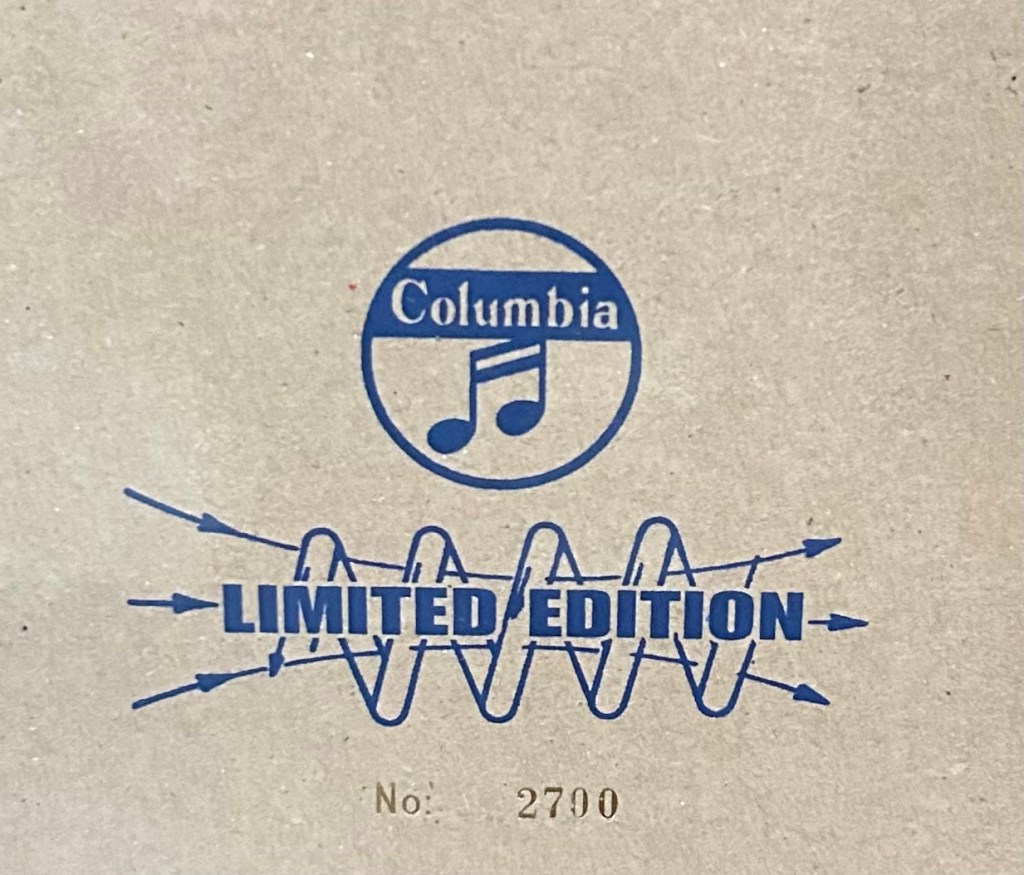
Vinyl edition – deluxe, numbered (mine is #2700), and limited to 5000
I ordered my vinyl edition when Fragments was first announced. It didn’t ship until after release date and arrived at my home a week later. It did sellout and it is being sold for double the list price on Discogs. I initially panicked when it arrived as the shipping box was damaged.

Fortunately the actual product was well packed and survived the shipping abuse.

The vinyl sounds great – clean and well pressed. I hope to write another post comparing the vinyl to digital high-resolution streaming (Tidal). The package for the box set is nicely done. There are five gatefold double albums – each double album is the equivalent of the CD version. The is a nice booklet with great photos, memorabilia and liner notes (essays by Douglas Brinkley and Steven Hyden).

Parting thoughts
The “Dylan Camp” has taken a different approach with this bootleg. Normally to get the full package you have to buy it (vinyl, CD, or downloads) and only a sampler is on streaming services. Sometimes a few years later the full release is made available on streaming (but you never get the liner note or art). This time all the music is available day one on streaming services. As a guy who spent $275 on a preorder of vinyl I have no issue with this. Selfishly I like the high resolution streaming access (I use Tidal) for mobile access and given vinyl shipping delays it was my only access. But more importantly I want people who can’t afford or those who only have casual interest to have access.
I am still digesting Fragments, but one thing is clear, TOOM would have been a success even without Daniel Lanois – it’s the songs not the production. However, Lanois’ pixie dust created a unique sonic masterpiece in the Dylan catalog and for that I am thankful. The fundamental bluesy/Americana nature of the arrangements would become the sonic approach for the rest of Dylan’s career. Fragments does not betray TOOM – it increases my appreciation of the masterpiece. This is exactly what a deluxe and expanded edition of an important album should do.
Various links:
- Jeff Slate’s Daily Beast article including interviews with producer Daniel Lanois and engineer Mark Howard here
- Interview (podcast) with remixer Michael Brauer
- Interview (podcast) with Steven Hyden who wrote the liner notes for Fragments
- Discussion (podcast) with Jeff Slate on Fragments
- Ray Padget’s notes on Fragments live tracks
- Dylan FM Substack has more information on TOOM than the average human can consume

Well now we are talking real cheap: 25¢. It is just a little worn – not bad at all – playable. This is a really easy album to find cheap (it reached number 25 on the Billboard soul chart).

This is a excellent soul jazz LP. After working with trumpeter Hugh Masekela and Earth Wind and Fire, Ronnie Laws decided to go solo and put out this LP. Produced by jazz super producer George Butler and Wayne Henderson of The Crusaders, the album has a pop jazz sound – on the funky side of pop jazz vs. the smooth jazz side. Not too slick, in fact a little greazy.
Tamia
(1979)
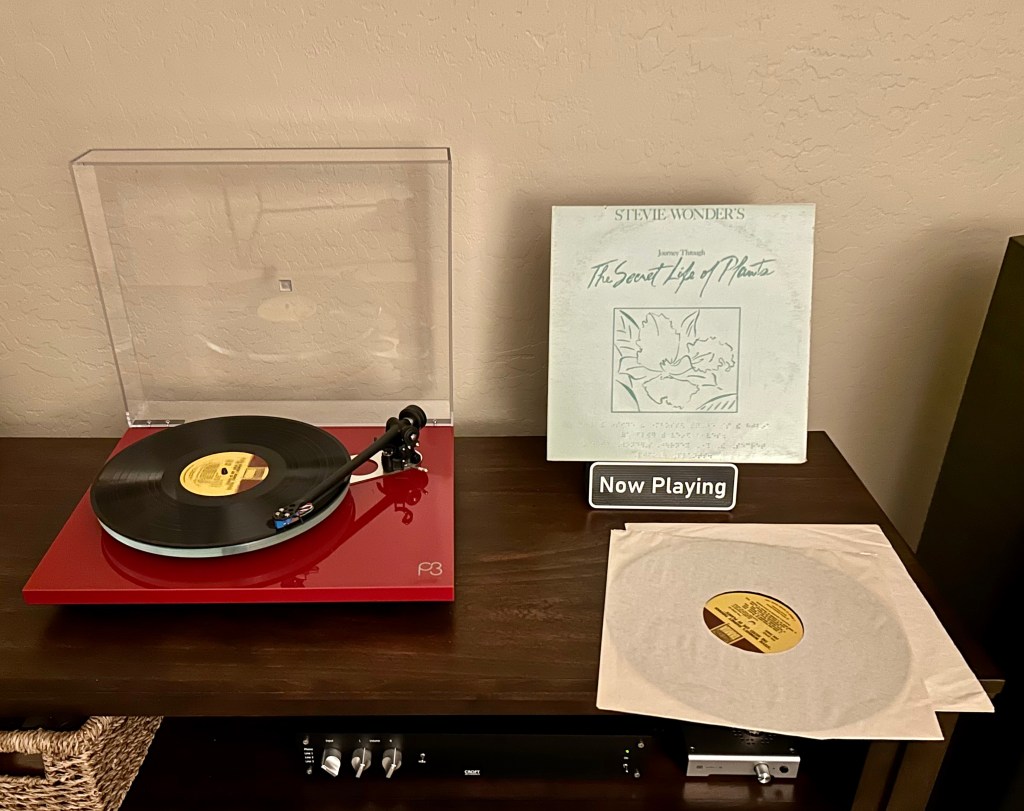
This is a weird-ass follow up to the artistic and commercial success of Songs In The Key Of Life. It is a soundtrack (mostly incidental music, but some songs with vocals too) to a documentary film (based on a book). I have never seen the movie. Last I checked Stevie is blind, so the fact he wrote a movie soundtrack blows my mind.
Some background per Wikipedia
“Wonder created the film score by having Michael Braun, the film’s producer, describe each visual image in detail, while the sound engineer, Gary Olazabal, specified the length of a passage. This information was processed to a four-track tape (with the film’s sound on one of the tracks), leaving Wonder space to add his own musical accompaniment. Wonder attempted to translate the complex information of the book and film into song lyrics.”
This is not a pop album, but given it is the work of a pop savant, it has pop elements. It is a cool album to examine the more experimental side of Stevie Wonder. This is not a bunch of hit songs like a typical Stevie album. This is for completists only and not an essential Steve album. That being said, I bought this in real time back in the day based on the strength of Songs In The Key Of Life. At the time when I bought this I did not have a very large LP collection and so I played it until I liked it.
A lot of effort was put into the packaging: it is a trifold album cover and there are embossed elements on the cover (including braille).


The braille says:
⠄⠁⠃⠧ ⠯ ⠔⠎⠊⠙⠑ ⠮ ⠑⠍⠃⠕⠎⠎⠫ ⠎⠟⠥⠜⠑ ⠊⠎ ⠮ ⠳⠞⠇⠔⠑ ⠷ ⠁ ⠋⠇⠪⠻ ⠾ ⠧⠑⠔⠫ ⠇⠂⠧⠑⠎⠲
⠠⠌⠑⠧⠊⠑ ⠠⠺⠕⠝⠙⠻⠄⠎ ⠄⠚⠳⠗⠝⠑⠽ ⠄⠐⠹ ⠠⠮ ⠠⠎⠑⠉⠗⠑⠞ ⠠⠇⠊⠋⠑ ⠷ ⠠⠰⠏⠇⠁⠝⠞⠎⠲
“Above and inside the embossed square is the outline of a flower with veined leaves. Stevie Wonder’s Journey Through The Secret Life of Plants.“
This album was recoded and edited on the Sony PCM 1600. Per Wikipedia this: “is an early digital recording, released three months after Ry Cooder’s Bop till You Drop, generally believed to be the first digitally recorded popular music album, with this album being the second.”
I don’t recall how much I paid for this duplicate, but assume a couple of bucks. The vinyl is pretty clean with just a few pops and clicks. The cover has some slight wear. Per Discogs, the value of this LP., even in great shape, is less than five bucks.
One more thing – this is a double album formatted as side one backed by side four and side two backed by side three. These are from the days when most people had a “changer” which was a turntable that played several LPs in sequence without user intervention. In this case the changer would have automatically played side one and two and then the user would flip the two LPs and play sides three and four automatically. Kind of a interesting nuisance in today’s one-at-a-time turntable convention.
The value of this album is more as a novelty: experimental Stevie, packaging, and early digital recording.
Inspired by a $1 duplicate that is part of the 🌵 Desert Sessions 🌵 2.0: Cheap Used Records series.

(1985)
Alligator Records
It is hard not to love the blues. I learned to love the blues in the late 70s and early 80s. That was a great time get to turned on to the blues. Young bucks like Stevie Ray Vaughan and Robert Cray were attracting serious attention. Under appreciated acts, in their prime, like Albert Collins (the Ice Man) and Buddy Guy were finally getting their due. Titans like Muddy Waters (who past in 83) and Willie Dixon were still around. I was just hip enough to witness some of it first hand: saw Albert Collins a couple of times. Met Willie Dixon (that is another post). Witnessed Robert Cray when he was about as big a superstar as a bluesman can be – saw him move from clubs to theaters. Never did see Johnny Copeland.

This album was released in 1985 and I was ripe for it as I was already a big fan of the Ice Man and Cray. It was an amazing introduction to Johnny Copeland. What I like about the album is that despite three gunslingers, they found a way to share the ball.
This album was about midway in my exploration of the blues. It was a hell of a teacher. I have listened to this hundreds of times and it never gets old and it continues to reveal itself to me.
One of the great features of the album is the back cover identifies the soloists. This helped me learn each guitar soloist unique guitar voice.
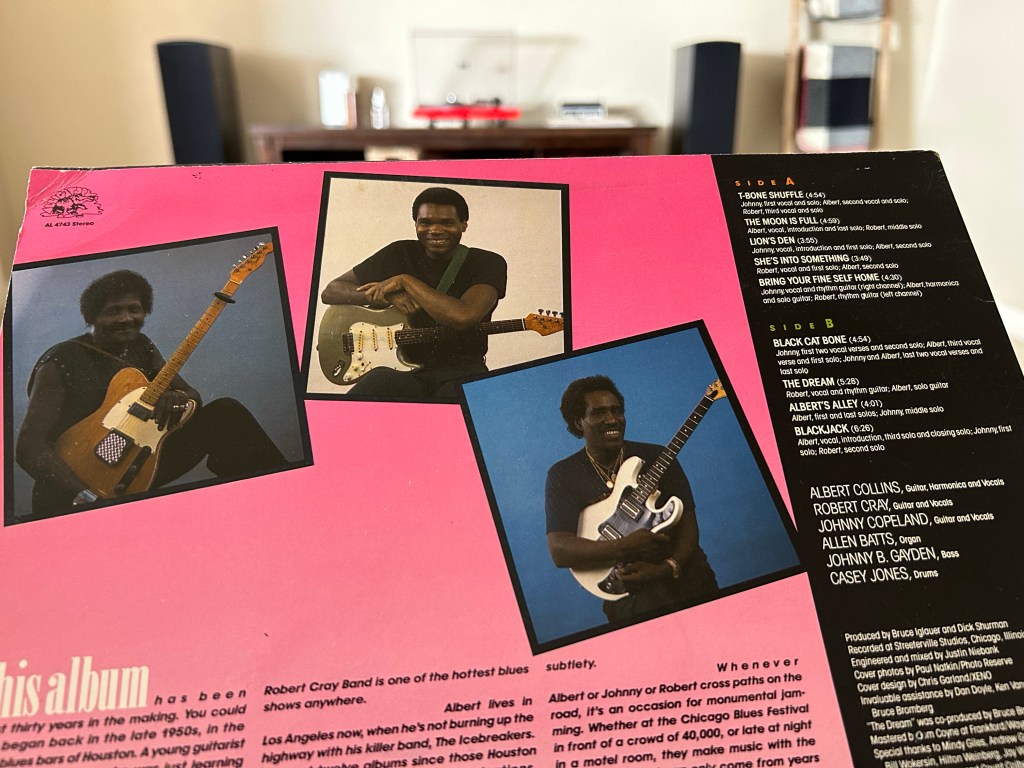
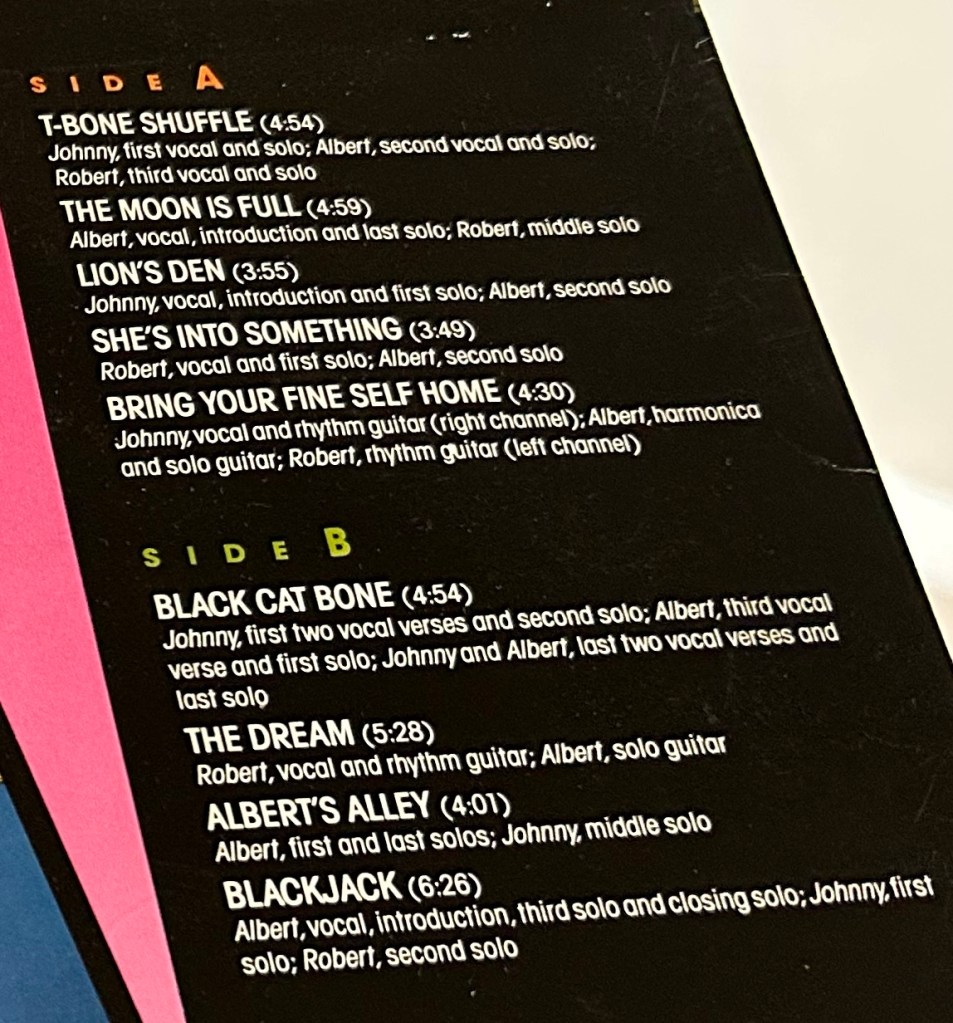
This album is top shelf and on my top 25 of all time (I have not formalized that list – another post someday). It is playful sparring, yet each guy is seriously strutting. You will fall in love with each of these guys. Albert has a gentle bite, Robert is suave, and Johnny is a gruff sexy. If I had to pick the star of the show it is the Ice Man. It was his label after all and great musicians know how to be brilliant yet polite – Robert and Johnny are gentleman.
Trust me – listen to this album and if you don’t love it you should quit following me. This is a great album!
As for the dollar LP – it is in pretty good shape. Some surface noise, but not bad – nothing serious. The cover is a little bent on the corners. My estimate is that this album, in this condition, would go for about $8 in a respectable record shop.
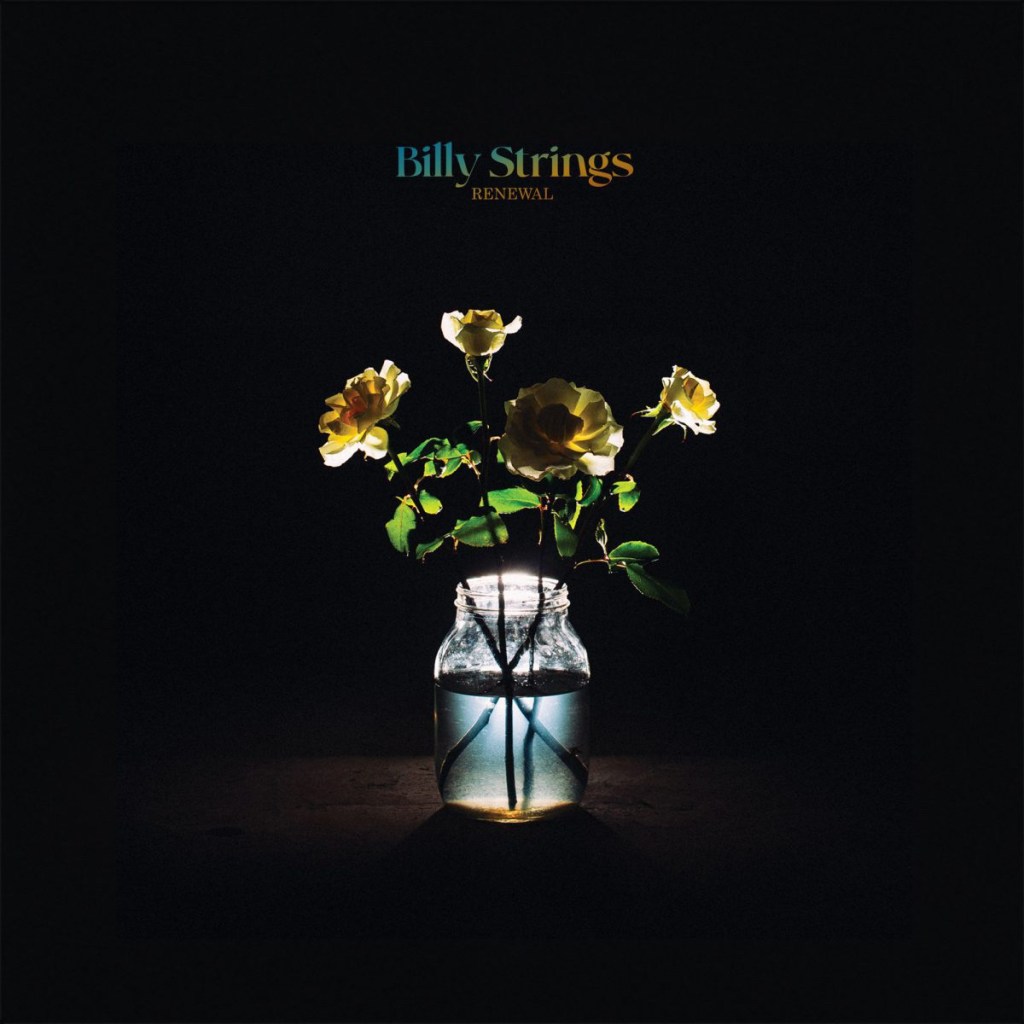
Rounder Records
Billy Strings has done one of the most unlikely things: become a rock star playing bluegrass. I am late to the Billy Strings bandwagon, but I can see why he is a big deal: he is a virtuoso picker, has unique twang to his voice, is a solid songwriter and modernizes bluegrass without dishonoring it.
One of the attractions for me was the album was produced by Jonathan Wilson (Roger Waters, Father John Misty and the new Margo Price album). I love Wilson’s production of Father John Misty and Wilson’s solo work is outstanding. What I like about Wilson’s production is that it is invisible. He supports the artist’s vision and not his own. There is a time and place for a heavy handed producer (e.g, Daniel Lanois and Todd Rundgren), but usually a light touch is what is preferred.
I particularly like when Strings get a bit psychedelic and jammy like on “Hide And Seek.” At times there is a jazz/ragtime vibe (“Ice Bridges”).

This is a wonderful album and don’t be turned off by the bluegrass classification. Strings transcends the genre (much like David Grisman did). He makes Billy Strings’ music.
When it comes to issuing vinyl, the challenges of the Covid supply chain disruption are exacerbated by the music industry’s overall incompetence. There are not enough vinyl record factories to meet demand despite a decade-long trend that vinyl is a “thing.” Therefore, some artists are impatient and focus on the digital/steaming release and then put in their order for vinyl. I appreciate the artist’s urgency to get music in front of their fans. I also appreciate the delay between digital and vinyl as it allows me to get familiar with the album and determine if I am really committed to owning the vinyl version.
I love streaming, but I also love vinyl. I mostly listen to music via streaming services – even on my home stereo. My bias towards streaming is due to convenience. It is obviously great when you are on the go, but with the right streaming service and the right equipment, you can get audiophile quality out of a streaming service. I use Tidal’s MQA via a Bluesound Node – it sounds fantastic. This post is not a record review, but rather a comparison of digital to vinyl releases of an album. I am not someone who passionately believes vinyl is better than digital or that digital is better than vinyl. It depends – in a 2021 post on the Bluesound Node streaming device I said:
Since I am focused on streaming and I am a vinyl guy – which sounds better vinyl or digital? I can give you a definitive answer: it depends on the specific recording. How an album was recorded, how it was mastered and how it was transferred to the final state (a vinyl record or a digital file) can make a vinyl record sound better than the digital file and vice versa. Don’t forget your mood upon listening. I find I am a more attentive listener with vinyl because the format demands more engagement: pull the album off the shelf, clean it, drop the needle, flip the record, etc. But in general, a well recorded digital album (and most everything recorded in last 20 years is a digital source anyway) that has been well mastered to digital generally wins over its vinyl sibling. Ultimately the last steps in production is an art form. Those final steps in the production to form the final product, whether vinyl or a digital file, are an artistic expression too. They are susceptible to the skills and taste of the engineer. All that being said, I love vinyl and despite the great sound and convenience of the Bluesound NODE 2i, I will not be giving up on vinyl any time soon.
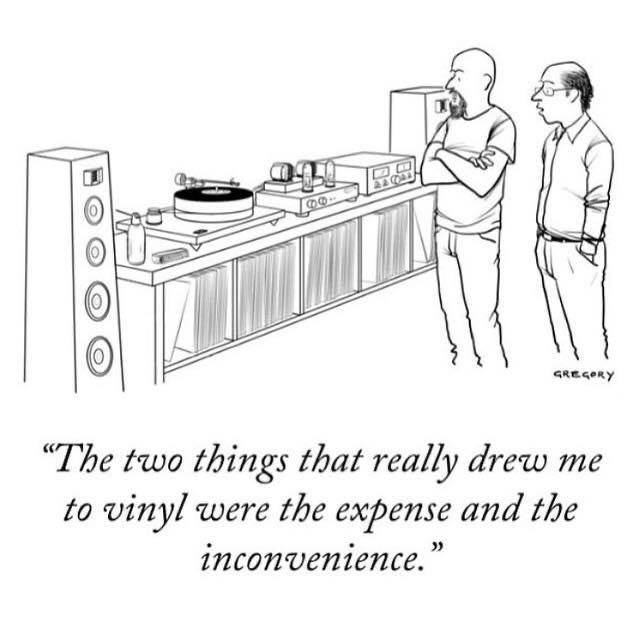
When vinyl is well done it is worth the expense and the inconvenience. When it is well executed – it often is not – it is a great experience. When a recording artist gives a shit about vinyl (vs. money-grab merch), they will make an effort:
- Creating a unique vinyl mix that is sensitive to what vinyl is good and bad at
- Stamp the vinyl in cool colored wax – although this is more about vinyl as a fetish collectible vs. a superior audio media
- Great packaging – the vinyl format allows enough space and purchase price to do some creative presentations – (not much has been done with the digital medium and CDs were just too small to do much creatively)
- High-quality pressing (the rarest of successes – most new vinyl is not carefully pressed resulting in surface noise)
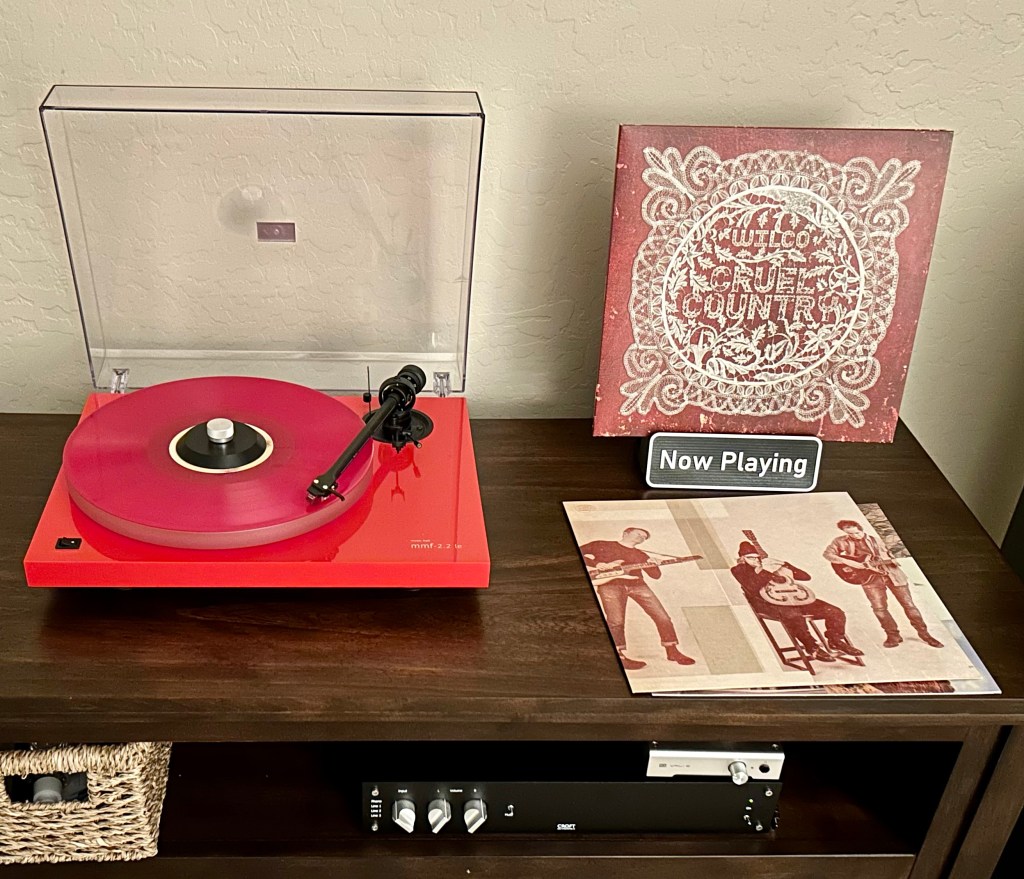
I fell hard for Cruel Country when it was digitally released in late May 2022. I loved Wilco’s full-scale embrace of country music, albeit with Wilco’s unique take on country music. It ended up as my number two favorite album of 2022. As soon as Wilco announced the vinyl release I pre-ordered it. The vinyl was released on January 20, 2023.
The vinyl mix sounds fantastic – I am hearing things I missed on the digital/streaming version. It is luscious with a nice wide stereo sound stage. The guitars sound especially good. Comparing it to the digital version (Tidal Master/MQA) I find the digital a bit harsh vs. the mellow warmth of the vinyl. The digital soundstage slightly compressed compared to the vinyl. The wax is not as pristine as it could be (see Blue Note’s Tone Poet series for the gold standard) – although it is generally quiet, it does have pops and clicks. Despite the surface noise I prefer the vinyl version.
I love vinyl sides that are appropriate in length; too many new vinyl records are 2 or 3 songs on each side. Cruel Country‘s sides are 4 to 6 songs. Wilco must have thought through the song sequencing in advance to be ready for vinyl as there are no awkwardly short sides. The 21 songs are nicely paced across 4 sides.
One of the clever packaging decisions was to include postcards that have the lyrics and credits on the other side of the postcard. Another is the cover doily image is expanded on the inside gatefold with the song titles. The photos of the band members on the album sleeves have a deliberate old-time photography feel.

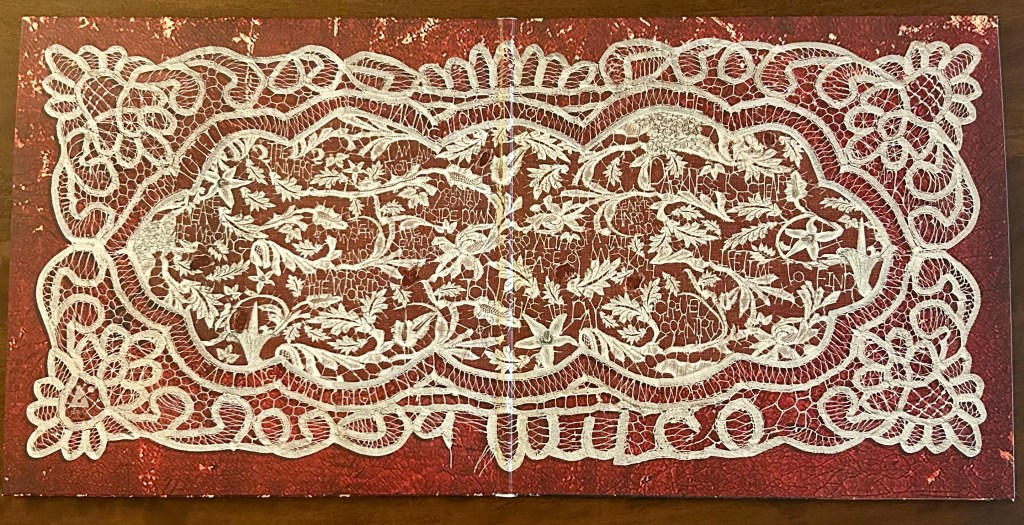
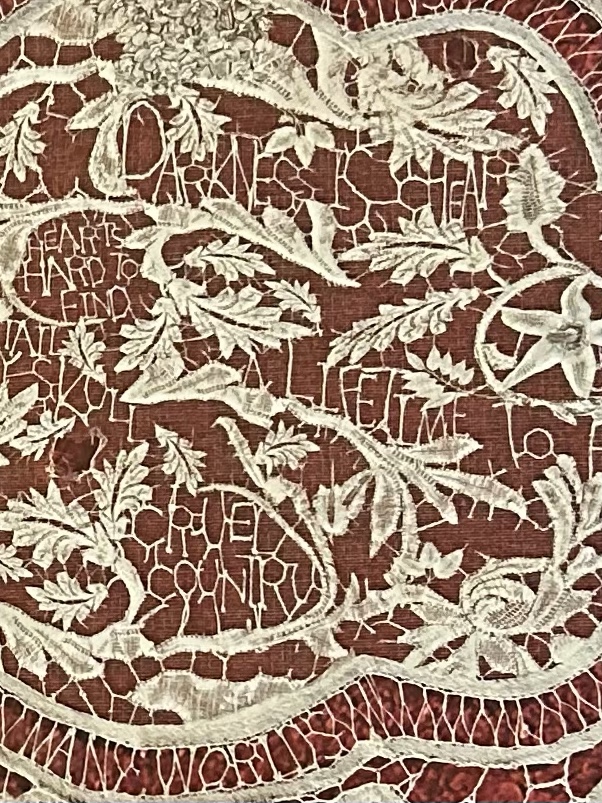


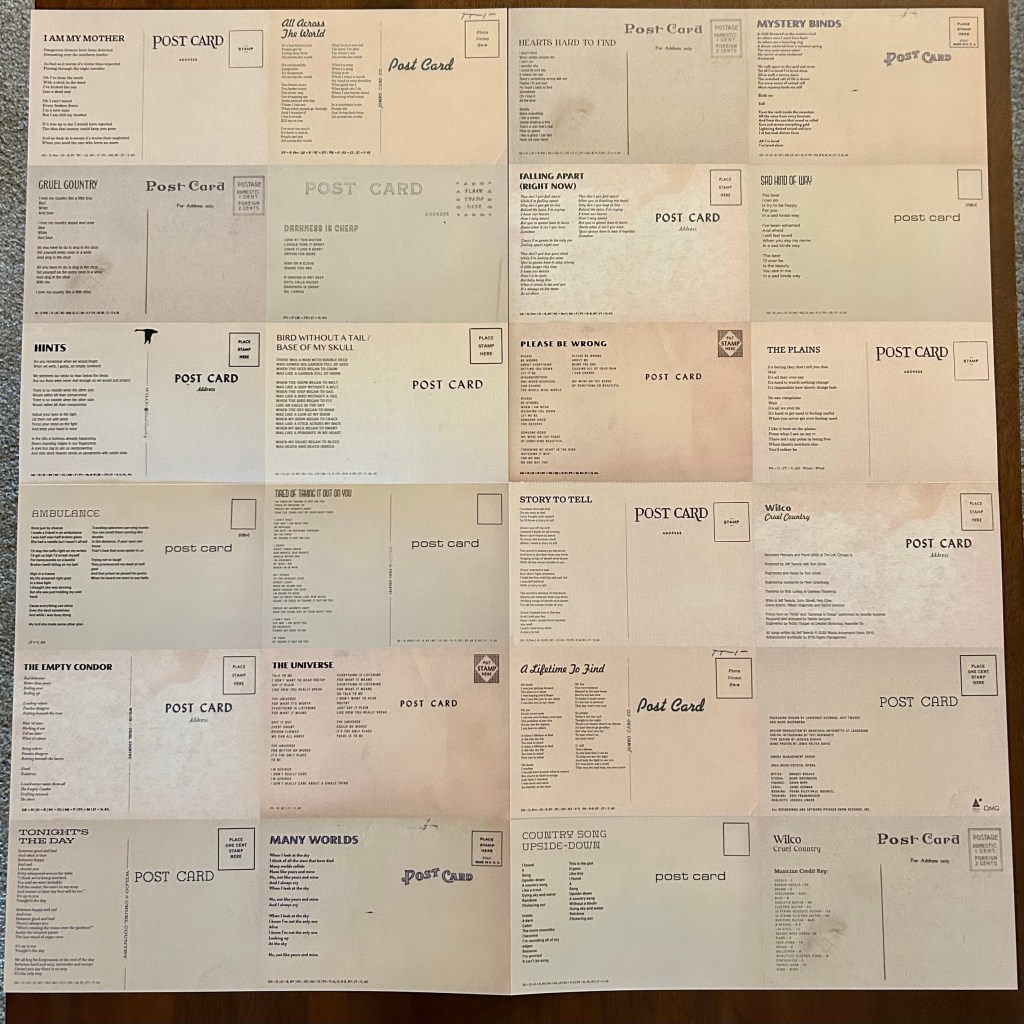
In general, Wilco has met my expectations of a good vinyl release: unique mix, great packaging, beautiful red and blue wax, and great sound that offers something different from the digital release. I would recommend this vinyl edition despite pops and clicks. However, the digital version (even the Spotify version) is well executed – the differences between the high resolution stream and the vinyl is very slight. Wilco really knocks it out of the park with the vinyl packaging. If you are a Wilco obsessive the vinyl is must have.

Strays
(2023)
Strays is Margo Price’s best album. That is saying a lot as she has been a three album roll since her 2016 debut on Third Man Records (Midwest Farmer’s Daughter). That album was pure country (almost retro), but with each successive album, she has evolved away from that sound to a more classic rock sound. On Strays she takes that classic rock sound to a new place: a hybrid of 80s New Wave and 70s Country Rock with a psychedelic twist – it is actually pretty hard to categorize. I hear so many influences, yet those influences are neither appropriation nor imitation, but inspiration. It is psychedelic without being nonsensical – she manages to be a hippie without being dippy.
Just as her career was getting some traction, the pandemic hit. She did not let COVID overwhelm her, instead, she finished and published a memoir, quit drinking and recorded and released Strays. The album narrative for Strays is that Margo and her husband/musical partner (Jeremy Ivey) took a psychedelic trip in 2020 and that was the creative spark for the songs they wrote for Strays. As a bonus, the psilocybin inspired Margo to quit alcohol (she is now two years alcohol sober, but she still enjoys weed and psychedelics).
What influences do I hear on Strays?
- Patti Smith
- Tom Petty
- George Harrison
- Linda Ronstadt
- The Moody Blues
- Joni Mitchell
- Father John Misty (not surprising given producer Jonathan Wilson)
- Fleetwood Mac/Stevie Nicks
- Rosanne Cash
I hear so many influences, yet those influences are neither appropriation nor imitation, but inspiration. It is psychedelic without being nonsensical – she manages to be a hippie without being dippy.
Producer Jonathan Wilson is the perfect sonic complement to Margo’s psilocybin-influenced songwriting. They took the classic rock sound that Margo and Sturgill Simpson produced That’s How Rumors Get Started (2020) and perfected it. It is now as slick (in a good way) as a Fleetwood Mac or Tom Petty album. Strays sounds confident and fully realized. Margo has evolved on each record; I believe this is the best version of herself.
“Been To The Mountain” was the first single and the opening track. I am an album guy and so I rarely listen to the teaser tracks, but I did listen to this one and it definitely caught my ears and foreshadowed that this was going to be a special album. I have seen some reviews that suggest the song has a Janis Joplin feel, but I don’t hear it; instead, I hear Patti Smith fronting the Moody Blues.
“Light Me Up” features Mike Campbell (Tom Petty) and it is epic. I know Margo is a Petty fan and she makes his sound her own – similar to how Stevie Nicks successfully “stole” Petty’s vibe. This is a wonderful example of Jonathan Wilson’s production genius.
“Radio” features singer-songwriter Sharon Van Etten in this brilliant cocktail of 80s new wave and folk rock. Imagine if The Cars and The Eagles got together to back up Linda Ronstadt.
“Change Of Heart” continues the New Wave/Country Rock vibe. I could easily hear Tom Petty covering this song.
“County Road” has a nice mid-70s Linda Ronstadt vibe mixed with a countrified Fleetwood. The song opens with a beautiful Joni-inspired piano intro. Lyrically it imagines an old friend who never had a car who is now passed, but now has wheels in the afterlife.
“Time Machine” has a playful Kacey Musgraves vibe. This is the only song on the album not penned by Margo – it was written by Chris Denney & Dillon Napier (Margo’s drummer).
“Hell In The Heartland” is Rosanne Cash meets Fleetwood Mac.
“Anytime You Call” features Lucius and has a George Harrison feel.
“Lydia” was the second teaser single and is a mournful narrative of a woman’s visit to an abortion clinic. Sonically it is the most austere track on the album. The simplicity of the arrangement makes it better – a busy arrangement would have overshadowed the raw beauty of the song. Lyrically it is like a feature movie.
“Landfill” is Margo’s strongest and most impressive vocal on the album – coupled with the arrangement it is a gorgeous track. The last track is a wistful life-to-date self-reflection and the perfect end of the album.
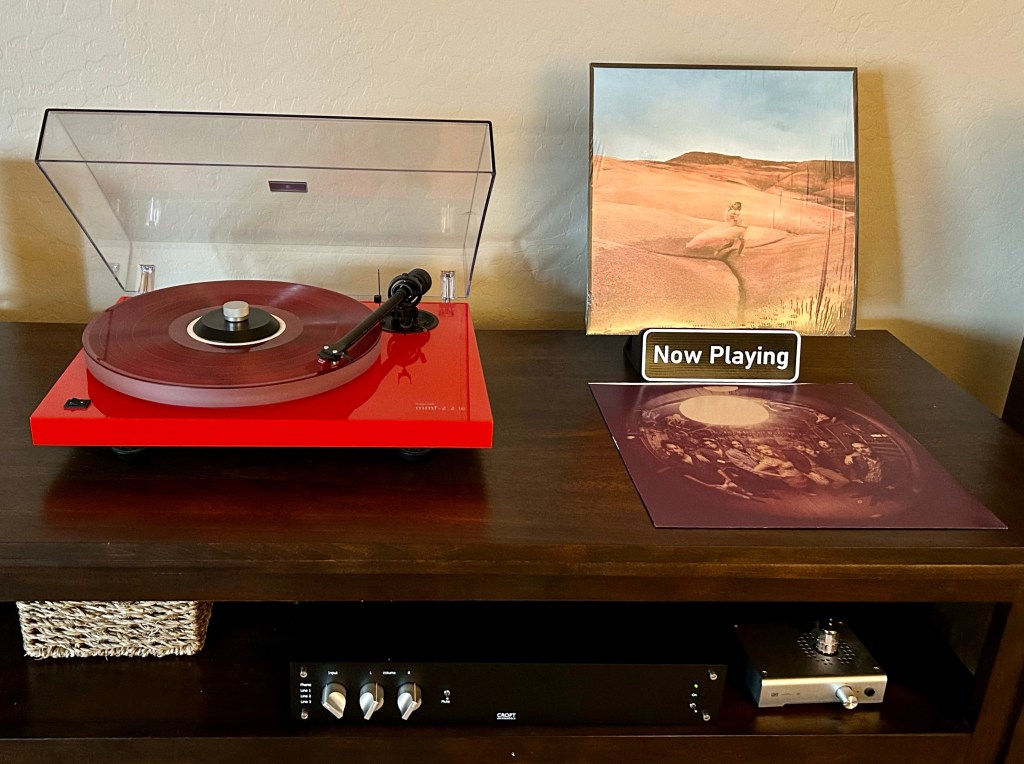
This is a magnificent evolution of a recording artist: great songs, great performance, and great sonics (production). What an album to open 2023! I can’t wait to see/hear this live on the “Til the Wheels Fall Off Tour.”
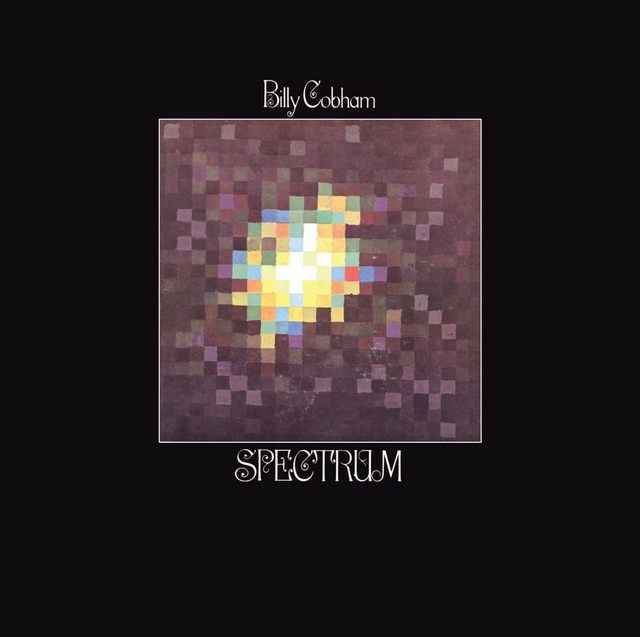
Spectrum
(1973)
This was Billy Cobham’s debut album. He had made a name for himself as a jazz rock fusion drummer with Miles Davis and then with the Mahavishnu Orchestra.
The core band for this album is: Billy Cobham – drums, percussion, production and Jan Hammer (also in the Mahavishnu Orchestra) – electric and acoustic pianos, Moog synthesizer. Other players include: Tommy Bolin – guitar, Echoplex; Lee Sklar – electric bass; Joe Farrell – soprano and alto saxes, flute; Jimmy Owens – flugelhorn, trumpet; John Tropea – guitar; Ron Carter – acoustic bass and Ray Barretto – congas.
This is a classic example of 70s jazz rock fusion. It is more accessible than the Mahavishnu Orchestra, but still adventurous. It has a nice touch of funk to it. Under the credits, Cobham is quoted: “What is life but a Spectrum and what is music but life itself.” Dig it!
Jon Lord of Deep Purple (guitarist Tommy Bolin would later play in Deep Purple) called Spectrum “an utterly astounding album. There was Tommy Bolin just shredding away like mad. And it was just gorgeous stuff, all improvised, all just off the top of his head.”
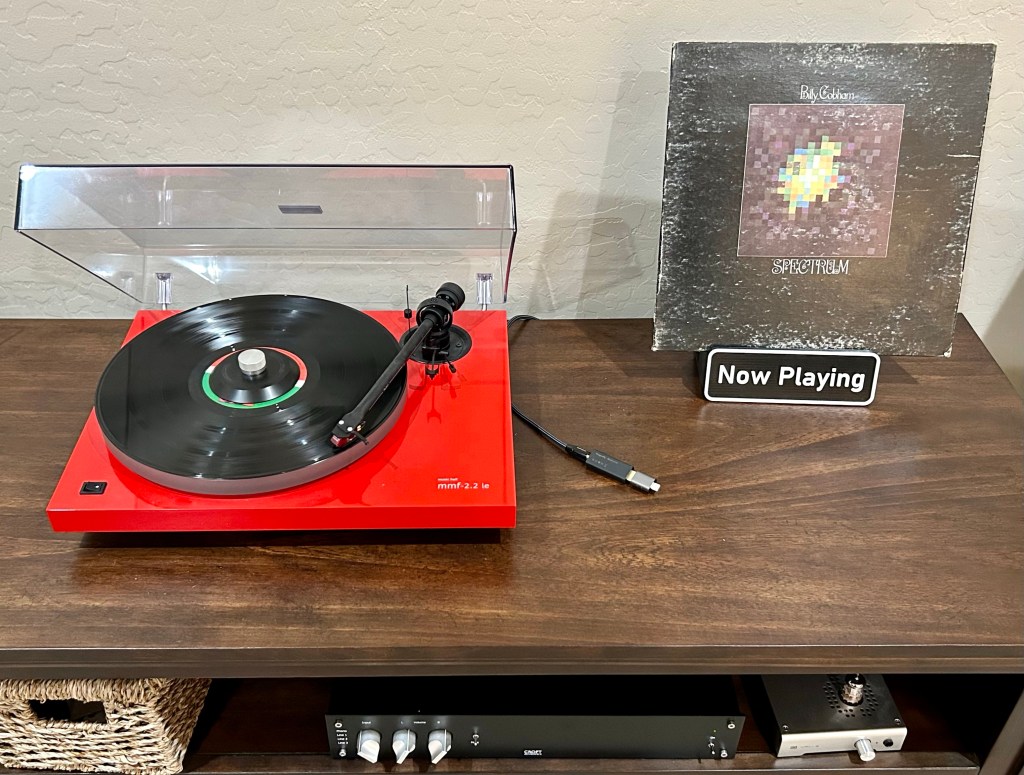
My copy is in decent shape for a $1 record. Some pops and scratches, but no skips. The cover is well worn, but not broken. Overall condition is “Good” per the Goldmine standard.
King’s Record Shop
(1987)
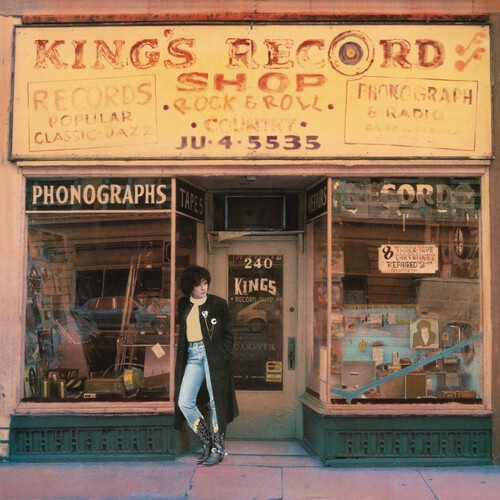
This was my introduction to Roseanne Cash. It is a masterpiece. Although Cash is classified as country, she transcends the genre. The album has a timeless quality. She is a sophisticated pop country singer that has more in common with Linda Ronstadt than her country contemporaries. If she was coming on the scene now she would be categorized as Americana. She is both a cover artist and singer songwriter.
This is the sixth and last Cash album that would be produced by Rodney Crowell. She was also married to Crowell. Cash and Crowell were a successful music partnership with lots of hits with an unconventional approach in the country genre. This album is a great example of their amazing musical cocktail. It is pop county, without any of the cliches. This album made me a Rosanne Cash fan. Her subsequent albums were less popular, but more sophisticated. Her prior albums were even more pop, but brilliant.
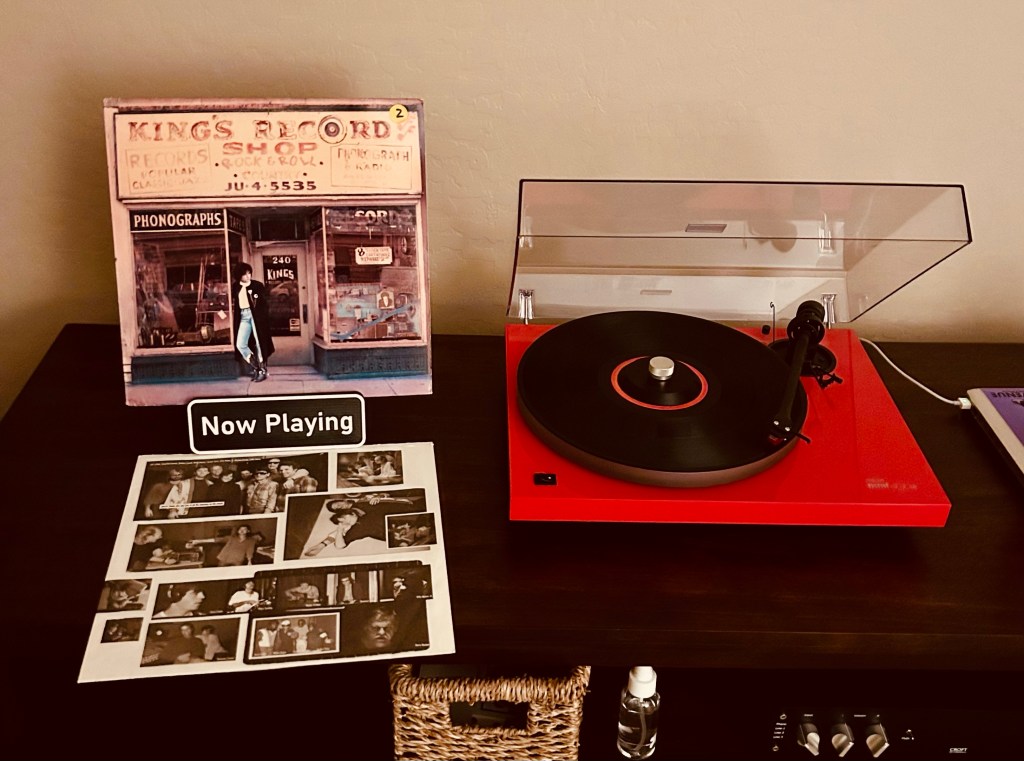
This is a $2 record. It is pristine except for a skip in the first track of side one – it only needs a slight nudge to play through the skip.

Thanks I’ll Eat It Here
(1979)
Thanks I’ll Eat It Here is in the Catchgroove hall of fame. This still had the $1 price tag on it (pealed that off 😂 for the photo below). The cover is a little beat up and has a cutout gouge. The vinyl is decent with some light scratches resulting in a few pops and clicks – but in great shape for a dollar record. This is an easy album to find cheap. Highly recommended.
In my original post I wrote: “At the time this album was recorded, George felt Little Feat was venturing too far toward jazz rock fusion, a style he hated, so he retreated back to the Dixie Chicken vibe on this solo debut. The album is a mix of covers and George originals. The album has an easy, almost tossed-offed feel, but if you listen to it carefully it is deeply soulful, cleverly arranged and expertly played by the top session cats of the day (late 70s). Sadly, this would be George’s last album as he died shortly after its release.”


 Axl's Catch Groove