Gerry Rafferty – City to City (1978) & Night Owl (1979)
After a few years of contractual exile, Gerry Rafferty delivered a pop-rock masterpiece with City to City in 1978 and a respectable follow-up with Night Owl in 1979. Unfortunately, Rafferty struggled with alcoholism and was not able to sustain the artistic and commercial success of these two albums.
I was 19 and 20 years old when these albums came out. I was a fan of the radio hits, but I did not own City to City until much later in life (when I had more disposable income). I never owned Night Owl. Back in the day, when albums cost real money (not a low-priced subscription), you had to be judicious with your purchases. For me, that meant that albums with songs on the radio were less essential – enjoy that artist for free on the radio.
I am in a Gerry Rafferty mood as my son and his fiancée made a contribution of these two LPs to the Desert 🌵 Sessions over the holidays. I prefer vintage wax (versus reissues), and both of these used LPs are in great condition (both cover/insert art and the vinyl). City to City and Night Owl are albums that should be listened to on vinyl, as that is how they were artistically conceived to be consumed (that and on the radio). It is great to have the Desert 🌵 Sessions collection.
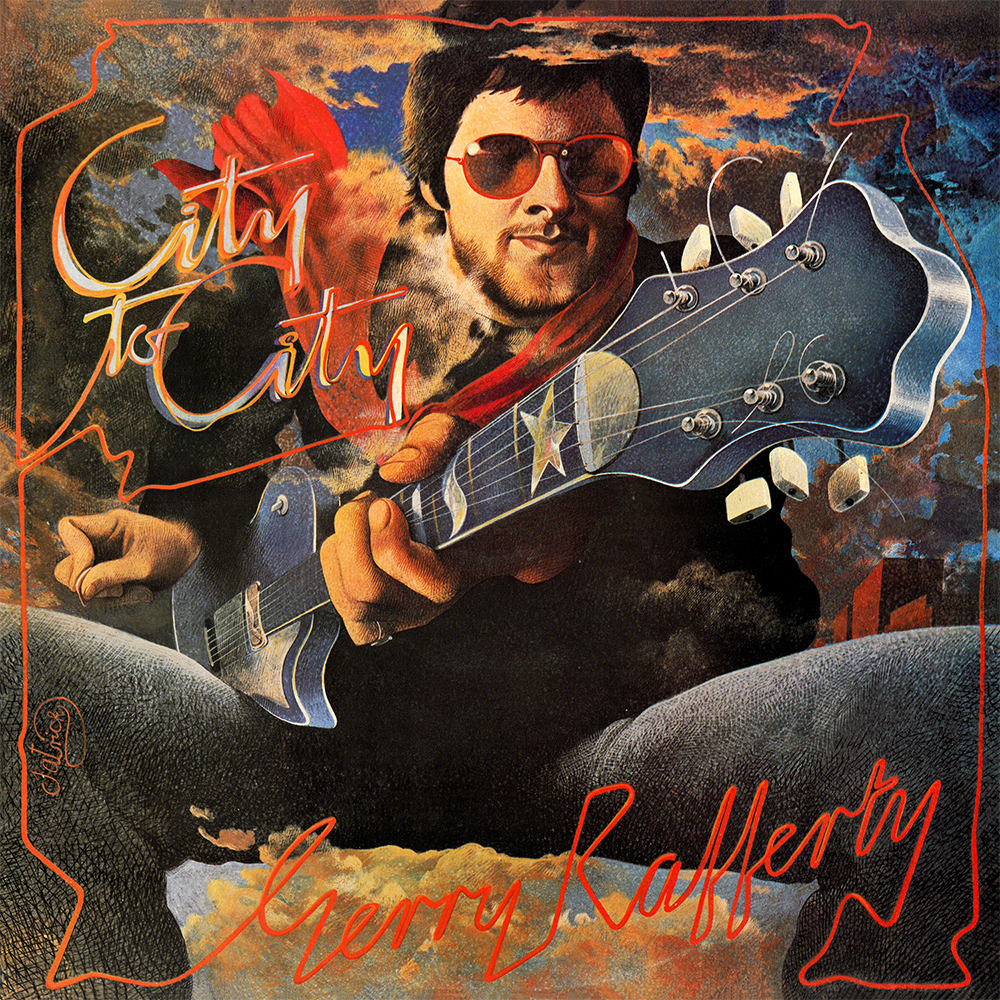
Dropping the needle on side one of City To City at the Desert 🌵 Sessions and I am instantly reminded of what a pop-rock masterpiece it is – on par with top-tier ‘70s Elton John (of course, Elton is superior as he did it over a career versus one album). The album’s big single, “Baker Street,” is a favorite of mine. However, it was not until the early 90s that I got a CD of City To City and learned it was a great album, far more than just three hit singles. Later, I picked up a used vinyl version.
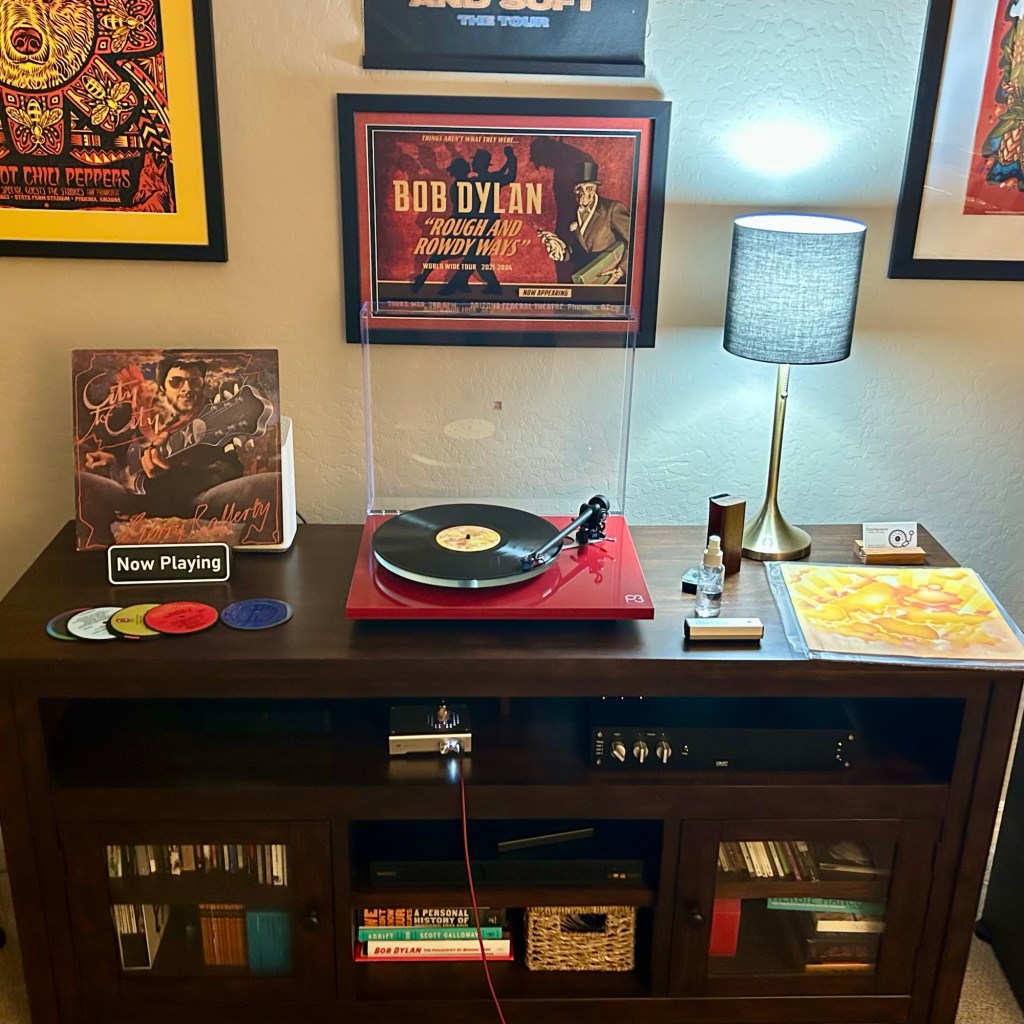
“The Ark” opens side one of City To City, sounding like a Celtic rock amalgam of Pink Floyd, Elton John, and Paul McCartney.
“Baker Street,” Rafferty’s biggest hit, starts with a Steely Dan-like (or Court And Spark era Joini) intro. It then surges into a folk-rock verse, crescendoing into a sax solo that extends the melody. Then it is back to another folk-rock verse, which then crescendos into the sax solo. The sax hands off to a searing guitar solo, and then a final handoff to the sax for an outro. Strings are added throughout the song. Baker Street is a brilliant single.
“Right Down The Line” is another hit single. I bet Mark Knophler liked this song – this is the blueprint for Dire Straits.
“City to City” is a train song and is a little bit corny. I love it when the Brits, Scots, and Irish try to play country music. It is earnest, but way off – in a good way. Fun little ditty, but not an essential track – surprisingly it was the first single, not surprisingly it flopped.
“Stealin’ Time” is a pretty piano ballad. Evidently, George Michael was a Rafferty fan, and you can hear the influence here.
“Mattie’s Rag” opens side two with a Beatlesque take on ragtime (specifically a George Harrison take). I’m a nice little ditty.
“Whatever’s Written in Your Heart” is a grandiose piano power ballad that would not have sounded out of place on a late ’70s Billy Joel album. This was a single and minor hit. It sounds like a breakup song with fond regrets.
“Island” opens with a great sax solo. The song has a nice Caribbean vibe and a soulful vocal. It sounds like a couple on the verge of a breakup but savoring some end-of-relationship vacation sex.
“Home and Dry” is another single and a minor hit. The track has a nice a muscular strutting bass line (not sure if it is a bass or synth).
“Waiting for the Day” opens with a great tambourine beat and synth riff. The song features a nice, muscular rock-and-roll guitar solo and gorgeous vocals. I would love Lady Gaga to cover it in her rock mode.
City To City is a way better album than I remember. Rafferty’s songwriting and arrangements are great. His vocals are distinctive and soulful. After being a one-hit wonder with Stealers Wheel (“Stuck in the Middle with You”), Rafferty proved that he had the goods with City To City.
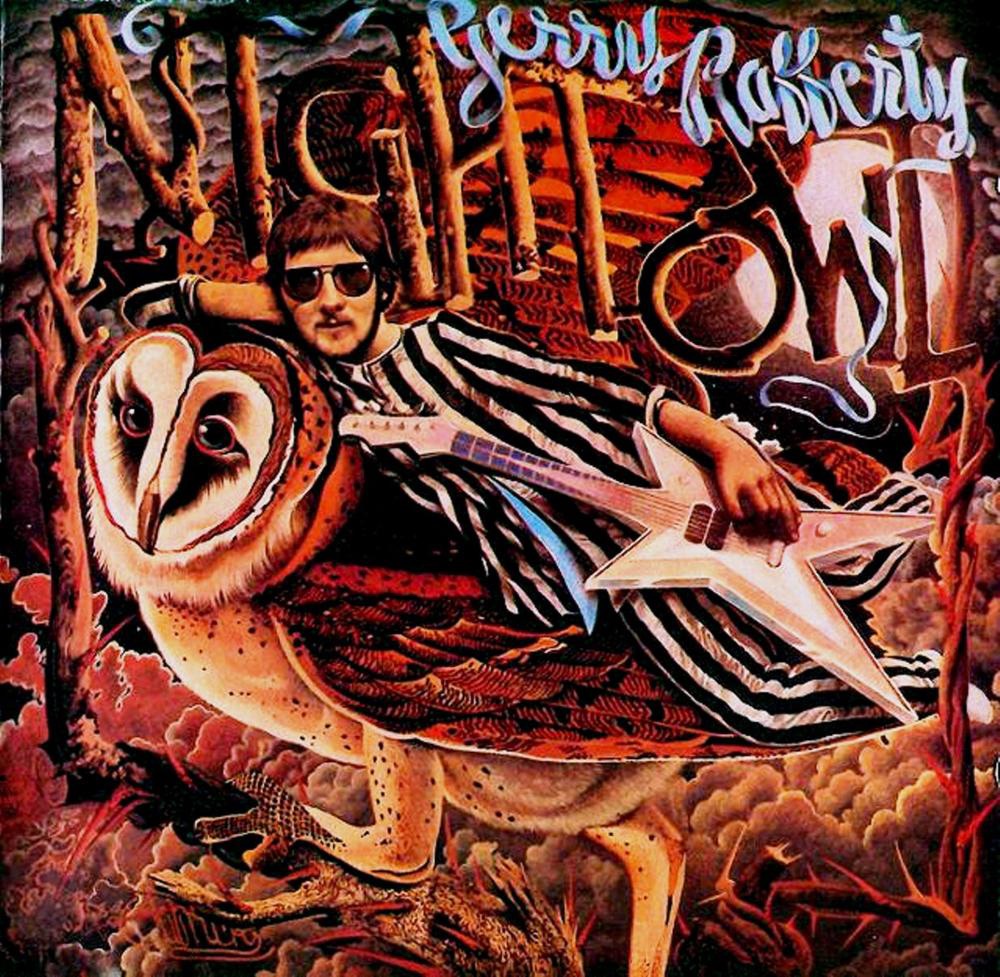
Rafferty quickly followed up City To City with Night Owl. It is a respectable follow-up, but it is not nearly as strong as City To City.
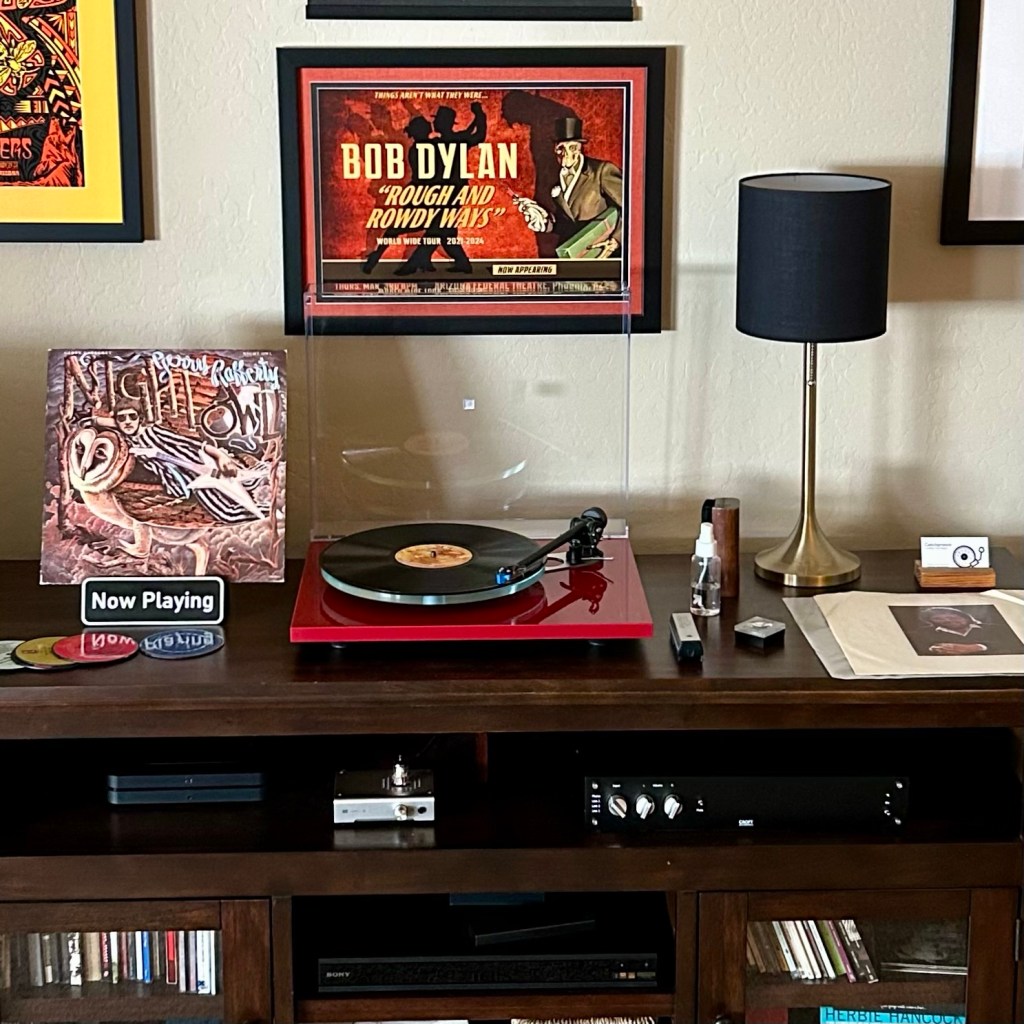
Side one of Night Owl opens with “Days Gone Down (Still Got the Light in Your Eyes),” a solid single that was a moderate hit in the US and internationally. It would fit nicely on City To City.
The titular track, “Night Owl,” was a UK hit, and I don’t recall hearing it back in the day. I could imagine this at a club, catching myself grooving to it. It anticipates a new wave genre that was about to emerge. It is a break from the City To City vibe and reminds me of Steve Winwood’s 80s hits, or a less gloomy Roxy Music.
I can’t tell if “The Way That You Do It” is a sexy love song or a lovers’ quarrel. A nice evolution of the City To City vibe.
“Why Won’t You Talk to Me?” is about the silent treatment, and the narrator does not know why. Its song has some nice country flourishes as only a Scot can pull off.
“Get It Right Next Time” was a moderate hit with a Pink Floyd vibe. This sounds like it could be on a contemporaryJonathan Wilson album.
Side one of Night Owl is a worthy follow-up to City To City, but side two is weaker.
“Take the Money and Run” is another song that sounds like a direct influence on Dire Straits. “Family Tree” reminds me of an overly sweet Christmas song – skip. “Already Gone” sounds like a City To City outtake – another weak track. “The Tourist” is more filler. “It’s Gonna Be a Long Night” has a weird vocal effect on Rafferty’s vocals that I find distracting.
Overall, Night Owl has an excellent side one and a weak side two – better than most albums.
Spending time with Rafferty reminds me that he comes from a UK tradition of singer-songwriters who are instantly recognizable vocalists (Al Stewart, Cat Stevens, Richard Thompson, Sting, McCartney, etc.). Even if you have never heard a song before, you know who it is. In addition, he is a strong songwriter and arranger. The older I get, the more Beatlesque a lot of pop-rock music sounds. These two albums are clearly influenced by the Beatles’/post-Beatles solo careers. And that is not a bad thing, when a Beatles-influenced singer-songwriter nails it, it can’t be beat. Rafferty nails it on City To City and half of Night Owl.

 Axl's Catch Groove